
The Diagnosis of Psychogenic Nonepileptic Seizures from the

- Slides: 35
The Diagnosis of Psychogenic Nonepileptic Seizures from the Neurological & Psychiatric Perspectives DEEPTI ANBARASAN, MD NYU SCHOOL OF MEDICINE NYC NEUROPSYCHIATRY, PRIVATE PRACTICE 10/19/19
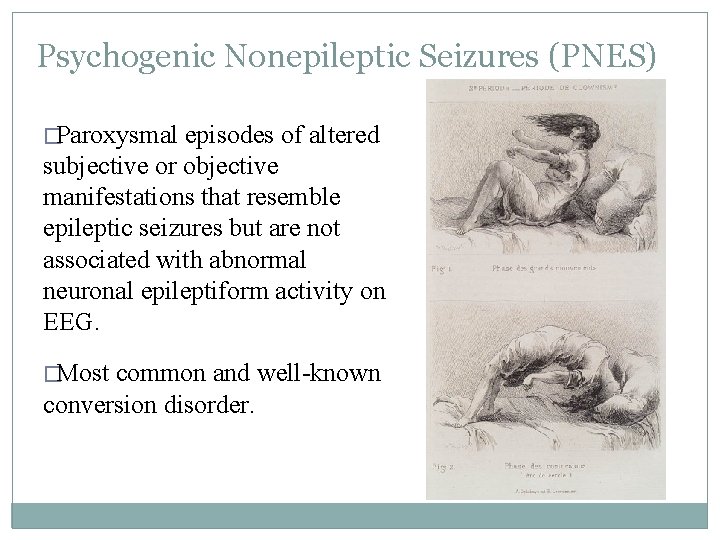
Psychogenic Nonepileptic Seizures (PNES) �Paroxysmal episodes of altered subjective or objective manifestations that resemble epileptic seizures but are not associated with abnormal neuronal epileptiform activity on EEG. �Most common and well-known conversion disorder.
Epidemiology of PNES �Estimated � 3: 1 prevalence is 30/100, 000 individuals ratio for women: men �Mean age of onset of 31 years (+/- 15 years) �Lifetime �Mild physical or sexual abuse: 23% to 77% traumatic brain injury
Epidemiology of PNES �Predisposing factors �Temperament �Early (expectation and anxiety traits) childhood experiences �Precipitating and perpetuating factors �Attention �Expectation �Stress/Arousal �Dissociation/Hypnosis �Voluntariness
Epidemiology of PNES �Specific circumstances �Bereavement �Being in or witnessing an accident �School phobia or difficulties in school (including bullying, specific learning difficulties, or unrealistic expectations) in early-onset cases �Health-related trauma in late–onset cases
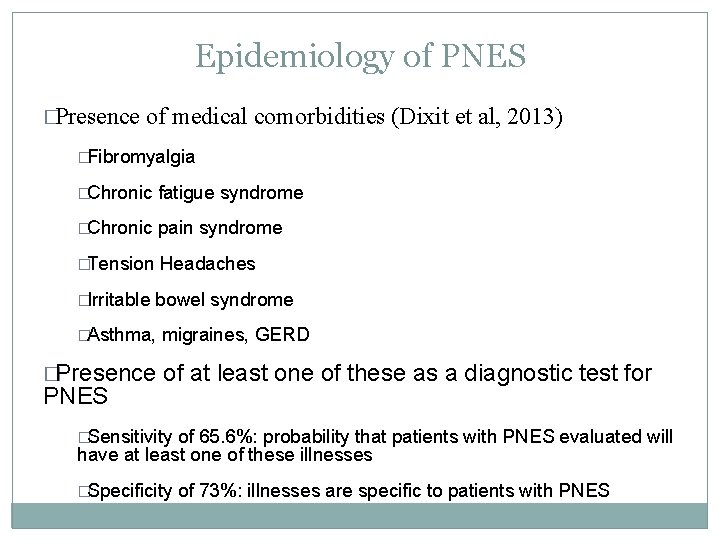
Epidemiology of PNES �Presence of medical comorbidities (Dixit et al, 2013) � Fibromyalgia � Chronic fatigue syndrome � Chronic pain syndrome � Tension Headaches � Irritable bowel syndrome � Asthma, migraines, GERD � Presence of at least one of these as a diagnostic test for PNES � Sensitivity of 65. 6%: probability that patients with PNES evaluated will have at least one of these illnesses � Specificity of 73%: illnesses are specific to patients with PNES
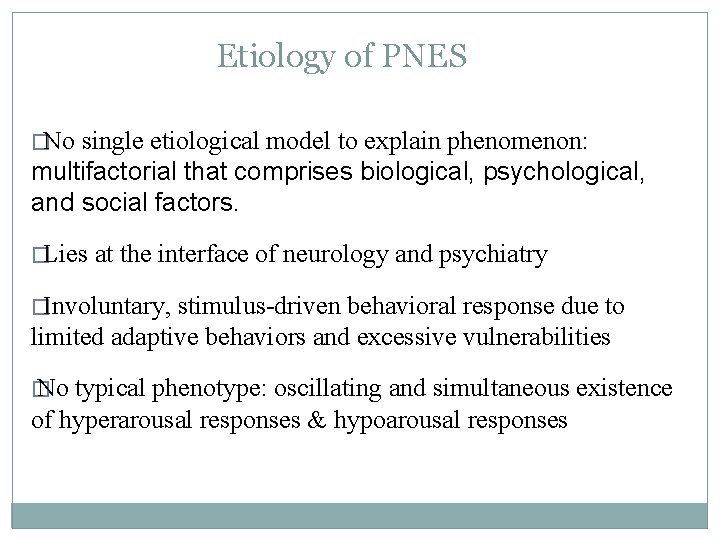
Etiology of PNES �No single etiological model to explain phenomenon: multifactorial that comprises biological, psychological, and social factors. �Lies at the interface of neurology and psychiatry �Involuntary, stimulus-driven behavioral response due to limited adaptive behaviors and excessive vulnerabilities � No typical phenotype: oscillating and simultaneous existence of hyperarousal responses & hypoarousal responses
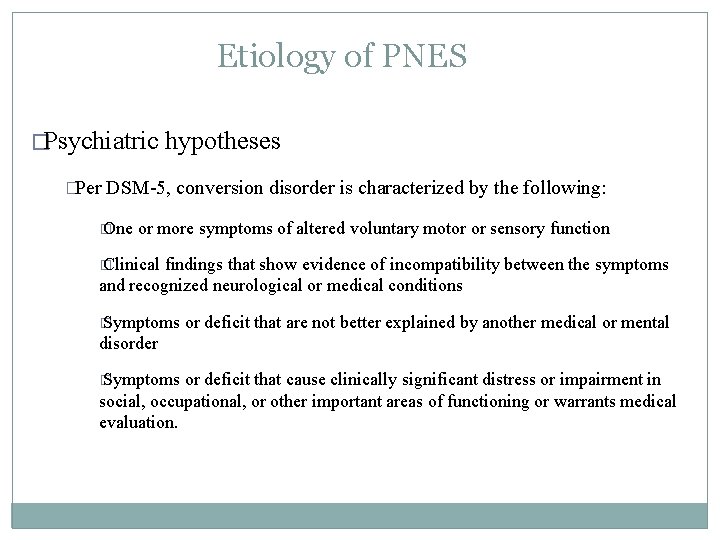
Etiology of PNES �Psychiatric �Per hypotheses DSM-5, conversion disorder is characterized by the following: � One or more symptoms of altered voluntary motor or sensory function � Clinical findings that show evidence of incompatibility between the symptoms and recognized neurological or medical conditions � Symptoms or deficit that are not better explained by another medical or mental disorder � Symptoms or deficit that cause clinically significant distress or impairment in social, occupational, or other important areas of functioning or warrants medical evaluation.
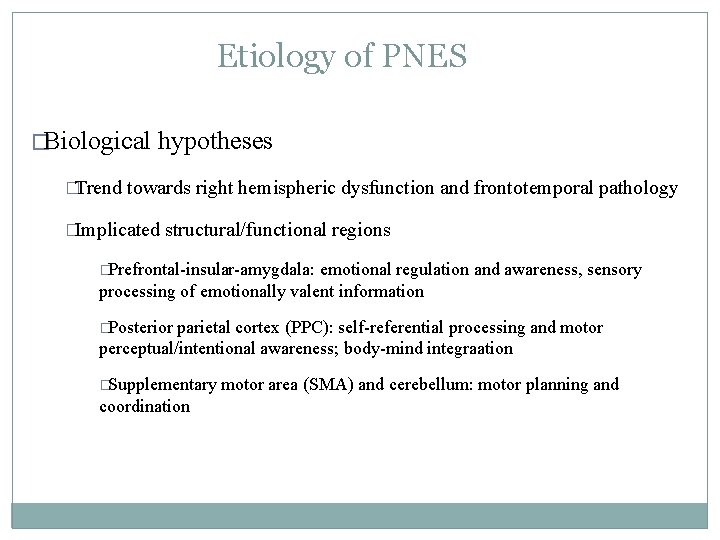
Etiology of PNES �Biological �Trend hypotheses towards right hemispheric dysfunction and frontotemporal pathology �Implicated structural/functional regions �Prefrontal-insular-amygdala: emotional regulation and awareness, sensory processing of emotionally valent information �Posterior parietal cortex (PPC): self-referential processing and motor perceptual/intentional awareness; body-mind integraation �Supplementary coordination motor area (SMA) and cerebellum: motor planning and
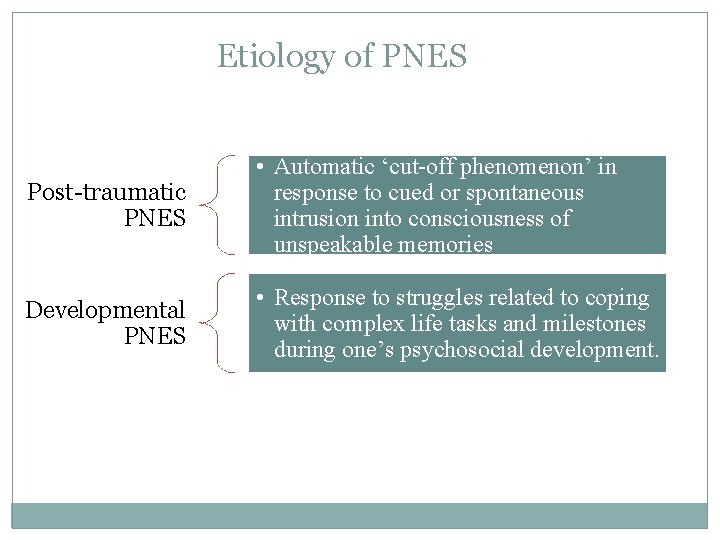
Etiology of PNES Post-traumatic PNES • Automatic ‘cut-off phenomenon’ in response to cued or spontaneous intrusion into consciousness of unspeakable memories Developmental PNES • Response to struggles related to coping with complex life tasks and milestones during one’s psychosocial development.
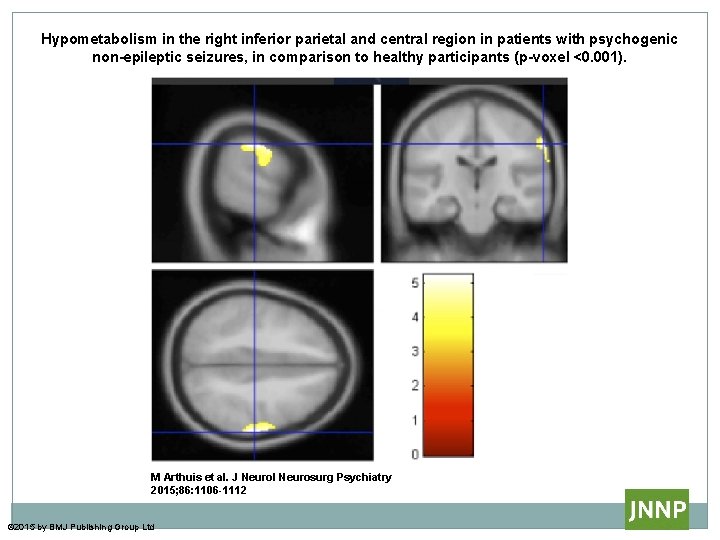
Hypometabolism in the right inferior parietal and central region in patients with psychogenic non-epileptic seizures, in comparison to healthy participants (p-voxel <0. 001). M Arthuis et al. J Neurol Neurosurg Psychiatry 2015; 86: 1106 -1112 © 2015 by BMJ Publishing Group Ltd
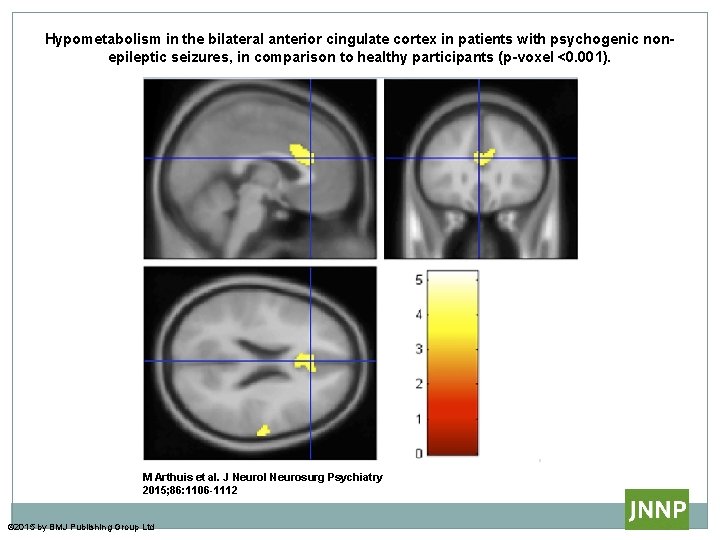
Hypometabolism in the bilateral anterior cingulate cortex in patients with psychogenic nonepileptic seizures, in comparison to healthy participants (p-voxel <0. 001). M Arthuis et al. J Neurol Neurosurg Psychiatry 2015; 86: 1106 -1112 © 2015 by BMJ Publishing Group Ltd
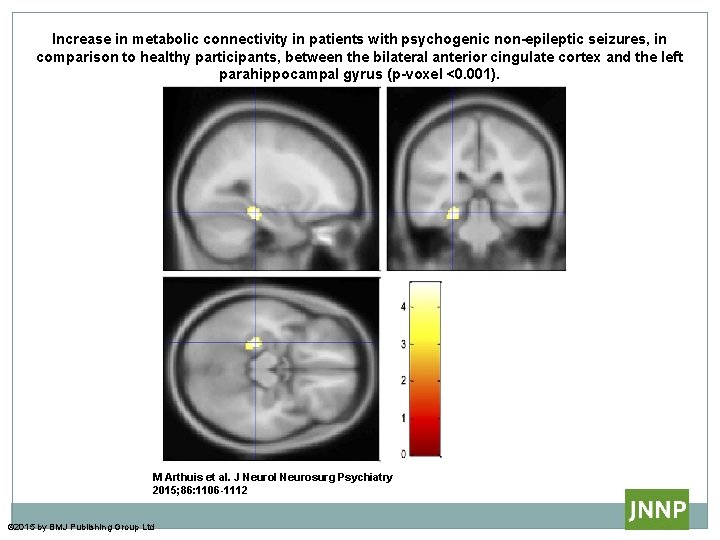
Increase in metabolic connectivity in patients with psychogenic non-epileptic seizures, in comparison to healthy participants, between the bilateral anterior cingulate cortex and the left parahippocampal gyrus (p-voxel <0. 001). M Arthuis et al. J Neurol Neurosurg Psychiatry 2015; 86: 1106 -1112 © 2015 by BMJ Publishing Group Ltd
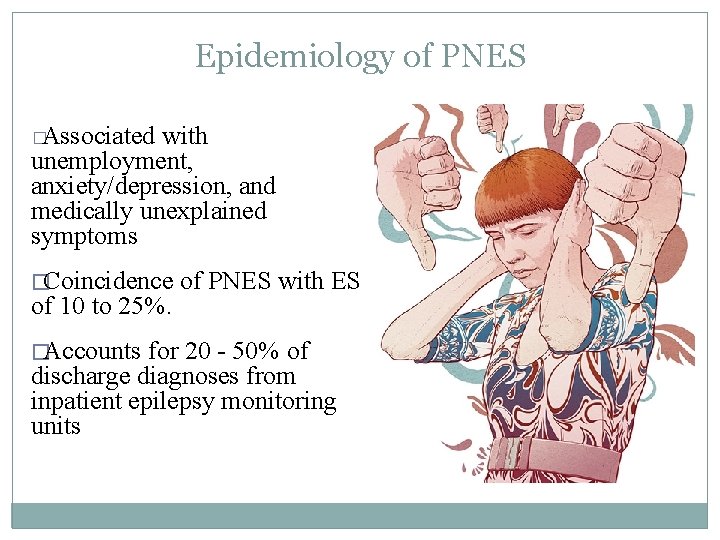
Epidemiology of PNES �Associated with unemployment, anxiety/depression, and medically unexplained symptoms �Coincidence of 10 to 25%. �Accounts of PNES with ES for 20 - 50% of discharge diagnoses from inpatient epilepsy monitoring units
Implications of PNES �Quality of life �Unnecessary use of seizure medications due to misdiagnosis in 2/3 of patients �Untreated comorbidities �Associated �High with high medical utilization rates personal and societal costs ($900 million annually) �Higher premature mortality rate in PNES subjects when compared to general population.
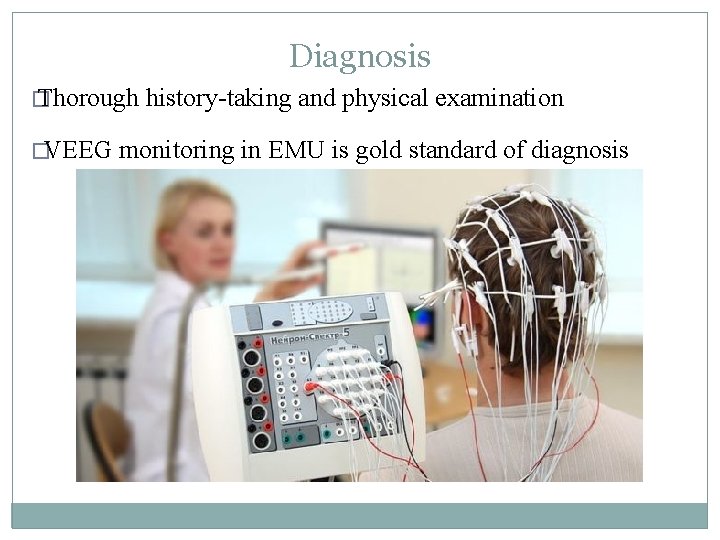
Diagnosis � Thorough �VEEG history-taking and physical examination monitoring in EMU is gold standard of diagnosis
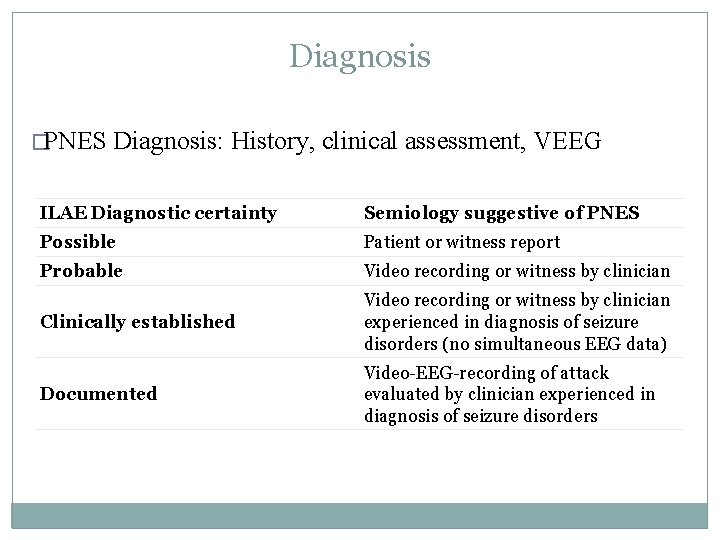
Diagnosis �PNES Diagnosis: History, clinical assessment, VEEG ILAE Diagnostic certainty Semiology suggestive of PNES Possible Patient or witness report Probable Video recording or witness by clinician Clinically established Video recording or witness by clinician experienced in diagnosis of seizure disorders (no simultaneous EEG data) Documented Video-EEG-recording of attack evaluated by clinician experienced in diagnosis of seizure disorders
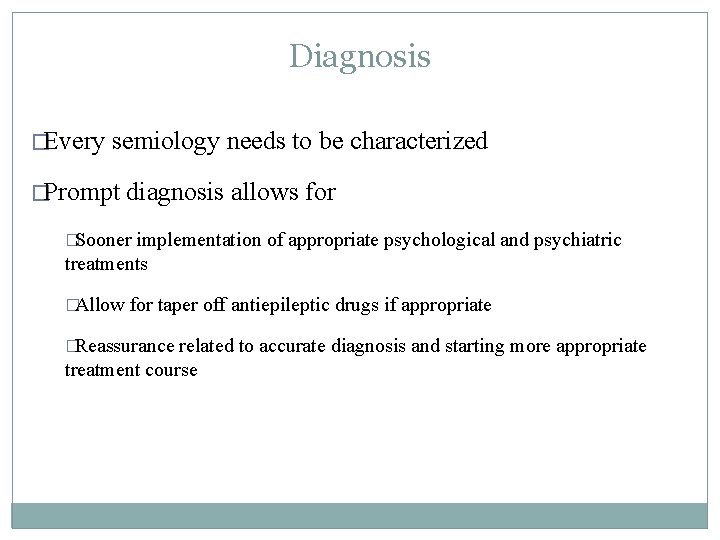
Diagnosis �Every semiology needs to be characterized �Prompt diagnosis allows for �Sooner implementation of appropriate psychological and psychiatric treatments �Allow for taper off antiepileptic drugs if appropriate �Reassurance related to accurate diagnosis and starting more appropriate treatment course
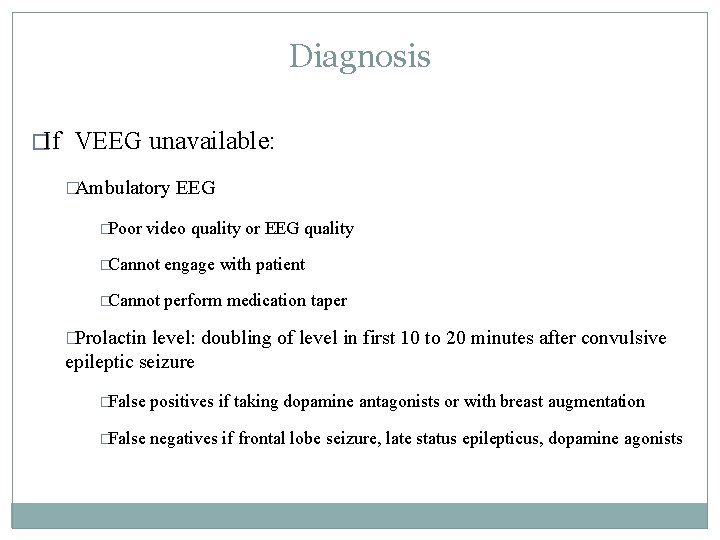
Diagnosis �If VEEG unavailable: �Ambulatory �Poor EEG video quality or EEG quality �Cannot engage with patient �Cannot perform medication taper �Prolactin level: doubling of level in first 10 to 20 minutes after convulsive epileptic seizure �False positives if taking dopamine antagonists or with breast augmentation �False negatives if frontal lobe seizure, late status epilepticus, dopamine agonists
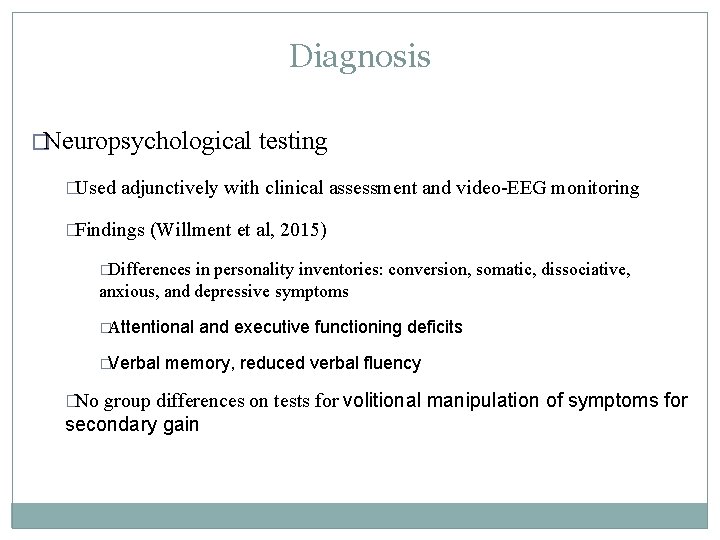
Diagnosis �Neuropsychological �Used testing adjunctively with clinical assessment and video-EEG monitoring �Findings (Willment et al, 2015) �Differences in personality inventories: conversion, somatic, dissociative, anxious, and depressive symptoms �Attentional and executive functioning deficits � Verbal memory, reduced verbal fluency group differences on tests for volitional manipulation of symptoms for secondary gain �No
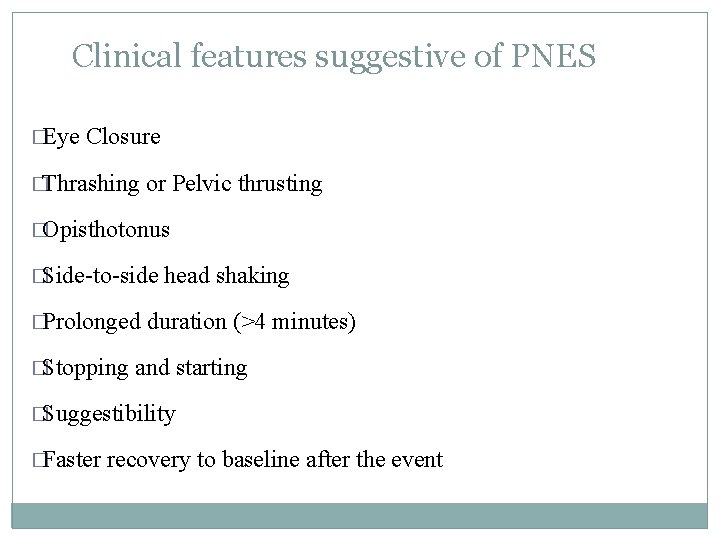
Clinical features suggestive of PNES �Eye Closure �Thrashing or Pelvic thrusting �Opisthotonus �Side-to-side �Prolonged �Stopping head shaking duration (>4 minutes) and starting �Suggestibility �Faster recovery to baseline after the event
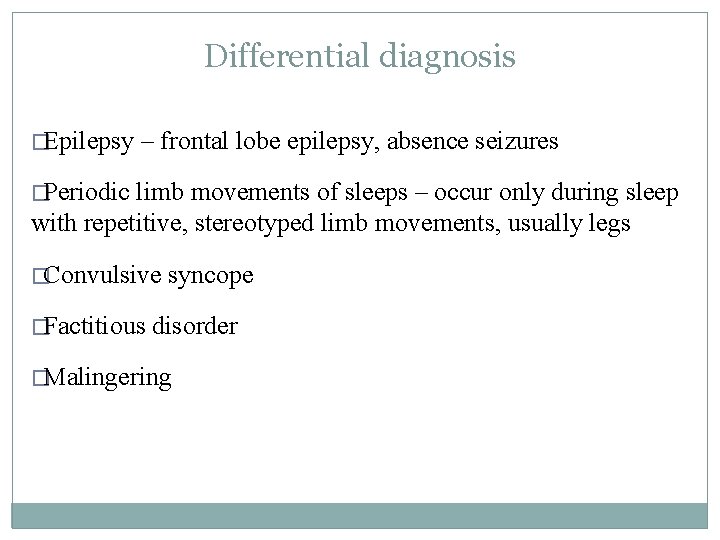
Differential diagnosis �Epilepsy – frontal lobe epilepsy, absence seizures �Periodic limb movements of sleeps – occur only during sleep with repetitive, stereotyped limb movements, usually legs �Convulsive �Factitious syncope disorder �Malingering
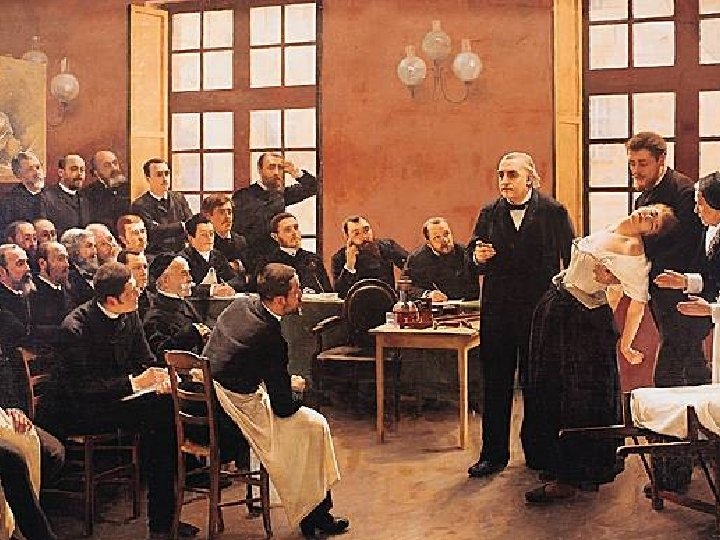
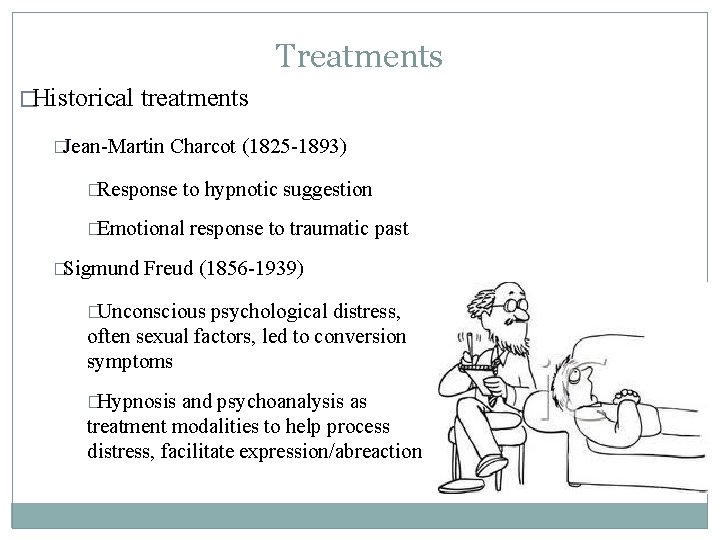
Treatments �Historical treatments �Jean-Martin Charcot (1825 -1893) �Response to hypnotic suggestion �Emotional �Sigmund response to traumatic past Freud (1856 -1939) �Unconscious psychological distress, often sexual factors, led to conversion symptoms �Hypnosis and psychoanalysis as treatment modalities to help process distress, facilitate expression/abreaction
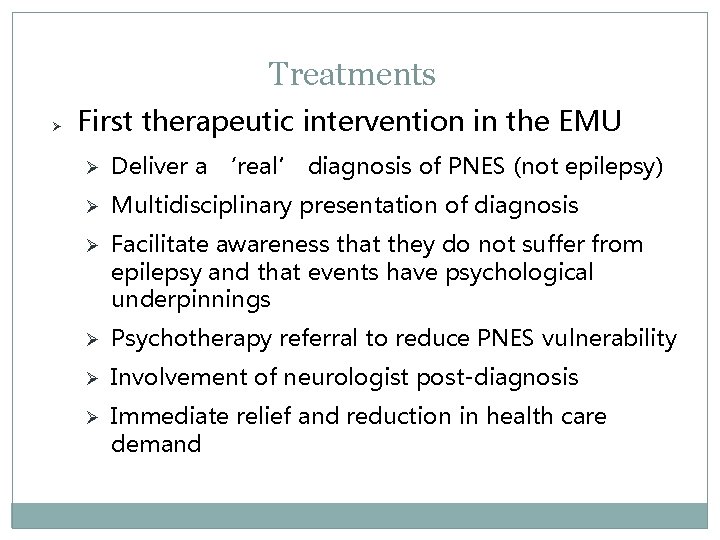
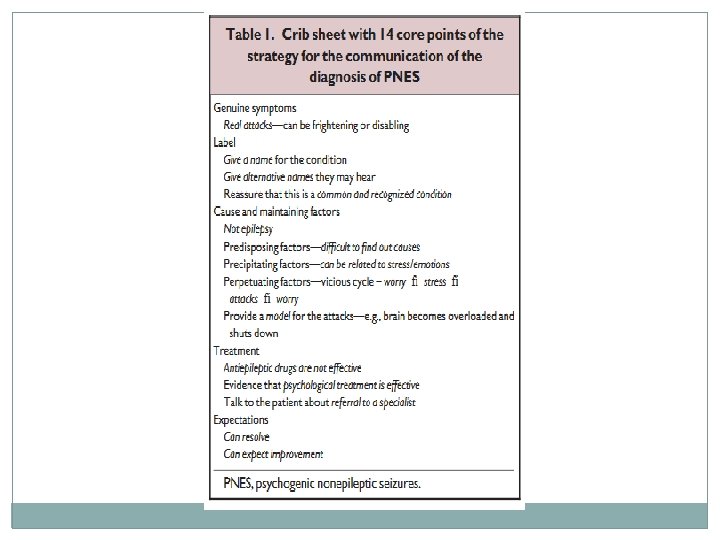
Treatments Ø First therapeutic intervention in the EMU Ø Deliver a ‘real’ diagnosis of PNES (not epilepsy) Ø Multidisciplinary presentation of diagnosis Ø Facilitate awareness that they do not suffer from epilepsy and that events have psychological underpinnings Ø Psychotherapy referral to reduce PNES vulnerability Ø Involvement of neurologist post-diagnosis Ø Immediate relief and reduction in health care demand
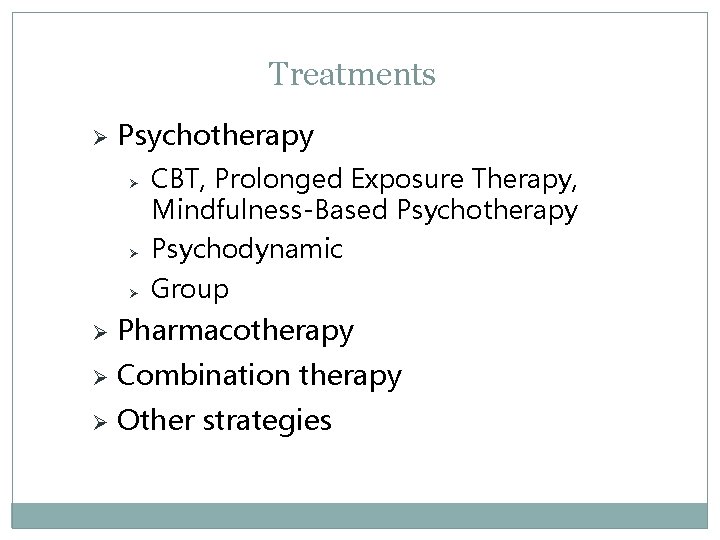
Treatments Ø Psychotherapy Ø CBT, Prolonged Exposure Therapy, Mindfulness-Based Psychotherapy Ø Psychodynamic Ø Group Ø Pharmacotherapy Ø Combination therapy Ø Other strategies
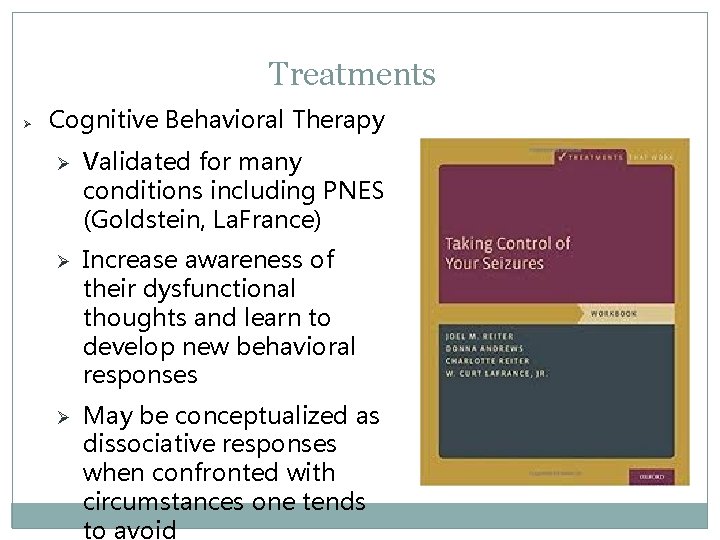
Treatments Ø Cognitive Behavioral Therapy Ø Validated for many conditions including PNES (Goldstein, La. France) Ø Increase awareness of their dysfunctional thoughts and learn to develop new behavioral responses Ø May be conceptualized as dissociative responses when confronted with circumstances one tends to avoid
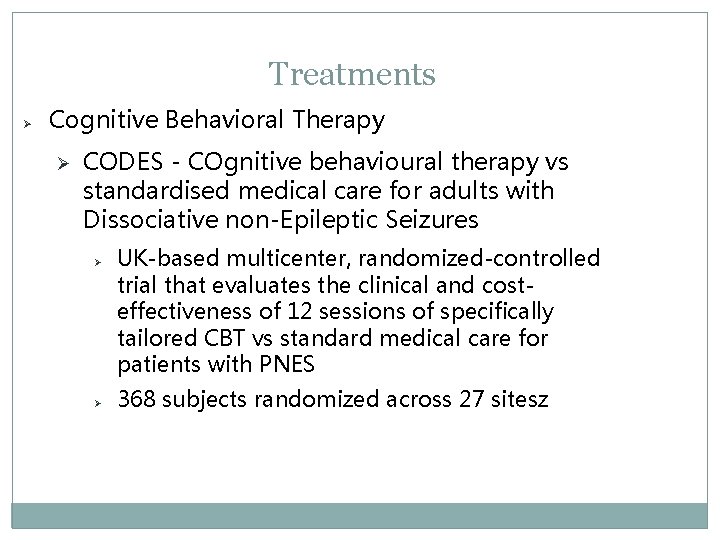
Treatments Ø Cognitive Behavioral Therapy Ø CODES - COgnitive behavioural therapy vs standardised medical care for adults with Dissociative non-Epileptic Seizures Ø Ø UK-based multicenter, randomized-controlled trial that evaluates the clinical and costeffectiveness of 12 sessions of specifically tailored CBT vs standard medical care for patients with PNES 368 subjects randomized across 27 sitesz
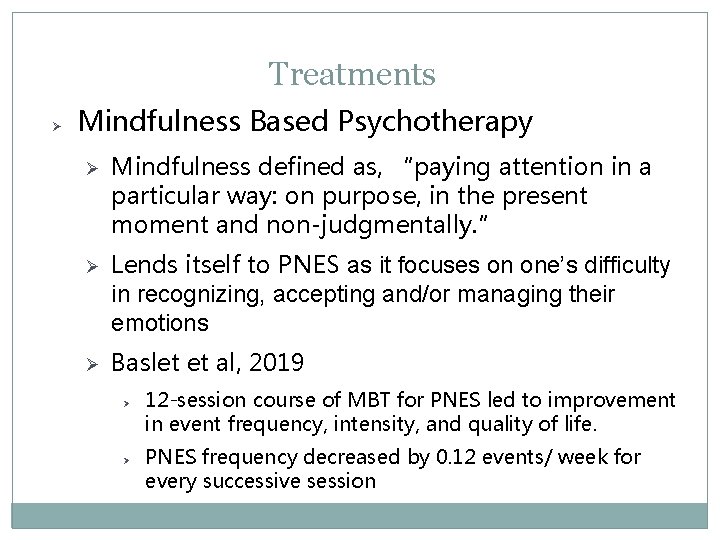
Treatments Ø Mindfulness Based Psychotherapy Ø Mindfulness defined as, “paying attention in a particular way: on purpose, in the present moment and non-judgmentally. ” Ø Lends itself to PNES as it focuses on one’s difficulty in recognizing, accepting and/or managing their emotions Ø Baslet et al, 2019 Ø Ø 12 -session course of MBT for PNES led to improvement in event frequency, intensity, and quality of life. PNES frequency decreased by 0. 12 events/ week for every successive session
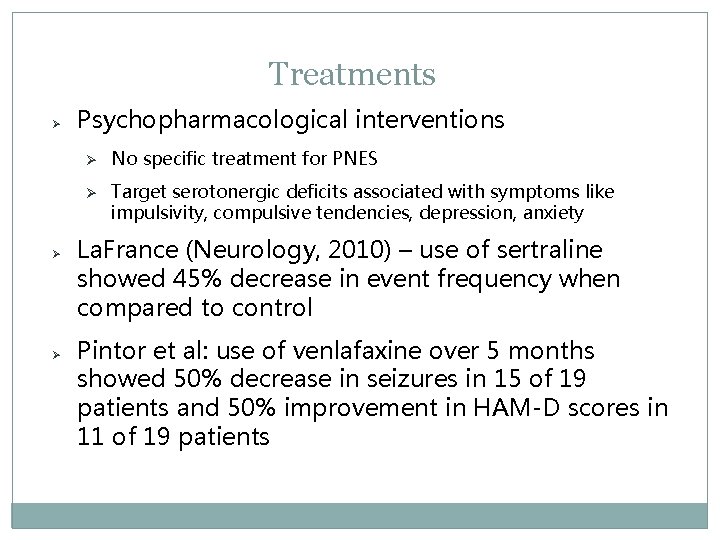
Treatments Ø Ø Ø Psychopharmacological interventions Ø No specific treatment for PNES Ø Target serotonergic deficits associated with symptoms like impulsivity, compulsive tendencies, depression, anxiety La. France (Neurology, 2010) – use of sertraline showed 45% decrease in event frequency when compared to control Pintor et al: use of venlafaxine over 5 months showed 50% decrease in seizures in 15 of 19 patients and 50% improvement in HAM-D scores in 11 of 19 patients
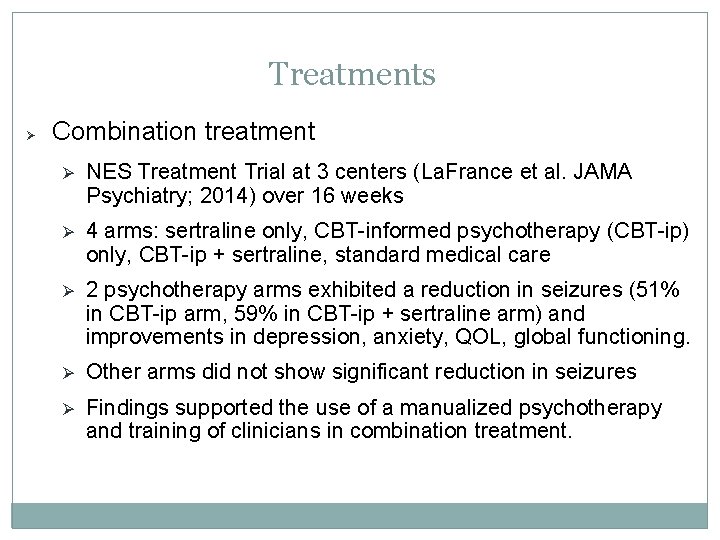
Treatments Ø Combination treatment Ø NES Treatment Trial at 3 centers (La. France et al. JAMA Psychiatry; 2014) over 16 weeks Ø 4 arms: sertraline only, CBT-informed psychotherapy (CBT-ip) only, CBT-ip + sertraline, standard medical care Ø 2 psychotherapy arms exhibited a reduction in seizures (51% in CBT-ip arm, 59% in CBT-ip + sertraline arm) and improvements in depression, anxiety, QOL, global functioning. Ø Other arms did not show significant reduction in seizures Ø Findings supported the use of a manualized psychotherapy and training of clinicians in combination treatment.
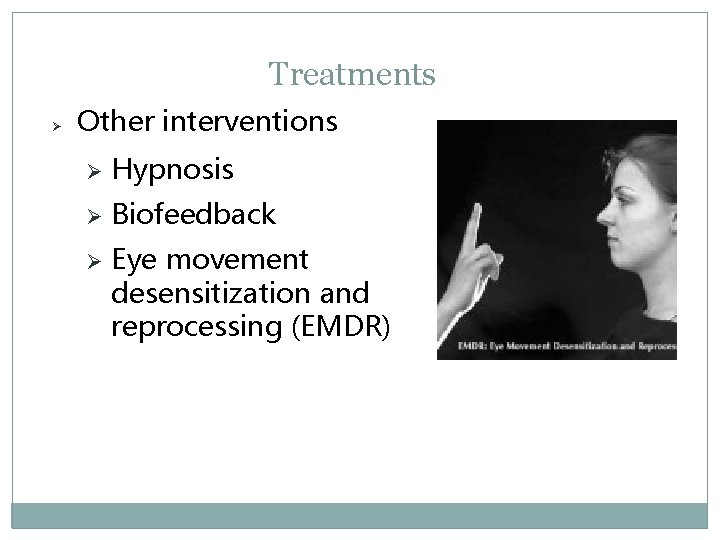
Treatments Ø Other interventions Ø Hypnosis Ø Biofeedback Ø Eye movement desensitization and reprocessing (EMDR)
Long-term prognosis Ø Ø Knowledge of diagnosis alone is insufficient Resurgence of PNES and high healthcare utilization without ongoing care though access can be difficult Positive prognostic factors: adherence with psychotherapy, briefer duration of symptoms, comorbid epilepsy, younger age 40% of newly diagnosed adults became seizure -free within 5 years after diagnosis.