
The Cultural Map of European cultural traditions and
- Slides: 24
The Cultural Map of European cultural traditions and values
Structure What is Europe- geography and culture • Europe and European Union on the map • The EU – culture (s) and cultural policy (values, traditions, art, languages) • Who is Europe? – people, nations, individuals •
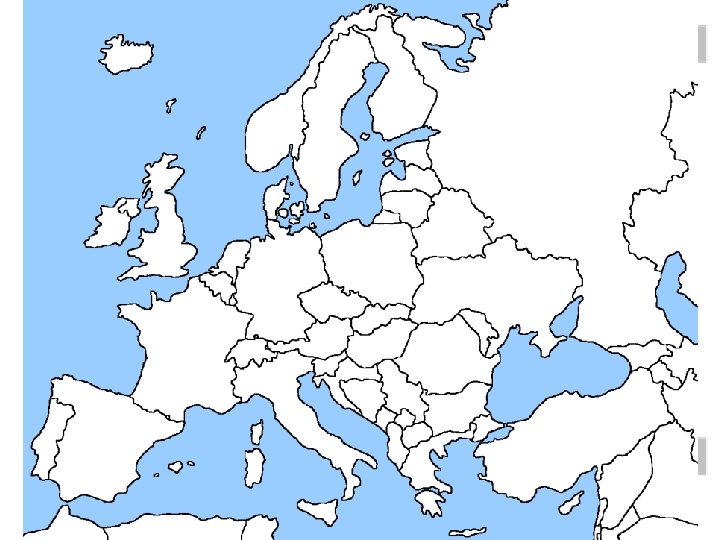
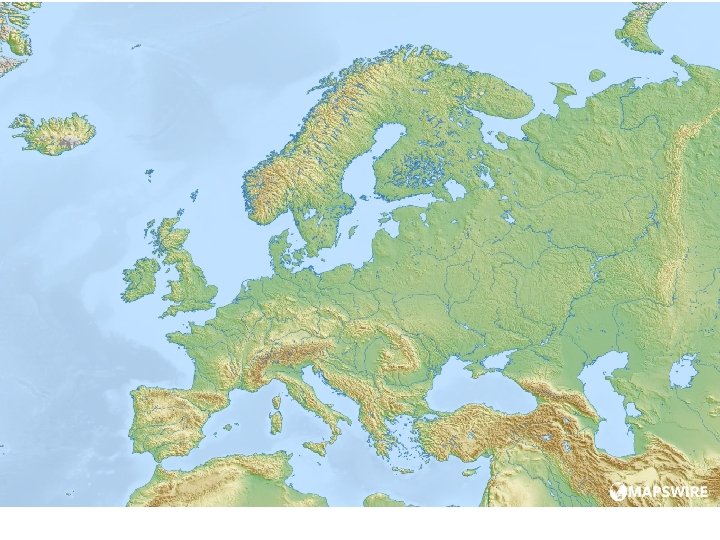
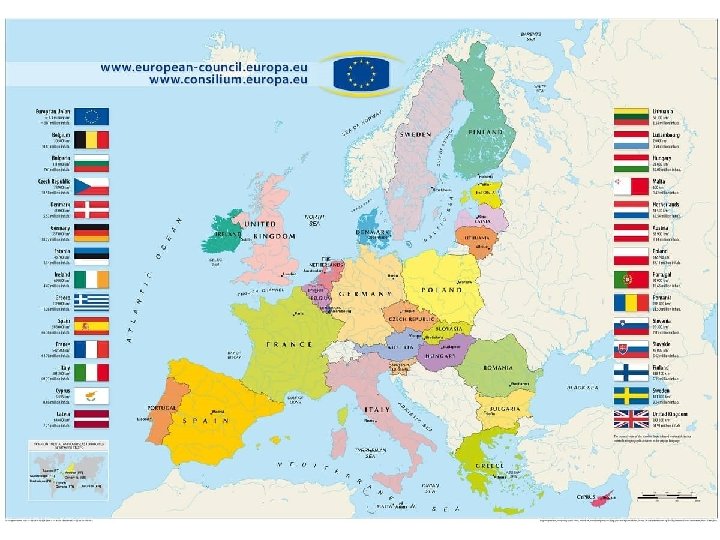
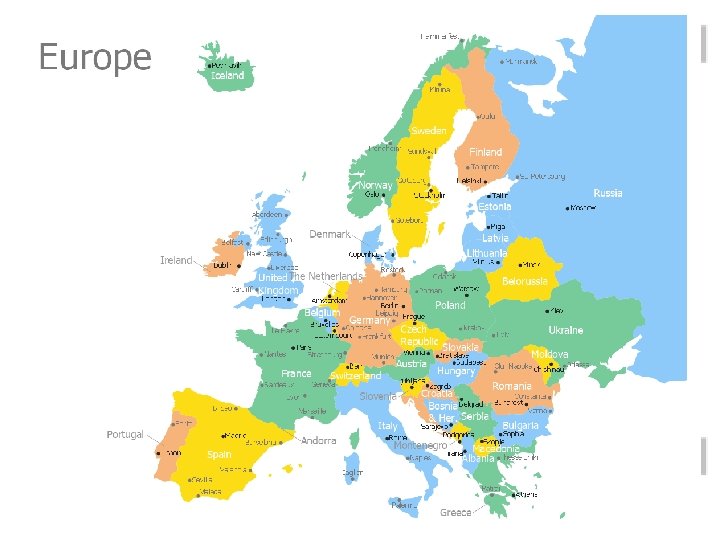
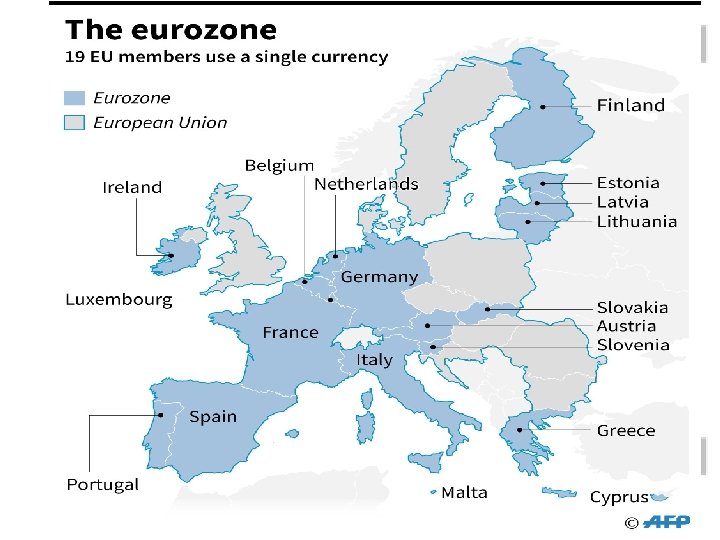
Europe and EU – the geographical and the Institutionnal defnitions Europe, second smallest of the world’s continents , composed of the peninsulas of Eurasia and occupying nearly one-fifteenth of the world’s total land area. It is bordered on the north by the Arctic Ocean , on the west by the Atlantic Ocean , and on the south (west to east) by the Mediterranean Sea , the Black Sea and the Caspian Sea. The continent’s eastern boundary runs along the Ural Mountains and then roughly southwest along the Emba (Zhem) River, terminating at the northern Caspian coast. EU, international organization comprising 27 European countries and governing common economic, social, and security policies. Originally confined to western Europe , the EU undertook a robust expansion into central and eastern Europe in the early 21 st century.
EU – Who and what defines the EU? EU in treaties - the treaties (primary legislation) are the basis or ground rules for all EU action. • A treaty is a binding agreement between EU member countries. It sets out EU objectives, rules for EU institutions, how decisions are made and the relationship between the EU and its member countries. • Treaties are amended to make the EU more efficient and transparent, to prepare for new member countries and to introduce new areas of cooperation – such as the single currency. • Under the treaties, EU institutions can adopt legislation, which the member countries then implement. •
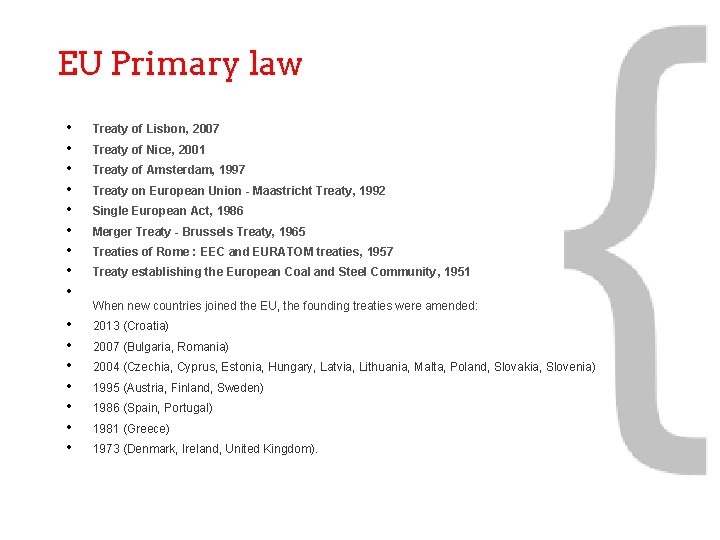
EU Primary law • • • Treaty of Lisbon, 2007 • • 2013 (Croatia) Treaty of Nice, 2001 Treaty of Amsterdam, 1997 Treaty on European Union - Maastricht Treaty, 1992 Single European Act, 1986 Merger Treaty - Brussels Treaty, 1965 Treaties of Rome : EEC and EURATOM treaties, 1957 Treaty establishing the European Coal and Steel Community, 1951 When new countries joined the EU, the founding treaties were amended: 2007 (Bulgaria, Romania) 2004 (Czechia, Cyprus, Estonia, Hungary, Latvia, Lithuania, Malta, Poland, Slovakia, Slovenia) 1995 (Austria, Finland, Sweden) 1986 (Spain, Portugal) 1981 (Greece) 1973 (Denmark, Ireland, United Kingdom).
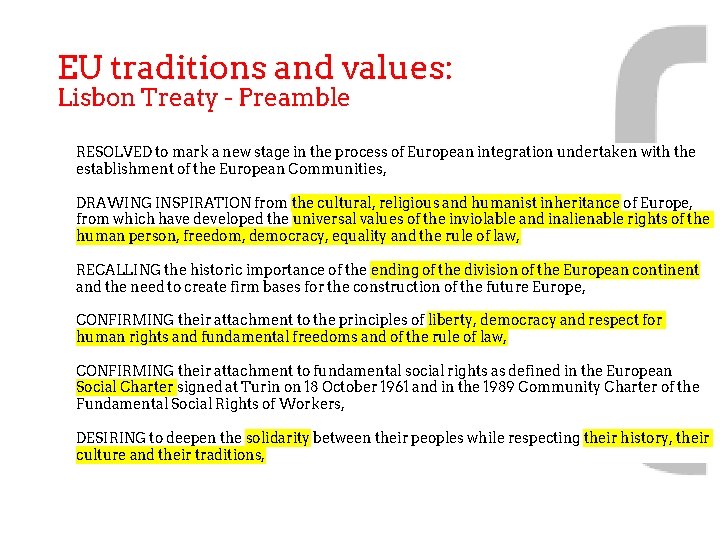
EU traditions and values: Lisbon Treaty - Preamble RESOLVED to mark a new stage in the process of European integration undertaken with the establishment of the European Communities, DRAWING INSPIRATION from the cultural, religious and humanist inheritance of Europe, from which have developed the universal values of the inviolable and inalienable rights of the human person, freedom, democracy, equality and the rule of law, RECALLING the historic importance of the ending of the division of the European continent and the need to create firm bases for the construction of the future Europe, CONFIRMING their attachment to the principles of liberty, democracy and respect for human rights and fundamental freedoms and of the rule of law, CONFIRMING their attachment to fundamental social rights as defined in the European Social Charter signed at Turin on 18 October 1961 and in the 1989 Community Charter of the Fundamental Social Rights of Workers, DESIRING to deepen the solidarity between their peoples while respecting their history, their culture and their traditions,
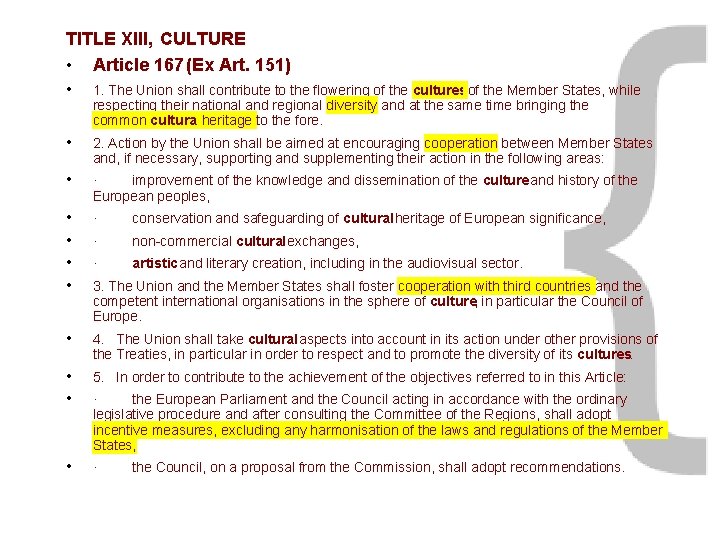
TITLE XIII, CULTURE • Article 167 (Ex Art. 151) • 1. The Union shall contribute to the flowering of the cultures of the Member States, while respecting their national and regional diversity and at the same time bringing the common cultural heritage to the fore. • 2. Action by the Union shall be aimed at encouraging cooperation between Member States and, if necessary, supporting and supplementing their action in the following areas: • · improvement of the knowledge and dissemination of the culture and history of the European peoples, • • · conservation and safeguarding of cultural heritage of European significance, · non-commercial cultural exchanges, · artistic and literary creation, including in the audiovisual sector. • 4. The Union shall take cultural aspects into account in its action under other provisions of the Treaties, in particular in order to respect and to promote the diversity of its cultures. • • 5. In order to contribute to the achievement of the objectives referred to in this Article: • · 3. The Union and the Member States shall foster cooperation with third countries and the competent international organisations in the sphere of culture, in particular the Council of Europe. · the European Parliament and the Council acting in accordance with the ordinary legislative procedure and after consulting the Committee of the Regions, shall adopt incentive measures, excluding any harmonisation of the laws and regulations of the Member States, the Council, on a proposal from the Commission, shall adopt recommendations.
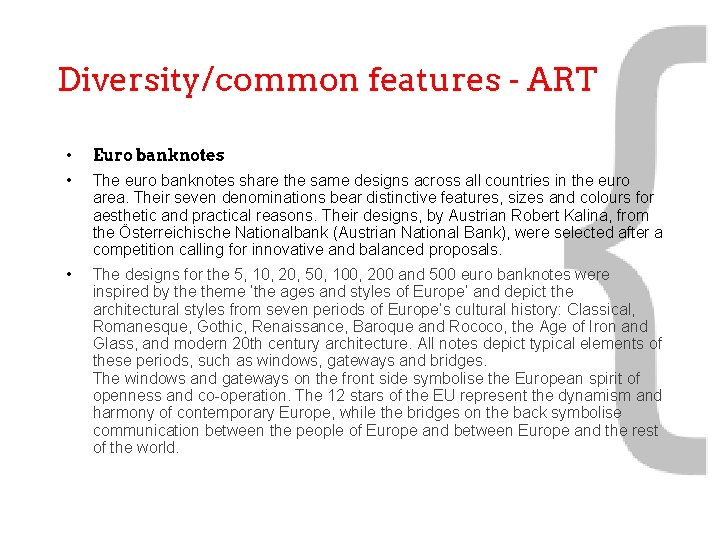
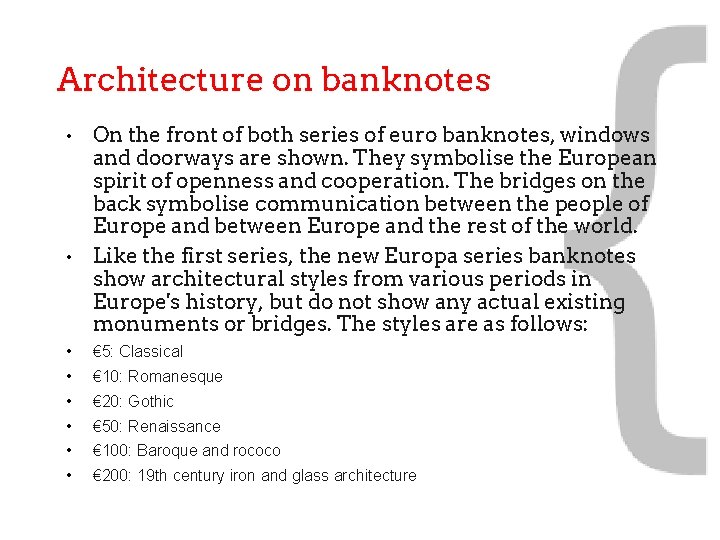
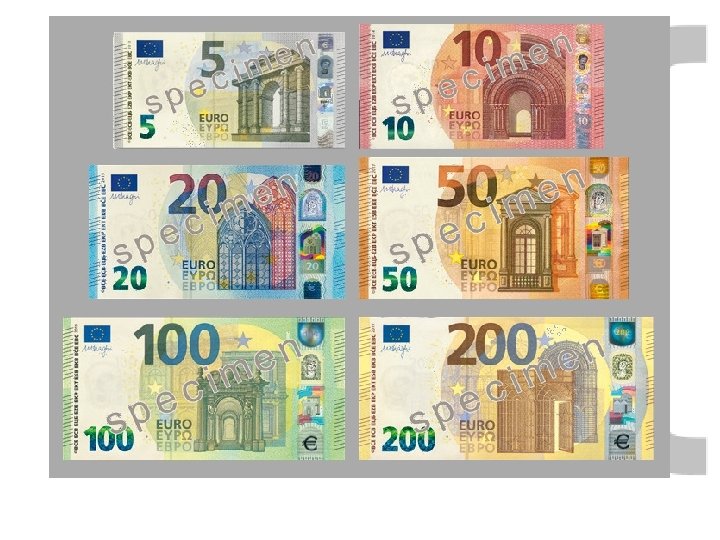
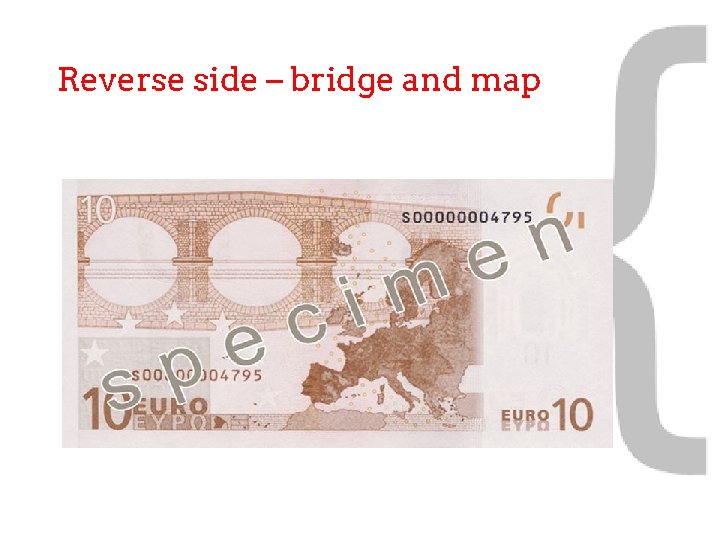
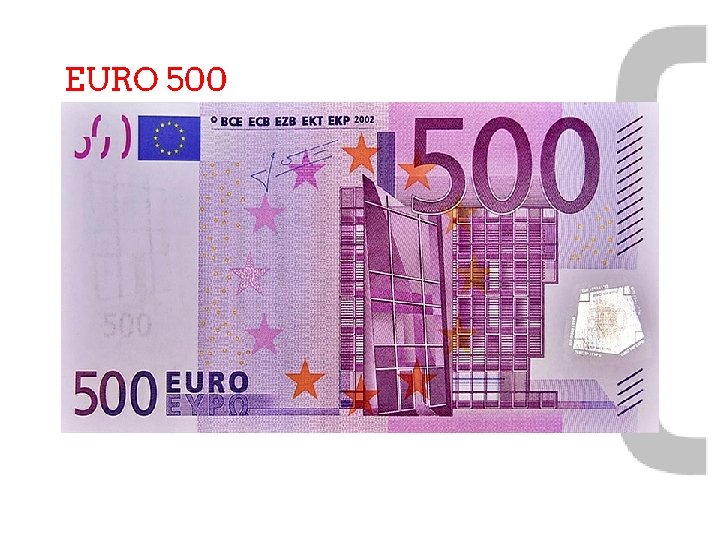
Diversity/common features - ART • • Euro banknotes • The designs for the 5, 10, 20, 50, 100, 200 and 500 euro banknotes were inspired by theme ‘the ages and styles of Europe’ and depict the architectural styles from seven periods of Europe’s cultural history: Classical, Romanesque, Gothic, Renaissance, Baroque and Rococo, the Age of Iron and Glass, and modern 20 th century architecture. All notes depict typical elements of these periods, such as windows, gateways and bridges. The windows and gateways on the front side symbolise the European spirit of openness and co-operation. The 12 stars of the EU represent the dynamism and harmony of contemporary Europe, while the bridges on the back symbolise communication between the people of Europe and between Europe and the rest of the world. The euro banknotes share the same designs across all countries in the euro area. Their seven denominations bear distinctive features, sizes and colours for aesthetic and practical reasons. Their designs, by Austrian Robert Kalina, from the Österreichische Nationalbank (Austrian National Bank), were selected after a competition calling for innovative and balanced proposals.
Architecture on banknotes On the front of both series of euro banknotes, windows and doorways are shown. They symbolise the European spirit of openness and cooperation. The bridges on the back symbolise communication between the people of Europe and between Europe and the rest of the world. • Like the first series, the new Europa series banknotes show architectural styles from various periods in Europe's history, but do not show any actual existing monuments or bridges. The styles are as follows: • • € 5: Classical € 10: Romanesque € 20: Gothic € 50: Renaissance € 100: Baroque and rococo € 200: 19 th century iron and glass architecture
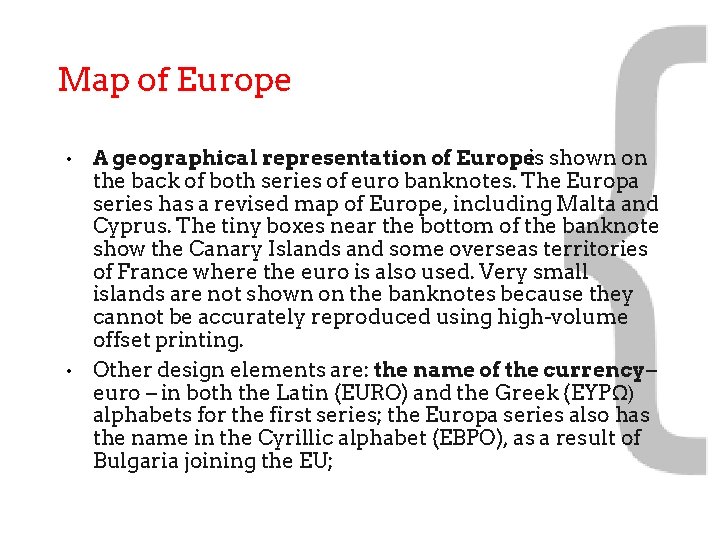
Map of Europe A geographical representation of Europeis shown on the back of both series of euro banknotes. The Europa series has a revised map of Europe, including Malta and Cyprus. The tiny boxes near the bottom of the banknote show the Canary Islands and some overseas territories of France where the euro is also used. Very small islands are not shown on the banknotes because they cannot be accurately reproduced using high-volume offset printing. • Other design elements are: the name of the currency – euro – in both the Latin (EURO) and the Greek (EYPΩ) alphabets for the first series; the Europa series also has the name in the Cyrillic alphabet (EBPO), as a result of Bulgaria joining the EU; •
Reverse side – bridge and map
EURO 500
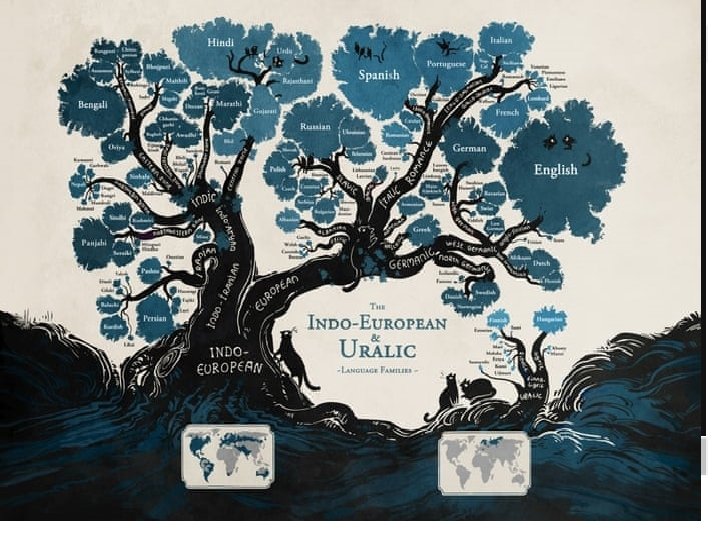
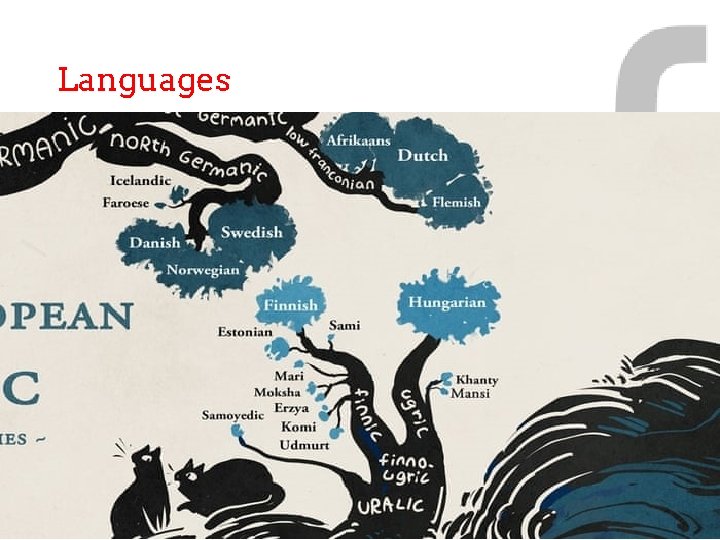
• Linguists have often used trees and branches as metaphors to explain and map the connections between language groups. Click on the image to enlarge Photo
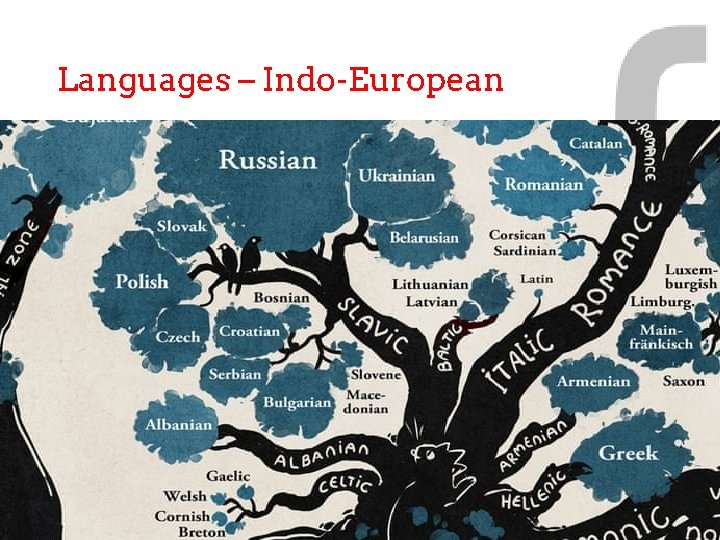
Languages – Indo-European
Languages
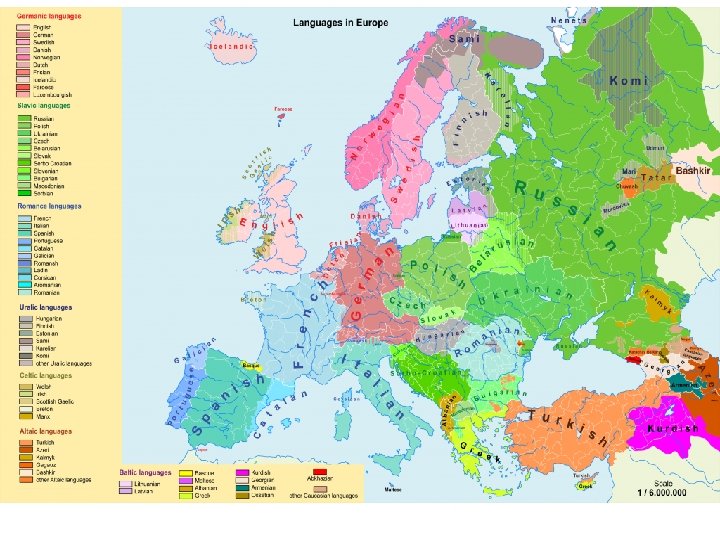
EU Languages The EU has 24 official languages. - Bulgarian, Croatian, Czech, Danish, Dutch, English. Estonian, Finnish, French, German, Greek, Hungarian, Irish, Italian, Latvian, Lithuanian, Maltese, Polish. Portuguese, Romanian, Slovak, Slovenian, Spanish, Swedish • • • Every time new members have joined the EU, they have added to the number of official languages. Even after the withdrawal of the United Kingdom from the EU, English remains one of the official languages of Ireland Malta. In line with its status as a democratic international organisation, one of the EU's founding principles is multilingualism.
Who is Europe? People (s) – those who share the distinctive european features (native, immigrants, generations, education, ) • Nations and ethnic diversity • Individuals and big figures of European past and present – „European stories“ • • Who does represent Europe for you ?