
The Critical Role of Emergency Telecommunications in Disaster



- Slides: 26
The Critical Role of Emergency Telecommunications in Disaster Mitigation Symposium on Multi-Hazard EWS for Integrated Disaster Reduction Geneva 23 -24 May, 2006 Dr. Cosmas L. Zavazava HEAD, LEAST DEVELOPED COUNTRIES, SMALL ISLANDS & ITU Focal Point for Emergency Telecommunications
WHO WE ARE 190 Member States ITU 700 Sector Members Helping the World Communicate ITU-D ITU-T Telecommunication standardization - network and service aspects ITU-R Assisting implementation and operation of telecommunications in developing countries Radiocommunication standardization and global radio spectrum management
MULTI-HAZARD NATURE OF EMERGENCY TELECOMMUNICATIONS
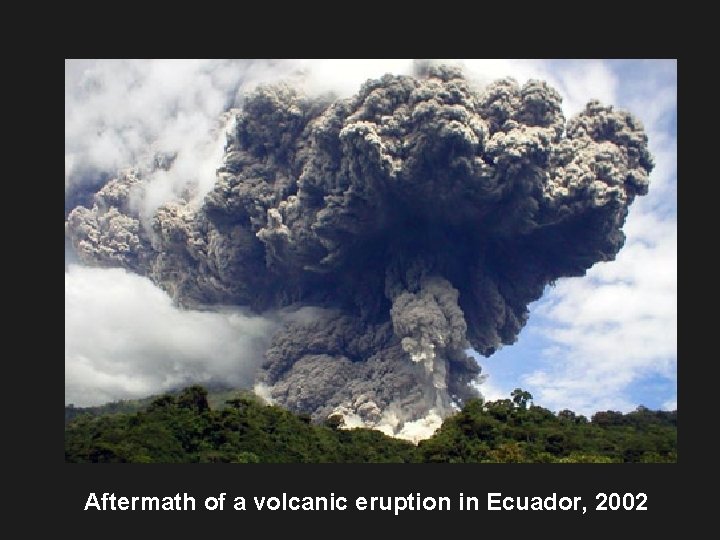
Aftermath of a volcanic eruption in Ecuador, 2002
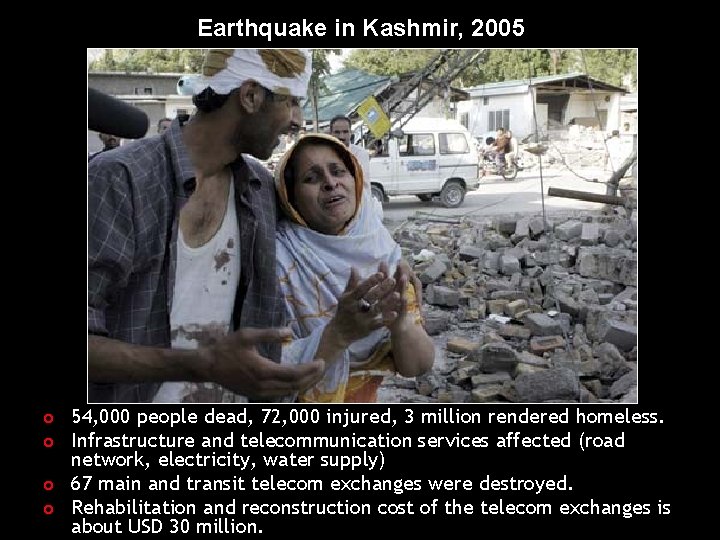
Earthquake in Kashmir, 2005 o 54, 000 people dead, 72, 000 injured, 3 million rendered homeless. o Infrastructure and telecommunication services affected (road network, electricity, water supply) o 67 main and transit telecom exchanges were destroyed. o Rehabilitation and reconstruction cost of the telecom exchanges is about USD 30 million.
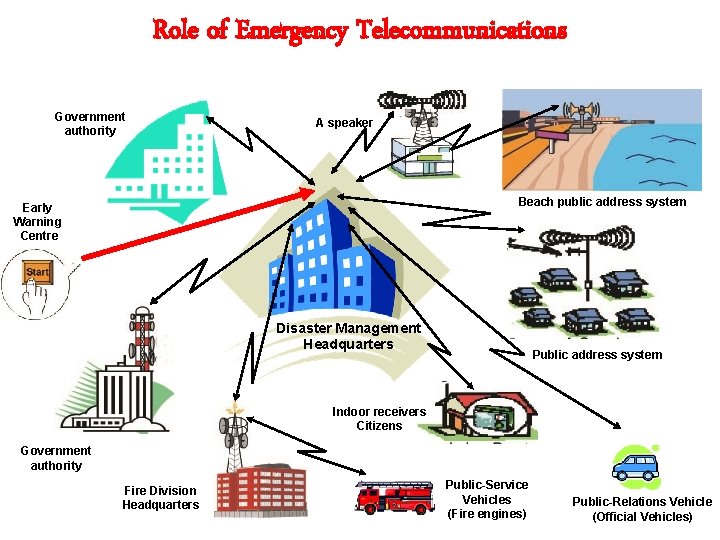
Role of Emergency Telecommunications Government authority A speaker Beach public address system Early Warning Centre Disaster Management Headquarters Public address system Indoor receivers Citizens Government authority Fire Division Headquarters Public-Service Vehicles (Fire engines) Public-Relations Vehicle (Official Vehicles)
CHALLENGES National q Regional q International q
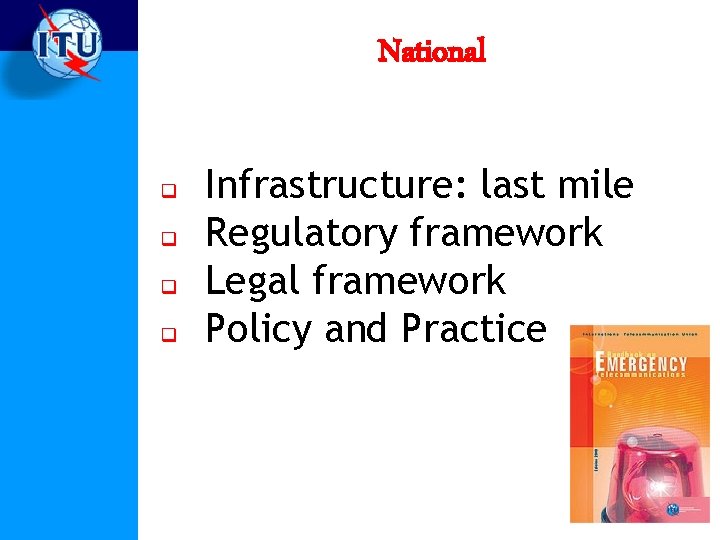
National q q Infrastructure: last mile Regulatory framework Legal framework Policy and Practice
Regional q q Infrastructure: interconnection issues Regulatory framework harmonization Legal framework harmonization Best practices
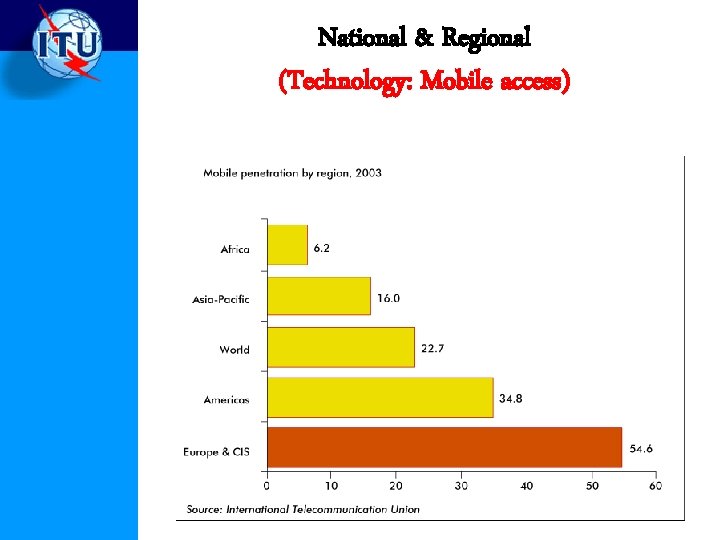
National & Regional (Technology: Mobile access)
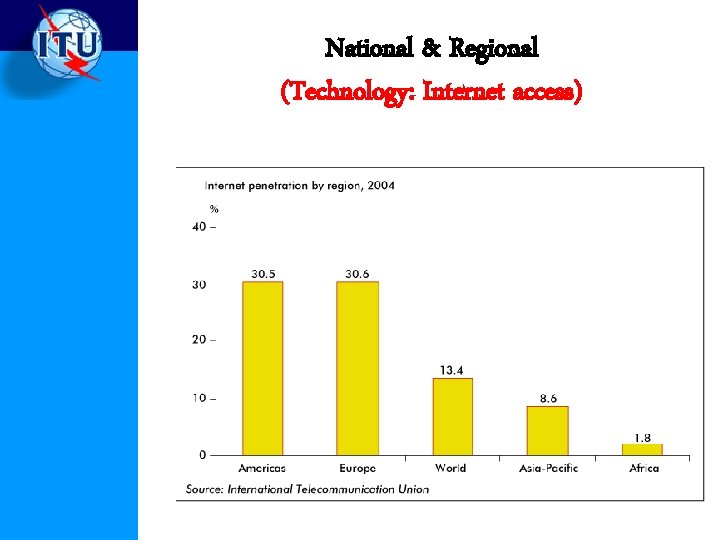
National & Regional (Technology: Internet access)
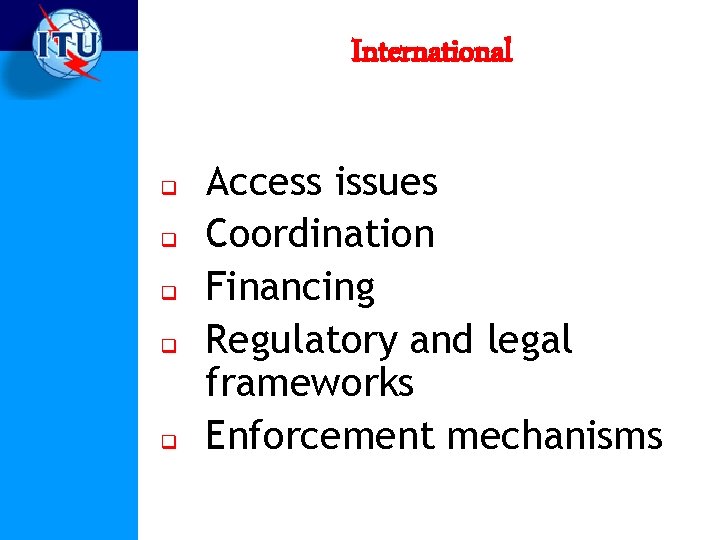
International q q q Access issues Coordination Financing Regulatory and legal frameworks Enforcement mechanisms
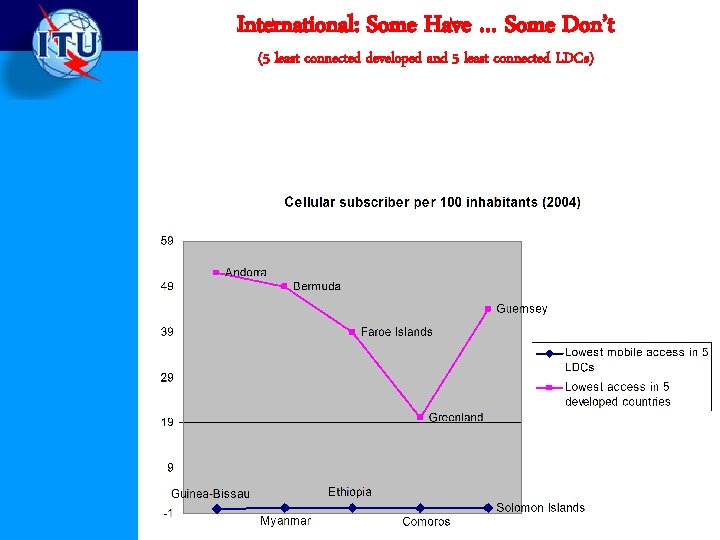
International: Some Have … Some Don’t (5 least connected developed and 5 least connected LDCs)
STRATEGIES
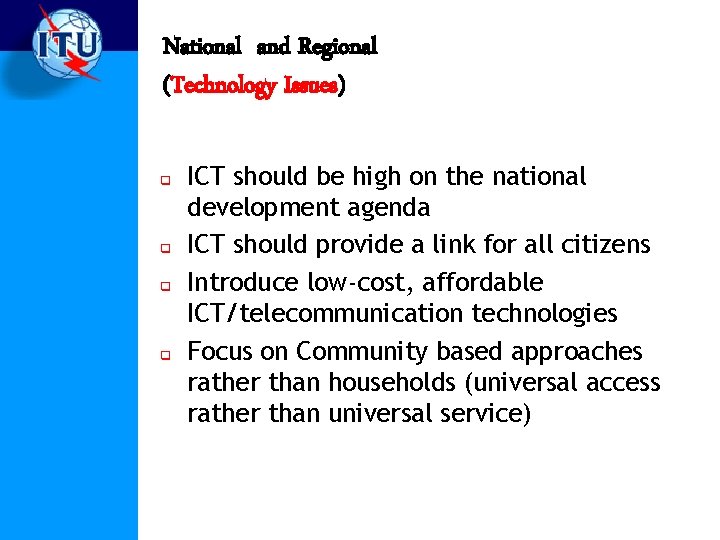
National and Regional (Technology Issues) q q ICT should be high on the national development agenda ICT should provide a link for all citizens Introduce low-cost, affordable ICT/telecommunication technologies Focus on Community based approaches rather than households (universal access rather than universal service)
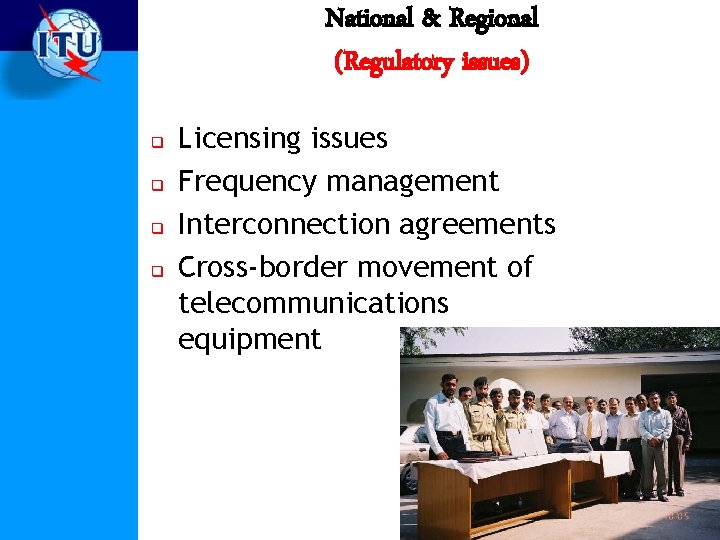
National & Regional (Regulatory issues) q q Licensing issues Frequency management Interconnection agreements Cross-border movement of telecommunications equipment
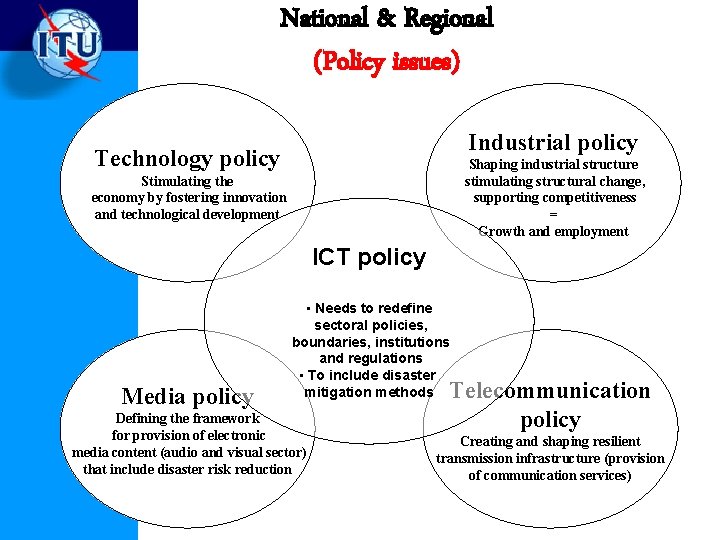
National & Regional (Policy issues) Industrial policy Technology policy Shaping industrial structure stimulating structural change, supporting competitiveness = Growth and employment Stimulating the economy by fostering innovation and technological development ICT policy Media policy • Needs to redefine sectoral policies, boundaries, institutions and regulations • To include disaster mitigation methods Defining the framework for provision of electronic media content (audio and visual sector) that include disaster risk reduction Telecommunication policy Creating and shaping resilient transmission infrastructure (provision of communication services)
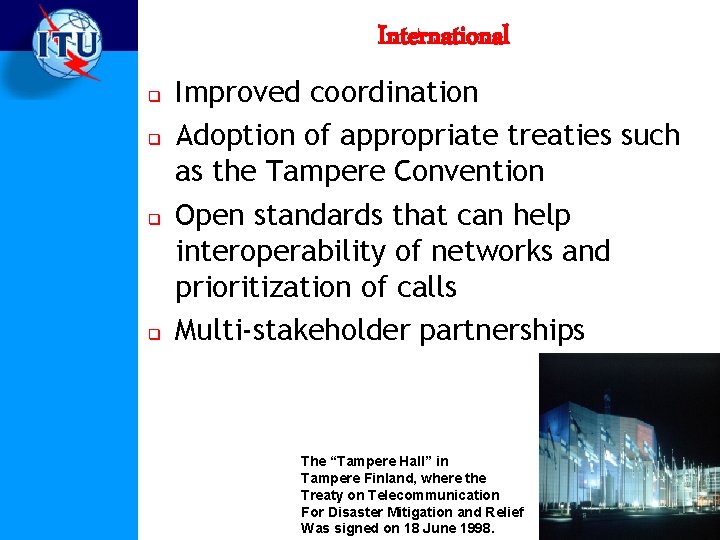
International q q Improved coordination Adoption of appropriate treaties such as the Tampere Convention Open standards that can help interoperability of networks and prioritization of calls Multi-stakeholder partnerships The “Tampere Hall” in Tampere Finland, where the Treaty on Telecommunication For Disaster Mitigation and Relief Was signed on 18 June 1998.
CONCLUDING REMARKS
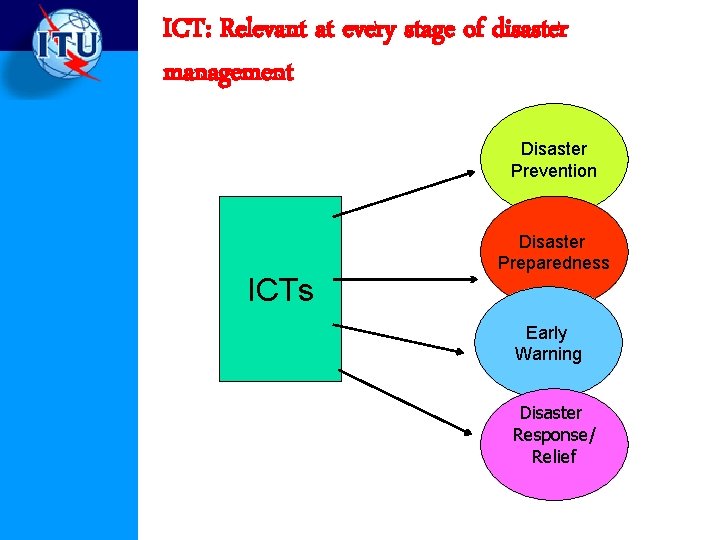
ICT: Relevant at every stage of disaster management Disaster Prevention ICTs Disaster Preparedness Early Warning Disaster Response/ Relief
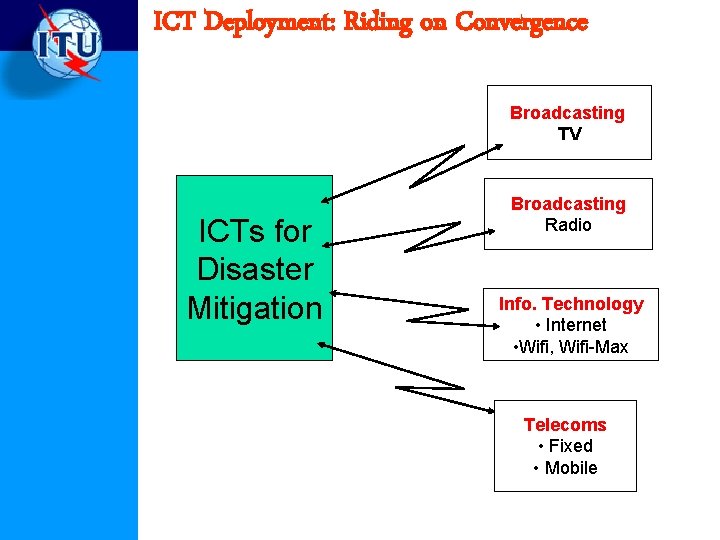
ICT Deployment: Riding on Convergence Broadcasting TV ICTs for Disaster Mitigation Broadcasting Radio Info. Technology • Internet • Wifi, Wifi-Max Telecoms • Fixed • Mobile
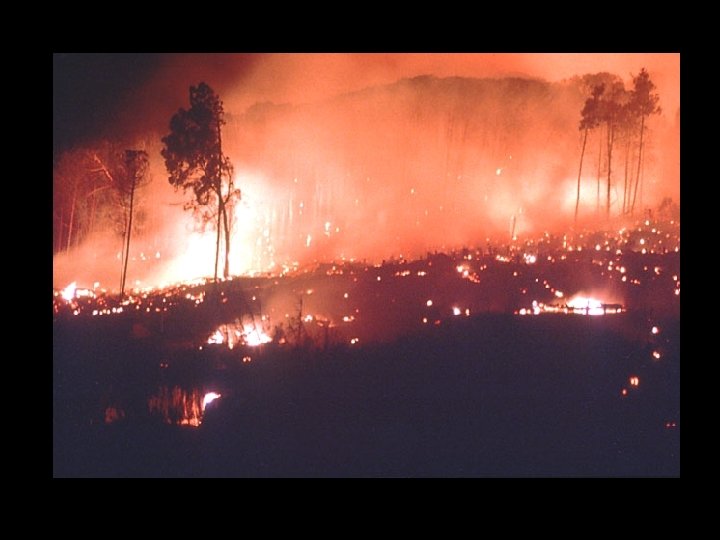
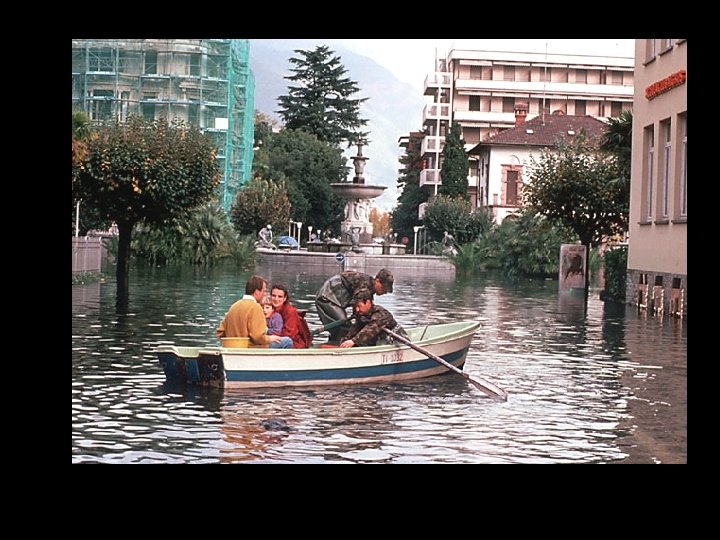
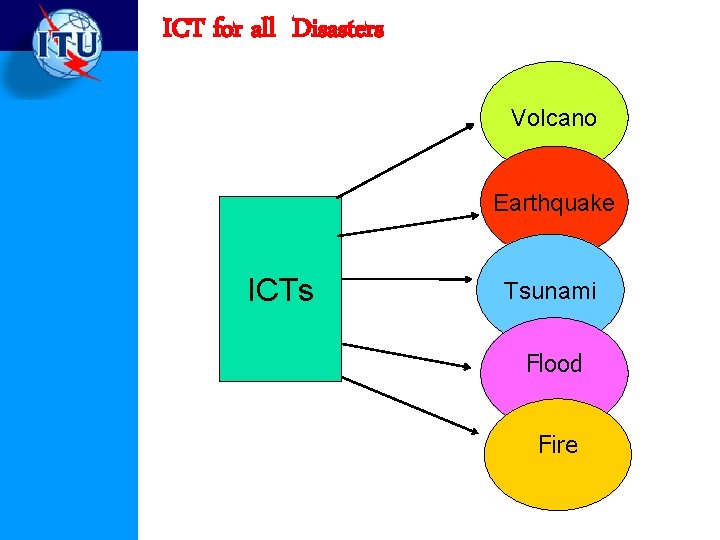
ICT for all Disasters Volcano Earthquake ICTs Tsunami Flood Fire
THANK YOU Tel: +41 22 730 5447 zava@itu. int www. itu. int/ITU-D/emergencytelecoms/