
THE CRIMINAL JUSTICE PROCESS THE INVESTIGATIVE PHASE CHAPTER



- Slides: 31
THE CRIMINAL JUSTICE PROCESS: THE INVESTIGATIVE PHASE CHAPTER 12
Take Note!!! • You do not have to copy anything that is in red text!!
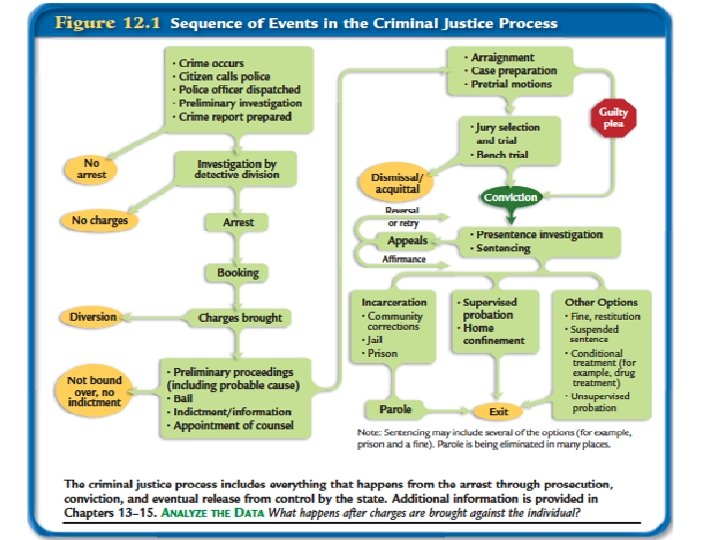
• The Criminal Justice System includes everything that happens to an individual; investigation, arrest, prosecution, conviction, detention, and release • Most crimes are prosecuted under State Law • Typically all cases follow a certain process going from step to step. – After arrest a person could be freed at any step of the process • The Investigation is the important first step! – The investigation, and following steps, must follow the laws and regulations set out by the Constitution and the Courts of the United States
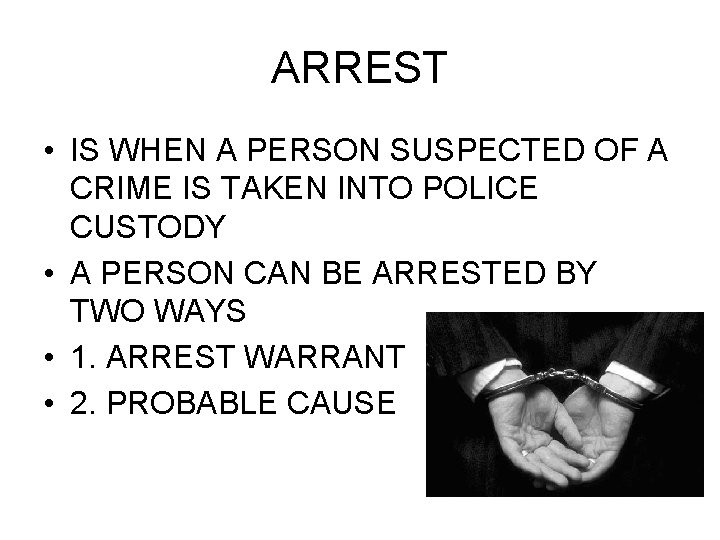
ARREST • IS WHEN A PERSON SUSPECTED OF A CRIME IS TAKEN INTO POLICE CUSTODY • A PERSON CAN BE ARRESTED BY TWO WAYS • 1. ARREST WARRANT • 2. PROBABLE CAUSE
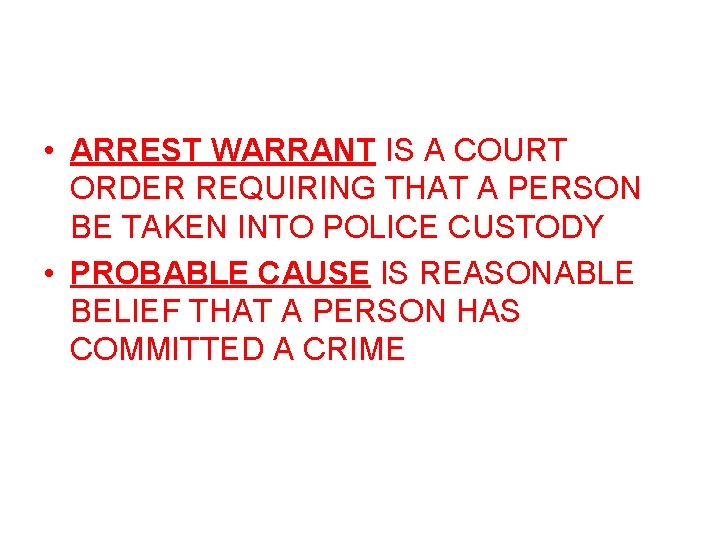
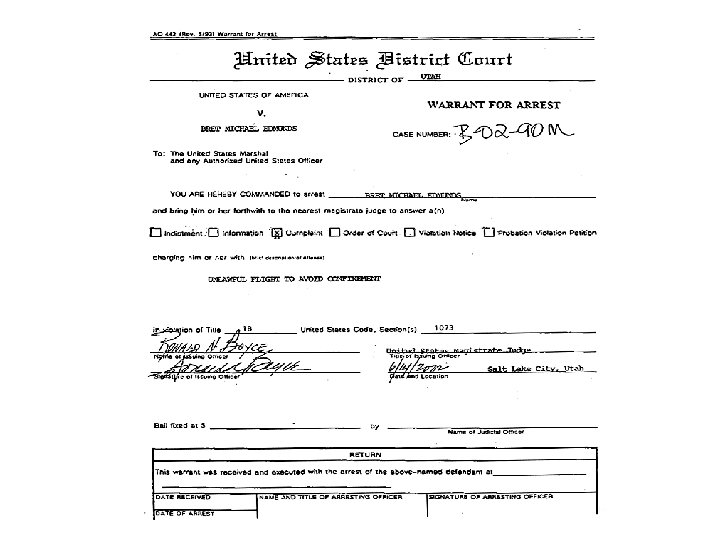
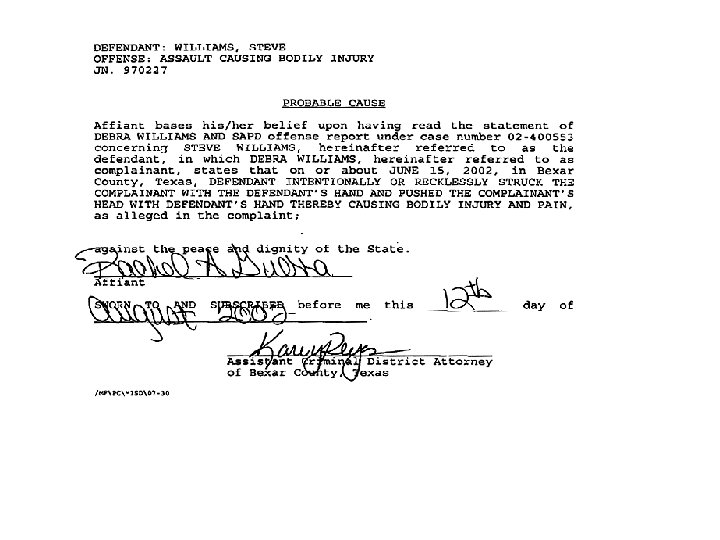
• ARREST WARRANT IS A COURT ORDER REQUIRING THAT A PERSON BE TAKEN INTO POLICE CUSTODY • PROBABLE CAUSE IS REASONABLE BELIEF THAT A PERSON HAS COMMITTED A CRIME
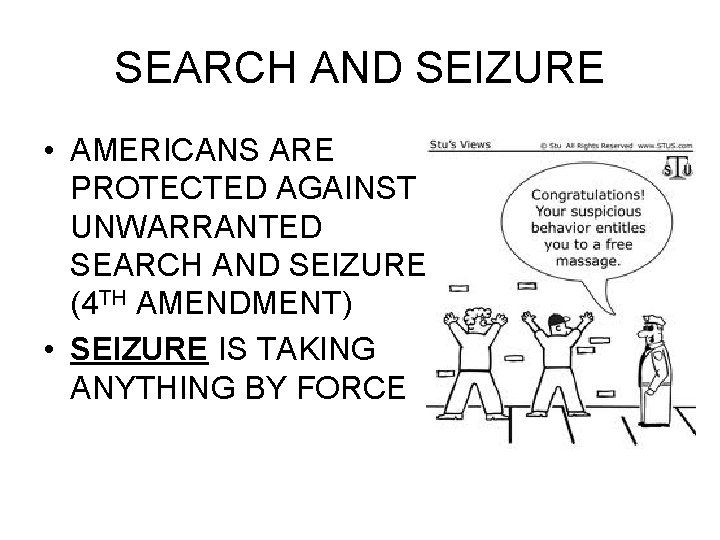
SEARCH AND SEIZURE • AMERICANS ARE PROTECTED AGAINST UNWARRANTED SEARCH AND SEIZURES (4 TH AMENDMENT) • SEIZURE IS TAKING ANYTHING BY FORCE
• Drug Courier Profile- suspected criminal based on typical age, race, personal appearance, behavior, and mannerisms of people trafficking drugs • Police can establish probable cause based on information given to them from the community or informants • Judges will base decisions on warrants or arrests based on many things but may include an informants track record, and corroboration by officers • Corroborate- to confirm, usually by police officers of information given by a “layperson” • Reasonable Suspicion- Evidence that justifies an officer in stopping and questioning a person believed to be involved in a crime [less evidence than Probable Cause]
• Citizens of the United States expect to have a “right to privacy”, unfortunately there is no explicit “right to privacy” in the Constitution. • There is obviously the 4 th Amendment and the freedom from unreasonable searches and seizures, but that is only directed at the “state” not private citizens or companies. • If there is an unwanted violation of privacy by a person or company their may be civil or even criminal action… peeping toms, trespassing, etc. • As for the “state” dealing with searches and seizures there are limits but there are many exceptions to unreasonable searches and seizures.
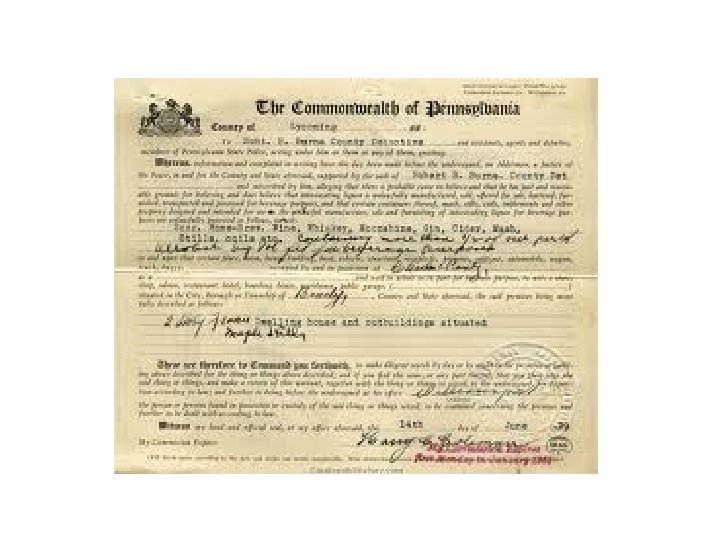
SEARCH WARRANT • IS A COURT ORDER THAT ALLOWS A CERTAIN PROPERTY TO BE SEARCHED • POLICE MUST COMPLETE AN AFFIDAVIT WHICH IS A SWORN STATEMENT OF FACTS • EXCLUSIONARY RULE EVIDENCE SEIZED IN AN ILLEGAL SEARCH CANNOT BE USED IN A TRIAL
SEARCHES W/O A WARRANT • 1. SEARCH INCIDENT TO A LAWFUL ARREST THIS ALLOWS THE POLICE TO SEARCH A LAWFULLY ARRESTED PERSON • 2. STOP AND FRISK THIS ALLOWS FOR THE SEARCH OF A PERSON WHO IS ACTING SUSPICIOUSLY
• 3. CONSENT A PERSON VOLUNTARILY AGREES TO BE SEARCHED • 4. PLAIN VIEW IF AN OBJECT IS IN PLAIN VIEW OF A LAW ENFORCEMENT OFFICER • CONTRABAND IS ANY ILLEGAL ITEM • 5. HOT PURSUIT POLICE ARE ALLOWED TO FOLLOW A SUSPECT INTO A BUILDING
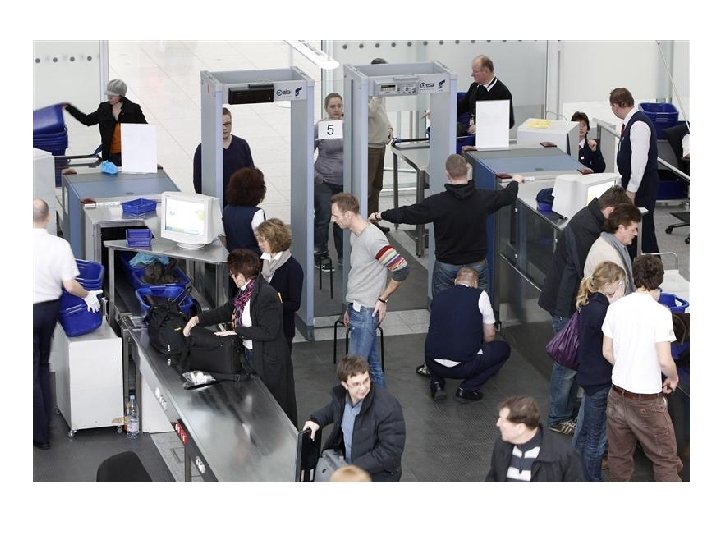
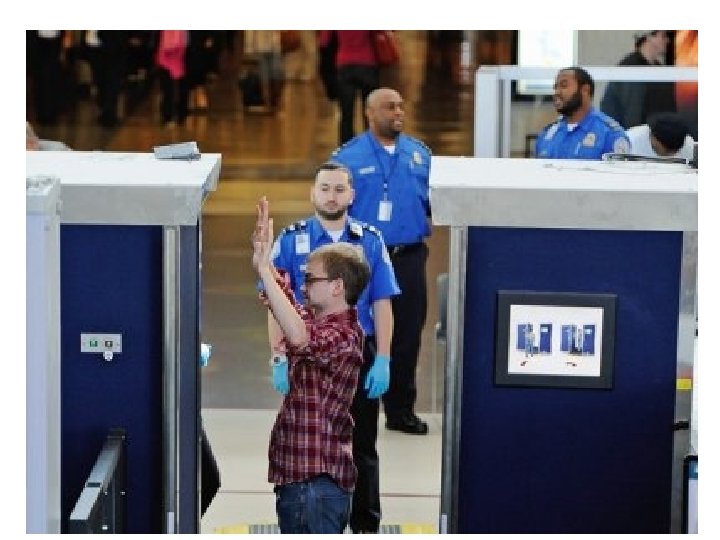
• 6. VEHICLE SEARCHES POLICE OFFICERS ARE ALLOWED TO SEARCH A VEHICLE IF THEY FEEL THAT THE VEHICLE CONTAINS CONTRABAND • 7. EMERGENCY SITUATIONS IN AN EMERGENCY, POLICE CAN ENTER A BUILDING WITHOUT A WARRANT • 8. BORDER AND AIRPORT SEARCHES CUSTOMS AGENTS ARE ALLOWED TO SEARCH INDIVIDUALS AND LUGGAGE WITHOUT PROBABLE CAUSE
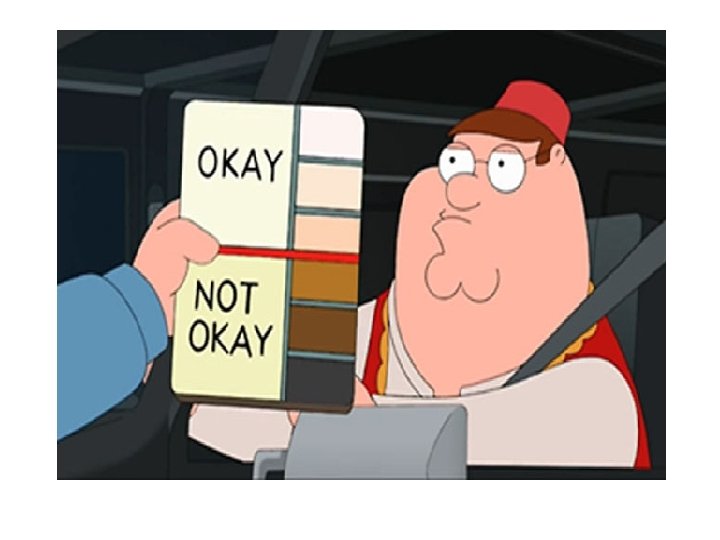
Racial Profiling in Police Investigations • Racial Profiling- Inappropriate use of race as a factor identifying people who may break or have broken the law • Profiling can take the form of inappropriate police action based on ethnicity, national origin, or religion as well as race. • Example: Searching an “Arab” looking person because of that at an airport • The general rule is that it is inappropriate for an officer to stop a person SOLEY based on his or her race, ethnicity, national origin, or religion.
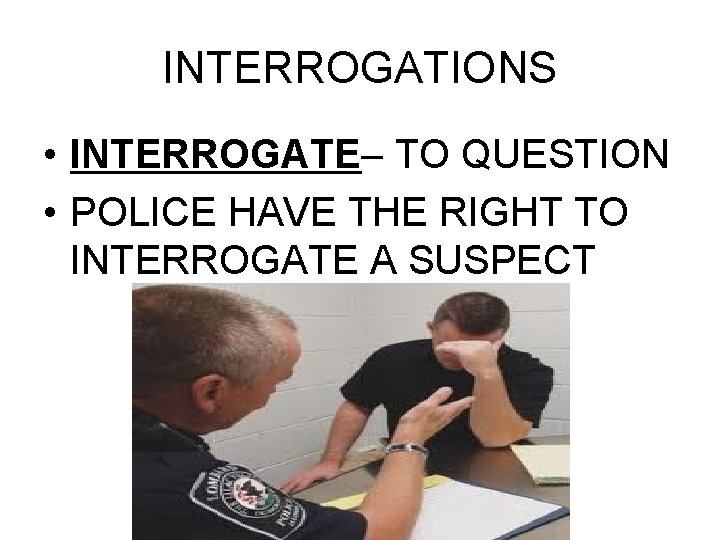
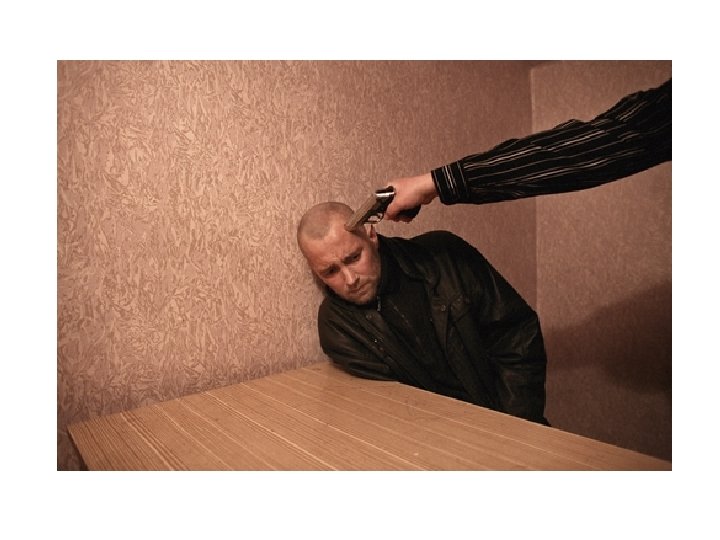
INTERROGATIONS • INTERROGATE– TO QUESTION • POLICE HAVE THE RIGHT TO INTERROGATE A SUSPECT
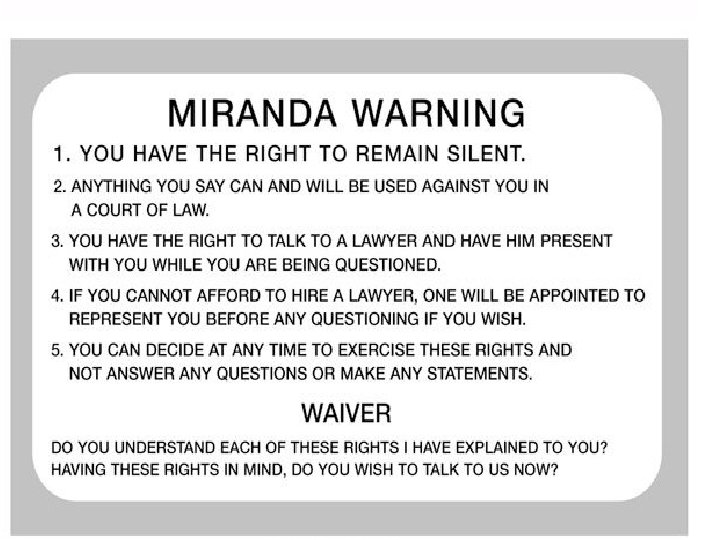
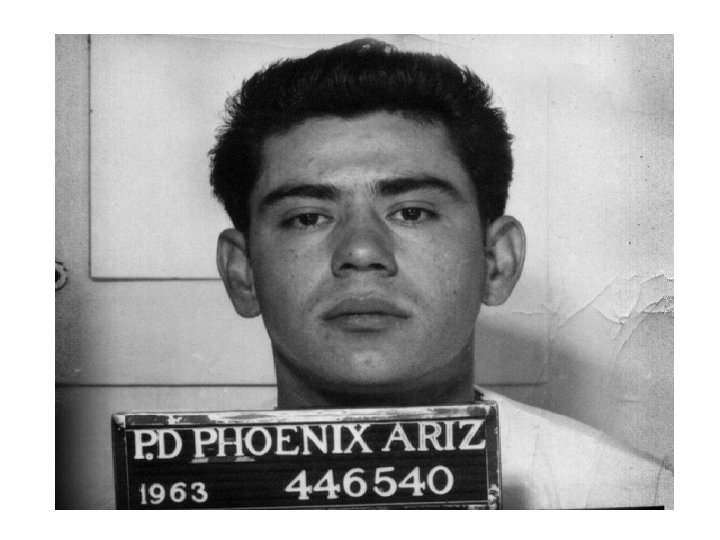
3 IMPT SUPREME COURT CASES • 1. MIRANDA V ARIZONA (1966) – THE SUPREME COURT RULED THAT A DEFENDANT MUST BE READ THEIR RIGHTS • MIRANDA RIGHTS • 1. YOU HAVE THE RIGHT TO REMAIN SILENT
• 2. IF YOU GIVE UP THAT RIGHT, ANYTHING YOU SAY CAN BE USED AGAINST YOU • 3. YOU HAVE THE RIGHT TO AN ATTORNEY • 4. IF YOU CANNOT AFFORD ONE, ONE WILL BE PROVIDED FOR YOU
• 2. NJ V TLO (1985)– PRINCIPAL IS ALLOWED TO SEARCH A STUDENTS LOCKER, CAR, PERSON, ETC. • The Supreme Court has granted public schools broad powers to search without warrants or even “probable cause”, because of the interest to protect ALL students from dangers [Drugs, alcohol, weapons, bombs]
• 3. MAPP V OHIO (1961)– THE SUPREME COURT THAT EVIDENCE GAINED ILLEGALLY CANNOT BE USED AGAINST A DEFENDANT