
The Costs Benefits of MINERAL RESOURCES Mineral Resources
The Costs & Benefits of MINERAL RESOURCES

Mineral Resources and Reserves Resource = Usable economic commodity extracted from naturally formed material (elements, compounds, minerals, or rocks) Reserve = Portion of a resource that is identified and currently available to be extracted legally and profitably • Defining factors – Geology, technology, economy, and legality
Problems with Resources • LIMITED AVAILABILITY! – Nonrenewable resources • Finite amount but growing demand – Supply shortage due to global industrialization • More Developed Countries consume a disproportionate share of existing resources – Erratic distribution and uneven consumption • Highly developed countries use most of the resources; supply varies
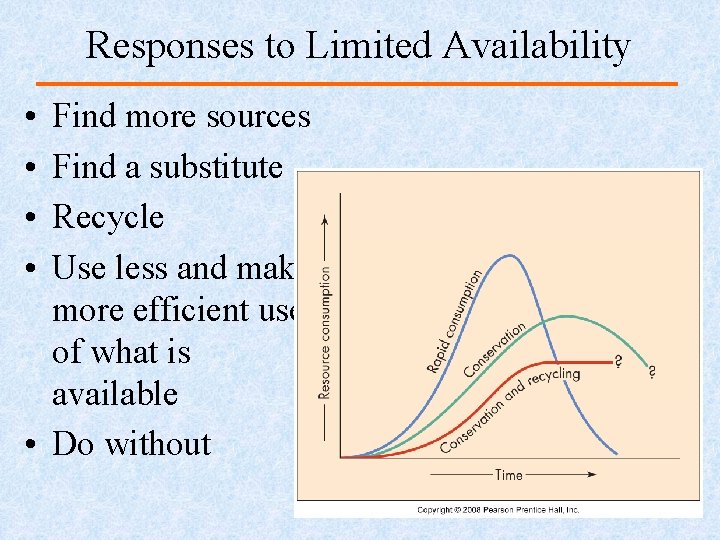
Responses to Limited Availability • • Find more sources Find a substitute Recycle Use less and make more efficient use of what is available • Do without
Major Import Sources • Friends – Canada: Metals – United Kingdom: platinum, rare earths • Other – China: graphite, tin, tungsten, rare earths – South Africa : platinum, fluorspar, diamonds – Chile: arsenic, iodine
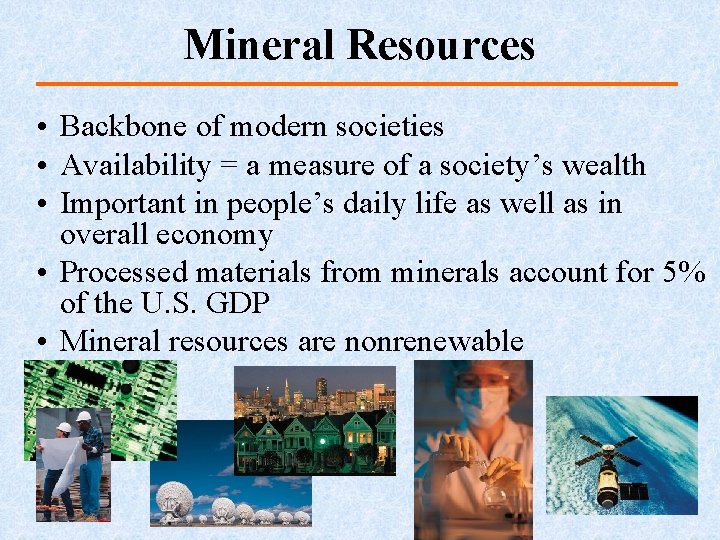
Mineral Resources • Backbone of modern societies • Availability = a measure of a society’s wealth • Important in people’s daily life as well as in overall economy • Processed materials from minerals account for 5% of the U. S. GDP • Mineral resources are nonrenewable
Mineral Value • Direct value – Raw, mined minerals – Recycled, reused, and repurposed – Imports vs. exports • Indirect value – Processing and manufacturing of resources and goods • Value added – Agriculture and Sales of goods
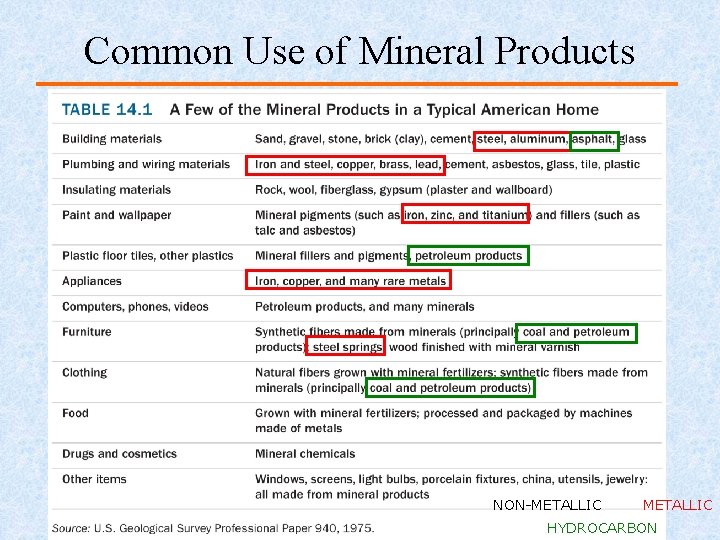
Common Use of Mineral Products NON-METALLIC HYDROCARBON
Geology of Mineral Resources • Metallic ore – Useful metallic minerals that can be mined for a profit – Technology, economics, and politics • Concentration factor – Concentration necessary for profitable mining, e. g. , for gold is about 5000 • Variable with types of metals • Variable over time
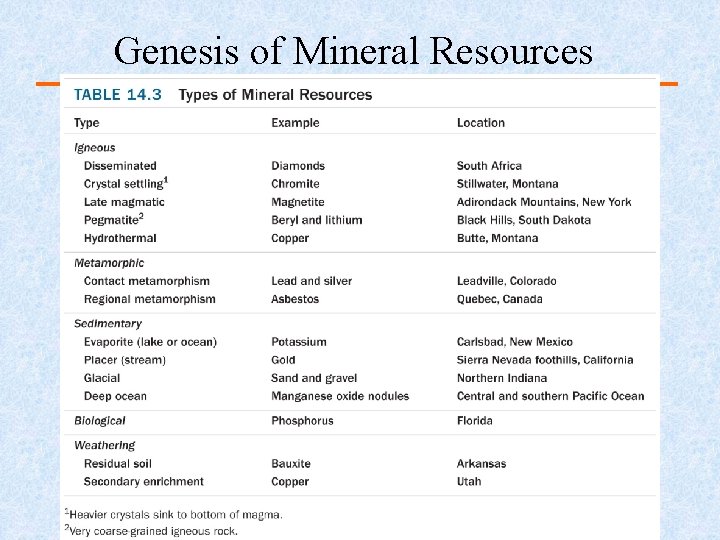
Genesis of Mineral Resources
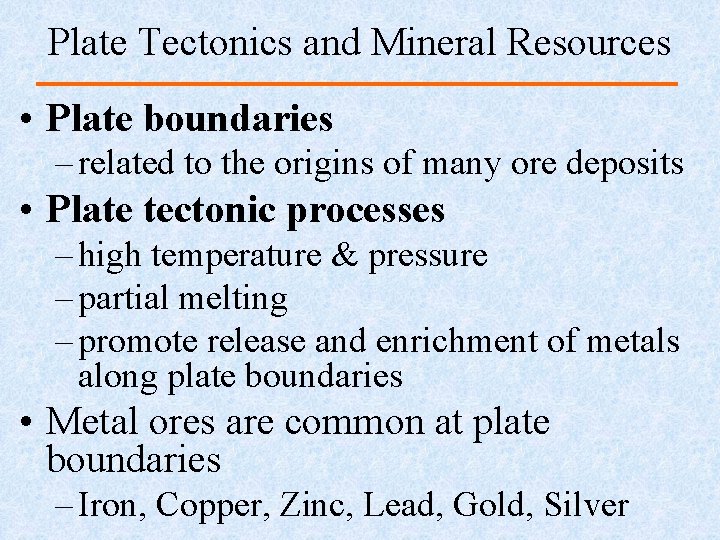
Plate Tectonics and Mineral Resources • Plate boundaries – related to the origins of many ore deposits • Plate tectonic processes – high temperature & pressure – partial melting – promote release and enrichment of metals along plate boundaries • Metal ores are common at plate boundaries – Iron, Copper, Zinc, Lead, Gold, Silver
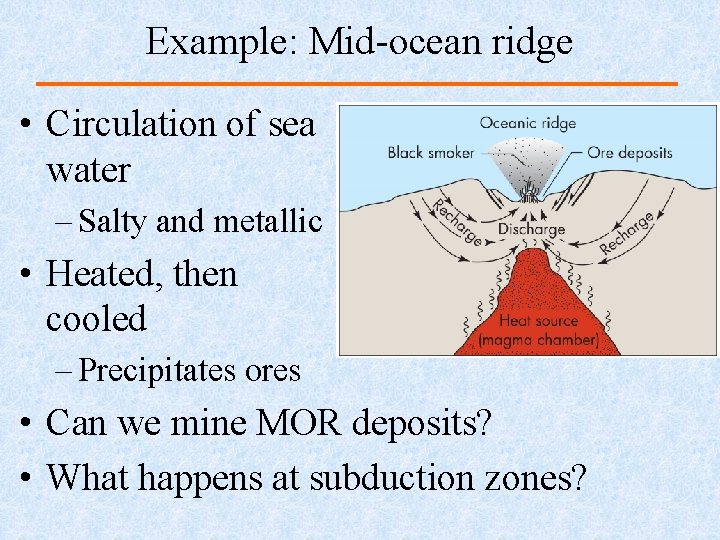
Example: Mid-ocean ridge • Circulation of sea water – Salty and metallic • Heated, then cooled – Precipitates ores • Can we mine MOR deposits? • What happens at subduction zones?
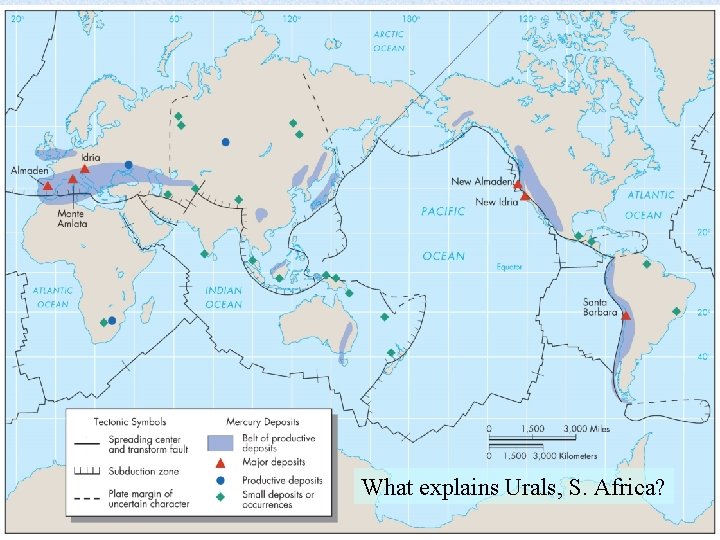
What explains Urals, S. Africa?
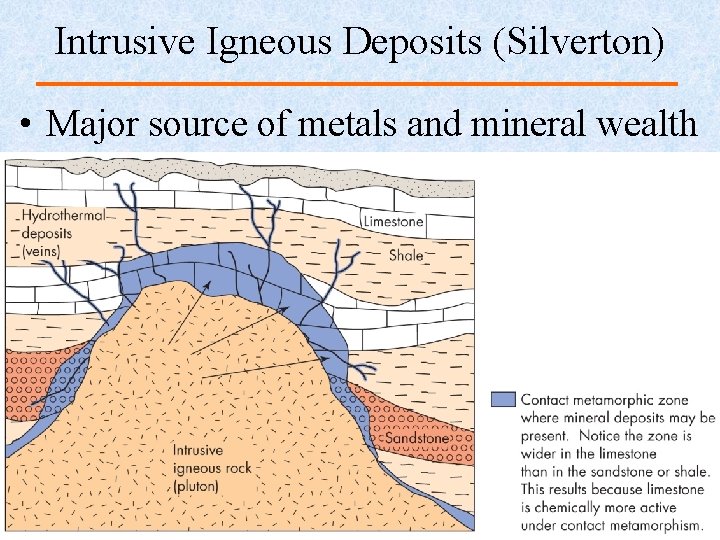
Intrusive Igneous Deposits (Silverton) • Major source of metals and mineral wealth
Mineral Resources and Environmental Impact • Environmental impacts … – From mineral exploration and testing – From mineral mining – From mineral resources refining – From mining waste disposal
Environment Impact of Mineral Development • The impact depends upon many factors: – Mining procedures – Hydrologic conditions – Climate factors – Types of rocks and soils – Topography • Role of Culture – NIMBY (not in my back yard) – Need/desire for jobs

Impact of Mineral Exploration and Testing • Mineral exploration and testing – Surface mapping, geochemical, geophysical, and remote-sensing data collection – Test drilling • Impact – Generally minimal impact – More planning and care needed for sensitive areas (arid, wetlands, and permafrost areas)
Impact of Mineral Extraction and Processing General impact • Direct impact on land, water, air, and biological environment • Indirect impact on the environment: Topographic effect, transportation of materials, etc. • Impact on social environment: Increased demands for housing and services
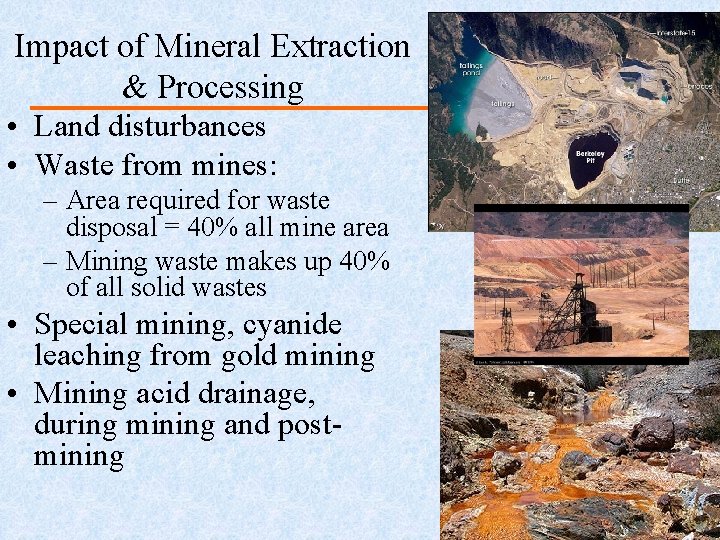
Impact of Mineral Extraction & Processing • Land disturbances • Waste from mines: – Area required for waste disposal = 40% all mine area – Mining waste makes up 40% of all solid wastes • Special mining, cyanide leaching from gold mining • Mining acid drainage, during mining and postmining
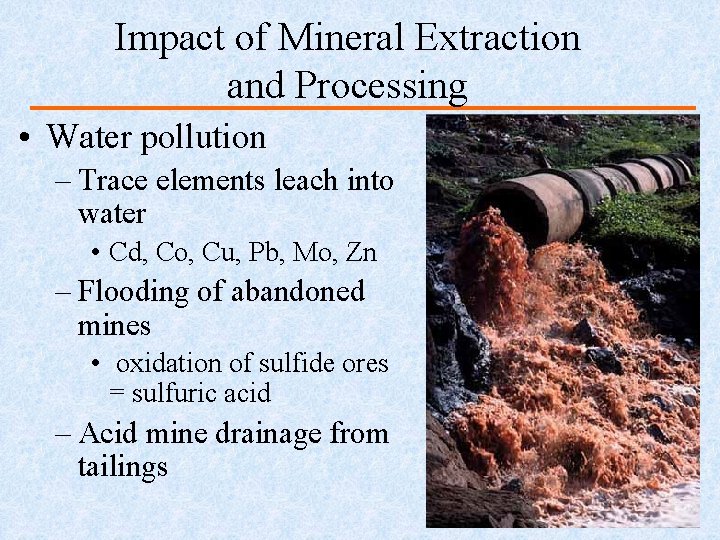
Impact of Mineral Extraction and Processing • Water pollution – Trace elements leach into water • Cd, Co, Cu, Pb, Mo, Zn – Flooding of abandoned mines • oxidation of sulfide ores = sulfuric acid – Acid mine drainage from tailings
Minimizing the Impact of Mining • Transfer knowledge and technology from developed countries developing countries • Strengthen Environmental Regulations – Forbid bad mining practices – Clean Air Act – on- and offsite treatment of wastes • Land reclamation – ~50% of land used in mining industry reclaimed • Use of new biotechnology in mining – Bio-oxidation, bioleaching, bio-absorption, genetic engineering
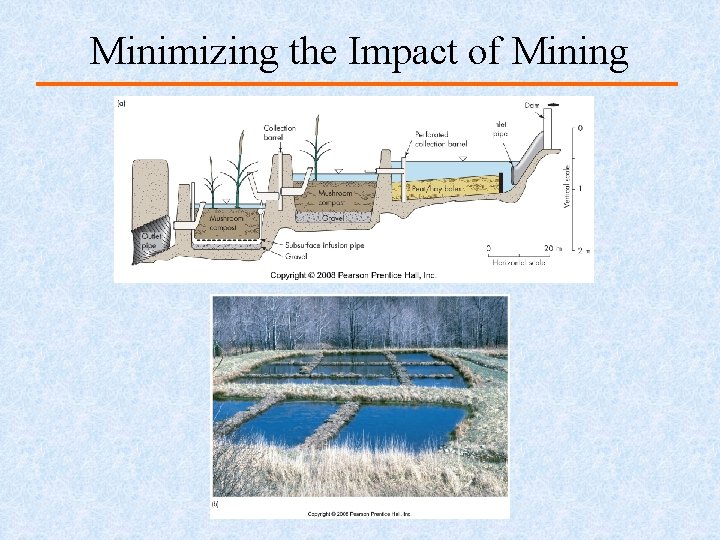
Minimizing the Impact of Mining
Recycling Mineral Resources • Why recycle? Consider the impact of the wastes – Toxic to humans – Dangerous to natural ecosystems – Degradation of air, water, and soil – Use of land for disposal – Aesthetically undesirable
Recycling Mineral Resources • Almost all waste contains recyclable materials • Recycling saves money • • land ecosystems Water and air Energy Raw minerals from more mining • Saves energy and money when recycling instead of refining raw ore materials • Recycling has been proven to be profitable and workable
Recycling Mineral Resources • Amount of Metal used in the U. S. • 134 million metric tons (Mt) • $32 billion • Iron and Steel 88. 6% weight and 27. 7% value • Aluminum 38. 0% value • Recycling scrap requires 1/3 the energy compared to refining virgin ore • Recycling contributed 76. 9 Mt of metal • • • $14. 2 billion or 58% of metal’s weight Most recycled: Pb 65%, Fe 60%, Cu 48% Least recycled: Zn 26% and Sb 27%
Minerals and Sustainability • Sustainability = long-term strategy for consuming the resources • Find an alternative material for metal, ex: glass fiber cable for copper wires • Use raw materials more efficiently • More Research & Development • Innovative substitutes • Ways to maintain the Resource : Consumption • A solution to the depletion of nonrenewable resources
Questions… 1. Considering the fact that mineral resources are nonrenewable: a) Do you believe that technology will eventually help to meet the growing demand for mineral resources? b) If yes, explain. 2. Biotechnology shows the potential for cleaner minerals extraction and waste disposal. a) Could biotechnology bring about any environmental problems? 3. What types of environmental impact would occur if we increasingly extract more mineral resources from the seafloor?
- Slides: 28