
The Correctional Environment and its Impact on the


- Slides: 22
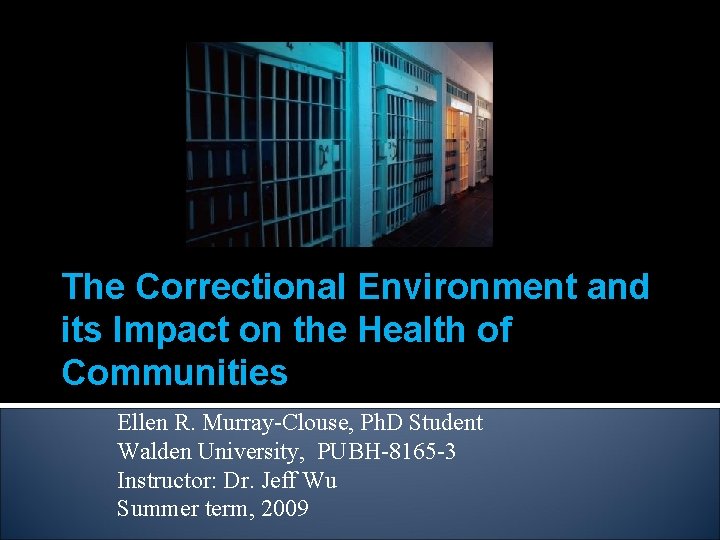
The Correctional Environment and its Impact on the Health of Communities Ellen R. Murray-Clouse, Ph. D Student Walden University, PUBH-8165 -3 Instructor: Dr. Jeff Wu Summer term, 2009
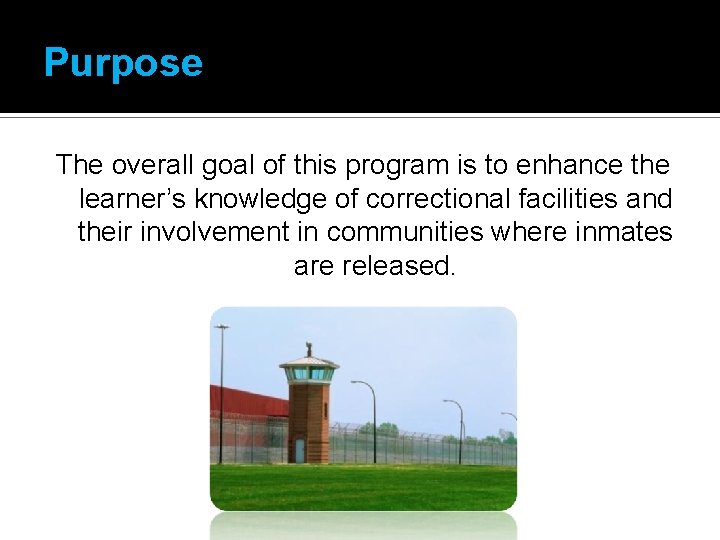
Purpose The overall goal of this program is to enhance the learner’s knowledge of correctional facilities and their involvement in communities where inmates are released.
Expected Learning Outcomes At the end of this presentation, participants will: Develop a greater understanding of correctional facilities as they exist in communities Understand the increasing need for better healthcare and education in correctional facilities Correlate correctional health with community health Associate recidivism rates with an awareness of the need for increased education and health programs in correctional facilities
Outline Background Statistics Releases to the community Environment of Correctional Facilities Disease Prevalence Recidivism Cost of Correctional Health Cost to the Community Early Release or Reentry Programs Community public health and corrections partnerships
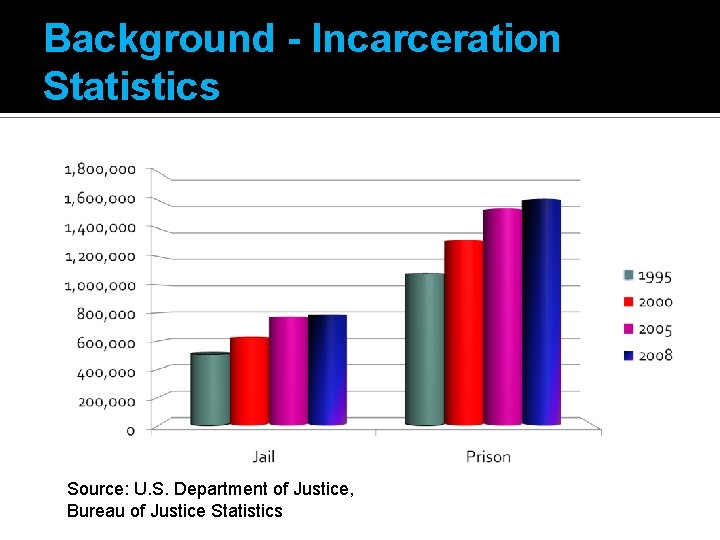
Background - Incarceration Statistics Source: U. S. Department of Justice, Bureau of Justice Statistics
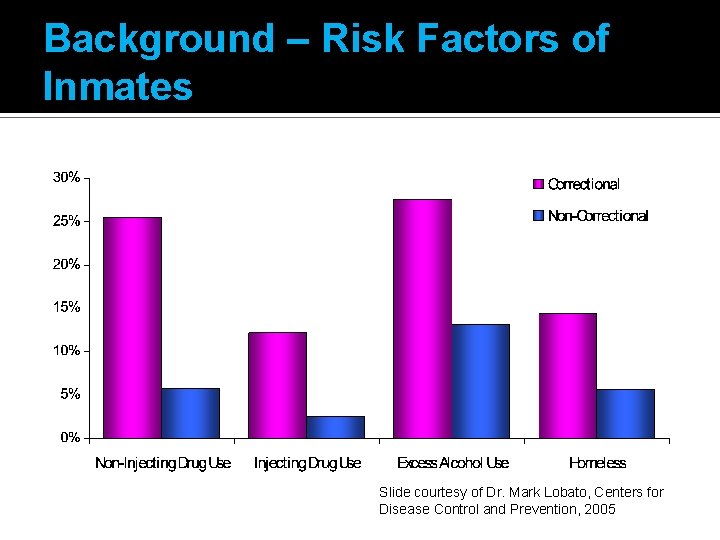
Background – Risk Factors of Inmates Slide courtesy of Dr. Mark Lobato, Centers for Disease Control and Prevention, 2005
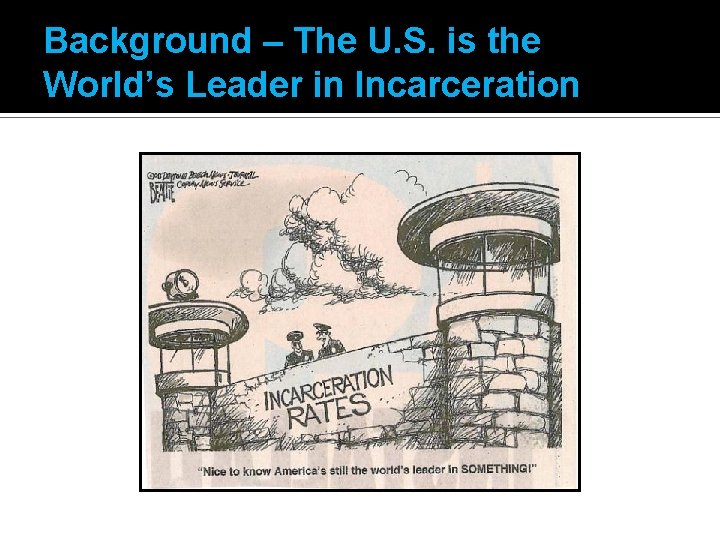
Background – The U. S. is the World’s Leader in Incarceration
And the World is Becoming a Very Small Place Picture courtesy of Clip. Art
Releases to the Community March, 2002, a report to Congress by the National Commission on Correctional Healthcare reported that: “Each year the Nation’s prisons and jails release more than 11. 5 million inmates. The potential that ex-offenders may be contributing to the spread of infectious disease in the community became of increasing concern. ”
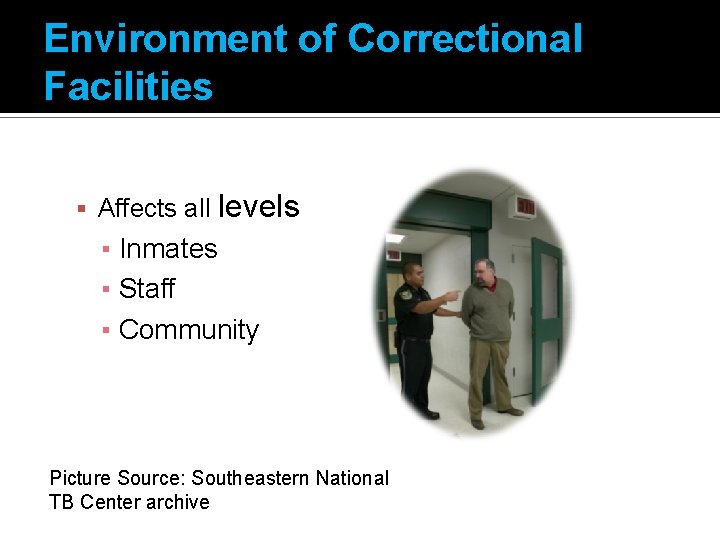
Environment of Correctional Facilities Affects all levels ▪ Inmates ▪ Staff ▪ Community Picture Source: Southeastern National TB Center archive
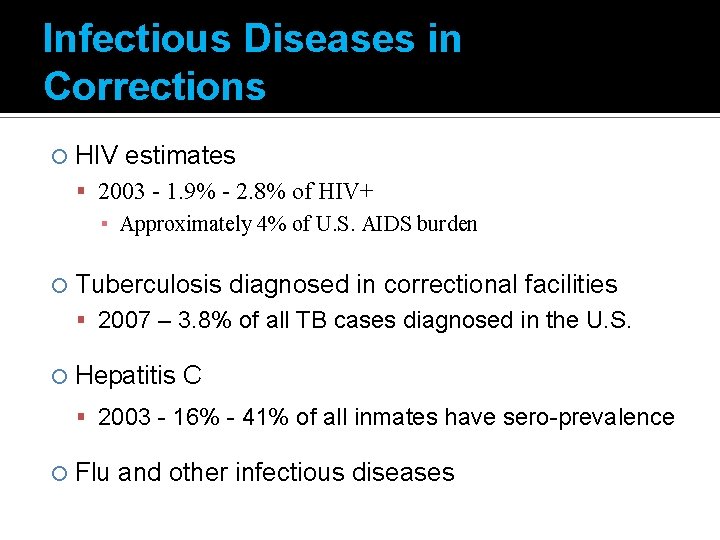
Infectious Diseases in Corrections HIV estimates 2003 - 1. 9% - 2. 8% of HIV+ ▪ Approximately 4% of U. S. AIDS burden Tuberculosis diagnosed in correctional facilities 2007 – 3. 8% of all TB cases diagnosed in the U. S. Hepatitis C 2003 - 16% - 41% of all inmates have sero-prevalence Flu and other infectious diseases
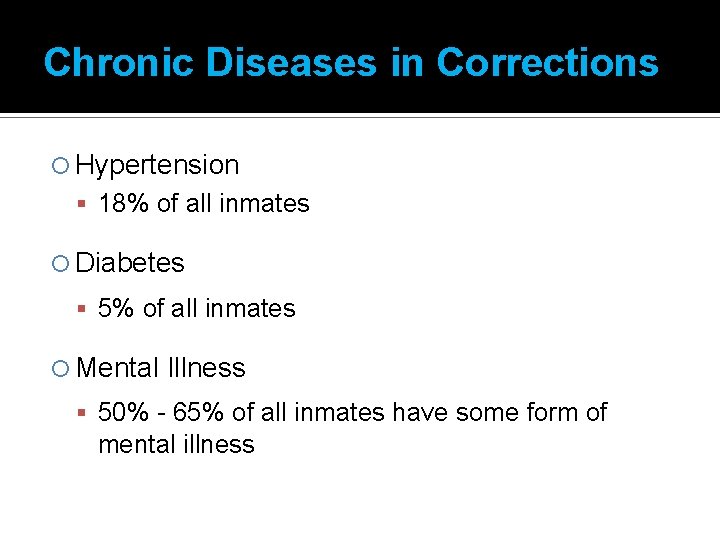
Chronic Diseases in Corrections Hypertension 18% of all inmates Diabetes 5% of all inmates Mental Illness 50% - 65% of all inmates have some form of mental illness
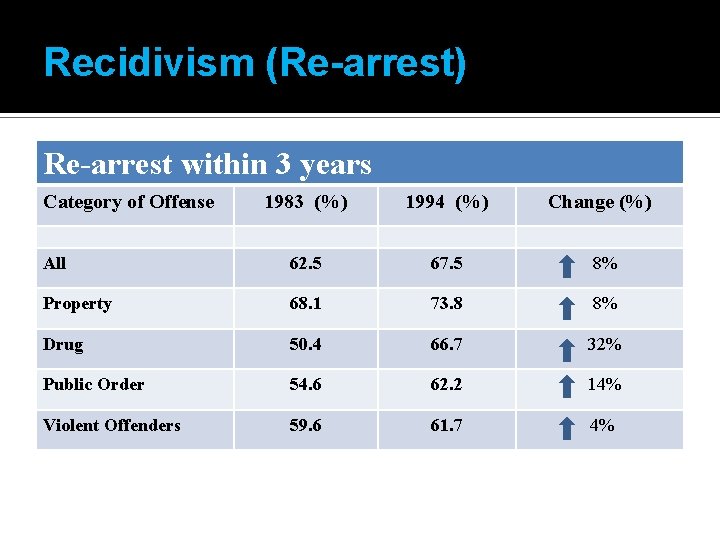
Recidivism (Re-arrest) Re-arrest within 3 years Category of Offense 1983 (%) 1994 (%) Change (%) All 62. 5 67. 5 8% Property 68. 1 73. 8 8% Drug 50. 4 66. 7 32% Public Order 54. 6 62. 2 14% Violent Offenders 59. 6 61. 7 4%
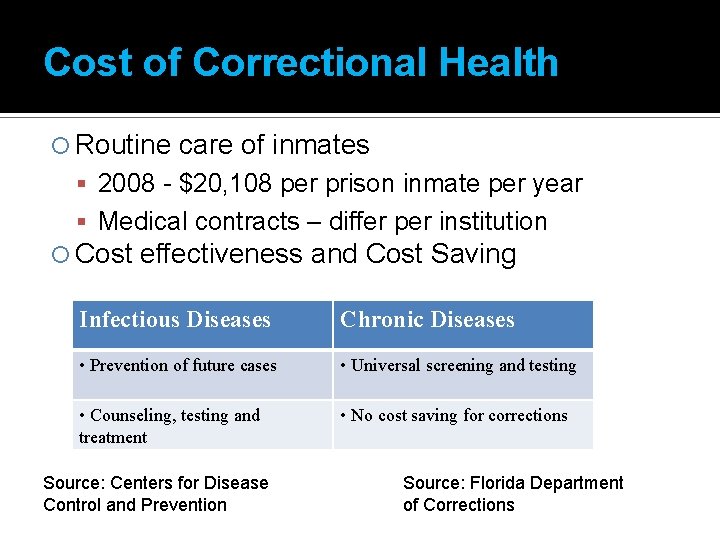
Cost of Correctional Health Routine care of inmates 2008 - $20, 108 per prison inmate per year Medical contracts – differ per institution Cost effectiveness and Cost Saving Infectious Diseases Chronic Diseases • Prevention of future cases • Universal screening and testing • Counseling, testing and treatment • No cost saving for corrections Source: Centers for Disease Control and Prevention Source: Florida Department of Corrections
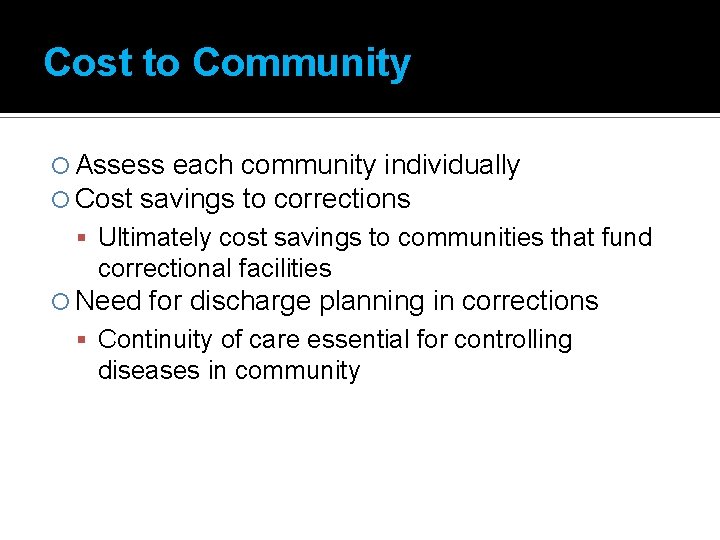
Cost to Community Assess each community individually Cost savings to corrections Ultimately cost savings to communities that fund correctional facilities Need for discharge planning in corrections Continuity of care essential for controlling diseases in community
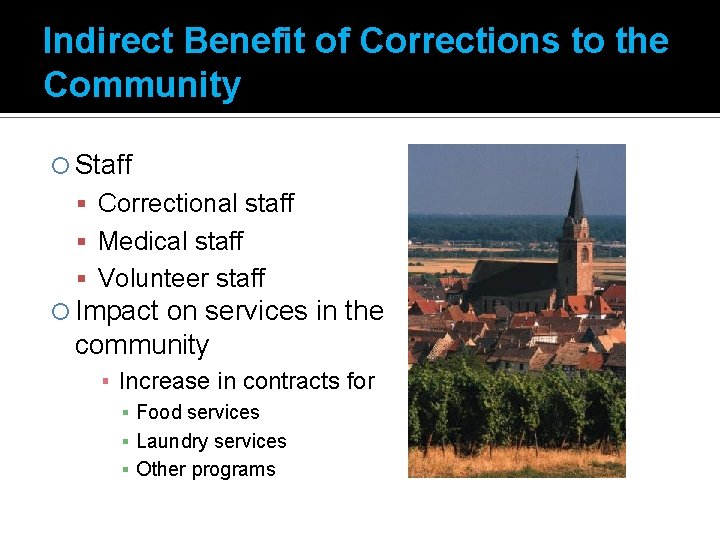
Indirect Benefit of Corrections to the Community Staff Correctional staff Medical staff Volunteer staff Impact on services in the community ▪ Increase in contracts for ▪ Food services ▪ Laundry services ▪ Other programs
“If there is any one secret of success, it lies in the ability to get the other person's point of view and see things from that person's angle as well as from your own. ” Henry Ford Pictures courtesy of Clip. Art
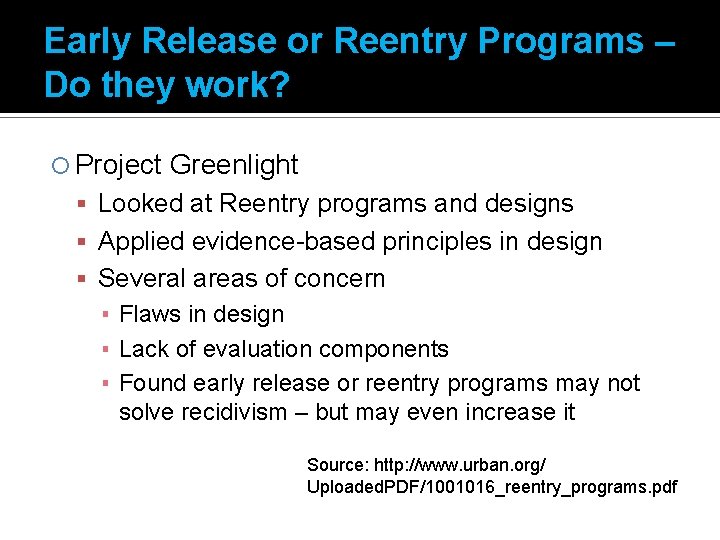
Early Release or Reentry Programs – Do they work? Project Greenlight Looked at Reentry programs and designs Applied evidence-based principles in design Several areas of concern ▪ Flaws in design ▪ Lack of evaluation components ▪ Found early release or reentry programs may not solve recidivism – but may even increase it Source: http: //www. urban. org/ Uploaded. PDF/1001016_reentry_programs. pdf
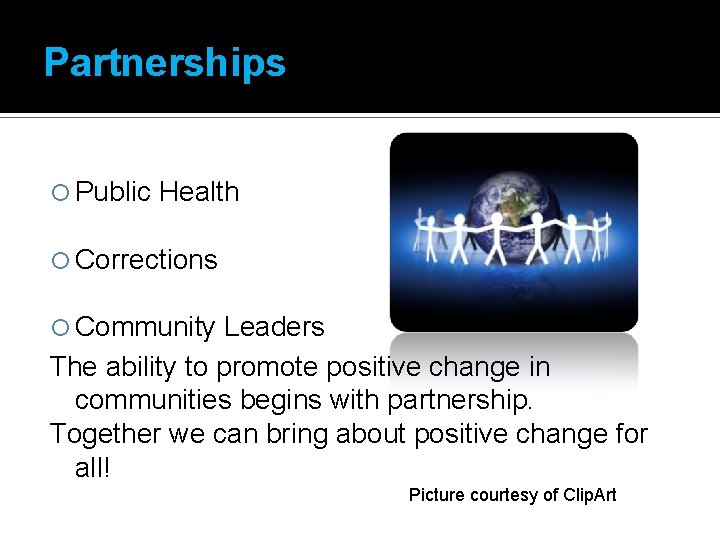
Partnerships Public Health Corrections Community Leaders The ability to promote positive change in communities begins with partnership. Together we can bring about positive change for all! Picture courtesy of Clip. Art
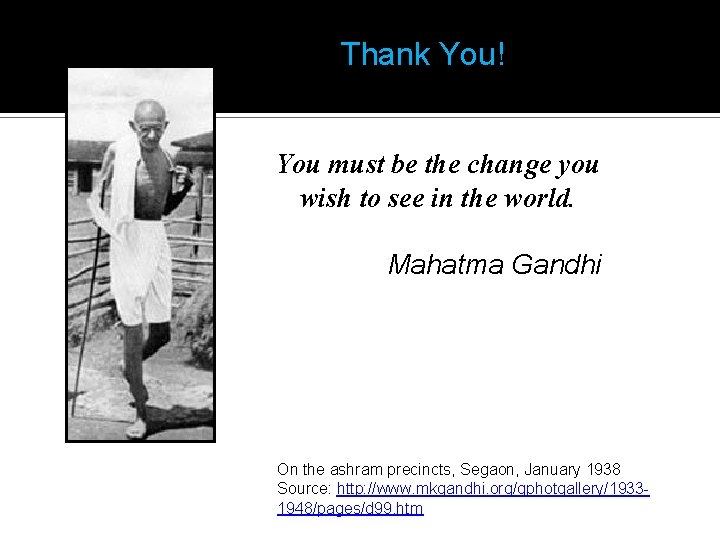
Thank You! You must be the change you wish to see in the world. Mahatma Gandhi On the ashram precincts, Segaon, January 1938 Source: http: //www. mkgandhi. org/gphotgallery/19331948/pages/d 99. htm
Questions? Contact Ellen Murray-Clouse, RN, BSN Home email: TBLdy 56@windstream. net School email: ellen. murray-clouse@waldenu. edu A complete list of references can be seen on the accompanying word document entitled The Correctional Environment and Its Impact on the Health of Communities
Resources • ACA: American Correctional Association • – www. aca. org • AJA: The American Jail Association – www. corrections. com/aja/ • • - Corrections Webpage – www. cdc. gov/correctionalhealth • APHA: American Public Health Association – www. apha. org BOJ: Bureau of Justice – www. ojp. usdoj. gov/bjs/ CDC: Centers for Disease Control & Prevention NCCHC: National Commission on Correctional Health. Care – www. ncchc. org • NSA: National Sheriffs Association – www. sheriffs. org