
The Constitutional Convention The Constitutional Convention Begins The
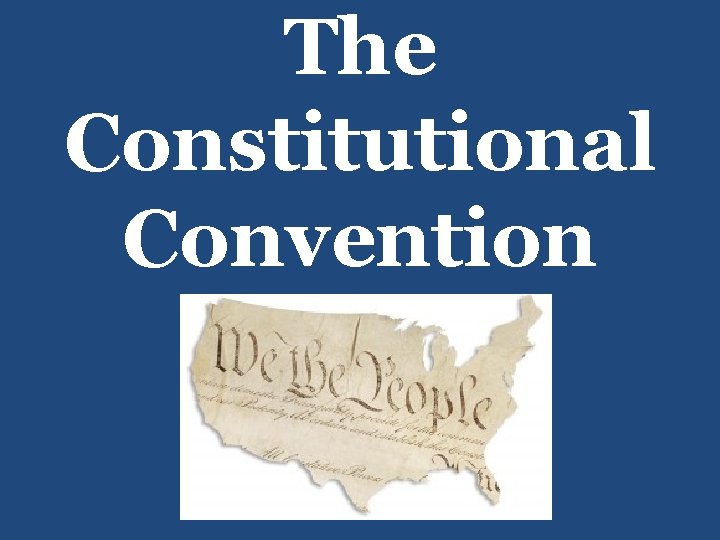
The Constitutional Convention

The Constitutional Convention Begins • The Constitutional Convention was held in the summer of 1787. • It included 55 delegates from all states except Rhode Island. • They were sent by their states to revise the Articles of Confederation.
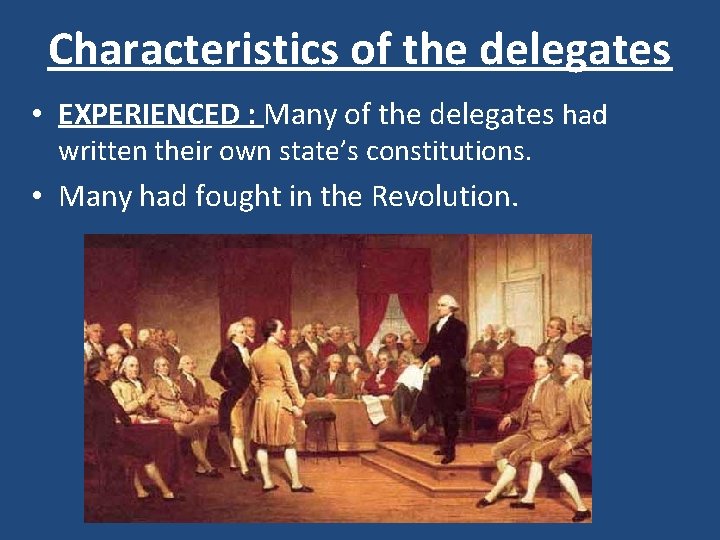
Characteristics of the delegates • EXPERIENCED : Many of the delegates had written their own state’s constitutions. • Many had fought in the Revolution.
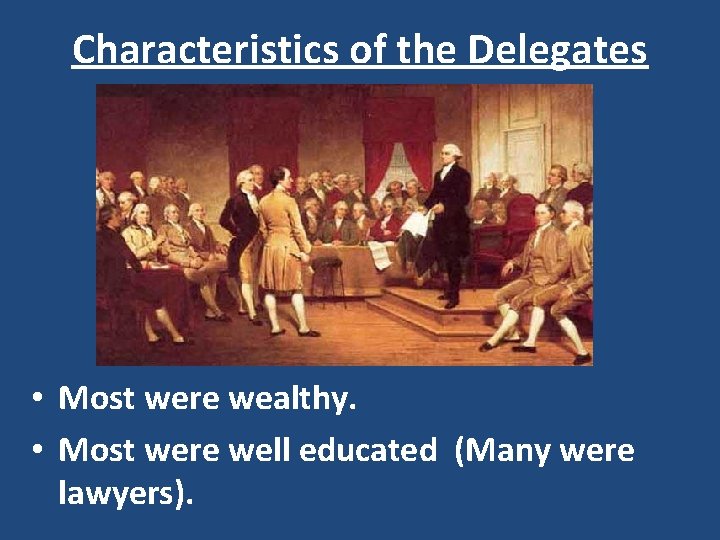
Characteristics of the Delegates • Most were wealthy. • Most were well educated (Many were lawyers).
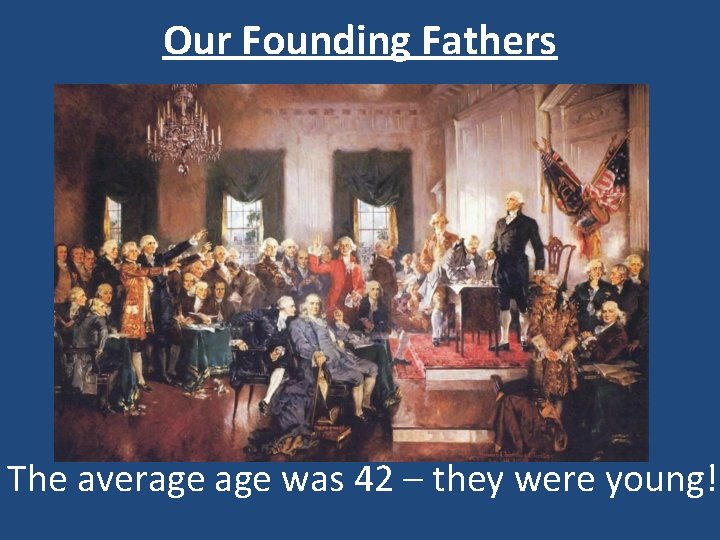
Our Founding Fathers The average was 42 – they were young!!
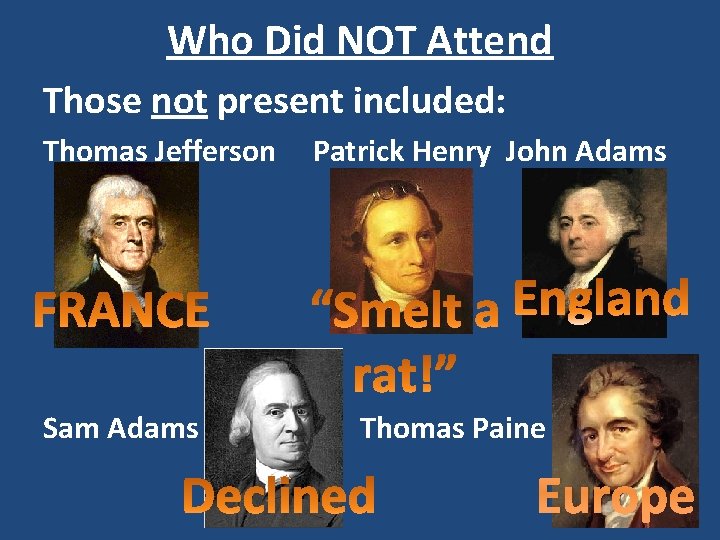
Who Did NOT Attend Those not present included: Thomas Jefferson Sam Adams Patrick Henry John Adams Thomas Paine Europe
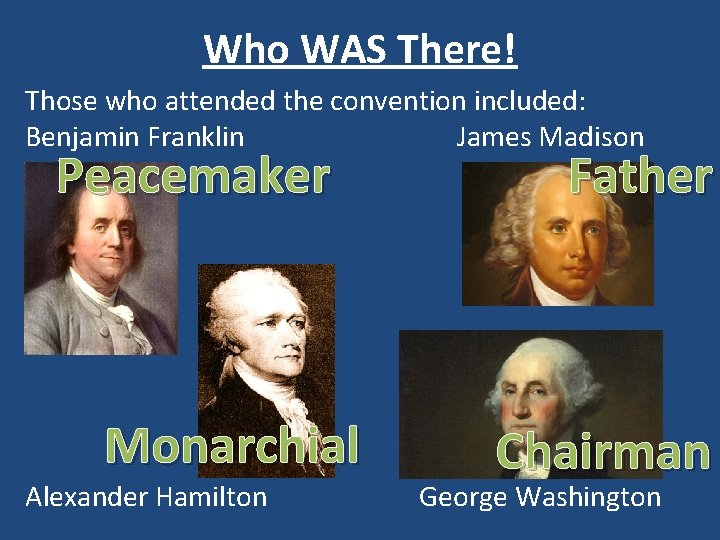
Who WAS There! Those who attended the convention included: Benjamin Franklin James Madison Peacemaker Monarchial Alexander Hamilton Father Chairman George Washington
Who Else was NOT There? ? ? • • Women—not even MENTIONED in debates African Americans Native Americans Non-land owning white males
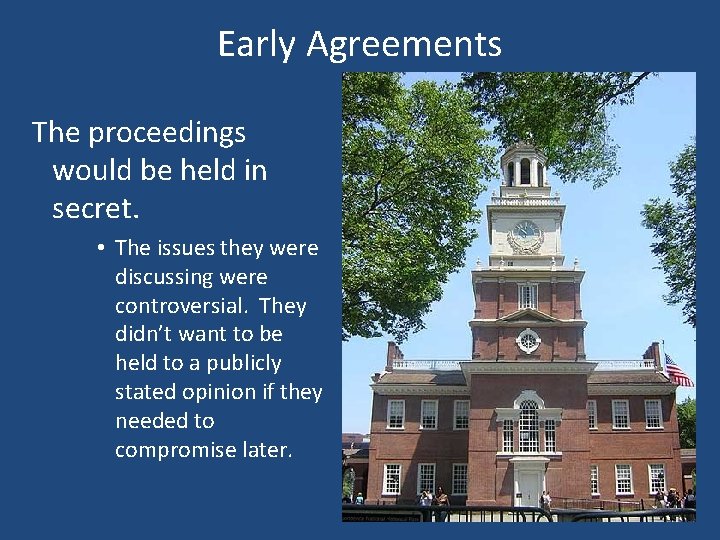
Early Agreements The proceedings would be held in secret. • The issues they were discussing were controversial. They didn’t want to be held to a publicly stated opinion if they needed to compromise later.
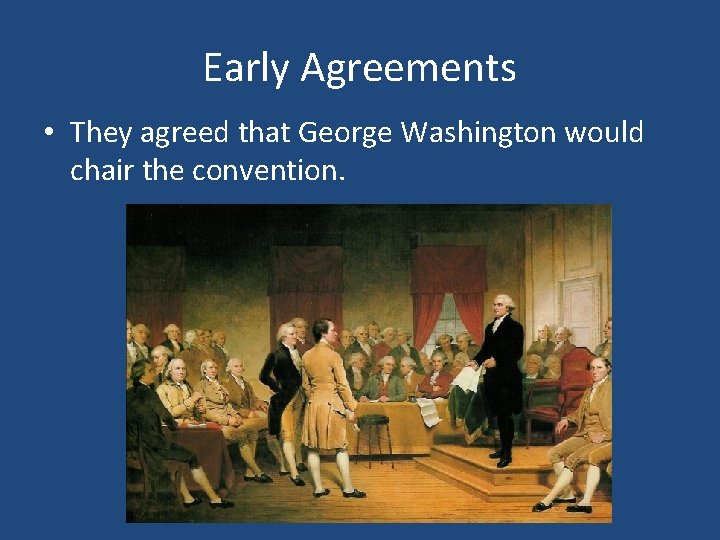
Early Agreements • They agreed that George Washington would chair the convention.
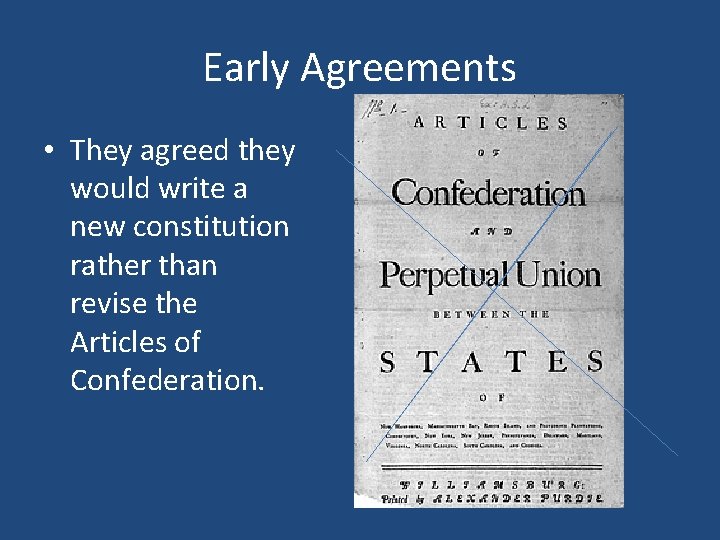
Early Agreements • They agreed they would write a new constitution rather than revise the Articles of Confederation.
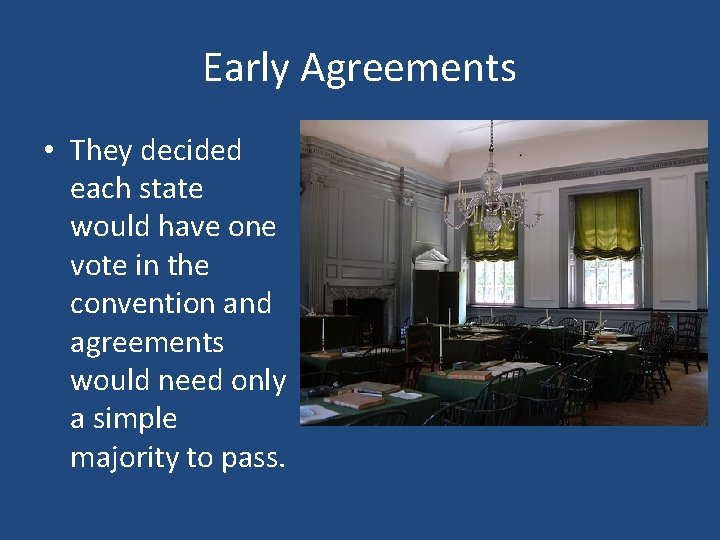
Early Agreements • They decided each state would have one vote in the convention and agreements would need only a simple majority to pass.
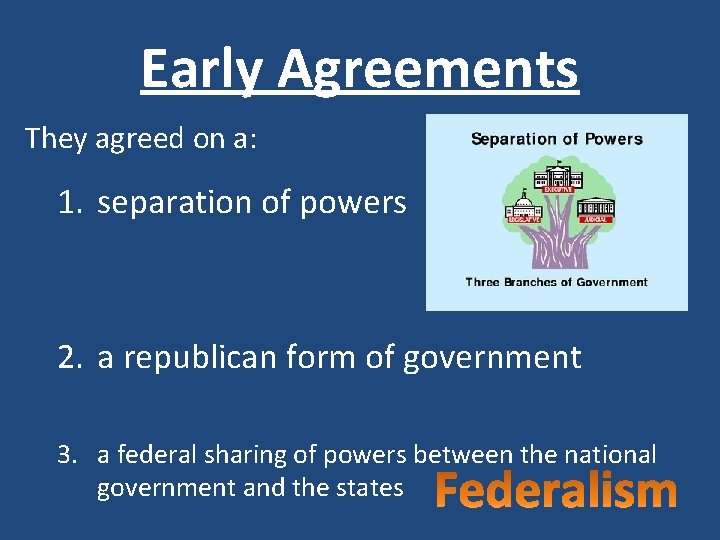
Early Agreements They agreed on a: 1. separation of powers 2. a republican form of government 3. a federal sharing of powers between the national government and the states
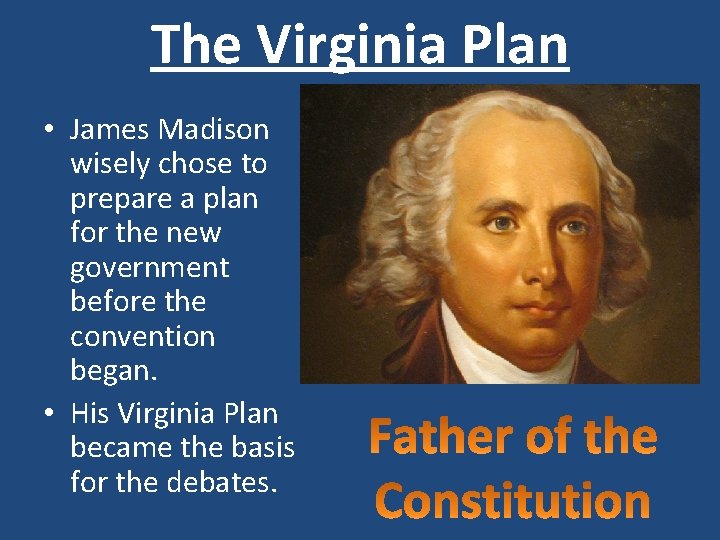
The Virginia Plan • James Madison wisely chose to prepare a plan for the new government before the convention began. • His Virginia Plan became the basis for the debates.
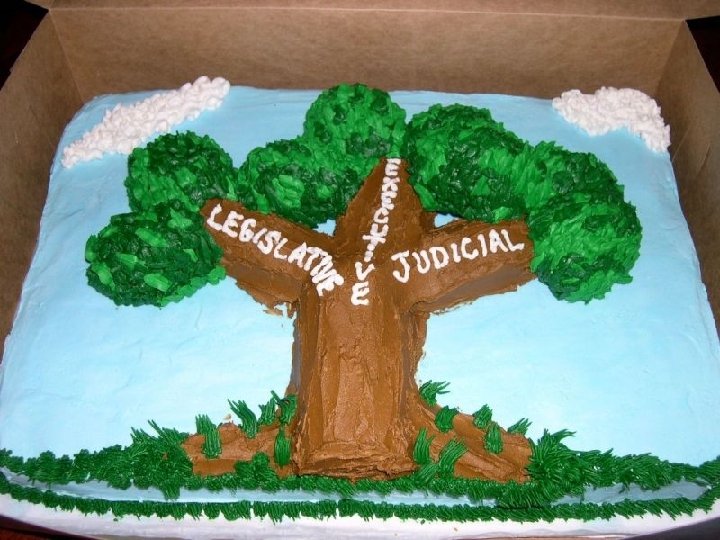
The Virginia Plan Three branches: • Legislative (MAKES LAWS) – bicameral (2 house), the lower house elected by the PEOPLE, the upper house elected by the lower house. Each state would receive votes proportional to the population of the state. • Executive (ENFORCES LAWS) – single executive, elected by the legislature. • Judicial (INTERPRETS LAWS)– selected by the legislature.
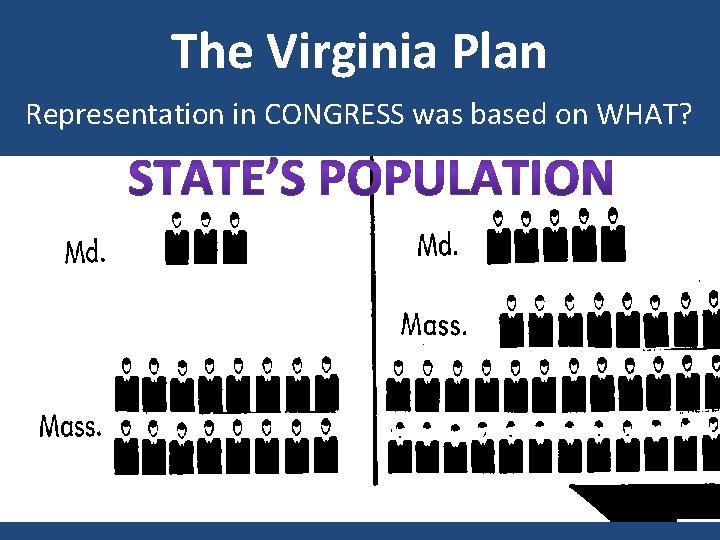
The Virginia Plan Representation in CONGRESS was based on WHAT?
New Jersey Plan The small states felt they would be overwhelmed by the larger states under the Virginian Plan. They proposed a plan that included: • Legislative: One house legislature, each state with an equal number of votes. • Executive: Committee, chosen by Congress. • Judicial: Court system with judges chosen by Congress.
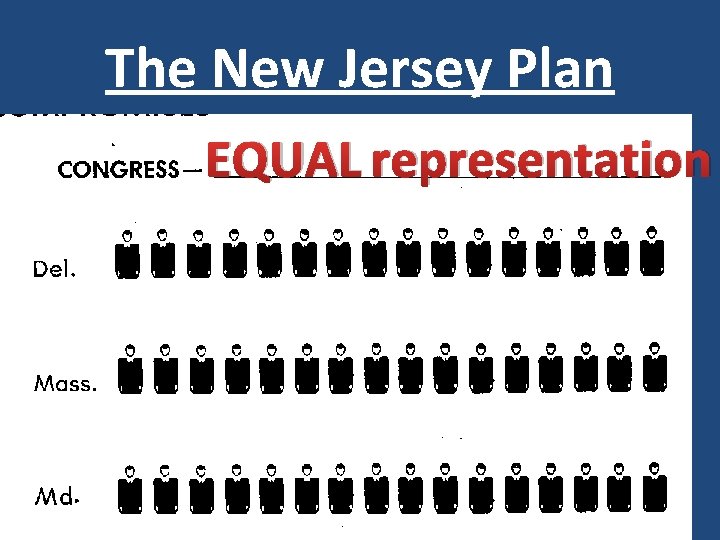
The New Jersey Plan EQUAL representation
“I have lived, Sir, a long time and the longer I live, the more convincing proofs I see of this truth -- that God governs in the affairs of men. And if a sparrow cannot fall to the ground without his notice, is it probable that an empire can rise without his aid? ”
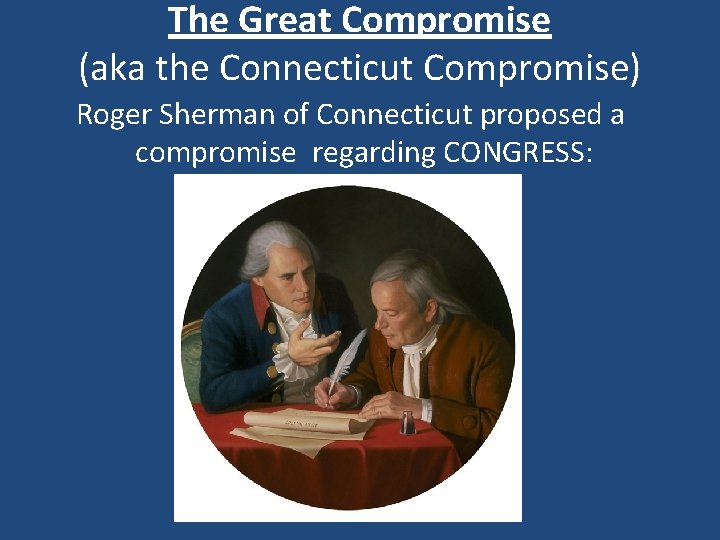
The Great Compromise (aka the Connecticut Compromise) Roger Sherman of Connecticut proposed a compromise regarding CONGRESS:
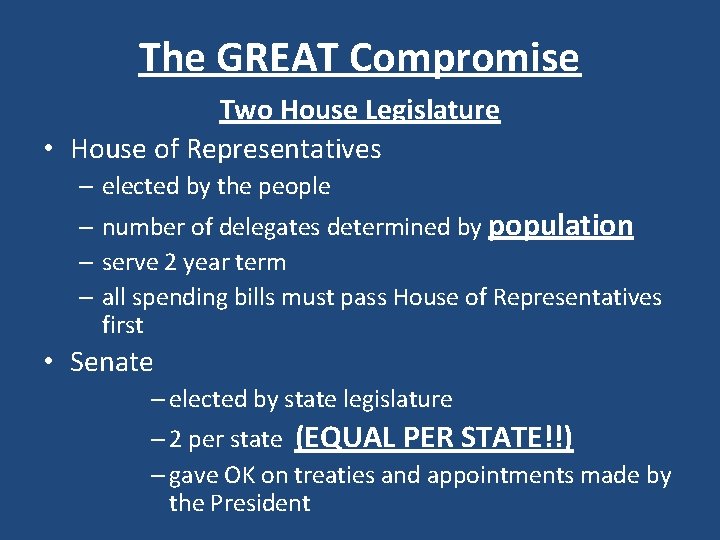
The GREAT Compromise Two House Legislature • House of Representatives – elected by the people – number of delegates determined by population – serve 2 year term – all spending bills must pass House of Representatives first • Senate – elected by state legislature – 2 per state (EQUAL PER STATE!!) – gave OK on treaties and appointments made by the President
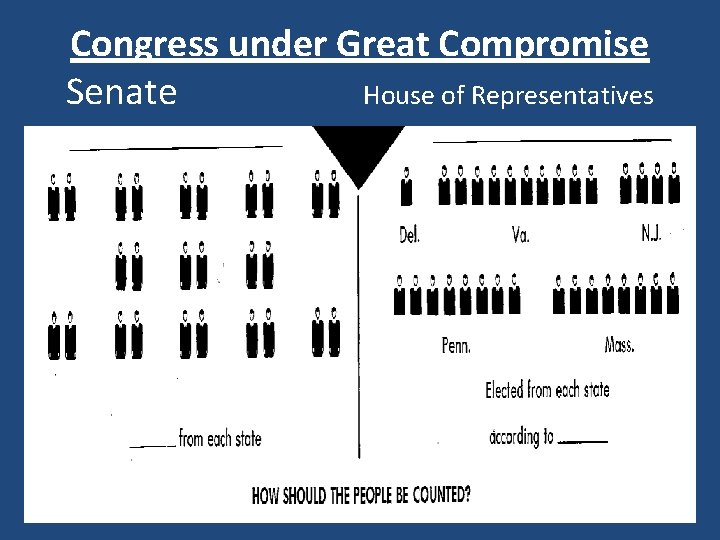
Congress under Great Compromise Senate House of Representatives
QUESTION!? !? So, in which house (the Senate or the House of Representatives) do Idahoans have more power? (Write your answer down on your paper) ANSWER: SENATE (Idaho has just 2 representatives in the House of Reps while California has 53!!)
3/5 Compromise Since the number of representatives each state got was to be determined by population, the question arose of whether the SOUTH would be allowed to count SLAVES as part of their population. The South wanted: • Slaves to be counted when determining number of REPRESENTATIVES • Slaves not counted when determining the amount of TAX each state would have to pay.
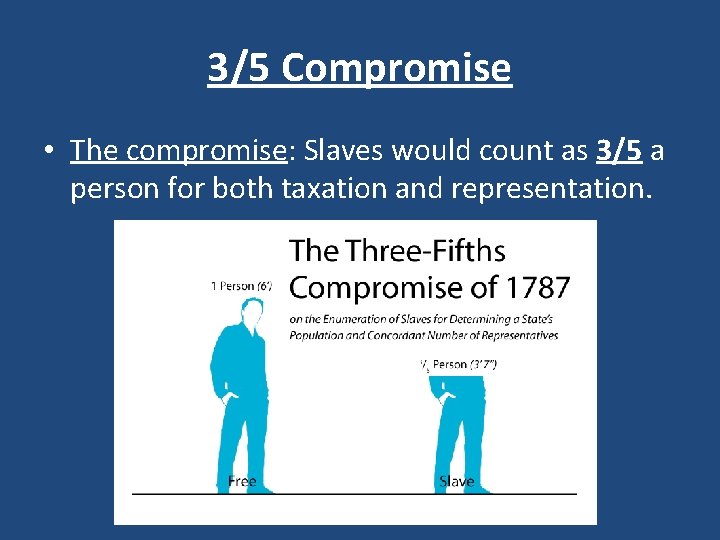
3/5 Compromise • The compromise: Slaves would count as 3/5 a person for both taxation and representation.
Commerce Compromises • Tariffs (TAX) – IMPORT/EXPORT • The South wanted NO tariffs on EXPORTS and IMPORTS. • The North wanted a tariff on IMPORTS to protect their manufacturers from FOREIGN competition.
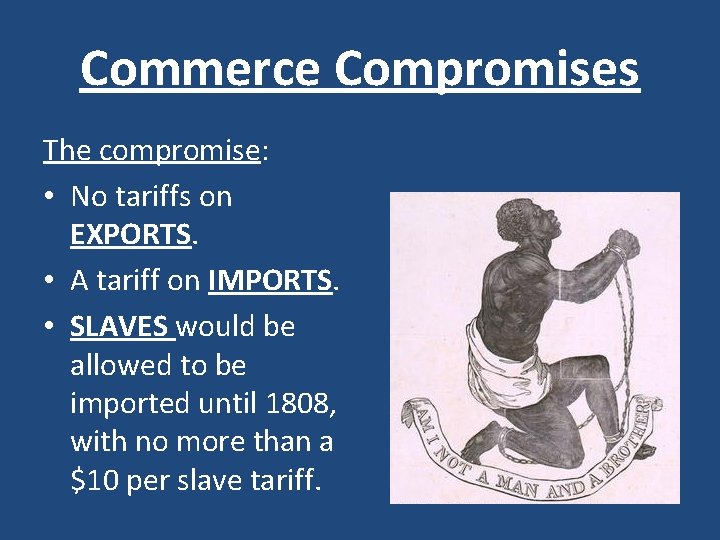
Commerce Compromises The compromise: • No tariffs on EXPORTS. • A tariff on IMPORTS. • SLAVES would be allowed to be imported until 1808, with no more than a $10 per slave tariff.
Slavery in the Constitution • Slavery was permitted but not in Northwest Territory • The Slave trade (importing) would be banned in 20 years • Non-Slavery states must respect laws of Slave states • Runaway slaves must be returned • The Federal government would assist in any slave rebellions
Presidential Election • Some delegates wanted the President to be selected by CONGRESS, • other wanted the selection to be made by the STATE legislatures, • and the most democratic wanted the President to be elected directly by the PEOPLE.
Presidential Election COMPROMISE The compromise: • The President would be elected by an ELECTORAL COLLEGE, where each state would have a number of electors equal the number of SENATORS plus the number of REPRESENTATIVES that state would have in Congress.
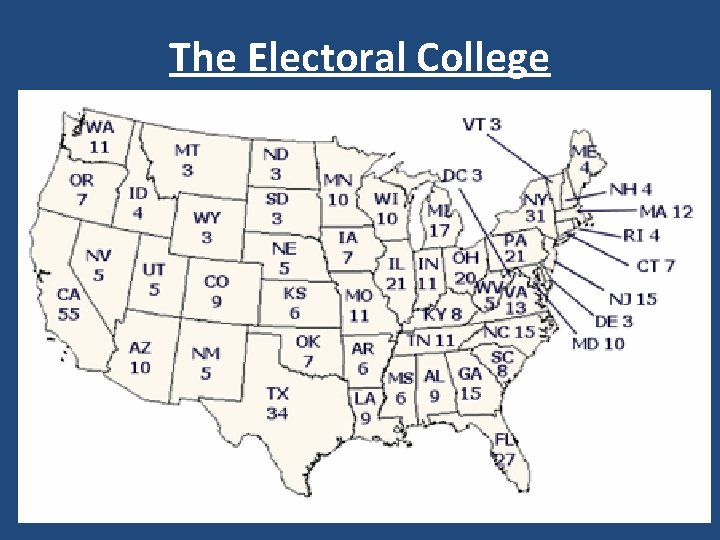
The Electoral College
Prez Election (Continued) • The President would serve a 4 year term, with NO LIMIT on the number of terms. • QUESTION: – WHICH President served 4 terms—presiding over the Great Depression and World War II? ANSWER: Franklin D. Roosevelt (After him, they amend the Constitution to limit presidents to just 2 terms. )
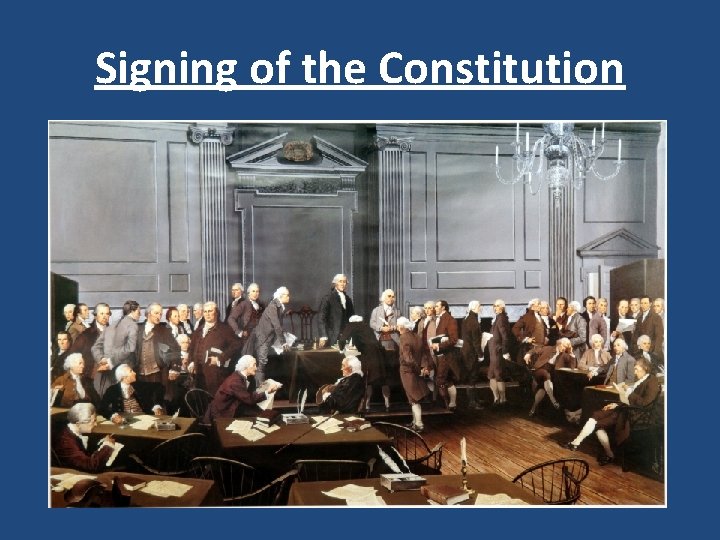
Signing of the Constitution
Ratification Debates • The Constitution approved at the convention went back to the state conventions for approval • When 9/13 state conventions ratified the Constitution it would become the new law of the land • REMEMBER: 55 total delegates had worked in secret to create the Constitution!
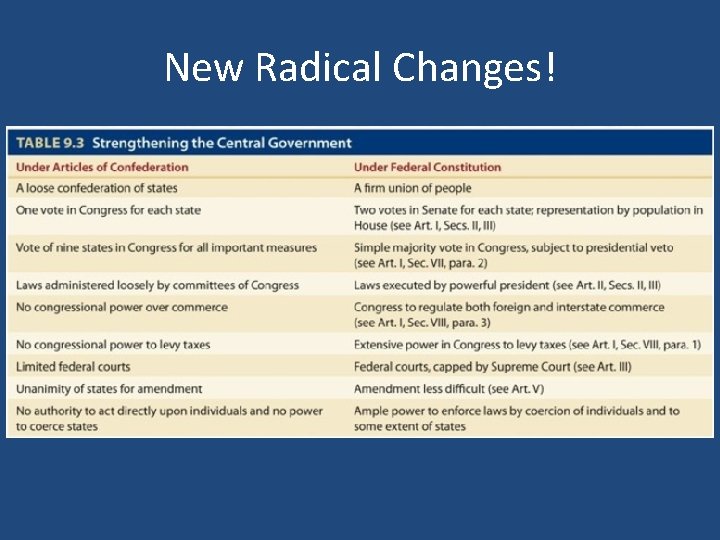
New Radical Changes!
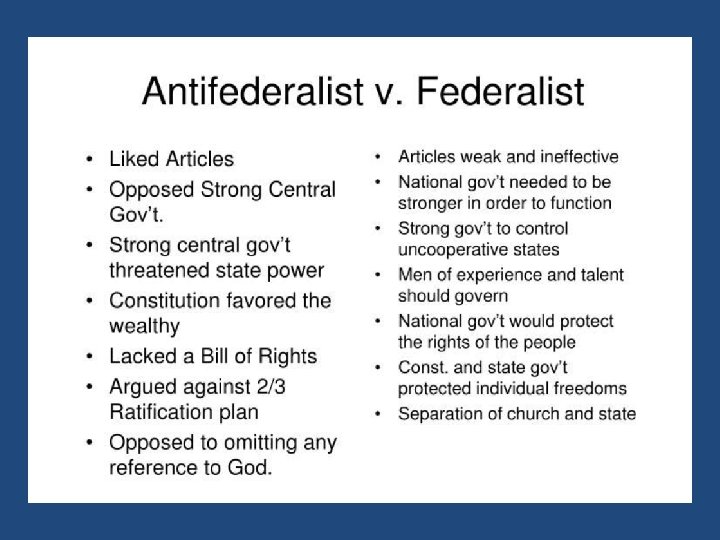
Ratification June 21, 1788 • 9/13 States ratified after much debate and verbal promise by Federalists to amend the Constitution and add a BILL OF RIGHTS • Four states did not ratify yet… NY, VA, NC and RI • Virginia, the biggest and most populous state, realizes it cannot exist on its own and reluctantly ratifies • NY is heavily influenced by Alexander Hamilton and the Federalist Papers and eventually ratifies after hearing Virginia did
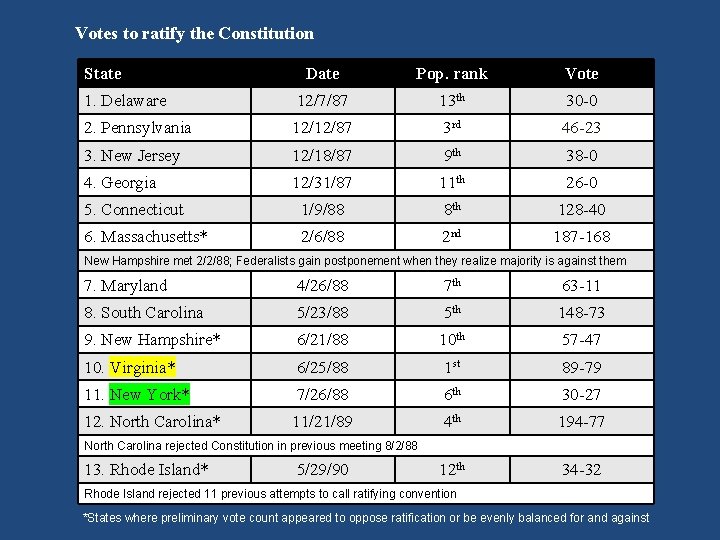
Votes to ratify the Constitution State Date Pop. rank Vote 1. Delaware 12/7/87 13 th 30 -0 2. Pennsylvania 12/12/87 3 rd 46 -23 3. New Jersey 12/18/87 9 th 38 -0 4. Georgia 12/31/87 11 th 26 -0 5. Connecticut 1/9/88 8 th 128 -40 6. Massachusetts* 2/6/88 2 nd 187 -168 New Hampshire met 2/2/88; Federalists gain postponement when they realize majority is against them 7. Maryland 4/26/88 7 th 63 -11 8. South Carolina 5/23/88 5 th 148 -73 9. New Hampshire* 6/21/88 10 th 57 -47 10. Virginia* 6/25/88 1 st 89 -79 11. New York* 7/26/88 6 th 30 -27 12. North Carolina* 11/21/89 4 th 194 -77 12 th 34 -32 North Carolina rejected Constitution in previous meeting 8/2/88 13. Rhode Island* 5/29/90 Rhode Island rejected 11 previous attempts to call ratifying convention *States where preliminary vote count appeared to oppose ratification or be evenly balanced for and against
Federalist Papers • A collection of Federalist propaganda articles written in the newspapers (almost all presses were owned by Federalists!) • Written by Alexander Hamilton, John Jay, and James Madison • Federalist #10 - Refuted that it was impossible to extend a republican government over a large territory

#19 Conservative Document

#15 Flexibility of the Constitution

Was Revolution Radical?
- Slides: 43