
The Conservation of Energy and momentum Work Power


- Slides: 21
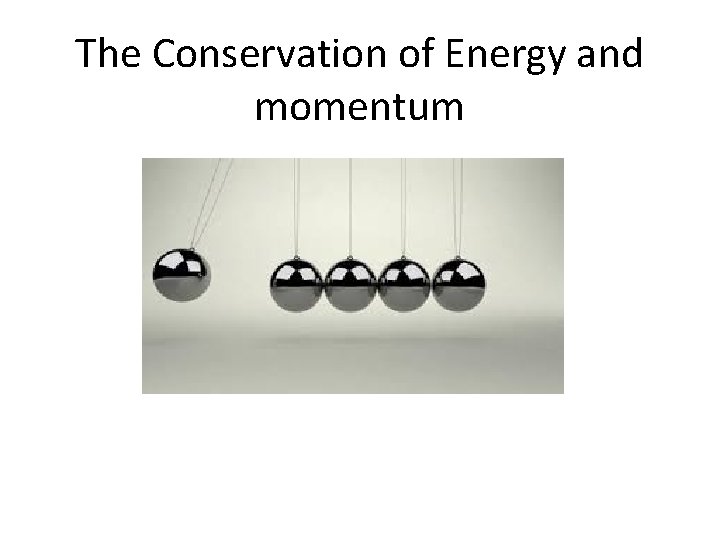
The Conservation of Energy and momentum
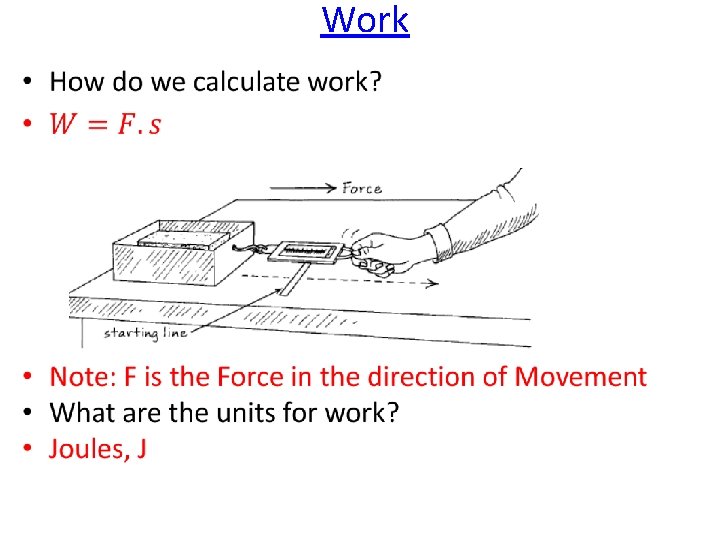
Work •
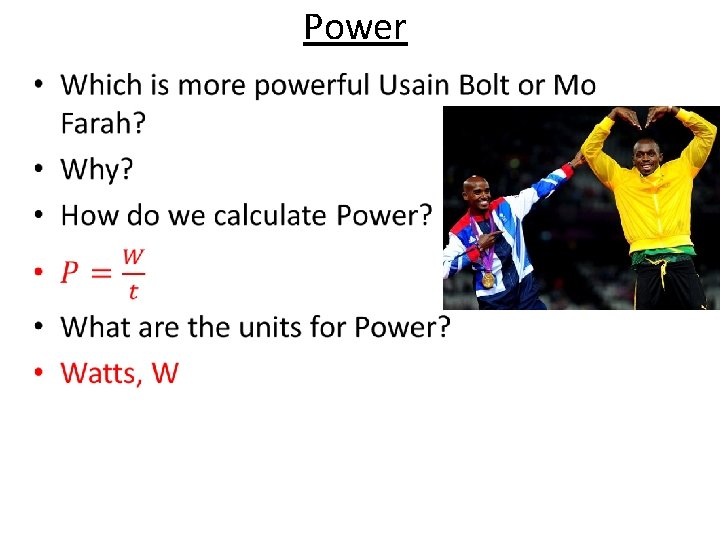
Power •
Exercise 6 A • Q 1 (3 minutes)
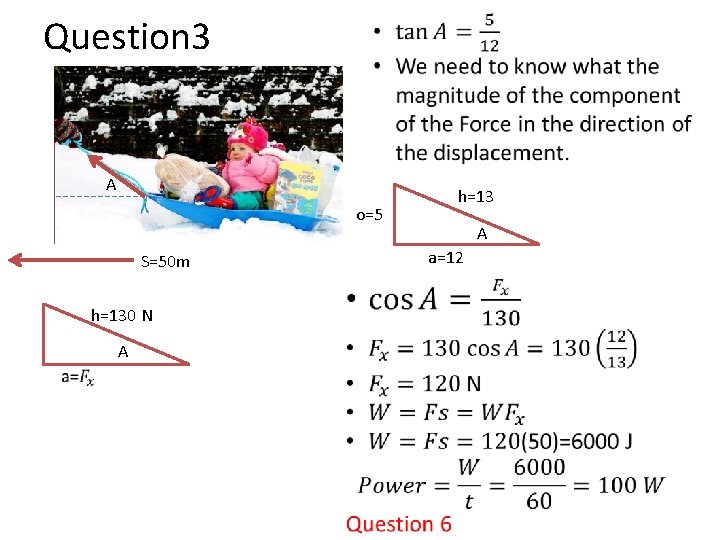
Question 3 A o=5 S=50 m h=130 N A h=13 A a=12
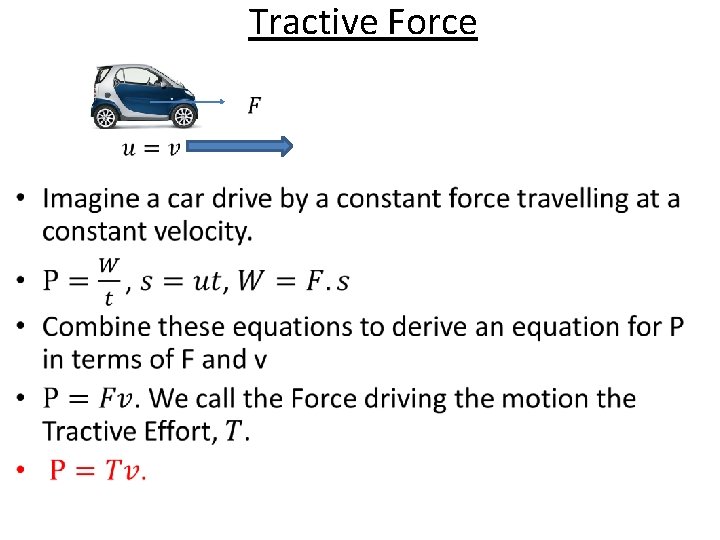
Tractive Force •
Q 7 and Then Hwk/cwk 8, 9, 10, 11, 13
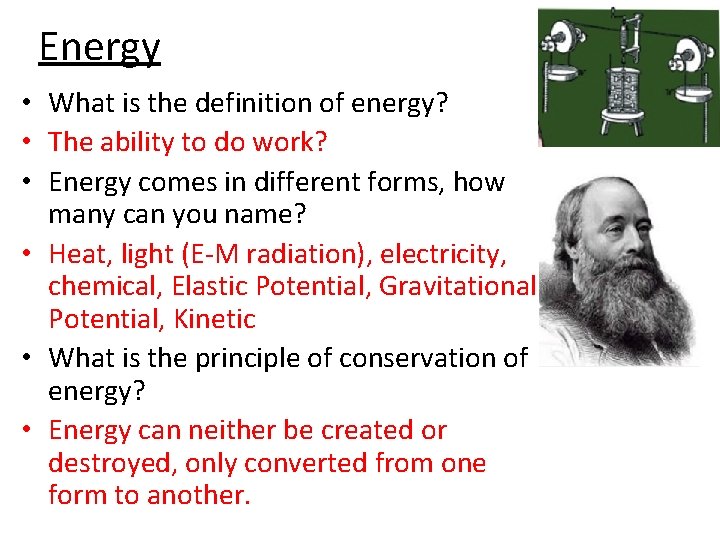
Energy • What is the definition of energy? • The ability to do work? • Energy comes in different forms, how many can you name? • Heat, light (E-M radiation), electricity, chemical, Elastic Potential, Gravitational Potential, Kinetic • What is the principle of conservation of energy? • Energy can neither be created or destroyed, only converted from one form to another.
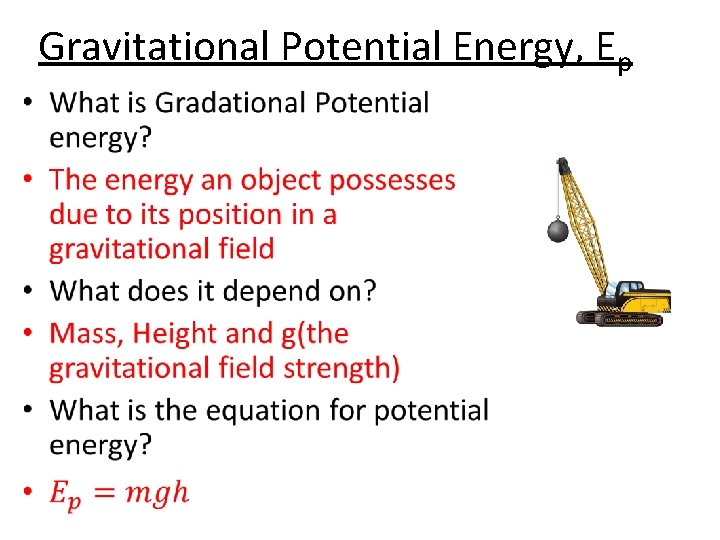
Gravitational Potential Energy, Ep •
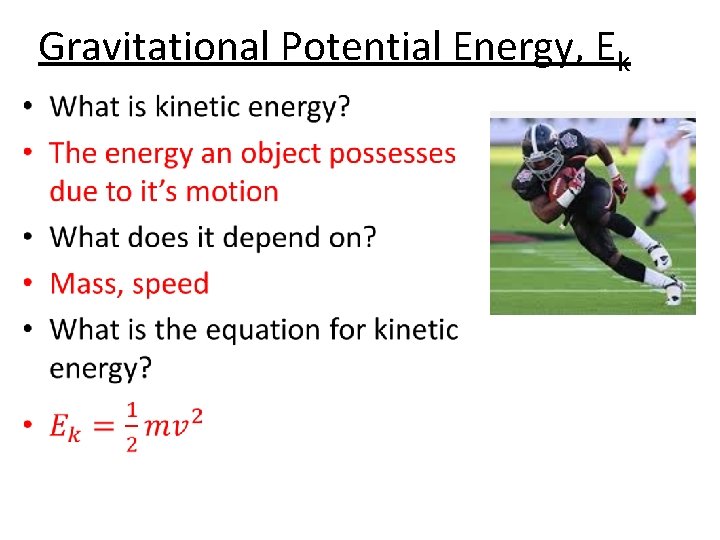
Gravitational Potential Energy, Ek •
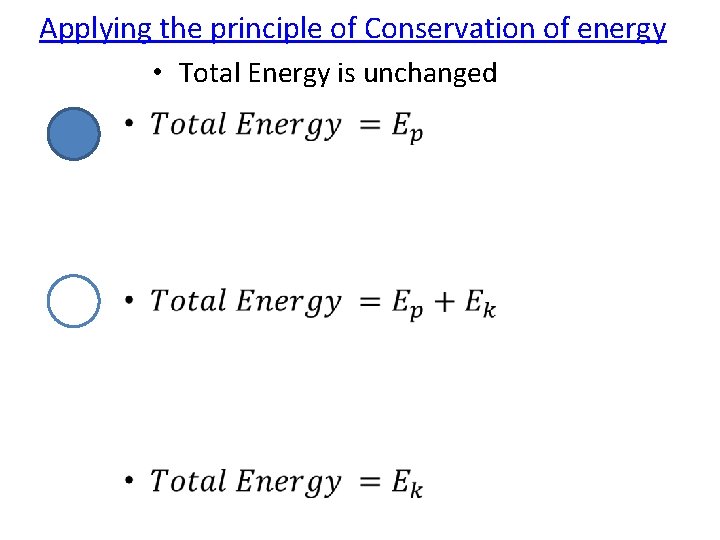
Applying the principle of Conservation of energy • Total Energy is unchanged
Exercise 6 B
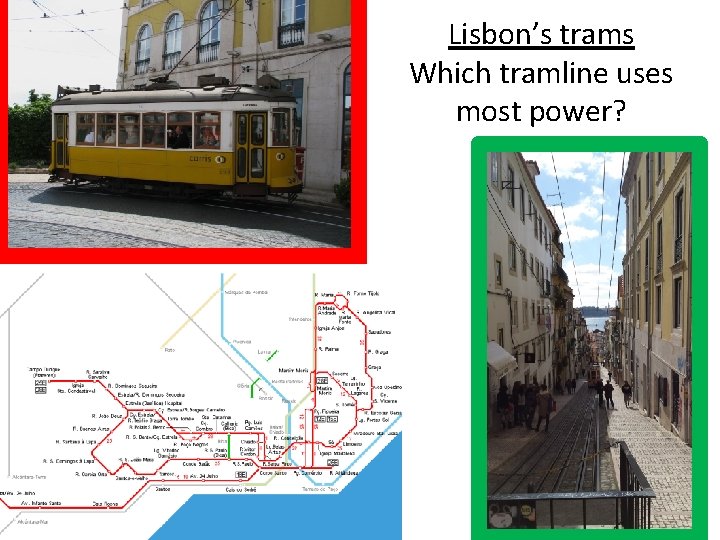
Lisbon’s trams Which tramline uses most power?
Green Line- Average Gradient of 18%
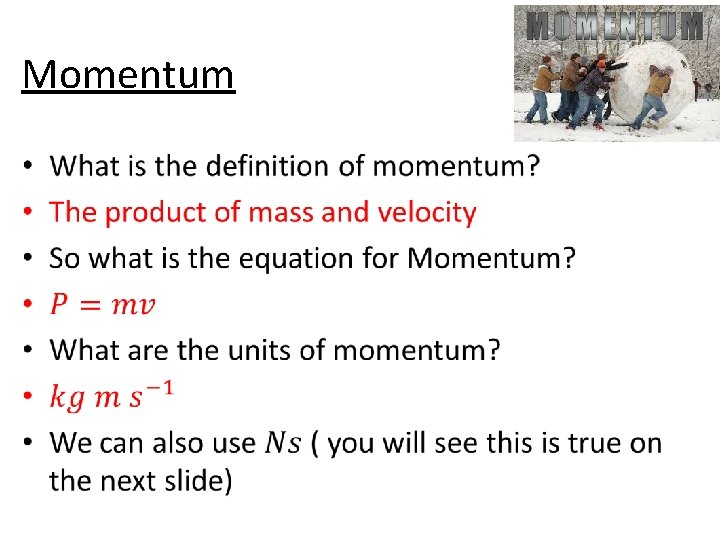
Momentum •
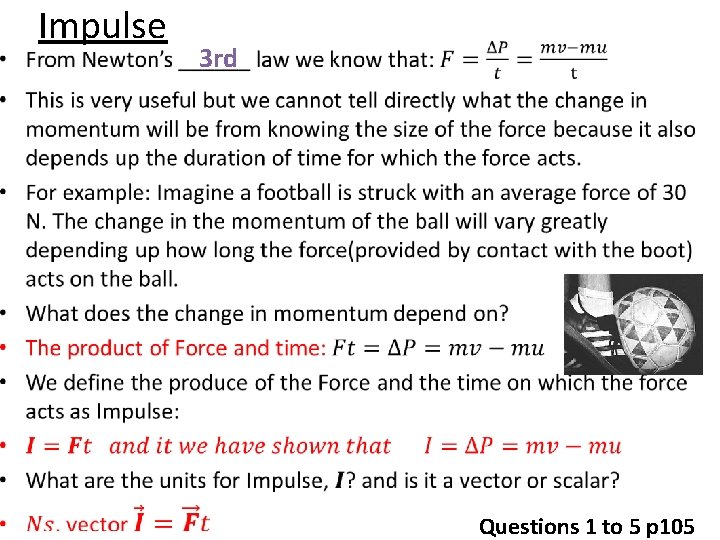
• Impulse 3 rd Questions 1 to 5 p 105
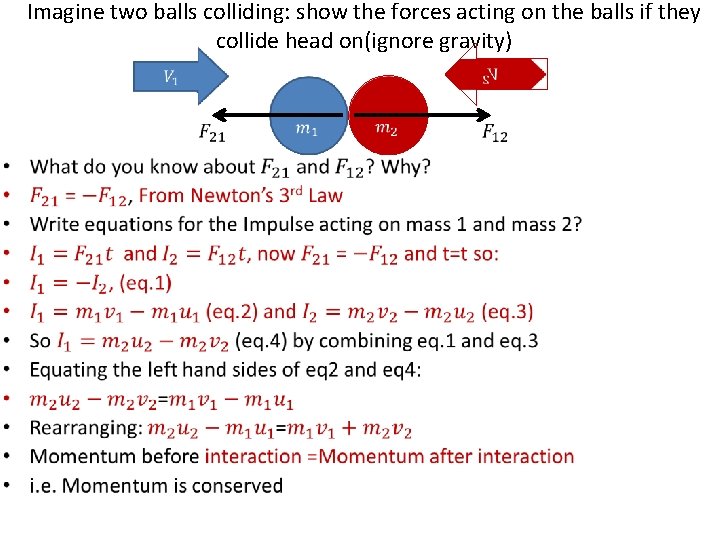
Imagine two balls colliding: show the forces acting on the balls if they collide head on(ignore gravity) •
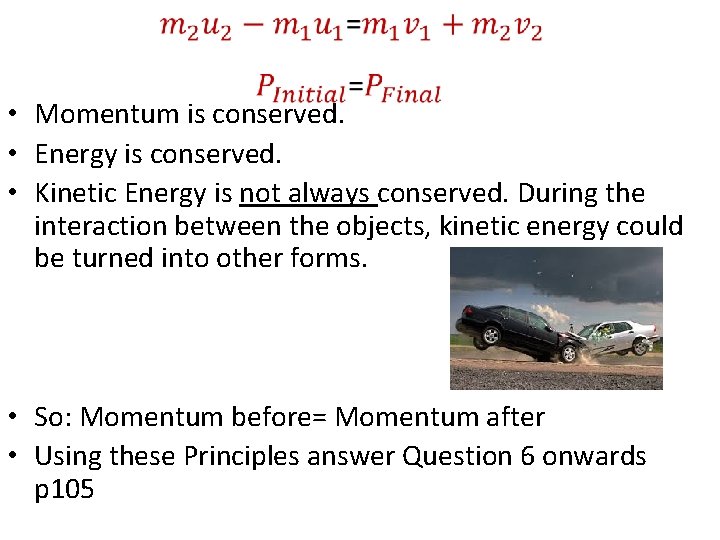
• Momentum is conserved. • Energy is conserved. • Kinetic Energy is not always conserved. During the interaction between the objects, kinetic energy could be turned into other forms. • So: Momentum before= Momentum after • Using these Principles answer Question 6 onwards p 105
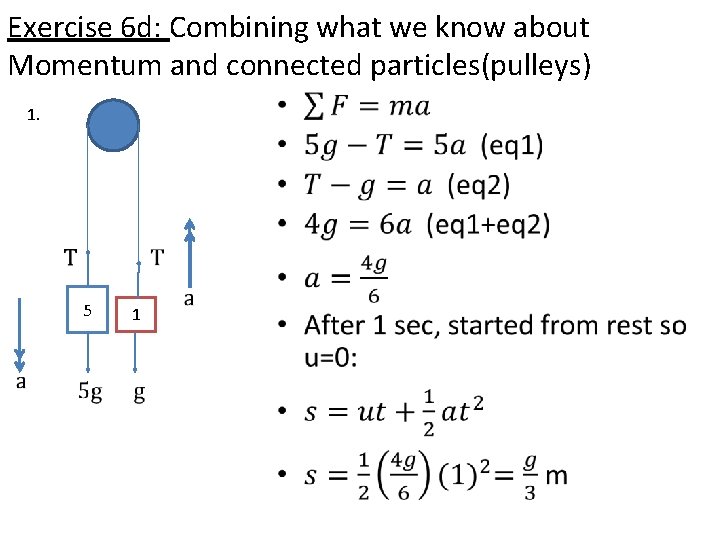
Exercise 6 d: Combining what we know about Momentum and connected particles(pulleys) • 1. 5 1
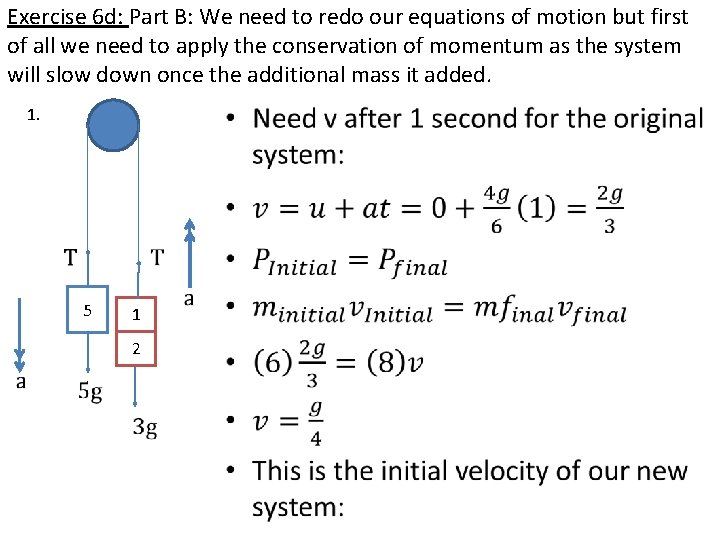
Exercise 6 d: Part B: We need to redo our equations of motion but first of all we need to apply the conservation of momentum as the system will slow down once the additional mass it added. 1. 5 1 2
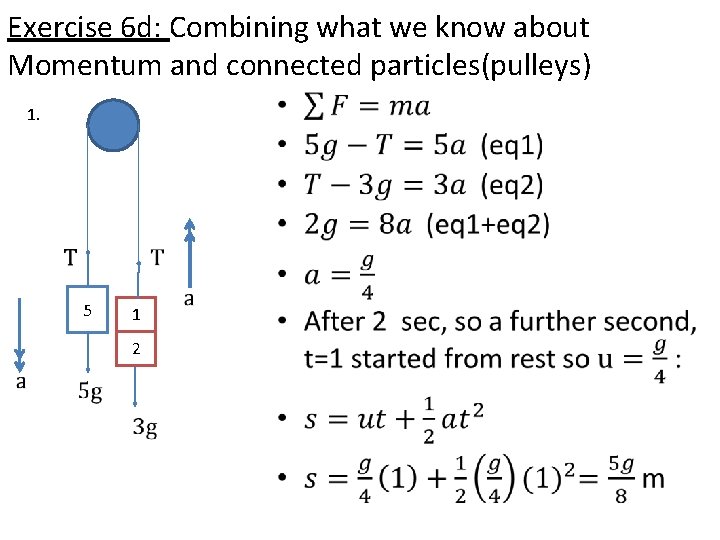
Exercise 6 d: Combining what we know about Momentum and connected particles(pulleys) • 1. 5 1 2