
The Conquest of the WEST Industrialization America will


- Slides: 48
The Conquest of the WEST Industrialization America will never be the same… &
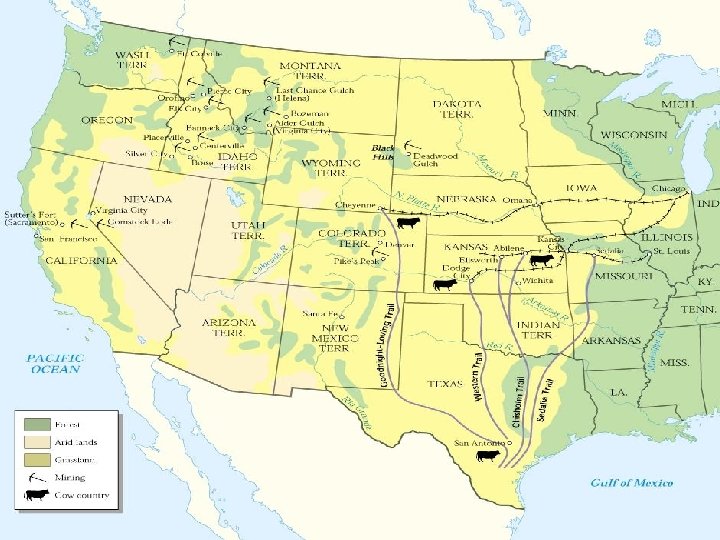
Let’s Go Back a Bit… • The west = silver, gold, copper • Big strike in Nevada and Henry Comstock • 1859 – Henry Comstock strikes it rich in Virginia City, NV • Almost overnight, people flood into the city – population reaches close to 30, 000! • Once the silver is gone though, so are the people – this cycle of “boomtown” to “ghost town” is repeated throughout the west • Crime also skyrockets – prospectors fight over claims, thieves ran rampant, self-appointed vigilante groups created, etc. • Truth of the matter is, there was plenty of gold and silver, it was just hidden beneath the surface and hard to get out
Societies – Lots of Migration after Civil War • Tribes • • • Cherokee, Creek, Lakota, Pawnee, Pueblo, Apaches Mulatto and mestizo offspring Plains Indians most plentiful and powerful Buffalo dependency Guns, germs, steel, lack of food supplies lead to downfall • Hispanics & New Mexico • • • Mestizos and mulattos Some Indian laborers NM territory rings – kind of like mafia Santa Fe Ring most powerful Railroads in 1880 s and 1890 s led to white dominance
Societies – Lots of Migration after Civil War • Hispanics & California & Texas • Christian missions along the CA coast • Californios – Hispanics living in the CA region • Cattle ranching prominent in the region • Chinese • Came to escape poverty – 200, 000 • Chinese were great workers, polite, and worked for lower wages, but of course were resented by whites • Went into gold mines, but then CA legislature forbade it • Chinese worked on Railroad – 90% of labor force! • 1869 – Transcontinental RR completed, lots of Chinese out of jobs • by 1900, many had gone to cities, especially San Francisco
Societies – Lots of Migration after Civil War • Anti-Chinese • Anti-coolie clubs formed in 1880 s • Chinese violence from whites grew • 1882 – Chinese Exclusion Act – banned Chinese immigration into US for 10 years – renewed in 1892 and made permanent in 1902 – not repealed until 1943!
Eastern Migration • Millions went to West for land gold – farming and ranching – The Great American Desert • Homestead Act, 1862 – 160 acres of land for a small fee if they improved the land made it farmable • Problem: 160 acres was not big enough for crops, and living conditions in West were so severe, most people left after 5 to 10 years • Oklahoma Land Rush – dangerous but popular…and of course Indians have leave…again • Timber Culture Act - could get another free 160 acres if 40 acres were trees • Timber and Stone Act - non-arable land sold at $2. 50 an acre
Changes in Western Economy • Labor in the West • Mostly male and family-less in West • Limited social mobility • Multiracial and other ethnicities usually only engaged in hard manual labor • Miners • Gold discovered in the 1840 s • Comstock Lode – discovery of silver – will lead to Populist platform • Mining towns – mostly men and very rough – bare necessities and lots of prostitutes, saloons and boarding houses; became destitute after mines had been tapped out • Women rarely found work, even in wage labor, unless they were prostitutes
Changes in Western Economy • Cattle • Railroads made markets flourish! • Branding, cowboys, fencing, cattle drives • 5 million roamed at any given time in Texas • Most cowboys were Civil War veterans and/or freed slaves • They were seen as mavericks and become glorified in literature and propaganda, but it was a very LONEly existence • Many women were cattle farmers • In 1890, WY was making women’s suffrage first on the books - The REAL Lone Ranger, Bass Reeves
Why Ranch? • Mexicans introduced cattle ranching to states we know today as California, New Mexico and Texas, but the industry grows because of the open range – a vast area of grassland owned by the government. • This area covers basically the Great Plains; cattle are able to roam free and graze with no restrictions • Why ranch? • 2 reasons that ranching becomes profitable: • The Civil War – cattle are slaughtered at massive rates to feed both armies • Railroads
Why Ranch? . . . Continued • By the 1860’s, railroads had reached the Great Plains, but didn’t stretch further Dodge City, Kansas • Ranchers realized that if they could round up their cattle and send them north to the railroad they could be sold for a huge profit • Cattle, if they survived the hundreds of miles trek northward, could be sold for 10 times the price they could in Texas!
Why Ranch? . . . Continued • Cowboys drove MILLIONS of cattle from Texas to Kanas • Some of the cattle go straight to the slaughterhouse, but others are sold to ranchers in Wyoming, Montana and other territories in the Great Plains • This cowboy way of life really only last 20 years or so and the big reason is barbed wire – steel fencing wire constructed with sharp edges or points arranged at intervals along the strands • Ranchers really saw barded wire as a nuisance because it shut off the grazing for their large herds traveling north • Also, investment from back east and Britain poured money into this new, booming business which leads to an oversupply of animals and leads to a huge price
Why Move to the Great Plains? • Construction of Railroads • “Rain follows the Plow” • The Homestead Act • Technology
Construction of Railroads • Provides easy access to the Great Plains • Open up offices throughout the U. S. • “Ticket to Prosperity”
“Rain Follows the Plow” • Phrase coined to sell the idea that cultivating the Great Plains would increase rainfall (…what? !) • Ironically, the weather cooperates! From 18701880, rainfall on the Great Plains was above average contradicting the belief that it was nothing but a barren wasteland
The Homestead Act • 1862 • For a $10 (about $200 today) registration fee, you could file for a homestead – a tract of public land available for settlement claiming up to 160 acres! • Provided a legal method for settlers to acquire a clear title to property
Technology • Dry farming – plant seeds deep into the ground where there’s moisture • Mechanical reapers – speeded the harvests • Wheat is the cash crop because it can withstand drought better than corn • Not everyone can handle living in such a harsh place
Romanticism of the West • Landscape • Rockies, Sierra Nevada, Grand Canyon (not named that yet) • Painters took up in Rocky Mountain School • Western vacations became more popular at turn of century, but really took off in 1950 s • Frontier • Mark Twain and other authors concentrated efforts • Rugged place for boys to become men • Frederick Jackson Turner • Fredrick Jackson Turner’s Frontier Thesis – saw the frontier as more American than “western; ” a drain off for the masses; a place for criminals to get a clean start; a place for industrialists to become even wealthier…
Dispersal of Tribes • White Policies • Concentration Policies of mid 1800 s – settle into 2 main areas • Indian Peace Commissions – all remaining tribe would be moved to Indian territory in OK and Dakotas – causes major problems • Bureau of Indian Affairs (BIA) managed everything on reservations – handled mainly land disputes – often led by ignorant and prejudice whites • Buffalo herds were being wiped out by poaching, the railroad, all condensed tribes using for food, shooting expeditions (Buffalo Bill Cody) • Indian Wars: 1850 s – 1880 s • Sand Creek Massacre – Indian women and children slaughtered by U. S. soldiers/ livestock
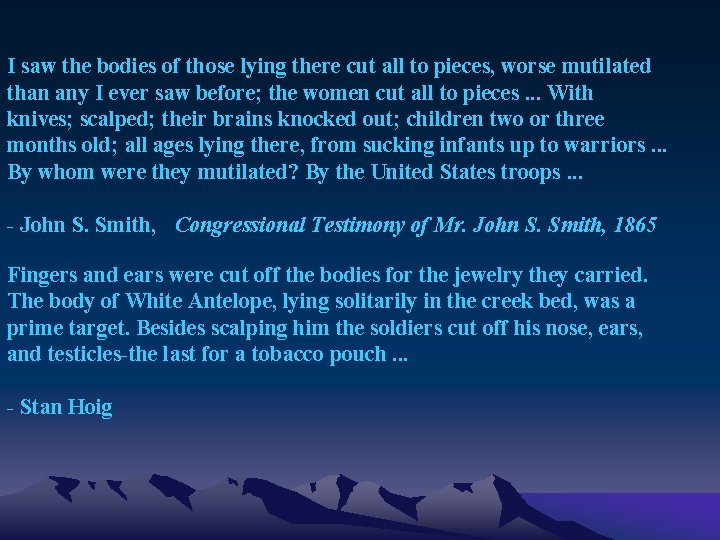
I saw the bodies of those lying there cut all to pieces, worse mutilated than any I ever saw before; the women cut all to pieces. . . With knives; scalped; their brains knocked out; children two or three months old; all ages lying there, from sucking infants up to warriors. . . By whom were they mutilated? By the United States troops. . . - John S. Smith, Congressional Testimony of Mr. John S. Smith, 1865 Fingers and ears were cut off the bodies for the jewelry they carried. The body of White Antelope, lying solitarily in the creek bed, was a prime target. Besides scalping him the soldiers cut off his nose, ears, and testicles-the last for a tobacco pouch. . . - Stan Hoig
Dispersal of Tribes…Continued • Indian Wars: 1850 s – 1880 s • Little Bighorn – Indians surprised white soldiers, led by Custer, and killed all his men – Indians led by Sitting Bull and Crazy Horse • Ghost Dance – religious ritual; believed it would bring an end to white expansion and lead to the removal of whites • Wounded Knee - white soldiers killed Indian women and children • Helen Hunt Jackson – A Century of Dishonor • First ‘real’ testimony to white treatment of Indians • Buffalo Soldiers • Dawes Act
Dispersal of Tribes…Continued • The Dawes Act • Gradual reduction of tribal ownership of land – divided into plots of 160 acres, and guaranteed if owners assimilated • 25 year waiting period to claim full ownership of land • Pueblo were excluded • Indian children taken away from families and led to assimilation schools – Christian teaching emphasized, Carlisle Indian Schools
Government Goals for American Indians… • • impartial justice toward Native Americans; regulated buying of Native American lands; promotion of commerce; promotion of experiments to civilize or improve Native American society; • presidential authority to give presents; and • punishing those who violated Native American rights.
"They told us that Indian ways were bad. They said we must get ‘civilized’. . It means ‘be like the white man’. . . And the books told how bad the Indians had been to the white men – Burning their towns and killing their women and children. But I had seen white men do that to Indians. We all wore white man's clothes and ate white man's food and went to white man's churches and spoke white man's talk. And so after a while we also began to say Indians were bad. We laughed at our own people. . . ”
Bury My Heart At Wounded Knee http: //www. youtube. com/watch? v=7 PQj. NHp 83 A&feature=related
Farming & Railroad…Primary Reason for West to Develop • Plains farming • Fencing and irrigating farms were primary concerns of West • Drought began in 1870 s • Many couldn’t afford taxes – many lost land • Lack of good farming practices now will lead to Dust Bowl Catastrophe of 1930 s • By 1900, most farmers had become business men in highly unstable market • Commercial Farming • Commercial farmers specialized in cash crops – did not live off of land – made farming dependent on world markets, interest rates, Railroad rates…
Farming & Railroad…Primary Reason for West to Develop…Continued • Farmers’ Grievances • Inadequate currency system, high RR and interest rates led to farmers’ discontent • Many had to resort to loans with high interest rates • Wanted increase in money supply, but critics said that would only lead to inflation • In 1880 s/1890 s – droughts, grasshopper plagues, heat waves • Agrarian Malaise • Farm life was difficult, and farmers were often labeled as under educated ‘hayseeds’ - felt cut off from rest of world • Children leave for cities when they get older • Starting to see themselves as the lowest rung of the ladder in society – will ALL eventually lead to
Industrial Supremacy • Industrial Revolution really began in the early 1800 s, but we were focused on other things… • By the 1900 s, America becomes the world’s leading industrialization. • So the question becomes, how did we get there? ?
Industrial Supremacy…Continued • Sources of growth: natural resources, labor, technologies and capitalism/government policies • Natural resources • • • Water Timber Coal And what did we find out west? ? ? These resources meant that American companies could obtain these items cheaply WITHOUT having to import them from other countries • Petroleum was not new, it was actually in high demand because it could be turned into kerosene which was used to heat everything from stoves and lanterns • First oil well was in Titusville, PA in 1859
Industrial Supremacy…Continued • Sources of growth: natural resources, labor, technologies and capitalism/government policies • Labor • America didn’t just have NATURAL resources, but also HUMAN resources • 1860 -1910, the population of the U. S. triples! • 2 Main reasons: • Large families and Flood of immigrants • American industry grows at a time when social and economic conditions in Eastern Europe and China convinced many to leave their homeland make a life here • These immigrants (20 million between 1870 -1910) add to: • The growing workforce • Help factories increase their production • Further the demand for products
Industrial Supremacy • Sources of growth: natural resources, labor, technologies and capitalism/government policies • Technologies • • Railroad, iron, steel Bessemer process – burn out impurities of iron to make steel/ Pittsburgh/Ohio and Nebraska became main hubs of steel production • Often Railroad and steel companies would merge (vertical consolidation) – some thought it was borderline monopoly • Transportations • Gasoline, internal combustible engine, Daimler created engine for first cars • Henry Ford – Model T, assembly line (1914) • Wright Brothers – airplane, Kitty Hawk/commercial flights didn’t become popular until 1920 s and 1930 s
Mother Necessity… https: //www. youtube. com/watch? v=4 OLWJ 1 TMu NE
Industrial Supremacy • Sources of growth: natural resources, labor, technologies and capitalism/government policies • Capitalism/government policies • Laissez-faire – French word meaning “let do”; belief that government should not interfere in the economy other than protect rights and private property • Relies on supply and demand rather than government intervention • In the US, the amount of profit one could make attracted a lot of people…if you were willing to work for it and you were ambitious • American entrepreneurs are willing to take a risk for a huge payout • Foreign investors saw more opportunity for profit in America than at home…essentially, foreign investments in American companies helped to fund America’s industrial buildup • Tariffs – really helped to weed out European competition and
Industrial Supremacy…Continued • Sources of growth: natural resources, labor, technologies and capitalism/government policies • Corporations • Raise money for your company by selling stock • Limited liability • Andrew Carnegie (steel) struck deals with RR companies to wipe out the competition • Known for cutting costs and prices of his products – how he rose to the top - vertical • Eventually sold out to JP Morgan for 500 million, and will commit rest of life to philanthropy • Creating of middle management – low paying workers are expendable and easily trained
Industrial Supremacy…Continued • Consolidation • Horizontal integration/consolidation – several companies that make the same thing form one large enterprise • Vertical – purchasing the companies needed to manufacture your goods (i. e. – cars, rubber, steel…) • Rockefeller – Standard Oil Company – eventually controlled 90% of petroleum industry • Used horizontal integration • Trust • Stockholders give their stocks to a small group of trustees for shares in the trust – only receive profit this way, takes you out of the decision making • Holding companies – central corporate body that buys up stock of members of trust, and then take direct formal control away from board of trustees • Because of these moves: able to cut costs, promote
Capitalism & Its Critics… • Many felt this time was a threat to true democracy, if the wealth only lay in the hands of a few • Gilded Age: 1870 -1900 • Self Made Men – individualism was at the key of success – working from the ground up • Politicians and industrialists were directly connected, which will lead to major corruption • ‘Rags to Riches’ often meant corruption, deception, and vertical/horizontal integration • Darwinism • Survival of fittest • “Society benefits when the weak are eliminated” • Individuals must have control over their own success – no help from government or the wealthy
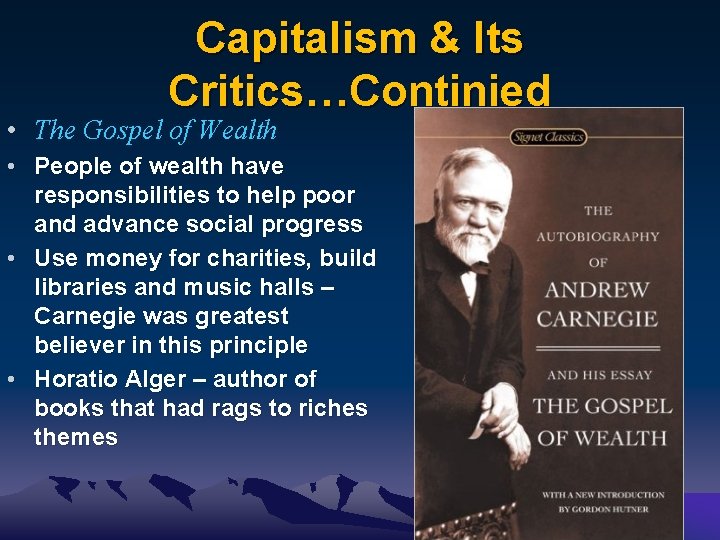
Capitalism & Its Critics…Continied • The Gospel of Wealth • People of wealth have responsibilities to help poor and advance social progress • Use money for charities, build libraries and music halls – Carnegie was greatest believer in this principle • Horatio Alger – author of books that had rags to riches themes
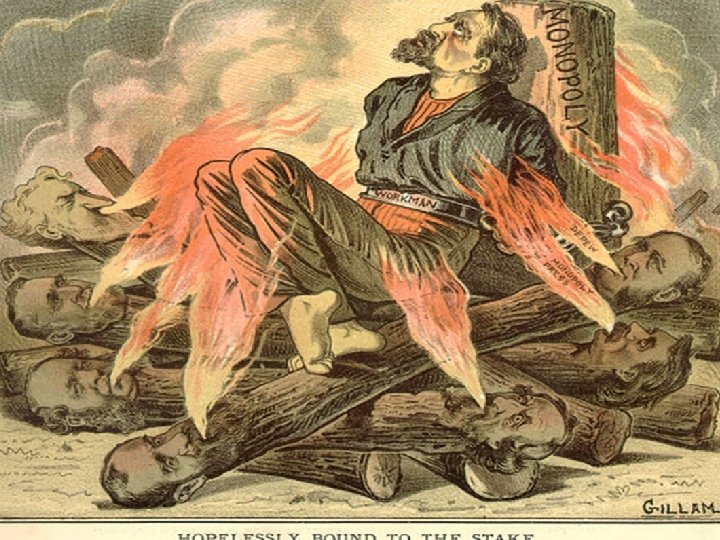
Capitalism & Its Critics…Continued • Socialism • Socialist Labor Party and American Socialist party • Monopolies and problems • Monopolies were getting out of control – by late 1800 s, most Americans wanted action • Said monopolies created high prices, unstable markets, wealthy engaged in wasteful spending, little care for workers – less than 5% of people in America controlled 90% of wealth! • Classes were growing further and further apart
Capitalism & Its Critics…Continued • Workers • Immigrants – some workers came from country side, but lots others were coming from other countries • 25 million in 1880 s • Most were still coming from Northern and Western Europe • Labor Contract laws – passage is paid to come to US as long as contract for work is signed • Many new ethnicities were at odds with one another – created tension and segregation in cities • Wages • Low wages – usually $8 -$10 a week • All work was repetitive and low skilled – easily replaceable • 10 hour days, 6 day weeks, no benefits
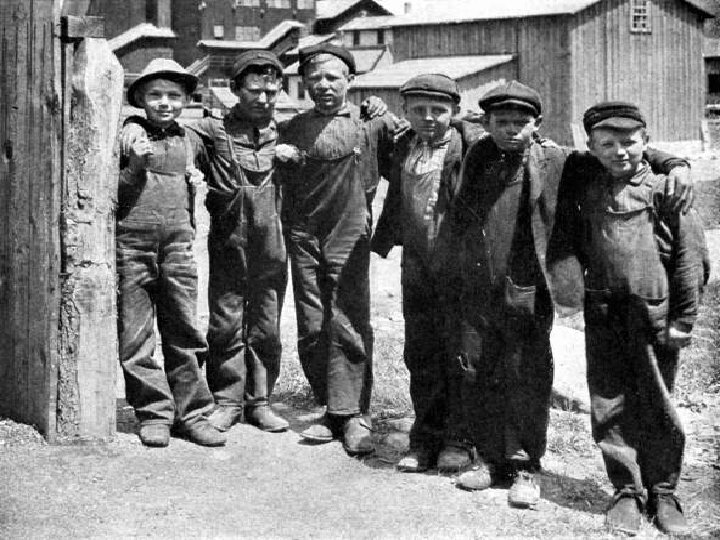
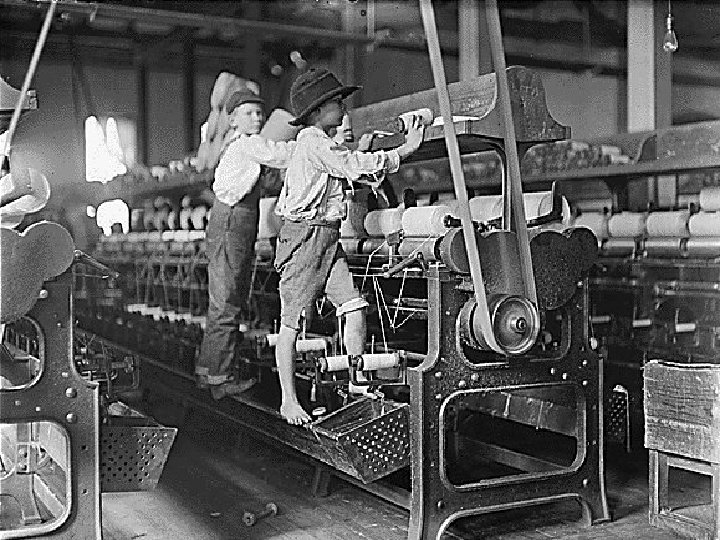
Capitalism & Its Critics…Continued • Women & Children • Most women were young and immigrants – textile main industry • Used for deskilled labor • 1. 7 million children – most kids went into agrarian work and many were injured due to nature of work • Union • National Labor Union – excluded women, and broke up in 1873 • Middle classes were opposed to unions – seen as first as too radical, and in some cases violent • Molly Maguires – violent, tried to intimidate the coal managers and owners – 10 hanged • Railroad Strikes • 1877: happened due to a salary reduction – 100
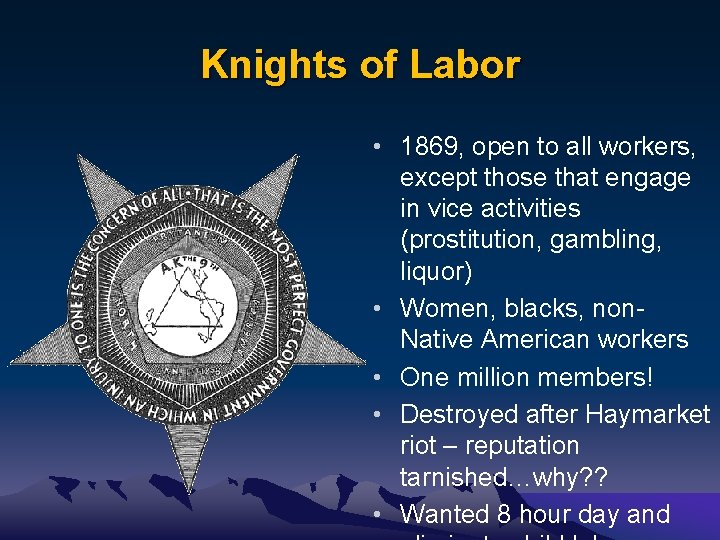
Knights of Labor • 1869, open to all workers, except those that engage in vice activities (prostitution, gambling, liquor) • Women, blacks, non. Native American workers • One million members! • Destroyed after Haymarket riot – reputation tarnished…why? ? • Wanted 8 hour day and
American Federation of Labor (AFL) • American Federation of Labor – mainly skilled workers • Didn’t like women workers, brought wages down for others, thought women should stay in the home • Samuel Gompers – leader of AFL, workers’ pay should reflect the success of the market • Created walkouts, strikes, contract negotiations • Labor and management relationship is key – wages, hours, child labor, conditions • Haymarket Square – 7 cops killed and 67 civilians injured • 8 found guilty and killed, but they weren’t the ones responsible
Strikes • Remember the Homestead? • Homestead plant in Pittsburg (member of Carnegie empire) was where workers had a say so in union • Pinkerton police and national guard had to break up the strikers • Union strength continued to fall for the next 20 years • Pullman • • 1894, Pullman company cut wages drastically Thousands of Railroad workers strike Government sides with management – seen as trend Troops are called in to protect the scabs, and striking workers dissipate
Labor Weaknesses • • By 1892, 8 -hour day for all government jobs Contract Labor Laws abolished Some worker’s compensation laws passed However, fewer than 4% of all workers belonged to unions • Some industries forbade their workers to join unions – punishable by loss of job (Henry Ford) • Large companies often used sabotage, military intervention, and gov’t friends to curb the power of the unions • However, in 1894, Labor Day becomes national holiday