
The Communist International and the Muslim Ummah Marxist
![Sultan. Galiev, nd 2 [Pan. Russian] Congres s of peoples of the East, 1919,](https://slidetodoc.com/presentation_image_h2/c14583e01ff40ebeacc506db77764513/image-10.jpg "Sultan. Galiev, nd 2 [Pan. Russian] Congres s of peoples of the East, 1919,")
- Slides: 19
The Communist International and the Muslim Ummah: Marxist Solidarities from Baku to Calcutta Rebecca Gould University of Birmingham 8 June 2018
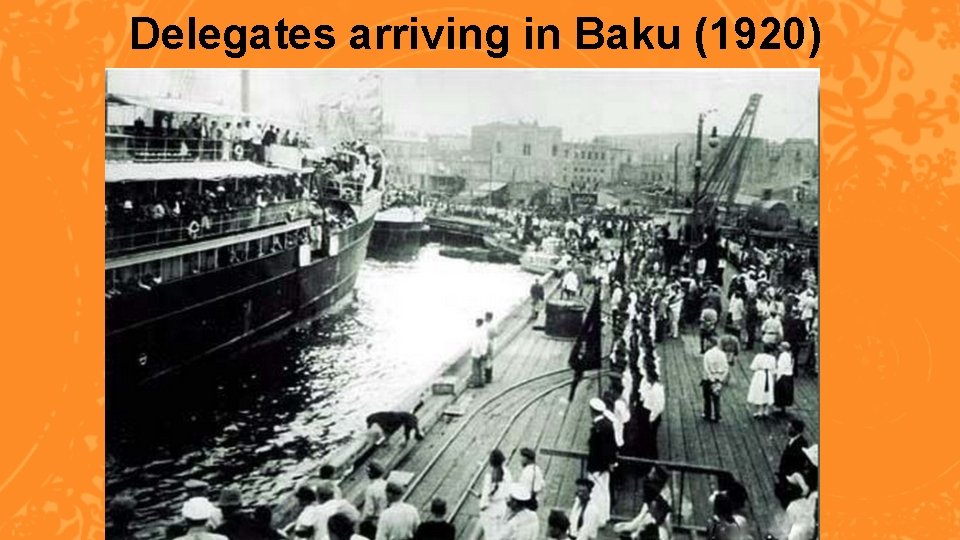
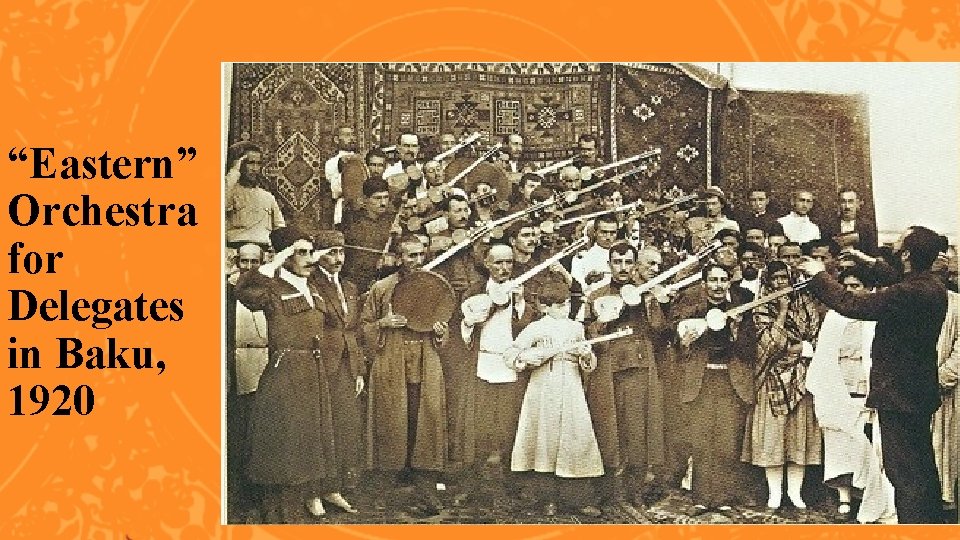
1 “The first genuine holy war”: Baku Congress, 1920
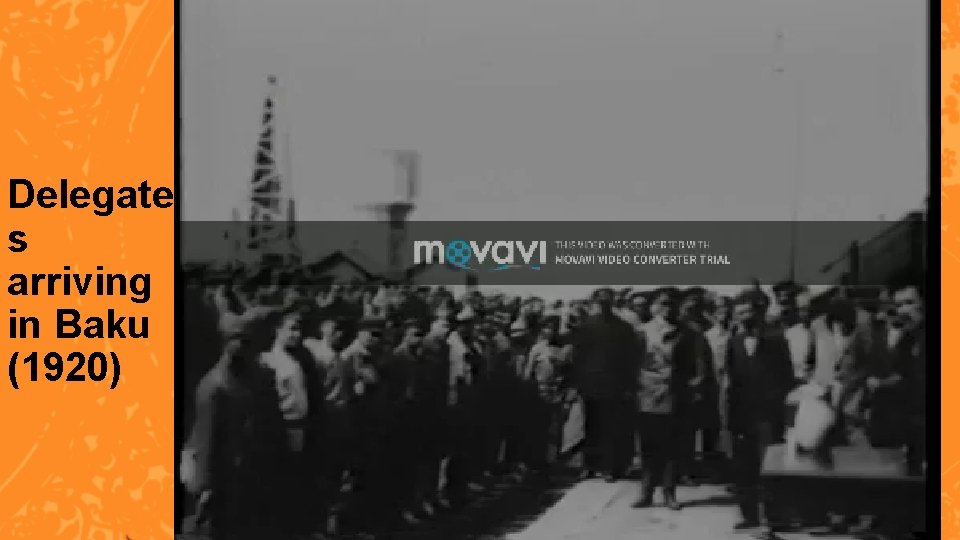
Delegate s arriving in Baku (1920)
Delegates arriving in Baku (1920)
“Eastern” Orchestra for Delegates in Baku, 1920
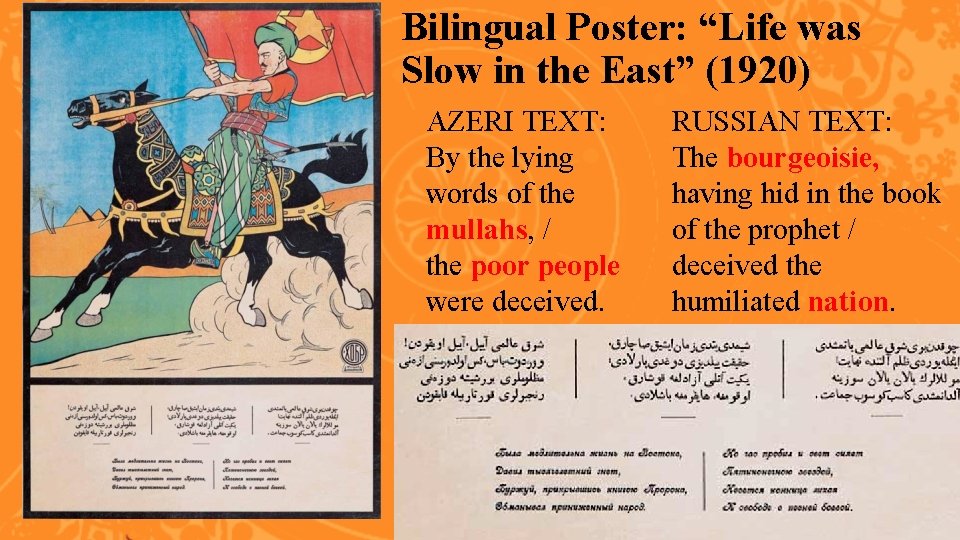
Bilingual Poster: “Life was Slow in the East” (1920) AZERI TEXT: By the lying words of the mullahs, / the poor people were deceived. RUSSIAN TEXT: The bourgeoisie, having hid in the book of the prophet / deceived the humiliated nation.
2 “A field of experimentation for world revolution”: Mir Said Sultan-Galiev
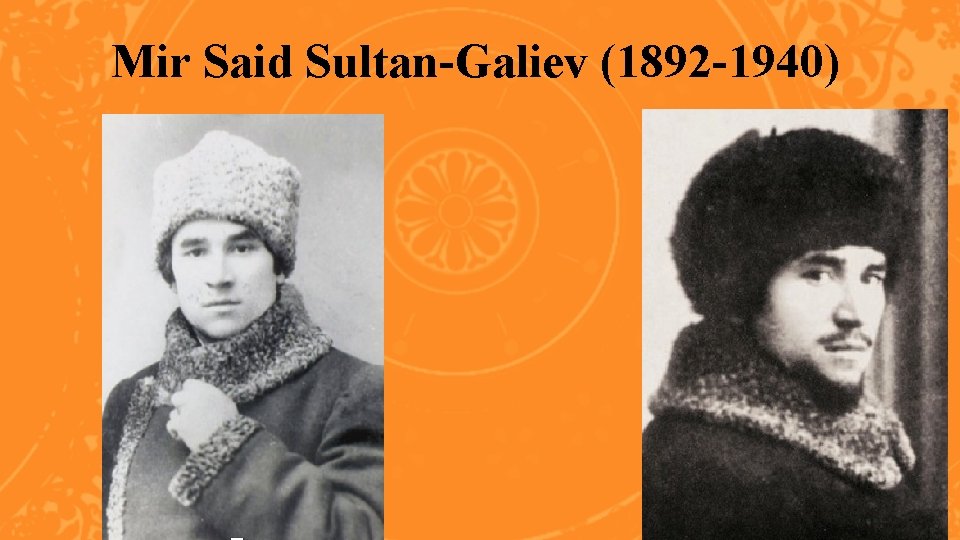
Mir Said Sultan-Galiev (1892 -1940)
Sultan. Galiev, nd 2 [Pan. Russian] Congres s of peoples of the East, 1919, Kazan
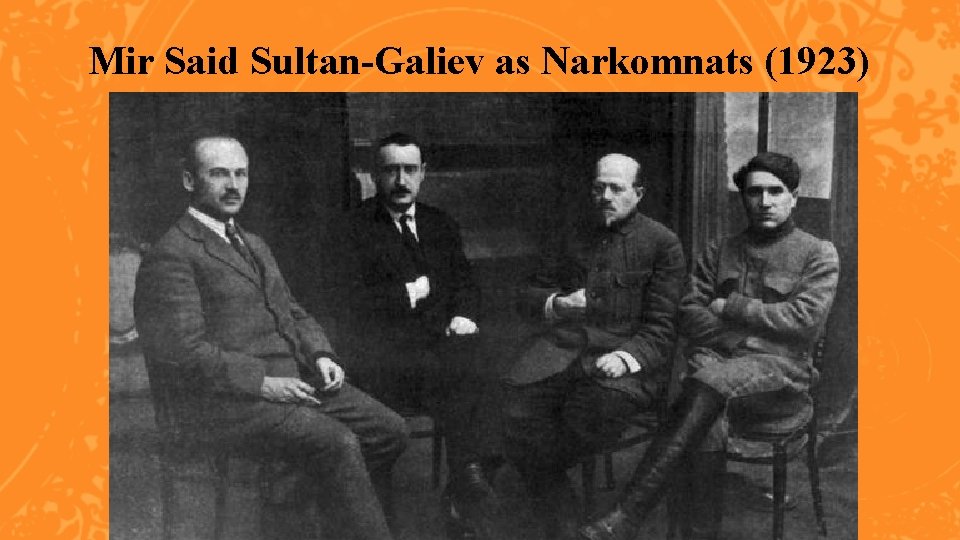
Mir Said Sultan-Galiev as Narkomnats (1923)
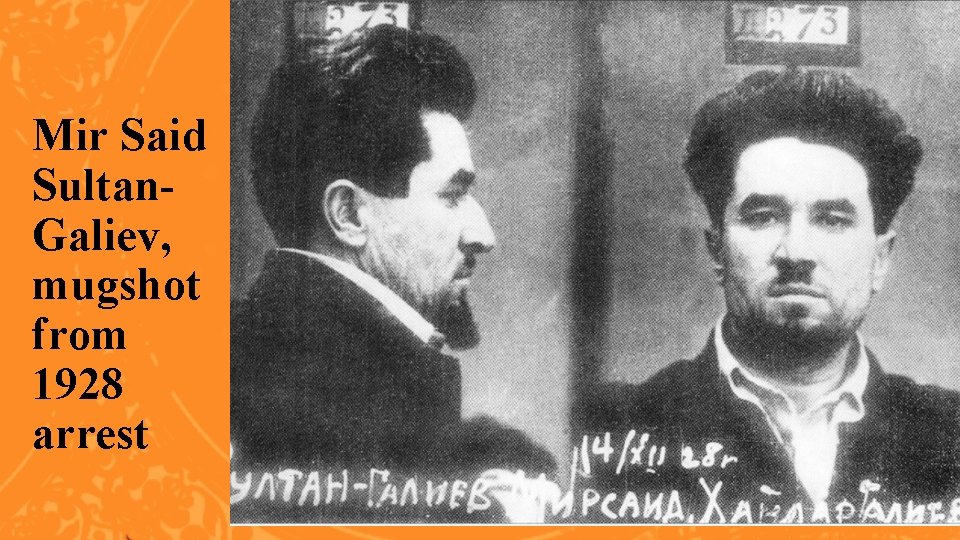
Mir Said Sultan. Galiev, mugshot from 1928 arrest
3 Islam’s “social revolutionary character”: M. N. Roy
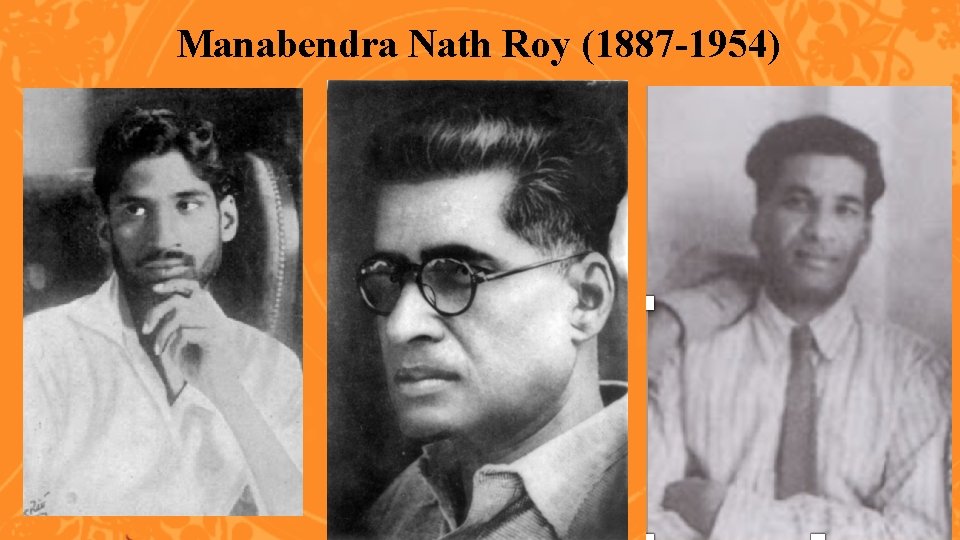
Manabendra Nath Roy (1887 -1954)
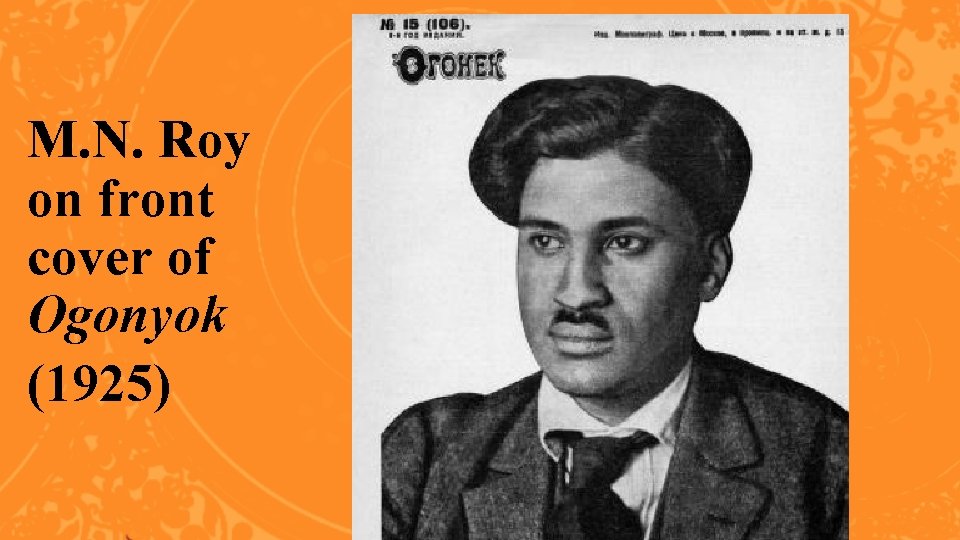
M. N. Roy on front cover of Ogonyok (1925)
4 Muslim Marxism, anticolonial solidarity
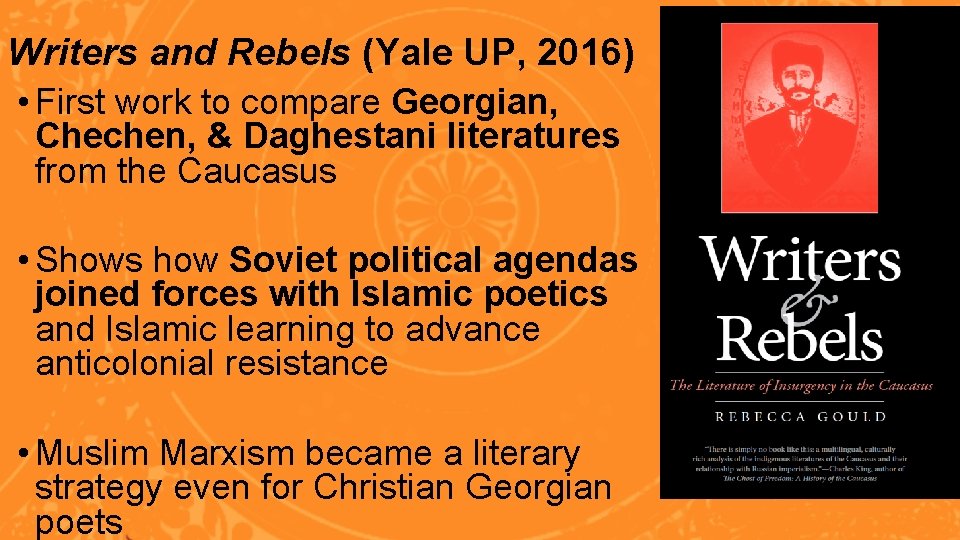
Writers and Rebels (Yale UP, 2016) • First work to compare Georgian, Chechen, & Daghestani literatures from the Caucasus • Shows how Soviet political agendas joined forces with Islamic poetics and Islamic learning to advance anticolonial resistance • Muslim Marxism became a literary strategy even for Christian Georgian poets
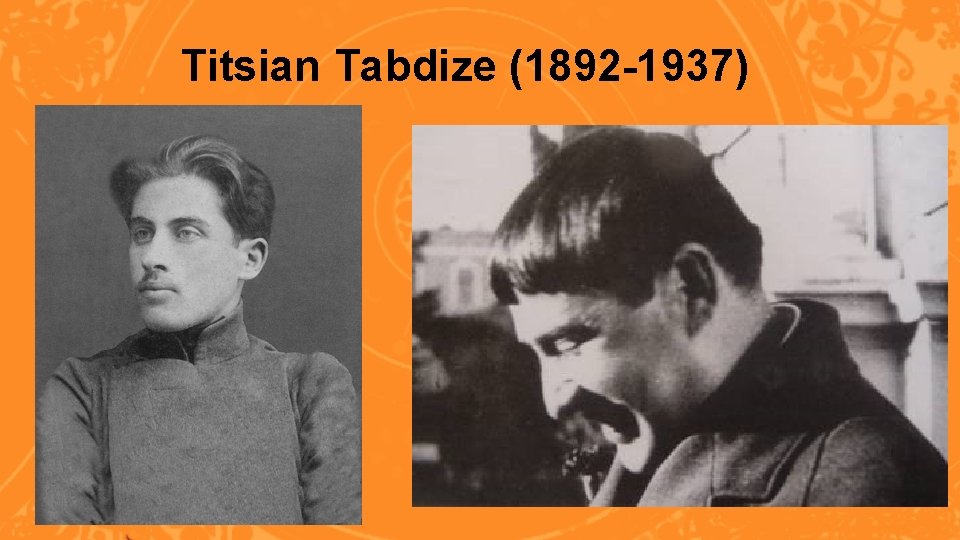
Titsian Tabdize (1892 -1937)
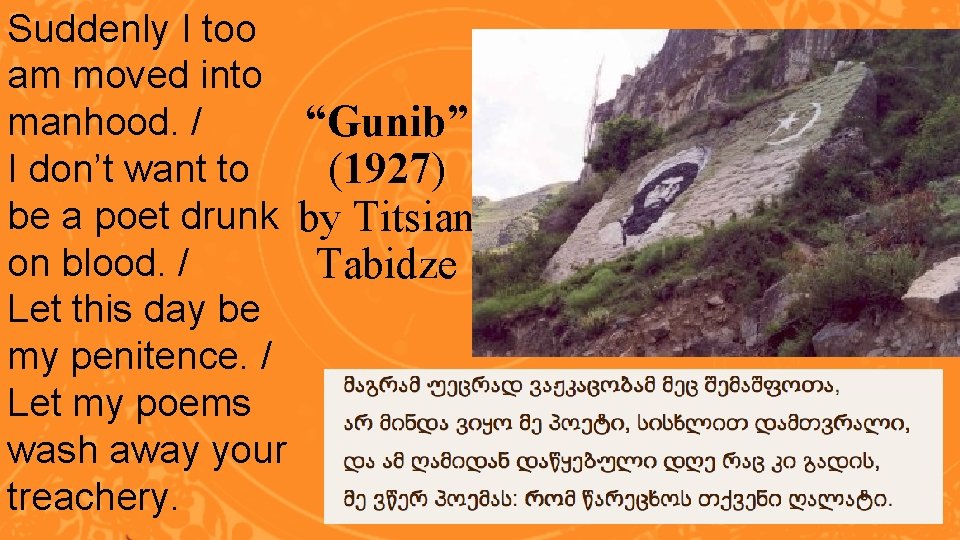
Suddenly I too am moved into manhood. / “Gunib” I don’t want to (1927) be a poet drunk by Titsian on blood. / Tabidze Let this day be my penitence. / Let my poems wash away your treachery.