
The Communications Process The Communications Process Attractive sources





- Slides: 31
The Communications Process
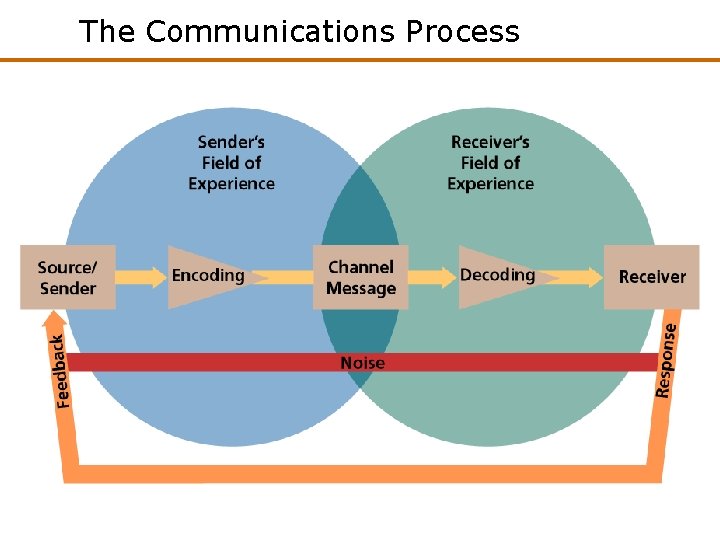
The Communications Process
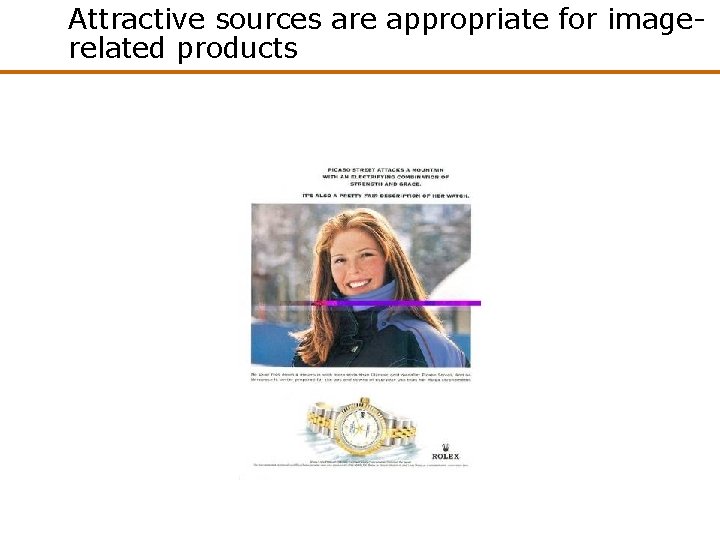
Attractive sources are appropriate for imagerelated products
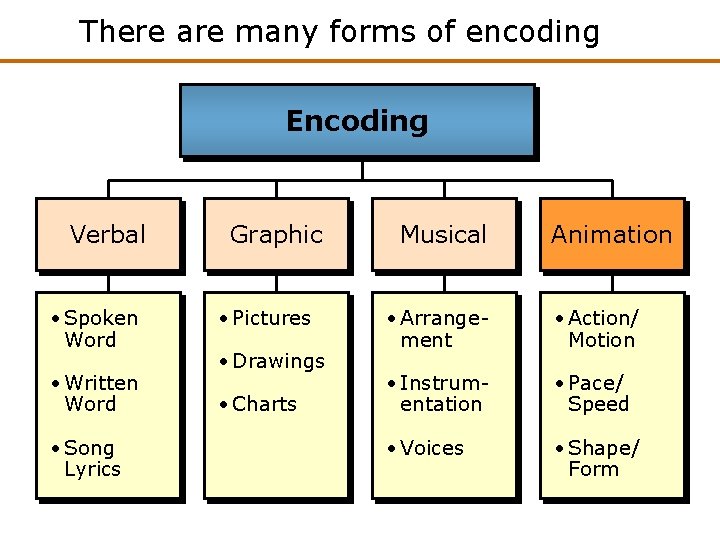
There are many forms of encoding Encoding Verbal • Spoken Word • Written Word • Song Lyrics Graphic • Pictures • Drawings • Charts Musical Animation • Arrangement • Action/ Motion • Instrumentation • Pace/ Speed • Voices • Shape/ Form
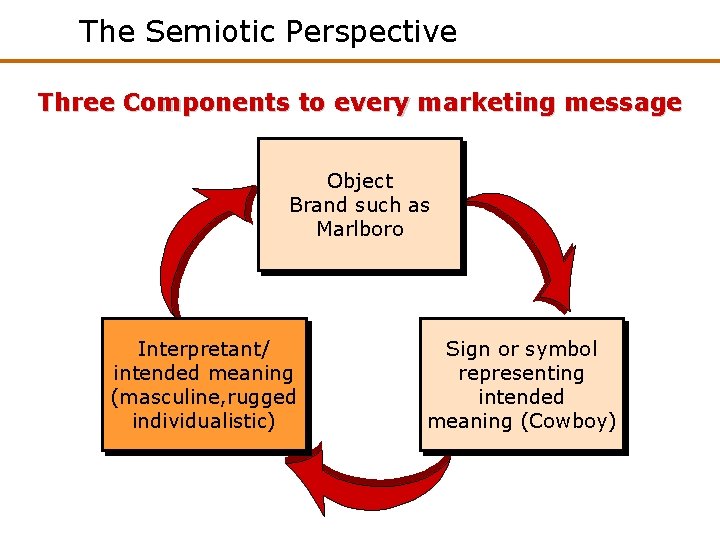
The Semiotic Perspective Three Components to every marketing message Object Brand such as Marlboro Interpretant/ intended meaning (masculine, rugged individualistic) Sign or symbol representing intended meaning (Cowboy)
What is the symbolic meaning of the Snuggle bear?
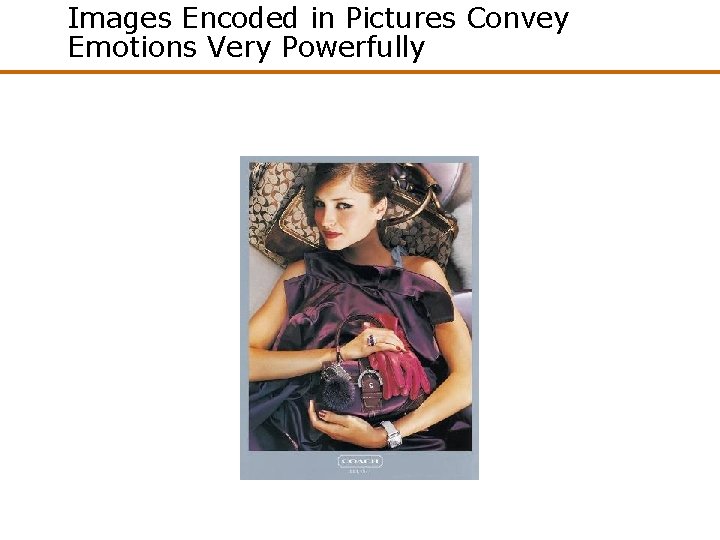
Images Encoded in Pictures Convey Emotions Very Powerfully
Communications Channels Personal Channels Nonpersonal Channels
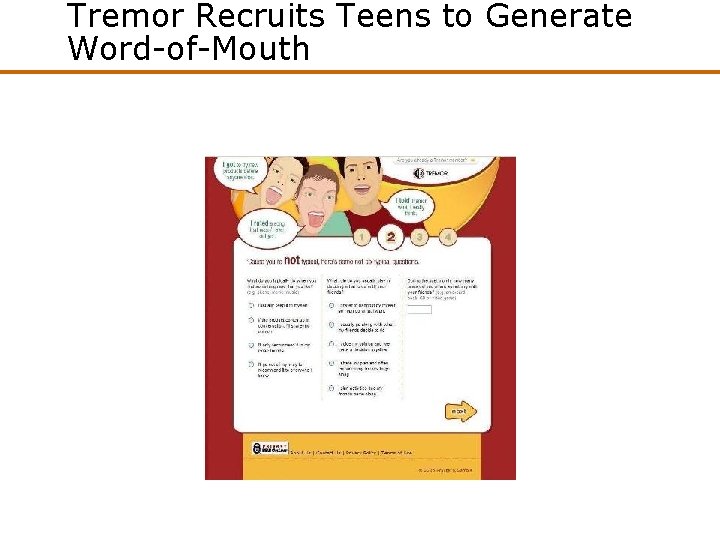
Tremor Recruits Teens to Generate Word-of-Mouth
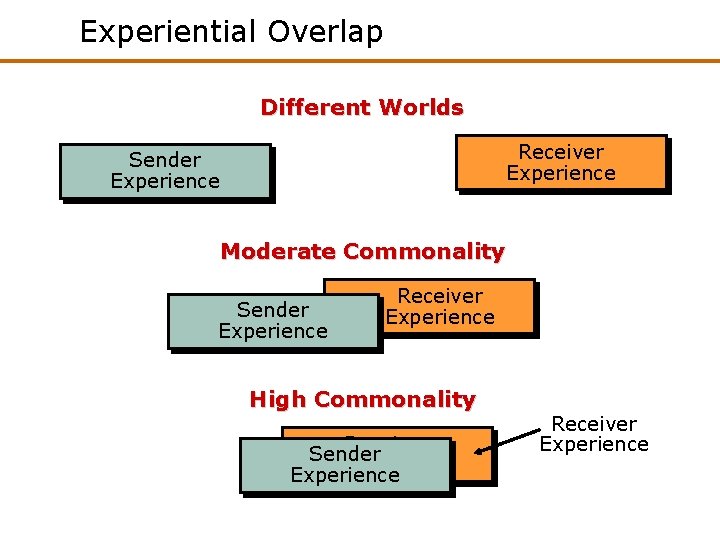
Experiential Overlap Different Worlds Receiver Experience Sender Experience Moderate Commonality Sender Experience Receiver Experience High Commonality Receiver Sender Experience Receiver Experience
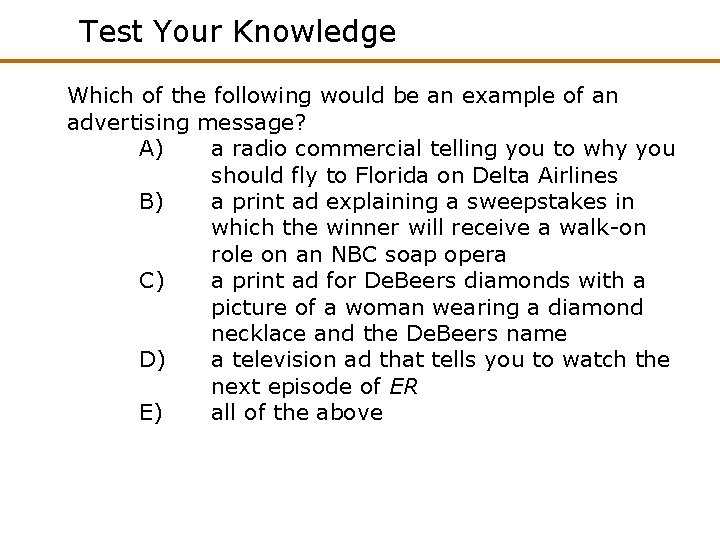
Test Your Knowledge Which of the following would be an example of an advertising message? A) a radio commercial telling you to why you should fly to Florida on Delta Airlines B) a print ad explaining a sweepstakes in which the winner will receive a walk-on role on an NBC soap opera C) a print ad for De. Beers diamonds with a picture of a woman wearing a diamond necklace and the De. Beers name D) a television ad that tells you to watch the next episode of ER E) all of the above
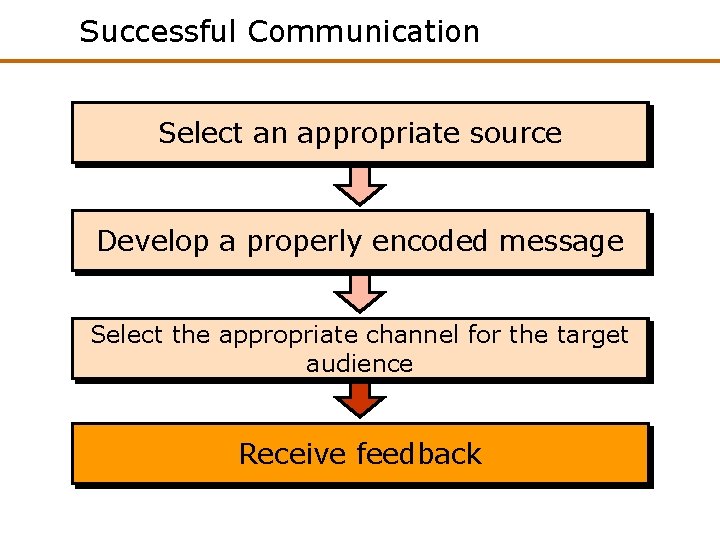
Successful Communication Select an appropriate source Develop a properly encoded message Select the appropriate channel for the target audience Receive feedback
Levels of Audience Aggregation Mass Market Segments Niche Markets Small Groups Individuals
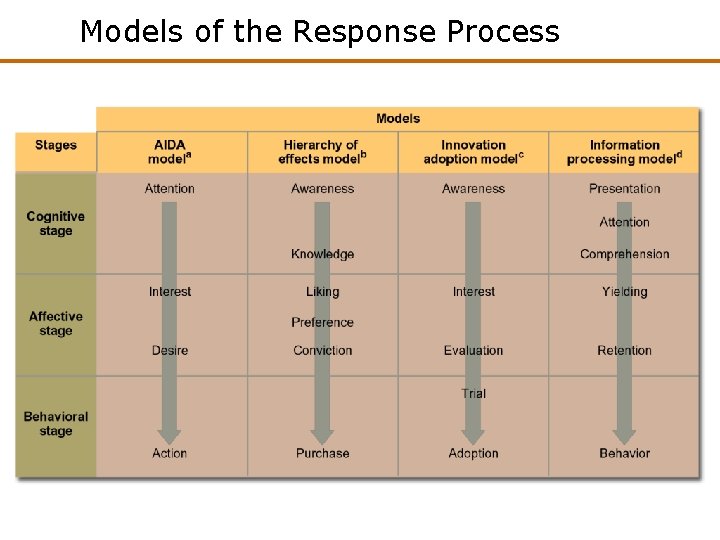
Models of the Response Process
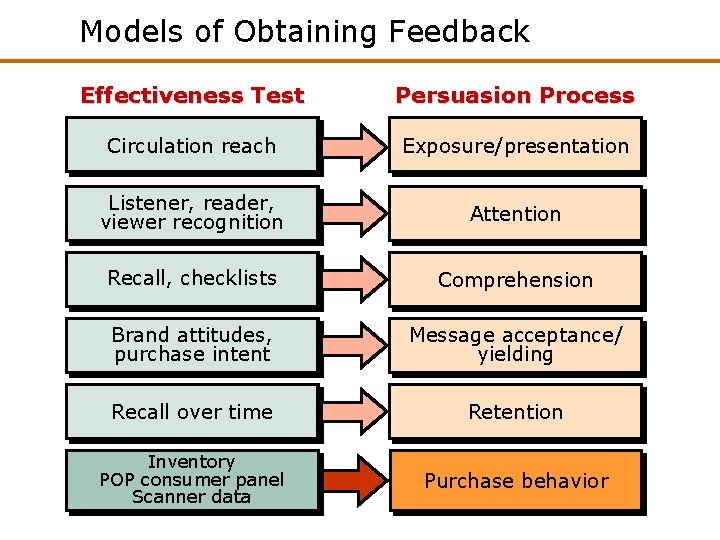
Models of Obtaining Feedback Effectiveness Test Persuasion Process Circulation reach Exposure/presentation Listener, reader, viewer recognition Attention Recall, checklists Comprehension Brand attitudes, purchase intent Message acceptance/ yielding Recall over time Retention Inventory POP consumer panel Scanner data Purchase behavior
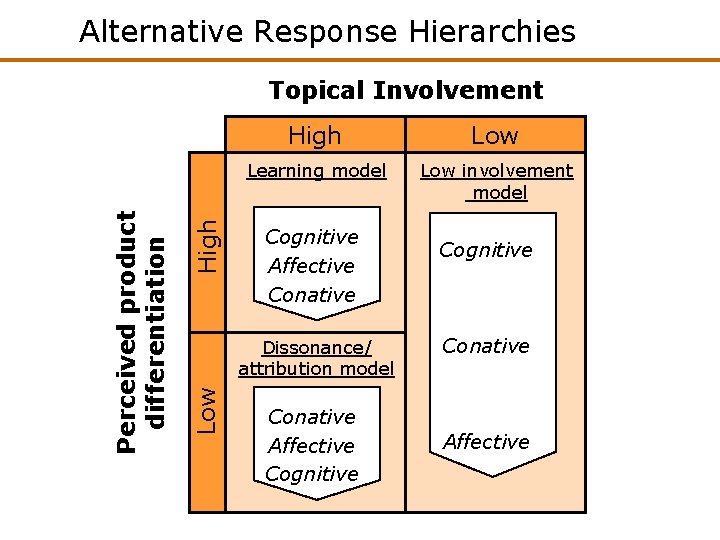
Alternative Response Hierarchies High Low Learning model Low involvement model Cognitive Affective Conative Dissonance/ attribution model Low Perceived product differentiation Topical Involvement Conative Affective Cognitive Conative Affective
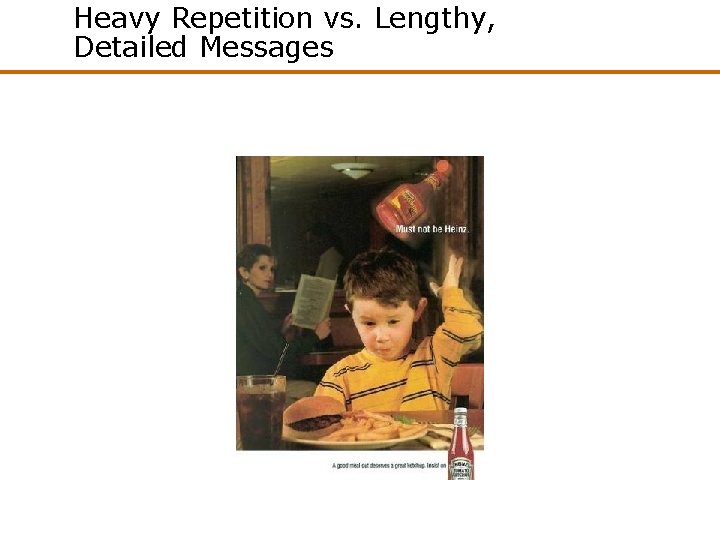
Heavy Repetition vs. Lengthy, Detailed Messages
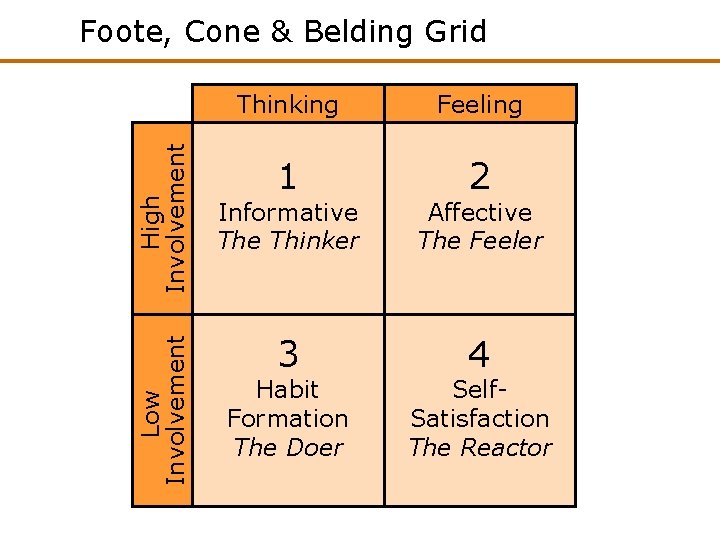
Low Involvement High Involvement Foote, Cone & Belding Grid Thinking Feeling 1 2 Informative Thinker Affective The Feeler 3 4 Habit Formation The Doer Self. Satisfaction The Reactor
Foote, Cone & Belding Grid Thinking 1 Informative High Involvement The Thinker Car-house-furnishings-new products Model: Learn-feel-do (economic? ) Possible implications Test: Media: Creative: Recall diagnostics Long copy format Reflective vehicles Specific information Demonstration
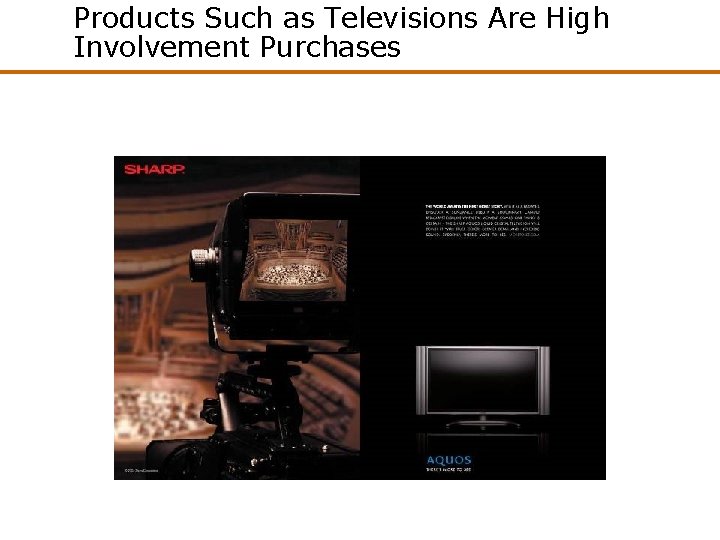
Products Such as Televisions Are High Involvement Purchases
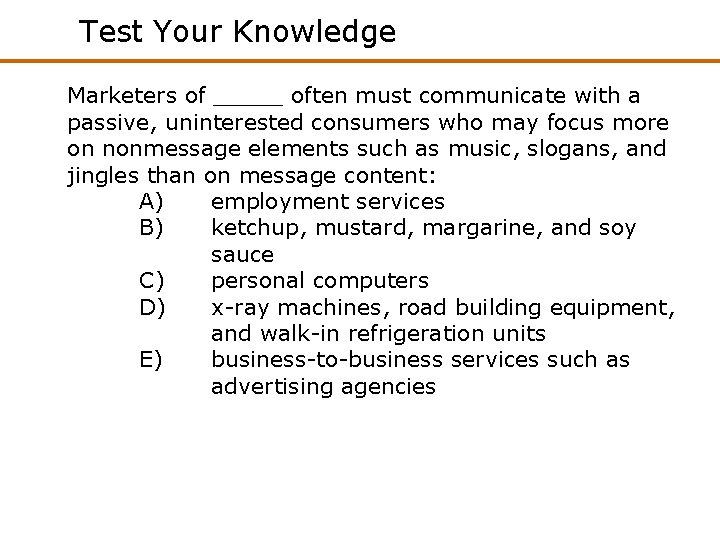
Test Your Knowledge Marketers of _____ often must communicate with a passive, uninterested consumers who may focus more on nonmessage elements such as music, slogans, and jingles than on message content: A) employment services B) ketchup, mustard, margarine, and soy sauce C) personal computers D) x-ray machines, road building equipment, and walk-in refrigeration units E) business-to-business services such as advertising agencies
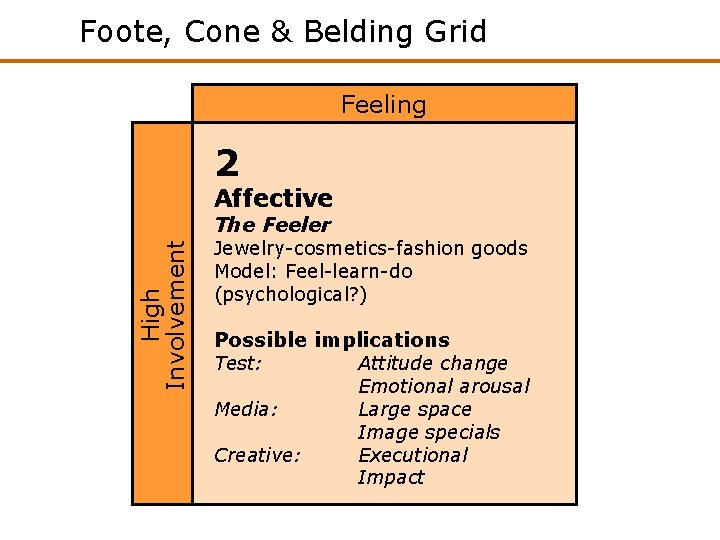
Foote, Cone & Belding Grid Feeling 2 Affective High Involvement The Feeler Jewelry-cosmetics-fashion goods Model: Feel-learn-do (psychological? ) Possible implications Test: Media: Creative: Attitude change Emotional arousal Large space Image specials Executional Impact
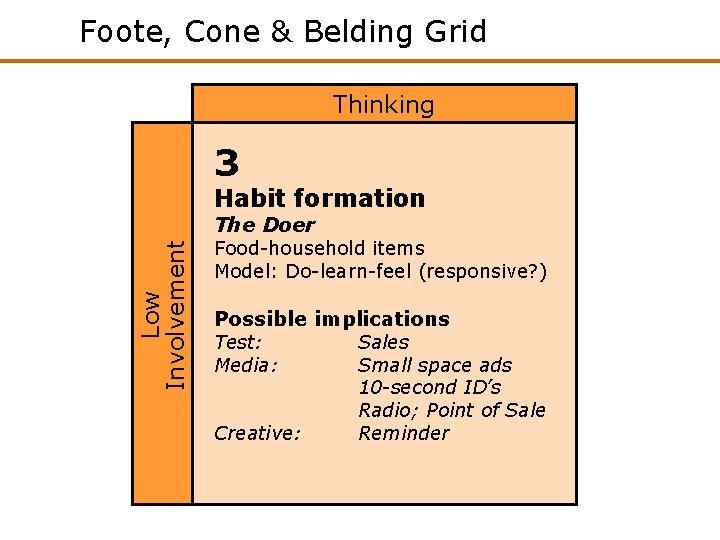
Foote, Cone & Belding Grid Thinking 3 Habit formation Low Involvement The Doer Food-household items Model: Do-learn-feel (responsive? ) Possible implications Test: Media: Creative: Sales Small space ads 10 -second ID’s Radio; Point of Sale Reminder
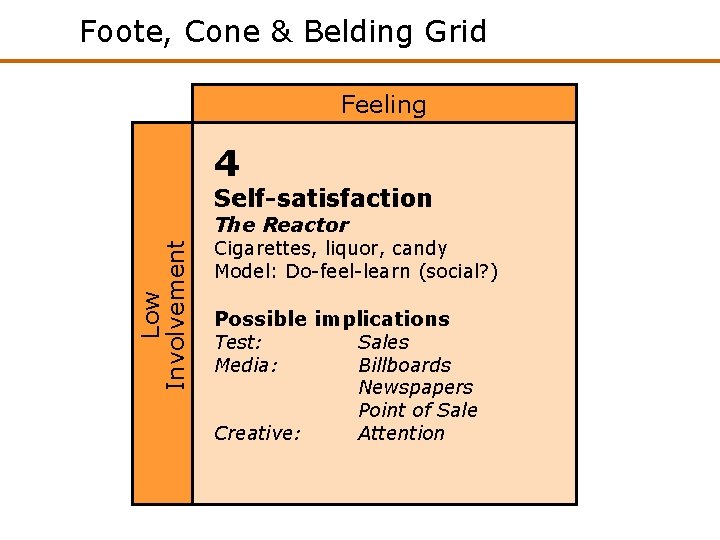
Foote, Cone & Belding Grid Feeling 4 Self-satisfaction Low Involvement The Reactor Cigarettes, liquor, candy Model: Do-feel-learn (social? ) Possible implications Test: Media: Creative: Sales Billboards Newspapers Point of Sale Attention
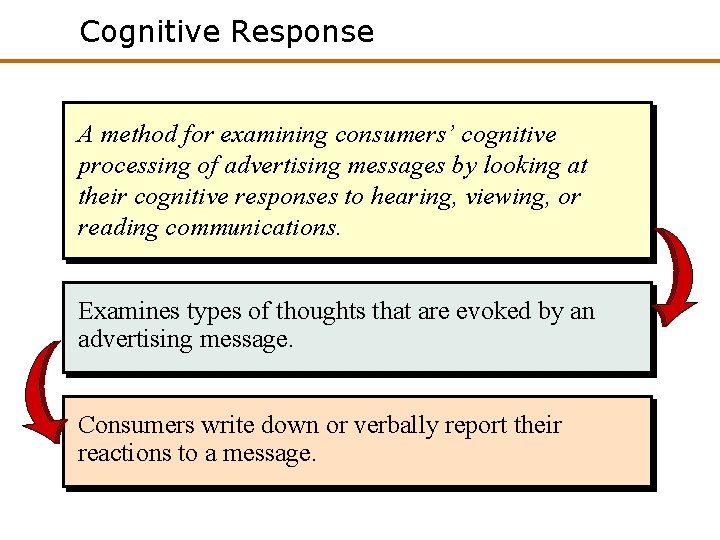
Cognitive Response A method for examining consumers’ cognitive processing of advertising messages by looking at their cognitive responses to hearing, viewing, or reading communications. Examines types of thoughts that are evoked by an advertising message. Consumers write down or verbally report their reactions to a message.
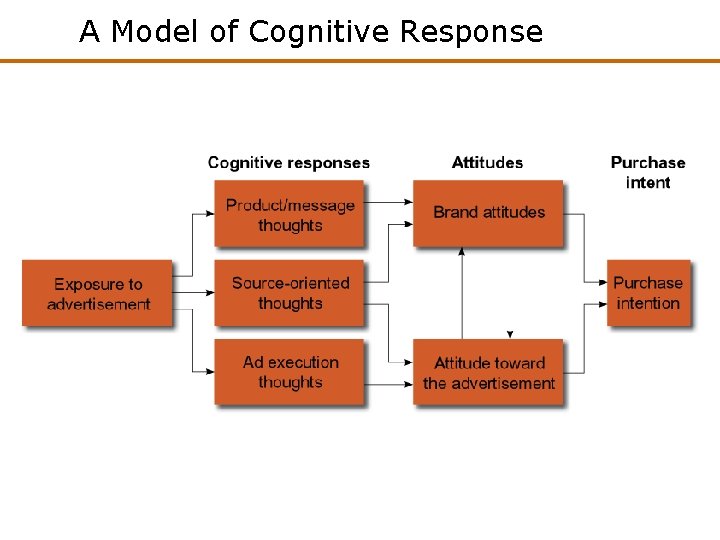
A Model of Cognitive Response
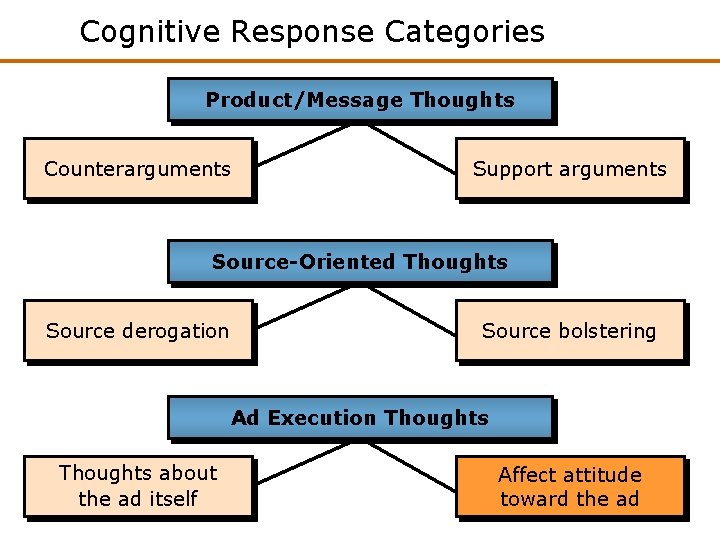
Cognitive Response Categories Product/Message Thoughts Counterarguments Support arguments Source-Oriented Thoughts Source derogation Source bolstering Ad Execution Thoughts about the ad itself Affect attitude toward the ad
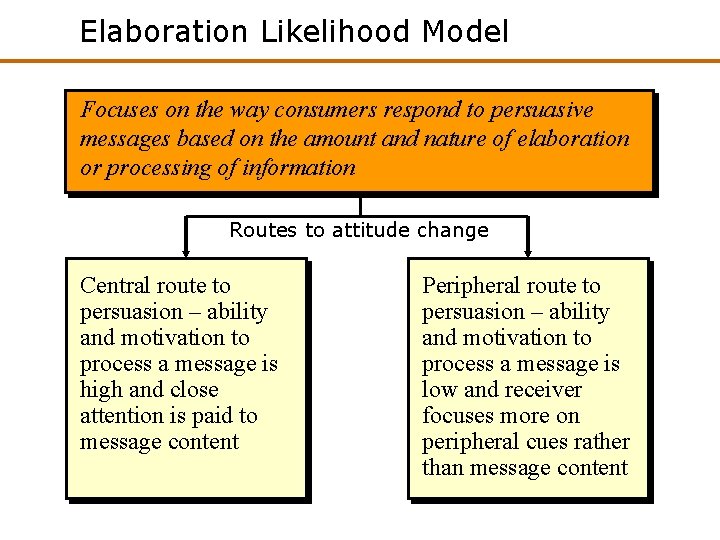
Elaboration Likelihood Model Focuses on the way consumers respond to persuasive messages based on the amount and nature of elaboration or processing of information Routes to attitude change Central route to persuasion – ability and motivation to process a message is high and close attention is paid to message content Peripheral route to persuasion – ability and motivation to process a message is low and receiver focuses more on peripheral cues rather than message content
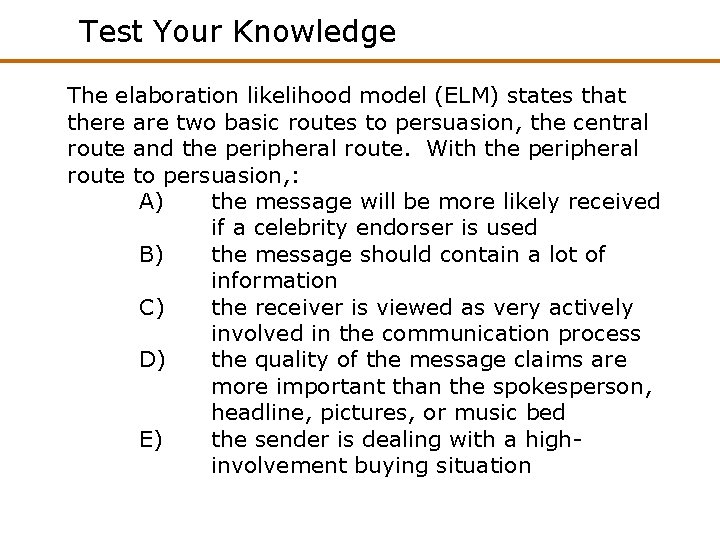
Test Your Knowledge The elaboration likelihood model (ELM) states that there are two basic routes to persuasion, the central route and the peripheral route. With the peripheral route to persuasion, : A) the message will be more likely received if a celebrity endorser is used B) the message should contain a lot of information C) the receiver is viewed as very actively involved in the communication process D) the quality of the message claims are more important than the spokesperson, headline, pictures, or music bed E) the sender is dealing with a highinvolvement buying situation
Celebrity Endorsers Can Be Peripheral Cues
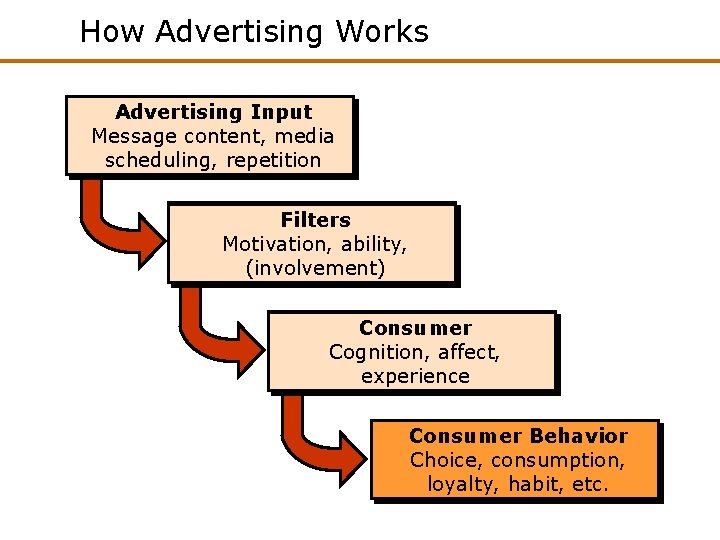
How Advertising Works Advertising Input Message content, media scheduling, repetition Filters Motivation, ability, (involvement) Consumer Cognition, affect, experience Consumer Behavior Choice, consumption, loyalty, habit, etc.