
The Communication Process Sender Message to be sent
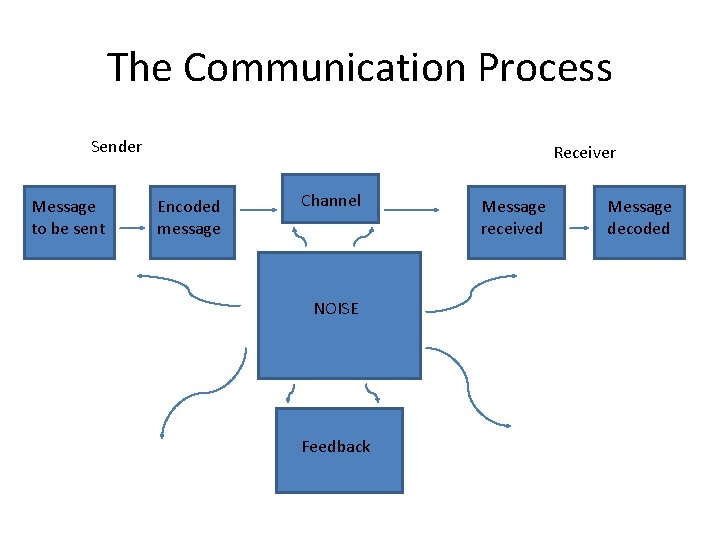
The Communication Process Sender Message to be sent Receiver Encoded message Channel NOISE Feedback Message received Message decoded
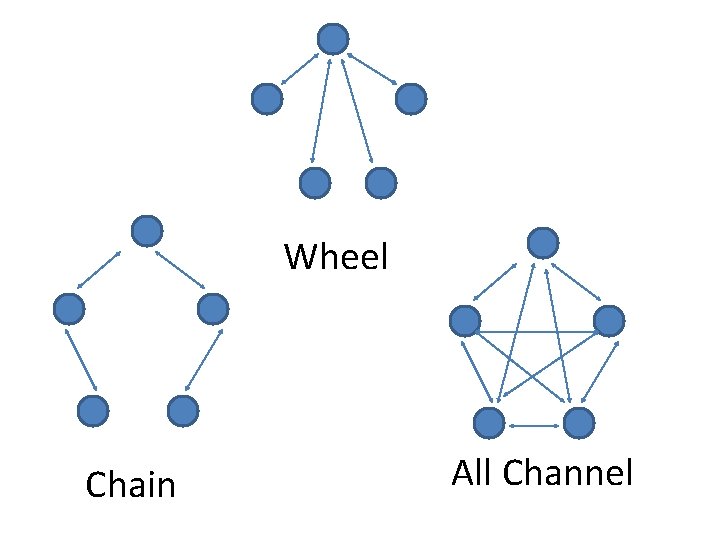
Wheel Chain All Channel

Small Group Networks and Effective Criteria Networks Criteria Chain Wheel All Channel Speed Moderate Fast Accuracy High Moderate Emergence of Leader Moderate High None Member Satisfaction Moderate Low High
Upward Communication • • • Serial communication Attitude surveys Focus groups Exit interviews Suggestion boxes Third party facilitators 4
Downward Communication • • Bulletin boards Policy manuals Newsletters Intranets 5

Business Communication • • Memos Telephone calls Email (and IM, TM, Blogs) Voice mail Face-to-face meetings Committee meetings Videoconferencing 6

Information Richness of Communication Channels Prerecorded speeches Formal reports, bulletins Live speeches Online Discussion Groups Low Channel Richness Memos, letters Video conferences Voice mail Electronic mail High Channel Richness Face-to-face conversations Telephone conversations
Email Etiquette and Voice Mail Etiquette 8
Interpersonal Communication • Three problem areas: – Intended message versus message sent – Message sent versus message received – Message received versus message interpreted 9
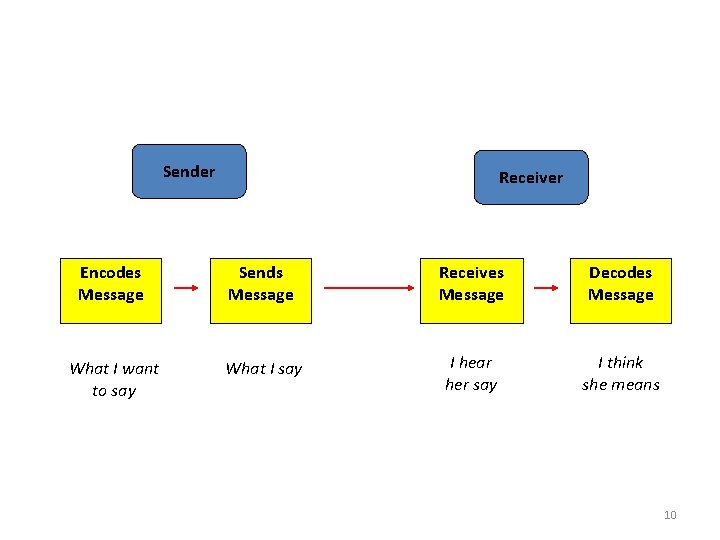
Sender Receiver Encodes Message Sends Message Receives Message Decodes Message What I want to say What I say I hear her say I think she means 10
Gender Differences in Communication (Tannen, 1986 & 1990) • Men Talk about major events Tell the main point Are more direct Use “uh-huh” to agree Are comfortable with silence Concentrate on the words spoken – Sidetrack unpleasant topics – – – • Women Talk about daily life Provide details Are more indirect Use “uh-huh” to listen Are less comfortable with silence – Concentrate on nonverbal cues and paralanguage – Focus on unpleasant topics – – – 11
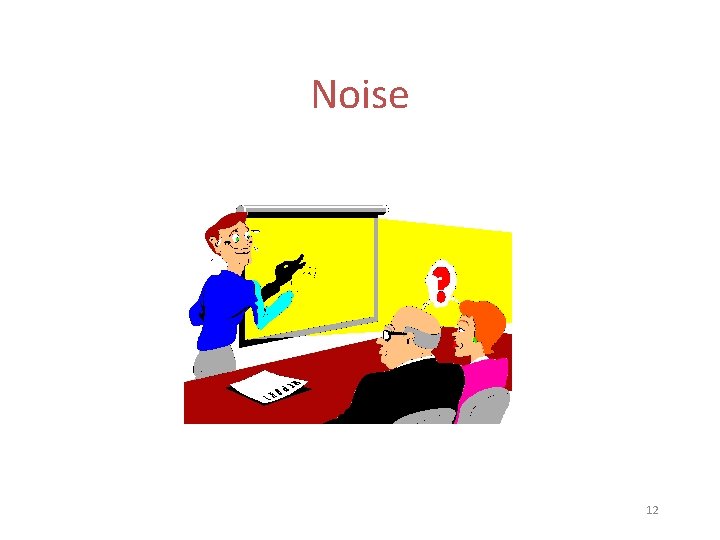
Noise 12
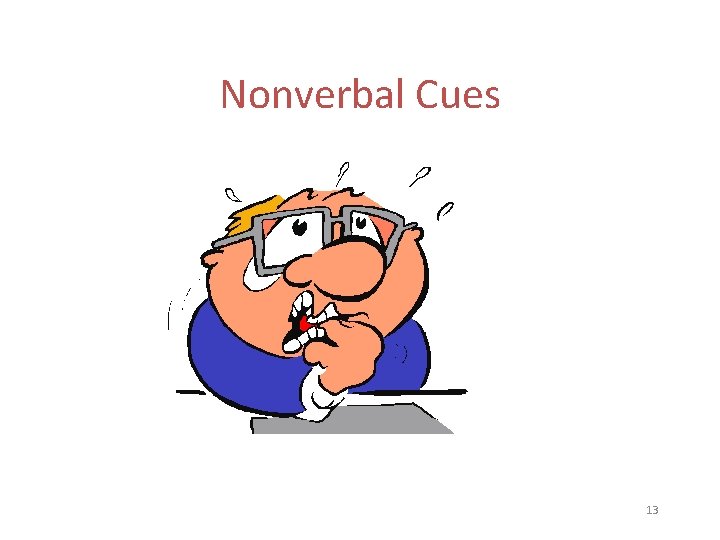
Nonverbal Cues 13
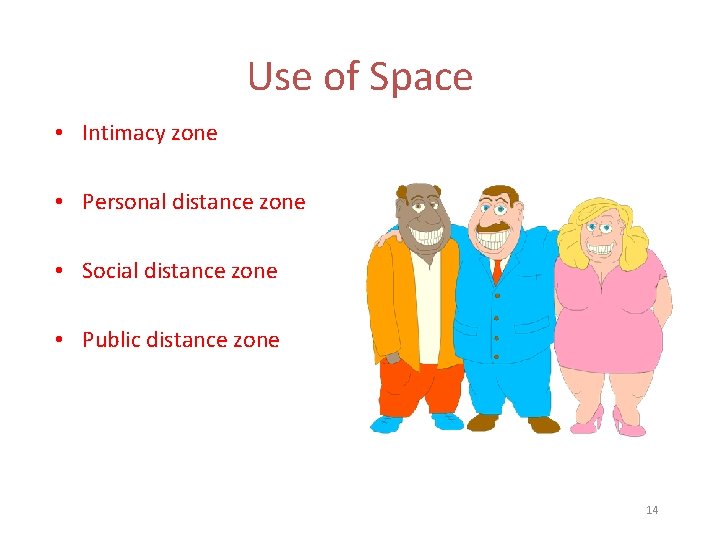
Use of Space • Intimacy zone • Personal distance zone • Social distance zone • Public distance zone 14
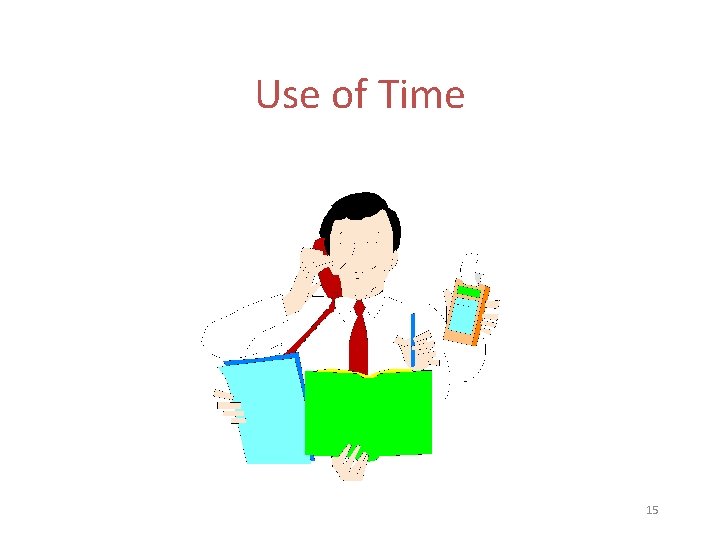
Use of Time 15
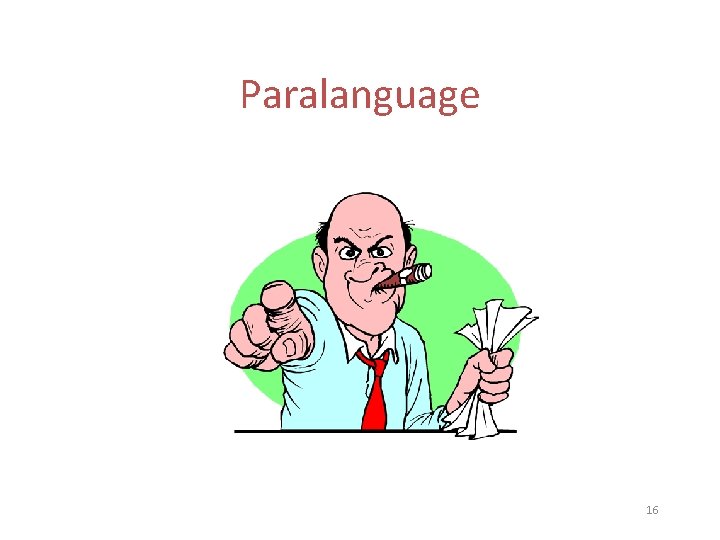
Paralanguage 16
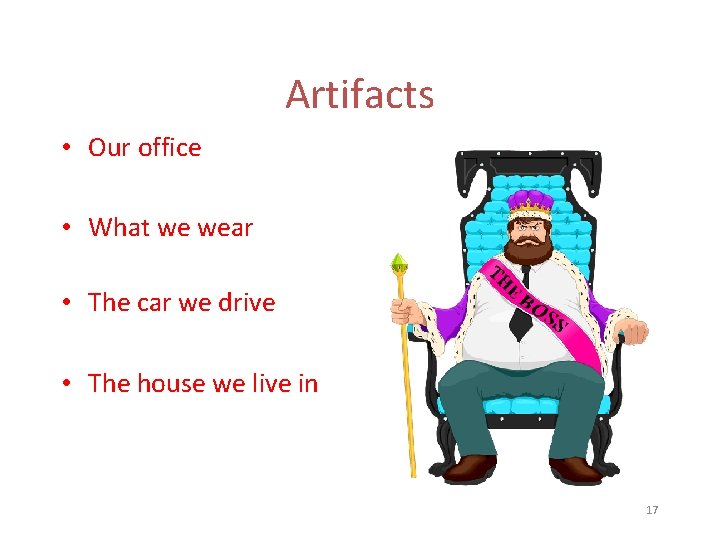
Artifacts • Our office • What we wear • The car we drive • The house we live in 17
When we have too much information, we tend to: • Assimilate • Sharpen • Level 18
Reactions to Information Overload • • • Omission Error Queuing Escape Use of a gatekeeper Use of multiple channels 19
Listening Styles (Geier & Downey, 1980) • • • Leisure Inclusive Stylistic Technical Empathic Nonconforming 20
Other Factors • • Emotional State Bias Cognitive Ability Drugs and Alcohol 21
- Slides: 21