
The Colorado Academic Standards Texts Worth Reading Problems
The Colorado Academic Standards Texts Worth Reading Problems Worth Solving Tests Worth Taking
Using These Modules Description: Modules 1 and 2 were designed with the practitioner in mind. Module 1 provides teachers with background building content about the standards, and their design, to inform the key instructional practices that are necessary for increased student performance. Module 2 includes data and research to support teachers, as well as examples of lessons in action meant to facilitate discussion and reflection about how teachers can use the new standards to drive achievement with all students. Suggestions for Use: These modules were designed to be used as drop-in training in a variety of settings. Teachers could use the modules in grade level teams, in PLC work or individually. They could also be used in staff meetings. Discussion is a key part of the work that is provided. Target Audience: Both Modules 1 and 2 can be used by teachers K-12 as well as by specialists, coaches and administrators.
Module 1 The Colorado Academic Standards and PARCC Assessments: Focusing on the Standards Texts Worth Reading Problems Worth Solving Tests Worth Taking
Purpose • To explore the why, what and how of the Colorado Academic Standards, which include the Common Core • To understand how the standards support College and Career Readiness (CCR)
The Prize • Why did you become a teacher? • What do you want for kids? • What is your vision of education? • A successful 21 st century learner is. . .
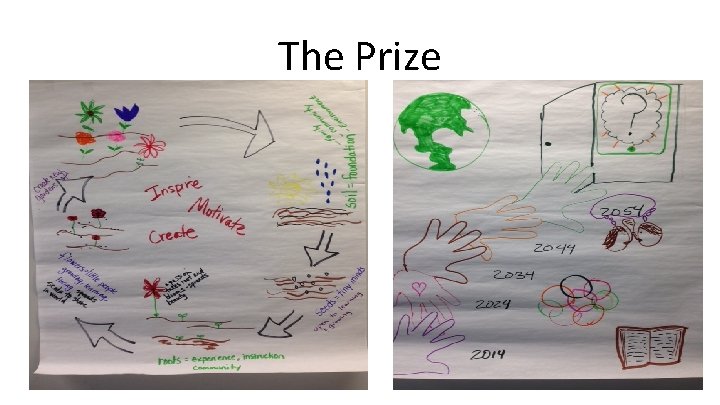
The Prize
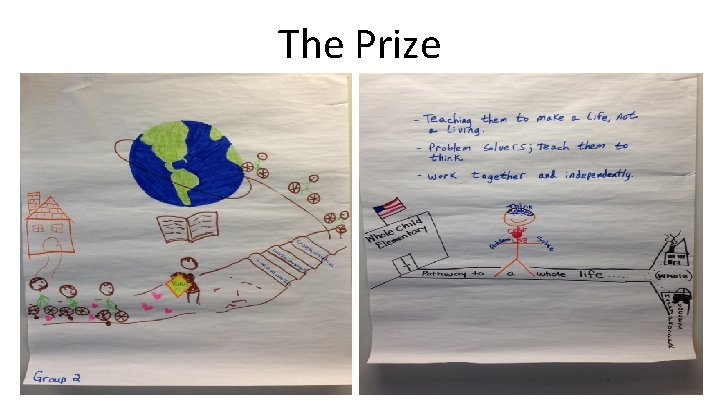
The Prize
Food For Thought • "We need to redefine success beyond money and power to include well-being, wisdom, wonder and giving back. " Arianna Huffington, the namesake of The Huffington Post, spoke these words at a recent stop to talk about her new book, Thrive. Her advice was meant for the dozens of professional women in the crowd but for me, they struck a chord because of my role as a parent. I realized at that moment that I don't want my kids to succeed -- I want them to thrive. ”
How have the current changes (new standards, evaluations, etc) in the field of public education impacted your educational philosophy and daily classroom instruction?
Why do we need standards?
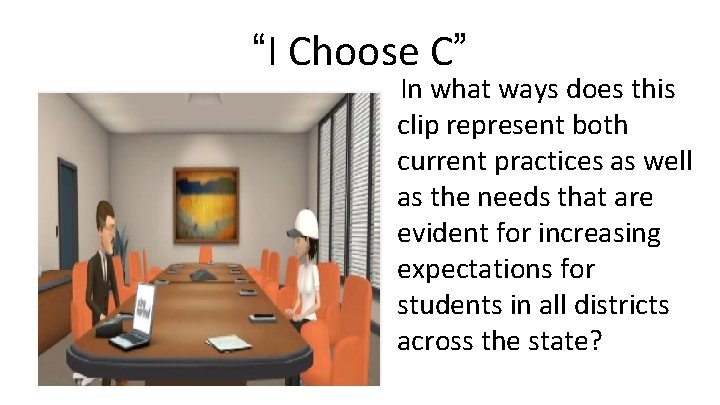
“I Choose C” In what ways does this clip represent both current practices as well as the needs that are evident for increasing expectations for students in all districts across the state?

Why We Need Improved Standards Prior to 2009, we had academic standards, but we did not consistently have standards-based instruction. Instead, we had…. ✓Long lists of broad, vague statements ✓Mysterious assessments ✓Coverage mentality ✓Focused on teacher behaviors – “the inputs”
Results • Previous state standards did not improve student achievement • Gaps in Achievement and Expectations • NAEP Results • ACT 2012 Data o All four subject areas: 25% o 3 subject areas: 15% o 2 subject areas: 17% o 1 subject area: 15% o None: 28% • College Remediation Rates

Big Claims in the Colorado Academic Standards • College and Career Readiness • How are you essential to this? • What paradigm shifts must occur in order to successfully implement this change?
What are the design principles of the Colorado Academic Standards and what do they expect of student thinking?
Guiding Principles for the Standards FEWER-CLEARER-HIGHER • Aligned to requirements for college and career readiness • Based on evidence • Honest about time
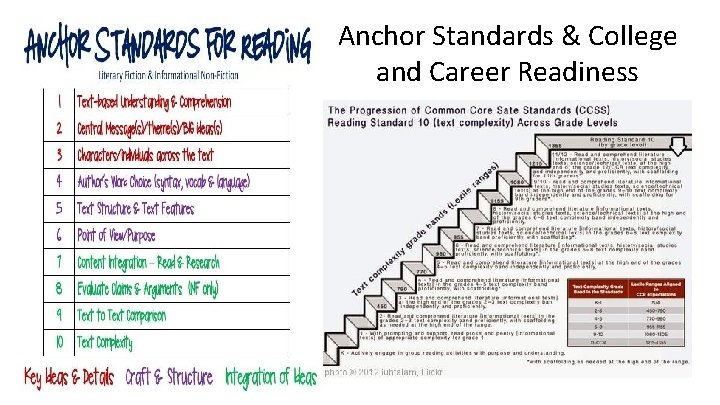
Anchor Standards & College and Career Readiness graphic to represent anchor standards here
Making the Complex Accessible • Read closely to determine what the text says explicitly and to make logical inferences from it; cite specific textual evidence when writing or speaking to support conclusions drawn from the text.
Digging In To the Standards • Highlight the verbs in one color • Highlight the nouns in another color • Create a list as a team, noting the number of times a noun or verb was repeated • What do you notice about the occurrences of nouns and verbs across the grade levels? • What are the instructional implications of this list?
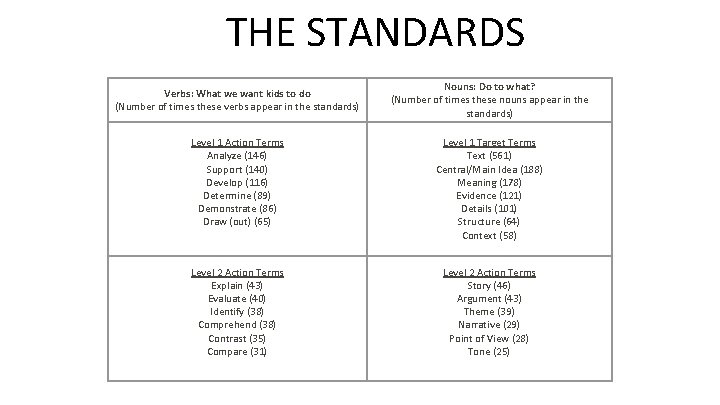
THE STANDARDS Verbs: What we want kids to do (Number of times these verbs appear in the standards) Nouns: Do to what? (Number of times these nouns appear in the standards) Level 1 Action Terms Analyze (146) Support (140) Develop (116) Determine (89) Demonstrate (86) Draw (out) (65) Level 1 Target Terms Text (561) Central/Main Idea (188) Meaning (178) Evidence (121) Details (101) Structure (64) Context (58) Level 2 Action Terms Explain (43) Evaluate (40) Identify (38) Comprehend (38) Contrast (35) Compare (31) Level 2 Action Terms Story (46) Argument (43) Theme (39) Narrative (29) Point of View (28) Tone (25)
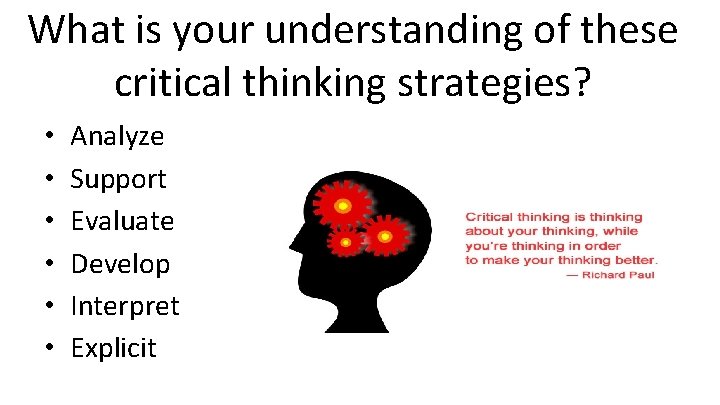
What is your understanding of these critical thinking strategies? • • • Analyze Support Evaluate Develop Interpret Explicit
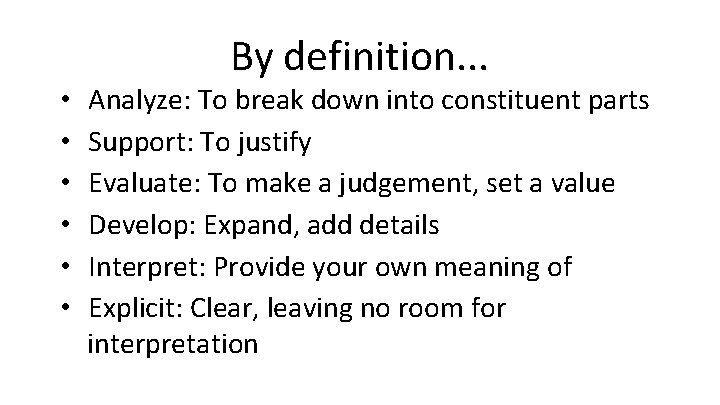
• • • By definition. . . Analyze: To break down into constituent parts Support: To justify Evaluate: To make a judgement, set a value Develop: Expand, add details Interpret: Provide your own meaning of Explicit: Clear, leaving no room for interpretation
Article • Discuss your reactions, including instructional experience • What are the implications of these finding for students and teachers?
Student understanding. . . • Analyze: “go over work, study closely, check, see what’s wrong, scan” • Support: “agree, make easier, make better, help” • Evaluate: “test, figure out, interpret, say what you think, take away” • Develop: “make, gather, come up with, progress” • Interpret: “explain, understand, different point of view” • Explicit: “inappropriate, bad, over exposed, for a mature audience, without restrictions”
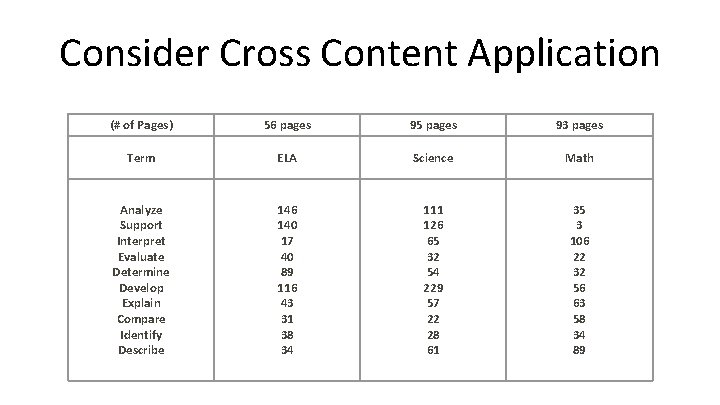
Consider Cross Content Application (# of Pages) 56 pages 95 pages 93 pages Term ELA Science Math Analyze Support Interpret Evaluate Determine Develop Explain Compare Identify Describe 146 140 17 40 89 116 43 31 38 34 111 126 65 32 54 229 57 22 28 61 35 3 106 22 32 56 63 58 34 89
So, what? • “A conceptual understanding of just 55 Common Core key terms has been determined as critical for 85% of student success on standardized tests. ” • (Marilee Sprenger and Donna Walker Tileston)
Name That Standard • Read each of the 10 Anchor Standards • Assign a 1 -5 Word Phrase that describes the essence and/or focus of that standard
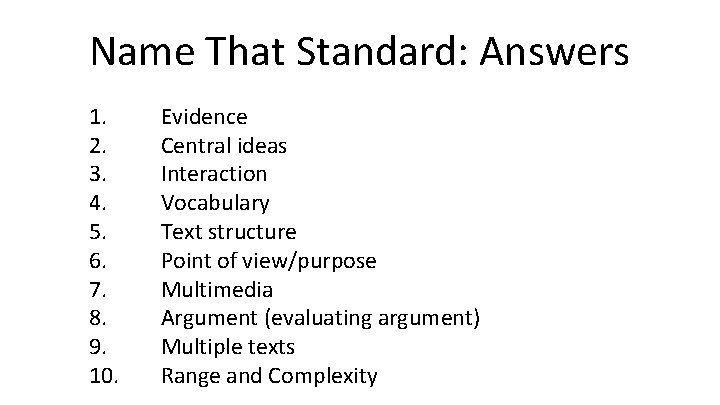
Name That Standard: Answers 1. 2. 3. 4. 5. 6. 7. 8. 9. 10. Evidence Central ideas Interaction Vocabulary Text structure Point of view/purpose Multimedia Argument (evaluating argument) Multiple texts Range and Complexity

What Trends Do You Notice?
A thought. . • Do I believe that ALL of my students deserve equity in their educational experience? • How do the CAS level the playing field for students? • What paradigm shifts are evident in the standards?
How do the standards prepare students for college and career readiness?
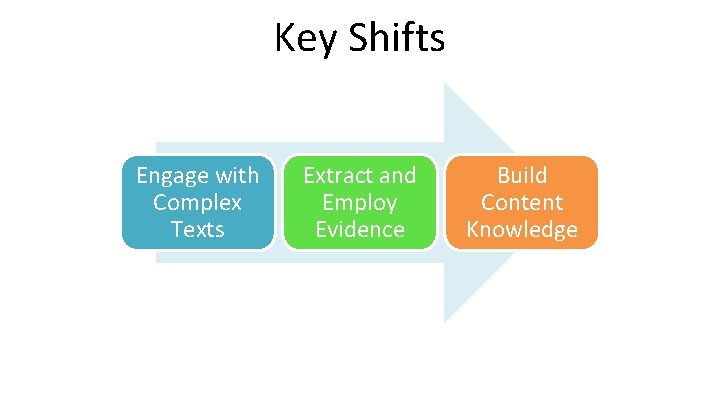
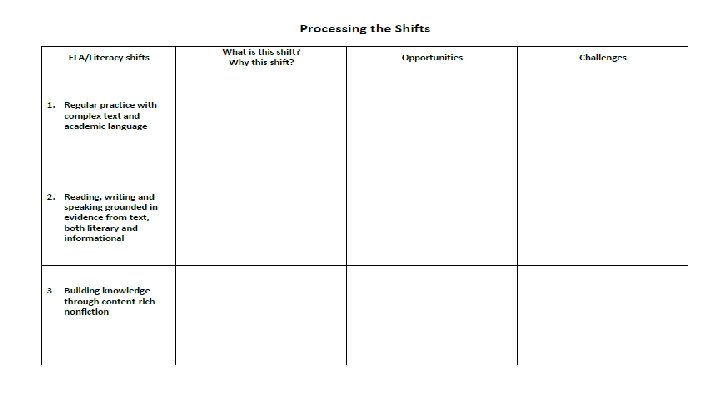
Key Shifts Engage with Complex Texts Extract and Employ Evidence Build Content Knowledge
Standard Progressions ● If you want your students to be College and Career ready, how will you get them there?
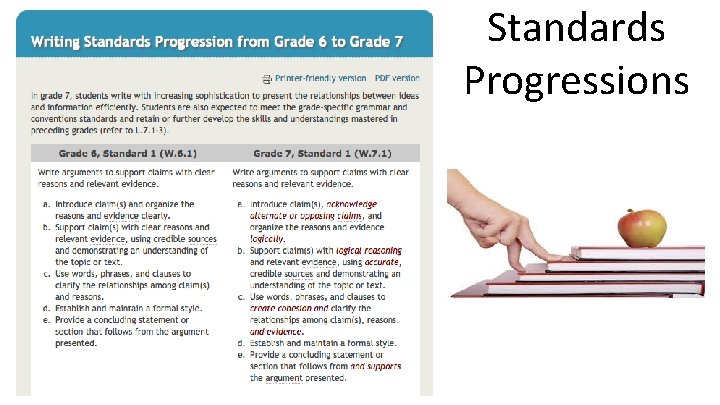
Standards Progressions
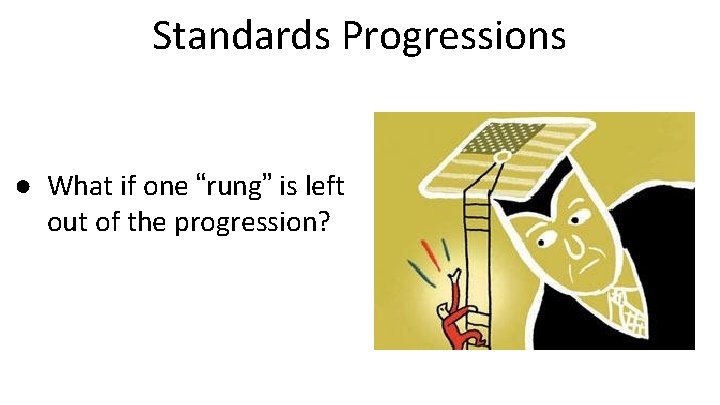
Standards Progressions ● What if one “rung” is left out of the progression?
- Slides: 36