
The Colonial Legacy Historical Colonialism 16 th to
- Slides: 26
The Colonial Legacy
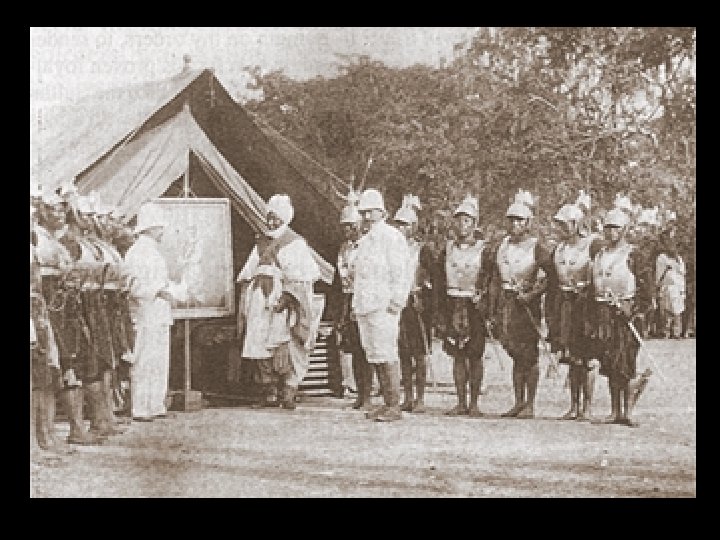
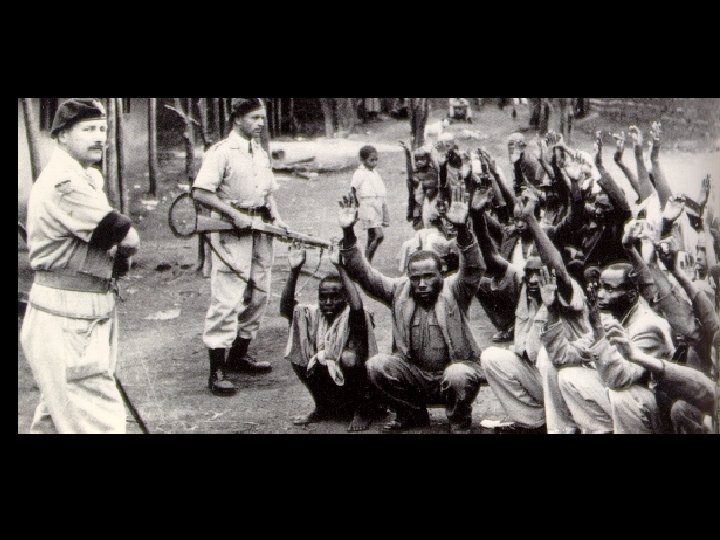
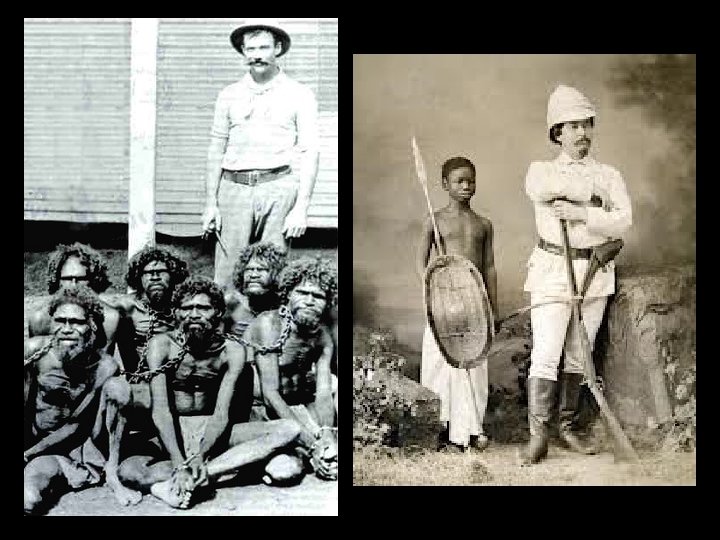
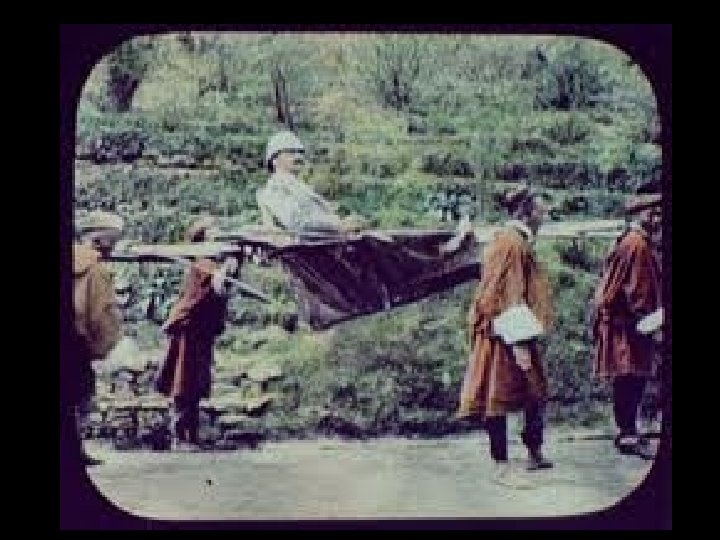
Historical Colonialism • 16 th to second half of 20 th centuries • Profound impacts still felt today – Economically – Politically – Socially • Current economic progress and problems of developing world rooted in colonial past
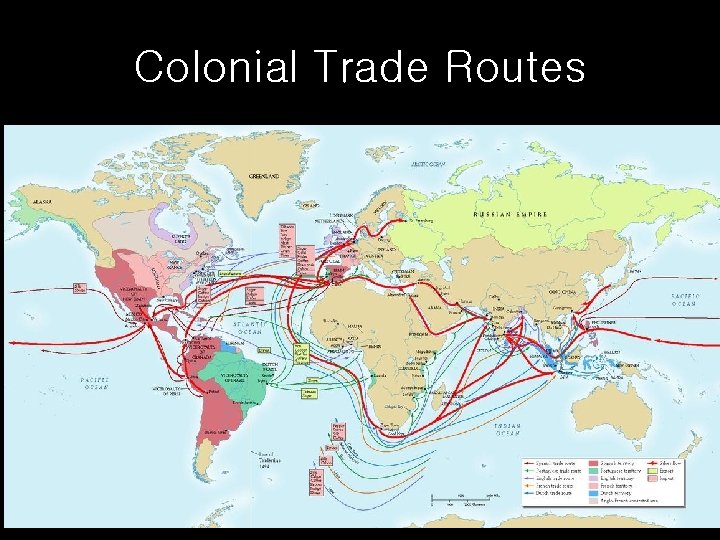
The Colonies • Needed to establish reliable trade routes between Europe and East Asia • Colonies existed only to meet the needs of the colonizers • Competition between European nations to secure strategic locations, seaways, and routes
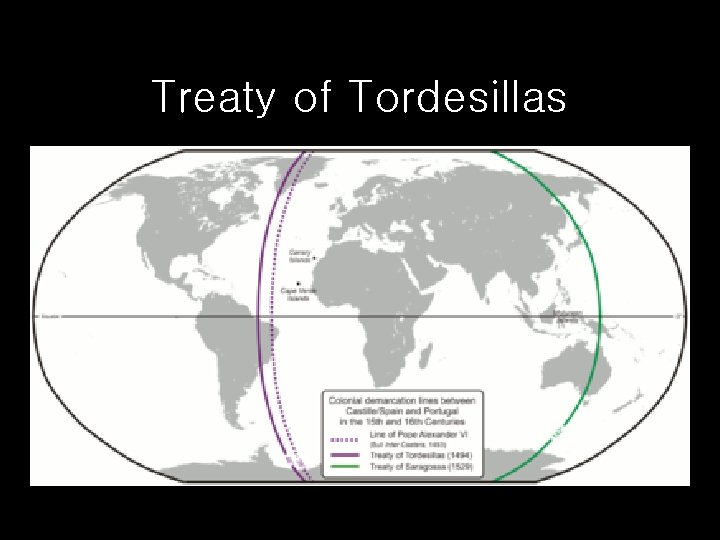
Treaty of Tordesillas
Colonial Trade Routes
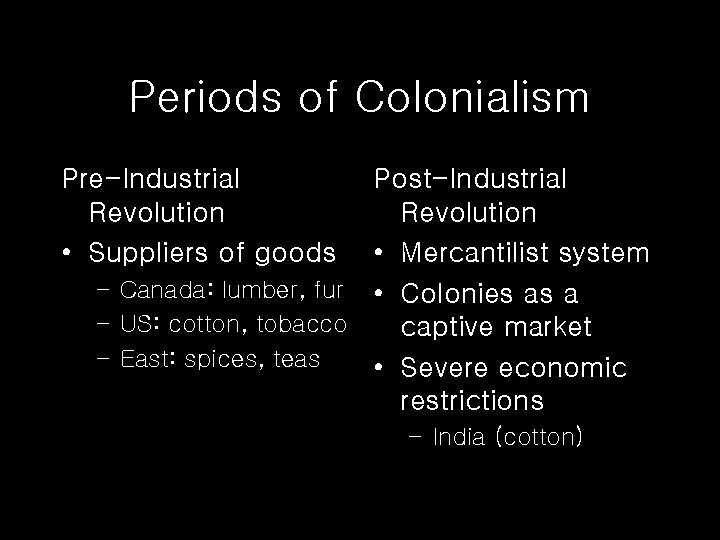
Periods of Colonialism Pre-Industrial Revolution • Suppliers of goods Post-Industrial Revolution • Mercantilist system – Canada: lumber, fur • Colonies as a – US: cotton, tobacco captive market – East: spices, teas • Severe economic restrictions – India (cotton)
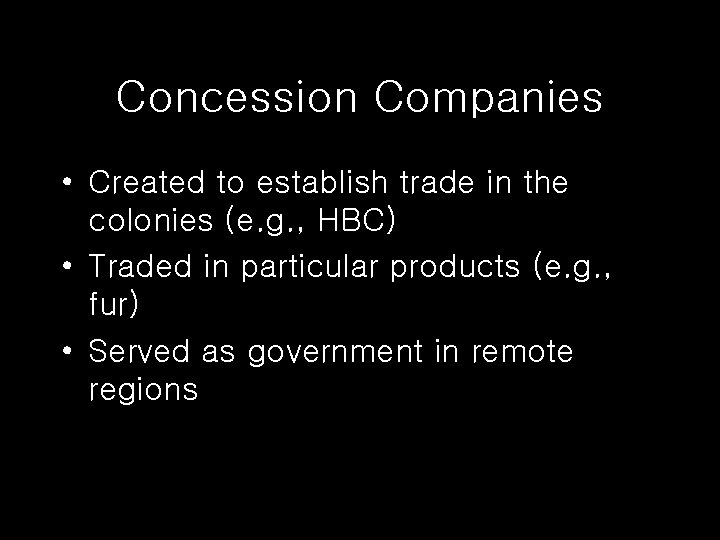
Concession Companies • Created to establish trade in the colonies (e. g. , HBC) • Traded in particular products (e. g. , fur) • Served as government in remote regions
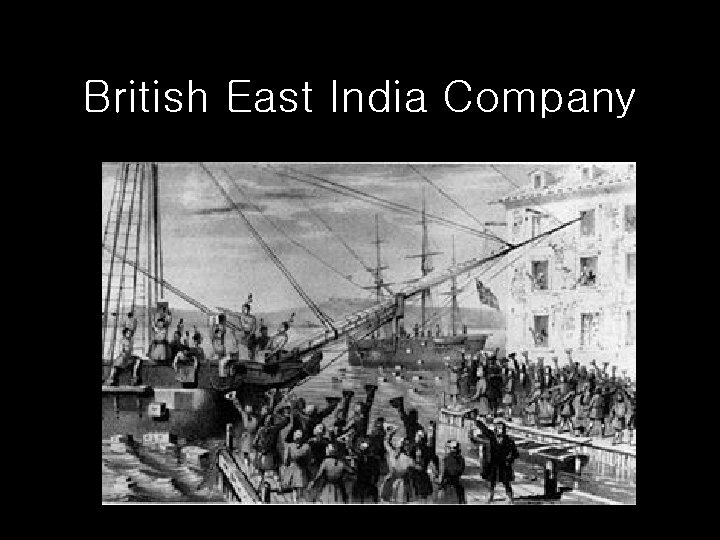
British East India Company
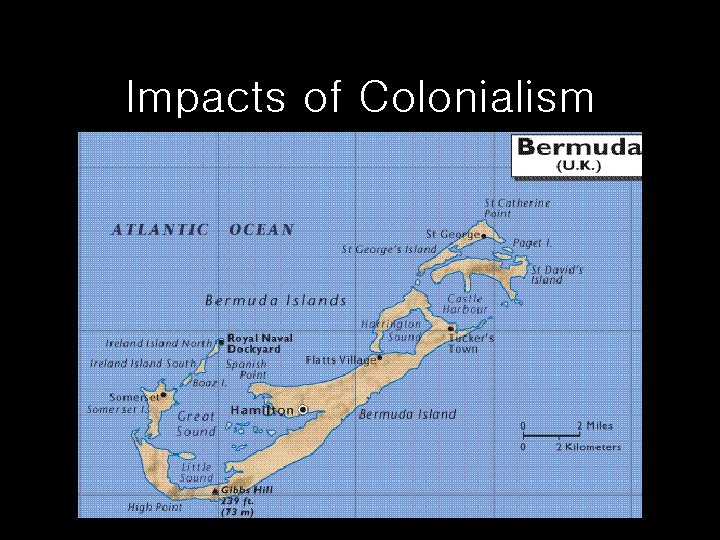
Impacts of Colonialism
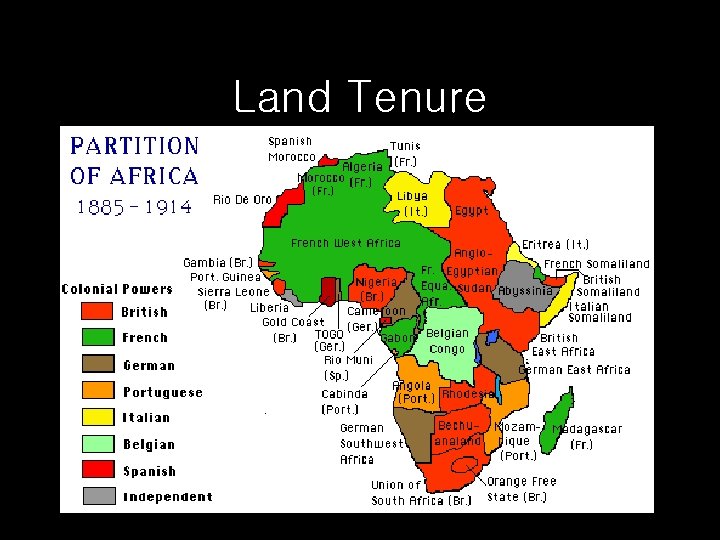
Land Tenure
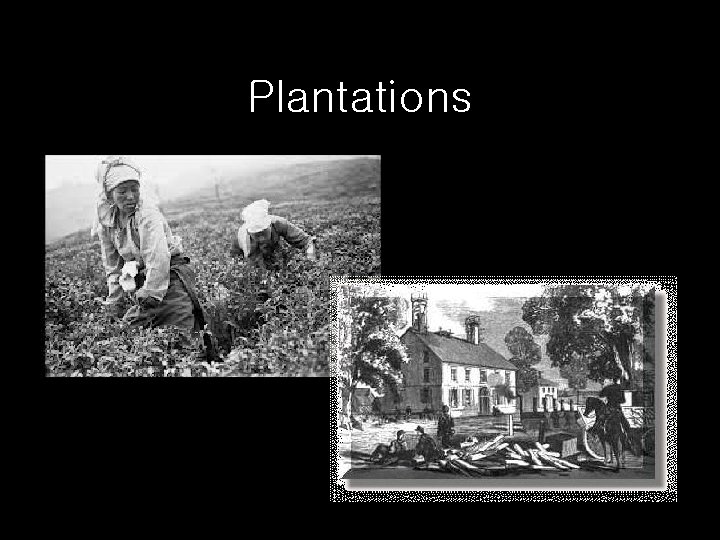
Plantations
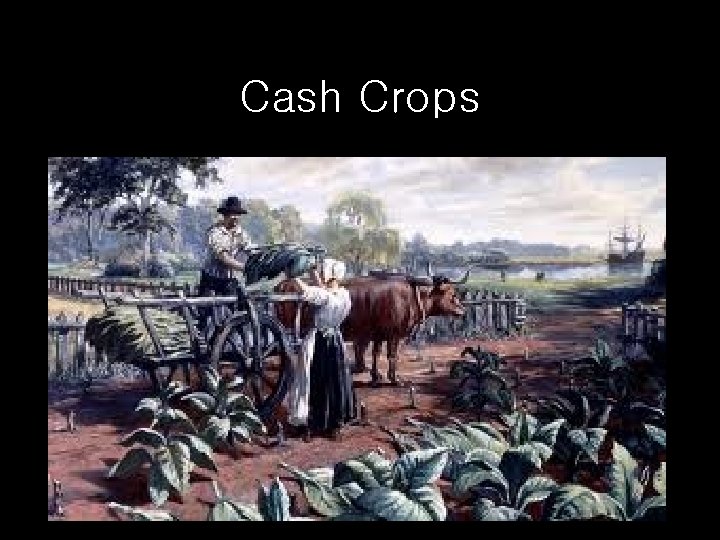
Cash Crops
Artificial Trade Controls • Taxes / tariffs on goods to protect economic interests of mother country • Manufacturing restrictions to eliminate competition
Environmental Problems • No environmental protection laws • Mining, forestry, agriculture and manufacturing industries – Pollution • Chemical • Biological • Physical waste – Non-sustainable
Foreign Political Systems • Traditional political systems disregarded
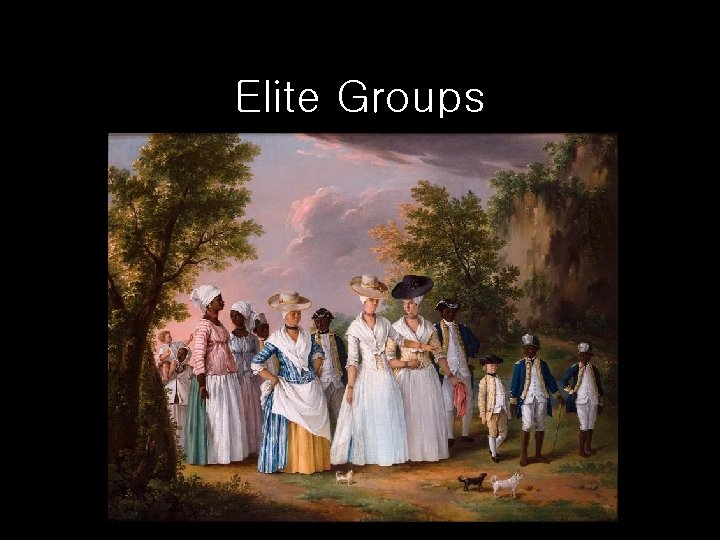
Elite Groups
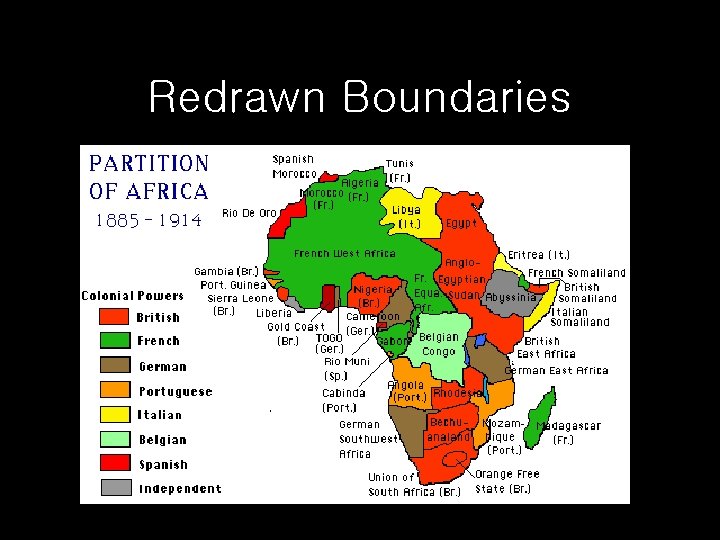
Redrawn Boundaries
Imposition of Culture & Language • Positives – Common language – Cultural imports are widely shared • Cricket • Negatives – Local cultures made inferior – Establish social hierarchies
Infrastructure • Transportation routes established to move raw materials and goods, not populated areas
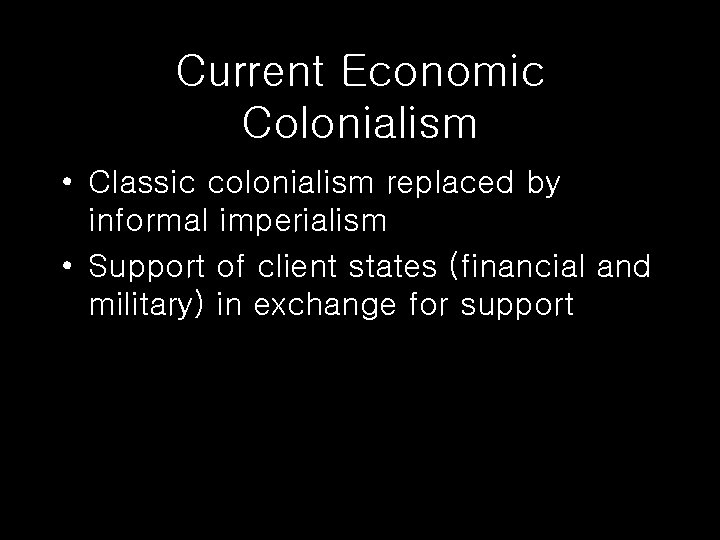
Current Economic Colonialism • Classic colonialism replaced by informal imperialism • Support of client states (financial and military) in exchange for support
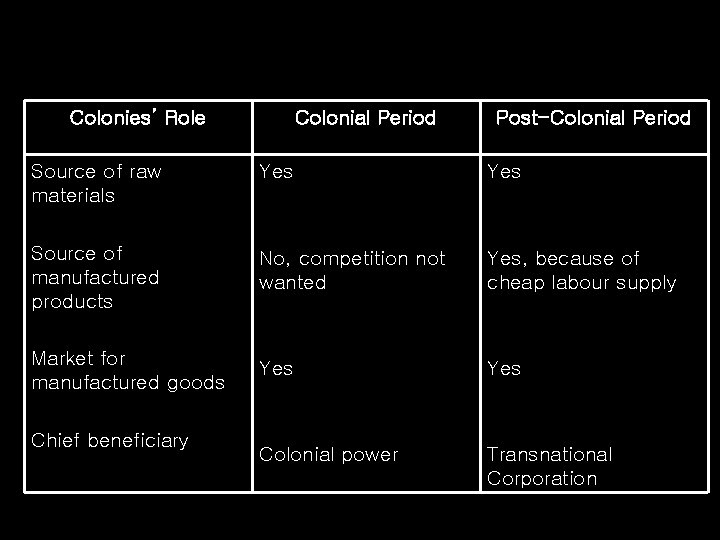
Colonies’ Role Colonial Period Post-Colonial Period Source of raw materials Yes Source of manufactured products No, competition not wanted Yes, because of cheap labour supply Market for manufactured goods Yes Colonial power Transnational Corporation Chief beneficiary