
The ColdBlooded Vertebrates Chapter 13 B Body Systems
The Cold-Blooded Vertebrates Chapter 13 B Body Systems in Vertebrates
Circulatory System • All vertebrates have blood • Blood circulates due to pumping action of heart
Circulatory System • Blood: – Brings food to cells – Transports oxygen and carbon dioxide – Other substances taken to and from cells

Circulatory System • Oxygenated blood has abundant oxygen • Deoxygenated blood has given most of its oxygen to body cells and has taken on carbon dioxide
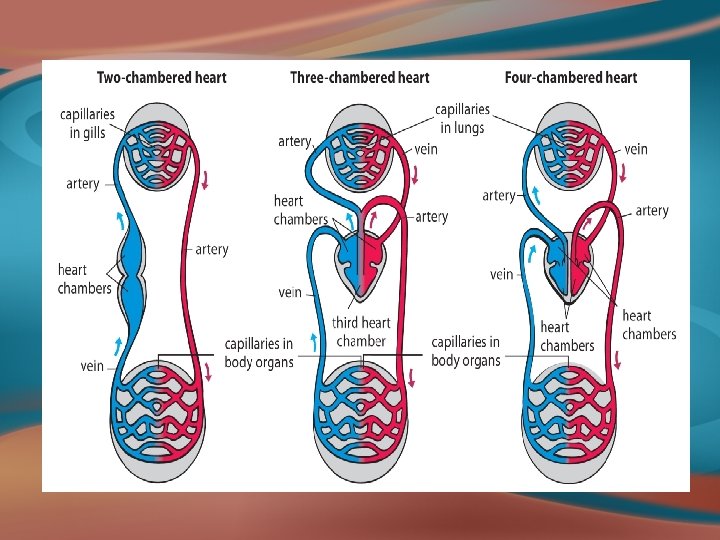
Circulatory System • Vertebrate hearts contain chambers • Blood is pumped in one direction only – Arteries – Veins
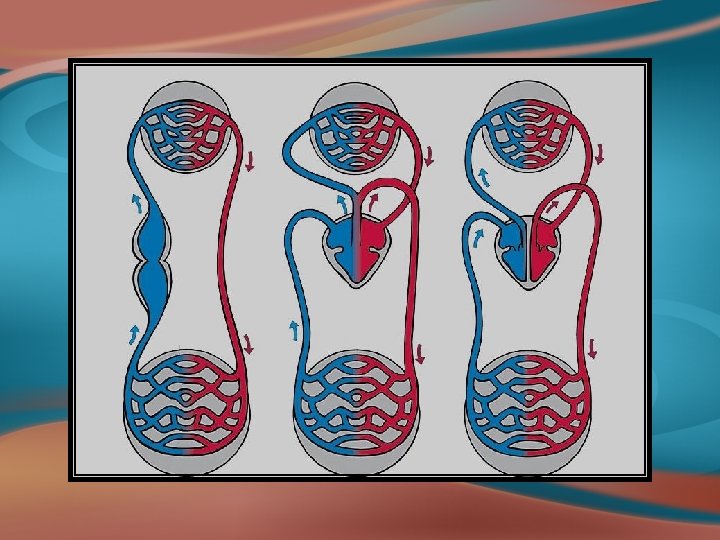
Circulatory System • Fish have twochambered hearts • Most reptiles and adult amphibians have three -chambered hearts
Circulatory System • Birds and mammals have four-chambered hearts – Two chambers pump oxygenated blood – Two chambers pump deoxygenated blood
Evidence of Design • Irreducible complexity – Heart – Gills (or lungs) for gas exchange – Blood – Muscles, nerves, and hormones
Evidence of Design • Irreducible complexity – Blood vessels – Respiratory system – How could the cells survive before everything else developed?
Respiratory System • Supplies body with oxygen • Carries away carbon dioxide waste • Gills are used by vertebrates living in water – Some invertebrates, too
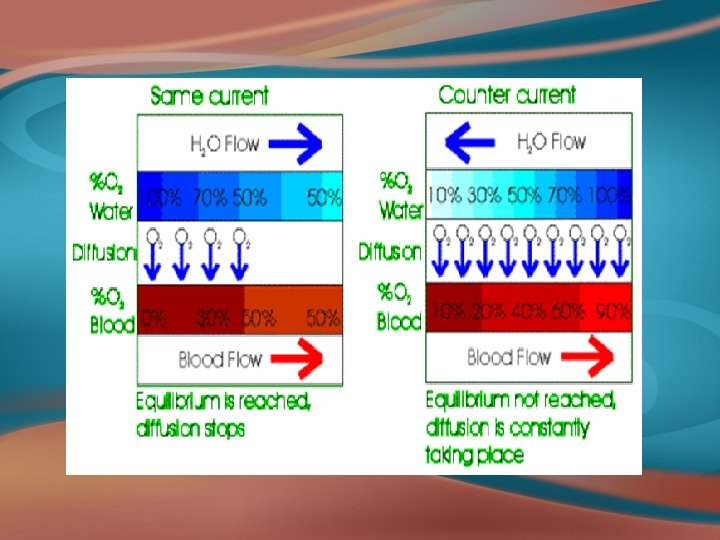
Respiratory System • Gills – Capillaries – Exchange of carbon dioxide in blood for oxygen in water – Deoxygenated blood becomes oxygenated blood

Counter current flow
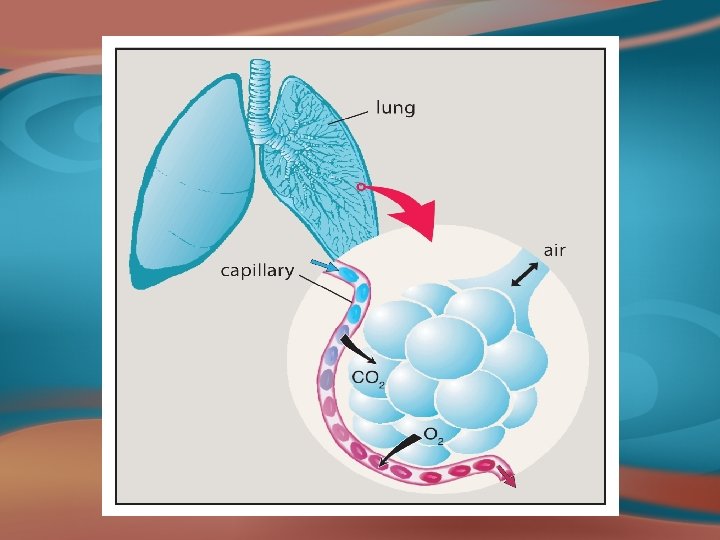
Respiratory System • Lungs – Air chambers – Capillaries – Deoxygenated blood becomes oxygenated blood – Breathing – Diaphragm
Nervous System • Central nervous system (CNS) – Brain – Spinal cord
Nervous System • Peripheral nervous system (PNS) – Nerves • Cranial nerves • Spinal nerves – Sensory receptors – Sensory organs
Nervous System • PNS receives stimuli • PNS carries impulses from CNS to various muscles and organs • Reactions are controlled in the CNS
Digestive System • Mouth – Some mechanical and chemical digestion in certain animals • Esophagus • Stomach – Some chemical digestion, but mostly mechanical digestion
Digestive System • Small intestine – Digestive enzymes for chemical digestion – Site of diffusion for digested nutrients – Helped by accessory organs
Digestive System (Accessory Organs) • Liver – Bile – Gallbladder • Pancreas
Digestive System • Large intestine – Water absorption • Anus
Digestive System • Groups based on the food they eat: – Herbivores – Carnivores – Omnivores
Excretory System • Kidneys • Ureter • Urinary bladder
The Cold-Blooded Vertebrates Chapter 13 C Fish

Fish • Ectothermic • Live in water
Fish Anatomy • Propulsion – Swim bladder • Closed circulatory system – Two-chambered heart – Blood vessels
Fish Anatomy • Scales • Lateral line • Most fish reproduce by spawning – A few give birth to live fish
Fish Groups • Jawless fish – No jaws, scales, or paired fins – Lampreys and hagfish
Fish Groups • Cartilaginous fish – Endoskeleton is made of cartilage – Have jaws, scales, and paired fins – Sharks, skates, rays
Fish Groups • Bony fish – Largest group – Endoskeleton is made of bone – Have jaws and paired fins
The Cold-Blooded Vertebrates Chapter 13 D Amphibians
Amphibians Ectothermic vertebrates that usually live in water when young but can live on land when adults
Development • Amphibians are the only vertebrates that undergo metamorphosis • Young have gills; adults have lungs
Development • Two-chambered heart to three-chambered heart • Growth of limbs
Amphibian Groups • Those with tails in adulthood • Those without tails in adulthood
Tailless Amphibians • Frogs and toads • Resorb tails during metamorphosis • Hibernation • Estivation
Tailless Amphibians • Salamanders – Many found in Appalachian region of southeastern US – Usually small
The Cold-Blooded Vertebrates Chapter 13 E Reptiles
Reptiles • Breathe air with lungs • Do not experience metamorphosis • Dry, scaly skin • Three-chambered heart • Most lay eggs
Reptile Groups • • Snakes and lizards Alligators and crocodiles Turtles Tuataras
Snakes and Lizards • Molting • Snakes do not hear or see well • Snakes are carnivores • Snakes can swallow prey
Snakes and Lizards • Snakes can be found in almost any environment • Lizards are usually found in warm/hot, dry places
Crocodiles and Alligators • Usually in tropical or subtropical climates • Usually found in fresh water • Only two species in the United States
Turtles • • Sea turtles Tortoises Terrapins Two hard, bony shells
- Slides: 47