
The Cold War Arms Race In 1964 China


- Slides: 29
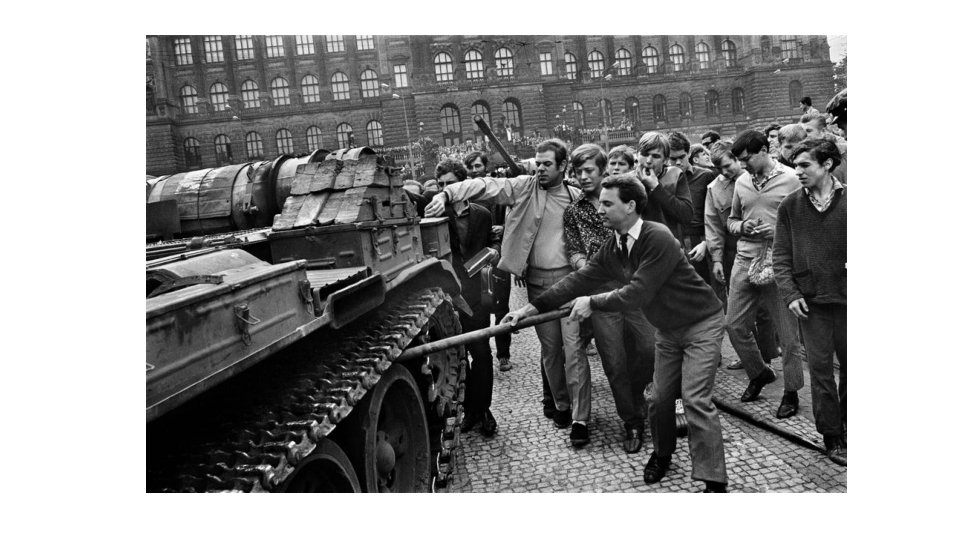
The Cold War Arms Race • In 1964, China tested its first nuclear weapon, prompting worldwide fears of further escalation in the growing Cold War arms race. • Throughout the 1960 s, the United States and the Soviet Union built up their nuclear arsenals while engaging in a series of negotiations over the future of their stockpiles. The two countries agreed to reduce production of weapons-grade uranium in 1964 and ban nuclear weapons in space in 1966. • On July 1, 1968, the U. S. , Britain, and the Soviet Union signed a Nuclear Nonproliferation Treaty (NPT), stating that signatories who possessed nukes would not help other acquire them and signatories without them would not seek to acquire them. Over 100 countries signed the treaty. China, Israel, India, Pakistan, and South Africa rejected the treaty. • In August 1968, the Soviet Union invaded Czechoslovakia after that country’s leader Alexander Dubcek embarked upon a program of political reform against the wishes of Moscow. This temporarily stalled further non-proliferation efforts between the two superpowers.
Détente • During the 1970 s, the U. S. and the Soviet Union agreed to recognize each other’s interests through a policy called “détente. ” The policy, which means “relaxation” in French, emerged during U. S. President Richard Nixon and Soviet Premier Leonid Brezhnev’s terms. • The U. S. , reeling from its costly intervention in Vietnam, sought to limit its worldwide military adventures and achieve something of a coexistence with the Soviets. The Soviets, in turn, viewed the policy as recognition by the U. S. that the Soviet Union had a legitimate interest in maintaining friendly regimes in its immediate neighborhood. • The U. S. assumed also that the Soviets would refrain from getting involved in Third World conflicts, despite no such admission from the Russians. • The first of two Strategic Arms Limitation Agreements (SALT I) was signed in 1972. SALT I set limits on offensive missiles for both countries, and restricted the development of submarines capable of launching missiles.
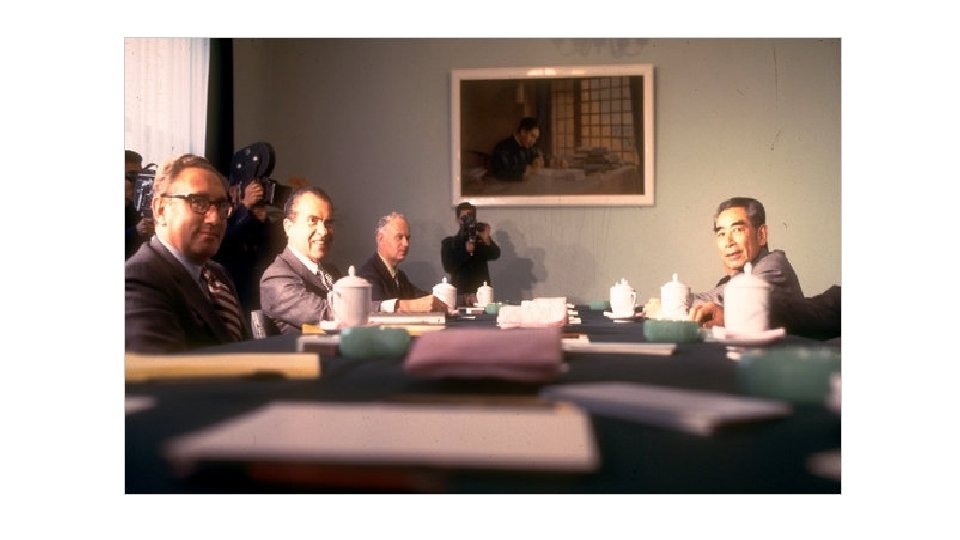
Nixon Goes to China • In 1971, Nixon sent his National Security Adviser Henry Kissinger to China to begin the process of normalization relations with the hardline communist regime. • Nixon and Kissinger saw normalization with China as an opportunity to further divide the Chinese and Soviets as their relationship deteriorated. Normalization also provided a route for the U. S. to negotiate a way out of the Vietnam debacle. • Nixon went to China himself in 1972 and met with Mao Zedong.
The End of Détente • Though the easing of tensions between the two superpowers was a reality during the first half of the 1970 s, the Soviets became increasingly worried that their position was weakening as the U. S. engaged with China and gave covert assistance to anti-communist regimes and movements in countries such as Chile and Angola. • SALT II, initiated during Jimmy Carter’s presidency, failed to achieve further arms limitations. • The Soviet invasion of Afghanistan in 1979 marked an official end to détente and the beginning of a new period of tension between the Americans and Russians.
Able Archer 83 • In November 1983, NATO conducted its annual Able Archer military exercises, this time simulating a potential nuclear confrontation. Believing that a nuclear attack was actually imminent, the Soviets put their nuclear-capable aircraft on standby. After the Cuban Missile Crisis, this was the closest the two superpowers came to a nuclear confrontation. • American President Ronald Reagan was alarmed by this event and concluded that the Soviets were as afraid of the U. S. as the Americans were of them. He concluded that in order for the world to be truly peaceful, nuclear weapons should be abolished and the Cold War should come to an end.
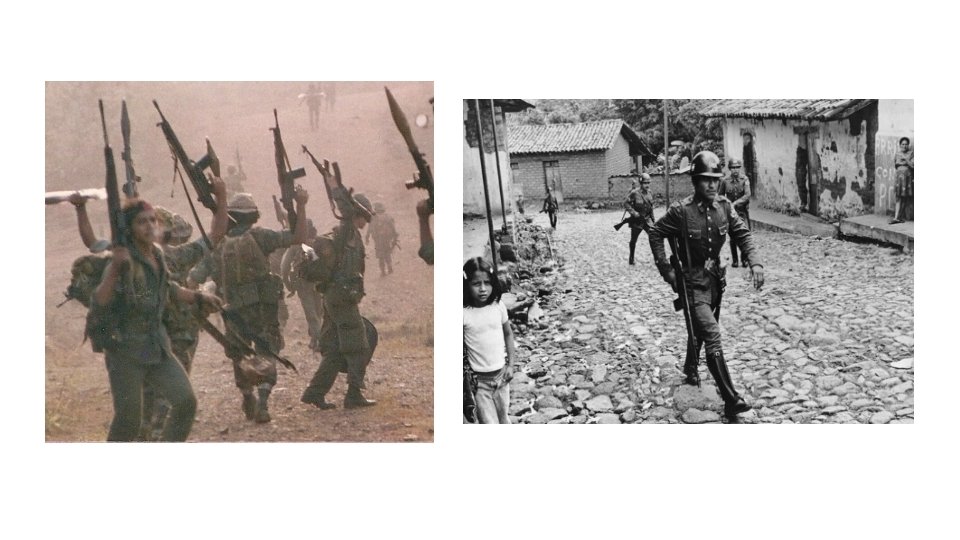
Wars in Central America • Worried that communists were gaining ground in America’s backyard, the Reagan administration armed anti-communist guerrillas (contras) in Nicaragua to combat the Cuban-supported leftist Sandinista government which had taken power there in 1979. • The administration also aided the governments of Guatemala and El Salvador in their fight against leftist guerrillas. • The wars in Central America in 1980 s cost thousands of lives, many of them civilians. They were, however, the last major military confrontations of the Cold War.
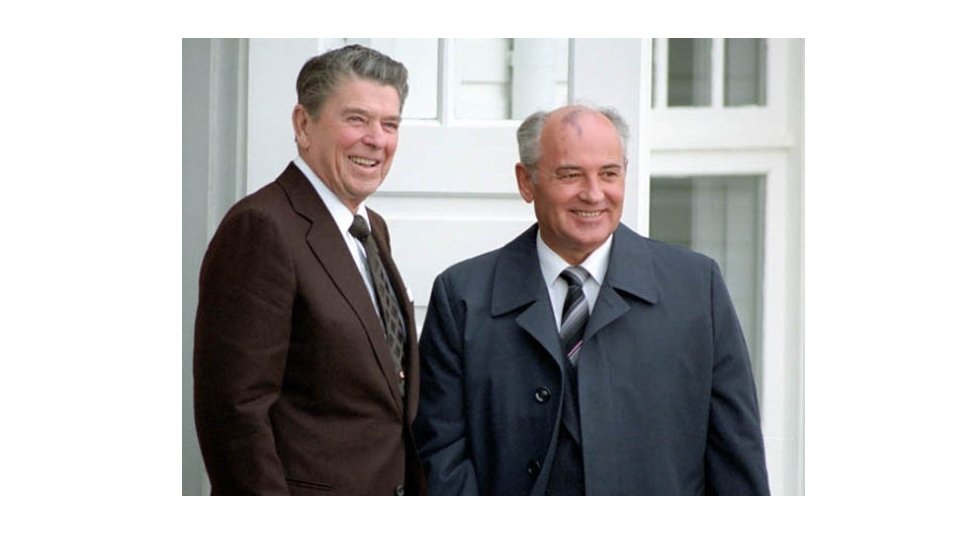
Mikhail Gorbachev • In 1985, a new Soviet premier assumed power. Mikhail Gorbachev, who came of age during the period after Stalin’s brutal rule, was not a hardliner and understood that in order for the USSR to survive, Soviet leadership must institute real reforms. • Life in the Soviet Union had worsened significantly in the late 1970 s and early 1980 s. By the mid-1980 s, political instability and the war in Afghanistan had severely weakened the Russian economy. A nuclear meltdown at Chernobyl in 1986 further exacerbated fears of a crumbling infrastructure. • These realities prompted Gorbachev to pursue policies known as “glasnost” and “perestroika, ” which can be roughly translated to “political reform” and “openness. ” These policies set the Soviet Union on a path towards gradual democratization. • Reagan pursued a relationship with Gorbachev, and by the late-1980 s they had became close.
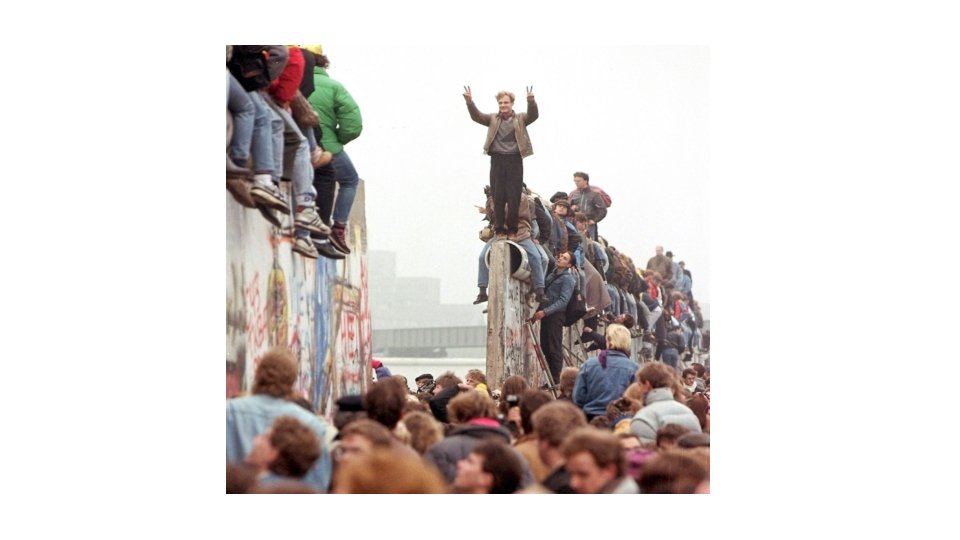
The Revolutions of 1989 and the Fall of the Berlin Wall • Reagan and Gorbachev met several times throughout the 1980 s. An important meeting in Reykjavik, Iceland in 1986 resulted in further elimination of intermediate range ballistic missiles. • Reagan also introduced a concept called the Strategic Defense Initiative (SDI), derided as “Star Wars, ” to Gorbachev. This plan, which never came to fruition, included space-based nuclear weapons interceptors. • By the late-1980 s, Gorbachev’s reforms and Reagan’s encouragement of these reforms inspired pro-democracy demonstrations throughout the Iron Curtain. A movement in Poland called “Solidarity” was particularly influential. Most of these demonstrations were not met with violence. Romania was the primary exception, as over 1, 000 protesters were murdered there (Romanian president Nicolae Ceausescu was overthrown and executed in December). In November 1989, the Berlin Wall came down. • Reagan, in his decision to push for reforms in the Soviet Union and the Iron Curtain, rejected the idea that the U. S. should continue to “coexist” with the Soviets. Gorbachev, in his efforts to promote real reform in the Soviet Union, inspired pro-democracy movements throughout Eastern Europe. The relationship between the two leaders helped bring about the end of the Cold War.
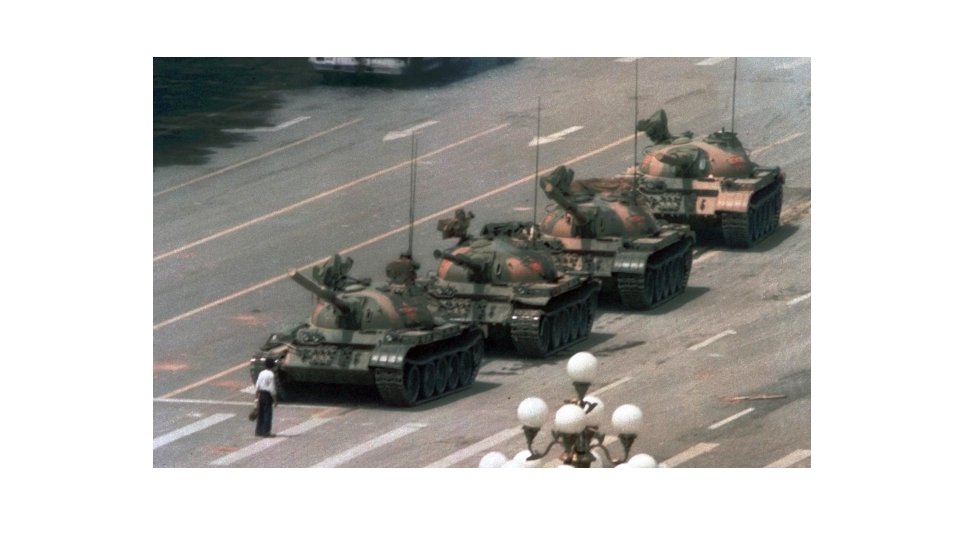
The Tiananmen Square Protests • After Mao’s death in 1975, reformer Deng Xiaoping assumed power in China and sought to curtail some of the communist government’s excesses. • A student-led pro-democracy movement in Beijing organized demonstrations at Tiananmen Square in 1989 to coincide with the protests in Eastern Europe. • In contrast with the revolutions in Poland, Hungary, Czechoslovakia, and elsewhere in Europe, the demonstrations in China were met with brutal force. Over a thousand protesters were murdered by the Chinese military.
The Collapse of the Soviet Union • As communist governments in Eastern Europe fell, the Soviet republics themselves began to declare independence from Moscow. This resulted in the creation of multiple independent nations in Eastern Europe and Central Asia. • Communist hardliners plotted to oust Gorbachev from power in 1991, but failed when pro-Gorbachev politician Boris Yeltsin declared himself president of the new Russian Republic. The Soviet Union officially ceased to exist in the summer of 1991. • Former KGB operative and current Russian president Vladimir Putin later declared that the fall of the Soviet Union was “the greatest geopolitical catastrophe of the twentieth century. ”
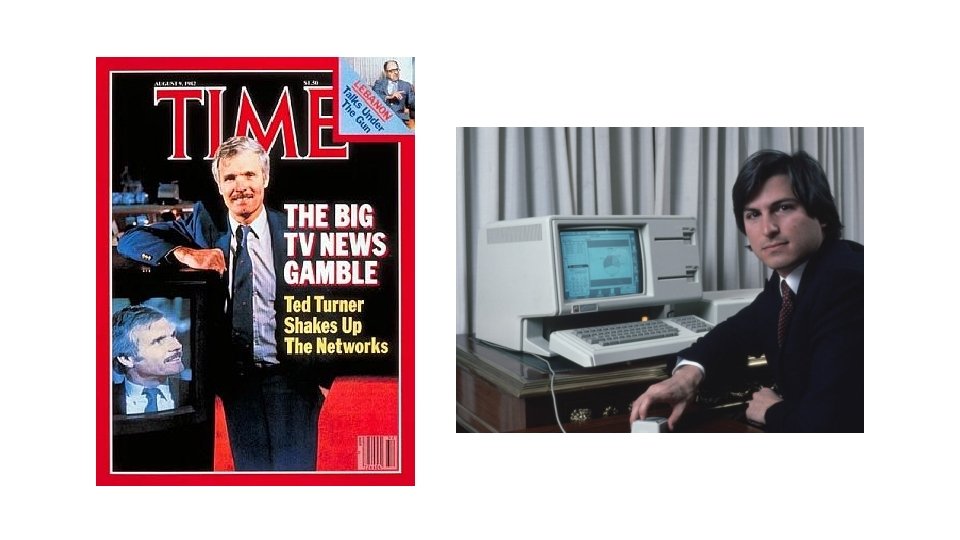
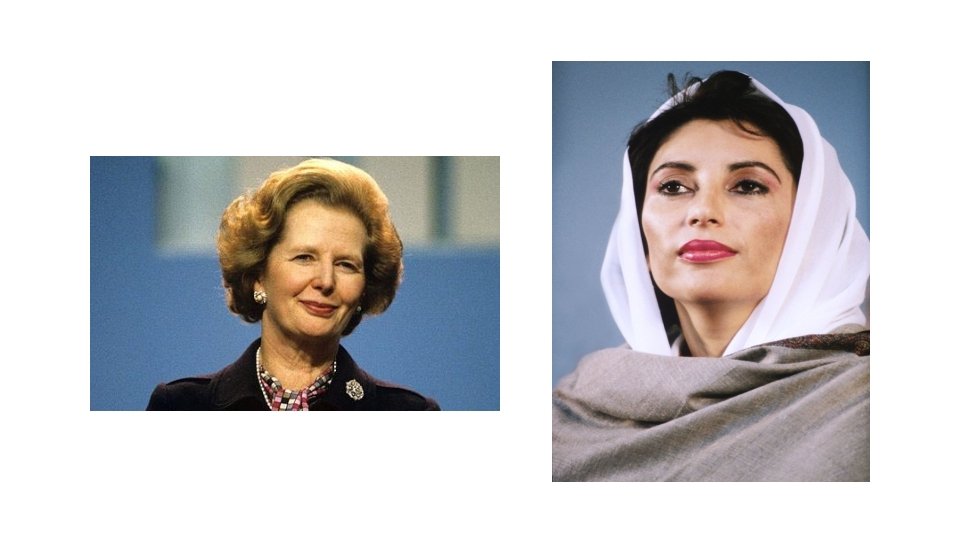
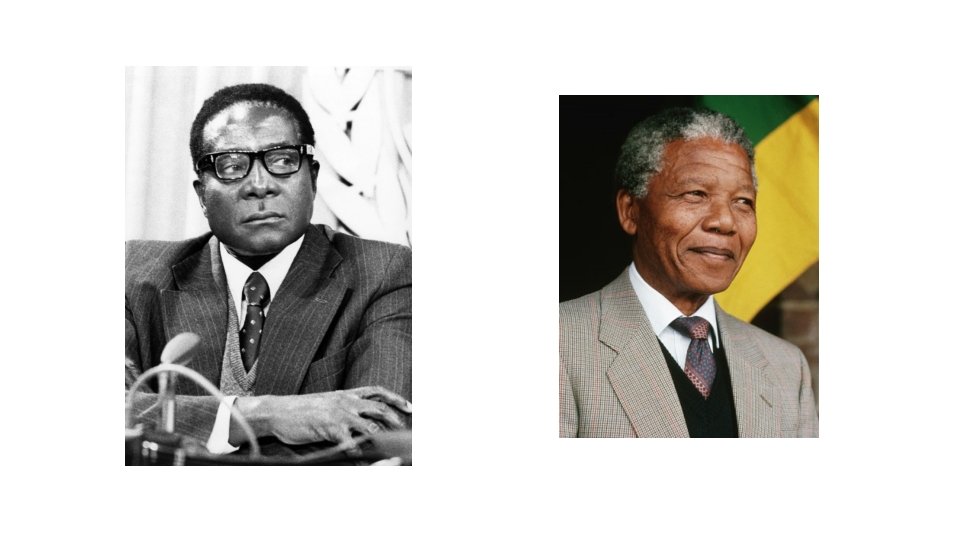
The Nineties and the Post-Cold War World • With the collapse of the Soviet Union in 1991, the United States became the world’s sole superpower. • The world in the early 1990 s looked at once more liberated and more complex. The mass production of personal computers in the 1980 s, the advent of cable news (CNN), and the international mass marketing of American products and entertainment created a world that was more globalized yet more Americanized. • New democracies emerged in Eastern Europe, Latin America, and Asia, leading some observers to conclude that Western-style democratic capitalism was the last remaining acceptable system (see Fukyama’s “The End of History”). • Women enjoyed unprecented freedom and several became influential world leaders in the 1980 s and 1990 s. • The creation of new African states and the advancement of civil rights for African-Americans unified newly liberated people of color throughout the world. Robert Mugabe, a former guerrilla and black liberation hero, assumed the presidency in Zimbabwe in 1987. In 1994, the white supremacist apartheid government in South Africa was defeated and liberation hero Nelson Mandela was elected.
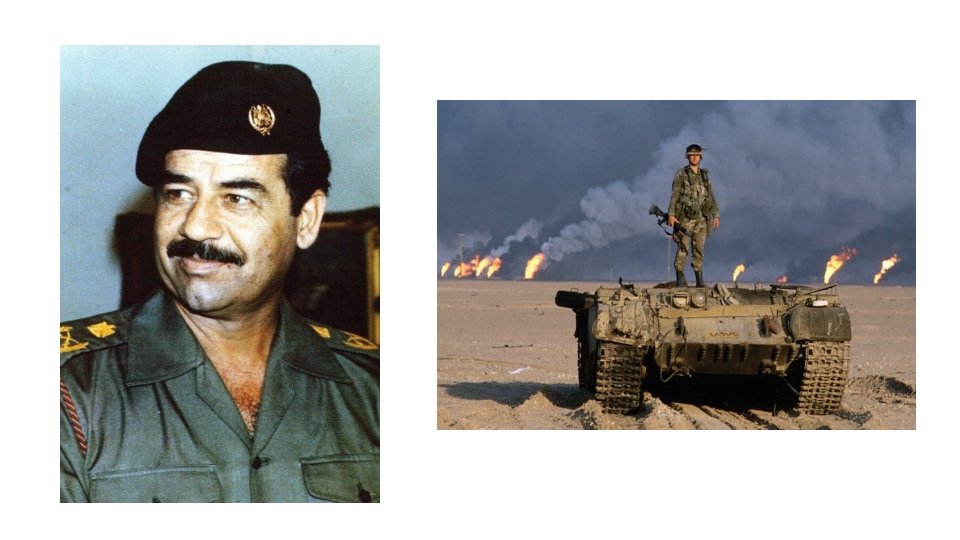
The 1991 Gulf War • New challenges to American influence emerged just as the Cold War was coming to an end. • In the summer of 1990, Iraq’s Saddam Hussein invaded Kuwait, a tiny oil-rich country sandwiched between Iraq and Saudi Arabia. Saddam had just finished fighting a war with neighboring Iran, and his country was short on cash. He accused the Kuwaitis of driving down oil prices through overproduction. Iraq’s invasion of Kuwait caught the world by surprise, particularly since the U. S. and Iraq had cooperated in fighting Iran in the 1980 s. • The U. S. responded to Saddam’s invasion by sending 700, 000 American troops (stationed in Saudi Arabia) to expel the Iraqis from Kuwait. The result was a decisive American victory. President George H. W. Bush declared that the U. S. had “kicked the Vietnam syndrome. ” • The Soviet Union, in the process of disintegrating, did not intervene. The Gulf War was the first major post-Cold War conflict and an encouraging victory for the U. S. , but it drew the world’s sole superpower even further into the politics of the Middle East.
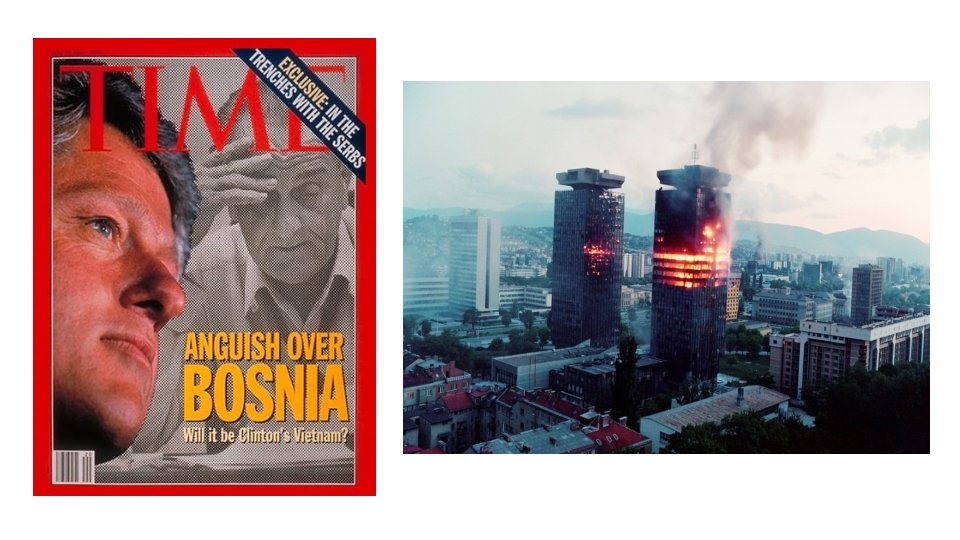
The Disintegration of Yugoslavia • Nationalism continued to be a powerful force, even though communism had ceased to be the global phenomenon it once was. • As the Cold War came to an end in the 1990 s and Soviet republics began to break away from Moscow, independence movements broke out in Yugoslavia as well. • Slovenia and Croatia declared independence in 1991. Yugoslav president and Serbian nationalist Slobodan Milosevic, in an effort to create a “greater Serbia, ” responded by waging war against the breakaway republics. Bosnia and Herzegovina declared independence in 1992, sparking a brutal war that would claim thousands of lives. The Republic of Kosovo declared independence in 1998, prompting Milosevic to continue his war for Serbian expansion. • Sensing a humanitarian catastrophe, American President Bill Clinton organized NATO bombing campaigns to deter Milosevic in 1995 and 1998. The interventions were successful, and Milosevic was later arrested and tried for war crimes. • The breakup of Yugoslavia was the most deadly conflict in Europe since World War 2. It was also an example of what would become known as “balkanization, ” or the process by which a country fractures due to ethnic and religious differences.
Al-Qaeda and the Emergence of Non-State Actors • Throughout the 1990 s, Saudi Islamist militant Osama bin Laden grew increasingly disillusioned with the continued American military presence in his homeland, as well as American support for the corrupt Saudi government and secular dictators in the Middle East. His radical terrorist organization al-Qaeda (founded in 1988) challenged American influence in the Islamic world through violence against government officials and civilians. • Al-Qaeda, which means “the Foundation, ” carried out its first major attack against the U. S. in 1993 when it bombed the World Trade Center in New York City. It also struck American embassies in Kenya and Tanzania in 1998. • Al-Qaeda is a “non-state actor” in that it does not carry out its missions on behalf of any country. Other types of non-state actors include drug traffickers and other criminal organizations.
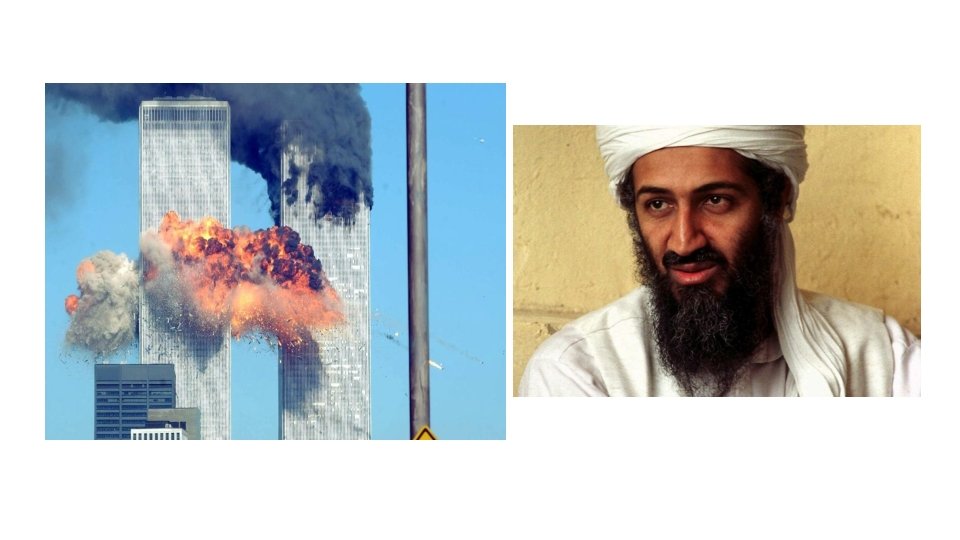
The 9/11 Attacks • On Septemer 11, 2001, al-Qaeda attacked the World Trade Center again, this time bringing down both towers and killing almost 3, 000 Americans. • This shocking act prompted the administration of George W. Bush to declare a “war on terror” targeting not only terrorist organizations worldwide but also any country which harbored these terrorists. • The first American military response was an invasion of Afghanistan in late 2001. Afghanistan had been ruled by a radical Islamist regime called the Taliban since the mid-1990 s. Al-Qaeda found shelter in Afghanistan’s mountains during the Taliban’s rule, and the U. S. responded by ousting the Taliban and driving bin Laden into neighboring Pakistan. • The second military phase of the “war on terror” was the U. S. invasion of Iraq in March 2003. Believing (based on murky intelligence) that Saddam Hussein was developing weapons of mass destruction which could potentially be sold to terrorists, the Bush administration invaded the country and ousted his government. • The American involvement in Iraq and Afghanistan were lengthy affairs, and both conflicts continue to this day in different phases.
Sources • Carter and Warren, Forging the Modern World • George Herring, From Colony to Superpower: US Foreign Relations since 1776