
The Climax of the Cold War Soviet split
- Slides: 14
The Climax of the Cold War
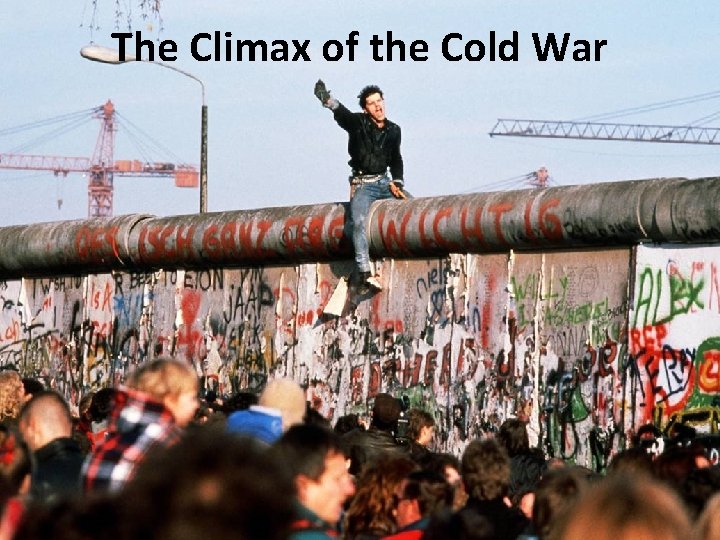
• Soviet split with China in 1960 became a complete break, occasional fighting. • In the Cuban Missile Crisis, Khrushchev was forced to back down to Kennedy. – Kennedy won the propaganda war over the Berlin Wall. – Khrushchev replaced by Leonid Brezhnev – Brezhnev years were a period of détente between the USSR and the United States.
• Both the US and the USSR continued to develop nuclear weapons – … but signed nonproliferation agreements to limit number of nations with nuclear weapons. • Early 1970 s superpowers held Strategic Arms Limitation Treaty talks. • Nixon sought Soviet help in negotiating a “peace with honor” in Vietnam.
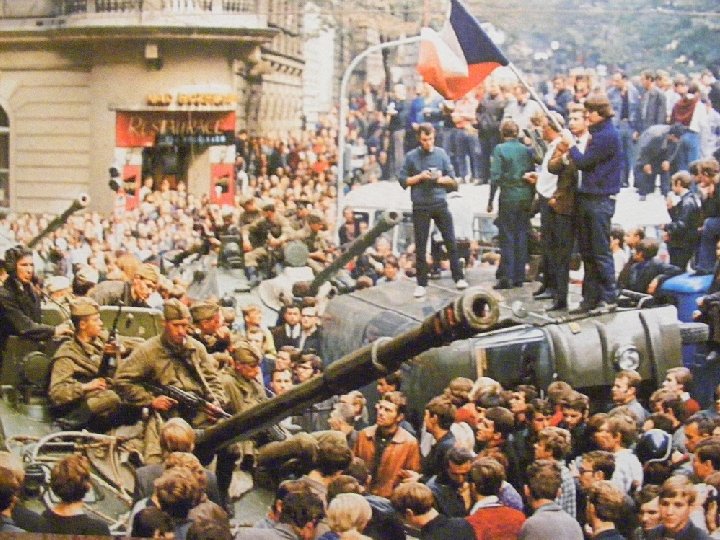
• Dubcek, leader of Czechoslovakia in 1968, instituted reforms called “Prague Spring. ” – Decentralized government, more free speech, and talk of an opposition party. • Brezhnev Doctrine allowed use of force to keep Warsaw Pact together. – Brezhnev sends troops to Prague, ousts Dubcek and rescinds reforms.
1968 • January – March, North Vietnamese “Tet Offensive” • January – August, “Prague Spring” • 4 April Assassination of Martin Luther King • May Sorbonne riots • 6 June Assassination of Robert Kennedy • 20– 21 August Warsaw Pact forces invade Czechoslovakia • Wide-spread strikes and civil unrest in France
1969 • 20 January Richard Nixon becomes President • Begins negotiations with North Vietnam in summer • Begins “Vietnamization” • 8 August Tate-Labianca Murders • 15 – 18 August Woodstock • 6 December Altamont
• 1972 - US combat troops out of South Vietnam – “Easter Invasion” repelled by South Vietnam with US help. – November - Nixon reelected with 60. 67% of vote (Third highest in US history) – 17 June: Watergate break-in – 19 June: Connection made to the White House • 8 August 1974: Nixon resigns
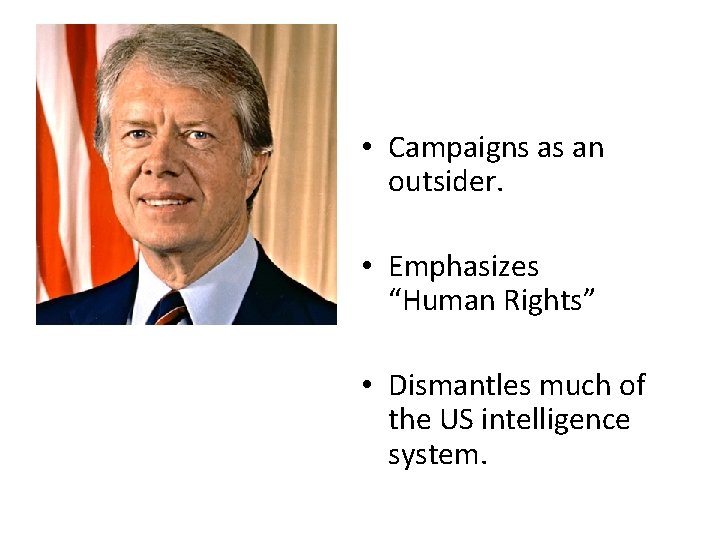
• Campaigns as an outsider. • Emphasizes “Human Rights” • Dismantles much of the US intelligence system.
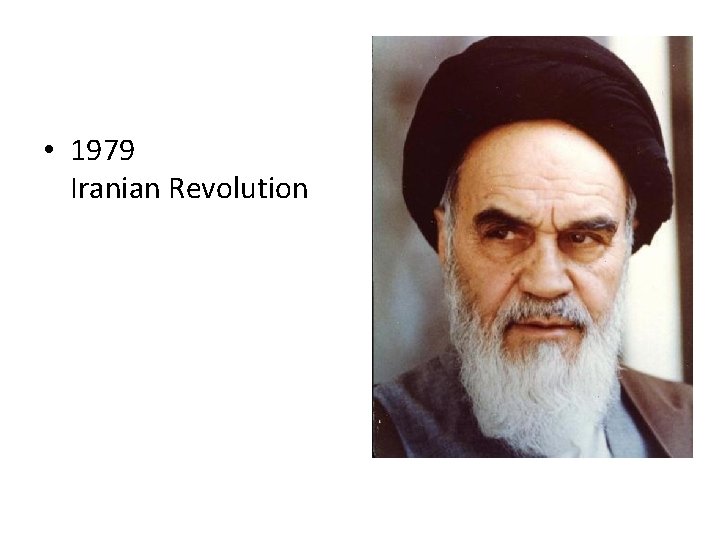
• 1979 Iranian Revolution
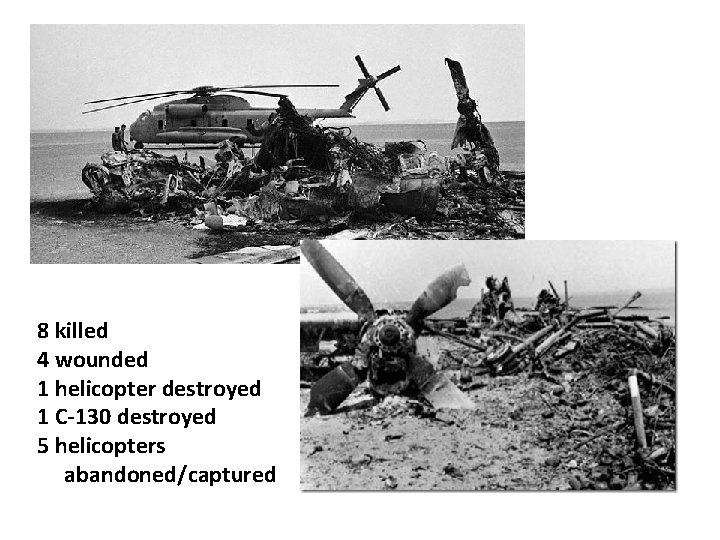
Iranian Hostage Crisis • 52 American diplomats held 444 days: November 4, 1979 - January 20, 1981 • 24 April 1980: Failed rescue attempt • (24 December 1979 Soviets invade Afghanistan)
8 killed 4 wounded 1 helicopter destroyed 1 C-130 destroyed 5 helicopters abandoned/captured
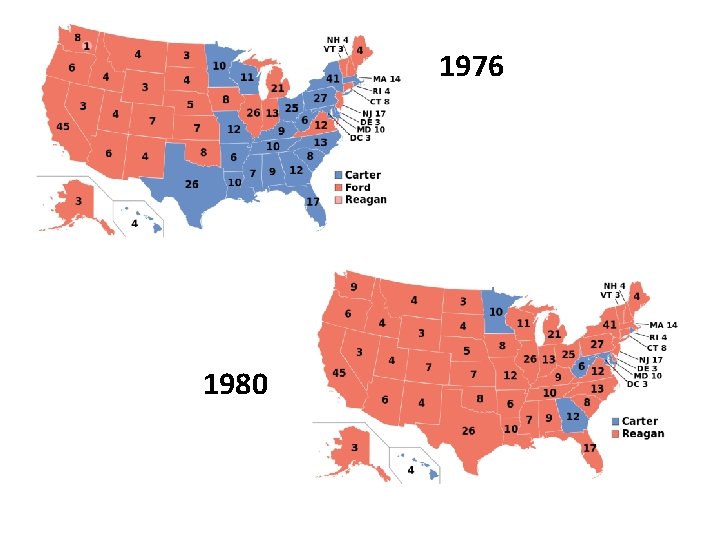
1976 1980
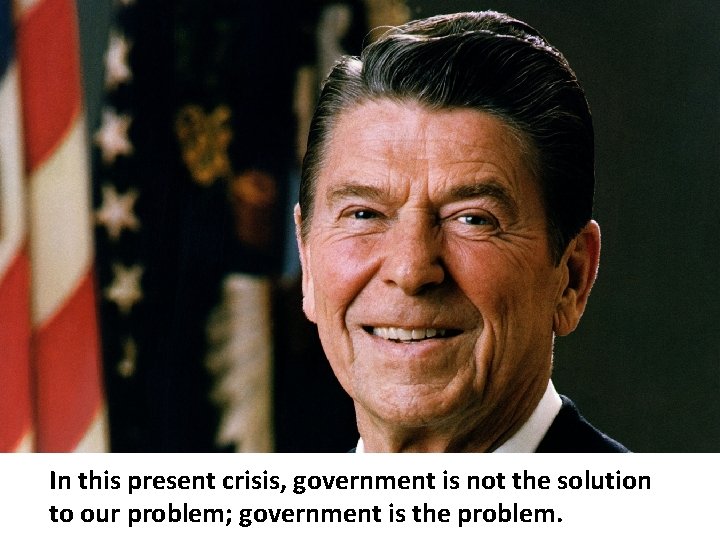
In this present crisis, government is not the solution to our problem; government is the problem.