
The Civil War 1861 1865 North vs South




- Slides: 86
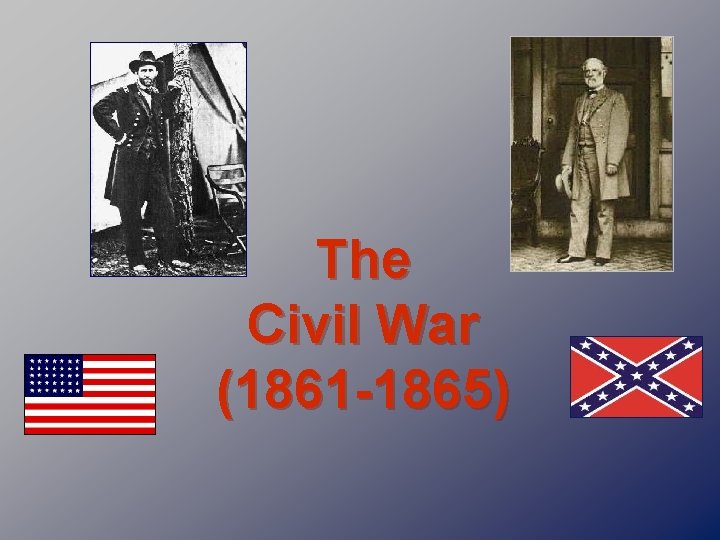
The Civil War (1861 -1865)
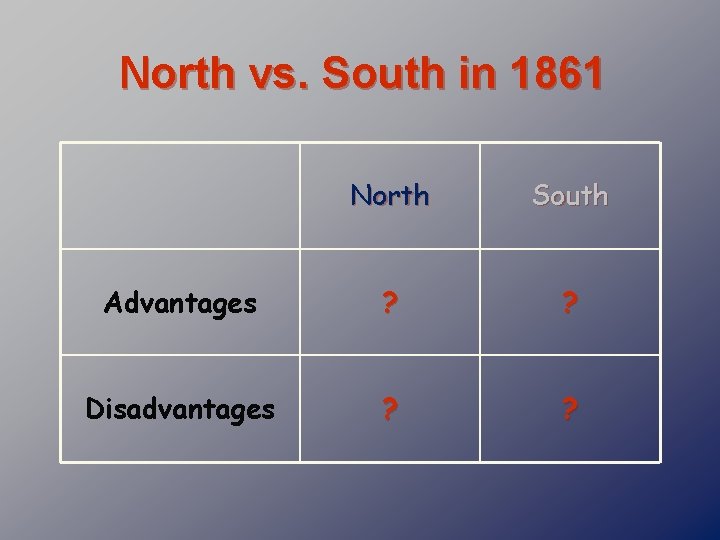
North vs. South in 1861 North South Advantages ? ? Disadvantages ? ?
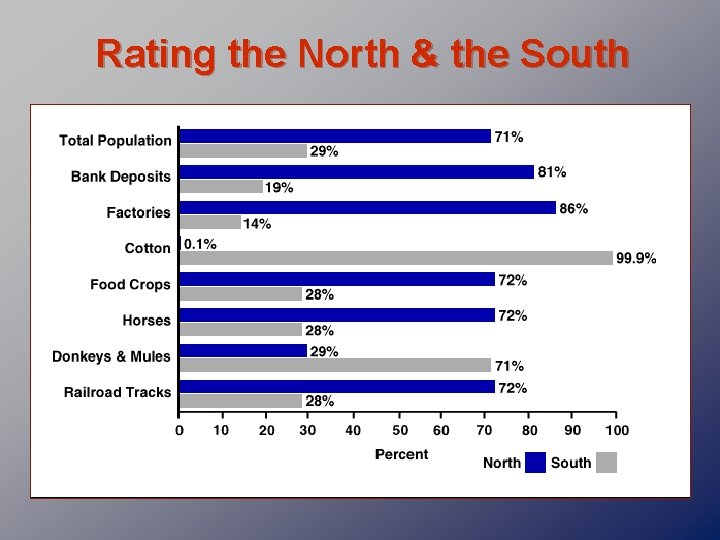
Rating the North & the South
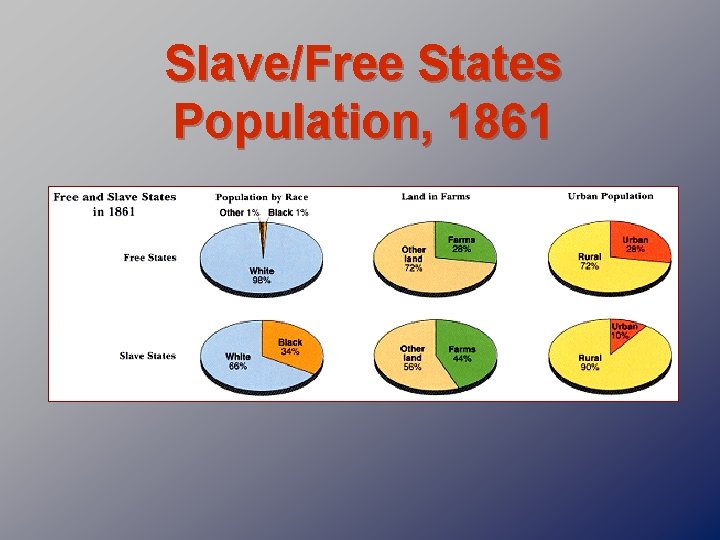
Slave/Free States Population, 1861
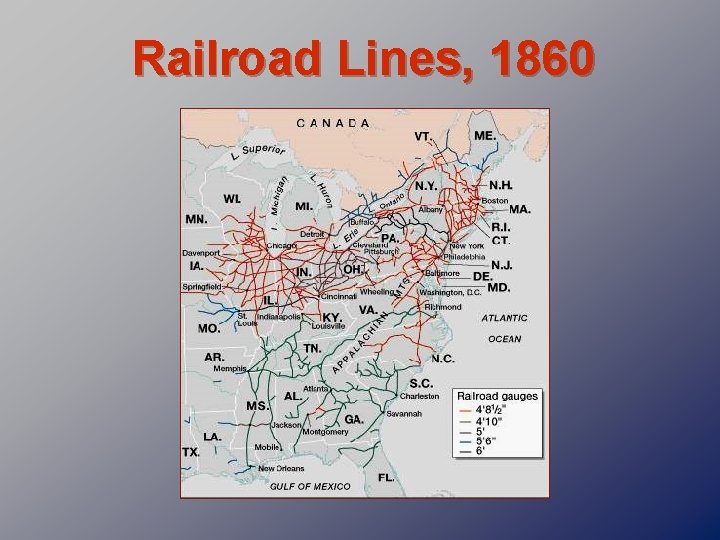
Railroad Lines, 1860
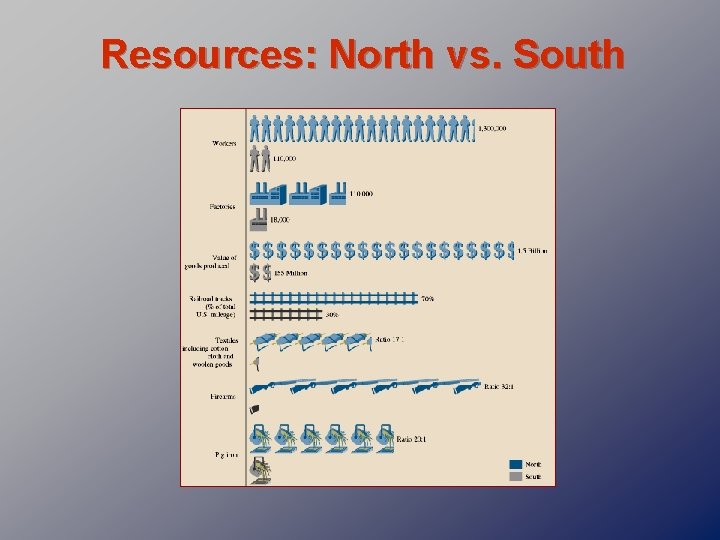
Resources: North vs. South
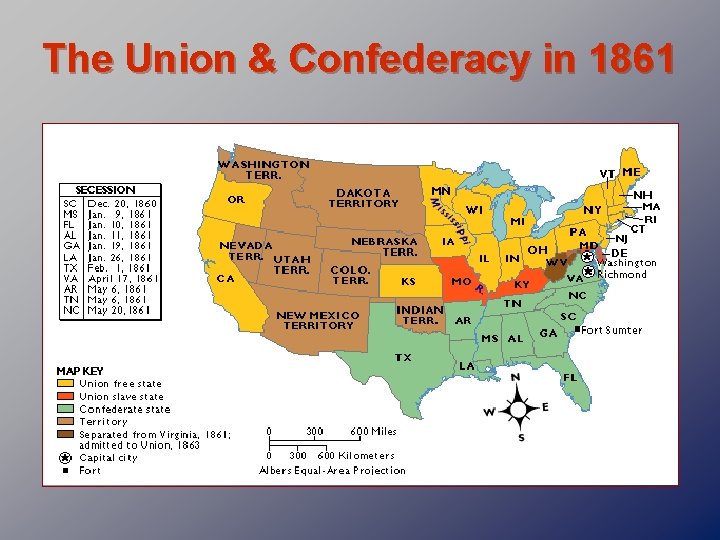
The Union & Confederacy in 1861
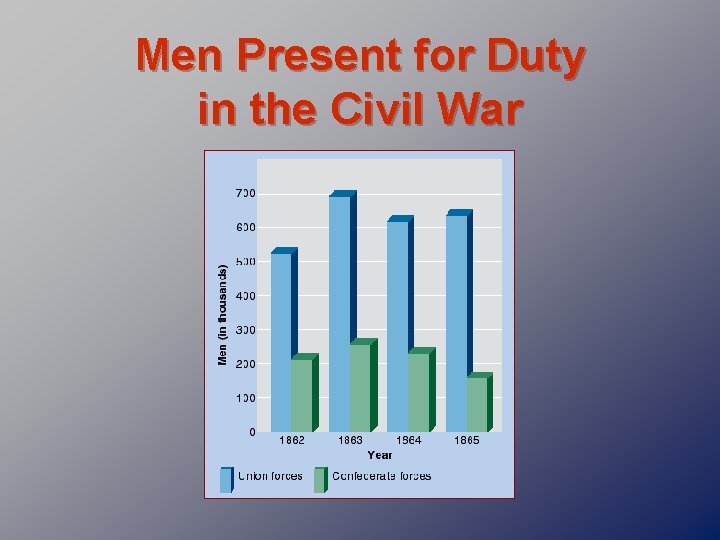
Men Present for Duty in the Civil War
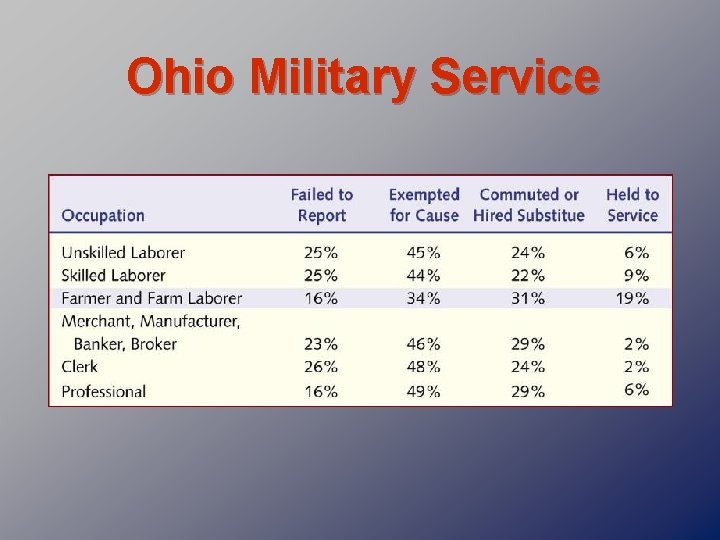
Ohio Military Service
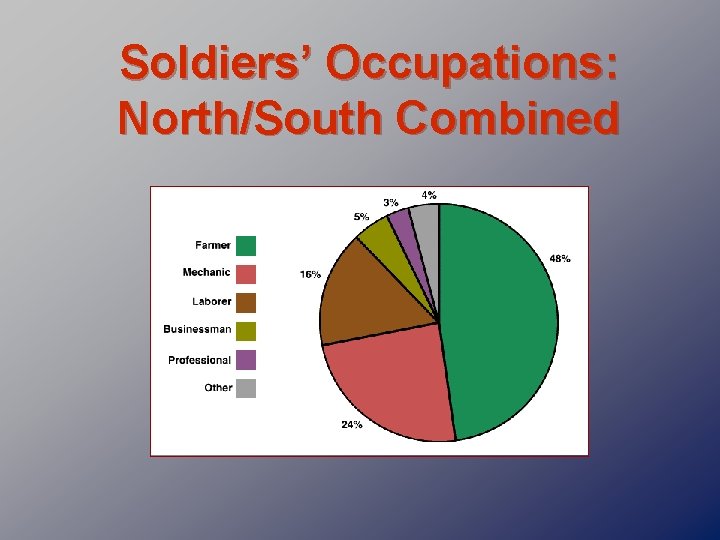
Soldiers’ Occupations: North/South Combined
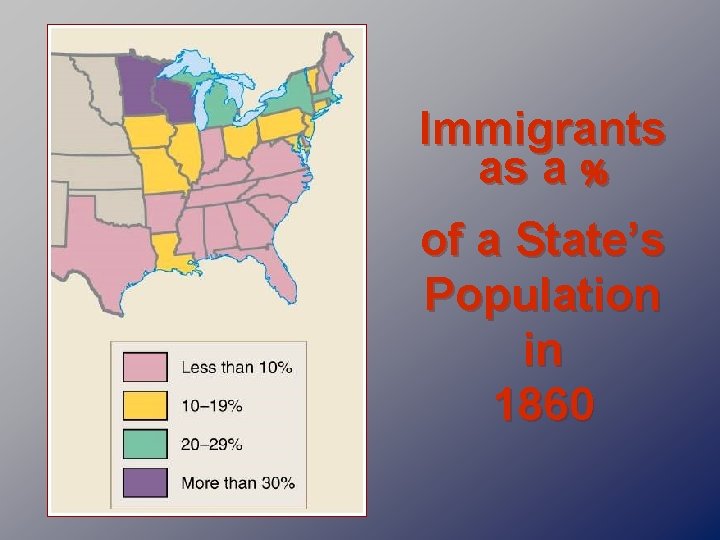
Immigrants as a % of a State’s Population in 1860
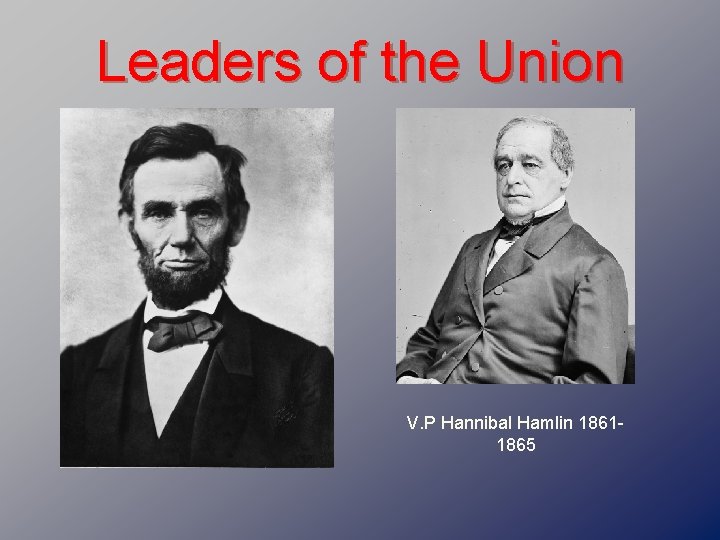
Leaders of the Union V. P Hannibal Hamlin 18611865
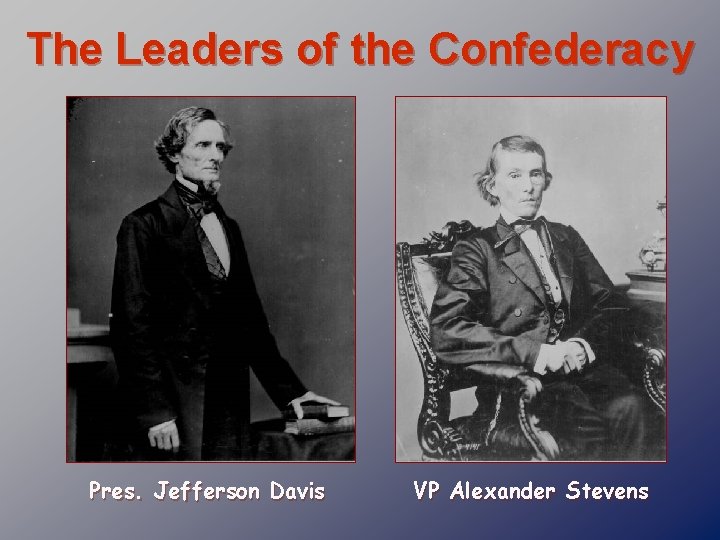
The Leaders of the Confederacy Pres. Jefferson Davis VP Alexander Stevens
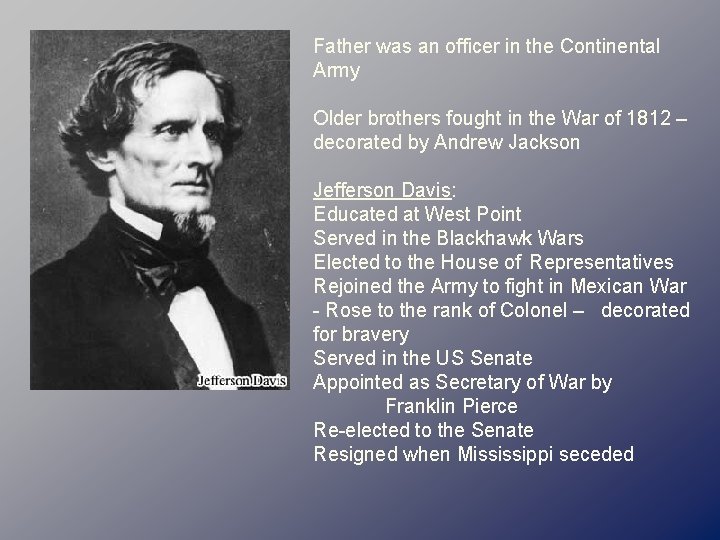
Father was an officer in the Continental Army Older brothers fought in the War of 1812 – decorated by Andrew Jackson Jefferson Davis: Educated at West Point Served in the Blackhawk Wars Elected to the House of Representatives Rejoined the Army to fight in Mexican War - Rose to the rank of Colonel – decorated for bravery Served in the US Senate Appointed as Secretary of War by Franklin Pierce Re-elected to the Senate Resigned when Mississippi seceded
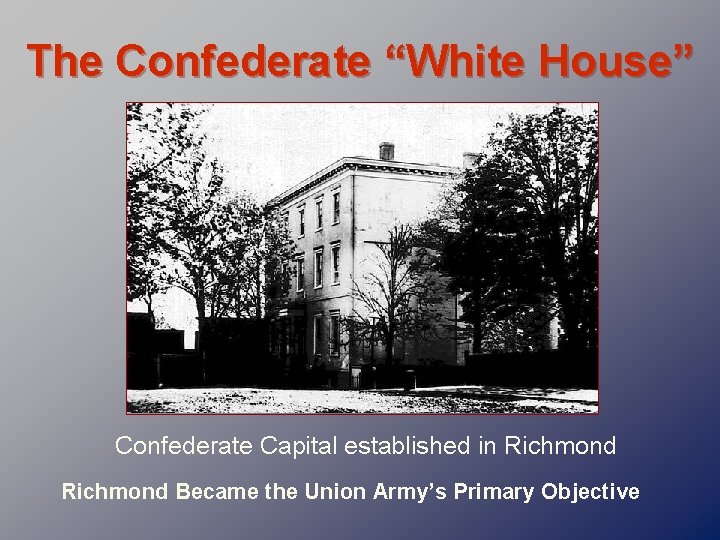
The Confederate “White House” Confederate Capital established in Richmond Became the Union Army’s Primary Objective
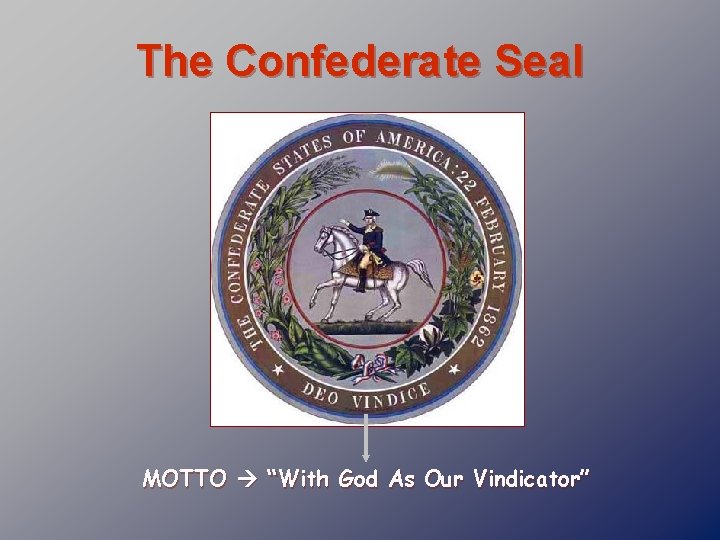
The Confederate Seal MOTTO “With God As Our Vindicator”
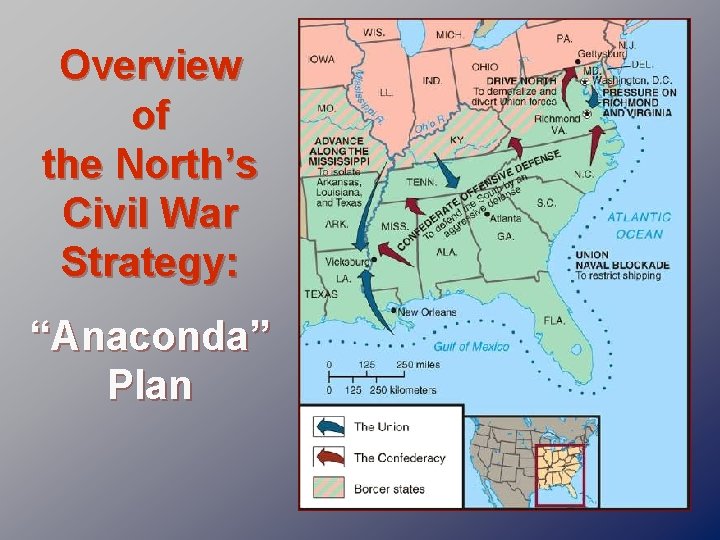
Overview of the North’s Civil War Strategy: “Anaconda” Plan
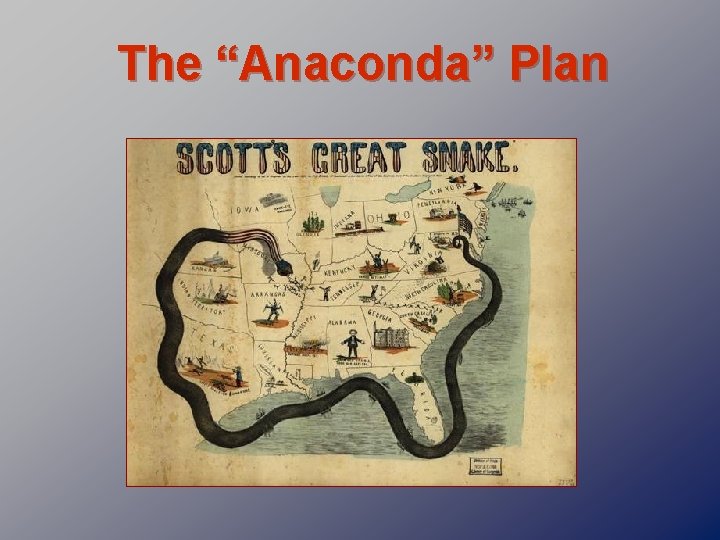
The “Anaconda” Plan
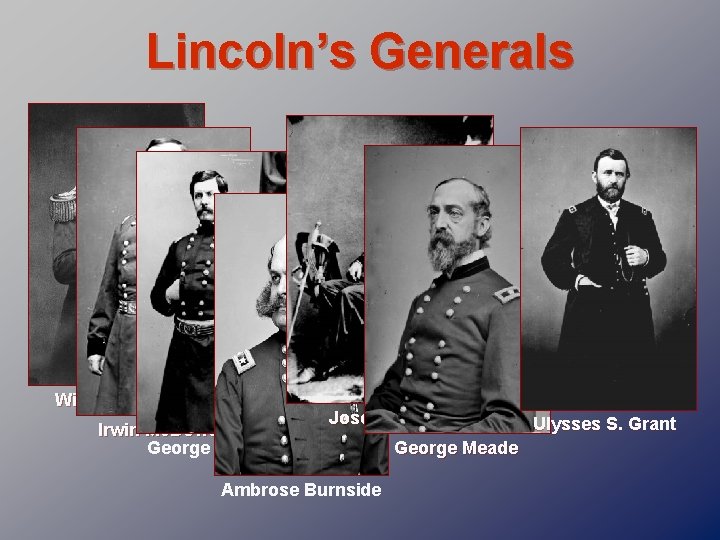
Lincoln’s Generals Winfield Scott Irwin Mc. Dowell George Mc. Clellan Joseph Hooker Ambrose Burnside George Meade Ulysses S. Grant
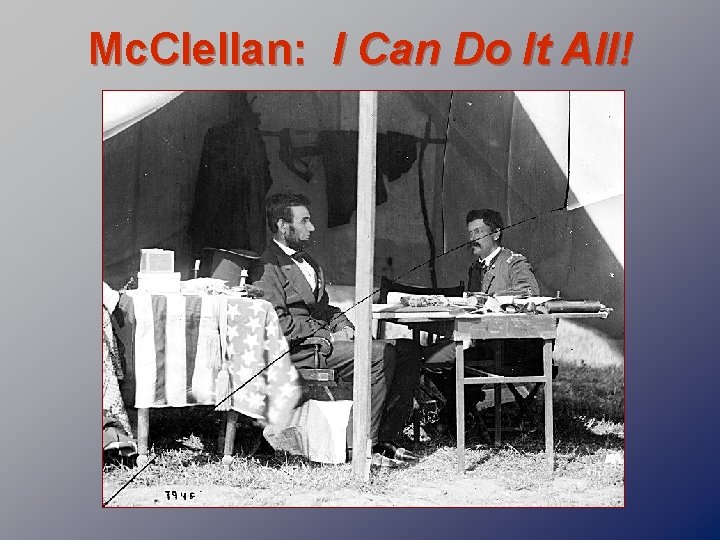
Mc. Clellan: I Can Do It All!
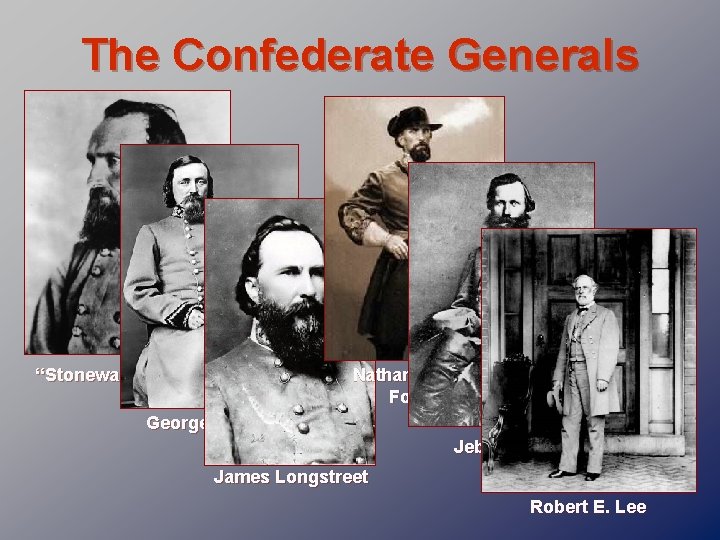
The Confederate Generals “Stonewall” Jackson Nathan Bedford Forrest George Pickett Jeb Stuart James Longstreet Robert E. Lee
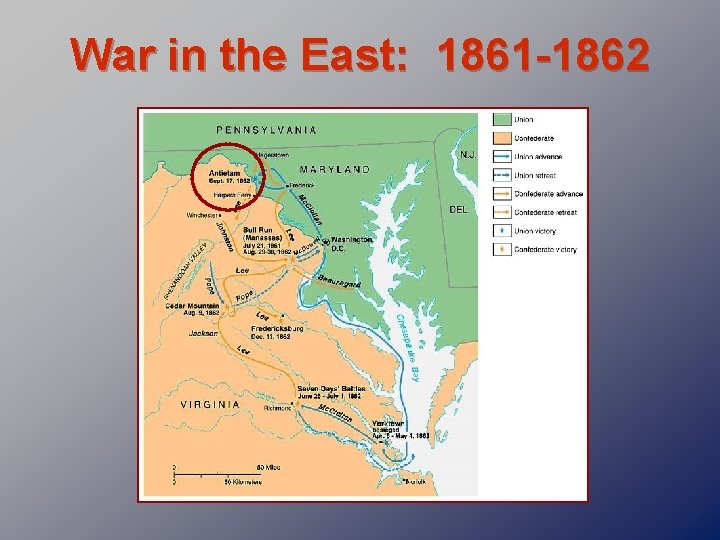
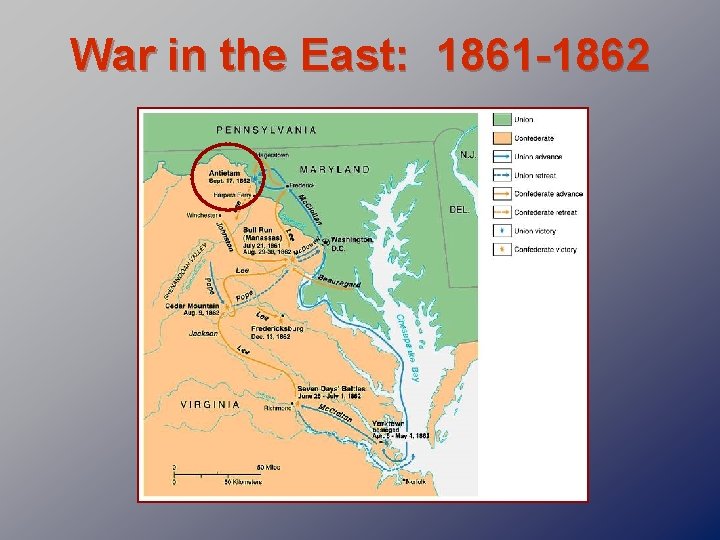
War in the East: 1861 -1862
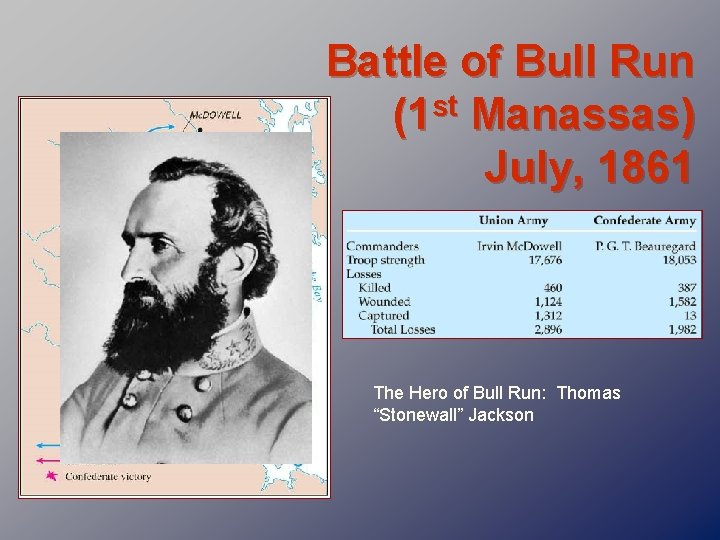
Battle of Bull Run st (1 Manassas) July, 1861 The Hero of Bull Run: Thomas “Stonewall” Jackson
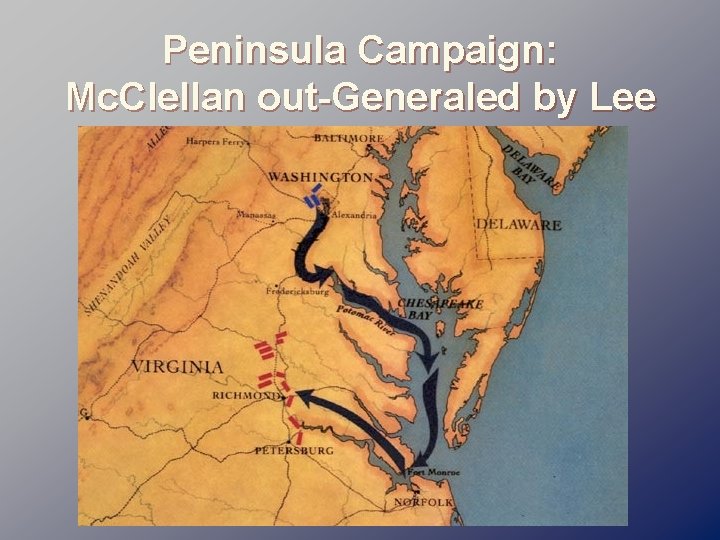
Peninsula Campaign: Mc. Clellan out-Generaled by Lee
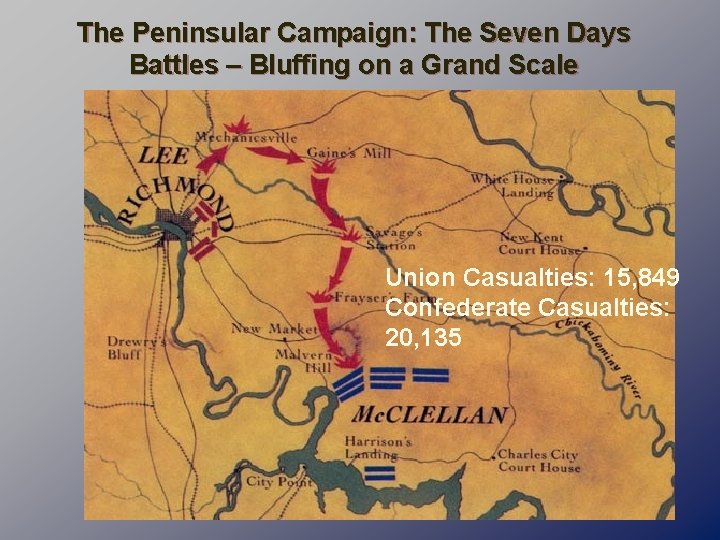
The Peninsular Campaign: The Seven Days Battles – Bluffing on a Grand Scale Union Casualties: 15, 849 Confederate Casualties: 20, 135
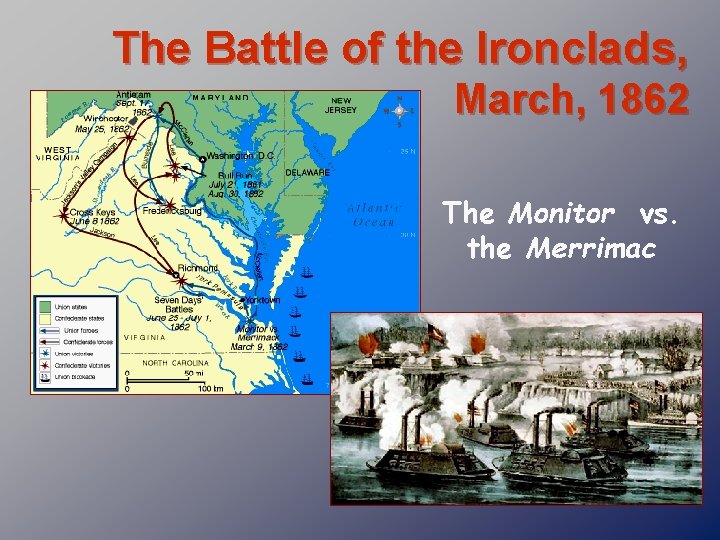
The Battle of the Ironclads, March, 1862 The Monitor vs. the Merrimac
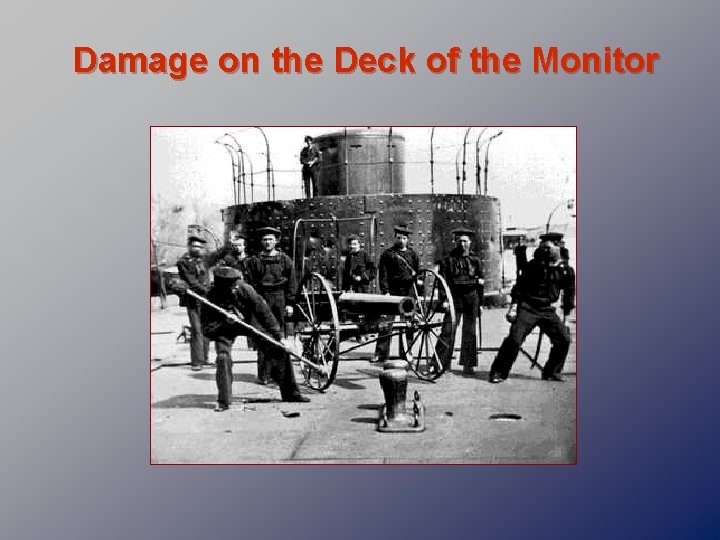
Damage on the Deck of the Monitor
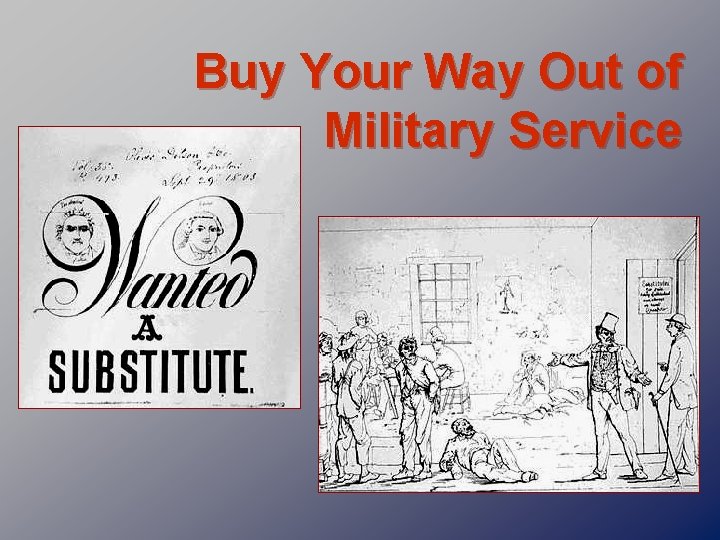
Buy Your Way Out of Military Service
War in the East: 1861 -1862
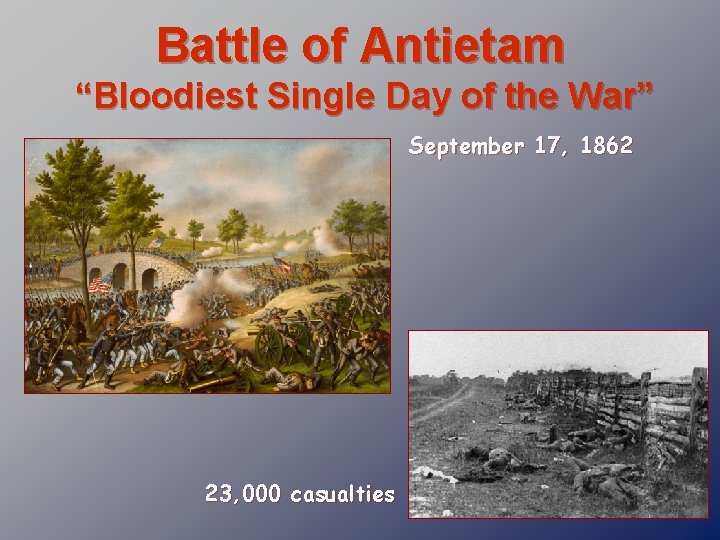
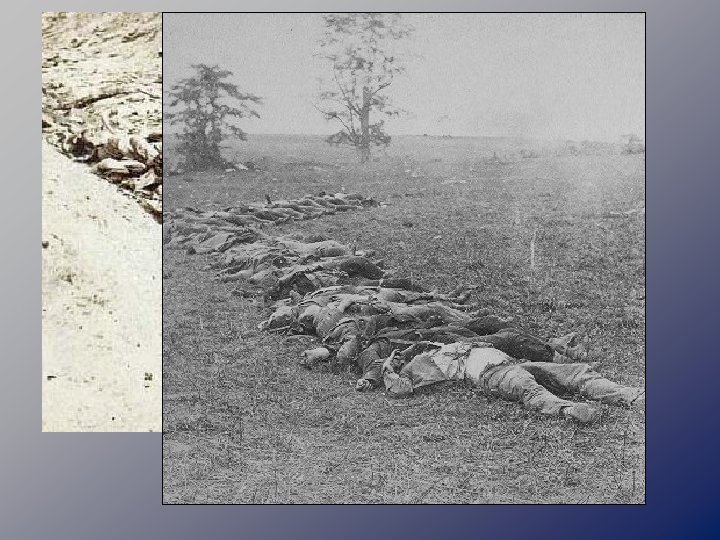
Battle of Antietam “Bloodiest Single Day of the War” September 17, 1862 23, 000 casualties
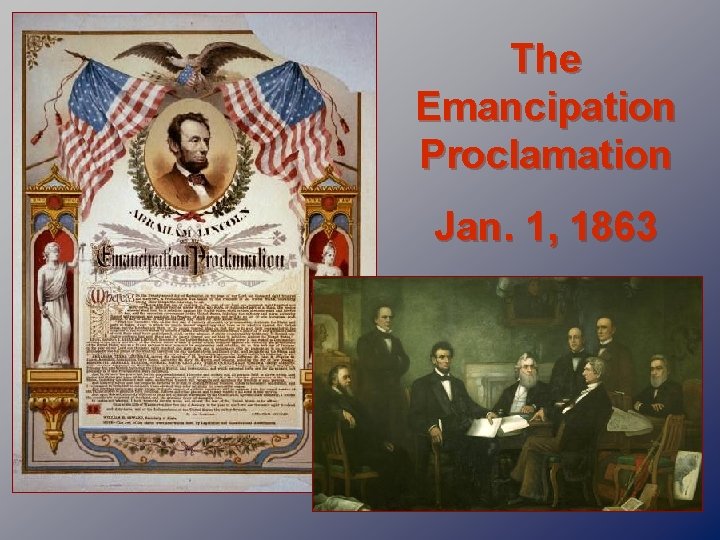
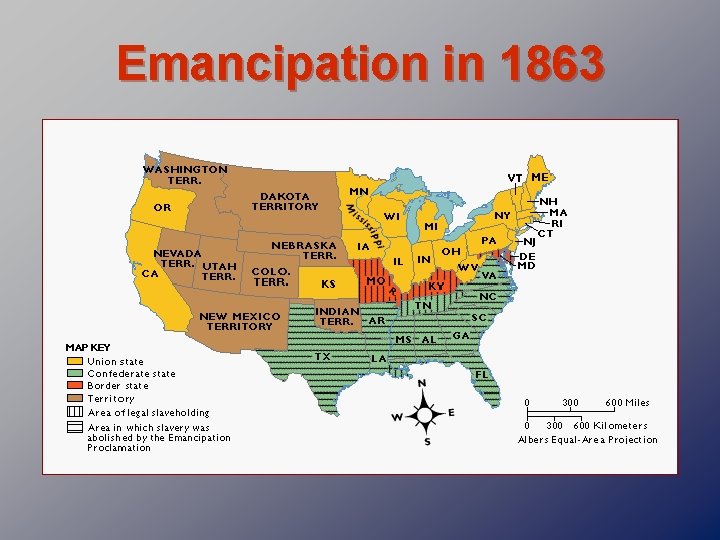
The Emancipation Proclamation Jan. 1, 1863
Emancipation in 1863
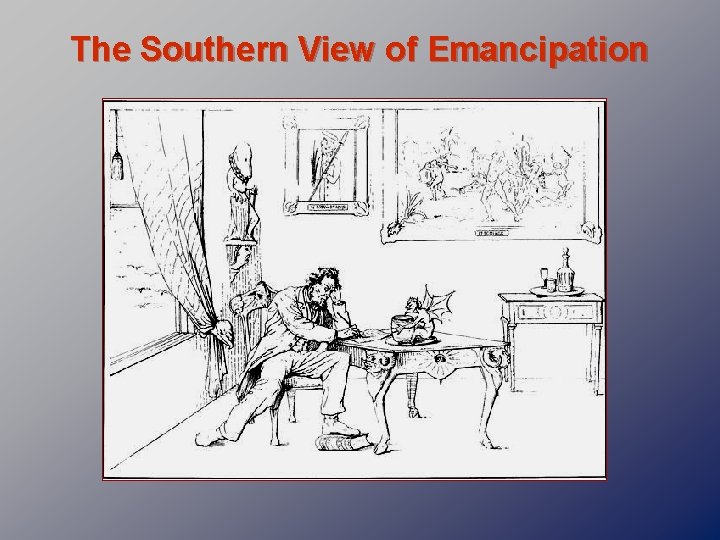
The Southern View of Emancipation
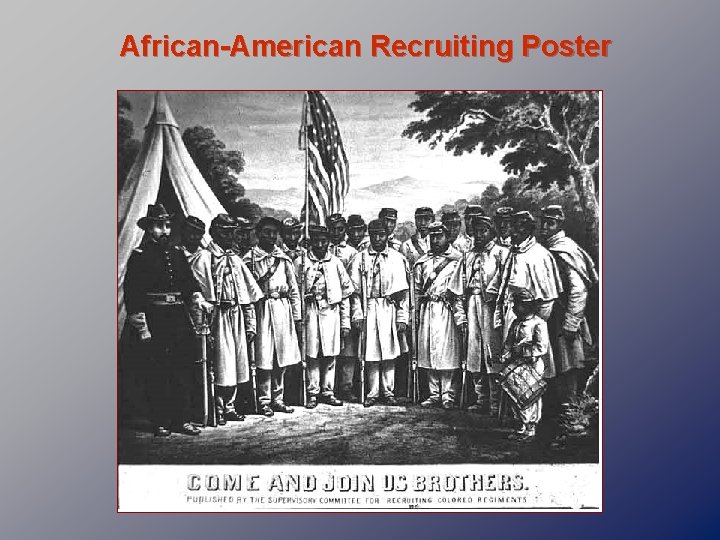
African-American Recruiting Poster
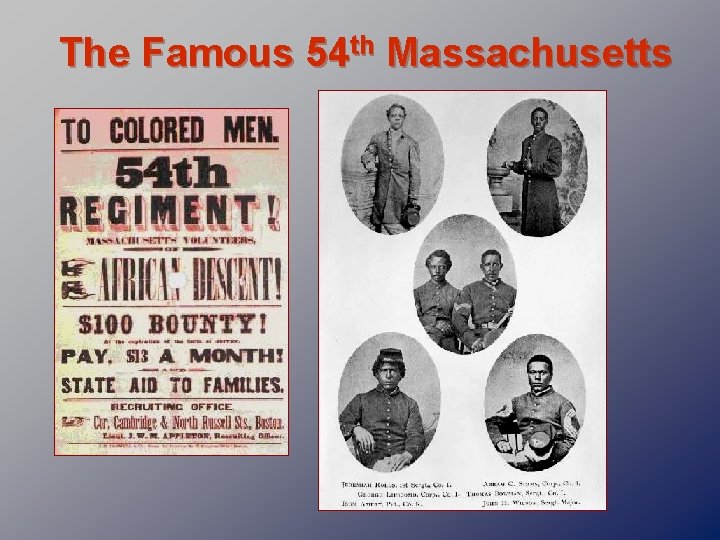
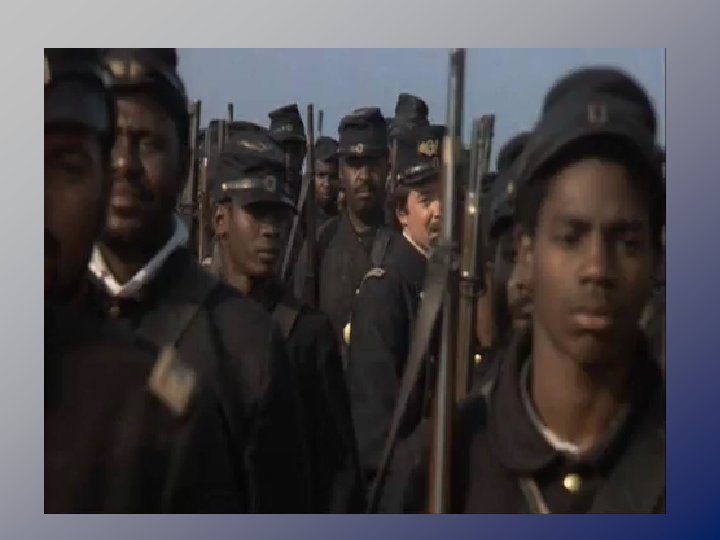
The Famous 54 th Massachusetts
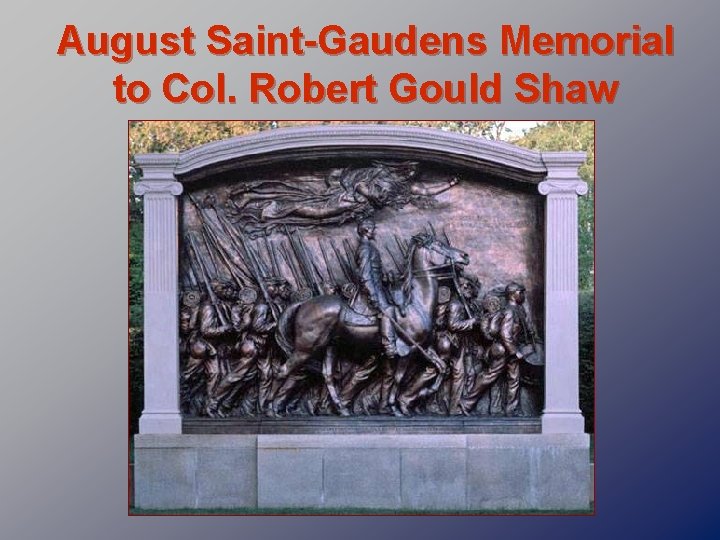
August Saint-Gaudens Memorial to Col. Robert Gould Shaw
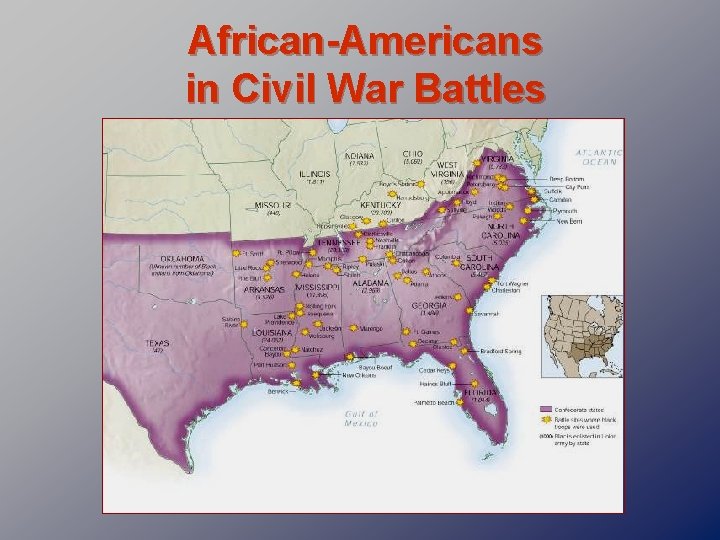
African-Americans in Civil War Battles
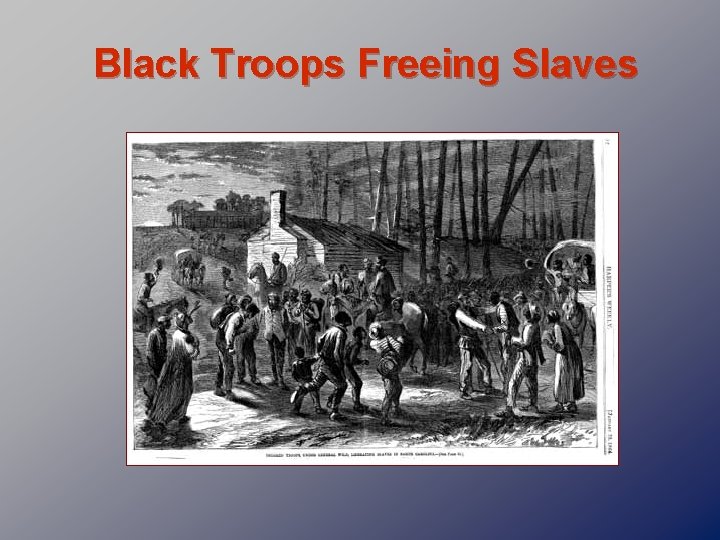
Black Troops Freeing Slaves
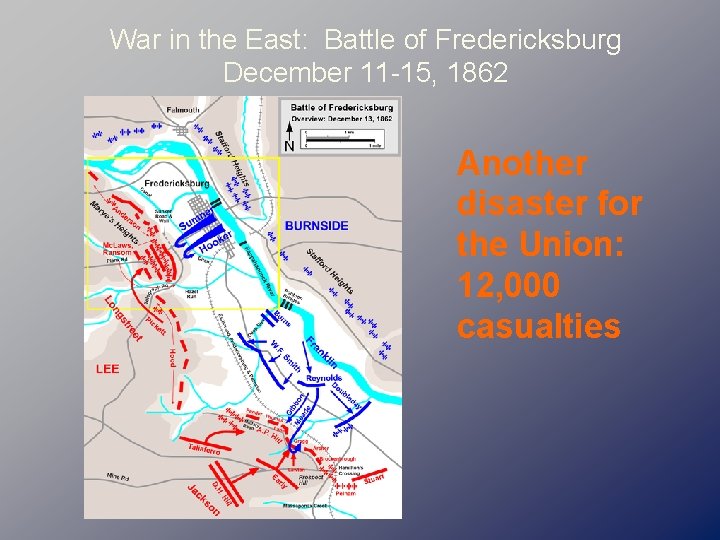
War in the East: Battle of Fredericksburg December 11 -15, 1862 Another disaster for the Union: 12, 000 casualties
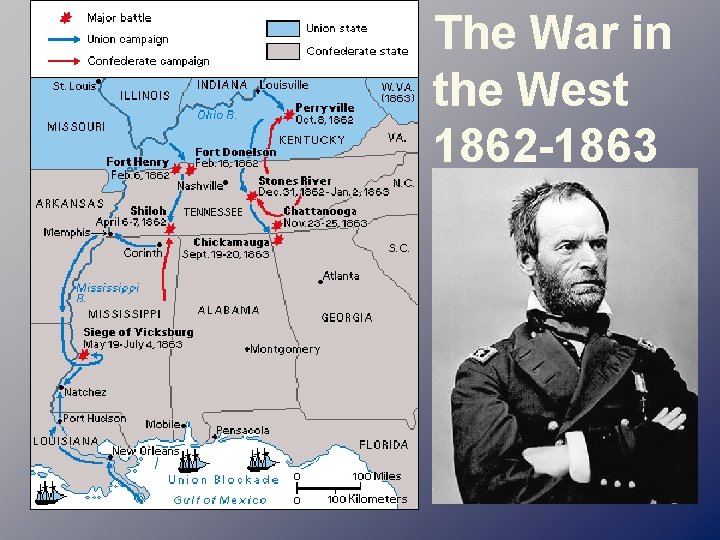
The War in the West 1862 -1863
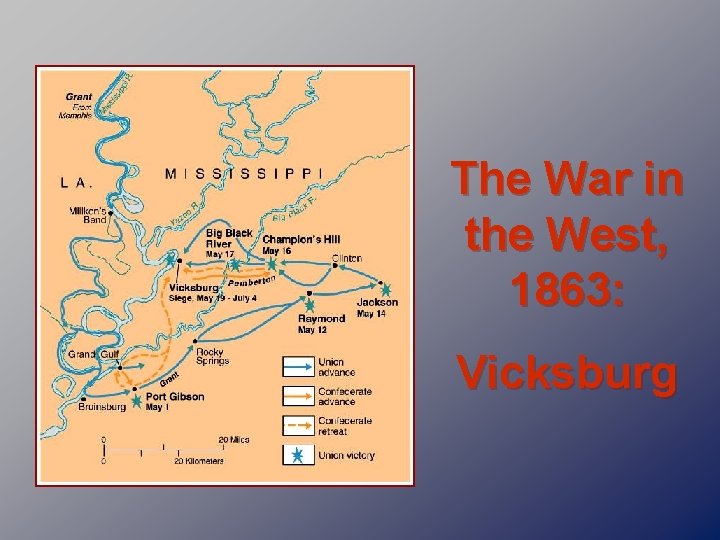
The War in the West, 1863: Vicksburg
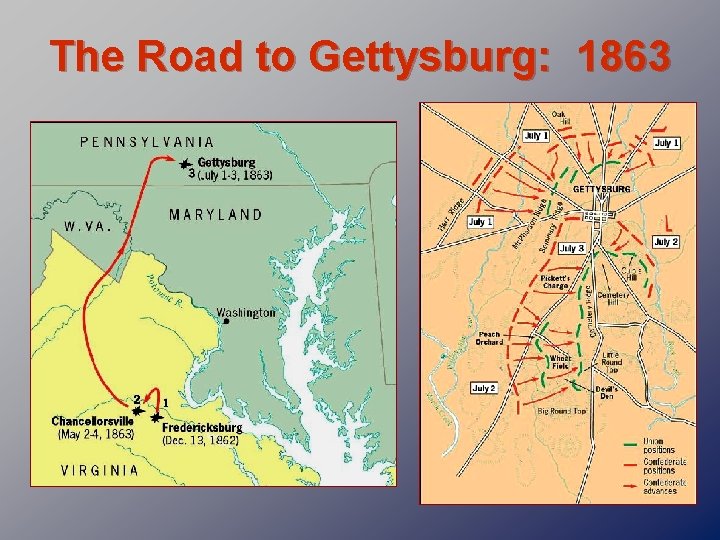
The Road to Gettysburg: 1863
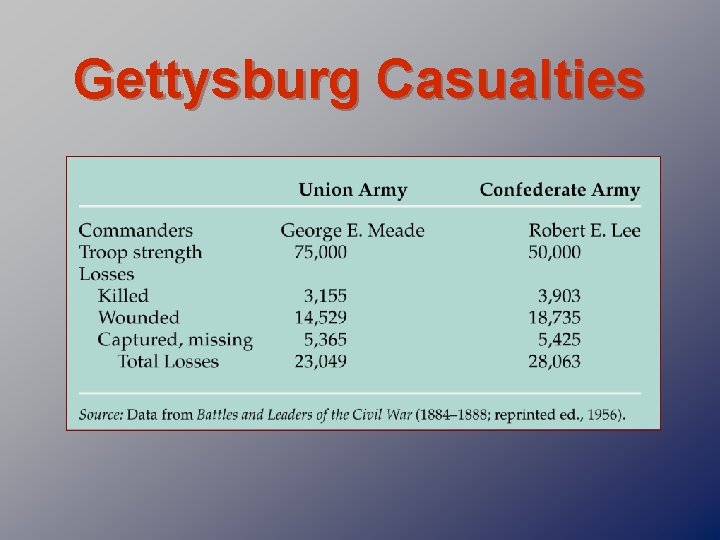
Gettysburg Casualties
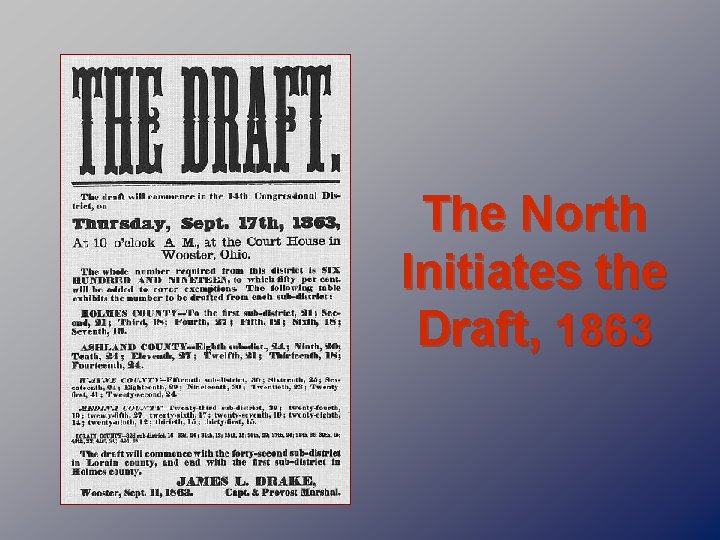
The North Initiates the Draft, 1863
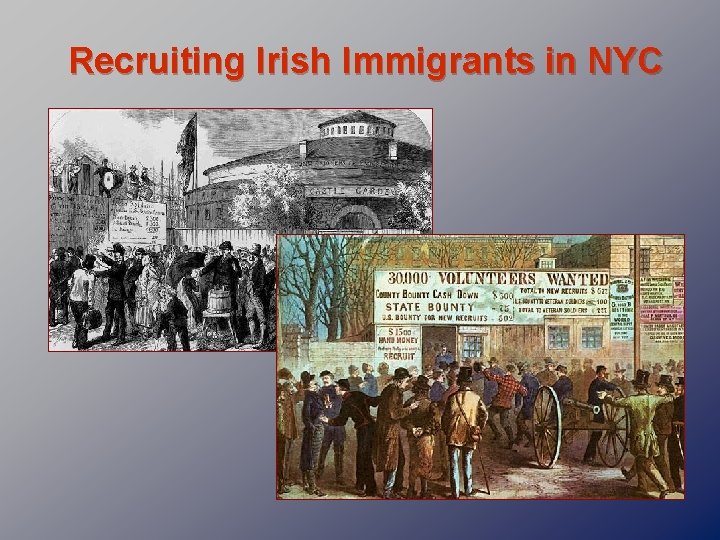
Recruiting Irish Immigrants in NYC
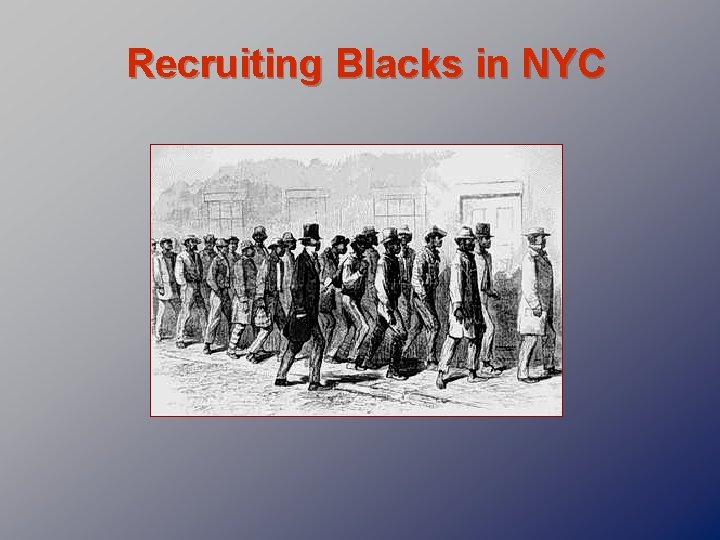
Recruiting Blacks in NYC
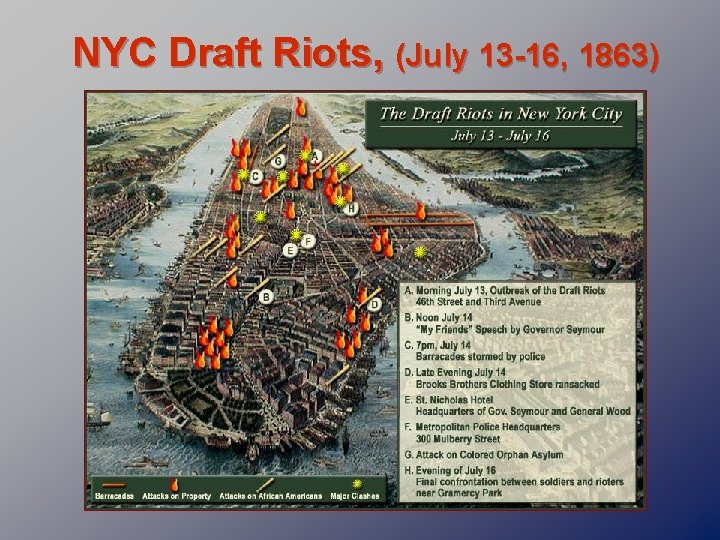
NYC Draft Riots, (July 13 -16, 1863)
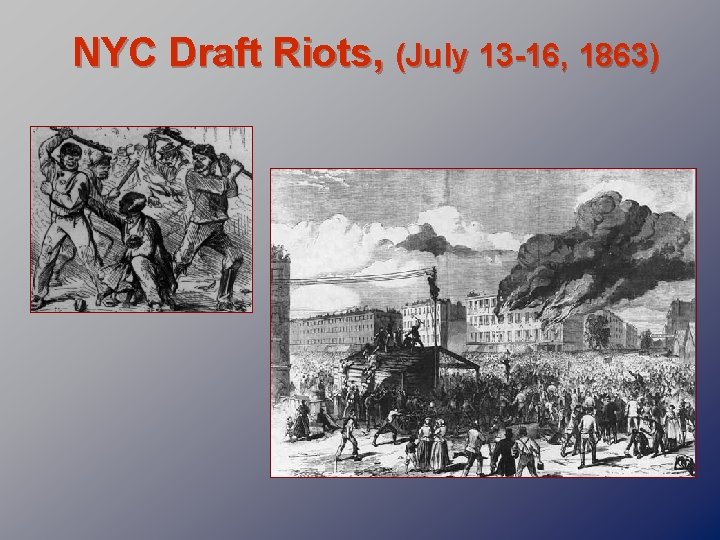
NYC Draft Riots, (July 13 -16, 1863)
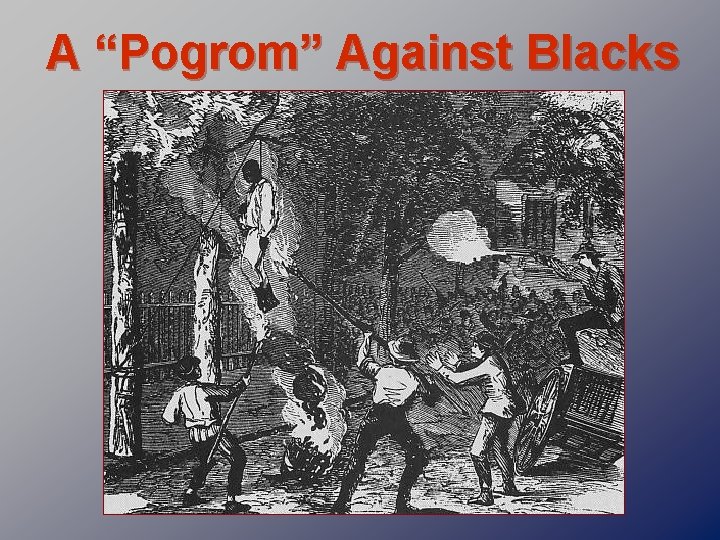
A “Pogrom” Against Blacks
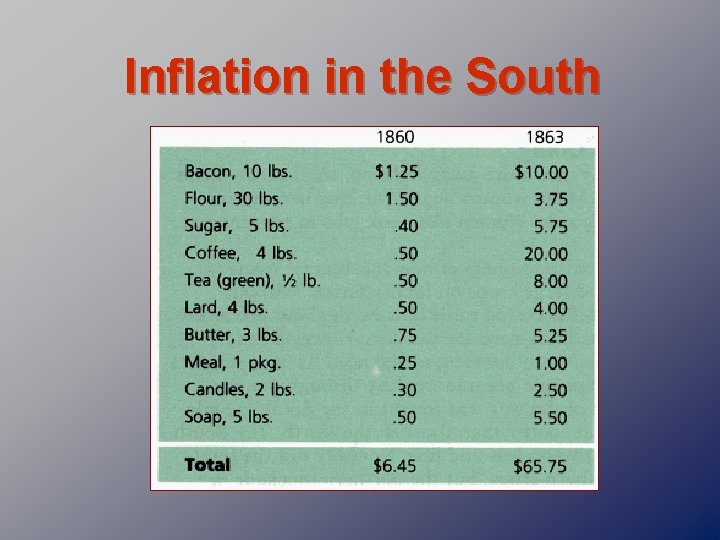
Inflation in the South
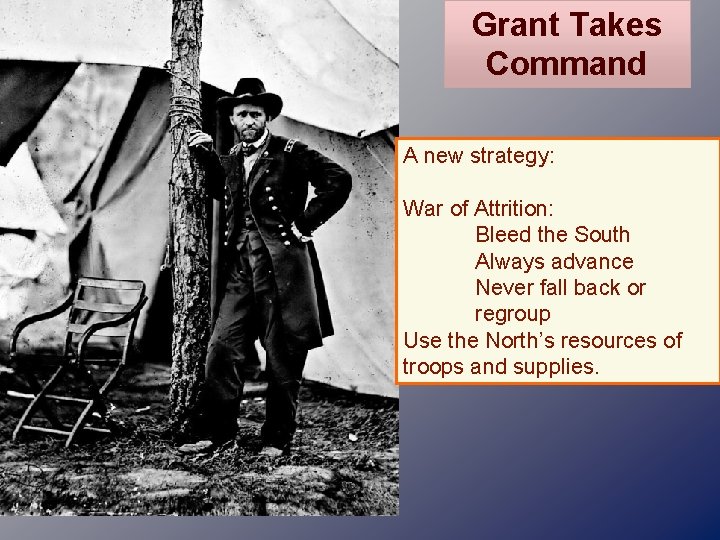
Grant Takes Command A new strategy: War of Attrition: Bleed the South Always advance Never fall back or regroup Use the North’s resources of troops and supplies.
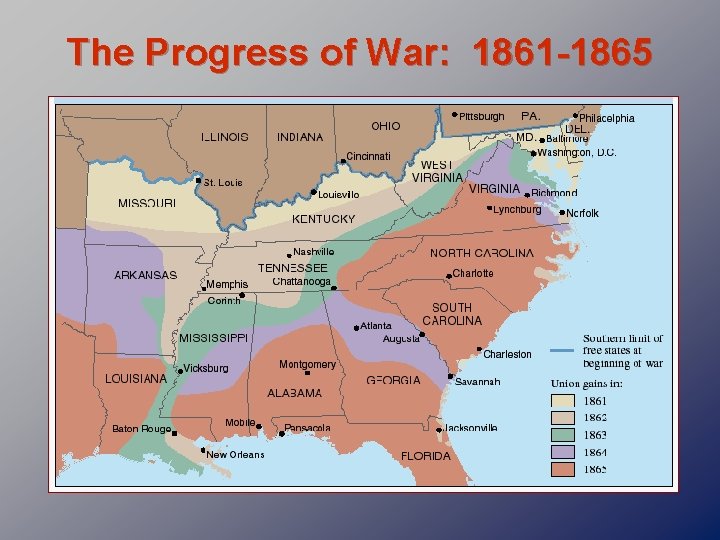
The Progress of War: 1861 -1865
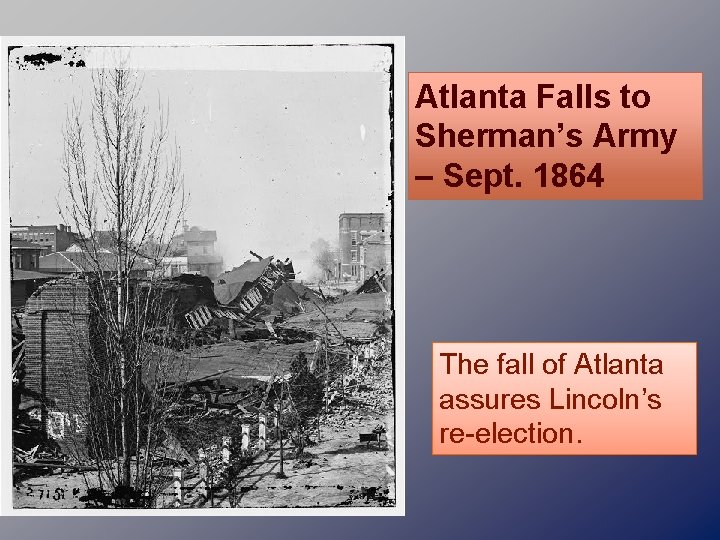
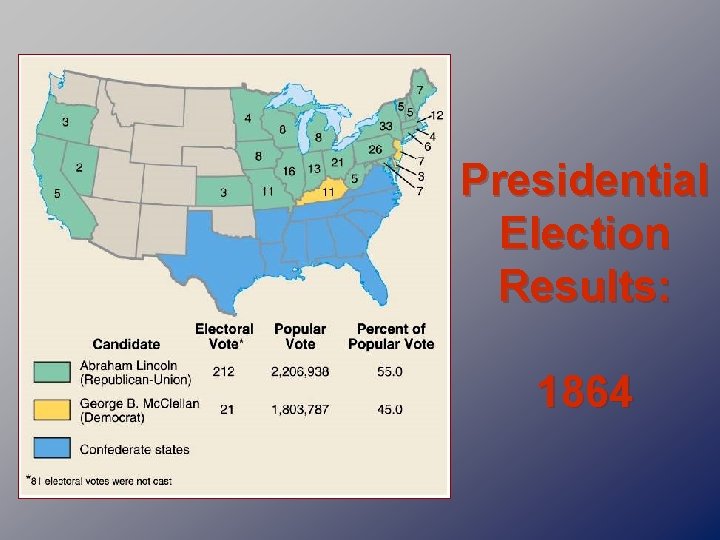
Atlanta Falls to Sherman’s Army – Sept. 1864 The fall of Atlanta assures Lincoln’s re-election.
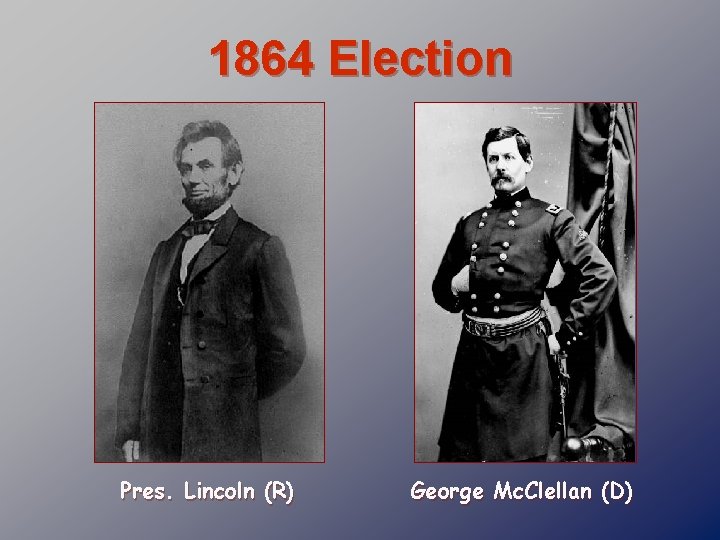
1864 Election Pres. Lincoln (R) George Mc. Clellan (D)
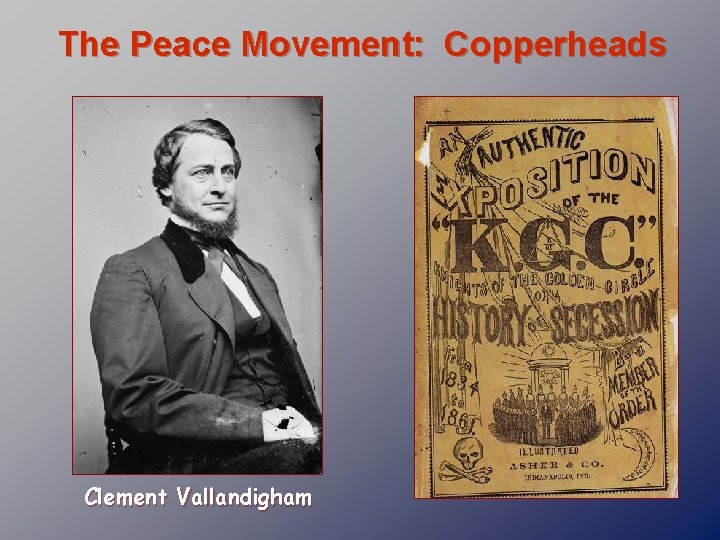
The Peace Movement: Copperheads Clement Vallandigham
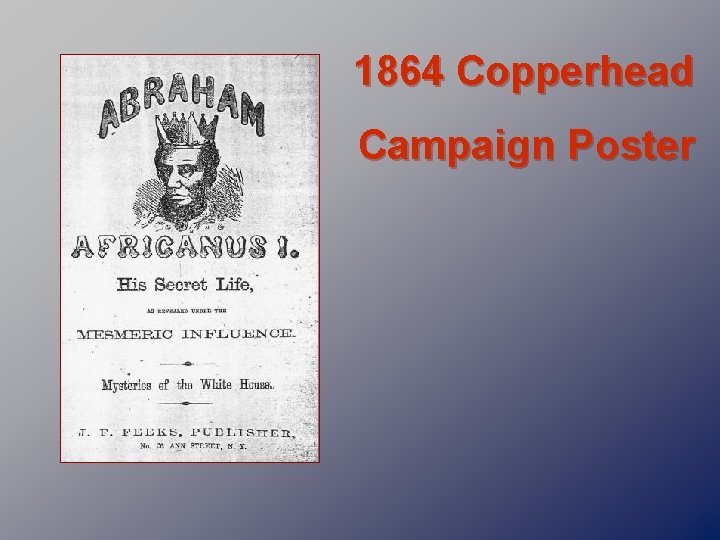
1864 Copperhead Campaign Poster
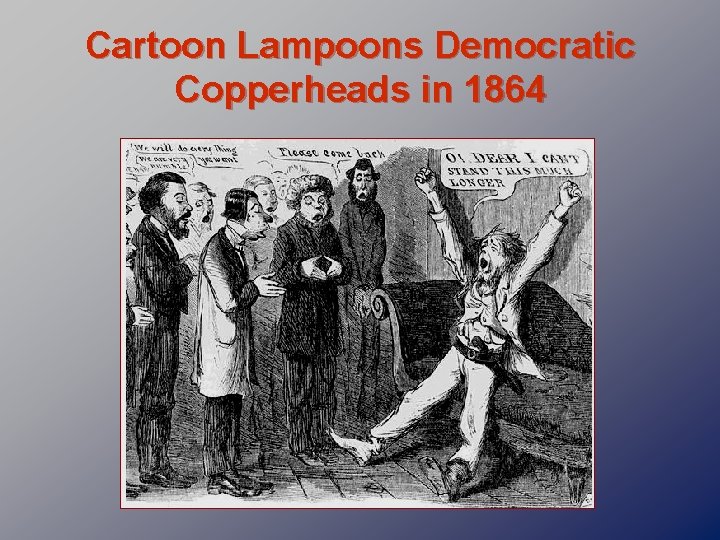
Cartoon Lampoons Democratic Copperheads in 1864
Presidential Election Results: 1864
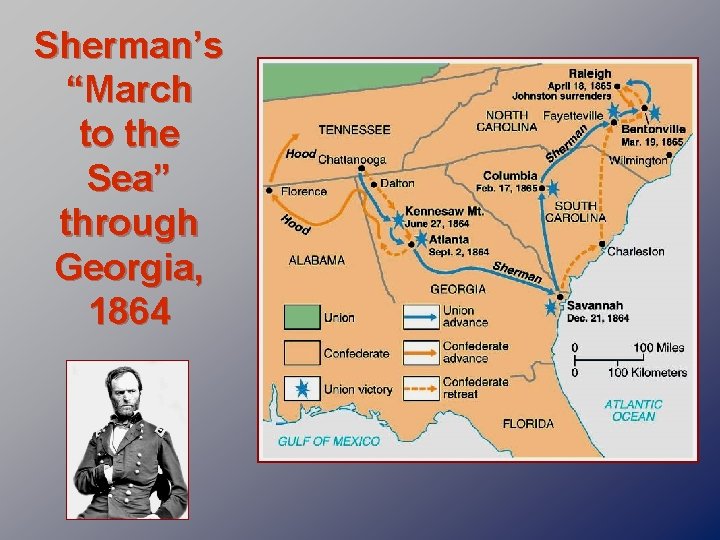
Sherman’s “March to the Sea” through Georgia, 1864
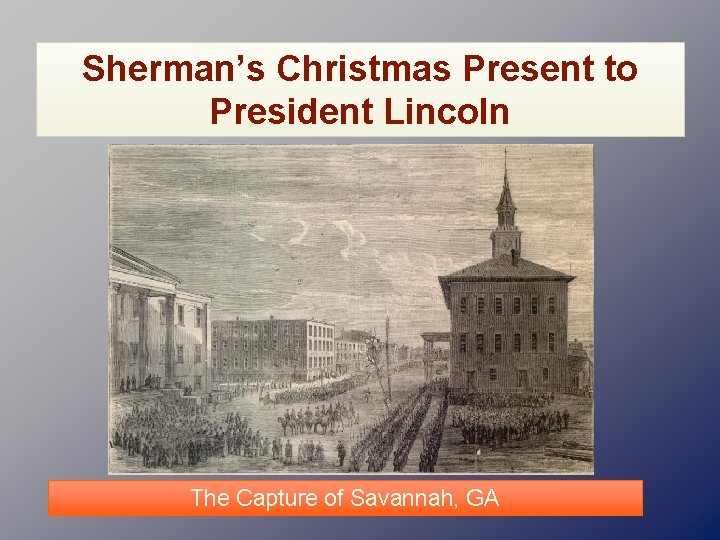
Sherman’s Christmas Present to President Lincoln The Capture of Savannah, GA
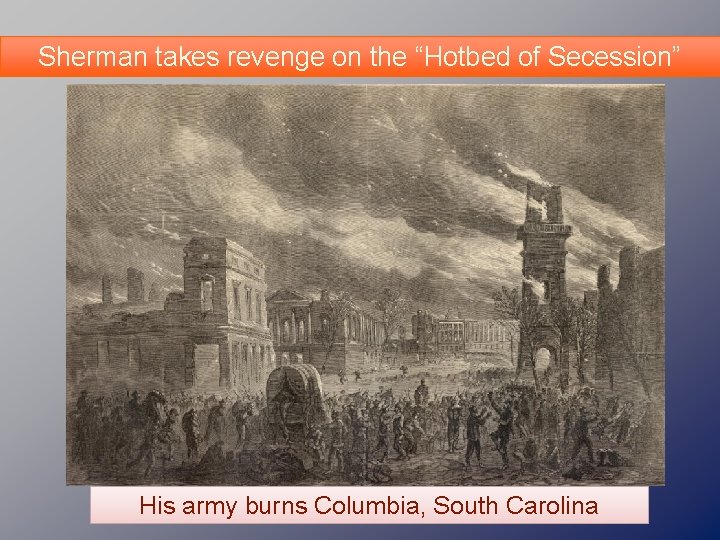
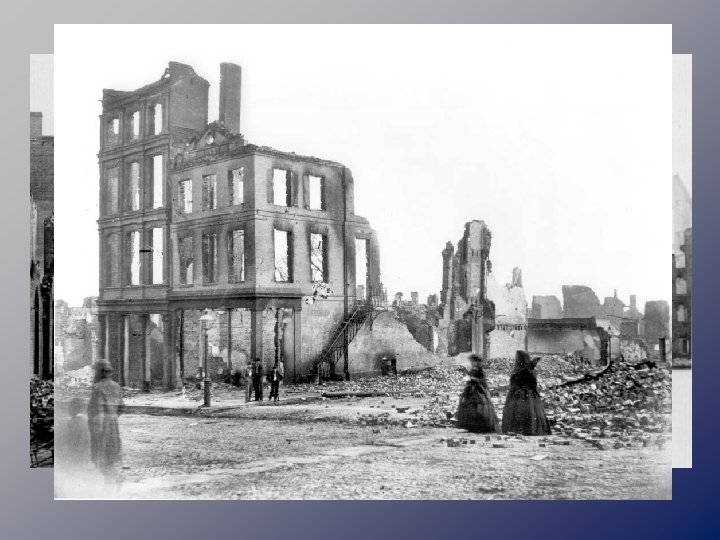
Sherman takes revenge on the “Hotbed of Secession” His army burns Columbia, South Carolina
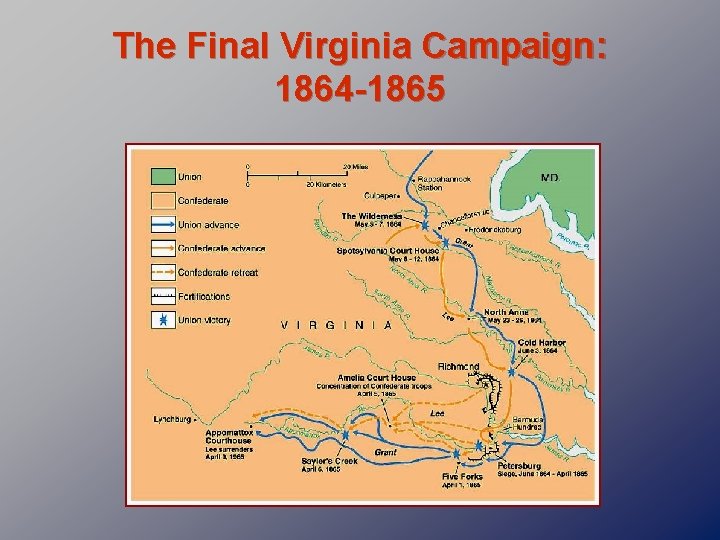
The Final Virginia Campaign: 1864 -1865
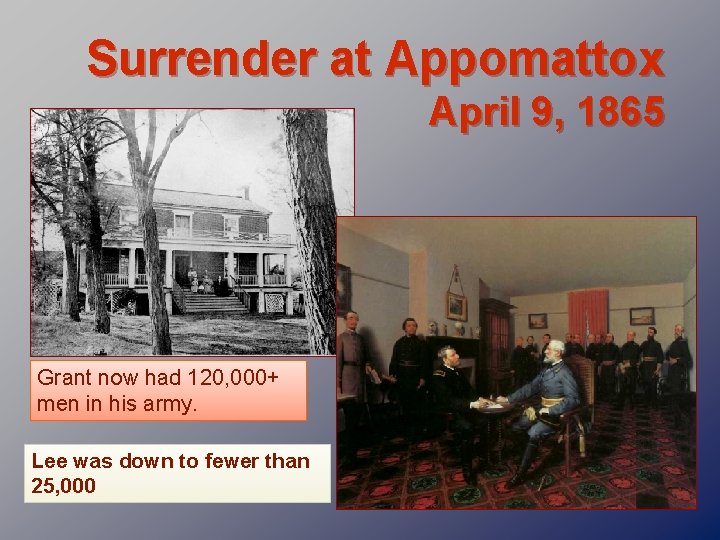
Surrender at Appomattox April 9, 1865 Grant now had 120, 000+ men in his army. Lee was down to fewer than 25, 000
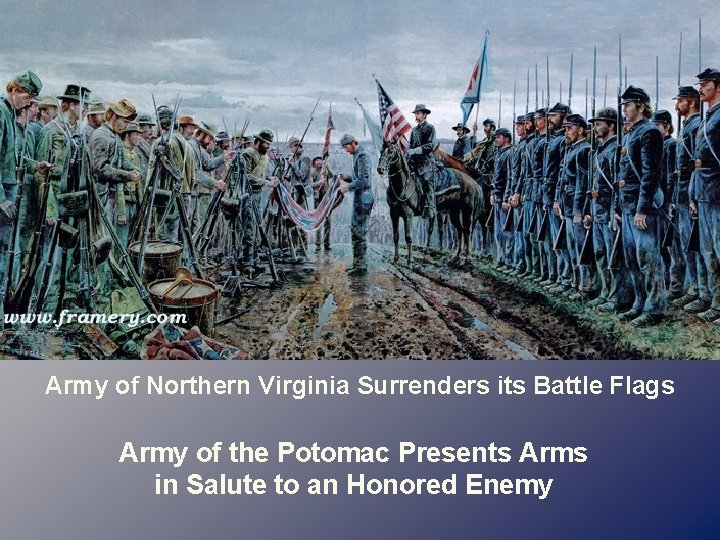
Army of Northern Virginia Surrenders its Battle Flags Army of the Potomac Presents Arms in Salute to an Honored Enemy
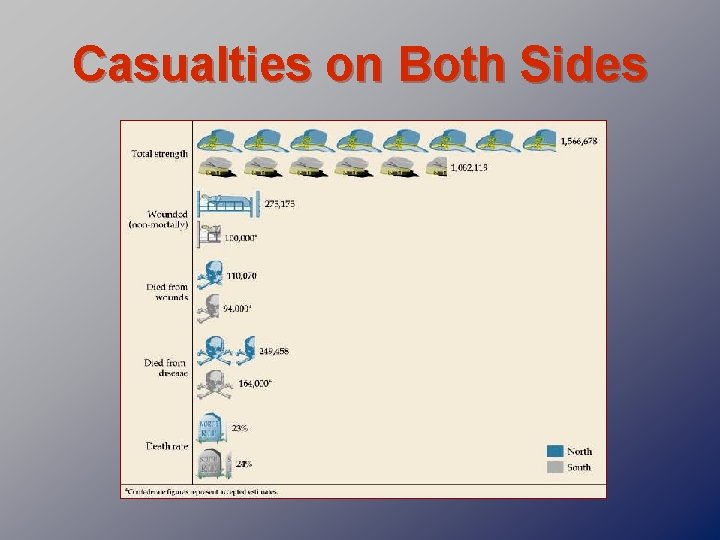
Casualties on Both Sides
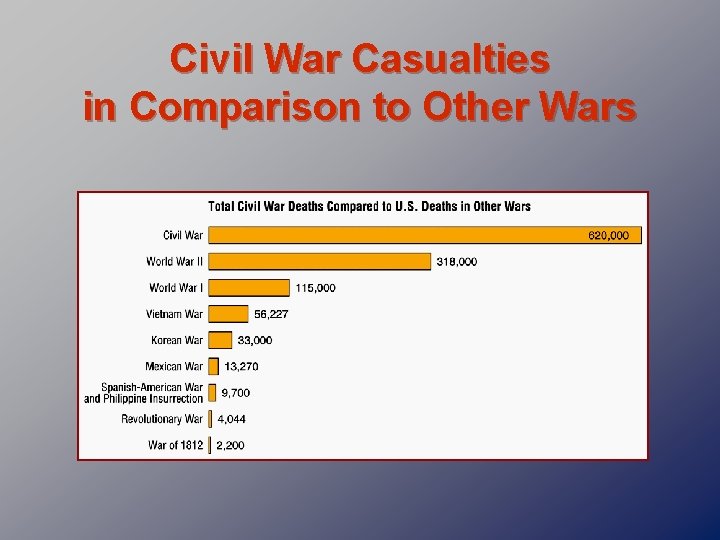
Civil War Casualties in Comparison to Other Wars
Prisoners and Prison Camps Each side took thousands of prisoners during the four years of the war. At first, prisoners were exchanged – but exchanged prisoners often rejoined the ranks. The Union stopped exchanging in order to deprive the South of this manpower. As a result, the number of prisoners that had to be kept in the camps increased – far beyond the capacity of either side to house them.
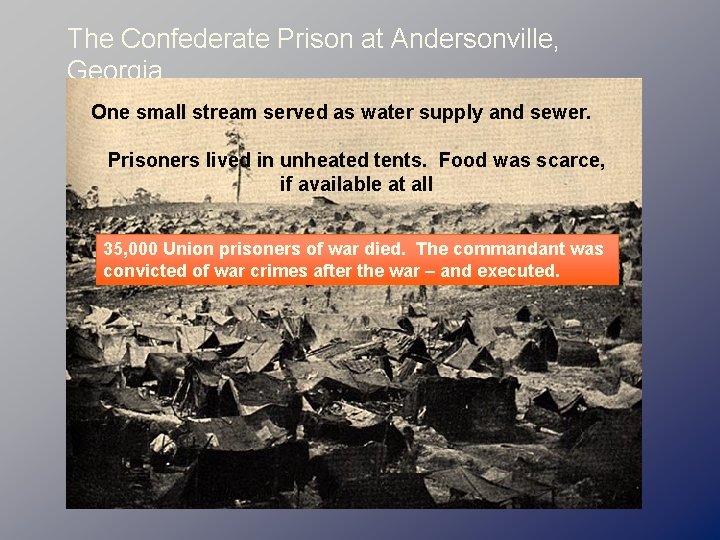
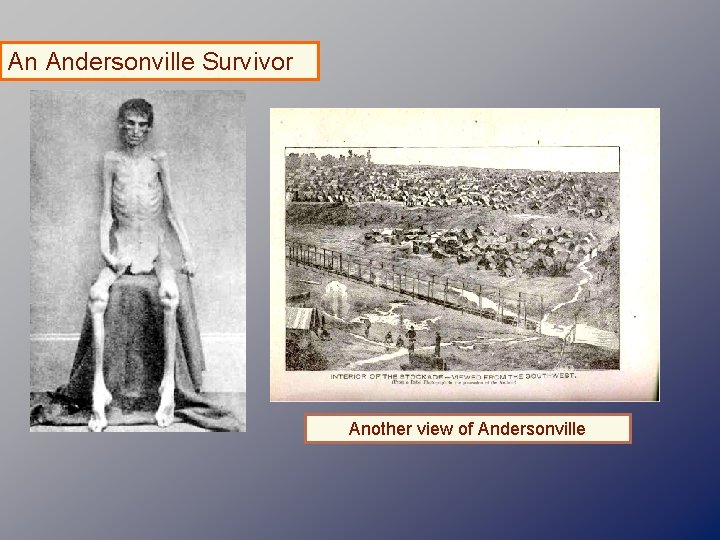
The Confederate Prison at Andersonville, Georgia One small stream served as water supply and sewer. Prisoners lived in unheated tents. Food was scarce, if available at all 35, 000 Union prisoners of war died. The commandant was convicted of war crimes after the war – and executed.
An Andersonville Survivor Another view of Andersonville
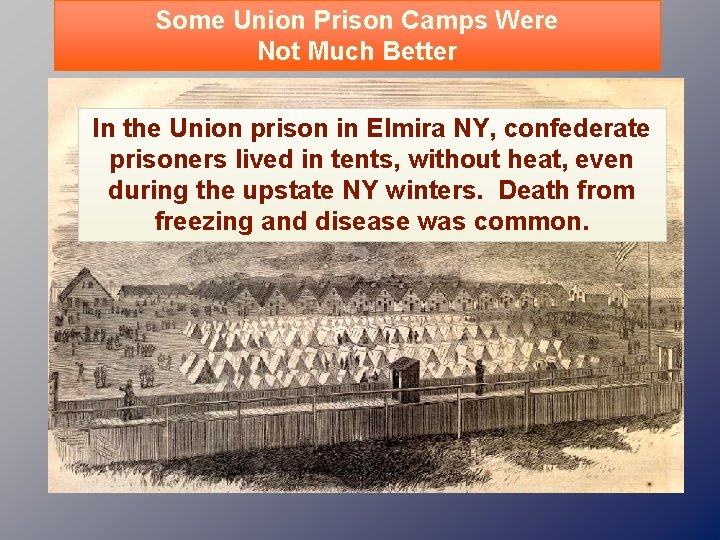
Some Union Prison Camps Were Not Much Better In the Union prison in Elmira NY, confederate prisoners lived in tents, without heat, even during the upstate NY winters. Death from freezing and disease was common.
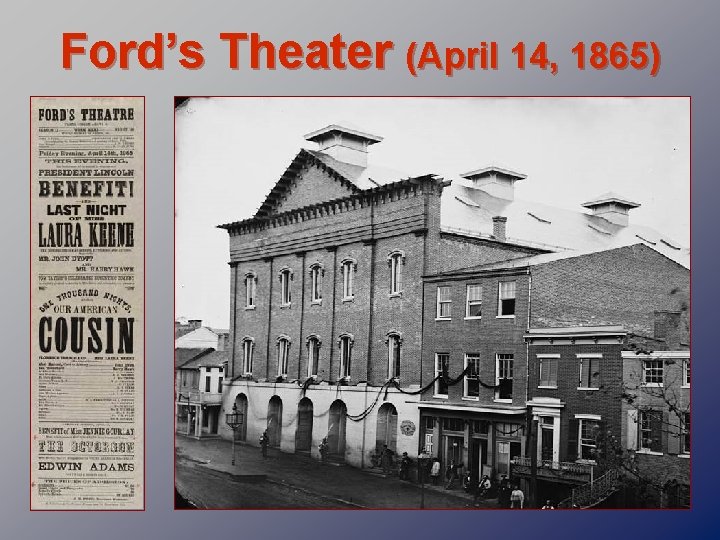
Ford’s Theater (April 14, 1865)
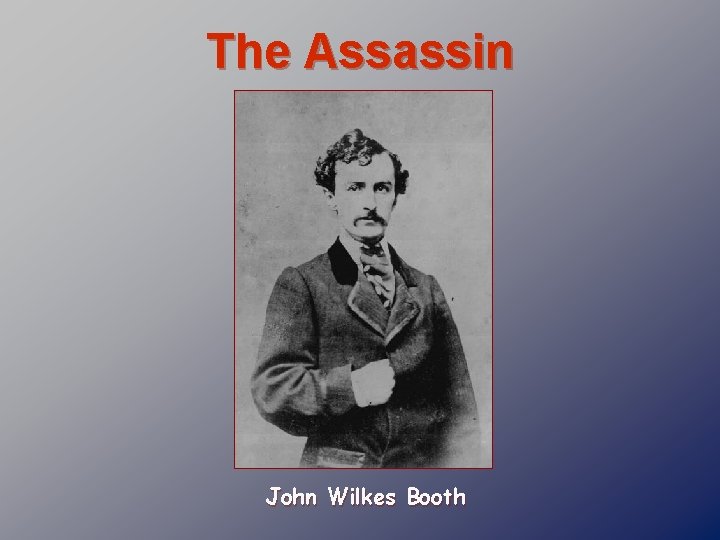
The Assassin John Wilkes Booth
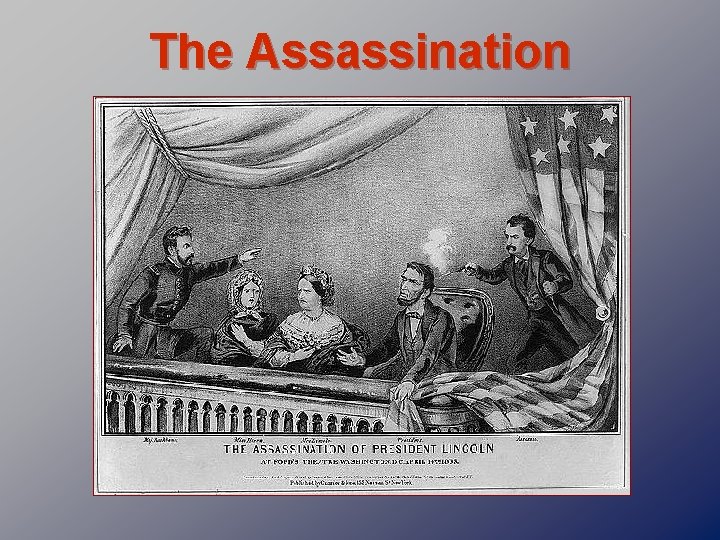
The Assassination
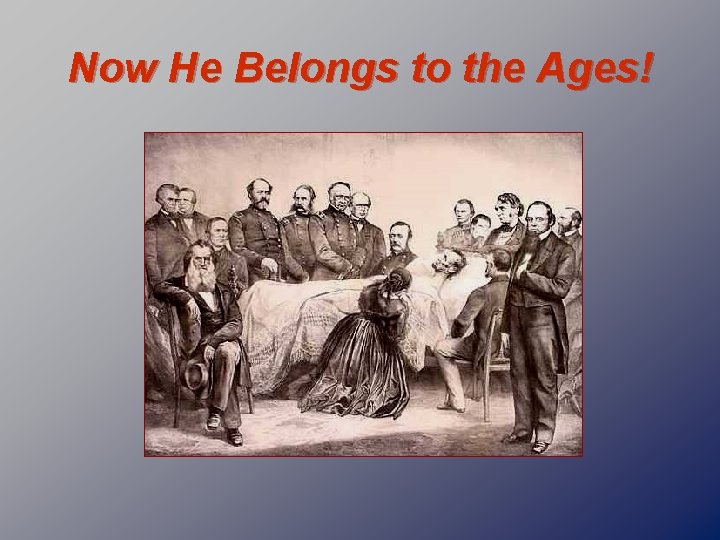
Now He Belongs to the Ages!
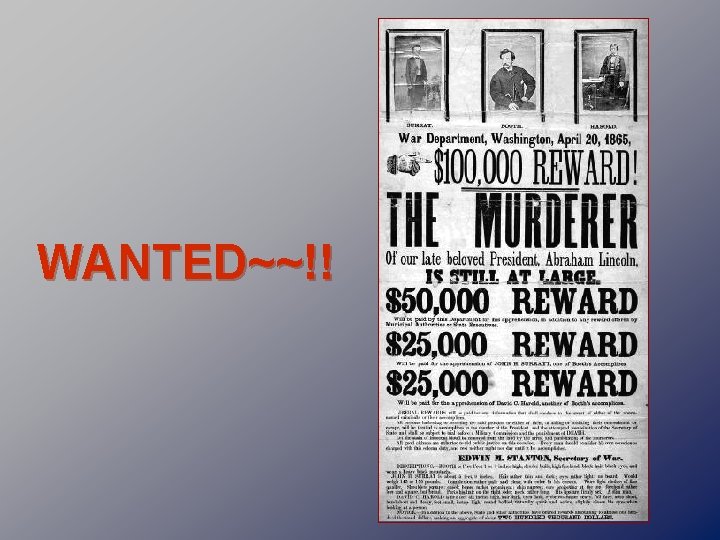
WANTED~~!!
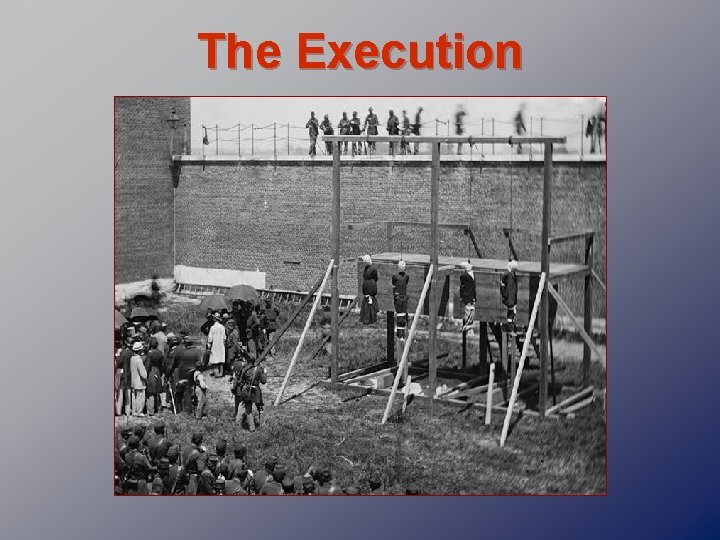
The Execution
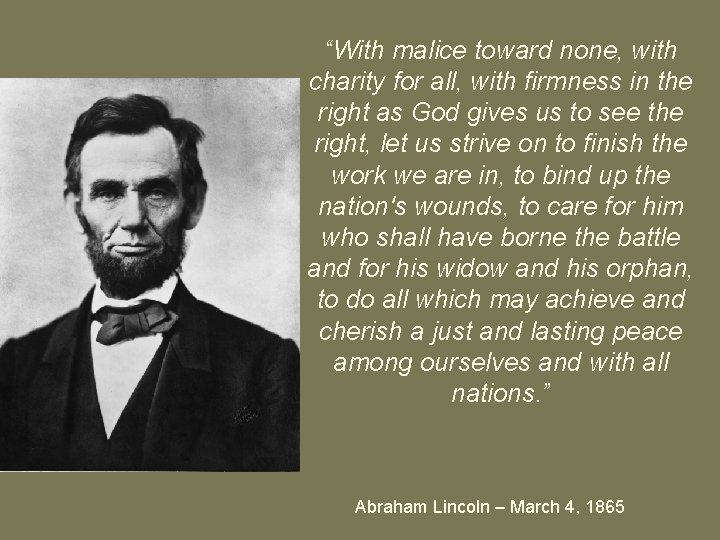
“With malice toward none, with charity for all, with firmness in the right as God gives us to see the right, let us strive on to finish the work we are in, to bind up the nation's wounds, to care for him who shall have borne the battle and for his widow and his orphan, to do all which may achieve and cherish a just and lasting peace among ourselves and with all nations. ” Abraham Lincoln – March 4, 1865
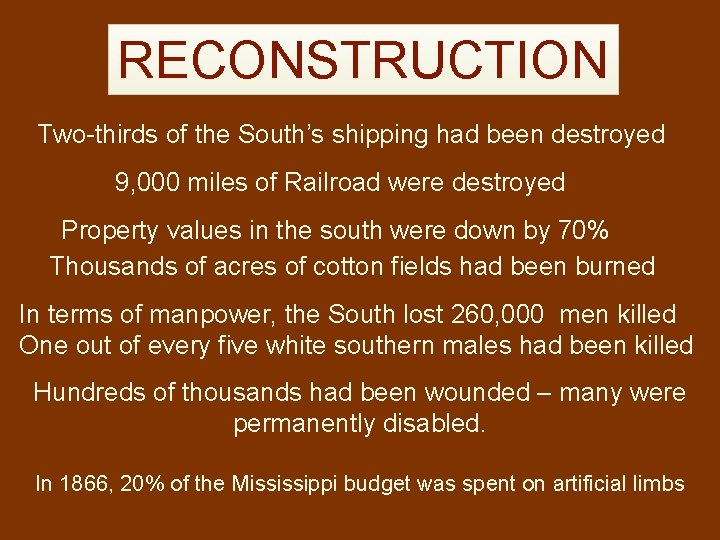
RECONSTRUCTION Two-thirds of the South’s shipping had been destroyed 9, 000 miles of Railroad were destroyed Property values in the south were down by 70% Thousands of acres of cotton fields had been burned In terms of manpower, the South lost 260, 000 men killed One out of every five white southern males had been killed Hundreds of thousands had been wounded – many were permanently disabled. In 1866, 20% of the Mississippi budget was spent on artificial limbs
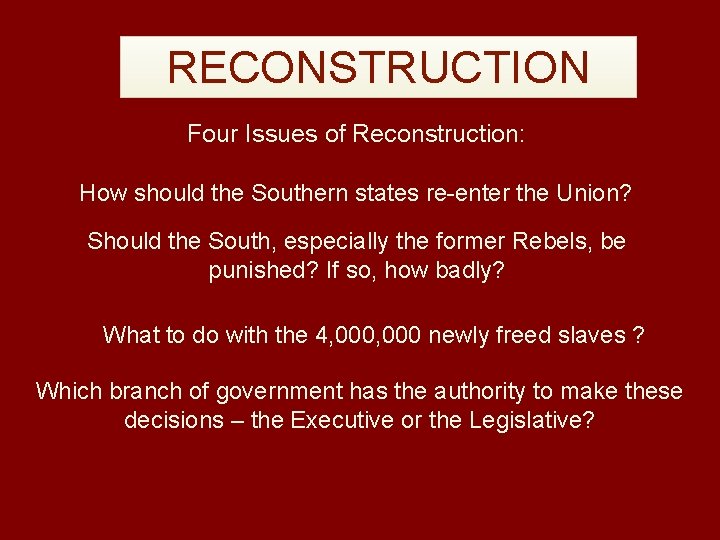
RECONSTRUCTION Four Issues of Reconstruction: How should the Southern states re-enter the Union? Should the South, especially the former Rebels, be punished? If so, how badly? What to do with the 4, 000 newly freed slaves ? Which branch of government has the authority to make these decisions – the Executive or the Legislative?