
The Circulatory System Outline 1 Composition of blood
The Circulatory System
Outline 1. Composition of blood 2. Different blood vessels 3. The human heart
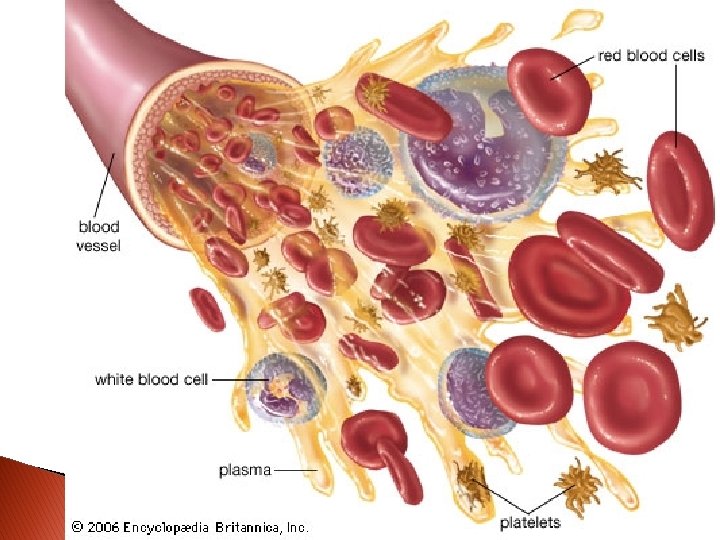
What does Blood do? � Blood is a collection of cells that have been specialized to perform a set of particular tasks within an organism � Brings nutrients and oxygen to cells by acting as a transport medium � The fluids carry waste products and dissolved gases away from the cells
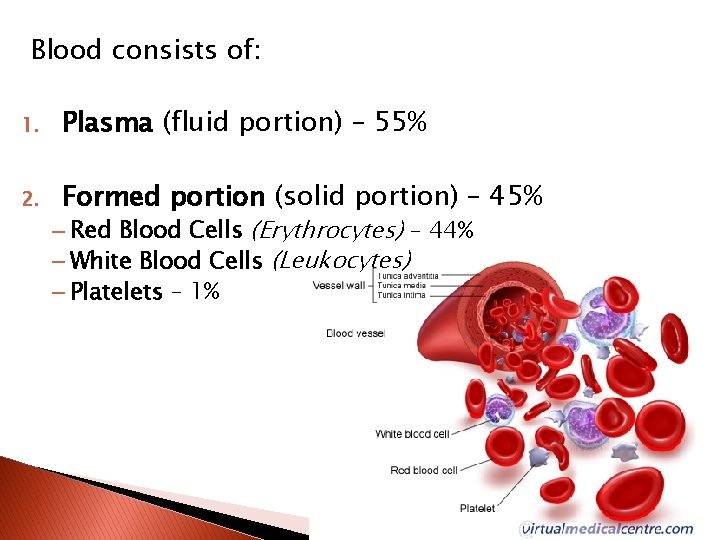
Blood consists of: 1. Plasma (fluid portion) – 55% 2. Formed portion (solid portion) – 45% – Red Blood Cells (Erythrocytes) – 44% – White Blood Cells (Leukocytes) – Platelets – 1%
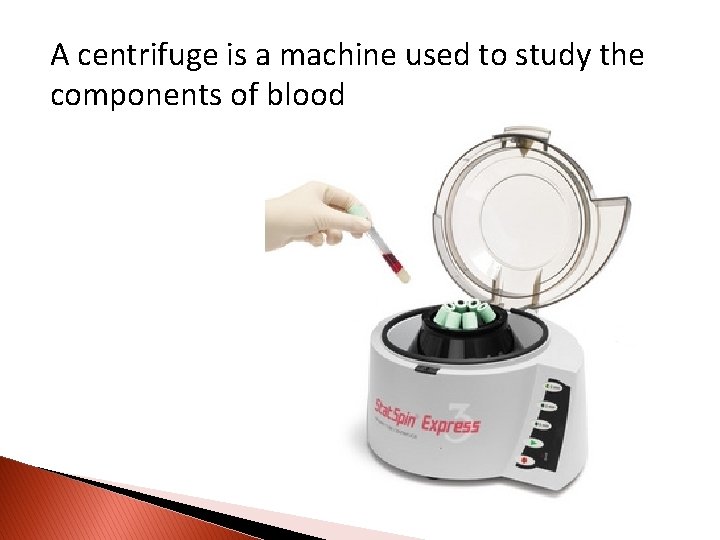
A centrifuge is a machine used to study the components of blood
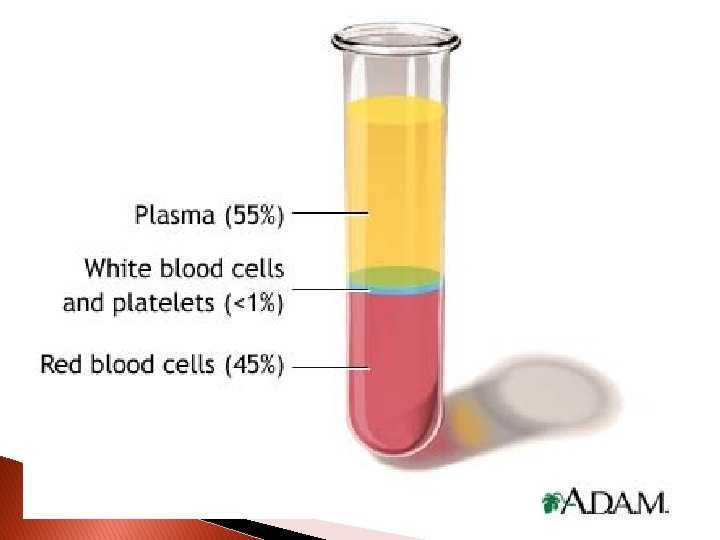
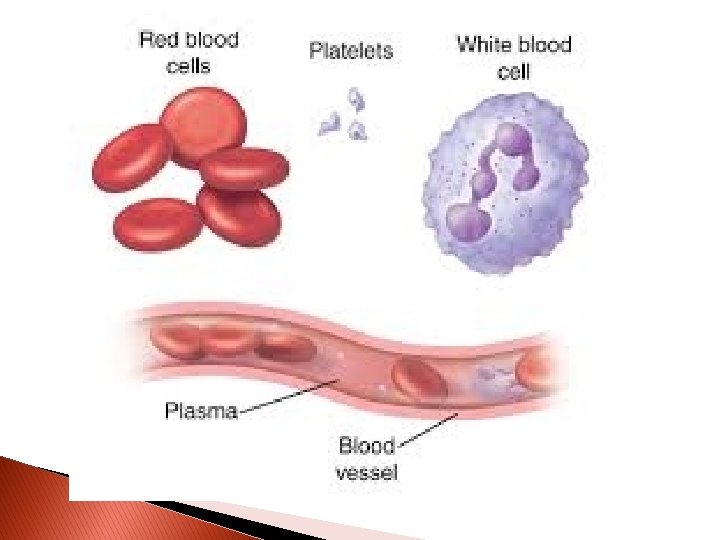
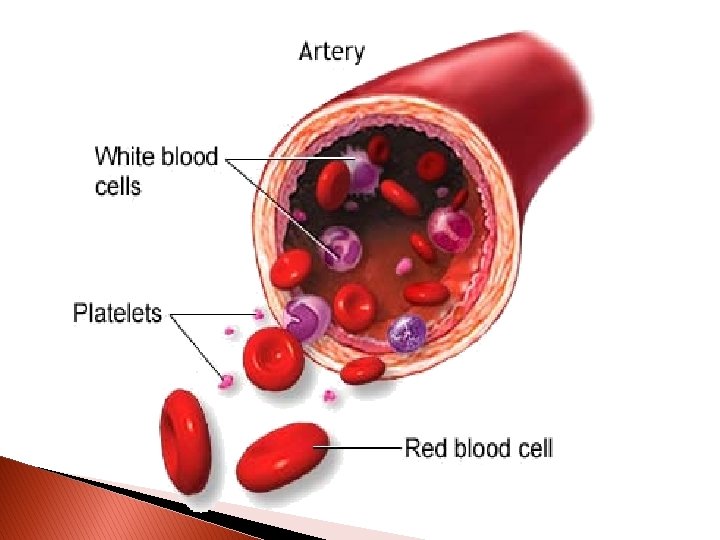
1. Plasma � Liquid component of blood where the blood cells are suspended � Makes up 55% of the total blood volume
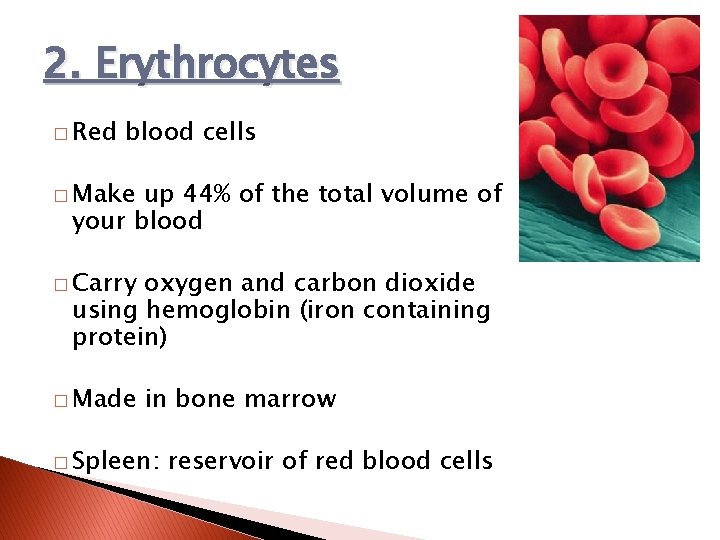
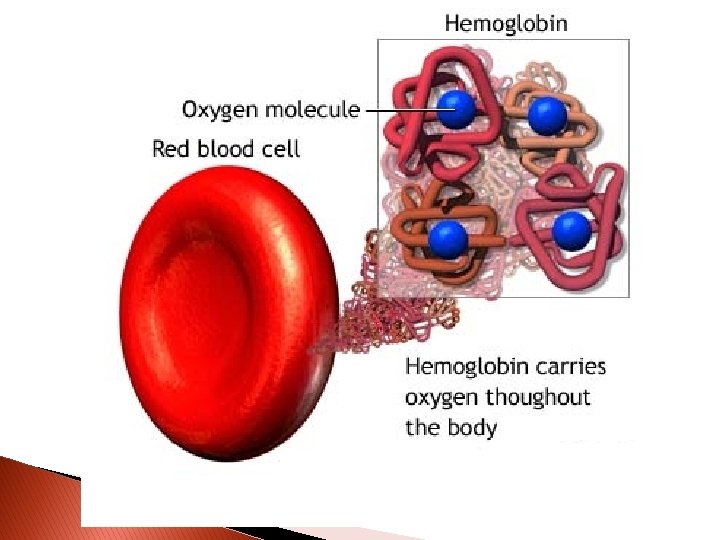
2. Erythrocytes � Red blood cells � Make up 44% of the total volume of your blood � Carry oxygen and carbon dioxide using hemoglobin (iron containing protein) � Made in bone marrow � Spleen: reservoir of red blood cells
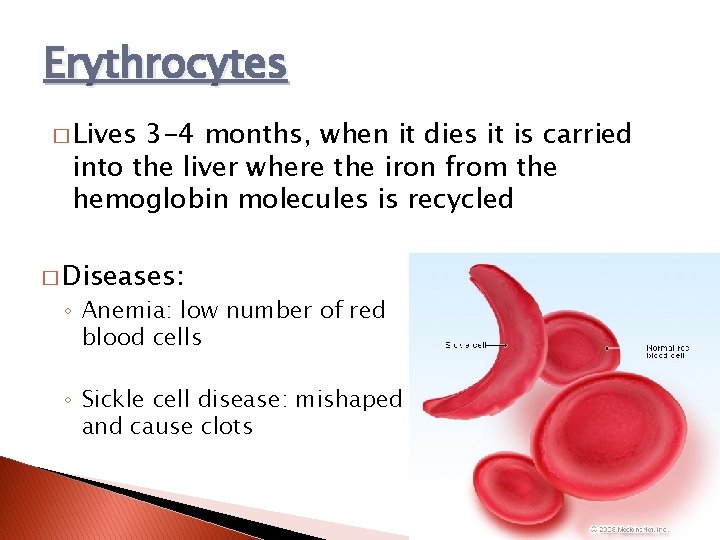
Erythrocytes � Lives 3 -4 months, when it dies it is carried into the liver where the iron from the hemoglobin molecules is recycled � Diseases: ◦ Anemia: low number of red blood cells ◦ Sickle cell disease: mishaped and cause clots
3. Leukocytes � White blood cells � Make up 1% of your total blood volume but may double when body is fighting infection � Fight off invaders (disease/illness) � Made in bone marrow and lymphatic tissue � Leukemia: leukocytes associated with high numbers of
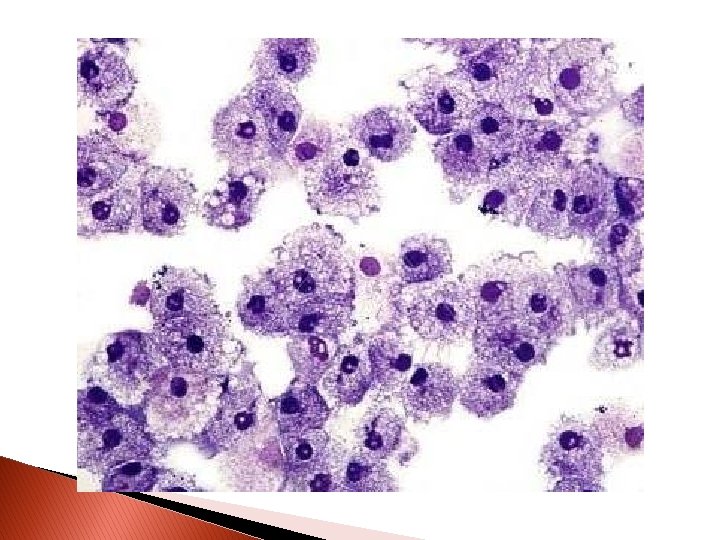
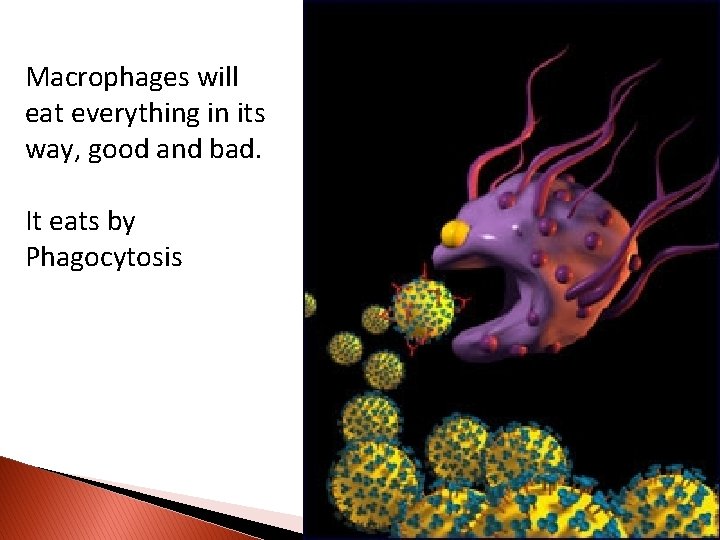
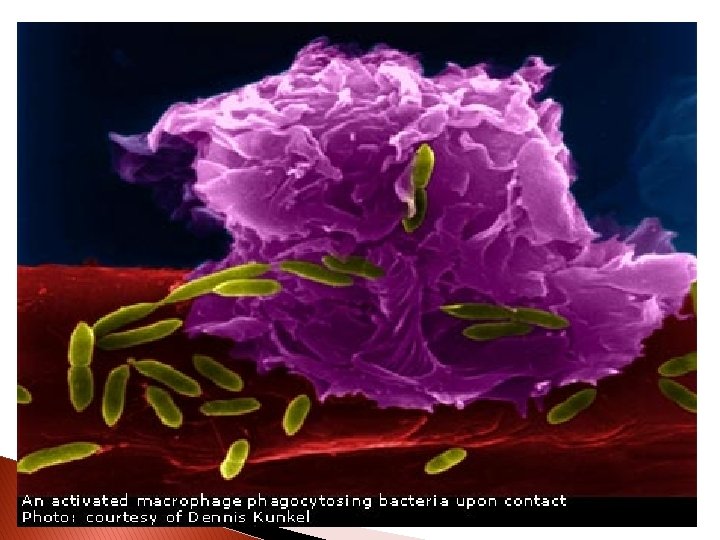
Macrophages will eat everything in its way, good and bad. It eats by Phagocytosis
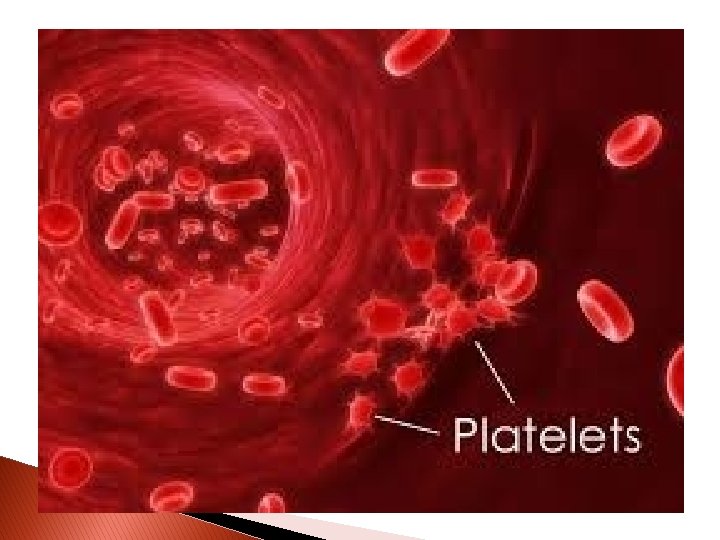
4. Platelets � Cell fragments without a nucleus � Live 5 -9 days � Used in blood clotting
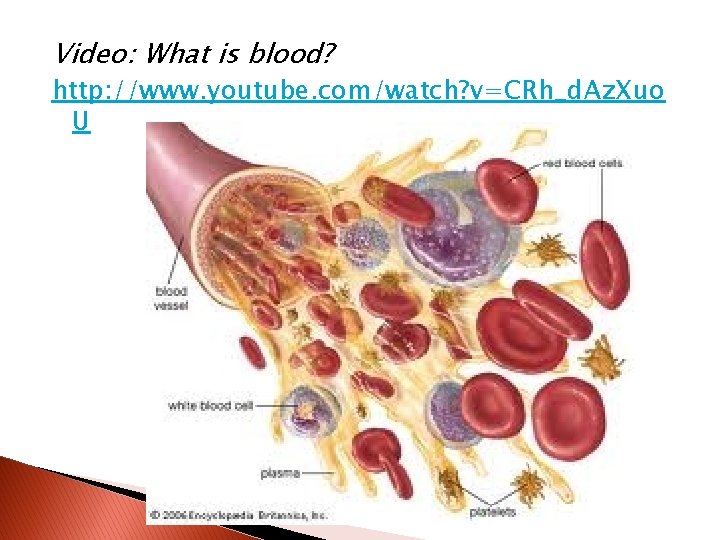
Video: What is blood? http: //www. youtube. com/watch? v=CRh_d. Az. Xuo U
- Slides: 20