
The Circulatory System Learning Objectives BW 4 Students
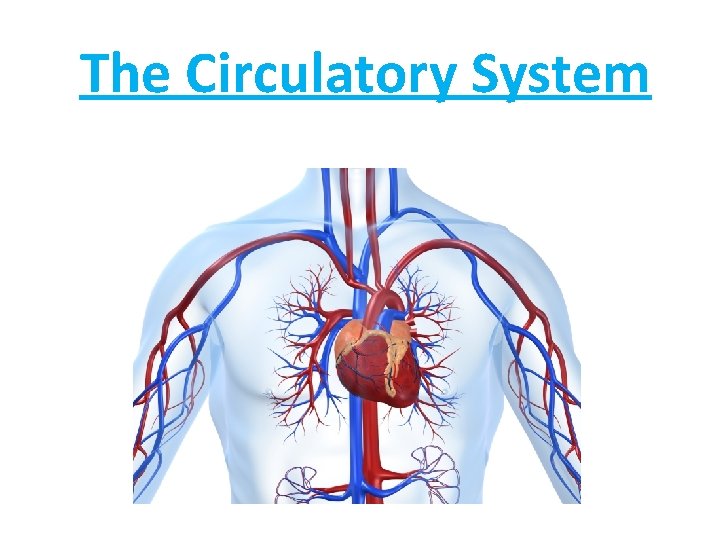
The Circulatory System
Learning Objectives • BW 4 - Students should be able to DESCRIBE the structure, function, and interactions of the organs of the human digestive, circulatory and respiratory system
The Circulatory System • The human body needs a transport system to move materials from one place to another • e. g. our blood carries food, oxygen and waste products to and from all the cells in our body
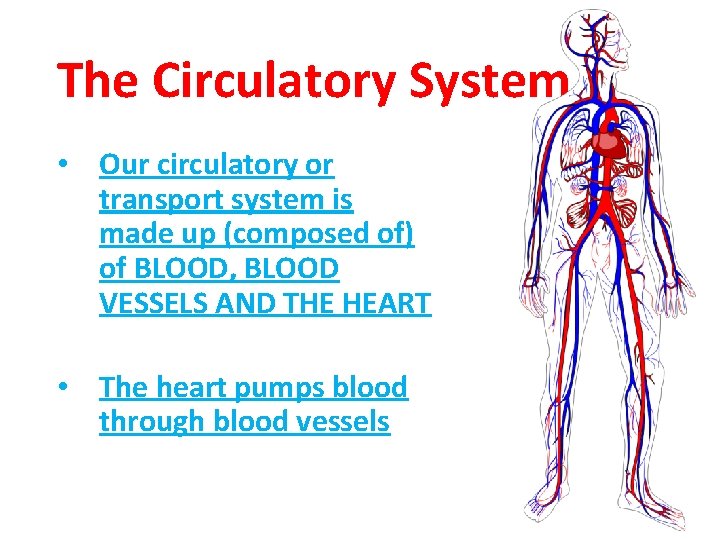
The Circulatory System • Our circulatory or transport system is made up (composed of) of BLOOD, BLOOD VESSELS AND THE HEART • The heart pumps blood through blood vessels
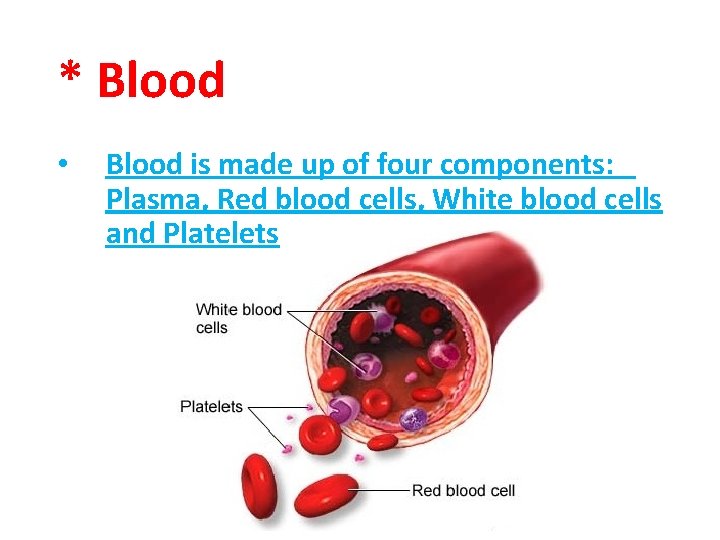
* Blood • Blood is made up of four components: Plasma, Red blood cells, White blood cells and Platelets

* Plasma • Liquid part of blood • Pale yellow in colour • Mostly made of water • Transports dissolved chemicals e. g. hormones, food, CO 2 and heat (37°C) function
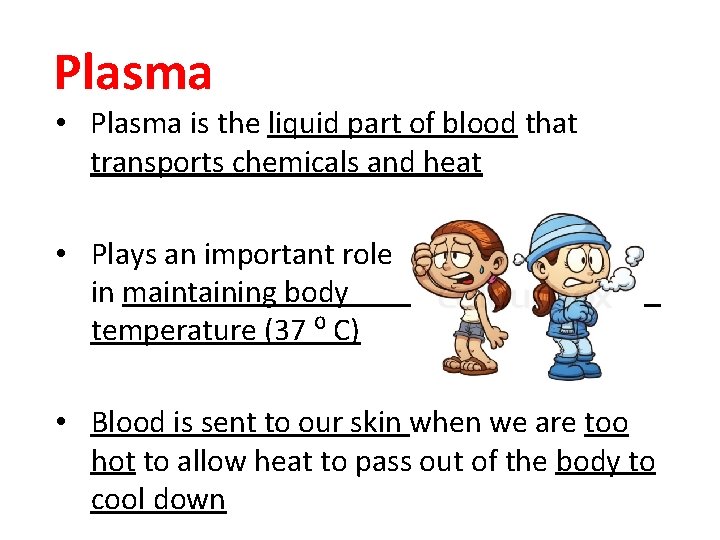
Plasma • Plasma is the liquid part of blood that transports chemicals and heat • Plays an important role in maintaining body temperature (37 ⁰ C) • Blood is sent to our skin when we are too hot to allow heat to pass out of the body to cool down
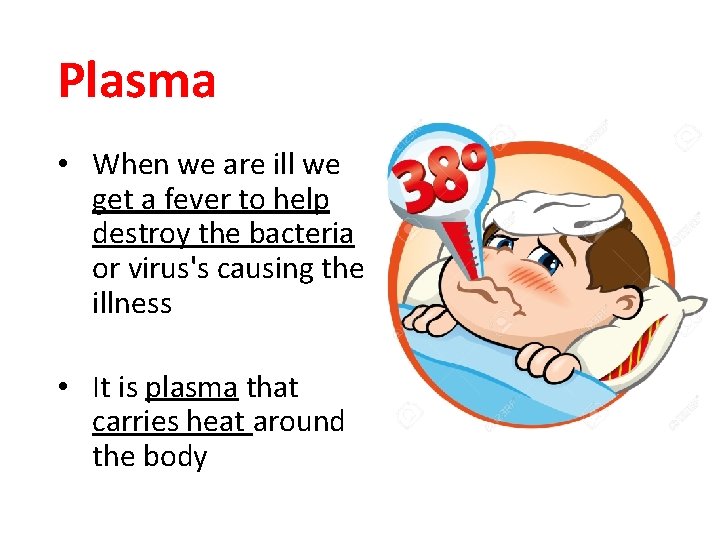
Plasma • When we are ill we get a fever to help destroy the bacteria or virus's causing the illness • It is plasma that carries heat around the body
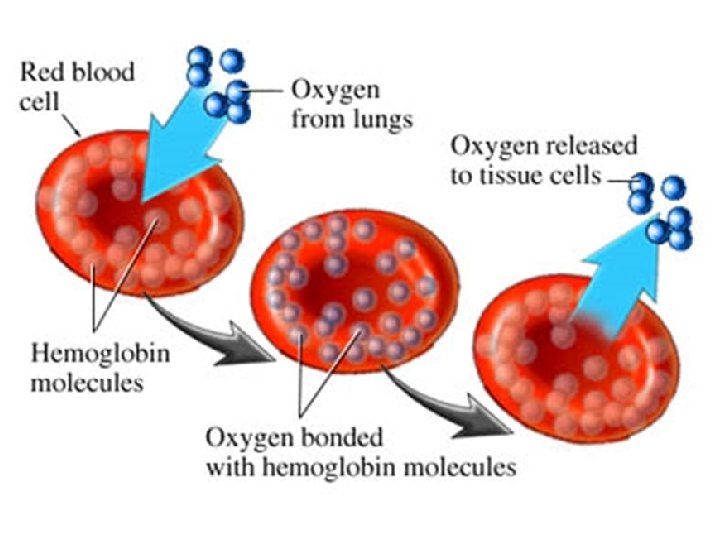
* Red Blood Cells • Made in BONE MARROW • Contains red pigment called HAEMOGLOBIN which CONTAINS IRON • FUNCTION: Transports O 2 around the body
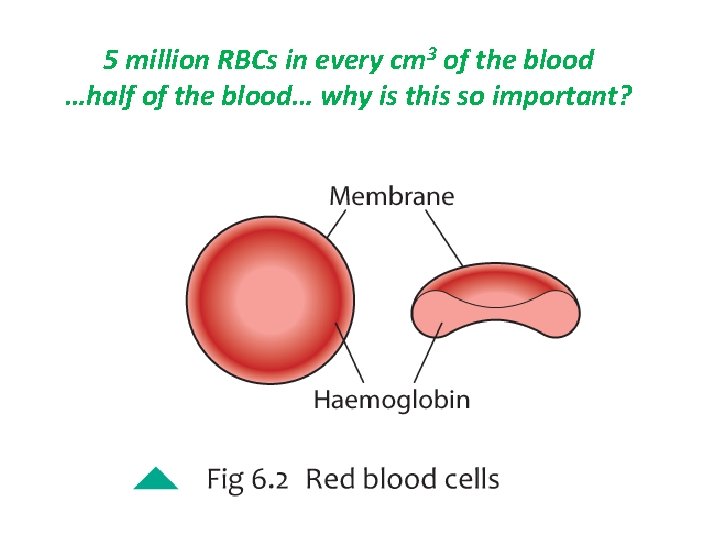
5 million RBCs in every cm 3 of the blood …half of the blood… why is this so important?
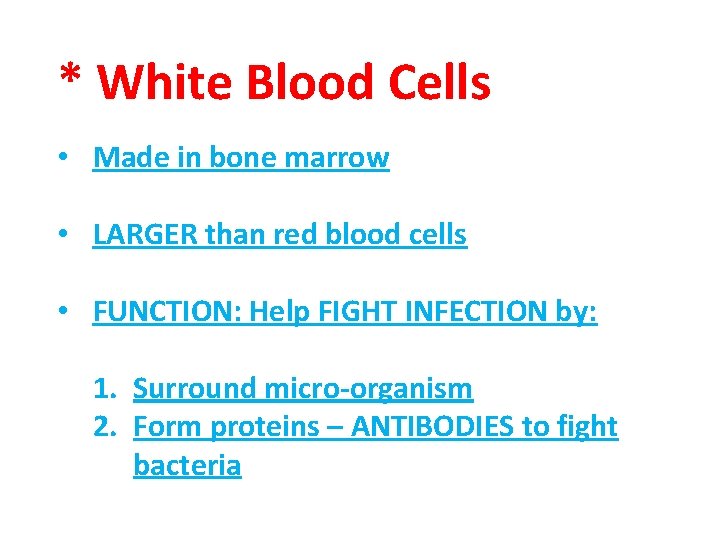
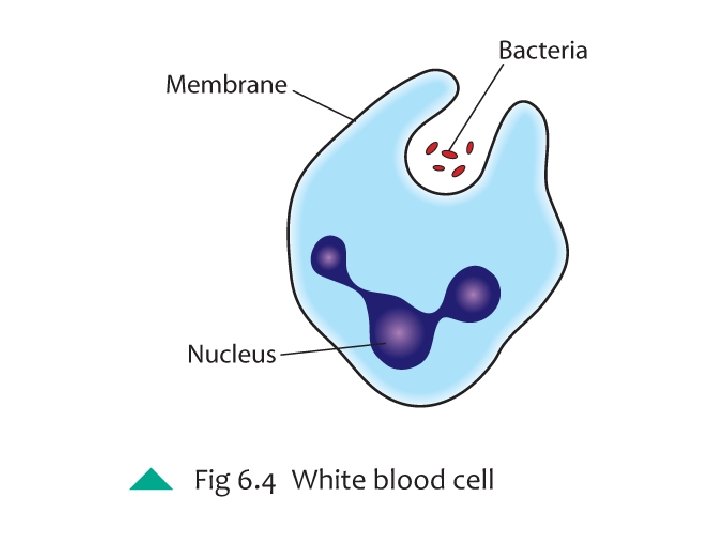
* White Blood Cells • Made in bone marrow • LARGER than red blood cells • FUNCTION: Help FIGHT INFECTION by: 1. Surround micro-organism 2. Form proteins – ANTIBODIES to fight bacteria
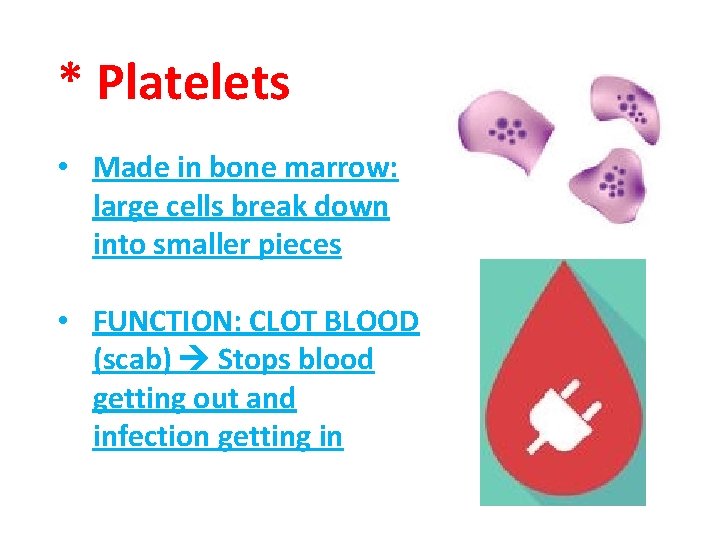
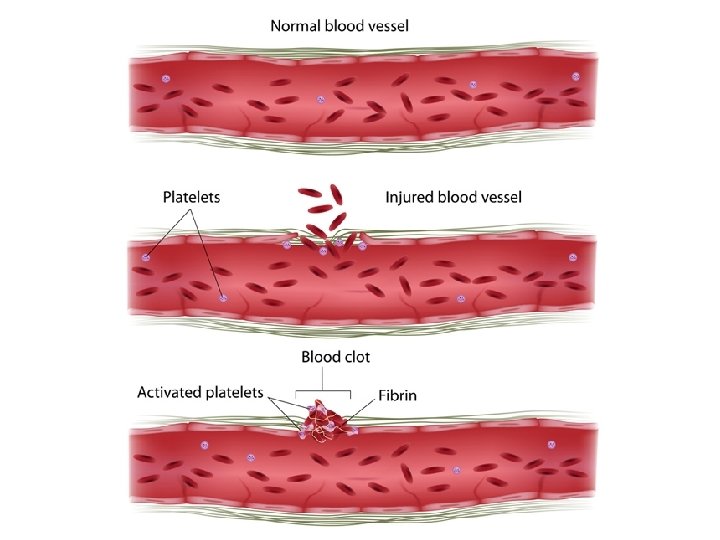
* Platelets • Made in bone marrow: large cells break down into smaller pieces • FUNCTION: CLOT BLOOD (scab) Stops blood getting out and infection getting in
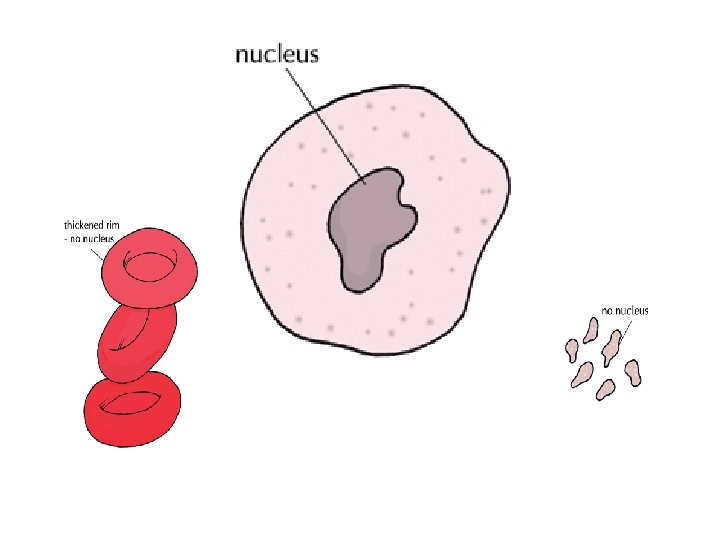
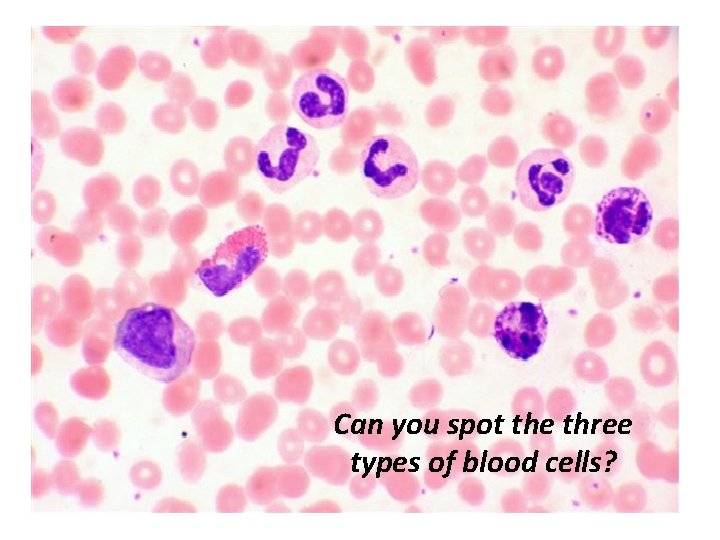
Can you spot the three types of blood cells?
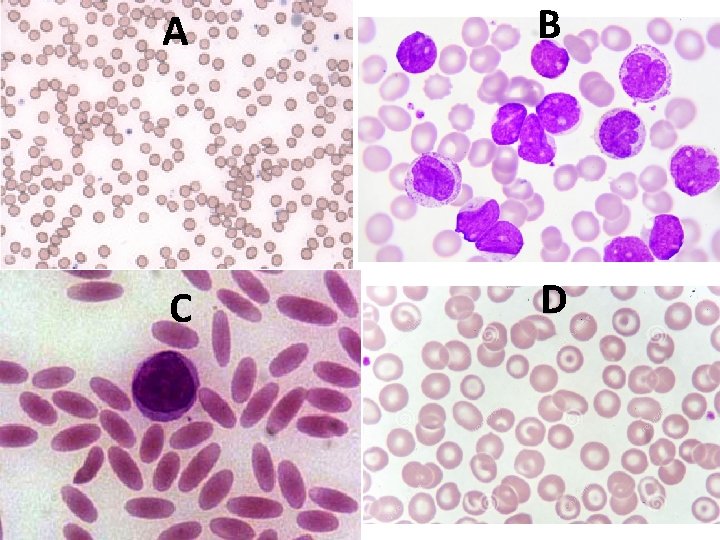
A B C D
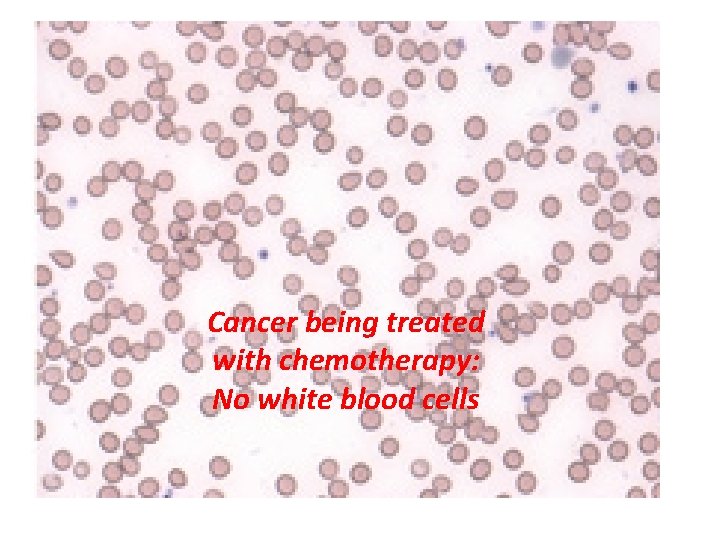
Cancer being treated with chemotherapy: No white blood cells
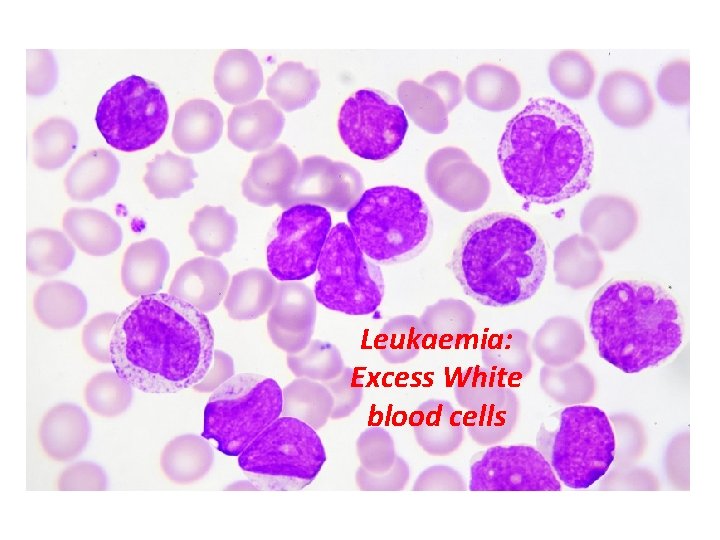
Leukaemia: Excess White blood cells
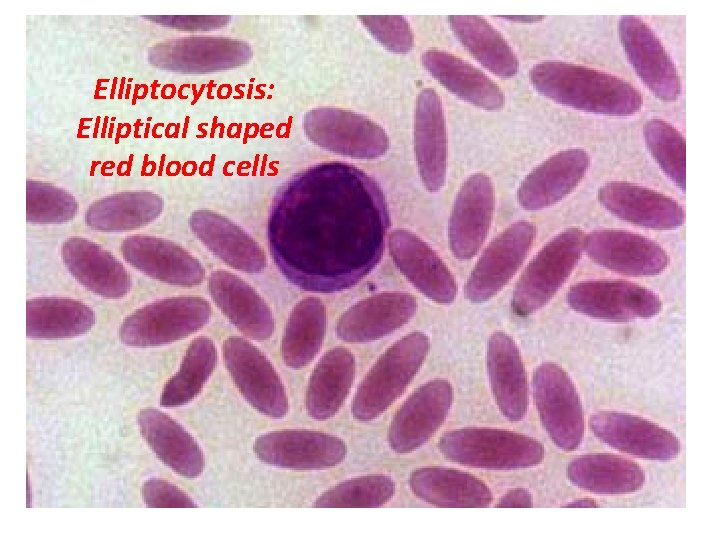
Elliptocytosis: Elliptical shaped red blood cells
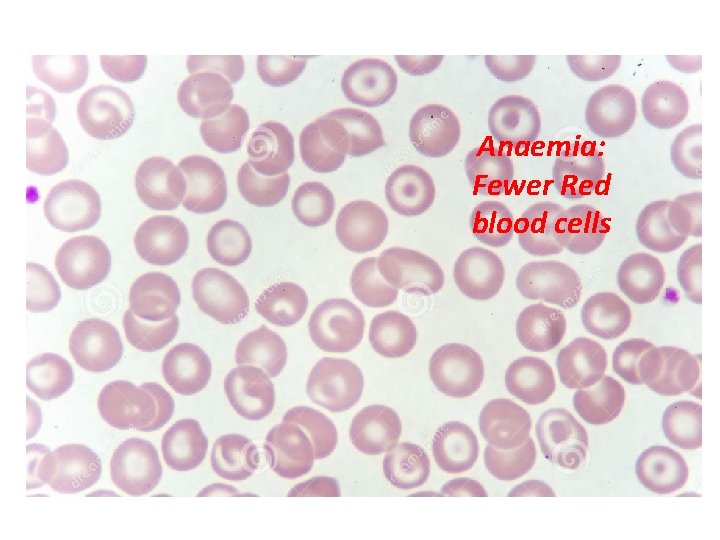
Anaemia: Fewer Red blood cells
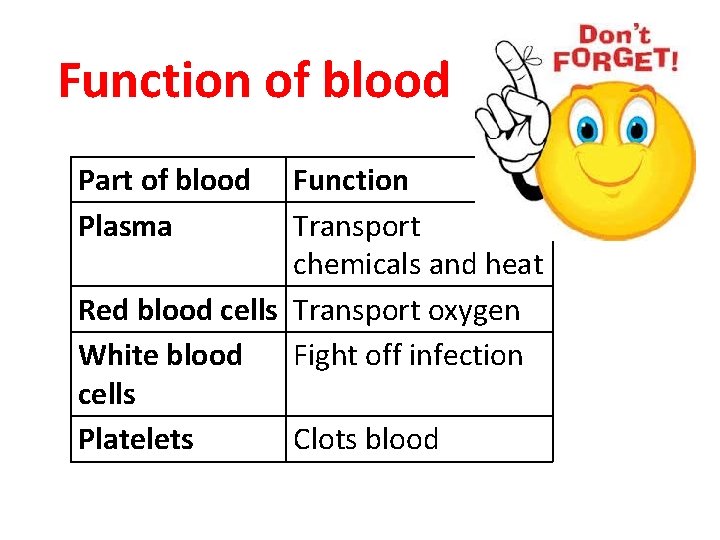
Function of blood Part of blood Plasma Function Transport chemicals and heat Red blood cells Transport oxygen White blood Fight off infection cells Platelets Clots blood
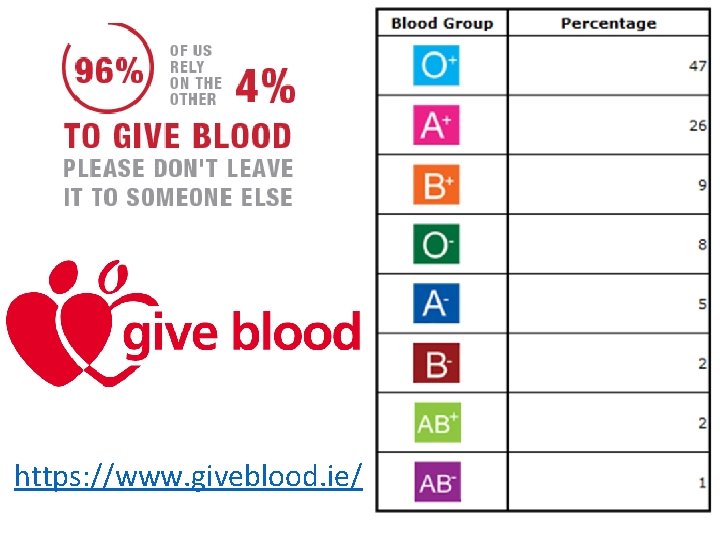
https: //www. giveblood. ie/
* Blood Vessels • There are 3 main types of blood vessels: 1. Arteries 2. Veins and 3. Capillaries
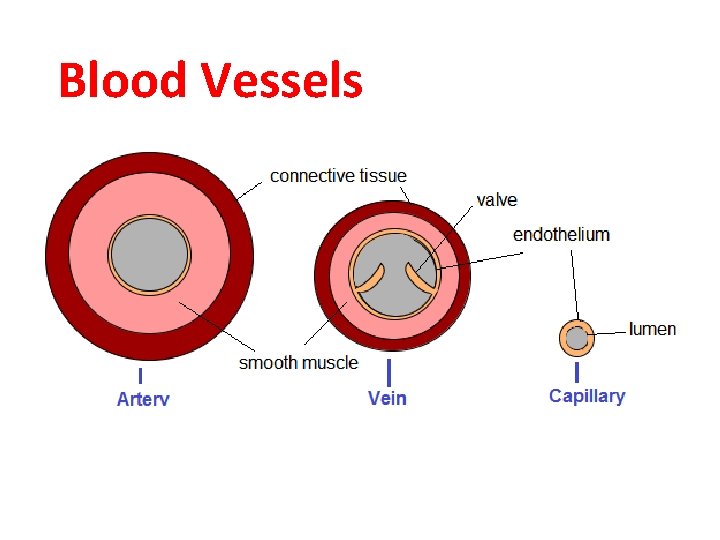
Blood Vessels
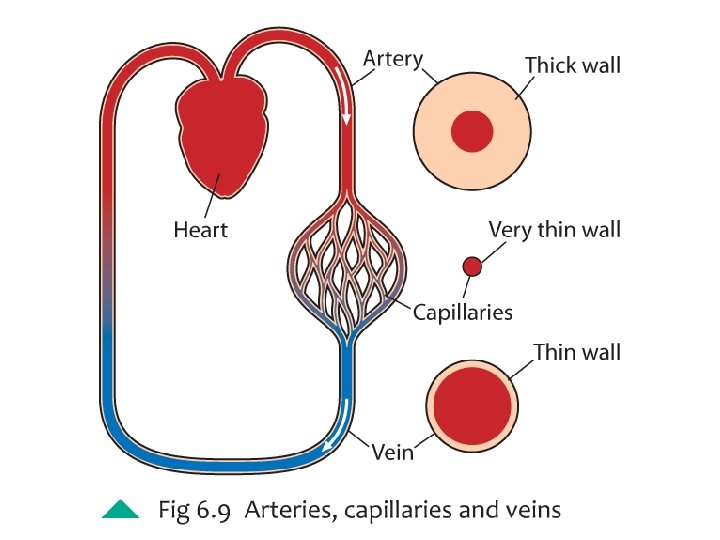
Blood Vessels 1. Arteries: • Carry blood AWAY from the heart • Blood in arteries is under HIGH PRESSURE • WALLS of arteries are very THICK AND STRONG
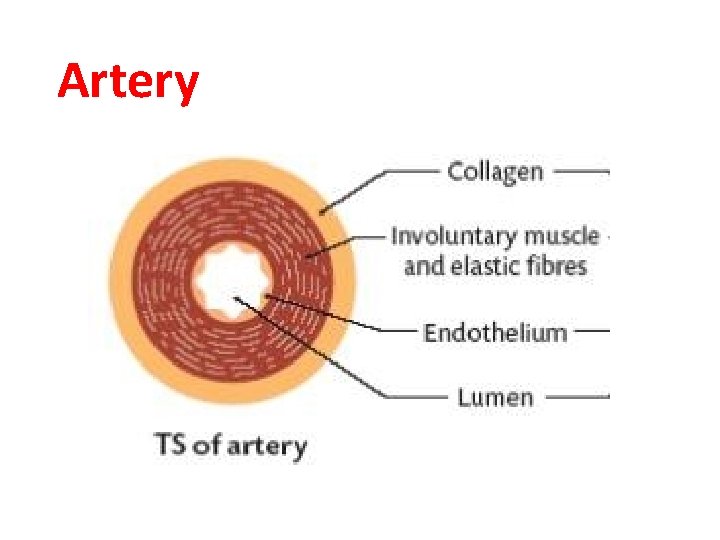
Artery
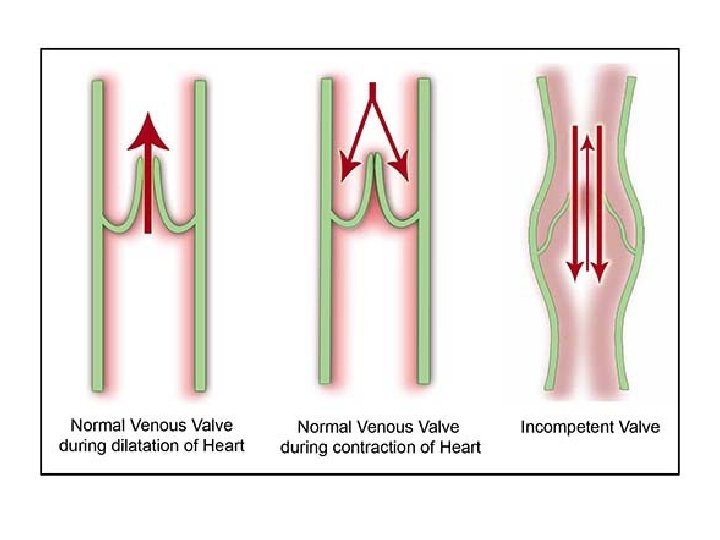
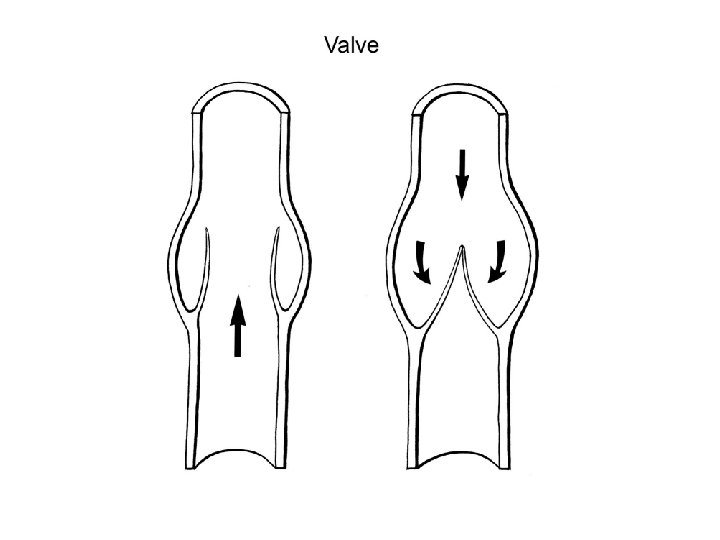
Blood Vessels 2. Veins • Carry blood TO the heart • Blood in veins is under LOW PRESSURE • THIN, WEAK WALLS • CONTAINS VALVES
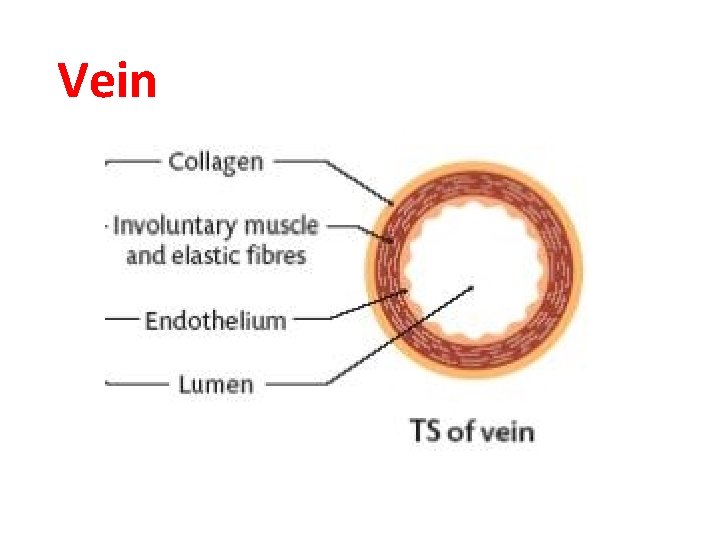
Vein
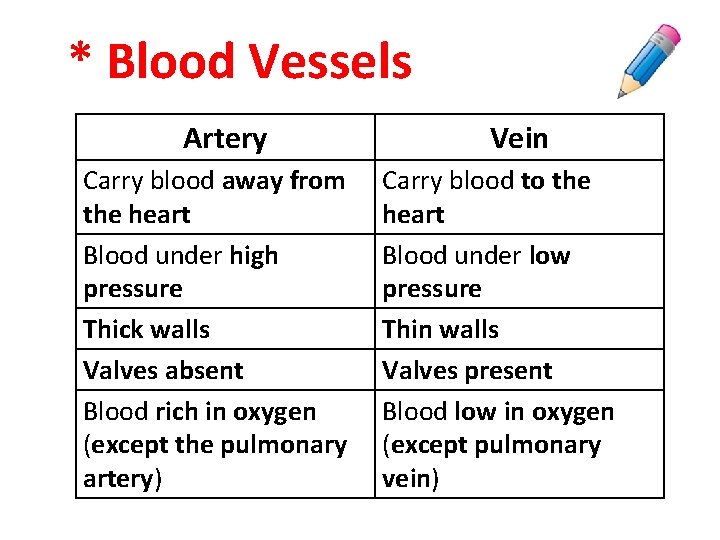
* Blood Vessels Artery Carry blood away from the heart Blood under high pressure Thick walls Valves absent Blood rich in oxygen (except the pulmonary artery) Vein Carry blood to the heart Blood under low pressure Thin walls Valves present Blood low in oxygen (except pulmonary vein)
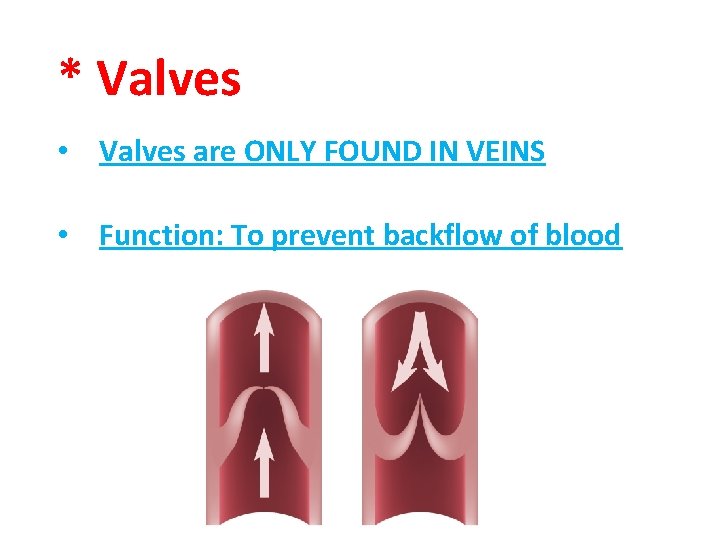
* Valves • Valves are ONLY FOUND IN VEINS • Function: To prevent backflow of blood
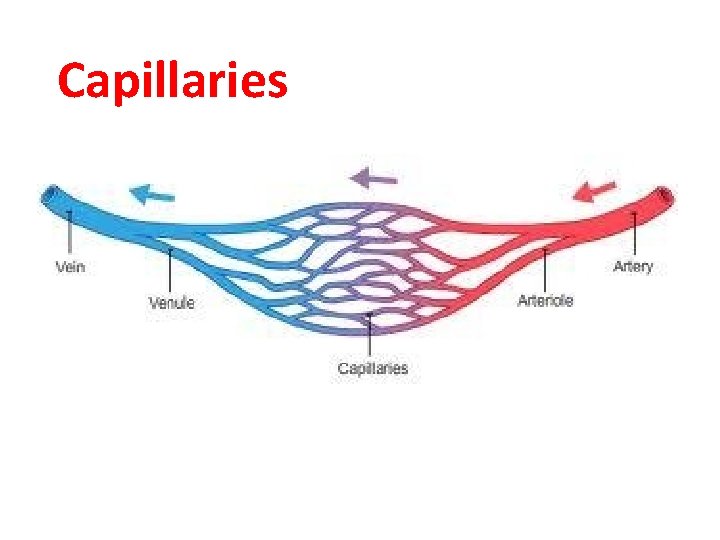
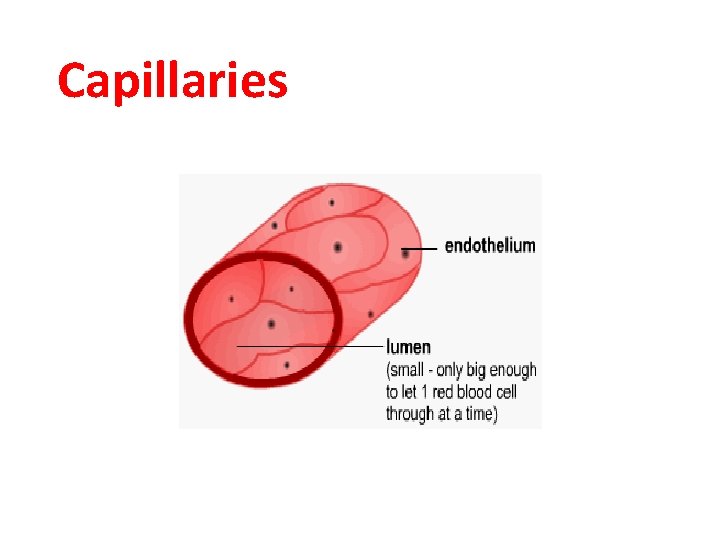
* 3. Capillaries • Tiny blood vessels • Found BETWEEN arteries and veins • Very THIN WALLS ONE CELL THICK allows materials e. g. food and gases
Capillaries
Capillaries
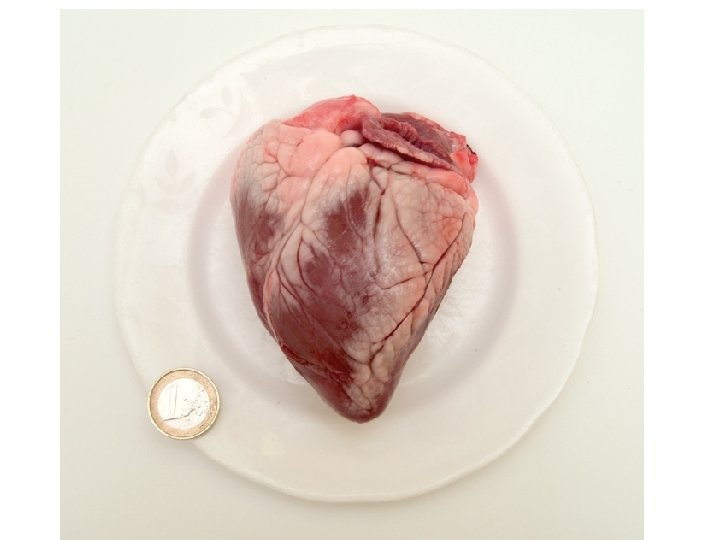
* The Heart • Size of a clenched fist • Located in the LEFT-HAND SIDE of the chest • Made of CARDIAC MUSCLE which is very STRONG and DOES NOT TIRE easily • Function: Contracts to PUMPS BLOOD around our body in blood vessels
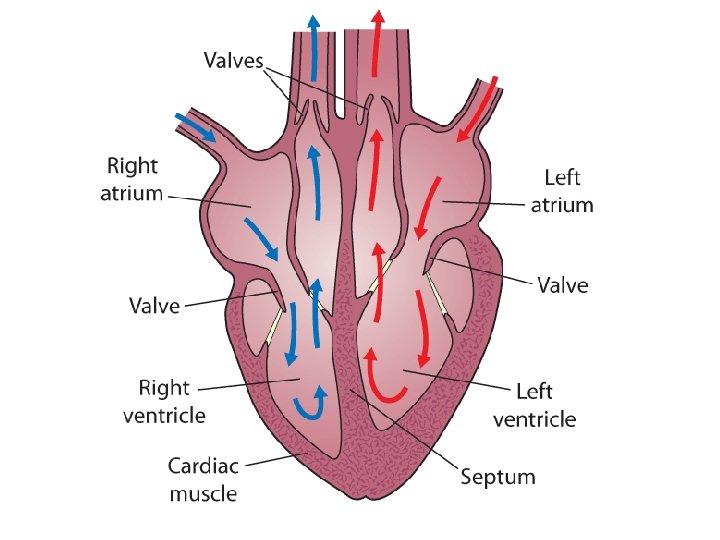
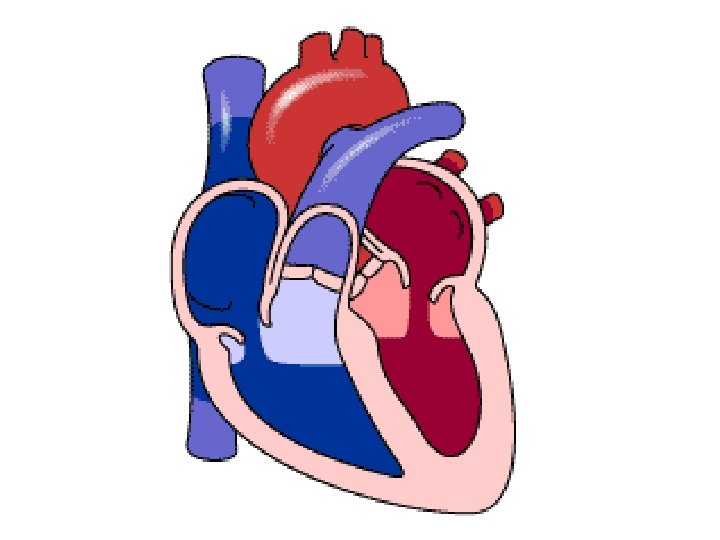
The Heart • Contains 4 CHAMBERS • TOP TWO called ATRIUM (left and right) BOTTOM TWO called VENTRICLE (left and right) • Two sides of the heart are separated by the SEPTUM • VALVES in the heart ensure blood can only FLOW IN ONE DIRECTION
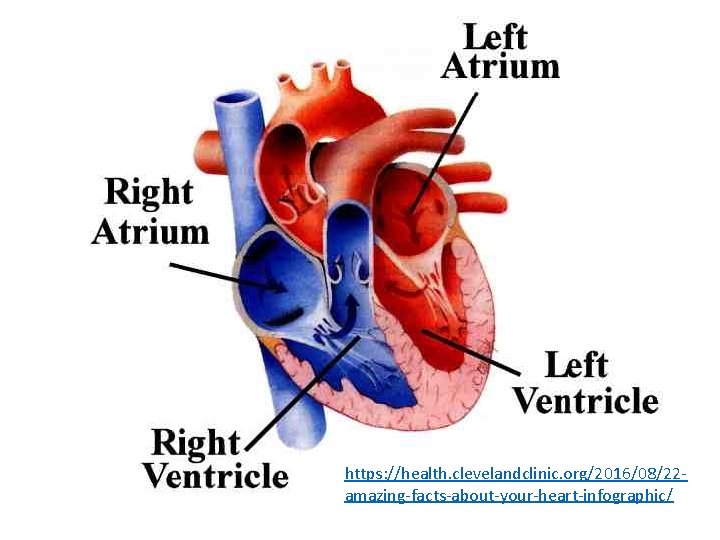
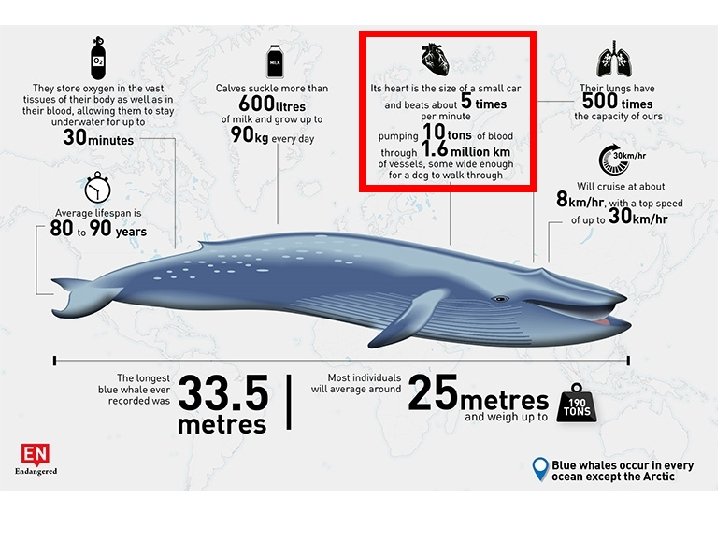
https: //health. clevelandclinic. org/2016/08/22 amazing-facts-about-your-heart-infographic/
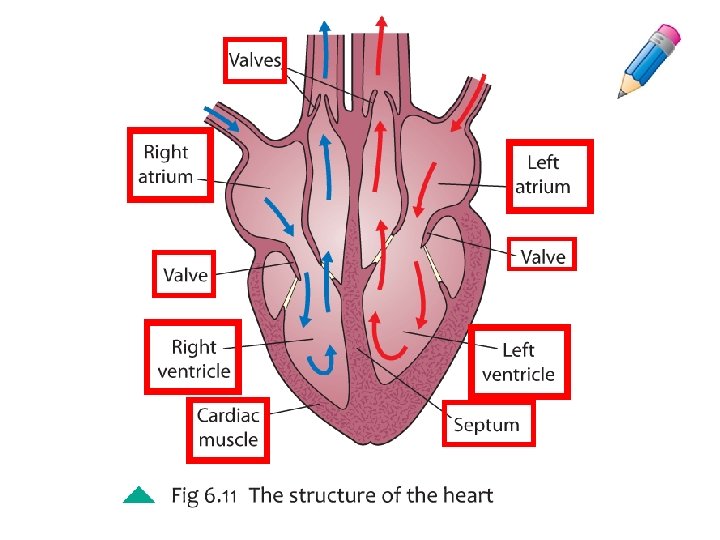
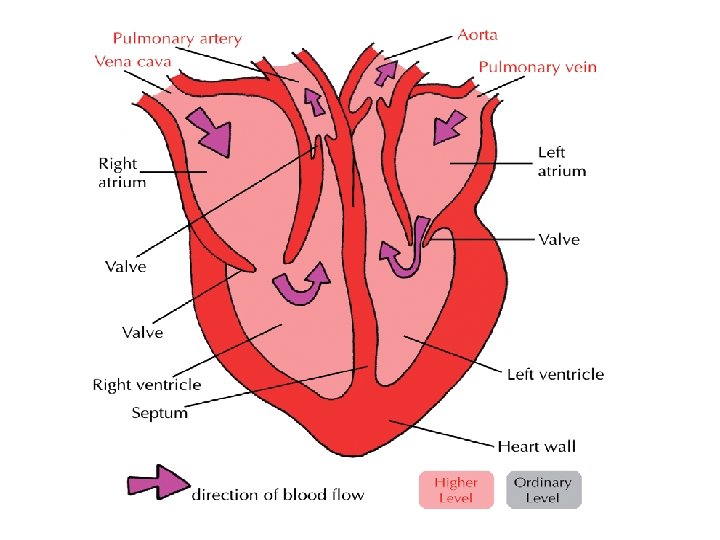
* Blood flow through the heart (HANDOUT) • Blood from the body enters the right atrium, (low in oxygen) • Right atrium contracts to pump blood down through a valve into right ventricle
Blood flow through the heart • Right ventricle contracts, valve shuts and pushes blood out of the heart to the lungs • In the lungs, blood gains oxygen and loses carbon dioxide and water
Blood flow through the heart • Blood then flows back into the left atrium, (rich in oxygen) • Left atrium contracts to pump blood down through a valve into left ventricle
Blood flow through the heart • Left ventricle contracts, valve closes and blood is forced out of heart and all around the body • Blood will lose oxygen and complete the cycle again
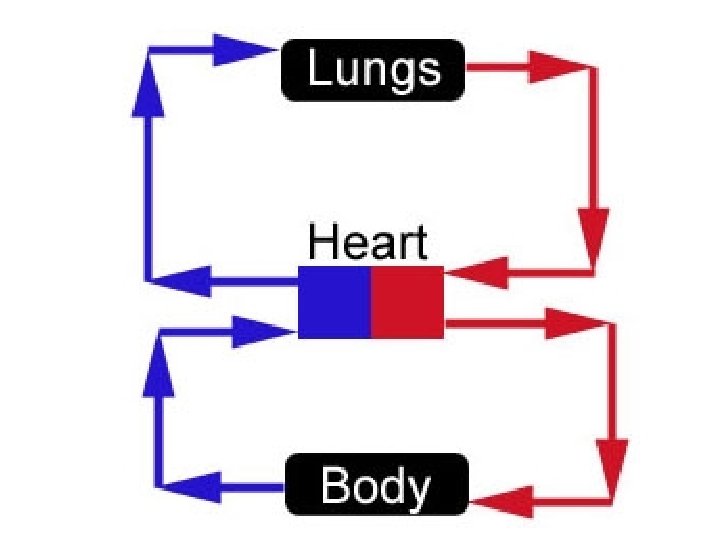
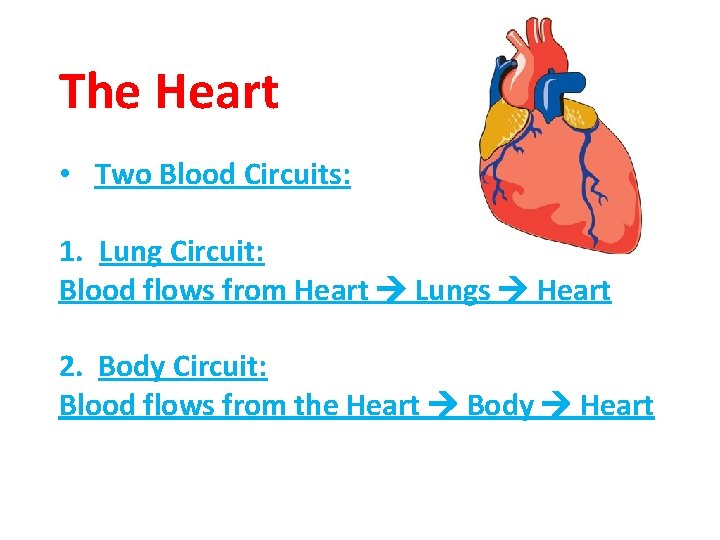
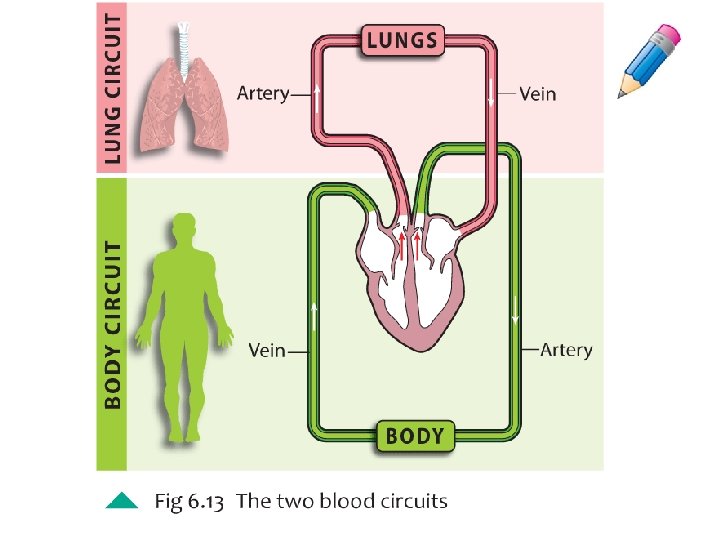
The Heart • Two Blood Circuits: 1. Lung Circuit: Blood flows from Heart Lungs Heart 2. Body Circuit: Blood flows from the Heart Body Heart
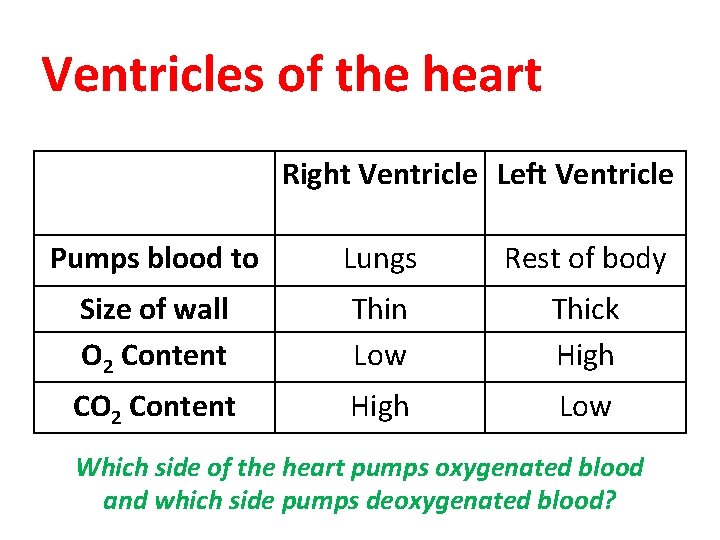
Ventricles of the heart Right Ventricle Left Ventricle Pumps blood to Lungs Rest of body Size of wall O 2 Content Thin Low Thick High CO 2 Content High Low Which side of the heart pumps oxygenated blood and which side pumps deoxygenated blood?
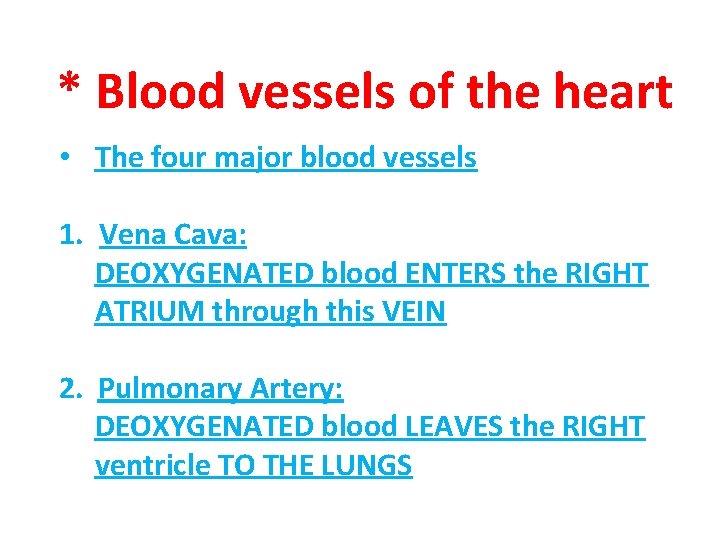
* Blood vessels of the heart • The four major blood vessels 1. Vena Cava: DEOXYGENATED blood ENTERS the RIGHT ATRIUM through this VEIN 2. Pulmonary Artery: DEOXYGENATED blood LEAVES the RIGHT ventricle TO THE LUNGS
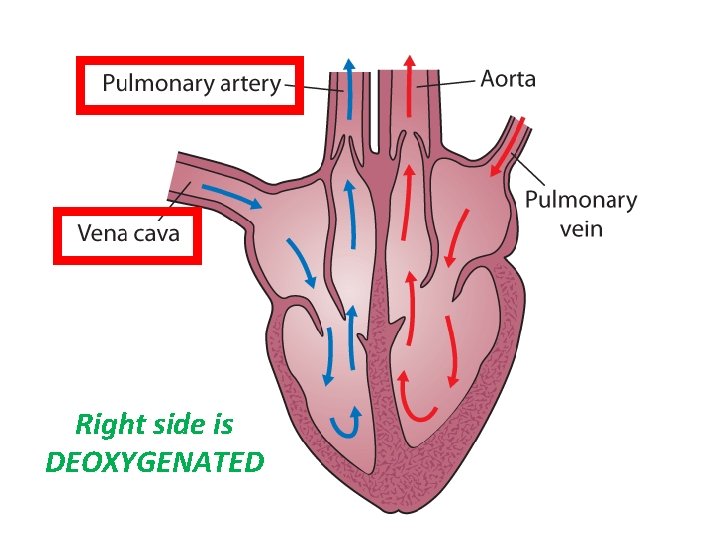
Right side is DEOXYGENATED
The Heart 3. Pulmonary Vein: OXYGENATED blood flows FROM THE LUNGS TO THE HEART on the LEFT side 4. Aorta: OXYGENATED blood flows FROM THE HEART to the body on the LEFT side
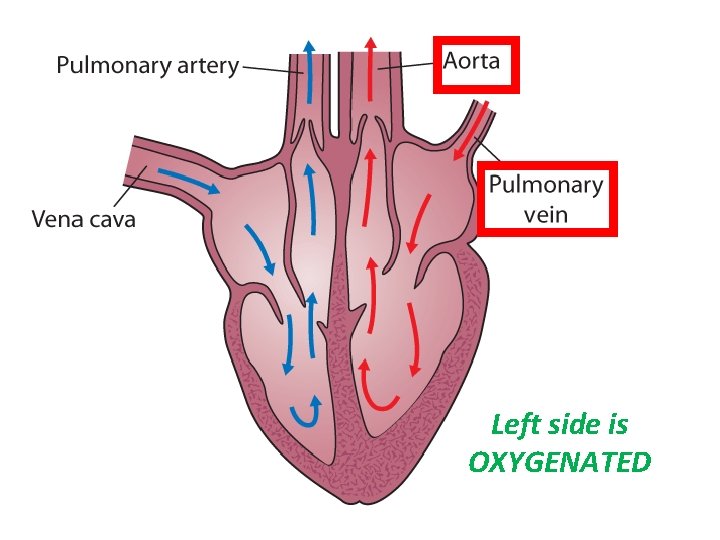
Left side is OXYGENATED
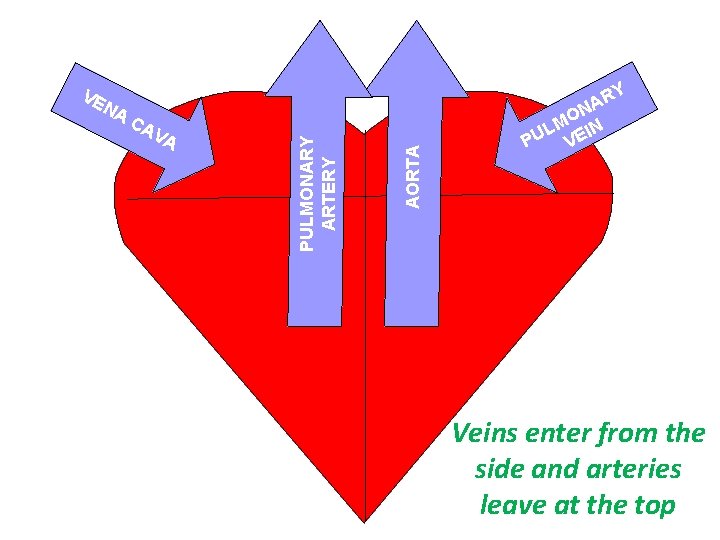
Y CA VA AORTA NA PULMONARY ARTERY VE AR N MO IN L PU VE Veins enter from the side and arteries leave at the top
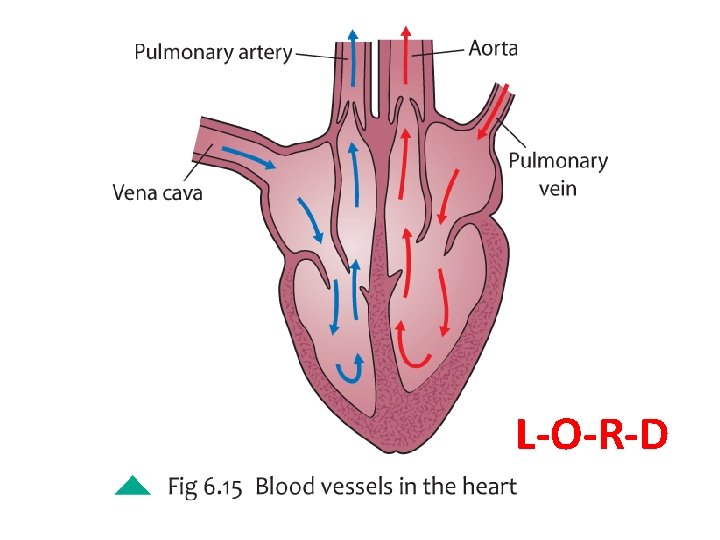
L-O-R-D
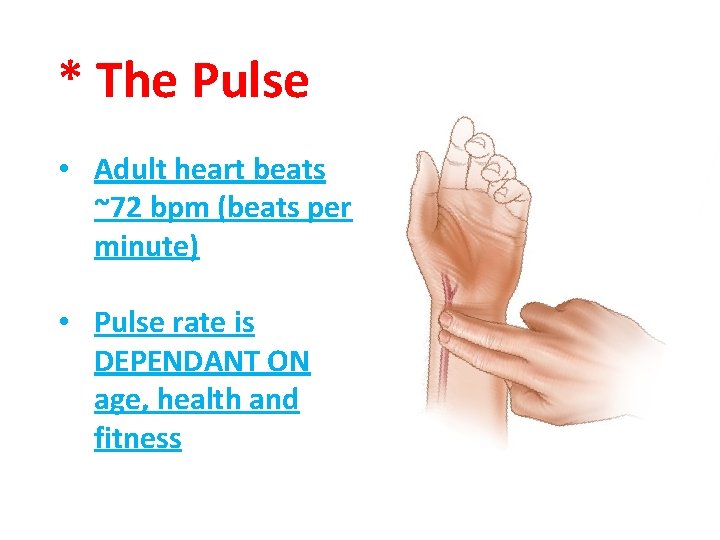
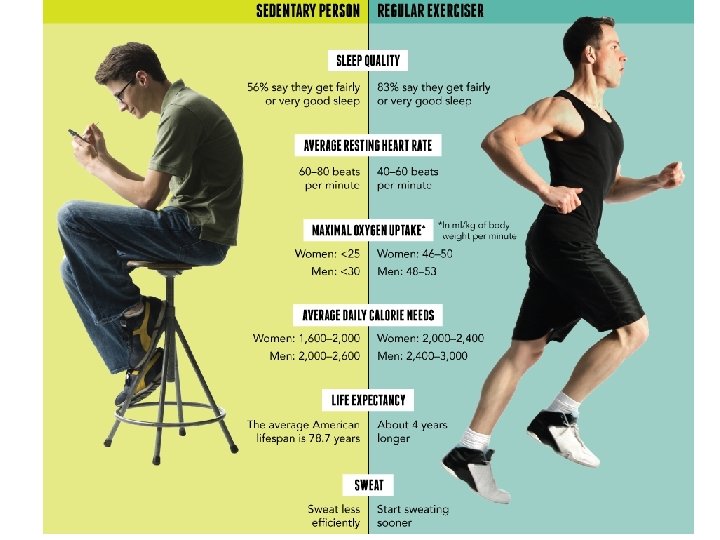
* The Pulse • Adult heart beats ~72 bpm (beats per minute) • Pulse rate is DEPENDANT ON age, health and fitness
The Pulse • Blood pumped down arteries causes a wave of pressure called a PULSE • Pulse can be felt where ARTERIES ARE CLOSE TO THE SURFACE e. g. wrist • Pulse rate measures the rate of HEART BEAT PER MINUTE
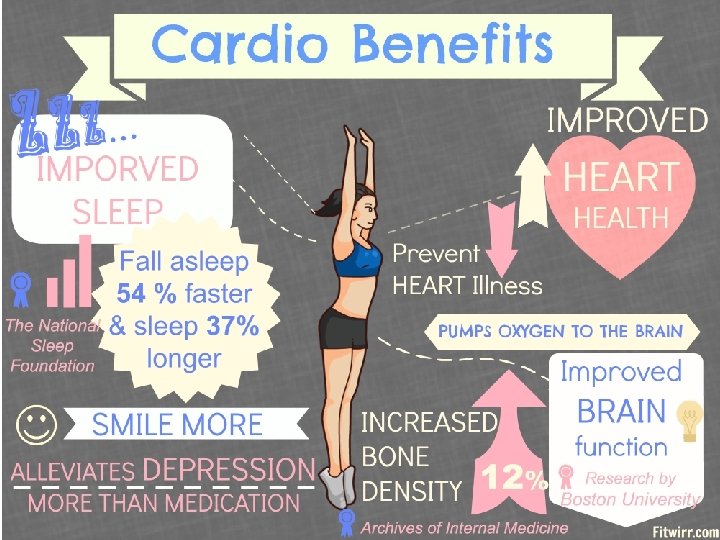
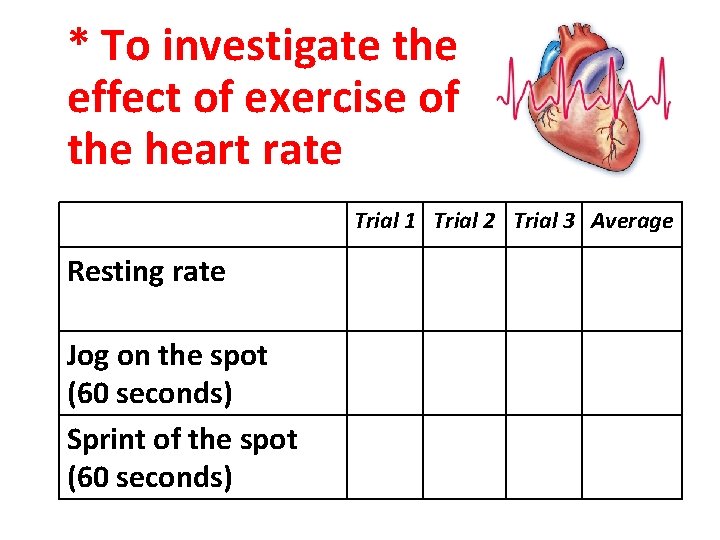
Exercise and the heart • When we exercise, the cells in the body (especially in the muscles) need increased supplies of food and oxygen • In addition the cells need to get rid of extra carbon dioxide and heat • As a result, exercise causes the heart to beat faster and our pulse rate increases
The Pulse • Benefits of exercise to the heart: 1. Increases level of oxygen (O 2) in our blood 2. Increases strength of legs and arms 3. Increases strength of our heart 4. Helps to reduce weight
* To investigate the effect of exercise of the heart rate Trial 1 Trial 2 Trial 3 Average Resting rate Jog on the spot (60 seconds) Sprint of the spot (60 seconds)
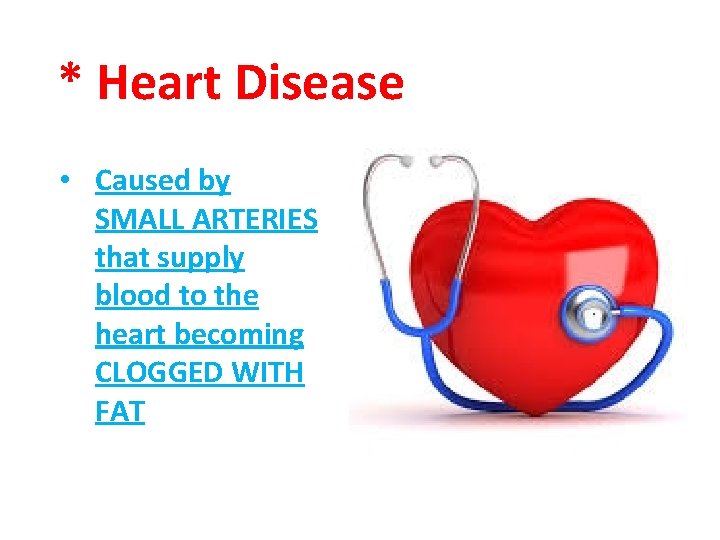
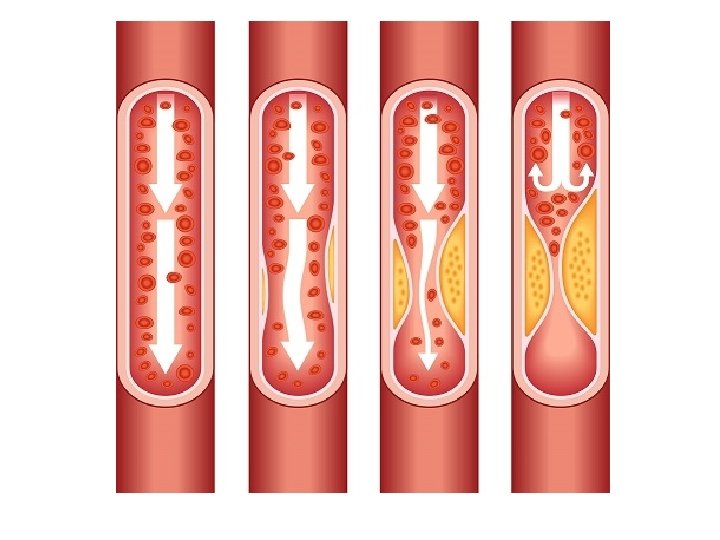
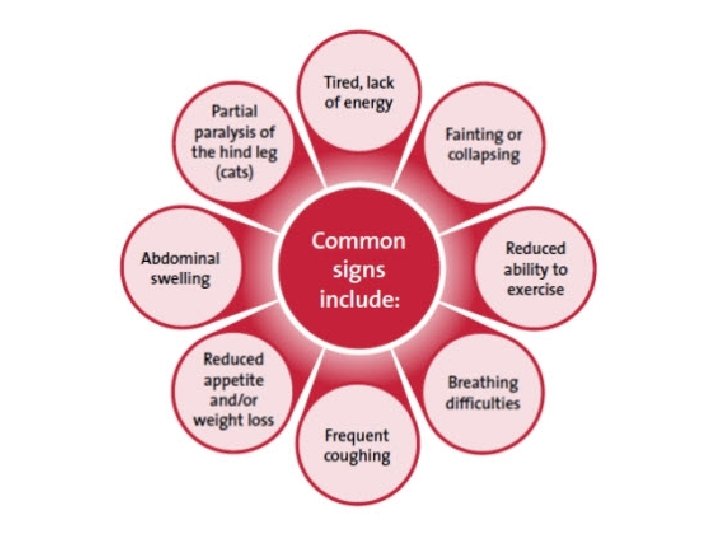
* Heart Disease • Caused by SMALL ARTERIES that supply blood to the heart becoming CLOGGED WITH FAT
Heart Disease
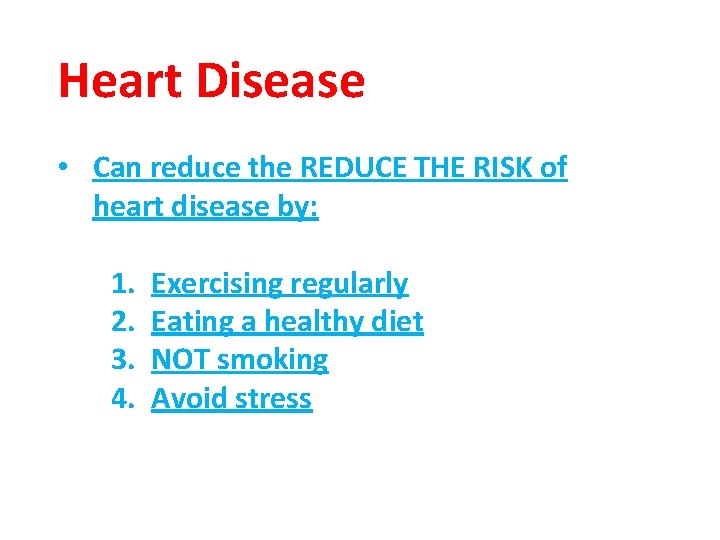
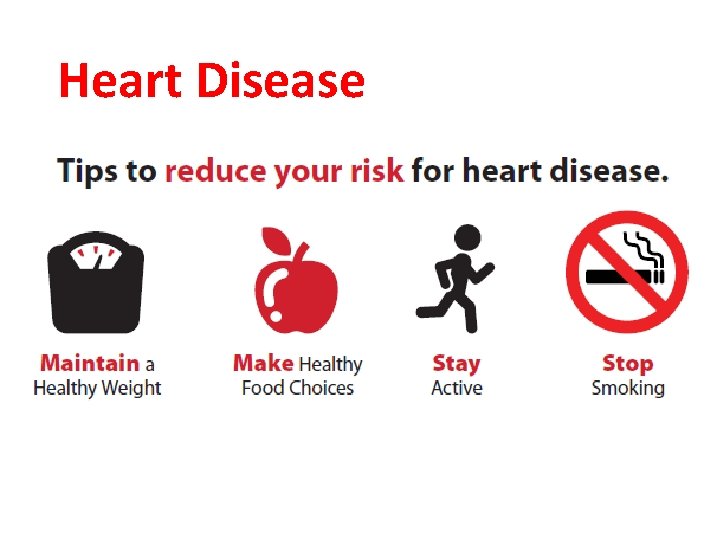
Heart Disease • Can reduce the REDUCE THE RISK of heart disease by: 1. 2. 3. 4. Exercising regularly Eating a healthy diet NOT smoking Avoid stress
- Slides: 73