
The Circulatory System Function of the circulatory system

- Slides: 45
The Circulatory System
Function of the circulatory system To move materials through out the body:
Function of the circulatory system To move materials through out the body: • • • Oxygen Carbon dioxide & other wastes Nutrients Hormones Antibodies
Parts of the Circulatory System • Heart • Blood Vessels – Arteries – Veins – Capillaries • Blood
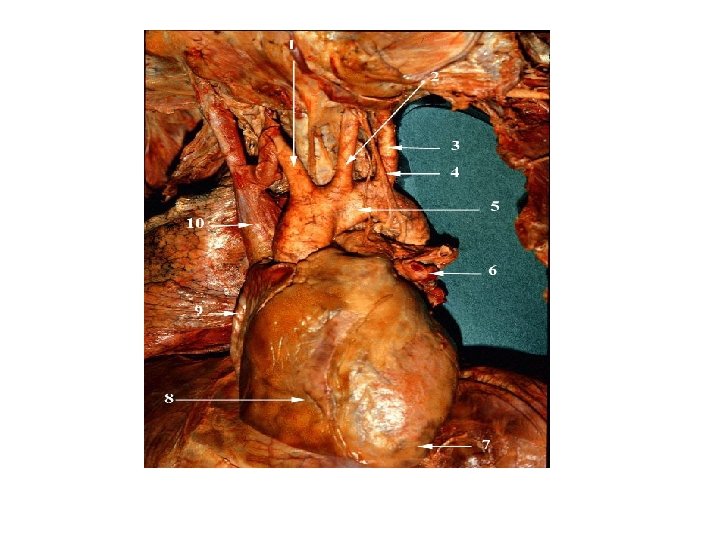
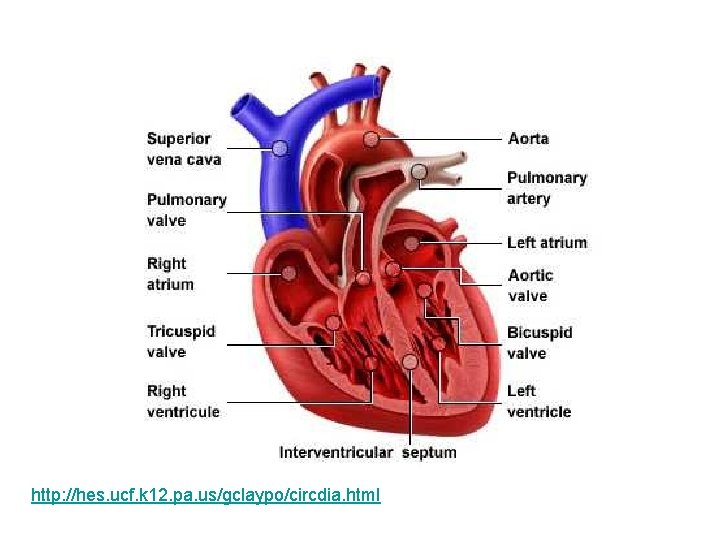
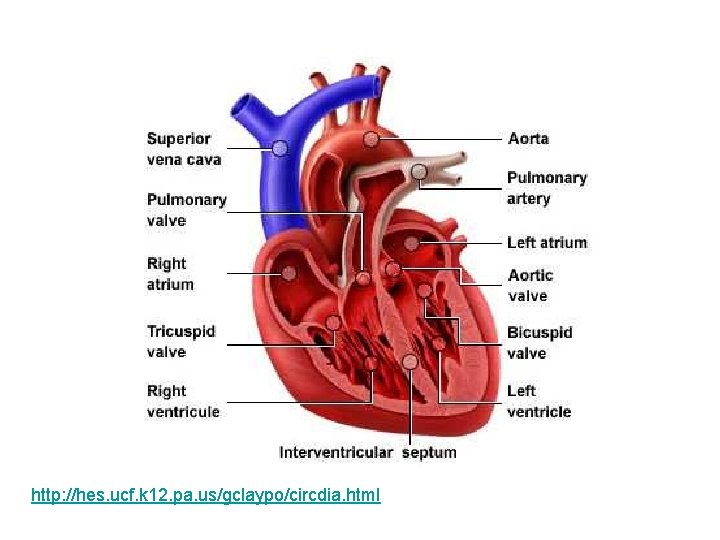
The Heart • Located behind your breastbone, called the sternum, and between your lungs • Size of your fist • Thick muscular walls – Cardiac Muscle • Has four compartments called chambers – The two upper chambers are called the right and left atria – The two lower chambers are called the right and left ventricles
http: //hes. ucf. k 12. pa. us/gclaypo/circdia. html
The Heart • The blood flows only in one direction from an atrium to a ventricle, then from a ventricle into a blood vessel • A wall prevents blood from flowing between the two atriums or the two ventricles 4 Chambers
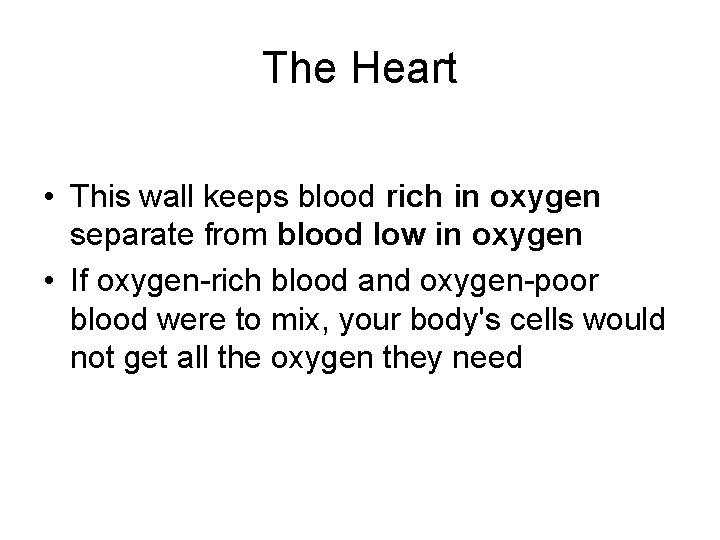
The Heart • This wall keeps blood rich in oxygen separate from blood low in oxygen • If oxygen-rich blood and oxygen-poor blood were to mix, your body's cells would not get all the oxygen they need
http: //hes. ucf. k 12. pa. us/gclaypo/circdia. html
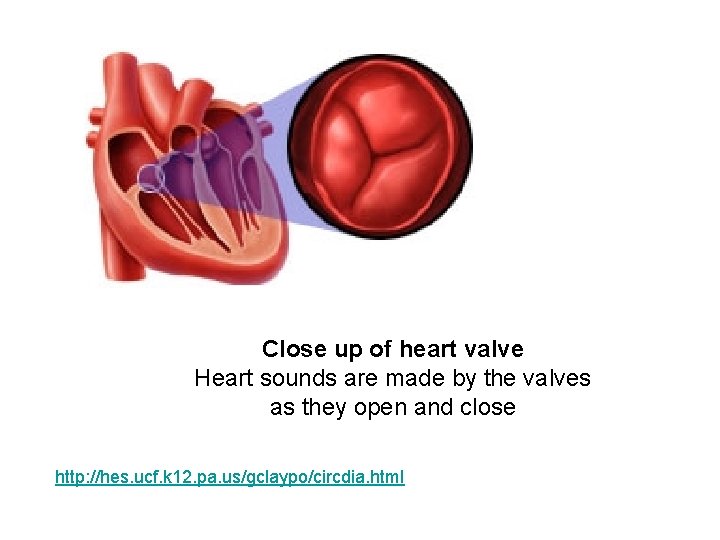
Close up of heart valve Heart sounds are made by the valves as they open and close http: //hes. ucf. k 12. pa. us/gclaypo/circdia. html
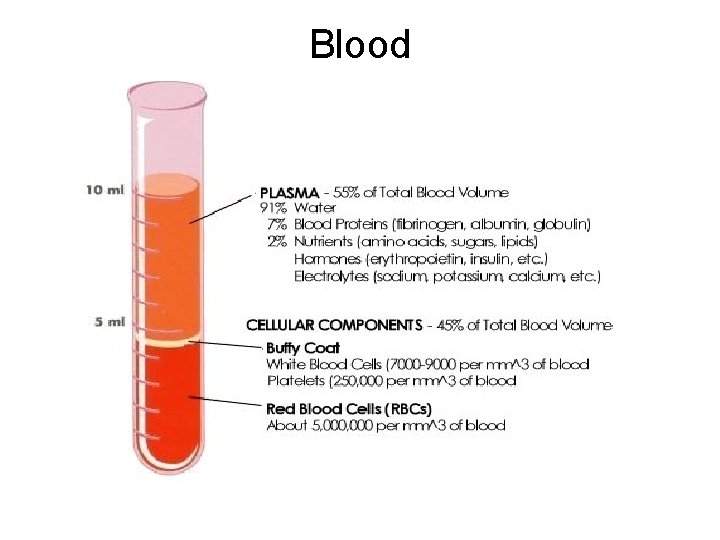
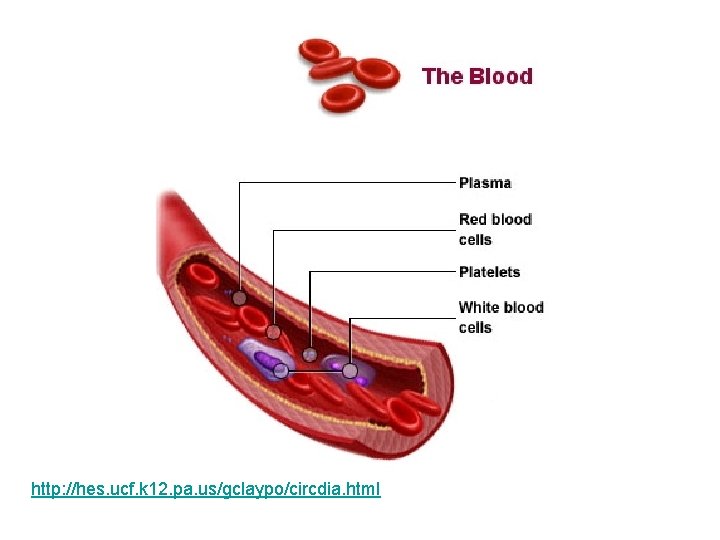
Blood • Pumped by your heart. • Travels through thousands of miles of blood vessels • Carries nutrients, water, oxygen and waste products to and from your body cells. • Made up of liquids, solids and small amounts of oxygen and carbon dioxide.
Blood Composed (made) of • • Red Blood Cells White Blood Cells Platelets Plasma
Blood
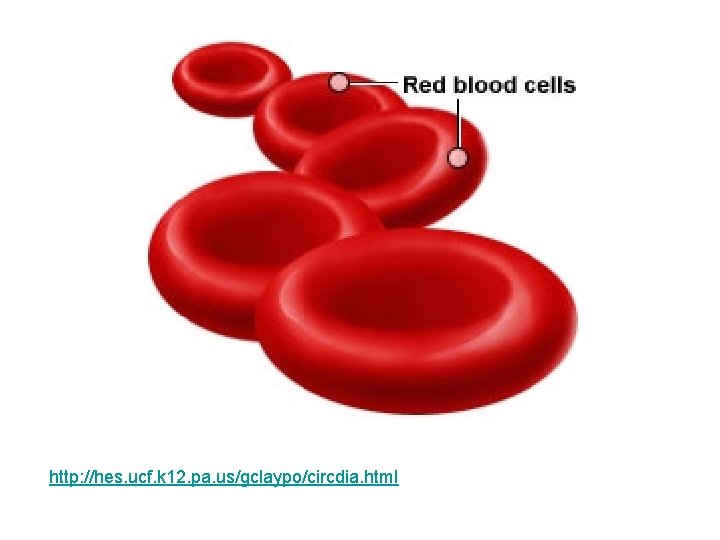
Red Blood Cells • Red blood cells carry oxygen to the body's organs and tissues. • Shaped like a bi-concave donut – think jelly donut that is squished in at the middle • About one billion red Blood cells in a few drops of whole Blood. • Red Blood cells (RBC’s) live about 120 days in our bodies. • Can be stored under normal conditions for up to 42 days. • Frozen red Blood cells can be stored for ten years, and more
http: //hes. ucf. k 12. pa. us/gclaypo/circdia. html
White Blood Cells Leukocytes • largest of the three types of cells • responsible for fighting infections. • One drop of Blood can contain from 7, 000 to 25, 000 white Blood cells. • body's primary defense against infection
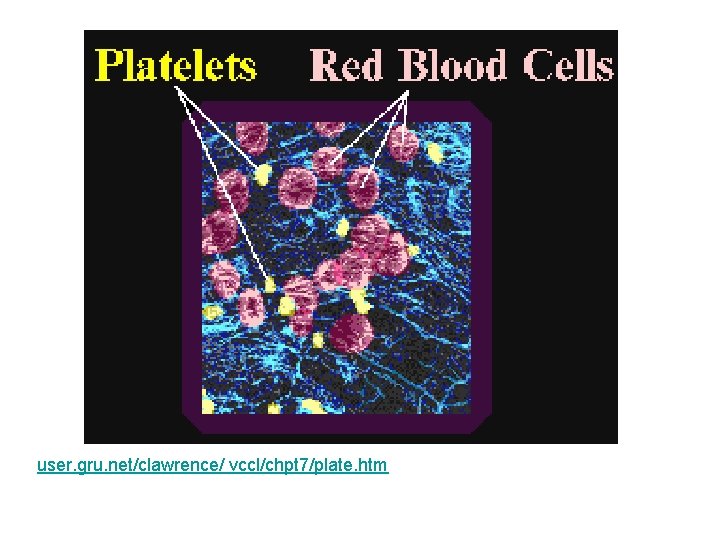
Platelets • Platelets -- the cell fragments circulating in the blood that are involved in formation of blood clots. • act as “plugs” in the web of protein that covers a new wound
user. gru. net/clawrence/ vccl/chpt 7/plate. htm
Plasma • • Plasma is the liquid part of the blood About half of your blood is made of plasma Plasma is made in the liver Blood itself is a solid tissue, but appears to be a liquid because it is carried in suspension in a fluid called plasma
http: //hes. ucf. k 12. pa. us/gclaypo/circdia. html
Blood Vessels • Arteries • Veins • Capillaries
Arteries • Carry blood AWAY from the heart
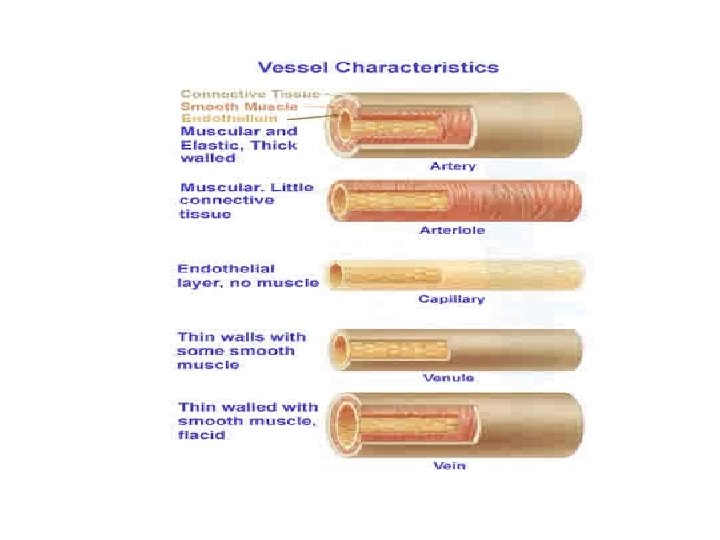
Arteries • • Carry blood AWAY from the heart muscular, elastic, and thick-walled Tough on the outside Smooth on the inside
Arteries • • • Carry blood AWAY from the heart muscular, elastic, and thick-walled Tough on the outside Smooth on the inside Main artery called the aorta Aorta divides and branches and then many smaller arteries
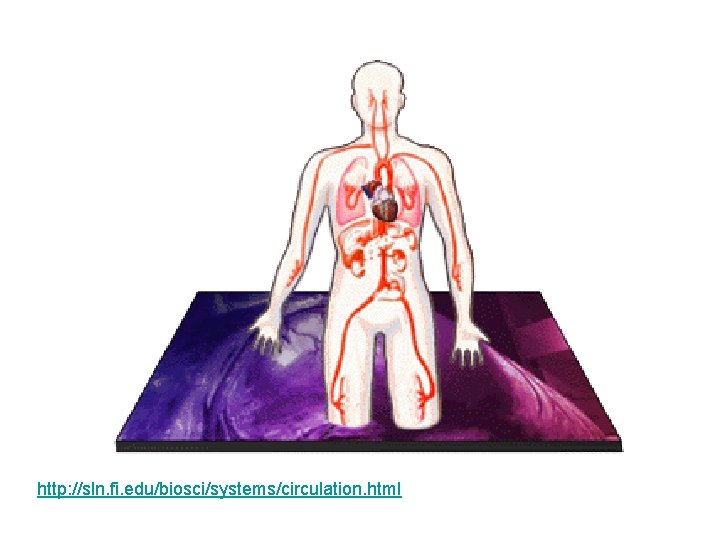
Arteries • • • Carry blood AWAY from the heart muscular, elastic, and thick-walled Tough on the outside Smooth on the inside Main artery called the aorta Aorta divides and branches and then many smaller arteries • Each region of your body has system of arteries supplying it with fresh, oxygen-rich blood.
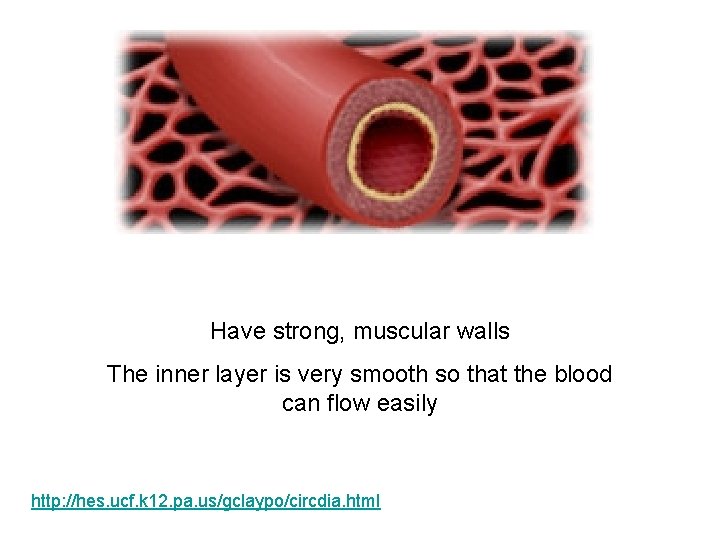
Have strong, muscular walls The inner layer is very smooth so that the blood can flow easily http: //hes. ucf. k 12. pa. us/gclaypo/circdia. html
http: //sln. fi. edu/biosci/systems/circulation. html
Veins • Carry blood TO the heart
Veins • Carry blood TO the heart • Receive blood from the capillaries • Transport waste-rich/ oxygen-poor blood back to the lungs and heart
Veins • Carry blood TO the heart • Receive blood from the capillaries • Transport waste-rich/ oxygen-poor blood back to the lungs and heart • Thinner and less muscular than arteries and collapse when empty • Contain valves, that keep the blood from flowing backward
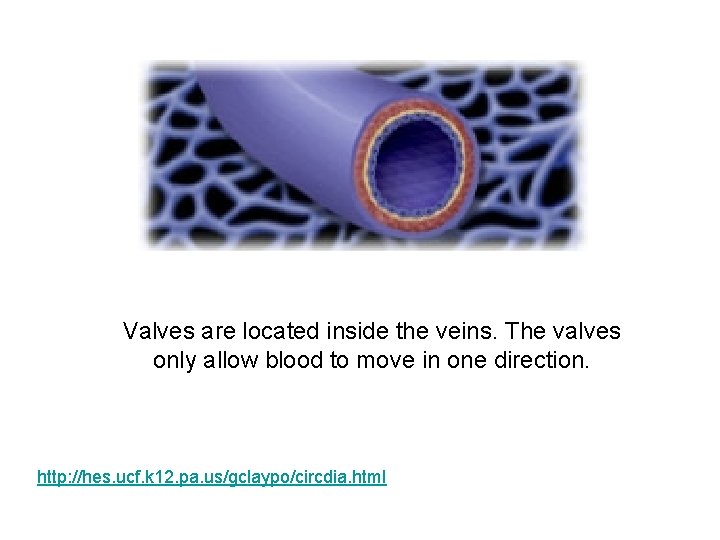
Valves are located inside the veins. The valves only allow blood to move in one direction. http: //hes. ucf. k 12. pa. us/gclaypo/circdia. html
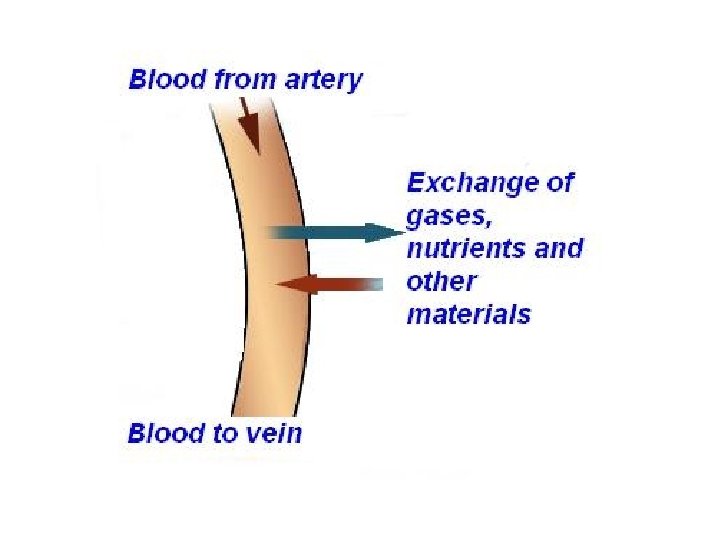
Capillaries • Very thin, one cell thick • Connect arteries & veins
Capillaries • Very thin, one cell thick • Connect arteries & veins • Capillaries form a network of tiny tubes throughout the body • Food and oxygen released to the body cells • Carbon dioxide and other waste products returned to the bloodstream
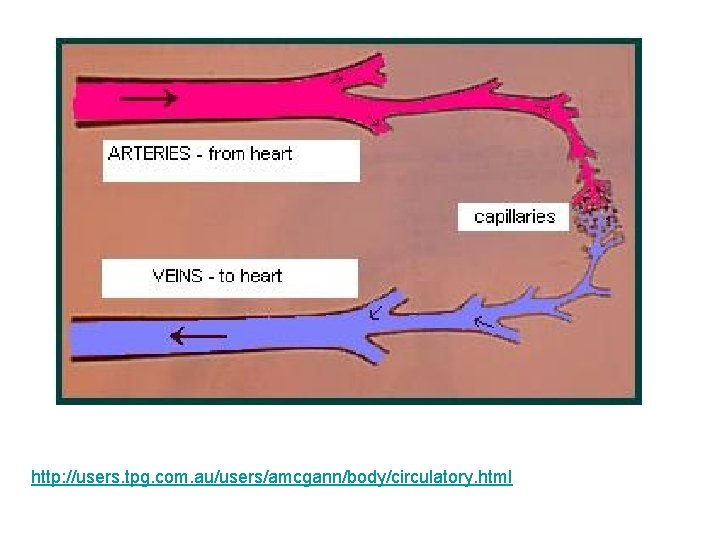
Capillaries • Very thin, one cell thick • Connect arteries & veins • Capillaries form a network of tiny tubes throughout the body • Food and oxygen released to the body cells • Carbon dioxide and other waste products returned to the bloodstream • Diffusion
http: //users. tpg. com. au/users/amcgann/body/circulatory. html
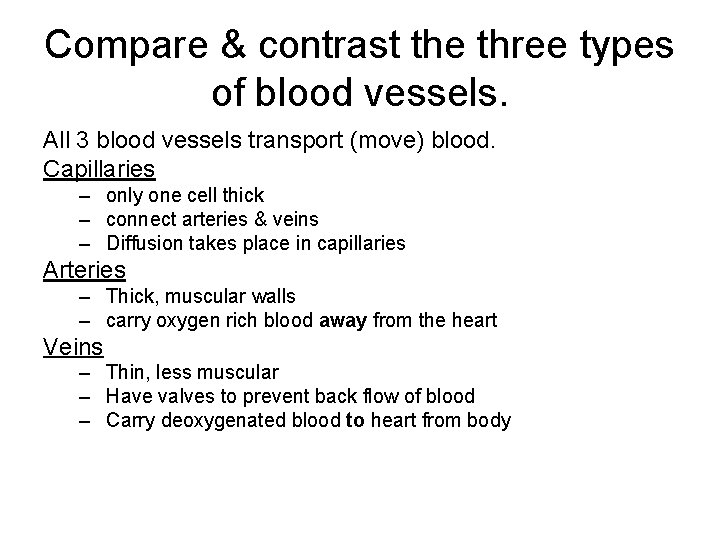
Compare & contrast the three types of blood vessels. All 3 blood vessels transport (move) blood. Capillaries – only one cell thick – connect arteries & veins – Diffusion takes place in capillaries Arteries – Thick, muscular walls – carry oxygen rich blood away from the heart Veins – Thin, less muscular – Have valves to prevent back flow of blood – Carry deoxygenated blood to heart from body
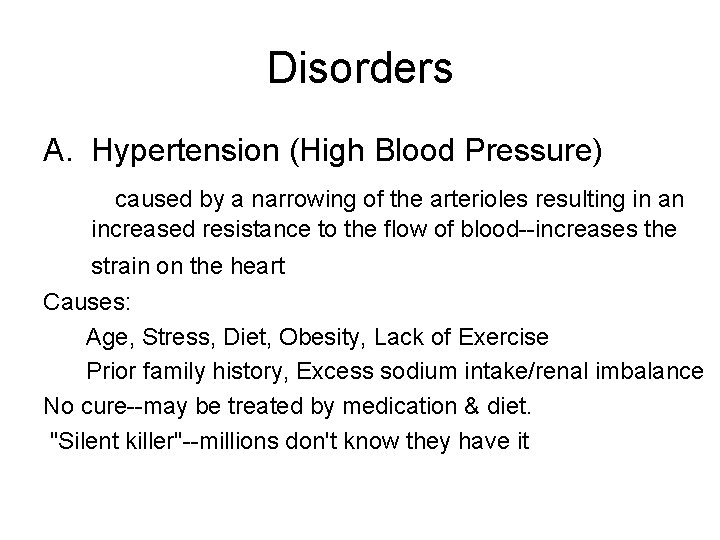
Disorders A. Hypertension (High Blood Pressure) caused by a narrowing of the arterioles resulting in an increased resistance to the flow of blood--increases the strain on the heart Causes: Age, Stress, Diet, Obesity, Lack of Exercise Prior family history, Excess sodium intake/renal imbalance No cure--may be treated by medication & diet. "Silent killer"--millions don't know they have it
Disorders B. Angina pectoris Chest pain or discomfort that occurs when your heart muscle does not get enough blood, It may also feel like indigestion • More than 6 million people in the United States have angina. • People with coronary artery disease or who have had a heart attack are more likely to have angina.
Disorders C. Coronary thrombosis • Also called a myocardial infarction or heart attack. • blockage, either partial or complete, of the coronary arteries that prevents blood from reaching the heart muscle itself.
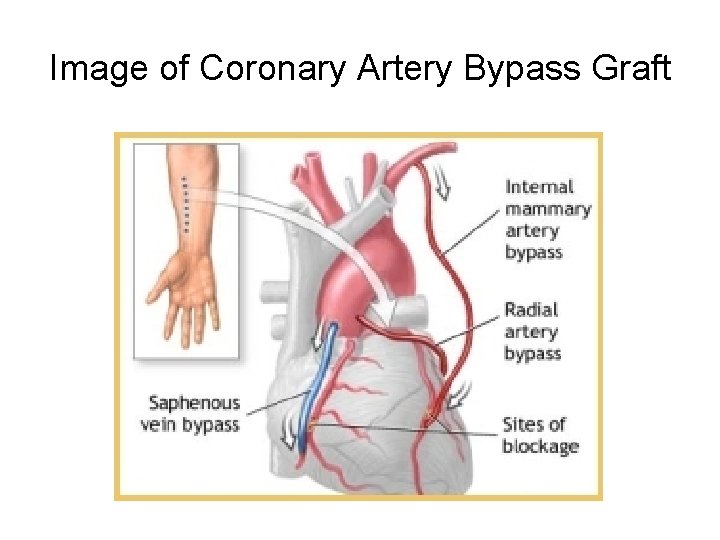
Image of Coronary Artery Bypass Graft