
The Circulatory System Blood n The human body
The Circulatory System
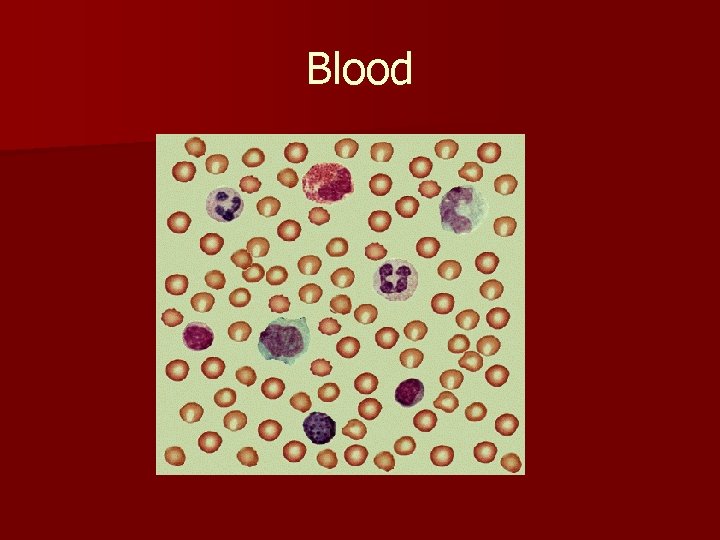
Blood n The human body contains 4 -6 litres of blood (about 9% of body weight) n Anatomy § Liquid § Plasma § Solid § § § Red Blood Cells White Blood Cells Platelets
Blood
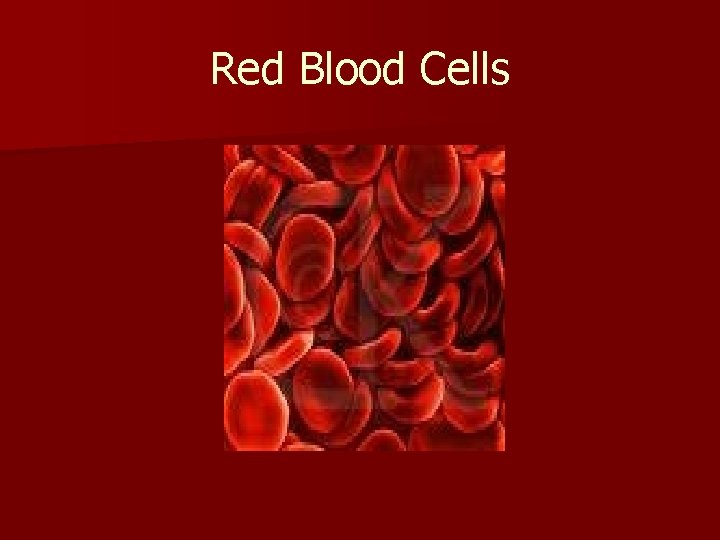
Red Blood Cells n About 5 000 per mm 3 of blood n About 25 trillion (25 000 000) in the entire organism n Live 20 -135 days (destroyed by phagocytosis, the liver and the spleen) n Get their colour from HEMOGLOBIN (a red protein) n Function: attach to molecules of oxygen and/or carbon dioxide to transport them
Red Blood Cells
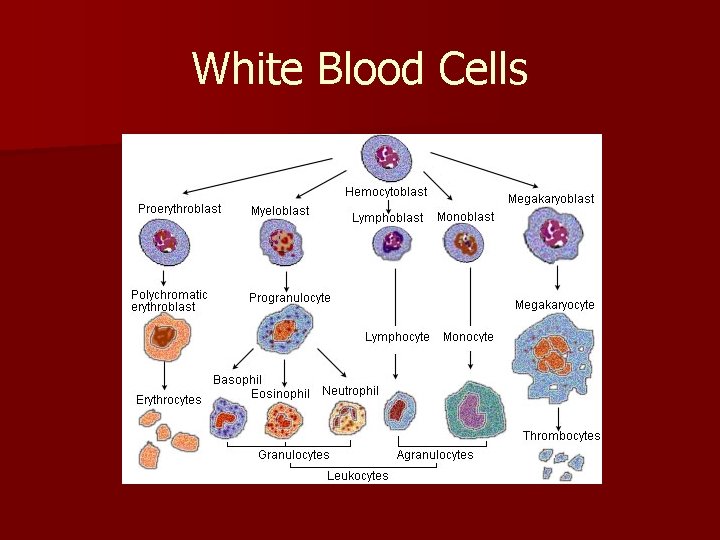
White Blood Cells n 5000 -9000 per mm 3 of blood n Completely colourless n Much larger than red blood cells n Functions: § Phagocytosis: engulf and digest old blood cells, microbes and other foreign particles § Produce antibodies § Help with coagulation of blood
Antibodies, Antibiotics, Immunity & Vaccines n Microbes (bacteria and viruses) often enter the body n If a microbe cannot be destroyed by phagocytosis, the white blood cells produce ANTIBODIES to destroy them n Once antibodies have been produced to destroy a particular microbe, they can always destroy it in the future. This is called IMMUNITY
Antibodies, Antibiotics, Immunity & Vaccines When the production of antibodies is not effective enough, doctors sometimes prescribe ANTIBIOTICS (artificial antibodies) to kill off the microbe n Antibiotics only work on bacteria and do not produce immunity n VACCINES are microbes that have been weakened. n When vaccines are injected, white blood cells produce antibodies. The person is then immune to the disease. n
White Blood Cells
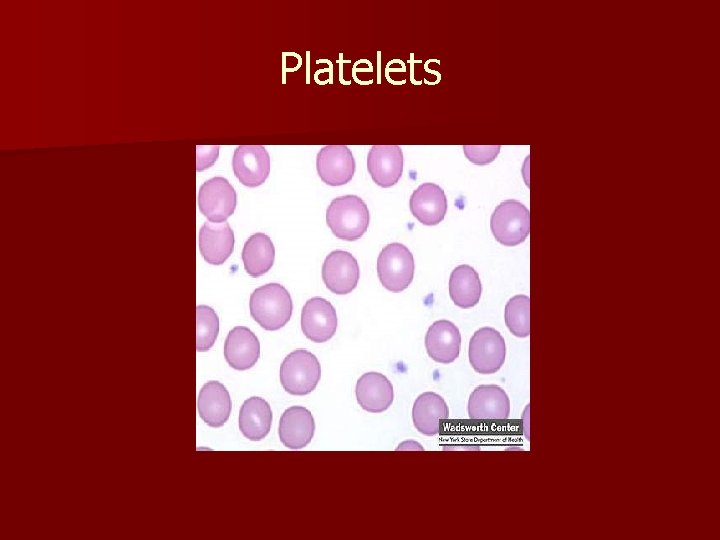
Platelets n 300 000 – 350 000 per mm 3 of blood n Functions: § Stick to microbes to slow down their progress § Produce enzymes necessary for coagulation and for the formation of scar tissue
Platelets
Plasma n. A complex liquid that occupies about 55% of blood volume n Composed of: § 90% Water § 10% Dissolved substances (digested food, hormones, enzymes, waste products…)

Plasma n Functions § Keeps blood fluid § Transports nutrients, waste products, etc. § Transports antibodies
Lymph n. A liquid derived from plasma (much higher percentage of water) n Functions: § Carries cellular needs out of the bloodstream to the cells § Carries waste products from the cells back into the bloodstream
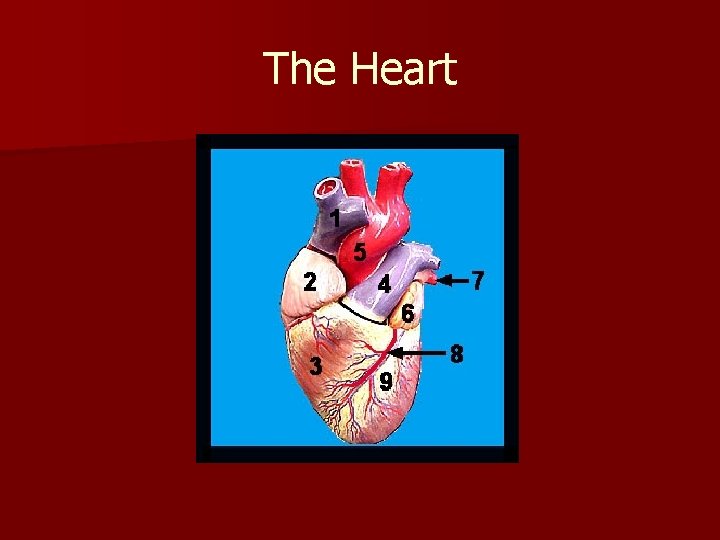
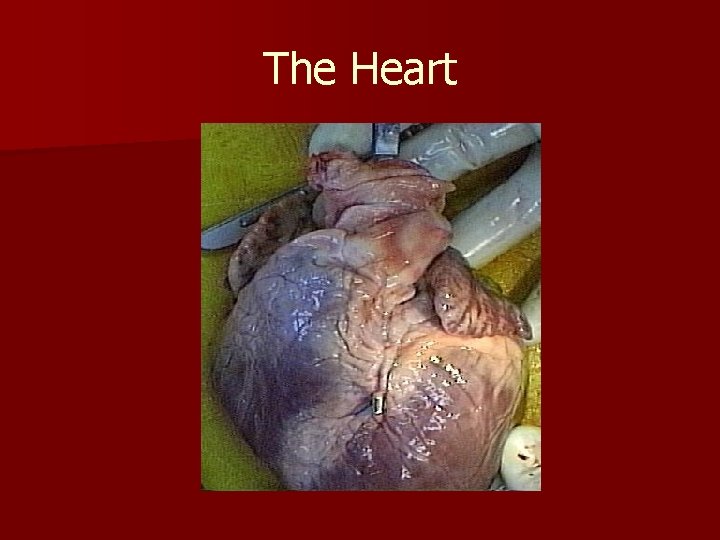
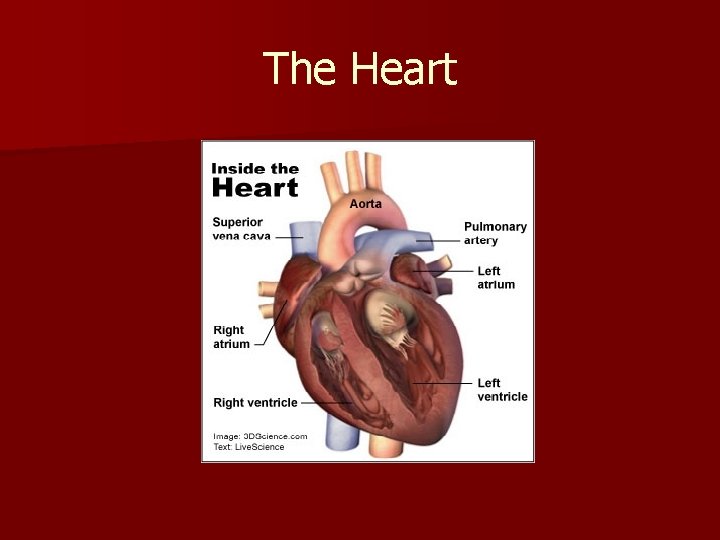
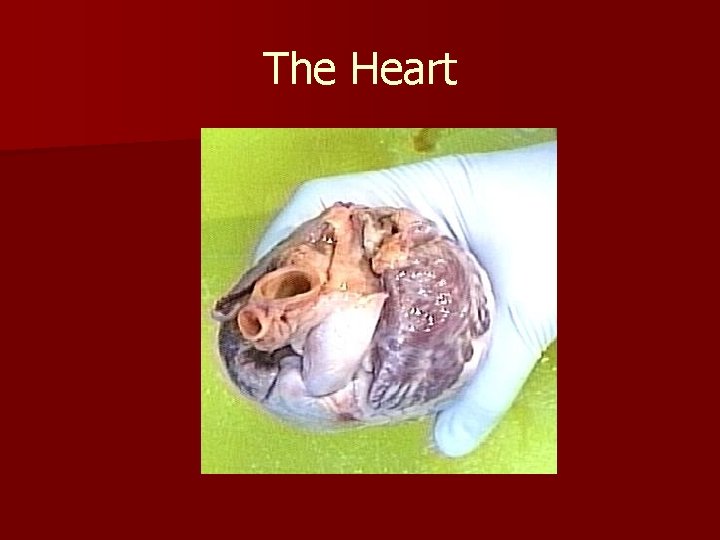
The Heart n. A pump responsible for circulating blood throughout the body n The muscle of the heart, the myocardium, contracts regularly n Has four cavities § The right and left atrium (on top) § The right and left ventricle (on the bottom)
The Heart
The Heart
The Heart
The Heart
The Blood Vessels n Three groups of blood vessels § Arteries § Veins § Capillaries
Arteries n Blood vessels responsible for carrying OXYGENATED blood, under pressure, from the heart towards the body’s cells n Divide into arterioles, that then connect with the capillaries
Veins n Blood vessels responsible for carrying VICIATED blood (filled with carbon dioxide) from the body’s cells towards the heart n Divide into venules that are connected to the capillaries
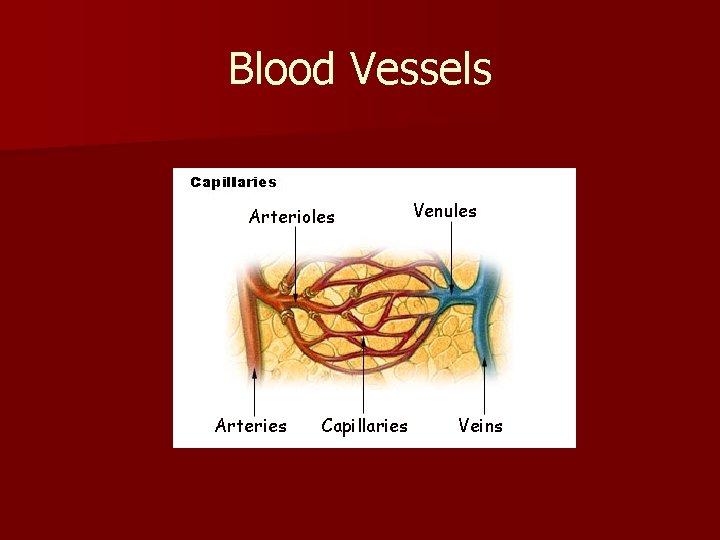
Blood Vessels Arterioles Arteries Capillaries Venules Veins
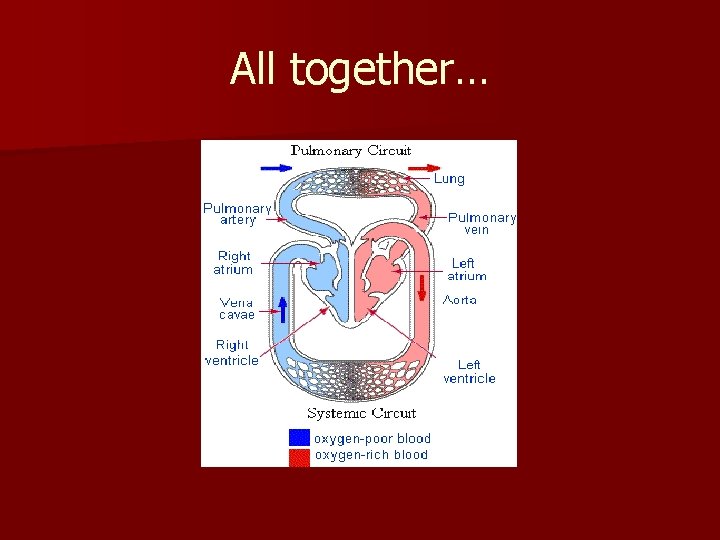
General (Systemic) Circulation n Beginning in the LEFT ATRIUM, oxygenated blood is pumped into the LEFT VENTRICLE, then into the AORTA n The aorta connects to all of the ARTERIES in the body n The VEINS carry the blood back to the VENA CAVA on the right side of the heart
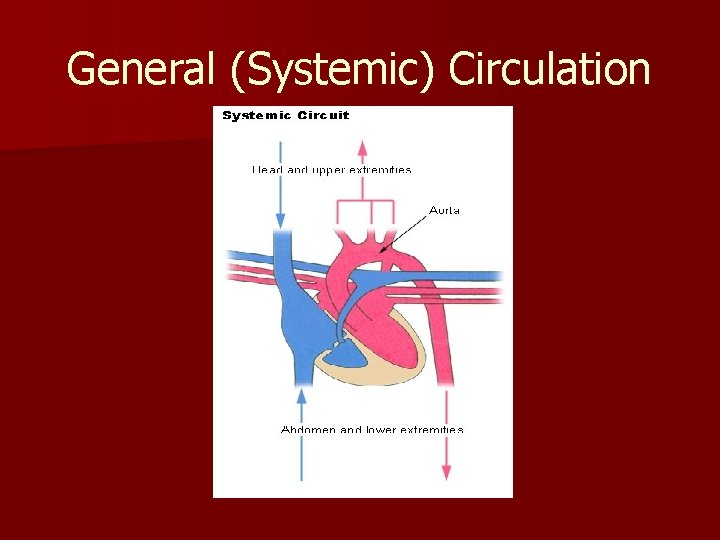
General (Systemic) Circulation
Pulmonary Circulation n Viciated blood returning from the cells is pumped from the RIGHT ATRIUM into the RIGHT VENTRICLE n The blood is then pumped into the PULMONARY ARTERIES to enter the lungs n The PULMONARY VEINS bring the blood back to the left side of the heart
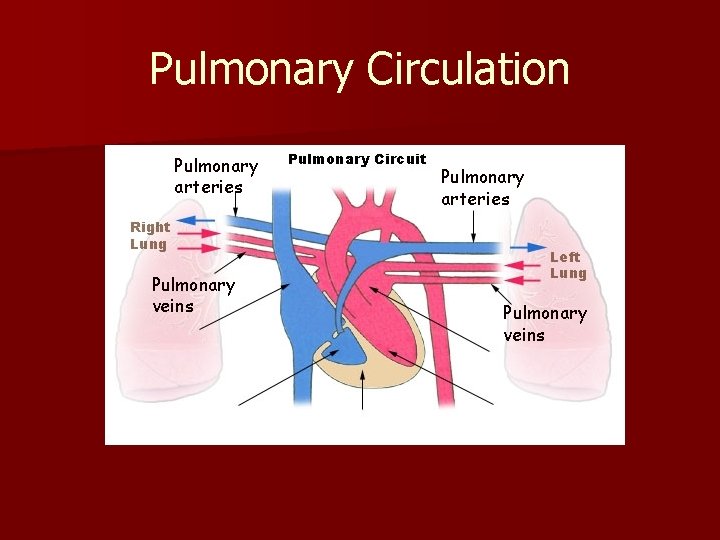
Pulmonary Circulation Pulmonary arteries Pulmonary veins
All together…
Blood Pressure n Blood pressure (the pressure exerted by blood on the walls of the arteries) is measured at two different moments in the cardiac cycle: § Systole: when the heart is beating § Diastole: when the heart is at rest
Blood Pressure n Normal blood pressure § Systolic pressure: 100 -140 mm/Hg § Diastolic pressure: 60 -90 mm/Hg
Blood Pressure n Hypertension (high blood pressure) § Pressure above 140 and/or 90 n Risk factors § Excess body weight § Poor diet (high in fat and/or sodium) § Stress § Heredity § Smoking
Blood Pressure n Symptoms § None!! (known as the silent killer) n Possible complications § Heart attack/failure (myocardial infarction) § Stroke (cerebrovascular accident) n Remedies and Treatments § Lifestyle changes (healthy diet & exercise, stop smoking, stress management) § Medication
Blood Pressure n Hypotension (low blood pressure) § Pressure below 100 and/or 60 n Common Causes § Weakness of the heart (lack of exercise and/or lack of food energy) n Symptoms § Fatigue § Dizziness/Fainting § Difficulty concentrating
Blood Pressure n Treatment § Lifestyle changes (healthy diet & exercise)
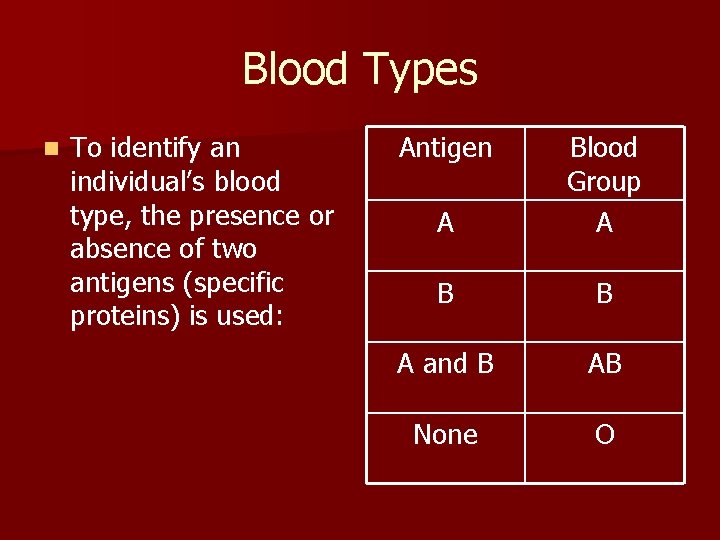
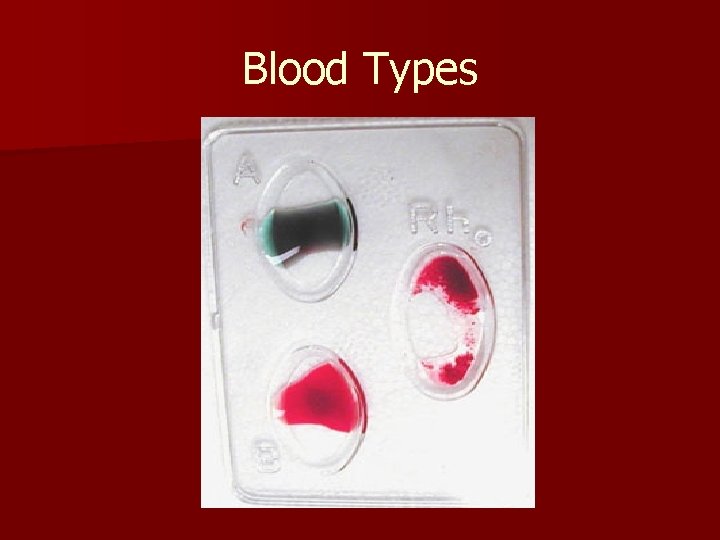
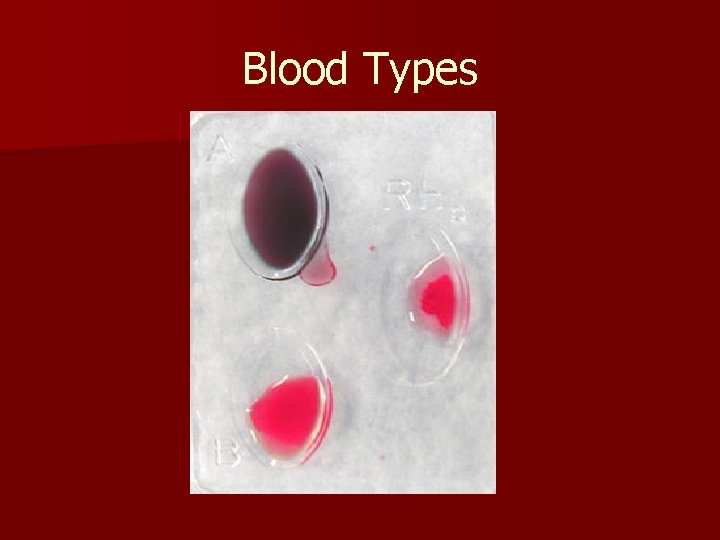
Blood Types n To identify an individual’s blood type, the presence or absence of two antigens (specific proteins) is used: Antigen A Blood Group A B B A and B AB None O
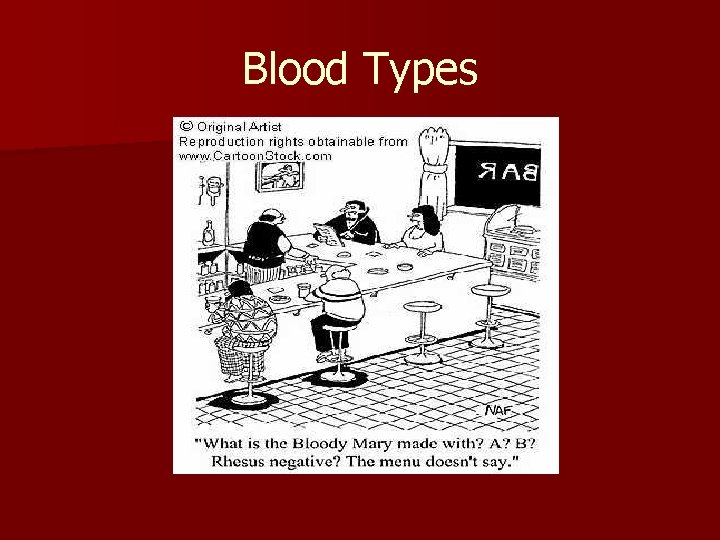
Blood Types
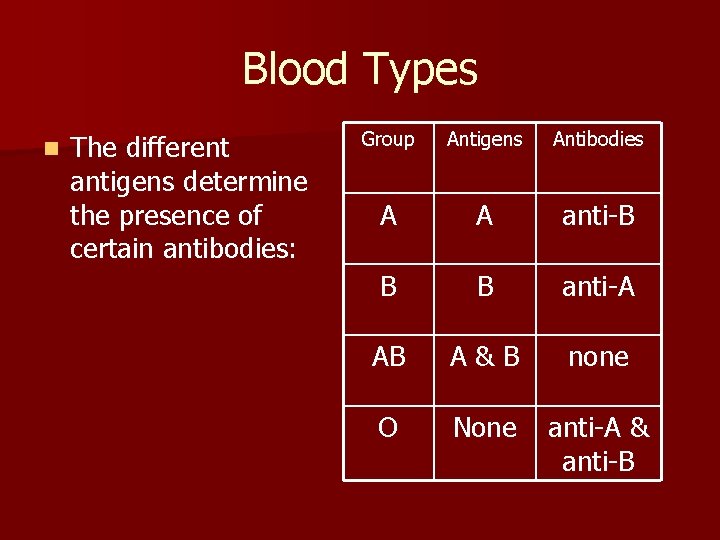
Blood Types n The different antigens determine the presence of certain antibodies: Group Antigens Antibodies A A anti-B B B anti-A AB A&B none O None anti-A & anti-B
Blood Types
Blood Types
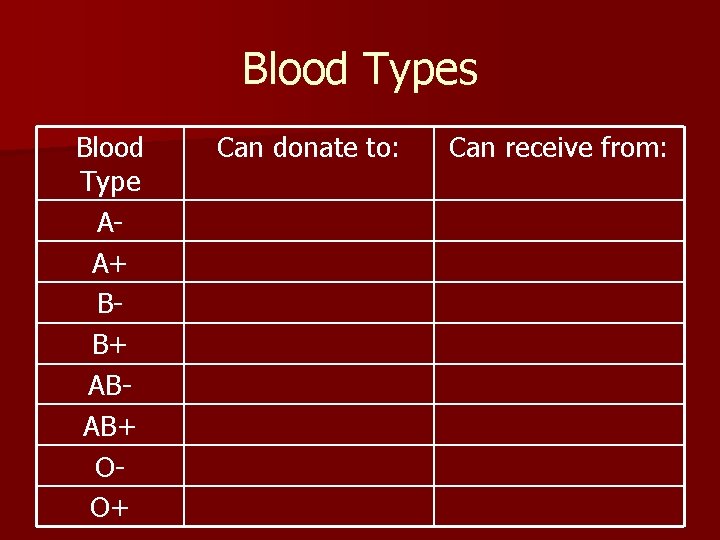
Blood Types n The presence or absence of a third antigen (Rh) determines the blood type § Rh present = positive (+) § Rh not present = negative (-) n This gives us 8 blood types: § A-, A+, B-, B+, AB-, AB+, O-, O+
Blood Types Blood Type AA+ BB+ ABAB+ OO+ Can donate to: Can receive from:
- Slides: 41