
The Cholesterol Content of Selected Meats and Dairy
- Slides: 18
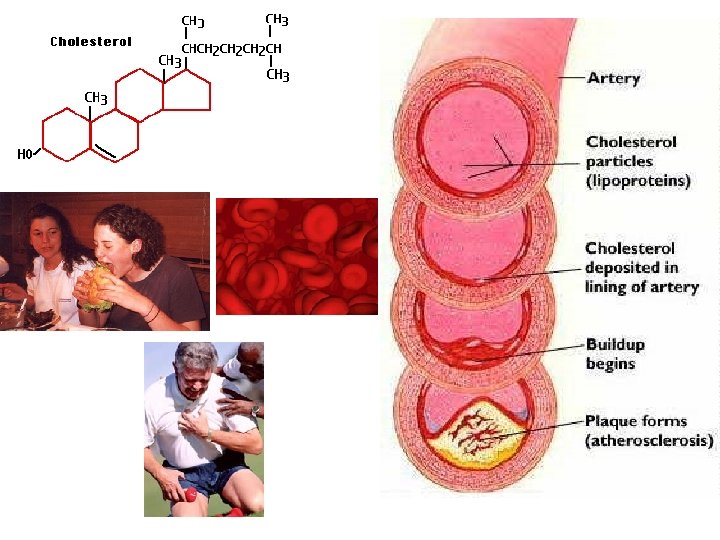
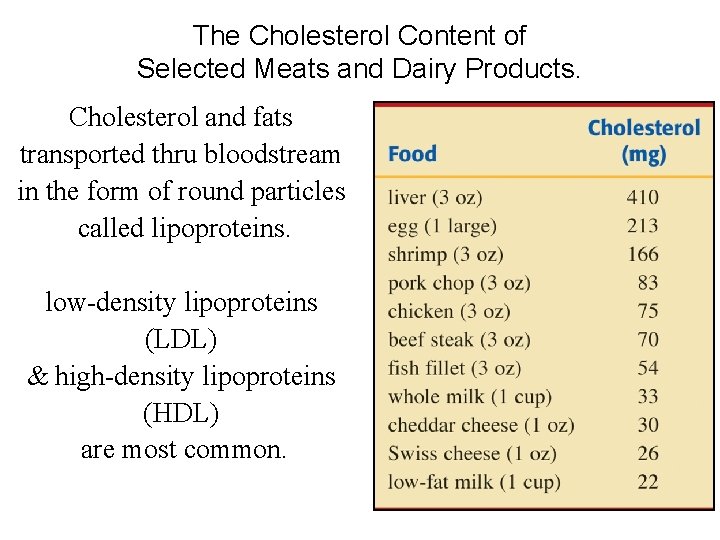
The Cholesterol Content of Selected Meats and Dairy Products. Cholesterol and fats transported thru bloodstream in the form of round particles called lipoproteins. low-density lipoproteins (LDL) & high-density lipoproteins (HDL) are most common.
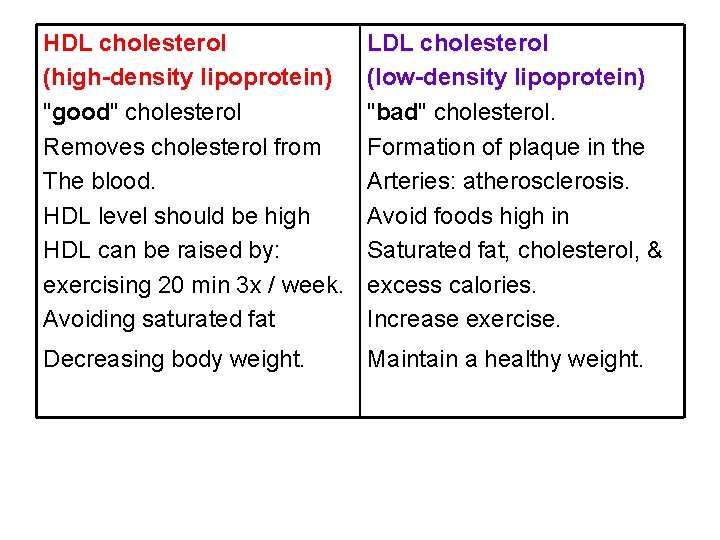
HDL cholesterol (high-density lipoprotein) "good" cholesterol Removes cholesterol from The blood. HDL level should be high HDL can be raised by: exercising 20 min 3 x / week. Avoiding saturated fat LDL cholesterol (low-density lipoprotein) "bad" cholesterol. Formation of plaque in the Arteries: atherosclerosis. Avoid foods high in Saturated fat, cholesterol, & excess calories. Increase exercise. Decreasing body weight. Maintain a healthy weight.
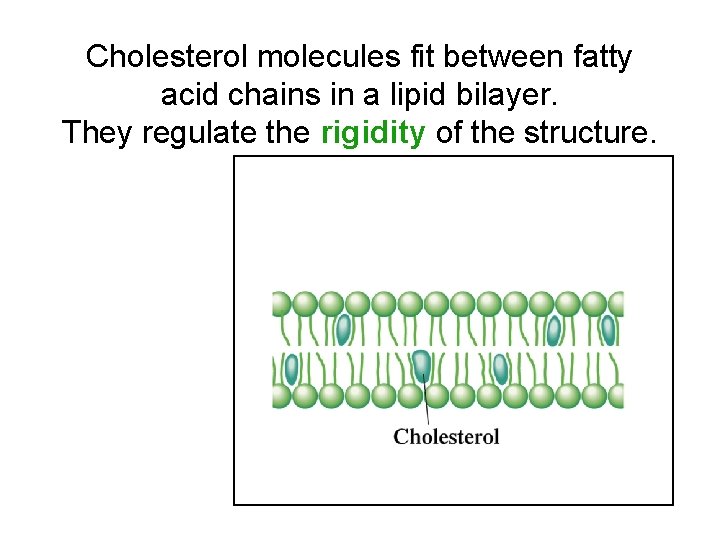
Cholesterol molecules fit between fatty acid chains in a lipid bilayer. They regulate the rigidity of the structure.
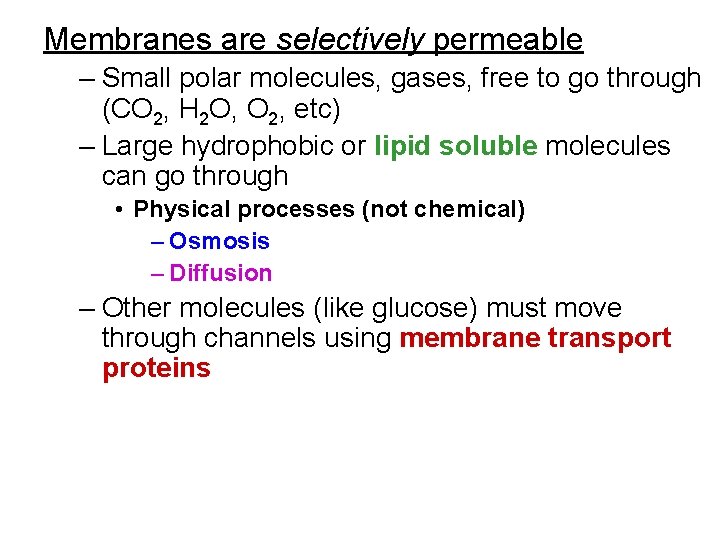
Membranes are selectively permeable – Small polar molecules, gases, free to go through (CO 2, H 2 O, O 2, etc) – Large hydrophobic or lipid soluble molecules can go through • Physical processes (not chemical) – Osmosis – Diffusion – Other molecules (like glucose) must move through channels using membrane transport proteins
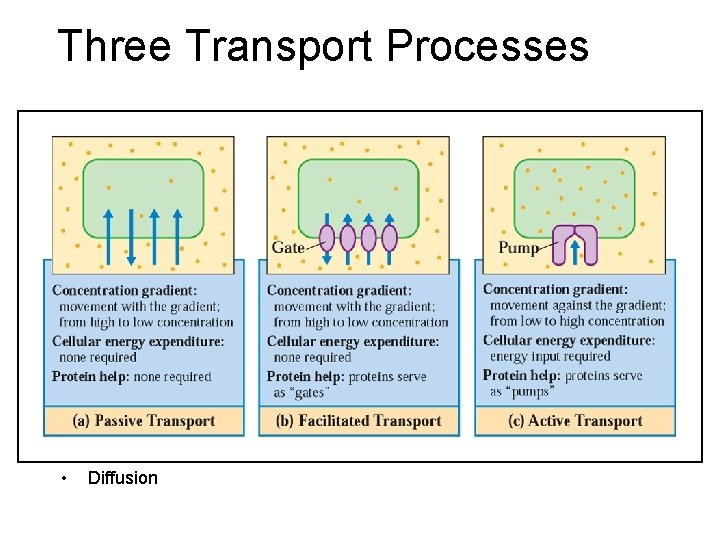
Three Transport Processes • Diffusion
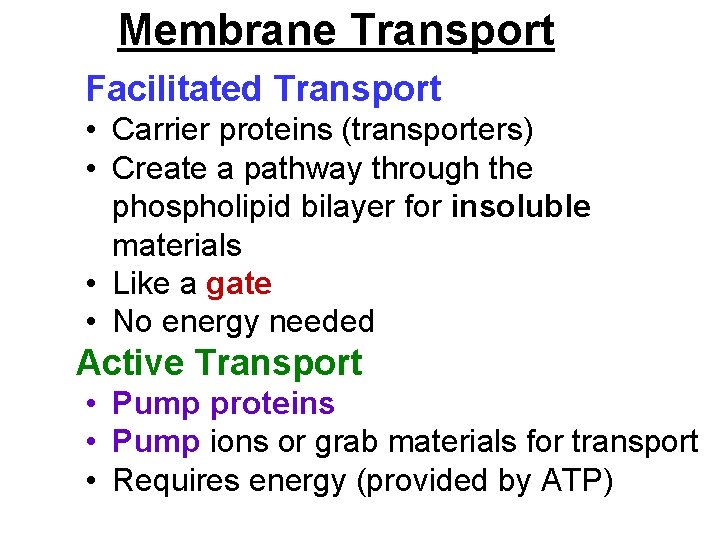
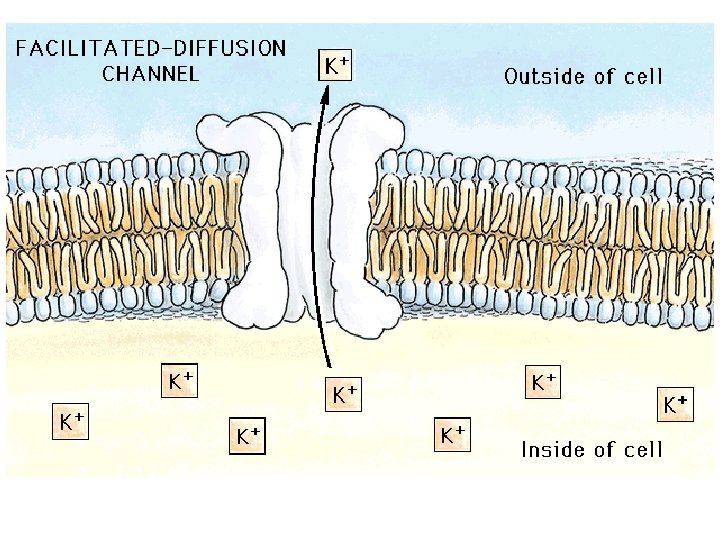
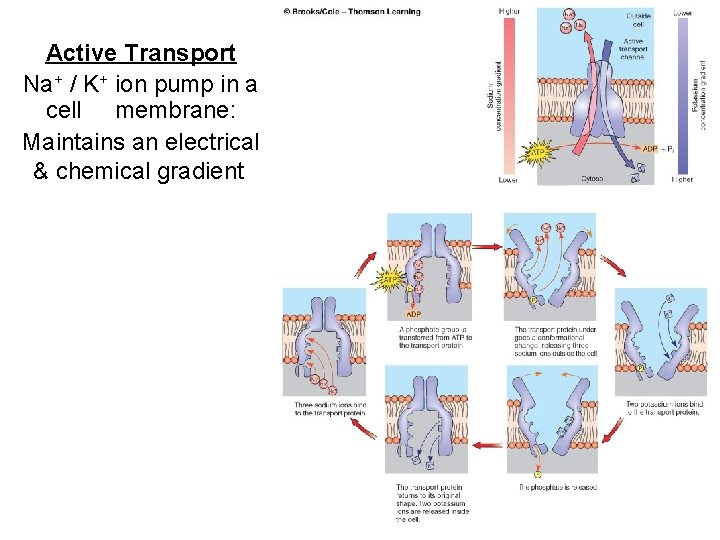
Membrane Transport Facilitated Transport • Carrier proteins (transporters) • Create a pathway through the phospholipid bilayer for insoluble materials • Like a gate • No energy needed Active Transport • Pump proteins • Pump ions or grab materials for transport • Requires energy (provided by ATP)
Active Transport Na+ / K+ ion pump in a cell membrane: Maintains an electrical & chemical gradient
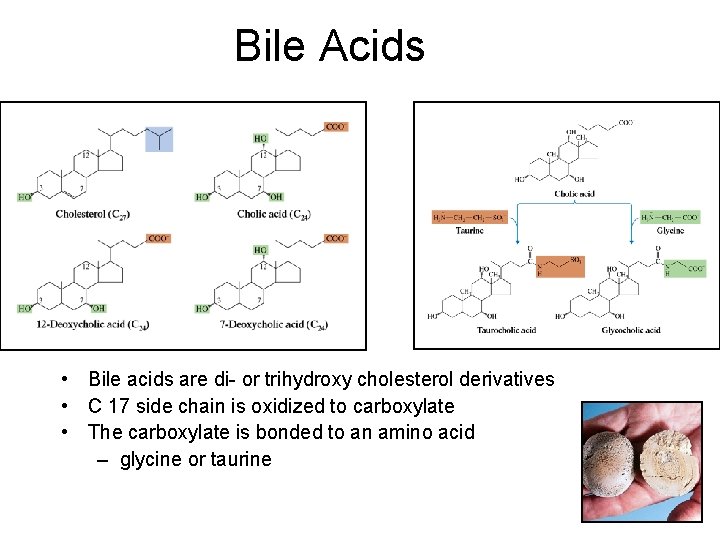
Bile Acids • Bile acids are di- or trihydroxy cholesterol derivatives • C 17 side chain is oxidized to carboxylate • The carboxylate is bonded to an amino acid – glycine or taurine
Bile acids perform 4 functions: 1. their synthesis and excretion in the feces is the only significant mechanism for the elimination of excess cholesterol. 2. bile acids and phospholipids make cholesterol soluble in bile, preventing precipitation of cholesterol in the gallbladder. 3. facilitate digestion of triacylglycerols - acting as emulsifying agents that render fats accessible to pancreatic lipases. 4. facilitate the intestinal absorption of fat-soluble vitamins.
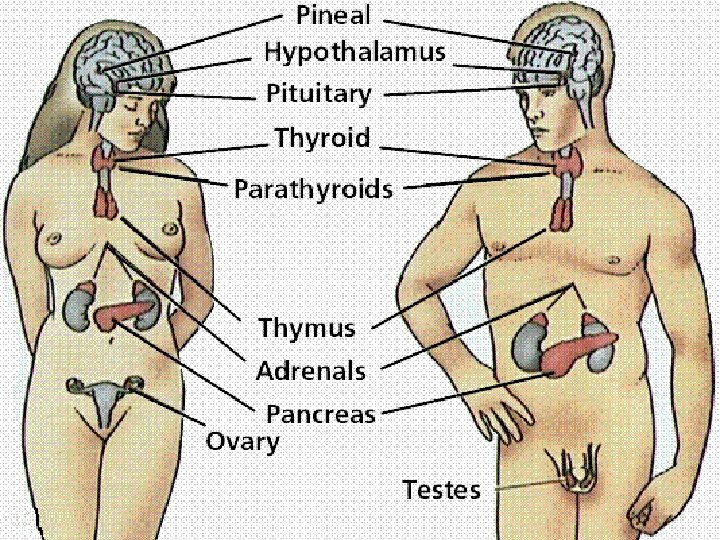
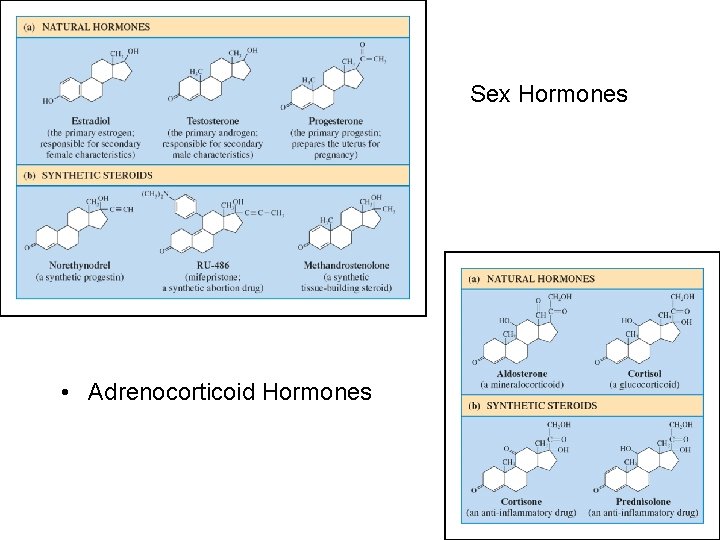
Messenger lipids: steroid hormones Hormones get cells to do a particular task bodywide (or stop doing it!) Two categories: Sex hormones §Estrogens §Androgens §Progestins Adrenocorticoid hormones • Mineralocorticoids - control Na+ & K+ balance • Aldosterone • Glucocorticoids - control glucose metabolism & counteract inflammation • Cortisol (hydrocortisone)
Sex Hormones • Adrenocorticoid Hormones
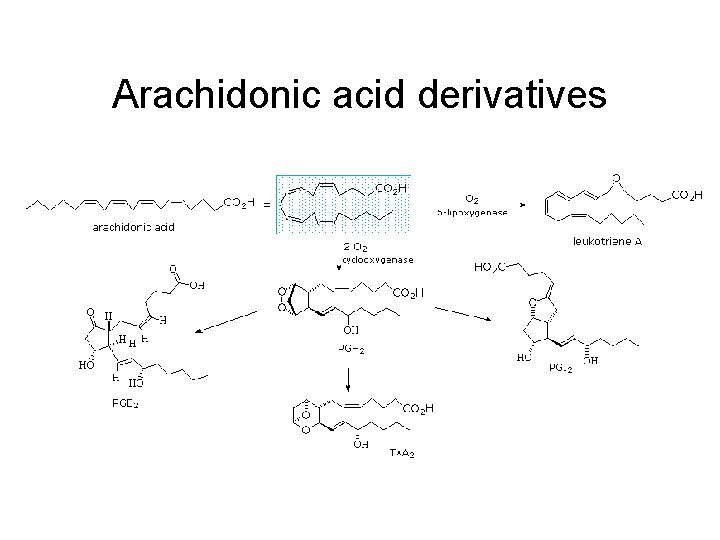
Eicosanoids: derived from eicosatetraenoic (arachidonic) acid (20: 4 cis ∆5, 8, 11, 14 -6 fatty acid) Prostaglandins, Thromboxanes, & Leukotrienes: Structurally related hormones Wide range of biological effects: • lower gastric secretions • stimulate uterine contractions • lower blood pressure • influence blood clotting • induce asthma-like allergic responses. Aspirin affects the reactions of many of these hormones.
Arachidonic acid derivatives
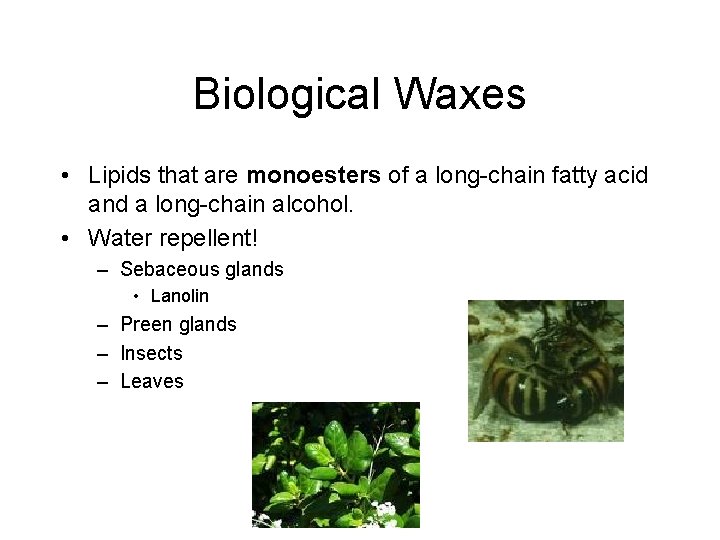
Biological Waxes • Lipids that are monoesters of a long-chain fatty acid and a long-chain alcohol. • Water repellent! – Sebaceous glands • Lanolin – Preen glands – Insects – Leaves
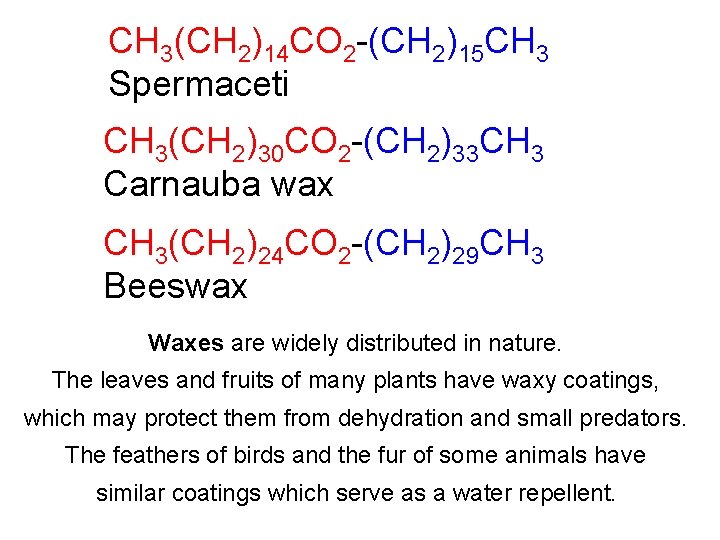
CH 3(CH 2)14 CO 2 -(CH 2)15 CH 3 Spermaceti CH 3(CH 2)30 CO 2 -(CH 2)33 CH 3 Carnauba wax CH 3(CH 2)24 CO 2 -(CH 2)29 CH 3 Beeswax Waxes are widely distributed in nature. The leaves and fruits of many plants have waxy coatings, which may protect them from dehydration and small predators. The feathers of birds and the fur of some animals have similar coatings which serve as a water repellent.