
The Center for Prevention Heart Attack and Stroke




- Slides: 40
The Center for Prevention Heart Attack and Stroke www. thecenterforprevention. com You never change things by fighting the existing reality. To change something, build a new model that makes the existing model obsolete. ” R. Buckminster Fuller
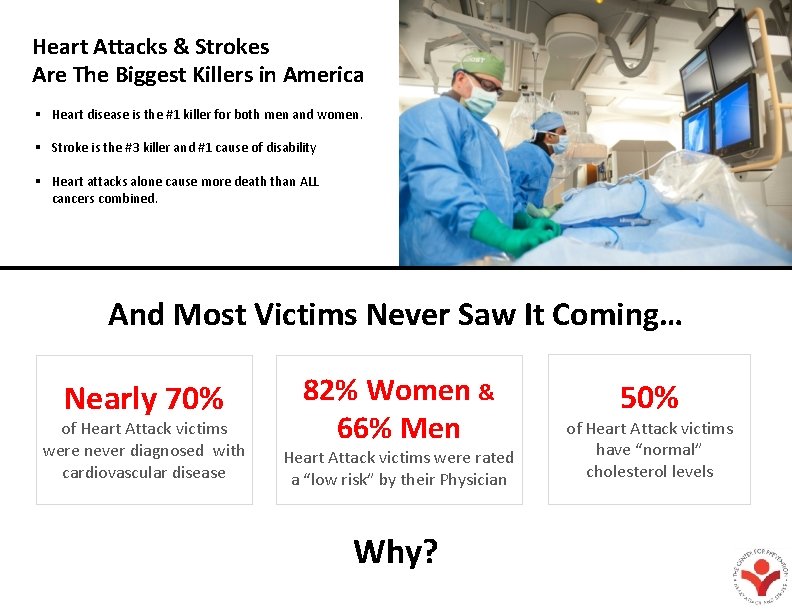
Heart Attacks & Strokes Are The Biggest Killers in America § Heart disease is the #1 killer for both men and women. § Stroke is the #3 killer and #1 cause of disability § Heart attacks alone cause more death than ALL cancers combined. And Most Victims Never Saw It Coming… Nearly 70% of Heart Attack victims were never diagnosed with cardiovascular disease 82% Women & 66% Men Heart Attack victims were rated a “low risk” by their Physician Why? 50% of Heart Attack victims have “normal” cholesterol levels
Why Prevention? • First symptom of a heart attack may be sudden death – When seconds count, the ambulance will be here in minutes. • Primary: Prevent development of plaque • Secondary: Prevent an event • Tertiary: Prevent a recurrence.
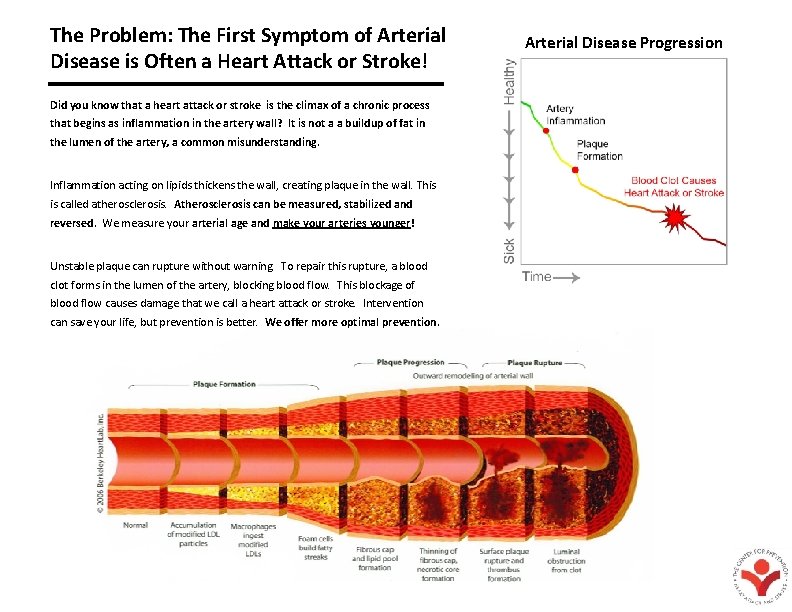
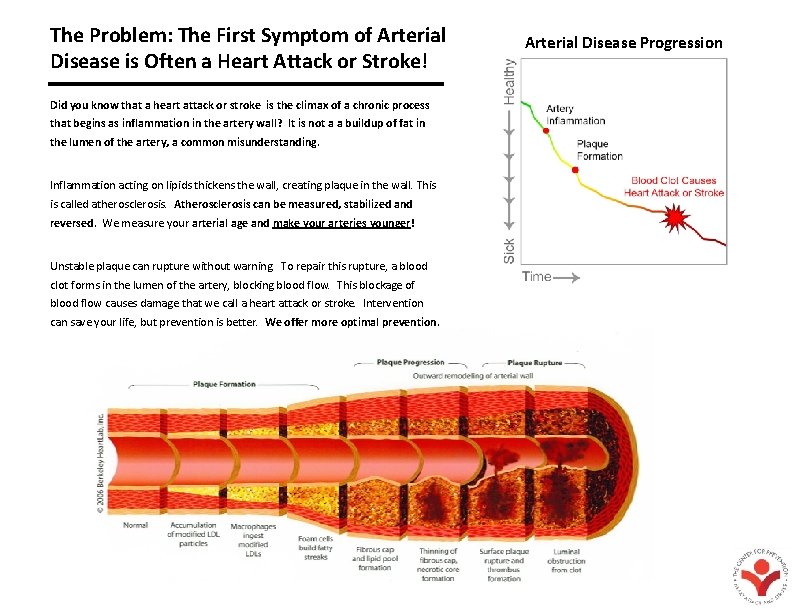
The Problem: The First Symptom of Arterial Disease is Often a Heart Attack or Stroke! Did you know that a heart attack or stroke is the climax of a chronic process that begins as inflammation in the artery wall? It is not a a buildup of fat in the lumen of the artery, a common misunderstanding. Inflammation acting on lipids thickens the wall, creating plaque in the wall. This is called atherosclerosis. Atherosclerosis can be measured, stabilized and reversed. We measure your arterial age and make your arteries younger! Unstable plaque can rupture without warning. To repair this rupture, a blood clot forms in the lumen of the artery, blocking blood flow. This blockage of blood flow causes damage that we call a heart attack or stroke. Intervention can save your life, but prevention is better. We offer more optimal prevention. Arterial Disease Progression
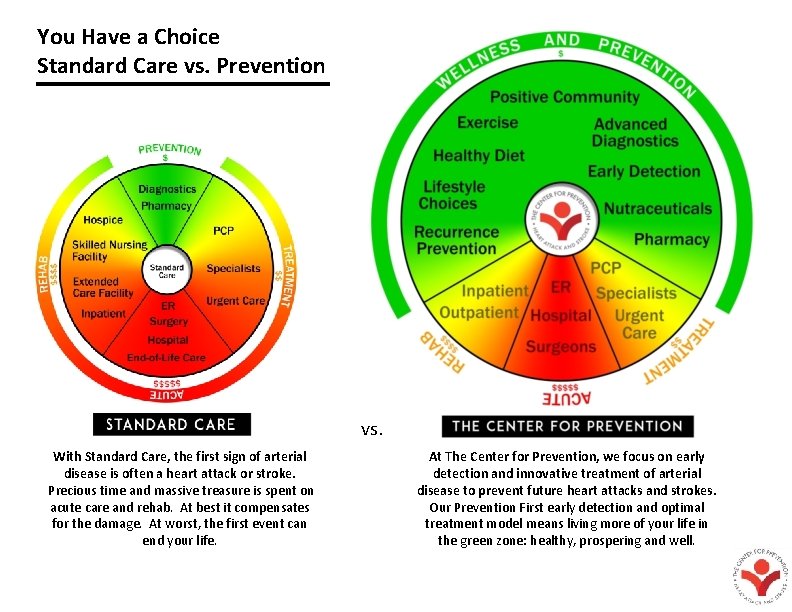
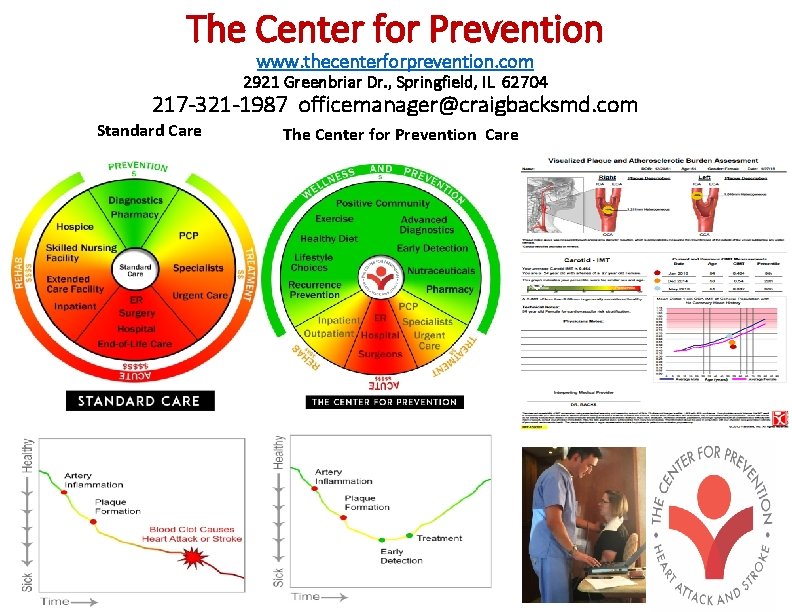
You Have a Choice Standard Care vs. Prevention vs. With Standard Care, the first sign of arterial disease is often a heart attack or stroke. Precious time and massive treasure is spent on acute care and rehab. At best it compensates for the damage. At worst, the first event can end your life. At The Center for Prevention, we focus on early detection and innovative treatment of arterial disease to prevent future heart attacks and strokes. Our Prevention First early detection and optimal treatment model means living more of your life in the green zone: healthy, prospering and well.
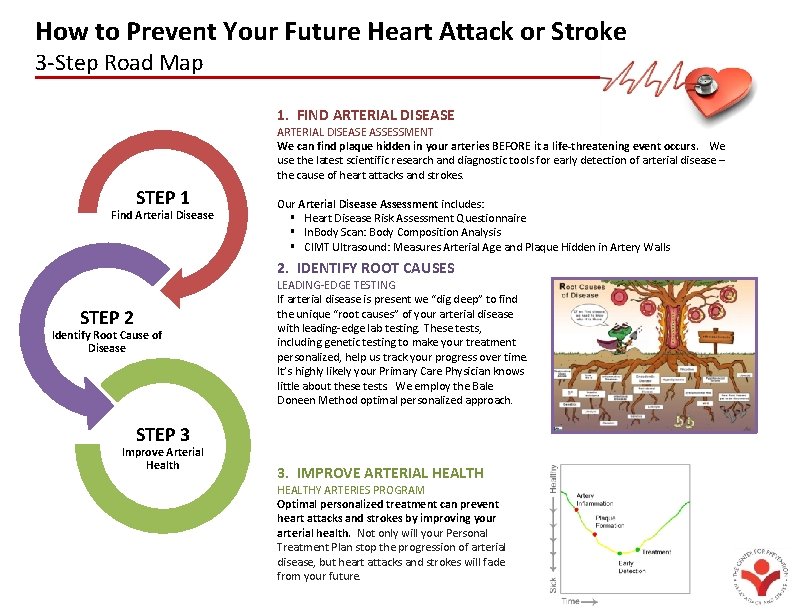
How to Prevent Your Future Heart Attack or Stroke 3 -Step Road Map 1. FIND ARTERIAL DISEASE ASSESSMENT We can find plaque hidden in your arteries BEFORE it a life-threatening event occurs. We use the latest scientific research and diagnostic tools for early detection of arterial disease – the cause of heart attacks and strokes. STEP 1 Find Arterial Disease Our Arterial Disease Assessment includes: § Heart Disease Risk Assessment Questionnaire § In. Body Scan: Body Composition Analysis § CIMT Ultrasound: Measures Arterial Age and Plaque Hidden in Artery Walls 2. IDENTIFY ROOT CAUSES STEP 2 Identify Root Cause of Disease LEADING-EDGE TESTING If arterial disease is present we “dig deep” to find the unique “root causes” of your arterial disease with leading-edge lab testing. These tests, including genetic testing to make your treatment personalized, help us track your progress over time. It’s highly likely your Primary Care Physician knows little about these tests. We employ the Bale Doneen Method optimal personalized approach. STEP 3 Improve Arterial Health 3. IMPROVE ARTERIAL HEALTHY ARTERIES PROGRAM Optimal personalized treatment can prevent heart attacks and strokes by improving your arterial health. Not only will your Personal Treatment Plan stop the progression of arterial disease, but heart attacks and strokes will fade from your future.
Standard Care • “In 2013, President Trump had a coronary artery calcium score of 98. It has risen to 133, but conversations with cardiologists at Walter Reed, the Cleveland Clinic, and elsewhere indicated that the increase was not a concern because it has not gone up that much over time, Dr Jackson said. ”
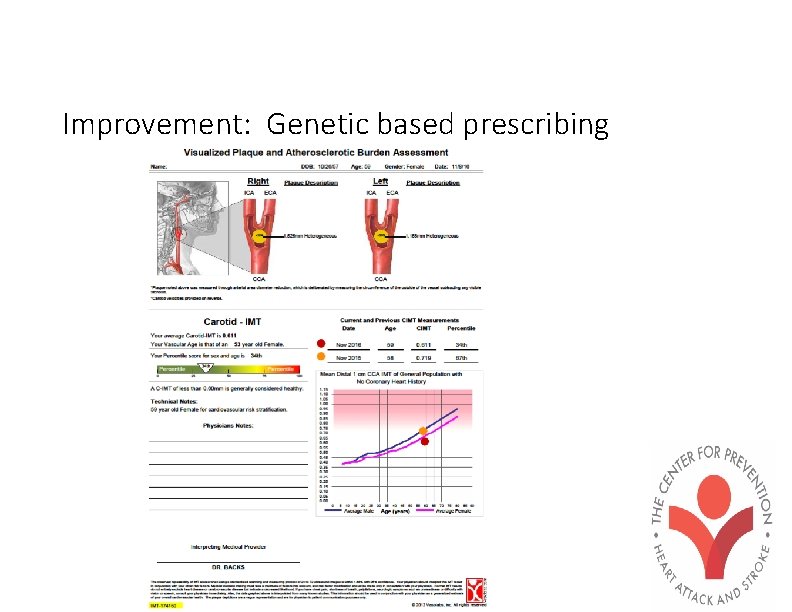
Improvement: Genetic based prescribing
The Problem: The First Symptom of Arterial Disease is Often a Heart Attack or Stroke! Did you know that a heart attack or stroke is the climax of a chronic process that begins as inflammation in the artery wall? It is not a a buildup of fat in the lumen of the artery, a common misunderstanding. Inflammation acting on lipids thickens the wall, creating plaque in the wall. This is called atherosclerosis. Atherosclerosis can be measured, stabilized and reversed. We measure your arterial age and make your arteries younger! Unstable plaque can rupture without warning. To repair this rupture, a blood clot forms in the lumen of the artery, blocking blood flow. This blockage of blood flow causes damage that we call a heart attack or stroke. Intervention can save your life, but prevention is better. We offer more optimal prevention. Arterial Disease Progression
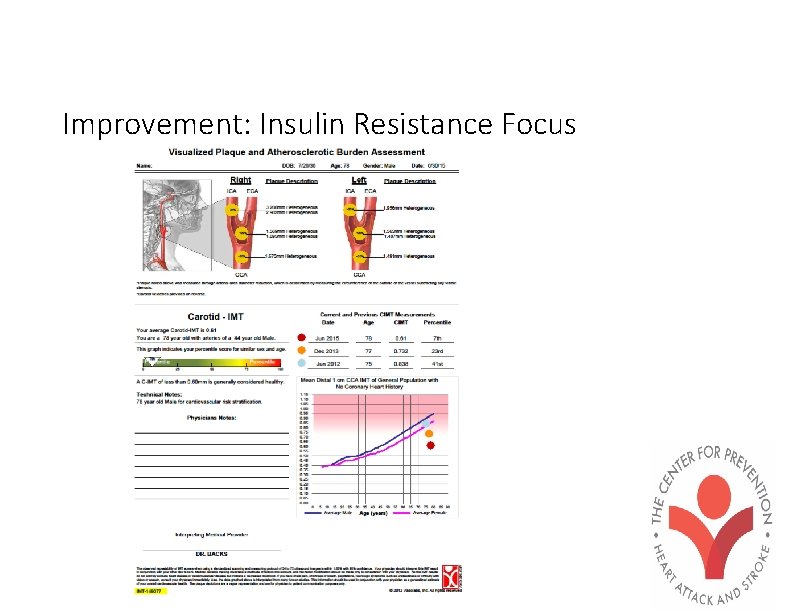
Improvement: Insulin Resistance Focus
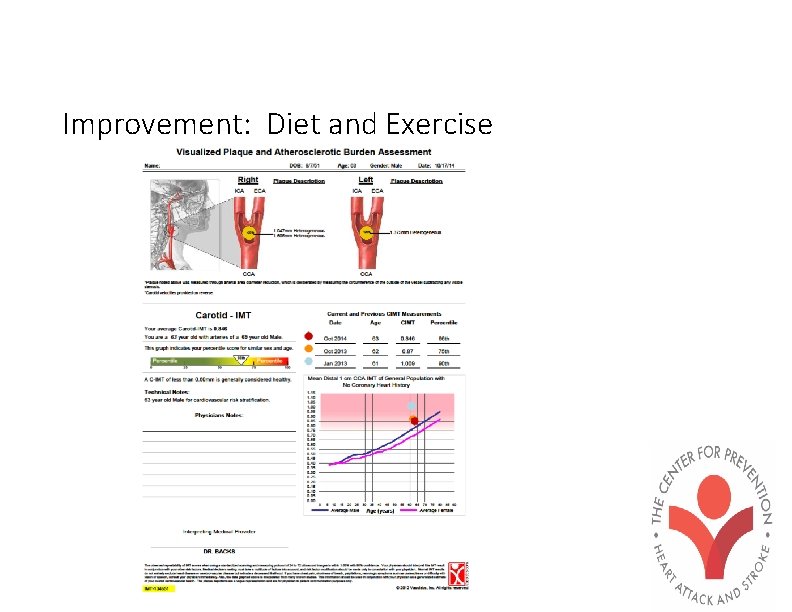
Improvement: Diet and Exercise
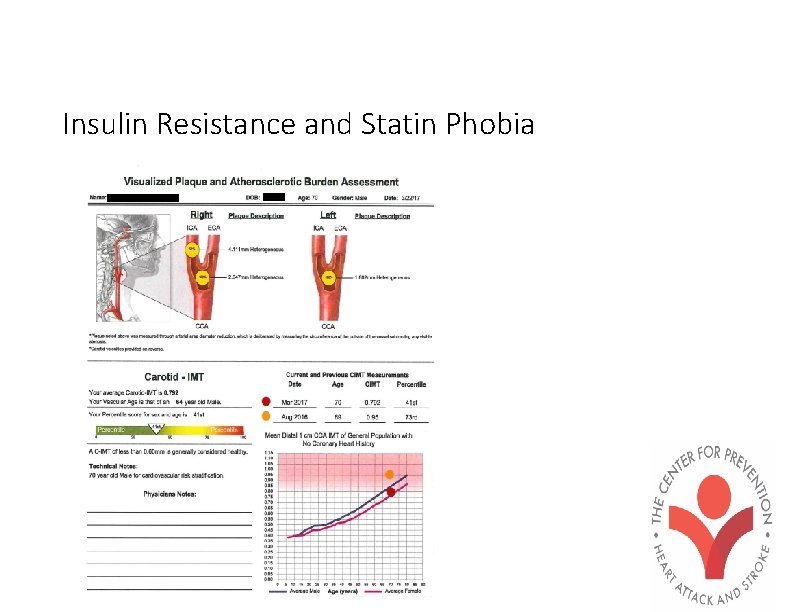
Insulin Resistance and Statin Phobia
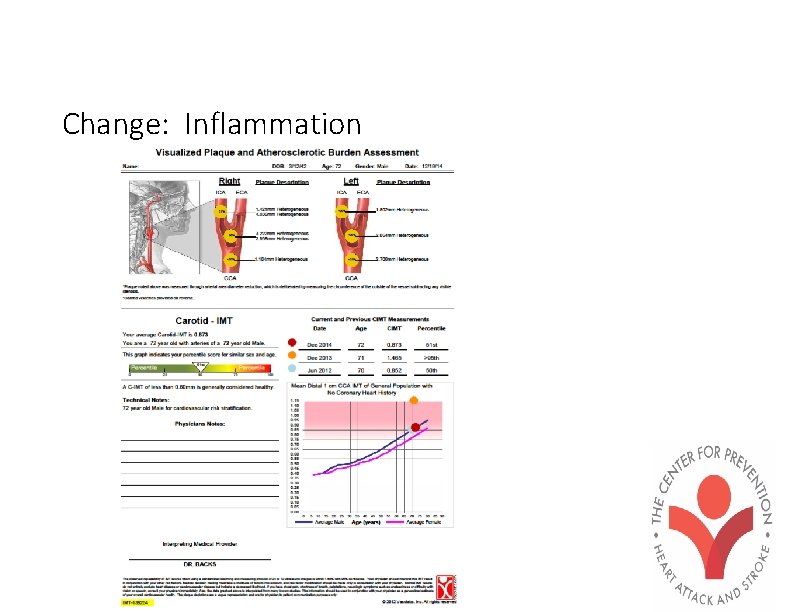
Change: Inflammation
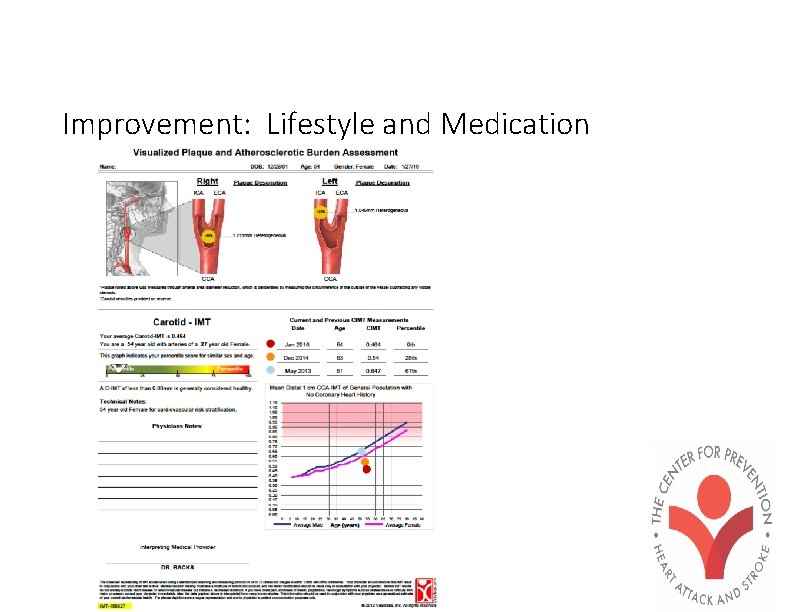
Improvement: Lifestyle and Medication
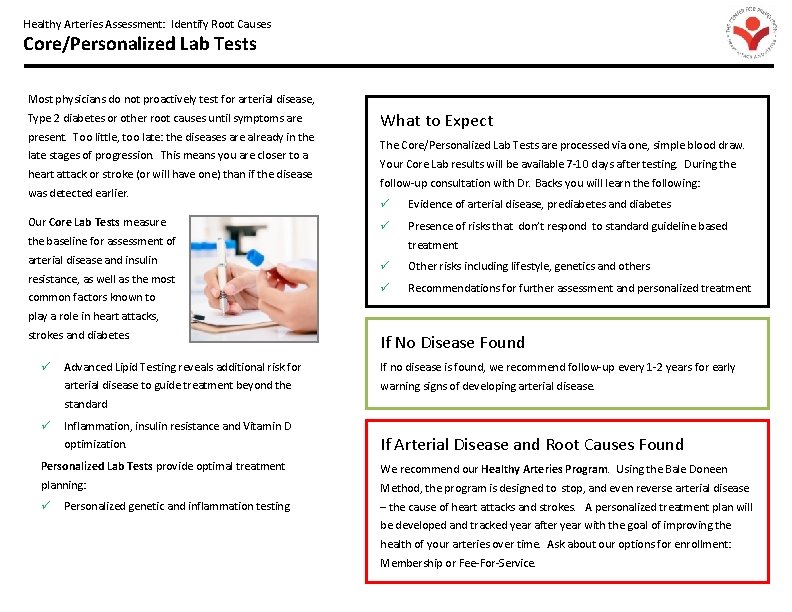
Healthy Arteries Assessment: Identify Root Causes Core/Personalized Lab Tests Most physicians do not proactively test for arterial disease, Type 2 diabetes or other root causes until symptoms are present. Too little, too late: the diseases are already in the late stages of progression. This means you are closer to a heart attack or stroke (or will have one) than if the disease was detected earlier. Our Core Lab Tests measure What to Expect The Core/Personalized Lab Tests are processed via one, simple blood draw. Your Core Lab results will be available 7 -10 days after testing. During the follow-up consultation with Dr. Backs you will learn the following: Evidence of arterial disease, prediabetes and diabetes Presence of risks that don’t respond to standard guideline based the baseline for assessment of arterial disease and insulin resistance, as well as the most common factors known to treatment Other risks including lifestyle, genetics and others Recommendations for further assessment and personalized treatment play a role in heart attacks, strokes and diabetes. If No Disease Found Advanced Lipid Testing reveals additional risk for If no disease is found, we recommend follow-up every 1 -2 years for early arterial disease to guide treatment beyond the warning signs of developing arterial disease. standard Inflammation, insulin resistance and Vitamin D optimization. If Arterial Disease and Root Causes Found Personalized Lab Tests provide optimal treatment We recommend our Healthy Arteries Program. Using the Bale Doneen planning: Method, the program is designed to stop, and even reverse arterial disease Personalized genetic and inflammation testing – the cause of heart attacks and strokes. A personalized treatment plan will be developed and tracked year after year with the goal of improving the health of your arteries over time. Ask about our options for enrollment: Membership or Fee-For-Service.
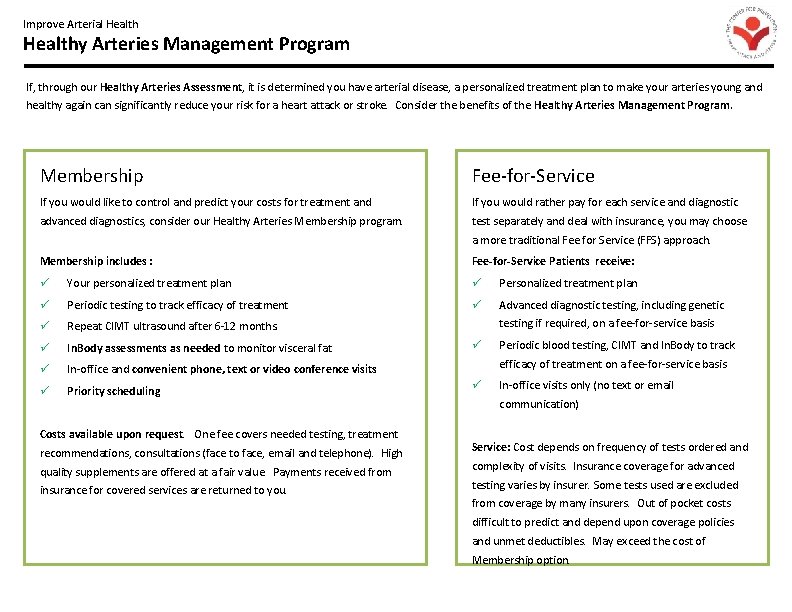
Improve Arterial Healthy Arteries Management Program If, through our Healthy Arteries Assessment, it is determined you have arterial disease, a personalized treatment plan to make your arteries young and healthy again can significantly reduce your risk for a heart attack or stroke. Consider the benefits of the Healthy Arteries Management Program. Membership Fee-for-Service If you would like to control and predict your costs for treatment and If you would rather pay for each service and diagnostic advanced diagnostics, consider our Healthy Arteries Membership program. test separately and deal with insurance, you may choose a more traditional Fee for Service (FFS) approach. Membership includes : Fee-for-Service Patients receive: Your personalized treatment plan Periodic testing to track efficacy of treatment Advanced diagnostic testing, including genetic Repeat CIMT ultrasound after 6 -12 months. In. Body assessments as needed to monitor visceral fat In-office and convenient phone, text or video conference visits Priority scheduling Costs available upon request. One fee covers needed testing, treatment recommendations, consultations (face to face, email and telephone). High quality supplements are offered at a fair value. Payments received from insurance for covered services are returned to you. testing if required, on a fee-for-service basis Periodic blood testing, CIMT and In. Body to track efficacy of treatment on a fee-for-service basis In-office visits only (no text or email communication) Service: Cost depends on frequency of tests ordered and complexity of visits. Insurance coverage for advanced testing varies by insurer. Some tests used are excluded from coverage by many insurers. Out of pocket costs difficult to predict and depend upon coverage policies and unmet deductibles. May exceed the cost of Membership option.
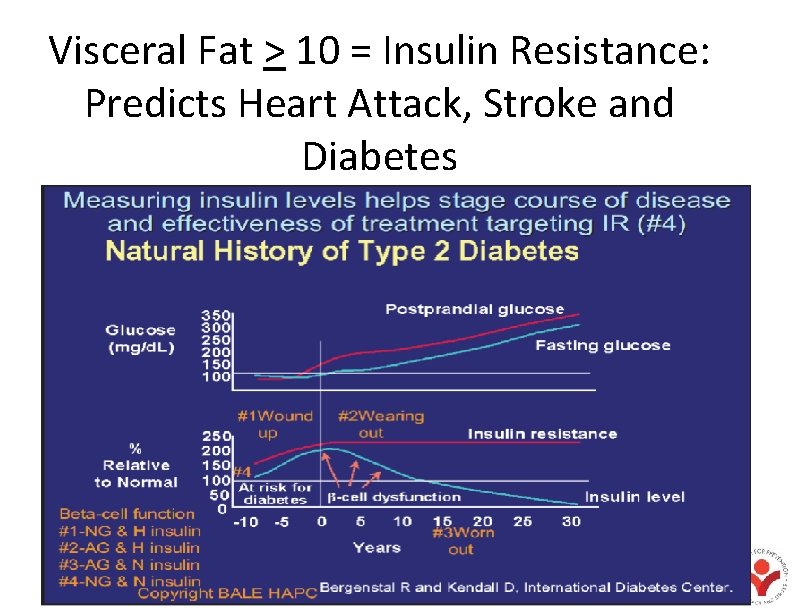
Visceral Fat > 10 = Insulin Resistance: Predicts Heart Attack, Stroke and Diabetes
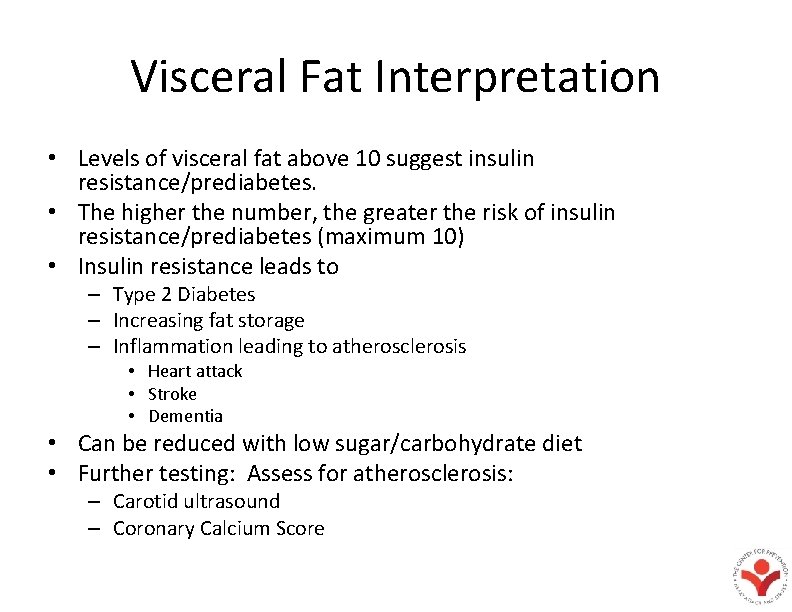
Visceral Fat Interpretation • Levels of visceral fat above 10 suggest insulin resistance/prediabetes. • The higher the number, the greater the risk of insulin resistance/prediabetes (maximum 10) • Insulin resistance leads to – Type 2 Diabetes – Increasing fat storage – Inflammation leading to atherosclerosis • Heart attack • Stroke • Dementia • Can be reduced with low sugar/carbohydrate diet • Further testing: Assess for atherosclerosis: – Carotid ultrasound – Coronary Calcium Score
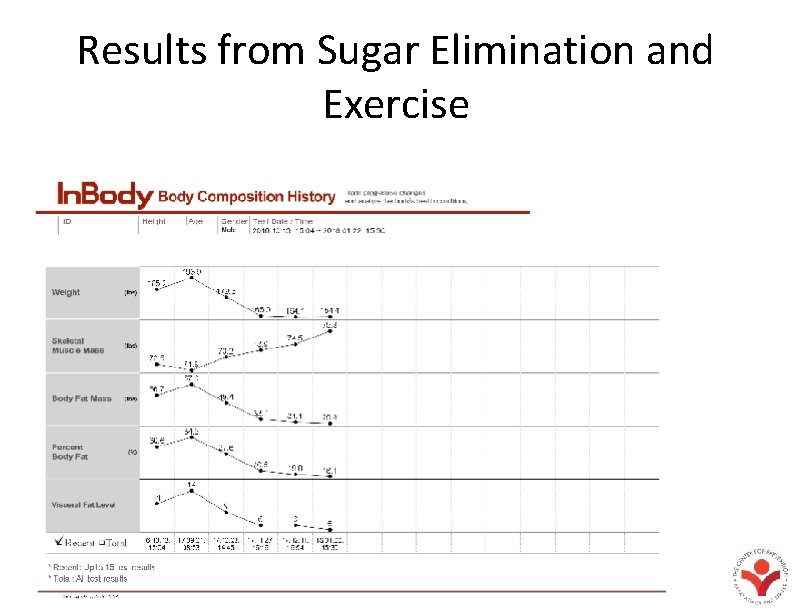
Results from Sugar Elimination and Exercise
Prevention Coaches
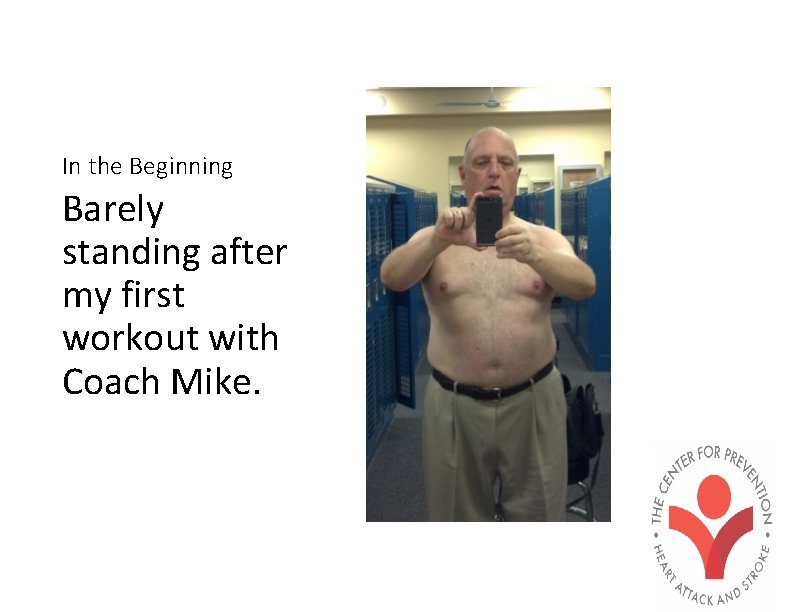
In the Beginning Barely standing after my first workout with Coach Mike.
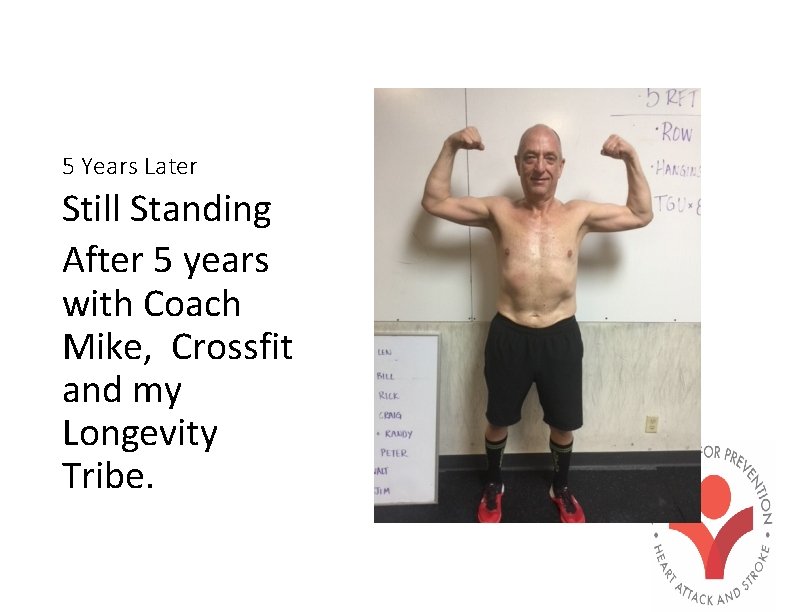
5 Years Later Still Standing After 5 years with Coach Mike, Crossfit and my Longevity Tribe.
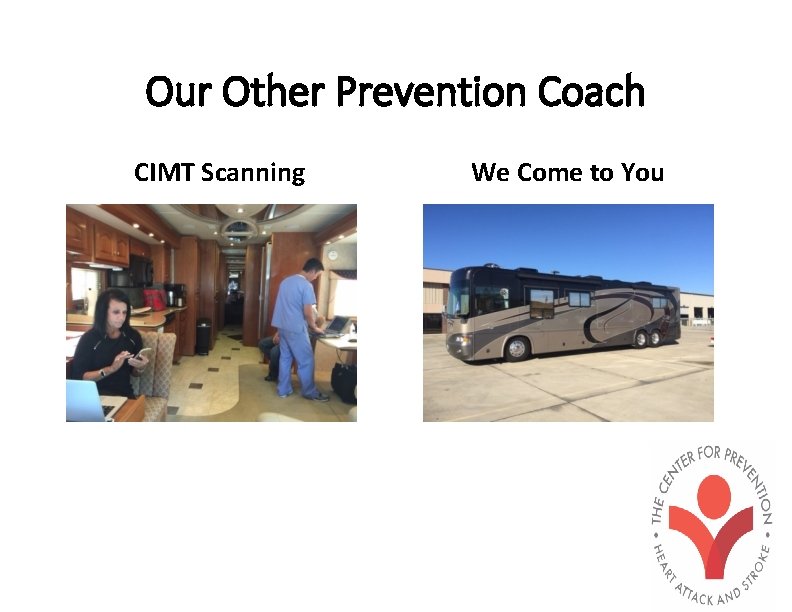
Our Other Prevention Coach CIMT Scanning We Come to You
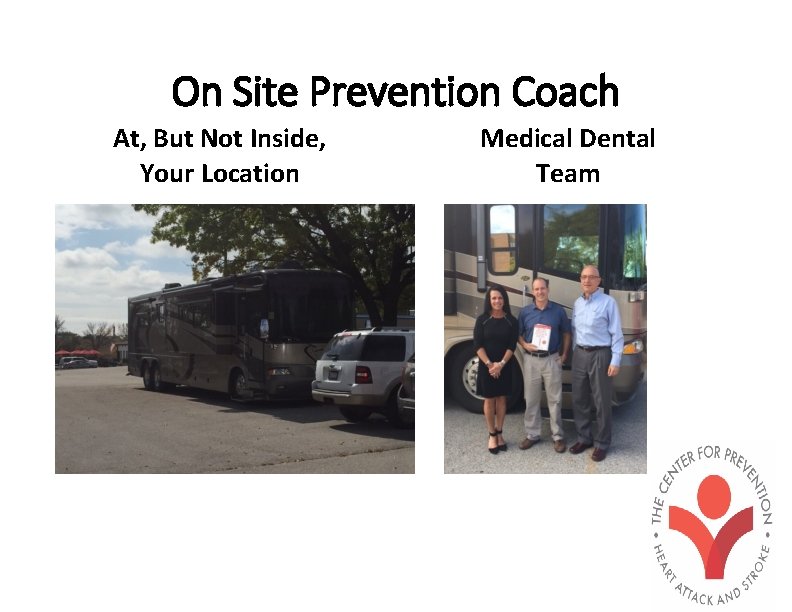
On Site Prevention Coach At, But Not Inside, Your Location Medical Dental Team
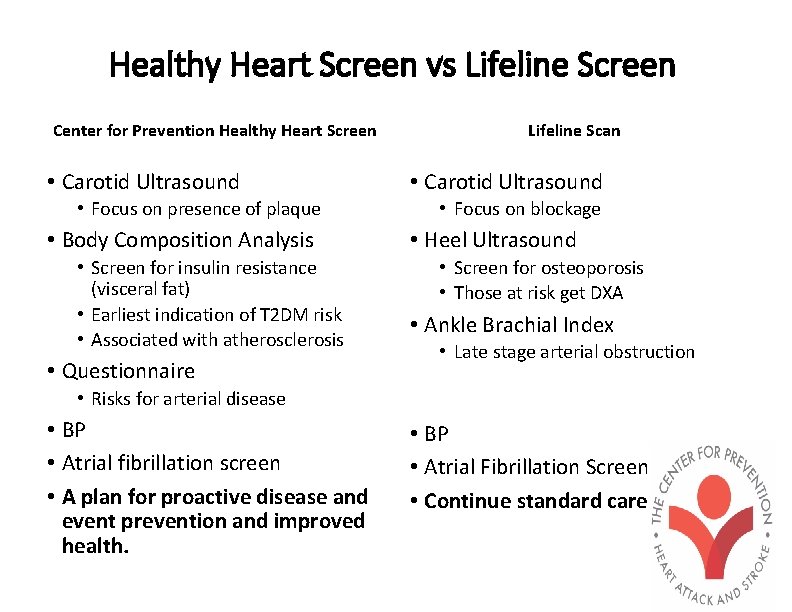
Healthy Heart Screen vs Lifeline Screen Center for Prevention Healthy Heart Screen • Carotid Ultrasound • Focus on presence of plaque • Body Composition Analysis • Screen for insulin resistance (visceral fat) • Earliest indication of T 2 DM risk • Associated with atherosclerosis • Questionnaire Lifeline Scan • Carotid Ultrasound • Focus on blockage • Heel Ultrasound • Screen for osteoporosis • Those at risk get DXA • Ankle Brachial Index • Late stage arterial obstruction • Risks for arterial disease • BP • Atrial fibrillation screen • A plan for proactive disease and event prevention and improved health. • BP • Atrial Fibrillation Screen • Continue standard care
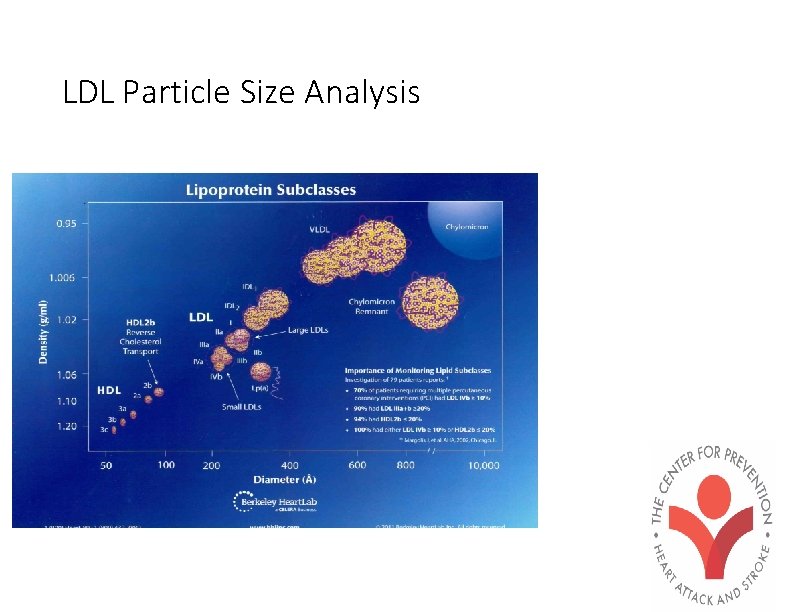
LDL Particle Size Analysis
The Center for Prevention www. thecenterforprevention. com 2921 Greenbriar Dr. , Springfield, IL 62704 217 -321 -1987 officemanager@craigbacksmd. com Standard Care The Center for Prevention Care
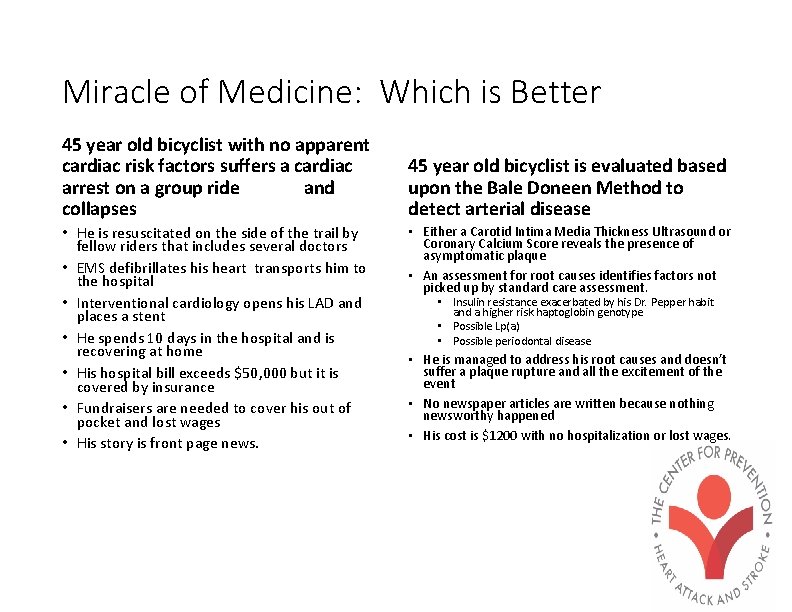
Miracle of Medicine: Which is Better 45 year old bicyclist with no apparent cardiac risk factors suffers a cardiac arrest on a group ride and collapses • He is resuscitated on the side of the trail by fellow riders that includes several doctors • EMS defibrillates his heart transports him to the hospital • Interventional cardiology opens his LAD and places a stent • He spends 10 days in the hospital and is recovering at home • His hospital bill exceeds $50, 000 but it is covered by insurance • Fundraisers are needed to cover his out of pocket and lost wages • His story is front page news. 45 year old bicyclist is evaluated based upon the Bale Doneen Method to detect arterial disease • Either a Carotid Intima Media Thickness Ultrasound or Coronary Calcium Score reveals the presence of asymptomatic plaque • An assessment for root causes identifies factors not picked up by standard care assessment. • Insulin resistance exacerbated by his Dr. Pepper habit and a higher risk haptoglobin genotype • Possible Lp(a) • Possible periodontal disease • He is managed to address his root causes and doesn’t suffer a plaque rupture and all the excitement of the event • No newspaper articles are written because nothing newsworthy happened • His cost is $1200 with no hospitalization or lost wages.
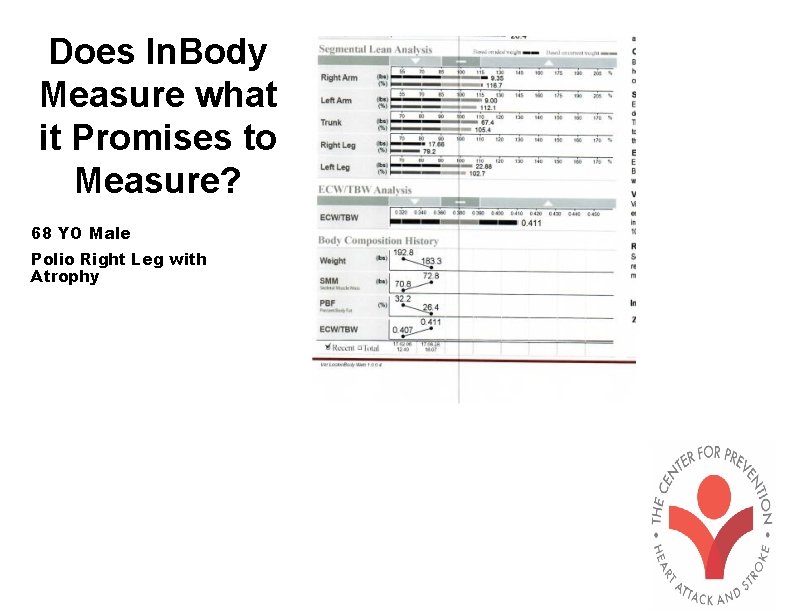
Does In. Body Measure what it Promises to Measure? 68 YO Male Polio Right Leg with Atrophy
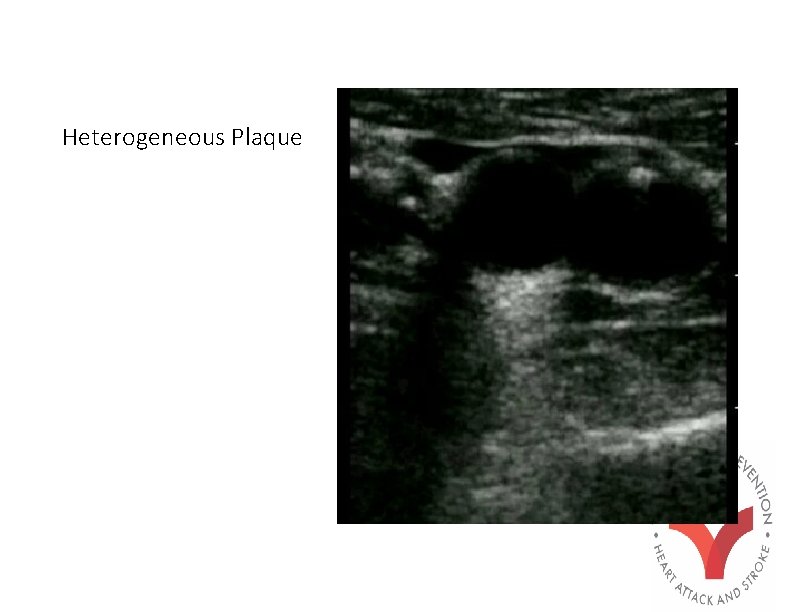
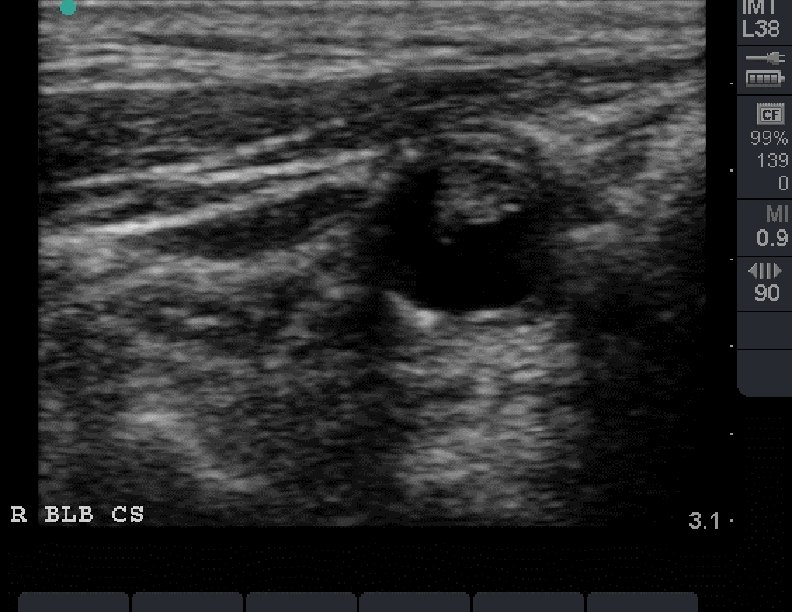
Heterogeneous Plaque
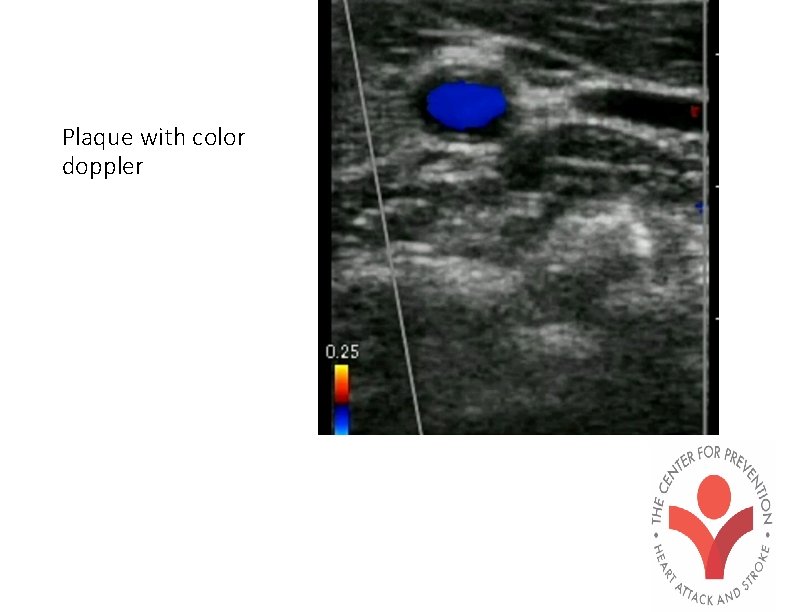
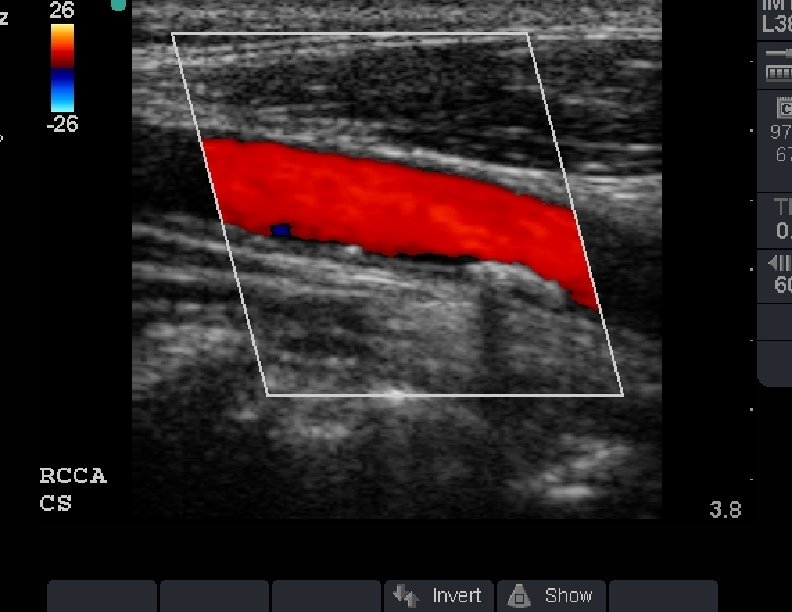
Plaque with color doppler
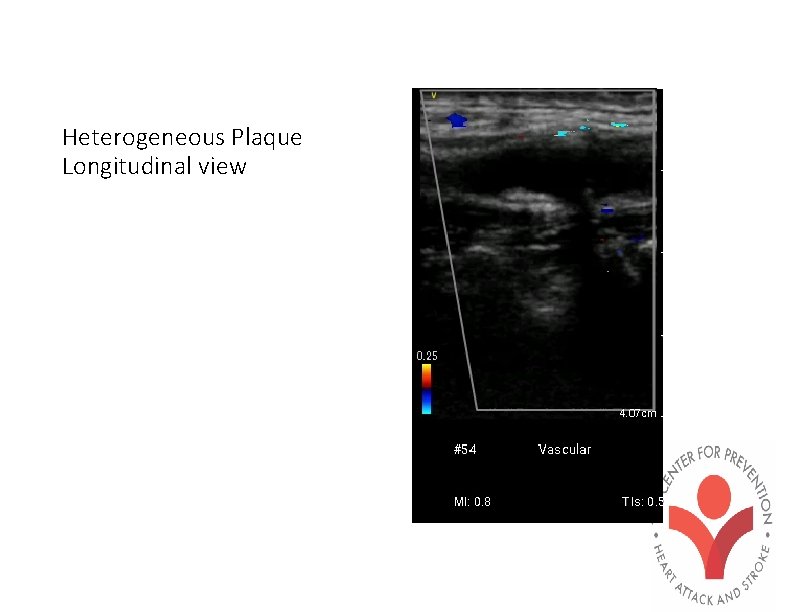
Heterogeneous Plaque Longitudinal view
The Center for Prevention Heart Attack and Stroke www. thecenterforprevention. com You never change things by fighting the existing reality. To change something, build a new model that makes the existing model obsolete. ” R. Buckminster Fuller
Ephemeralization • The ability of technological advancement to do "more and more with less and less until eventually you can do everything with nothing. " • Buckminster Fuller
What’s Wrong • I have the suspicion that somebody is deliberately and artificially keeping these basics of life ineffective and expensive. Despite phenomenally accelerating technological changes, these necessities appear to take about the same trouble to acquire as they did 50 years ago. They offer more comfort and more features and they are somewhat more evenly distributed, but they still work roughly the same way. That doesn't quite add up when compared with the actual rate of technological change. Looks like somebody's trying to make us keep running around for money, rather than accomplishing the most with what we can and know. Flemming Funch, 11 Mar 95.