
The Celts Who are the Celts The Celts
- Slides: 18
The. Celts
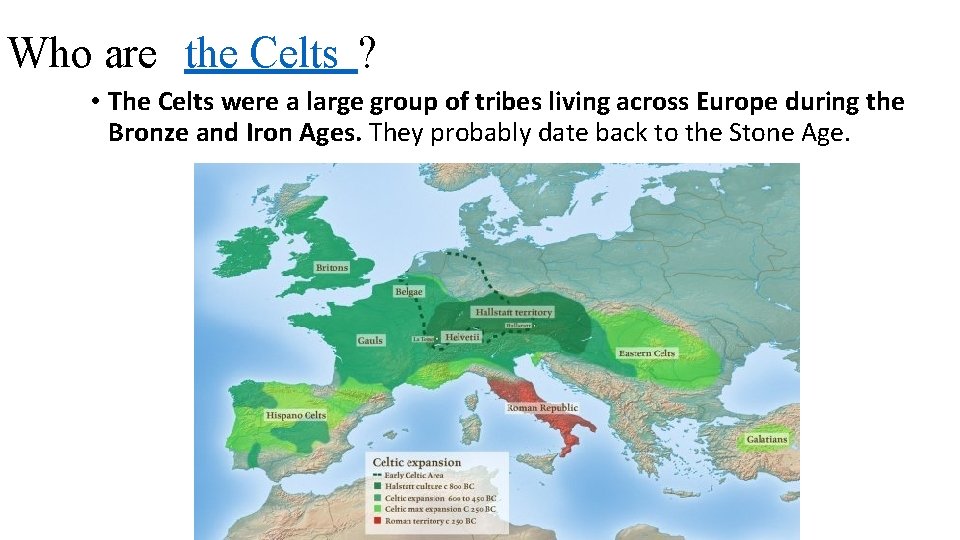
Who are the Celts ? • The Celts were a large group of tribes living across Europe during the Bronze and Iron Ages. They probably date back to the Stone Age.
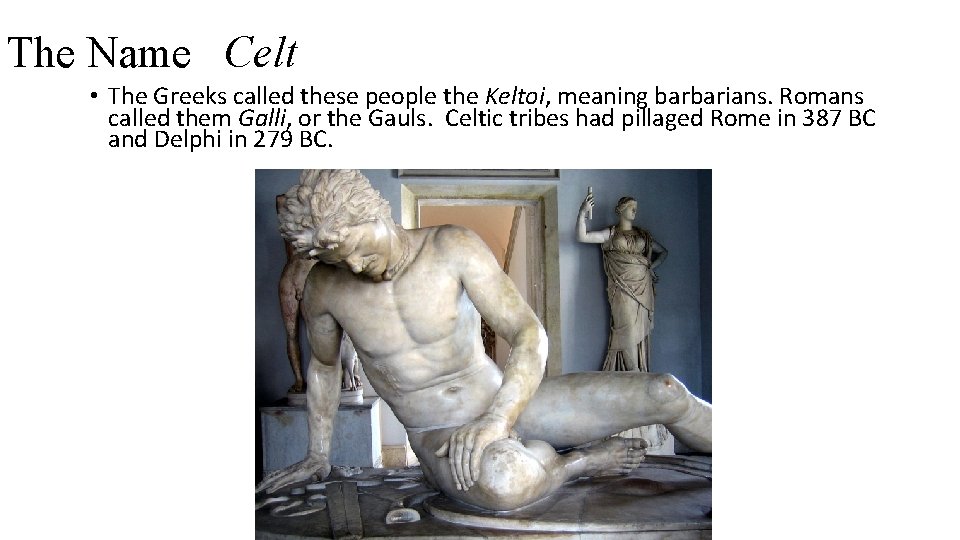
The Name Celt • The Greeks called these people the Keltoi, meaning barbarians. Romans called them Galli, or the Gauls. Celtic tribes had pillaged Rome in 387 BC and Delphi in 279 BC.
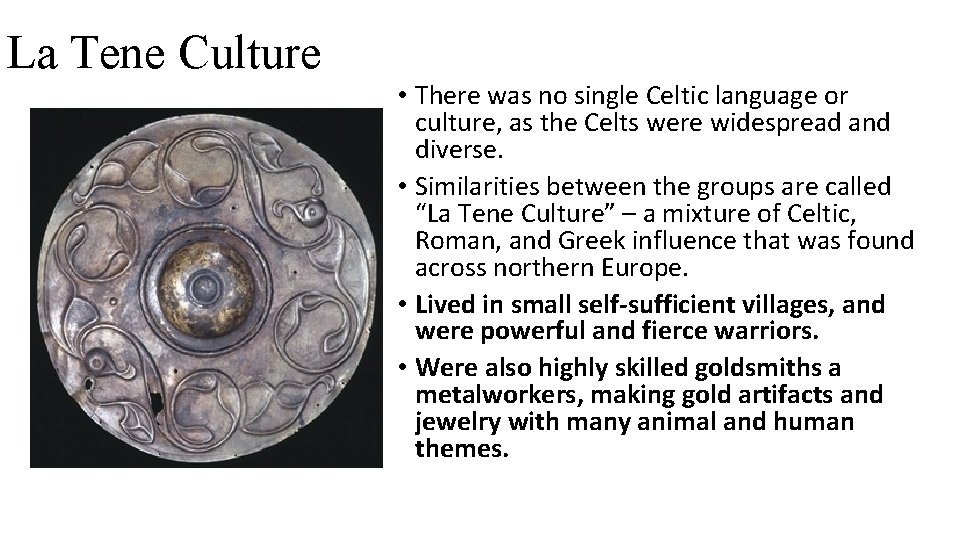
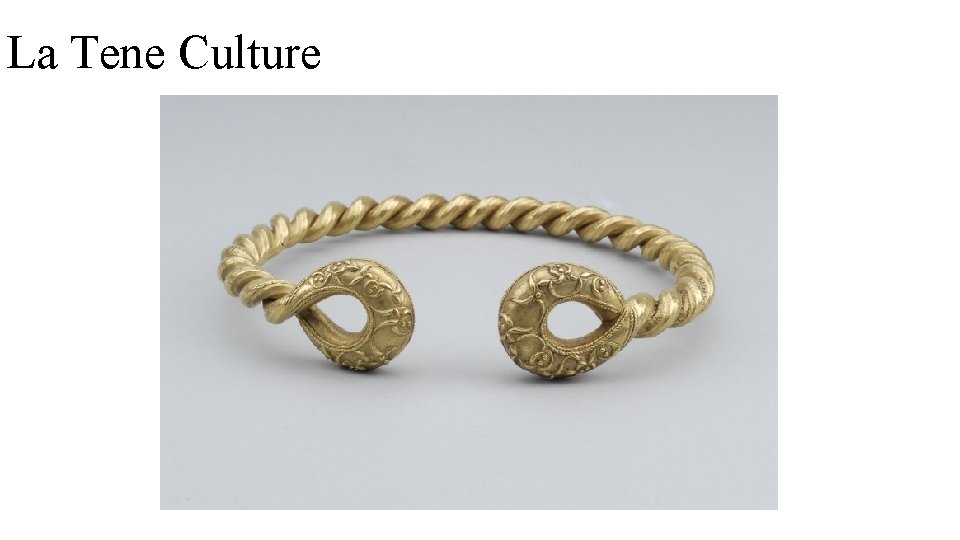
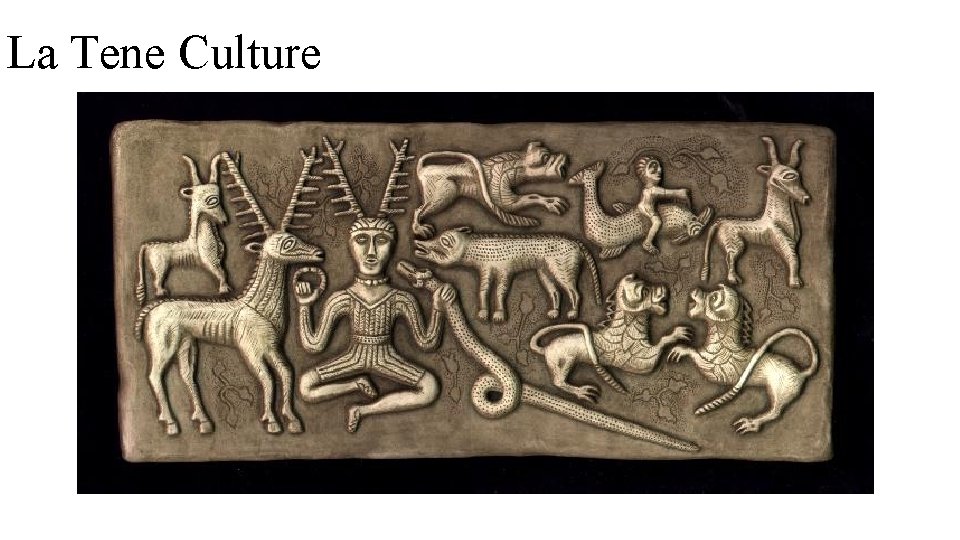
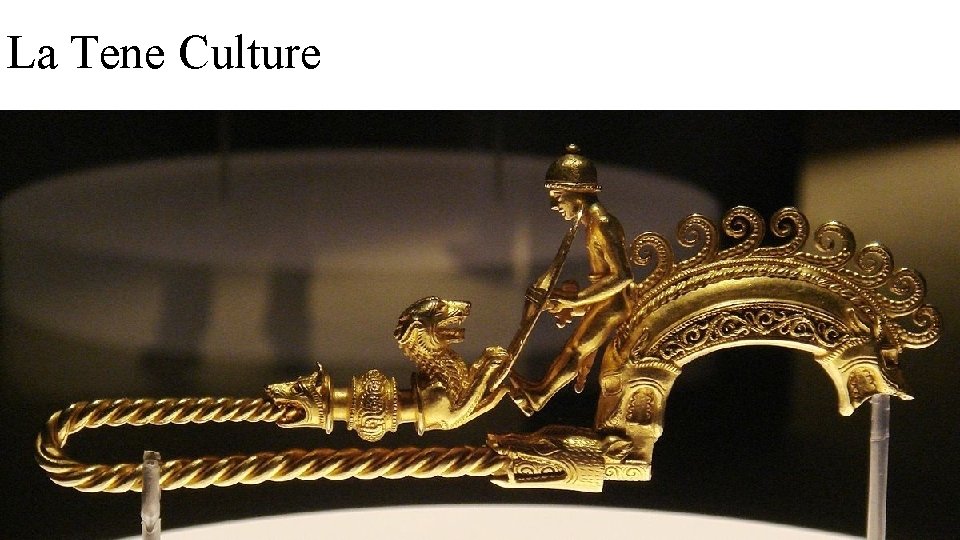
La Tene Culture • There was no single Celtic language or culture, as the Celts were widespread and diverse. • Similarities between the groups are called “La Tene Culture” – a mixture of Celtic, Roman, and Greek influence that was found across northern Europe. • Lived in small self-sufficient villages, and were powerful and fierce warriors. • Were also highly skilled goldsmiths a metalworkers, making gold artifacts and jewelry with many animal and human themes.
La Tene Culture
La Tene Culture
La Tene Culture
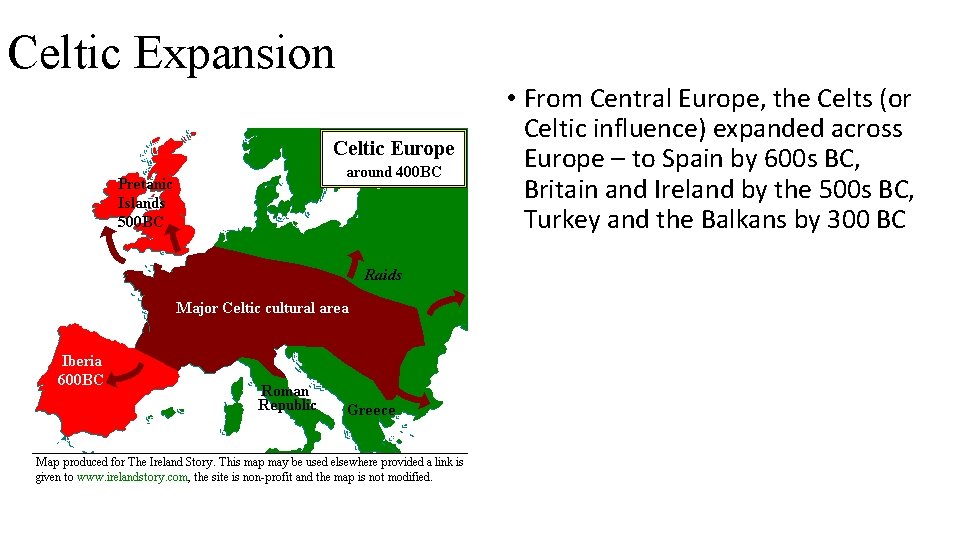
Celtic Expansion • From Central Europe, the Celts (or Celtic influence) expanded across Europe – to Spain by 600 s BC, Britain and Ireland by the 500 s BC, Turkey and the Balkans by 300 BC
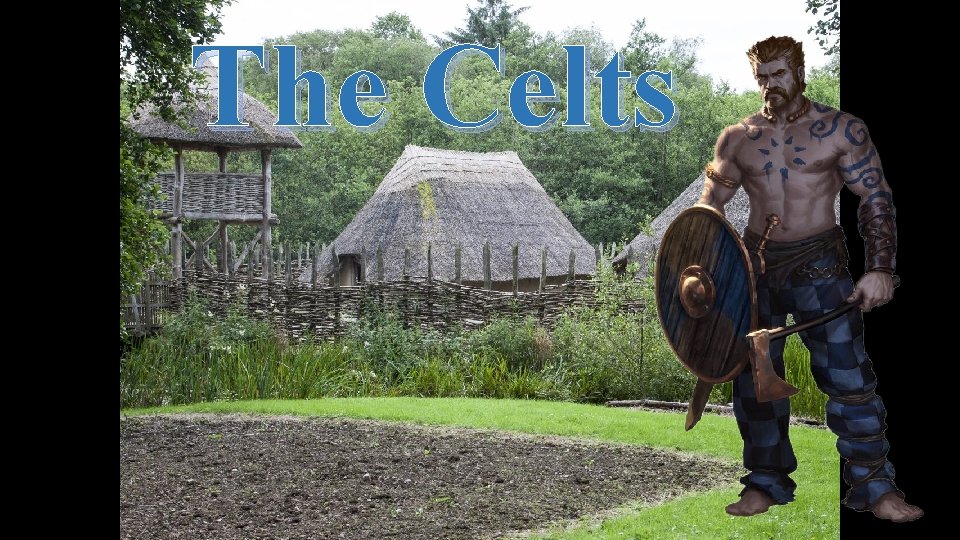
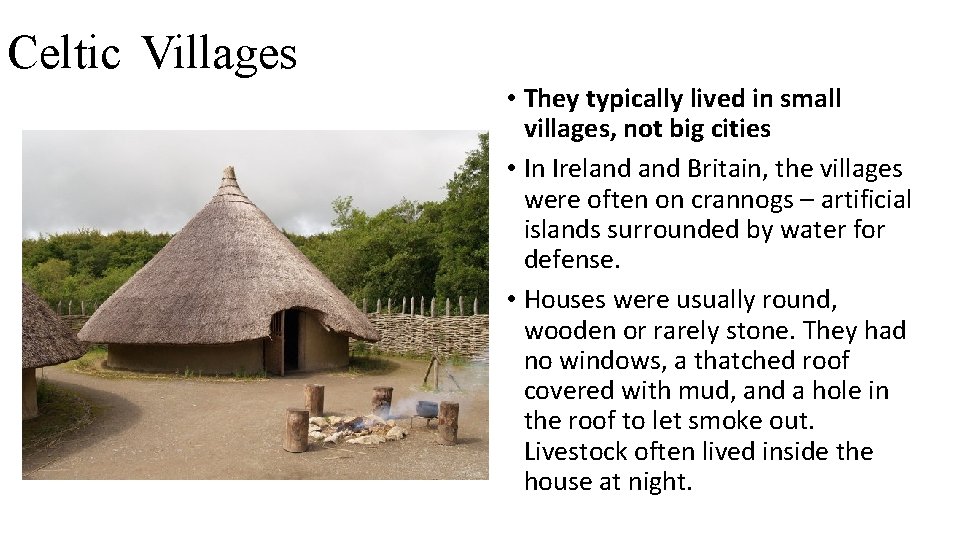
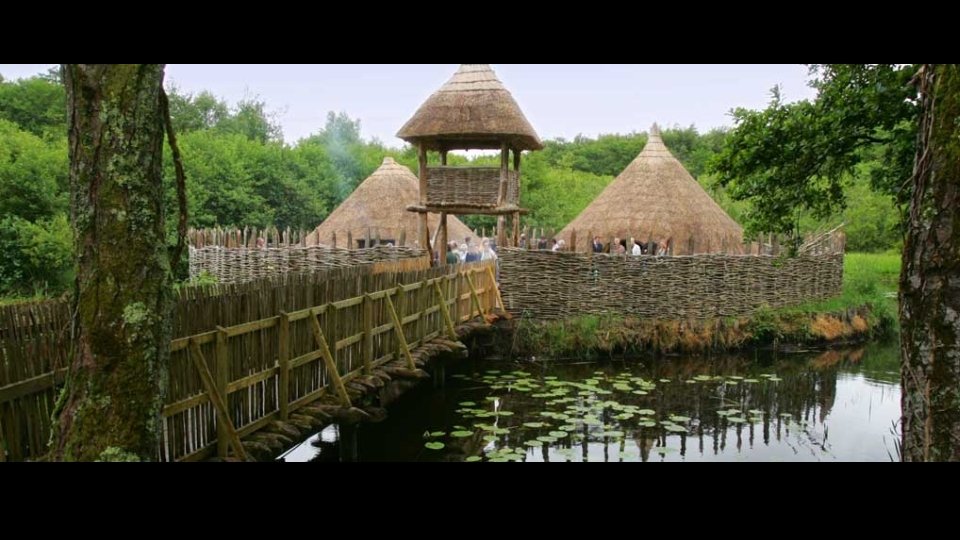
Celtic Villages • They typically lived in small villages, not big cities • In Ireland Britain, the villages were often on crannogs – artificial islands surrounded by water for defense. • Houses were usually round, wooden or rarely stone. They had no windows, a thatched roof covered with mud, and a hole in the roof to let smoke out. Livestock often lived inside the house at night.
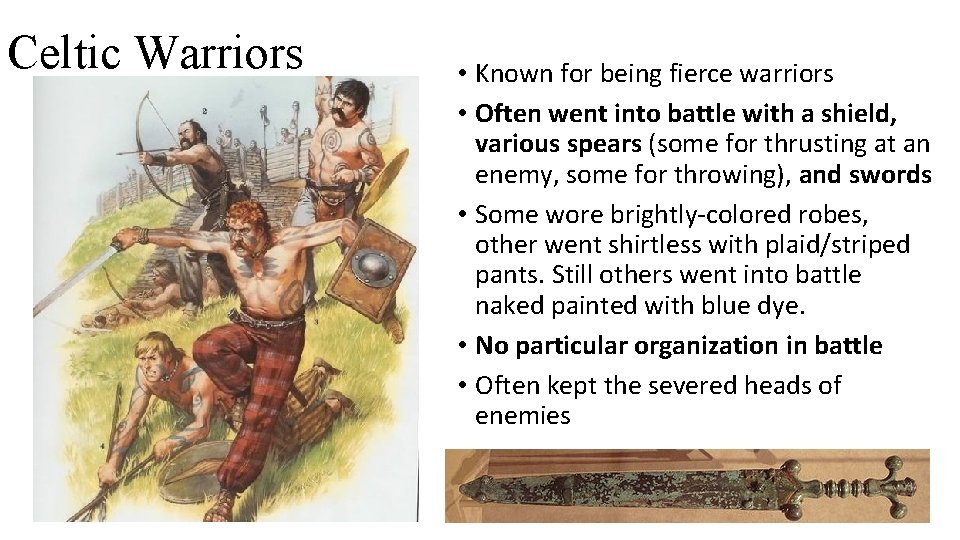
Celtic Warriors • Known for being fierce warriors • Often went into battle with a shield, various spears (some for thrusting at an enemy, some for throwing), and swords • Some wore brightly-colored robes, other went shirtless with plaid/striped pants. Still others went into battle naked painted with blue dye. • No particular organization in battle • Often kept the severed heads of enemies
Celtic Warriors Their aspect is terrifying. . . Their hair is blond, but not naturally so: they bleach it, to this day, artificially, washing it in lime and combing it back from their foreheads. They look like wood-demons, their hair thick and shaggy like a horse's mane. Some of them are clean shaven, but others. . . shave their cheeks but leave a moustache that covers the whole mouth and, when they eat and drink, acts like a sieve, trapping particles of food. . . The way they dress is astonishing: they wear brightly colored and embroidered shirts, with trousers called bracae and cloaks fastened at the shoulder with a brooch. . These cloaks are striped or checkered in design, with the separate checks close together and in various colors. [The Celts] wear bronze helmets with figures picked out on them, even horns. . . while others cover themselves with breast-armor made out of chains. But most content themselves with the weapons nature gave them: they go naked into battle. . . [where] Weird, discordant horns were sounded, deep and harsh voices, they beat their swords rhythmically against their shields.
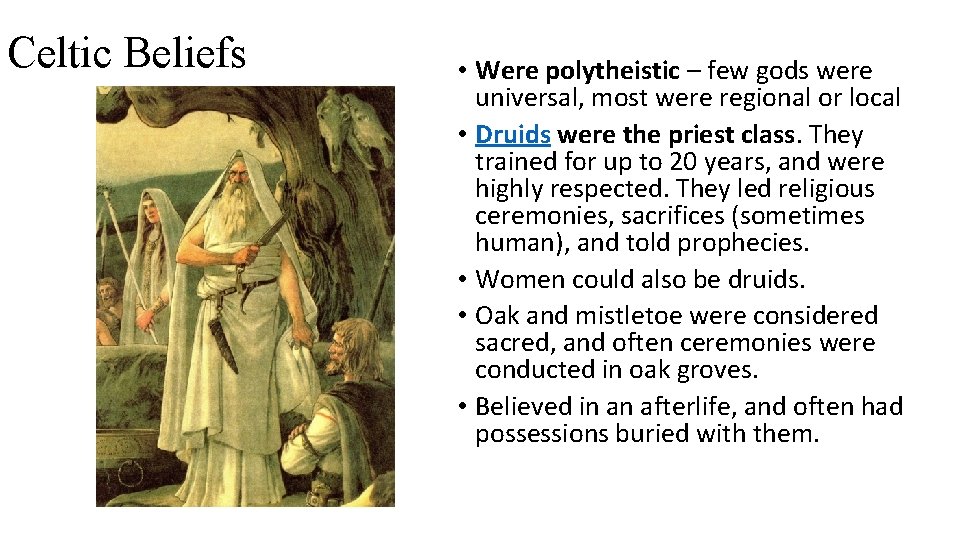
Celtic Beliefs • Were polytheistic – few gods were universal, most were regional or local • Druids were the priest class. They trained for up to 20 years, and were highly respected. They led religious ceremonies, sacrifices (sometimes human), and told prophecies. • Women could also be druids. • Oak and mistletoe were considered sacred, and often ceremonies were conducted in oak groves. • Believed in an afterlife, and often had possessions buried with them.
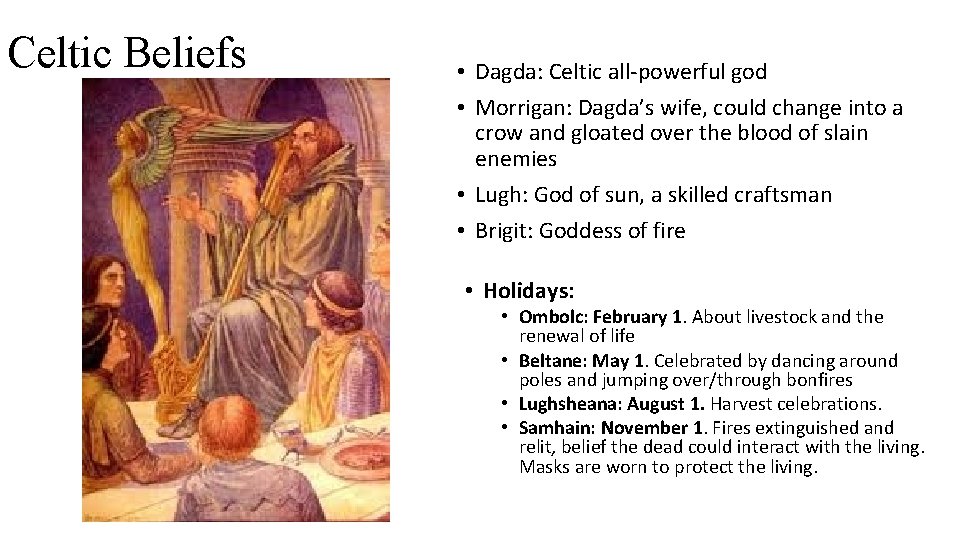
Celtic Beliefs • Dagda: Celtic all-powerful god • Morrigan: Dagda’s wife, could change into a crow and gloated over the blood of slain enemies • Lugh: God of sun, a skilled craftsman • Brigit: Goddess of fire • Holidays: • Ombolc: February 1. About livestock and the renewal of life • Beltane: May 1. Celebrated by dancing around poles and jumping over/through bonfires • Lughsheana: August 1. Harvest celebrations. • Samhain: November 1. Fires extinguished and relit, belief the dead could interact with the living. Masks are worn to protect the living.
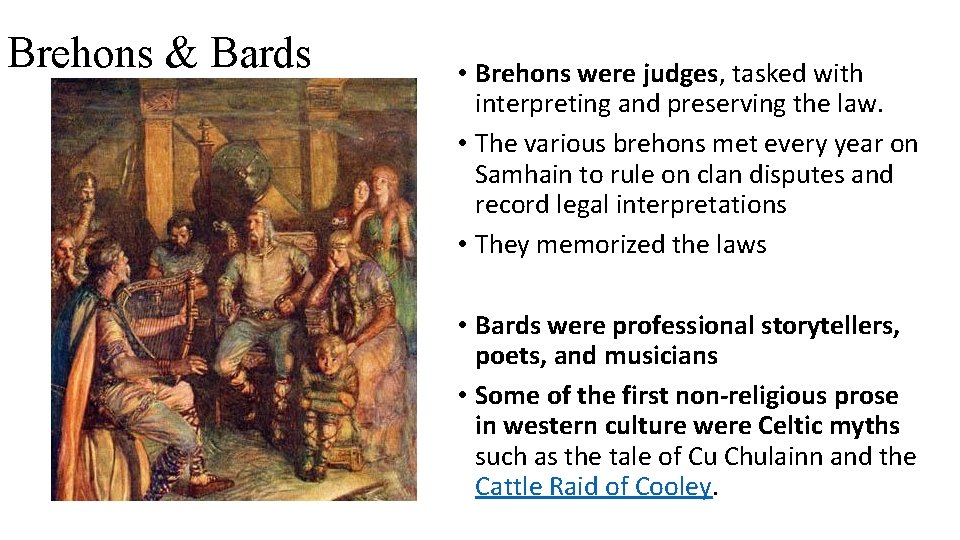
Brehons & Bards • Brehons were judges, tasked with interpreting and preserving the law. • The various brehons met every year on Samhain to rule on clan disputes and record legal interpretations • They memorized the laws • Bards were professional storytellers, poets, and musicians • Some of the first non-religious prose in western culture were Celtic myths such as the tale of Cu Chulainn and the Cattle Raid of Cooley.
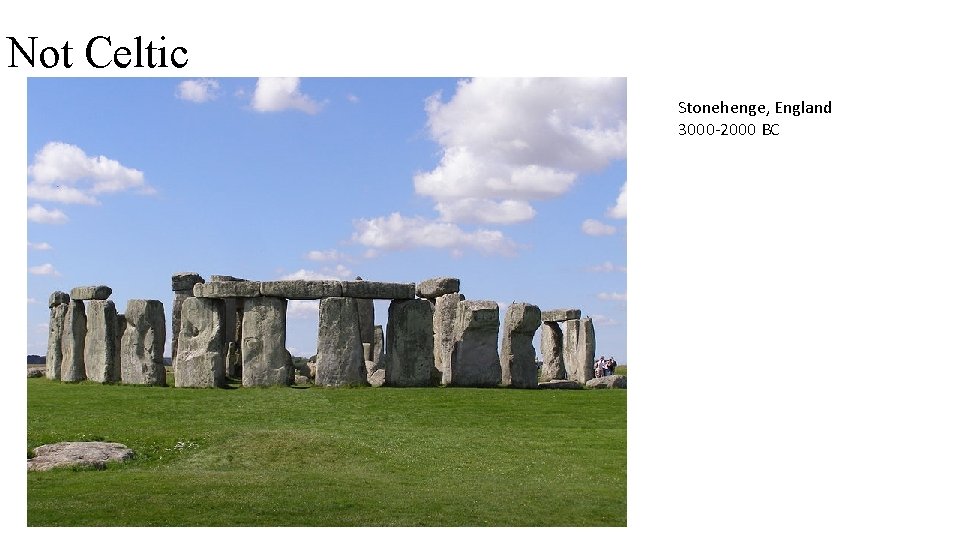
Not Celtic Stonehenge, England 3000 -2000 BC
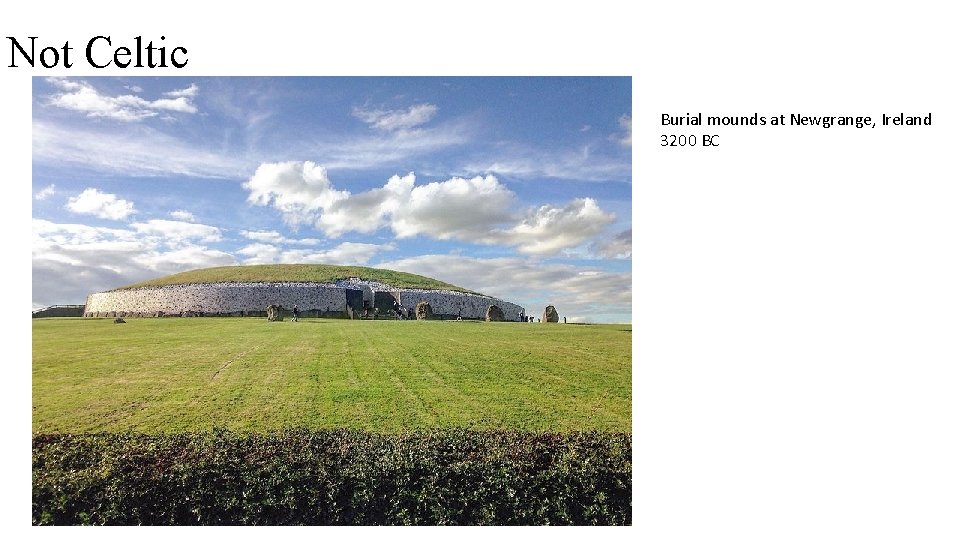
Not Celtic Burial mounds at Newgrange, Ireland 3200 BC
Not Celtic