
The Cellular Basis of Inheritance All cells come
The Cellular Basis of Inheritance. All cells come from cells. Chapter 9 in text
A. Repair & Growth Cell division in a multicellular organism occurs for growth, tissue repair, or to develop new tissue.

B. Reproduction Cell division in a unicellular organism is called asexual reproduction.
2 types of Reproduction Asexual reproduction • One parent • Very little or no variation in offspring • No mate selection needed

2 types of Reproduction Sexual reproduction • Two parents • Great variation • Varying degrees of mate selection
Some examples of asexual reproduction using mitosis
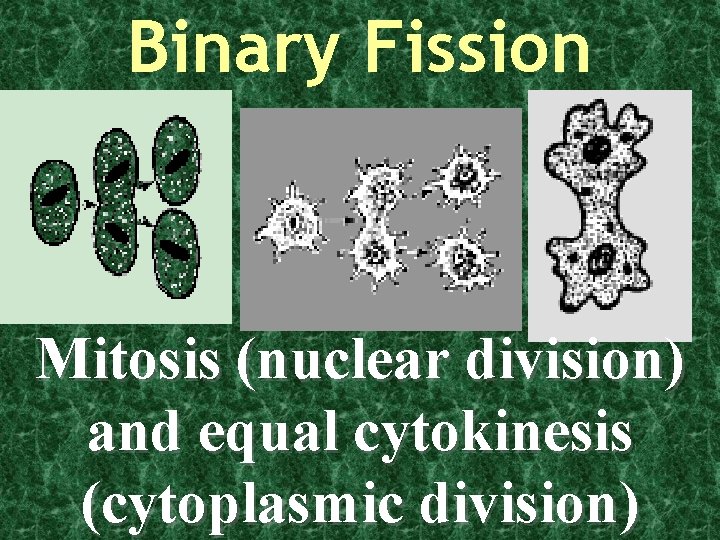
Binary Fission Mitosis (nuclear division) and equal cytokinesis (cytoplasmic division)
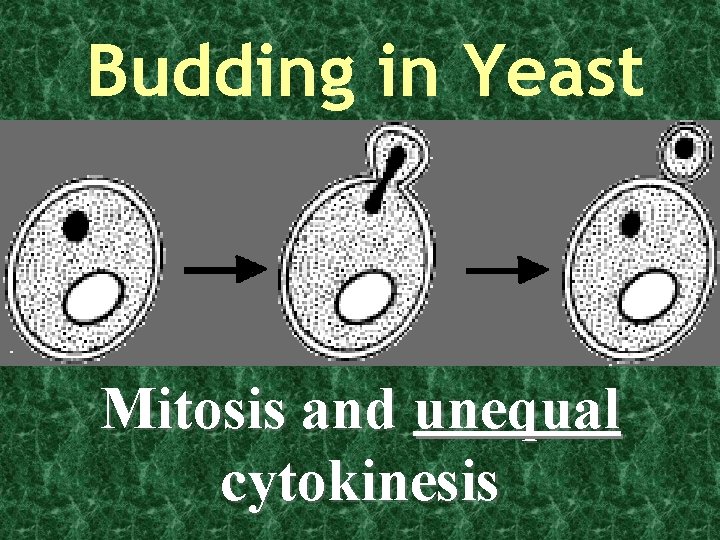
Budding in Yeast Mitosis and unequal cytokinesis
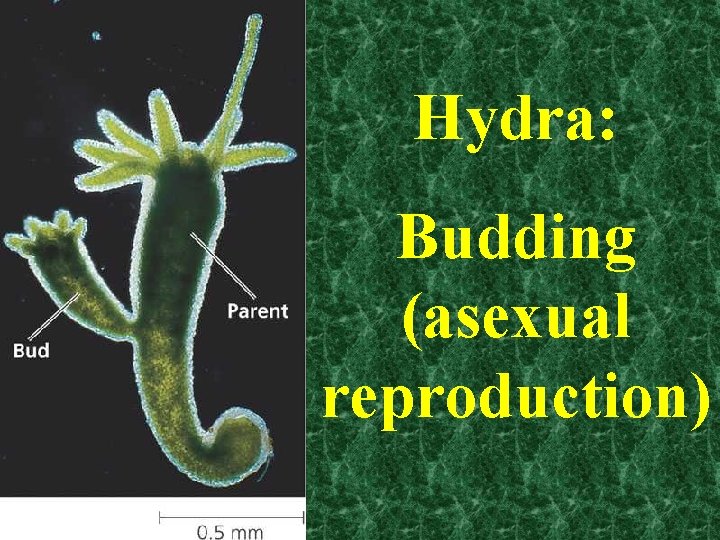
Hydra: Budding (asexual reproduction)
Clone: a cell or organism that is genetically identical to the cell or organism from which it was derived. Turn to page 2 of the note package.
Nuclear material 1. Chromosome forms a. Chromatin: -DNA is Thread-like -Easy to “read” to make protein and DNA replication
Nuclear material 1. Chromosome forms Chromosomes: -Super-coiled (tightly packed) -Easy to “move”for cell division - Single or double stranded
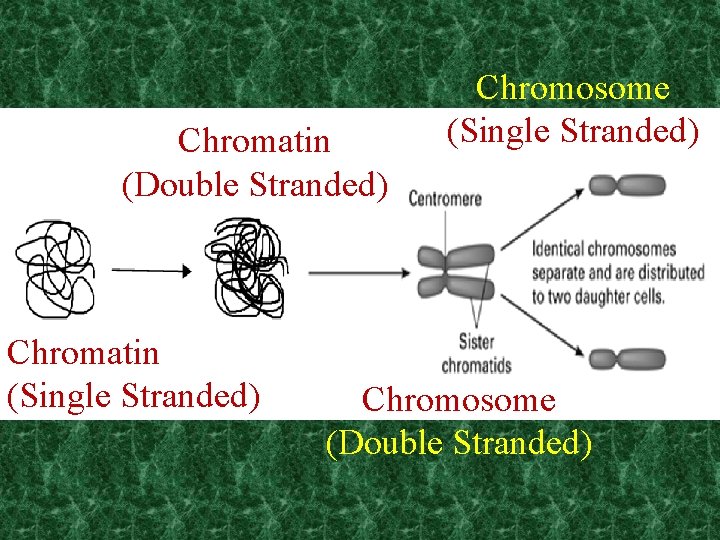
Chromatin (Double Stranded) Chromatin (Single Stranded) Chromosome (Double Stranded)
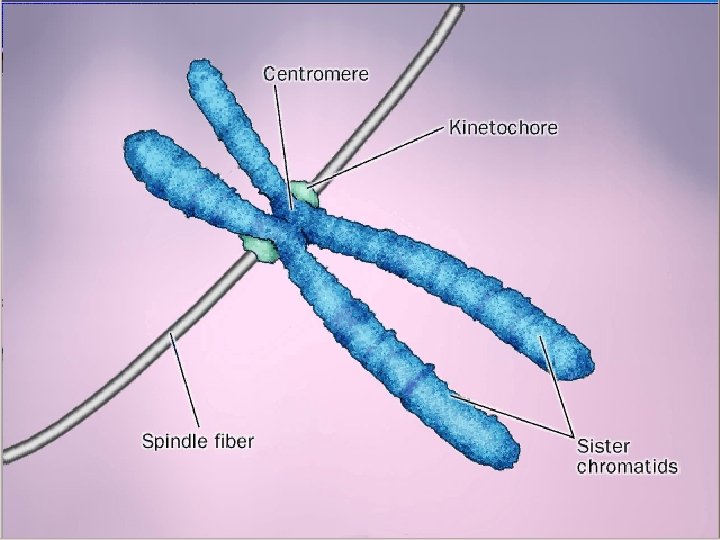
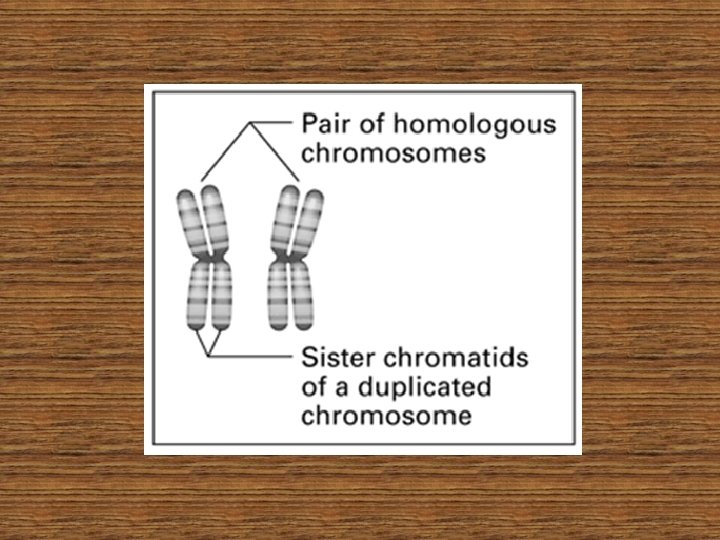
Sister Chromatids – each side of a double stranded chromosome (they each contain the same copy of DNA) Centromere – the area in a double stranded chromosome where sister chromatids are connected
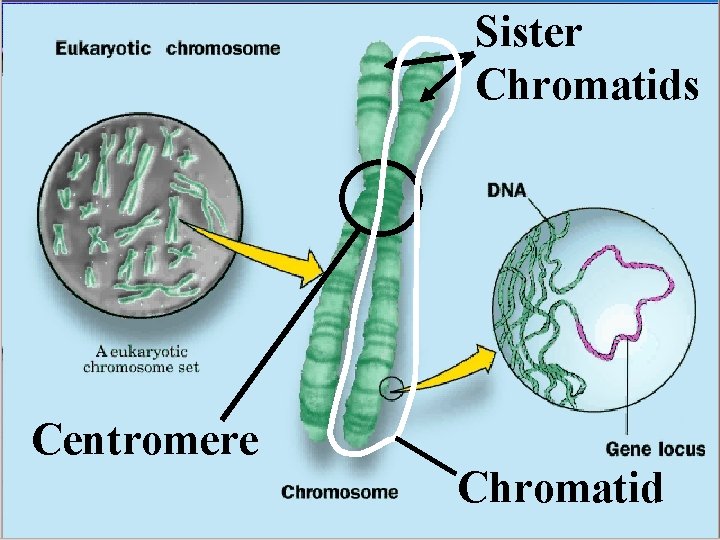
Sister Chromatids Centromere Chromatid
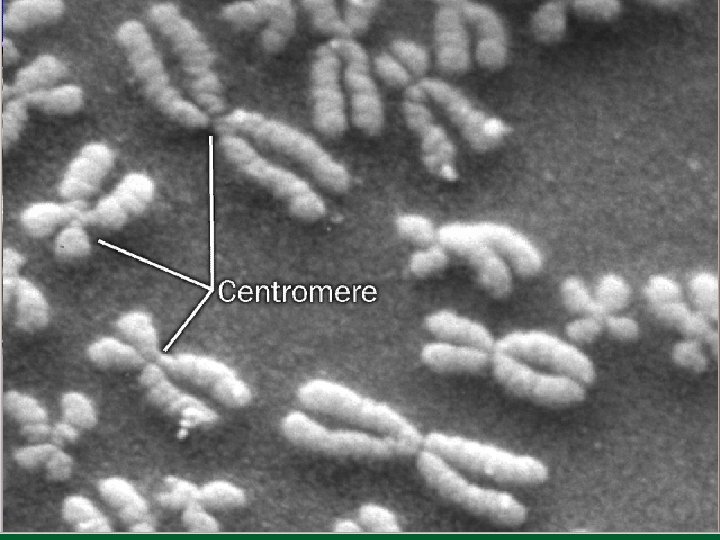
Please answer the four questions on page 2.

Turn to page 3 of the note package.
Histones – proteins that DNA bind to. • Loosely packed forms chromatin • Tightly packed forms chromosomes
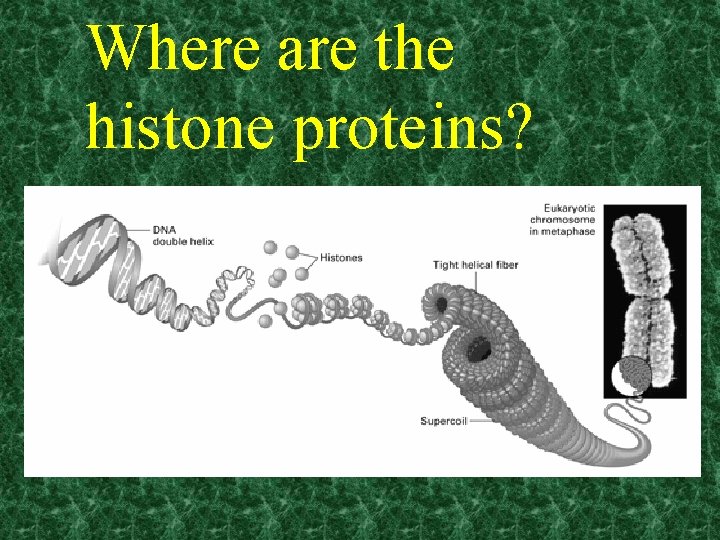
Where are the histone proteins?
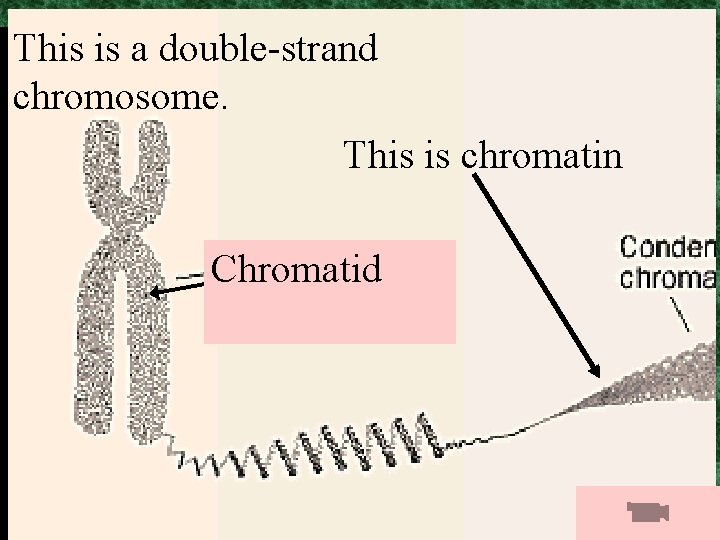
This is a double-strand chromosome. This is chromatin Chromatid

Turn to page 4 of the note package.
Chromosome Number Each species has a particular chromosome number that is found in each body cell.
The number of chromosomes found in the body cells of these species Fruit Fly – 8 Pigeon – 80 Human – 46 Gorilla – 48 Corn - 20
Chromosome Number Gametes (sperm cells and egg cells) have half the chromosome number of body cells.
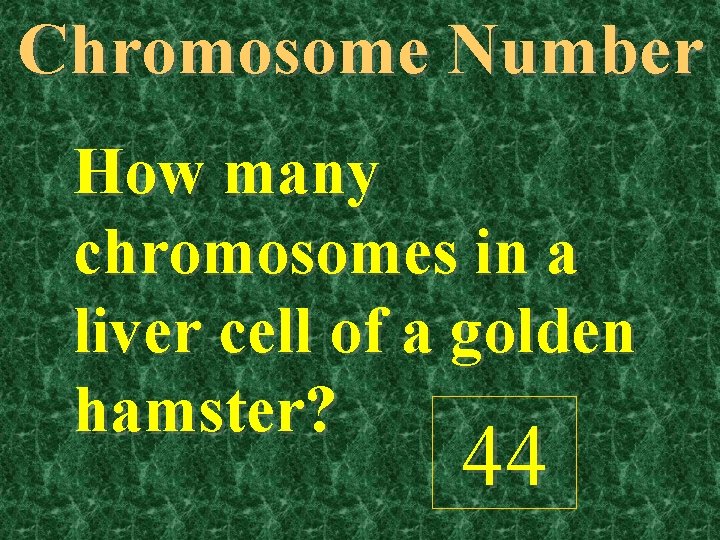
Chromosome Number How many chromosomes in a liver cell of a golden hamster? 44
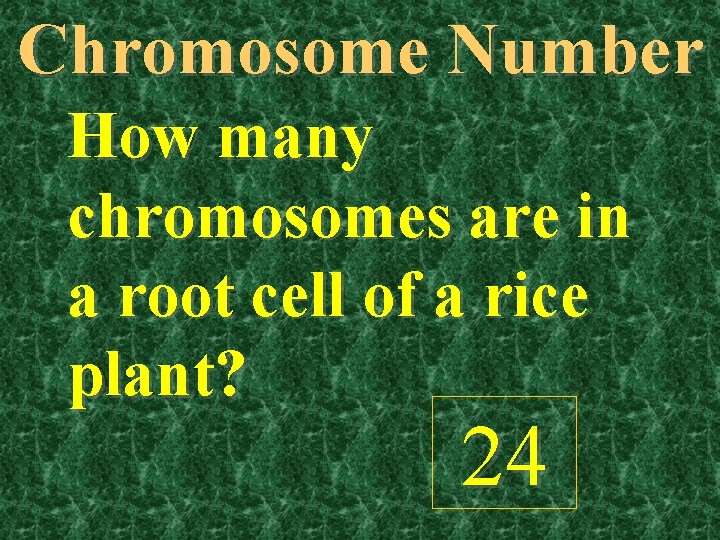
Chromosome Number How many chromosomes are in a root cell of a rice plant? 24
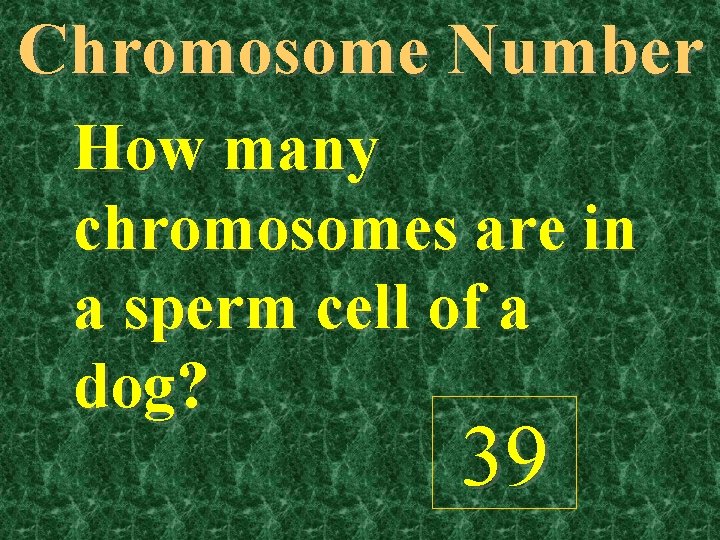
Chromosome Number How many chromosomes are in a sperm cell of a dog? 39
Chromosome Number How many chromosomes in a skin cell of a carp? 104
Chromosome Number How many 12 chromosomes are in an egg cell of a tomato’s blossom?

Turn to page 5 of the note package.
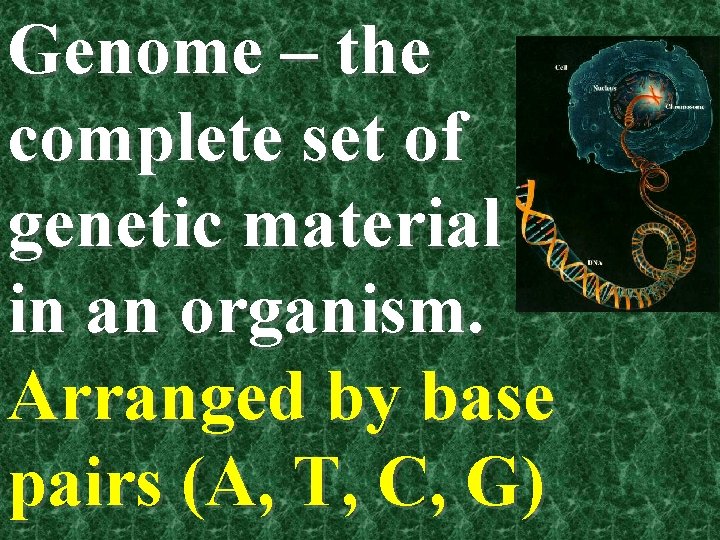
Genome – the complete set of genetic material in an organism. Arranged by base pairs (A, T, C, G)
Human Genome Project The complete sequence of the human genome was completed in 2003. This information is available in a database for researchers to use to diagnose, treat, and prevent genetically transmitted diseases. It is also used to study evolutionary relationships

Turn to page 6 of the note packet.
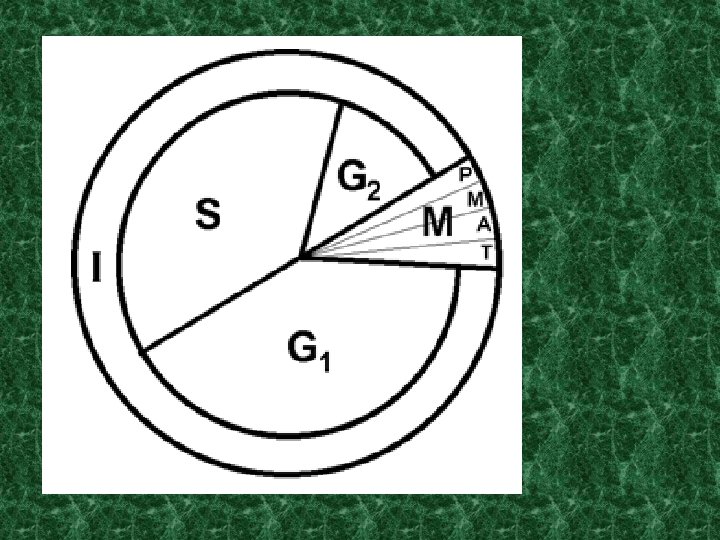
The Cell Cycle • The events in a cell’s life from it’s birth until it divides again.
The Stages of The Cell Cycle
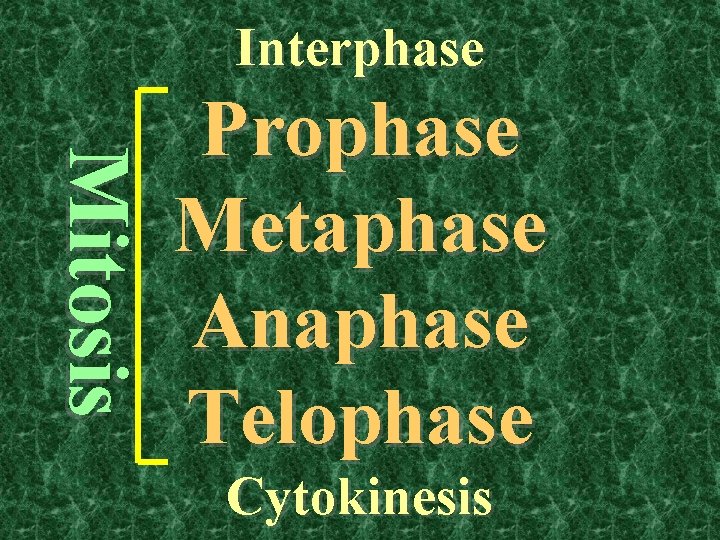
Interphase Mitosis Prophase Metaphase Anaphase Telophase Cytokinesis
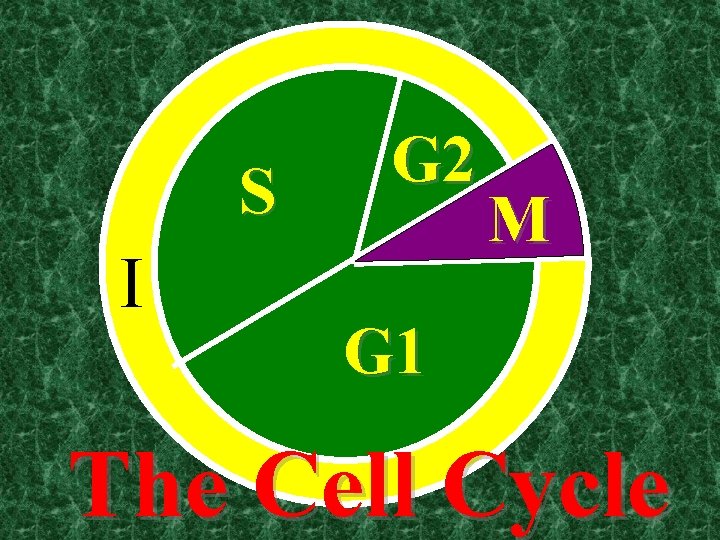
S I G 2 M G 1 The Cell Cycle
Cell Cycle video – 5 min. http: //www. youtube. com/watch? v=Q 6 uc KWIIFmg
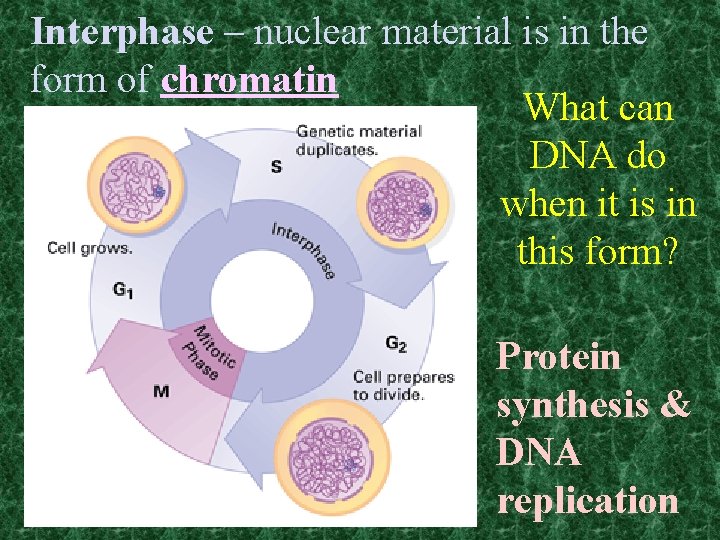
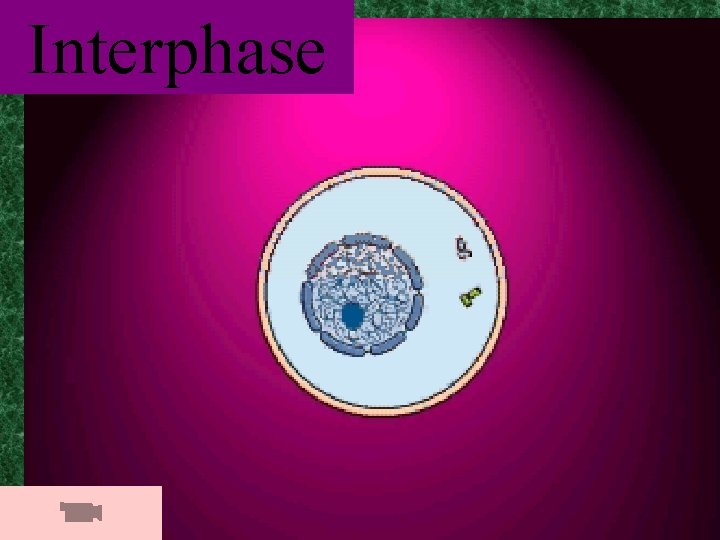
Interphase – nuclear material is in the form of chromatin What can DNA do when it is in this form? Protein synthesis & DNA replication
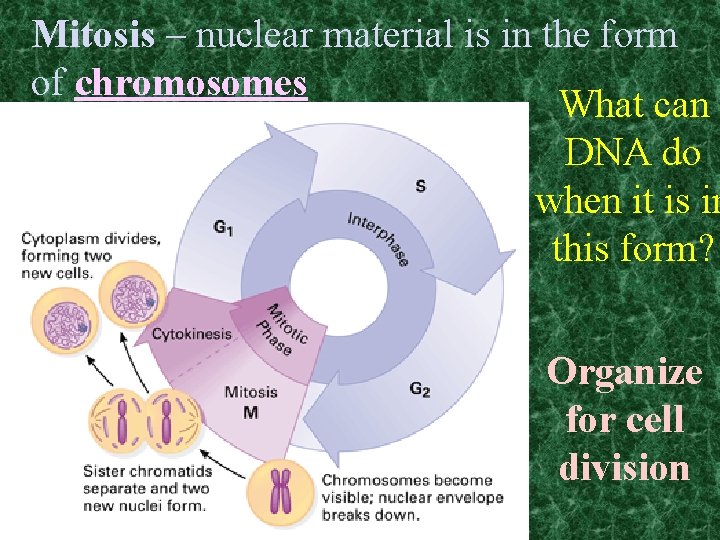
Mitosis – nuclear material is in the form of chromosomes What can DNA do when it is in this form? Organize for cell division
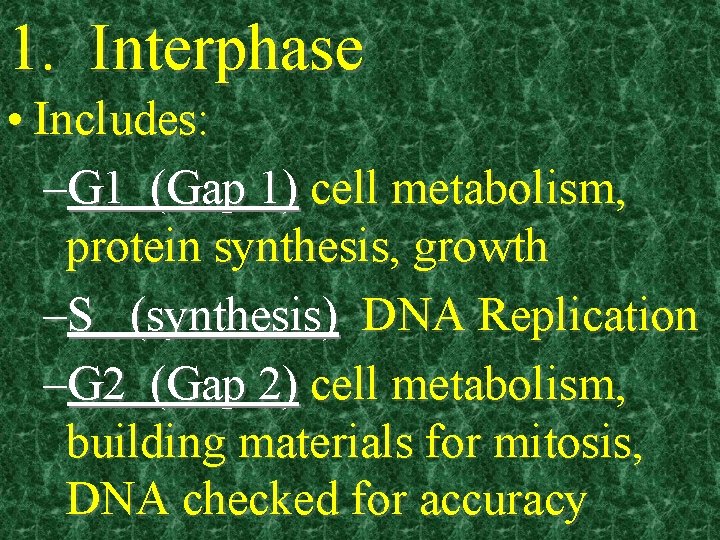
1. Interphase • Includes: –G 1 (Gap 1) cell metabolism, protein synthesis, growth –S (synthesis) DNA Replication –G 2 (Gap 2) cell metabolism, building materials for mitosis, DNA checked for accuracy
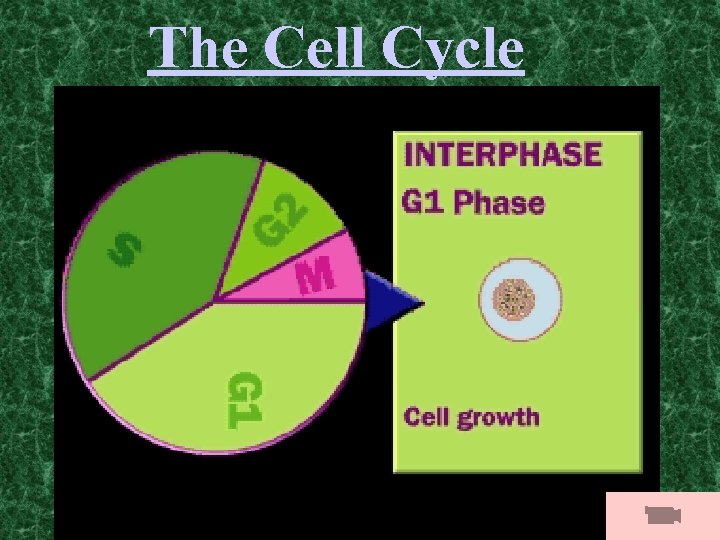
The Cell Cycle
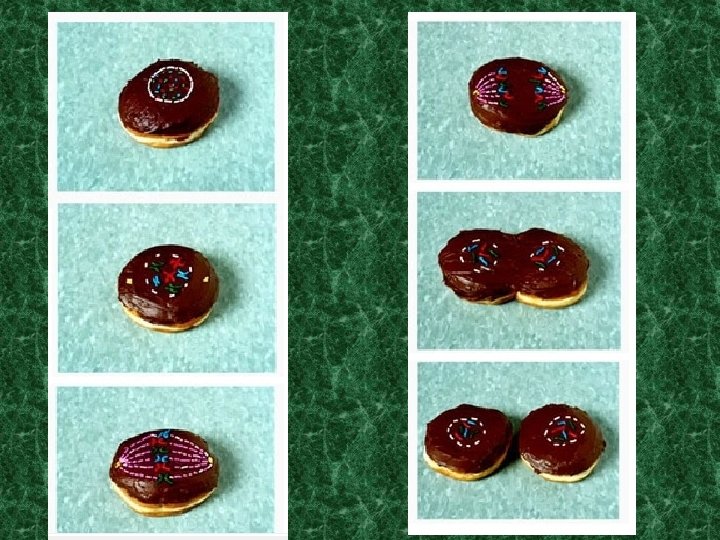
2. Mitotic Phase Small portion of the cycle when the nuclear material is dividing Watch the events of mitosis.
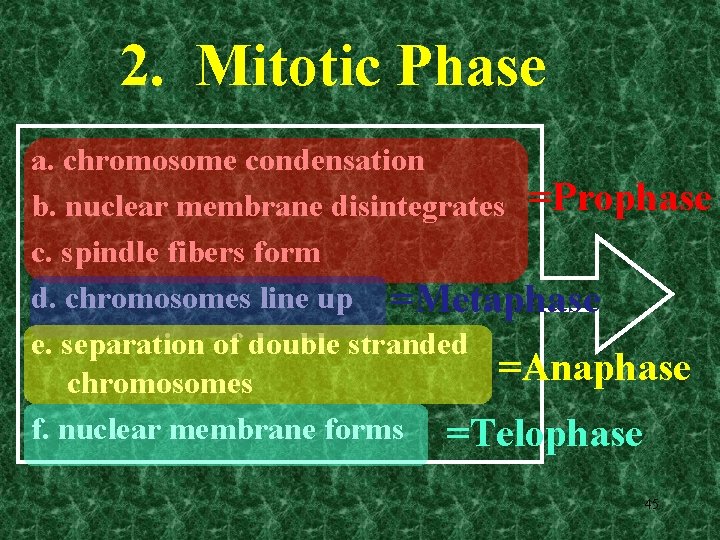
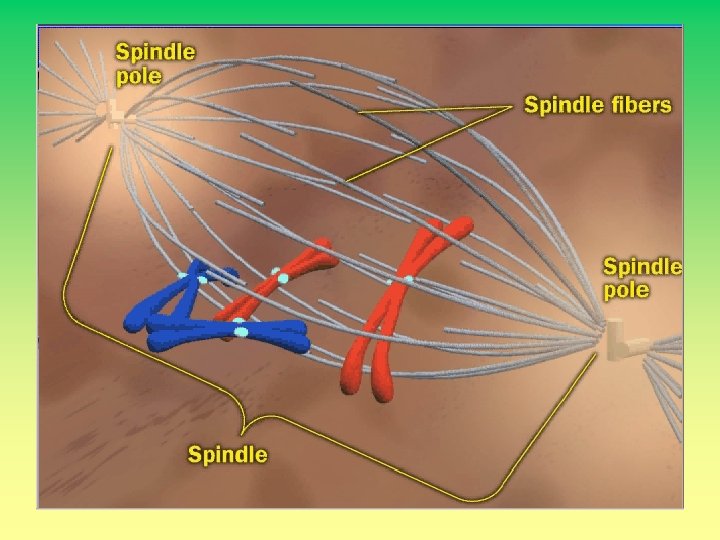
2. Mitotic Phase a. chromosome condensation b. nuclear membrane disintegrates =Prophase c. spindle fibers form d. chromosomes line up =Metaphase e. separation of double stranded =Anaphase chromosomes f. nuclear membrane forms =Telophase 45
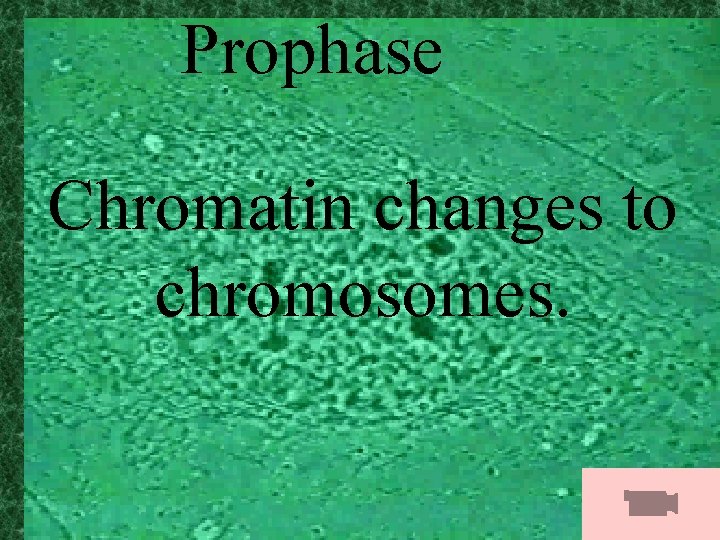
Prophase Chromatin changes to chromosomes.
Interphase
Time lapse photography of mitosis
Write the following information (next 2 slides) at the bottom of page 6
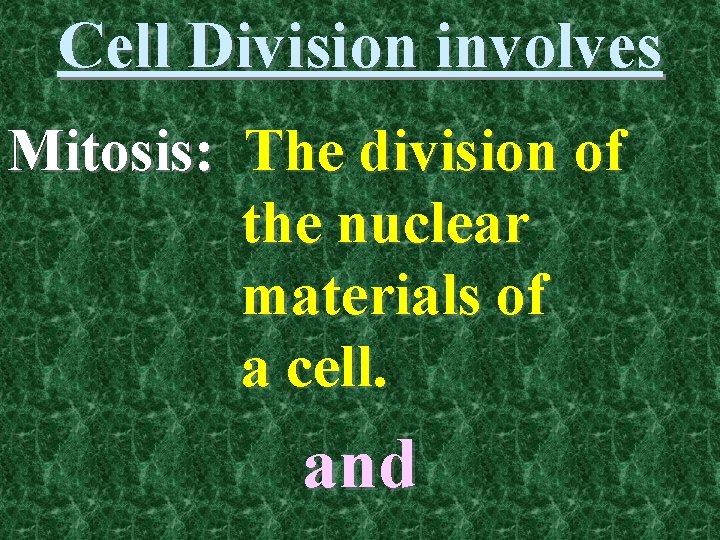
Cell Division involves Mitosis: The division of the nuclear materials of a cell. and
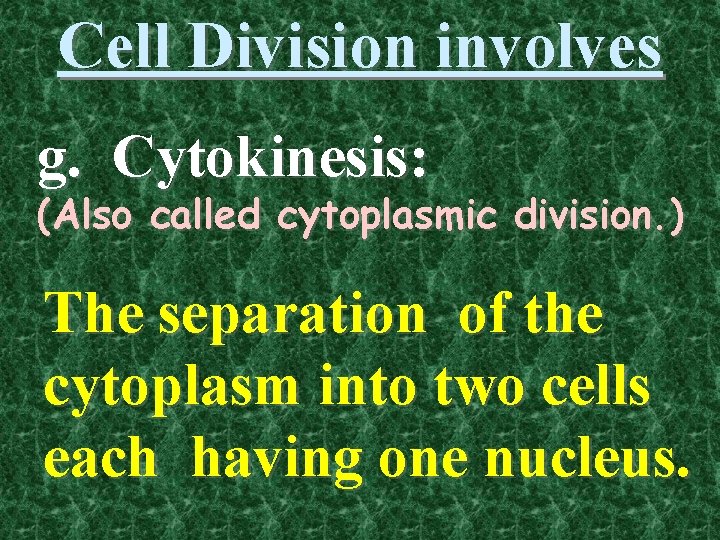
Cell Division involves g. Cytokinesis: (Also called cytoplasmic division. ) The separation of the cytoplasm into two cells each having one nucleus.
Watch the following Mitosis animation… Mitosis

Turn to page 7 of the note package.
Mitosis/Cell Cycle video – 6 min. http: //www. youtube. com/watch? feature= player_embedded&v =C 6 hn 3 s. A 0 ip 0#t=5 s
Mitosis: Animal v. Plant
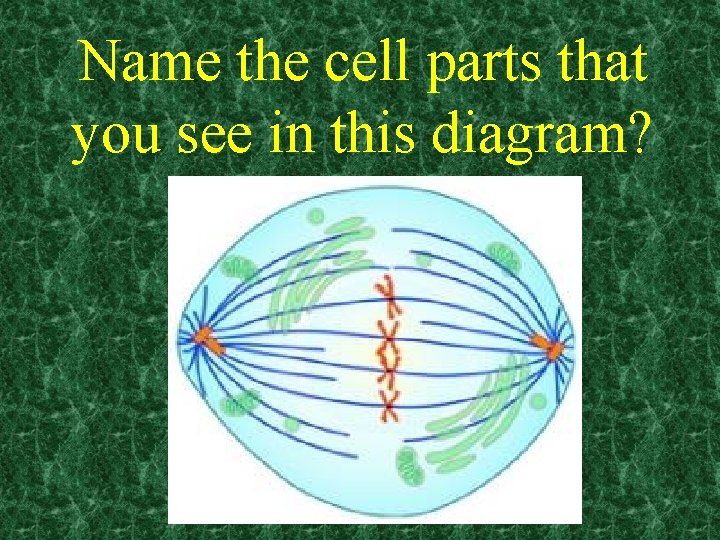
Name the cell parts that you see in this diagram?
Watch the following three videos, then summarize the difference between plant and animal mitosis.
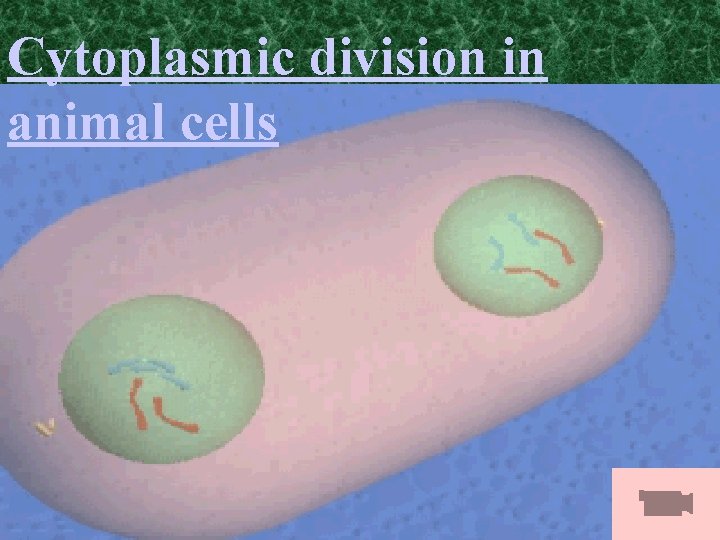
Cytoplasmic division in animal cells
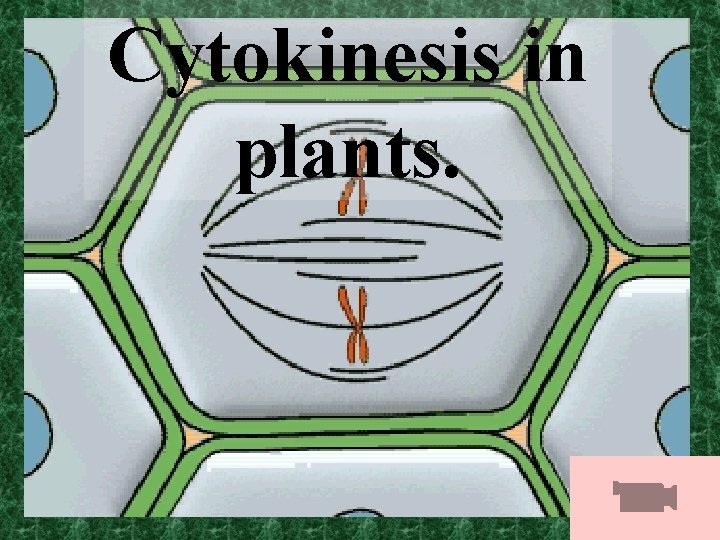
Cytokinesis in plants.
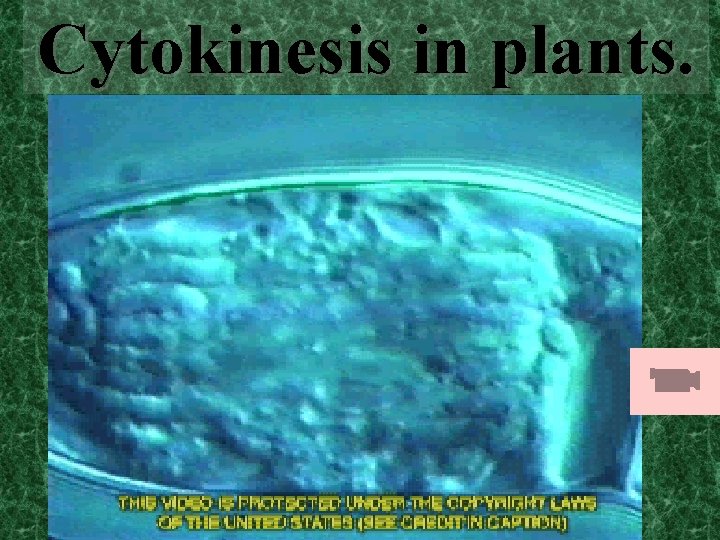
Cytokinesis in plants.

Turn to page 8 of the note package.
Cancer Mitosis out of control. Tumor cells: • Fail to differentiate. • Use many nutrients. • Crowd other cells.
Cancer Cell Division – 2 min http: //www. youtube. com/watch? feature= player_embedded&v =Ie. UANx. FVXKc#t= 3 s
Tumors & Cancer Benign • abnormal mass of mostly normal cells • Remain at original state in the body
Tumors & Cancer Malignant • Mass of cells • Reproduction of cancer cells
Tumors & Cancer Metastasis • Cancer cells spreading beyond the original site
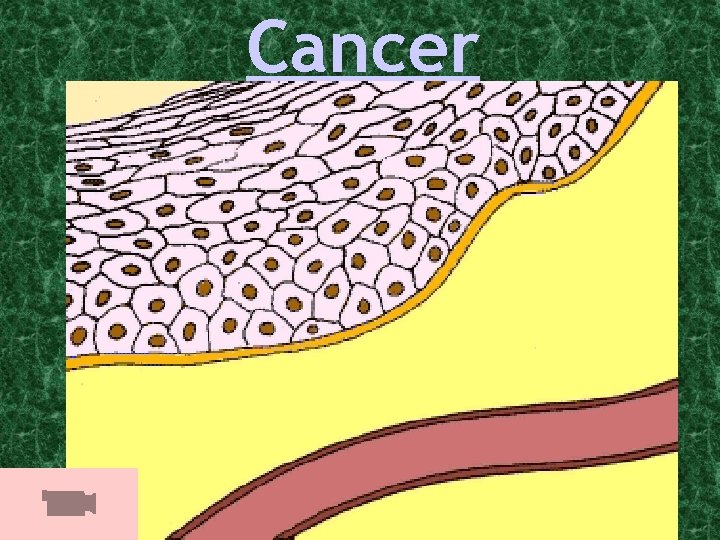
Cancer
Metastasis Video – 2 min http: //www. youtube. com/watch? feature= player_embedded&v =rr. Mq 8 u. A_6 i. A#t=4 s
Cancer Treatment Radiation Therapy • Tumors are exposed to high-energy radiation which disrupts cell division
Cancer Treatment Chemotherapy • Drug therapy to prevent cell division
9. 5 Meiosis Functions in Sexual Reproduction
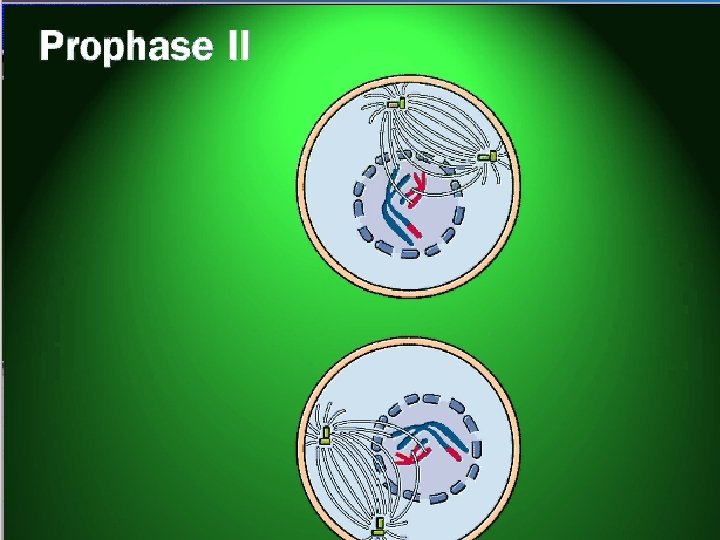
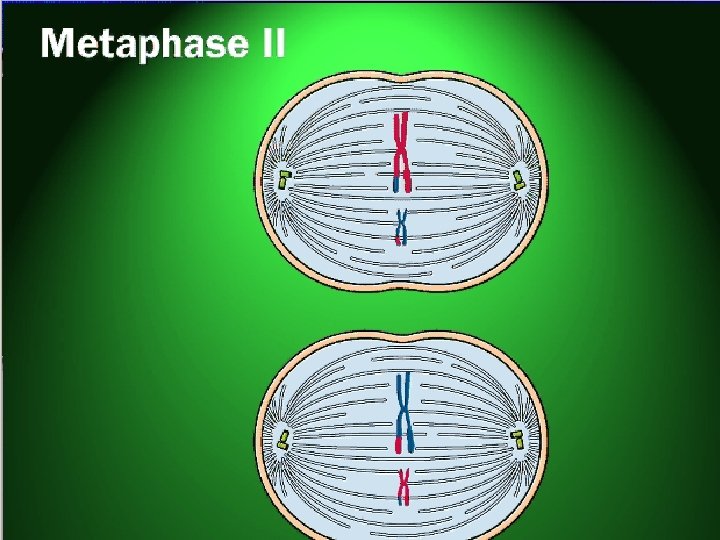
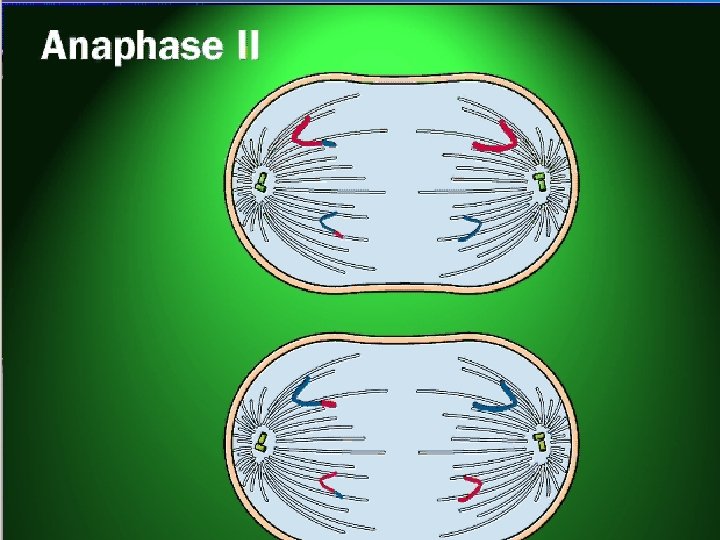
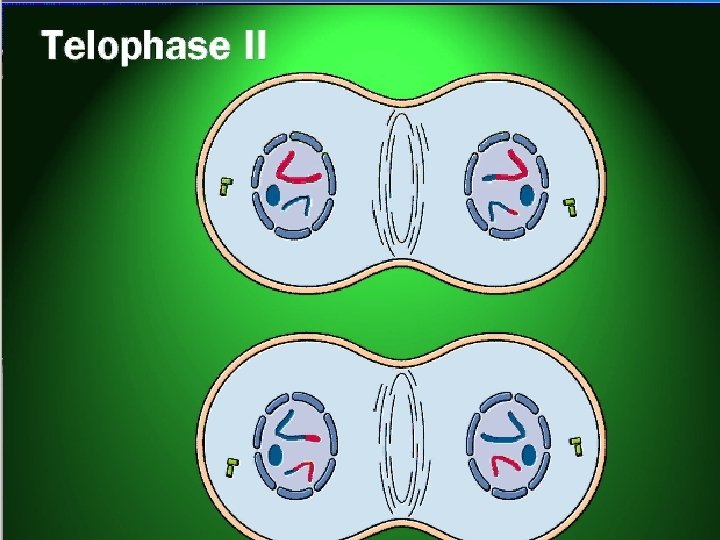
1. Meiosis A type of cell division that produces 4 cells, each with ½ the number of chromosomes as the parent cell.

Turn to Page 9
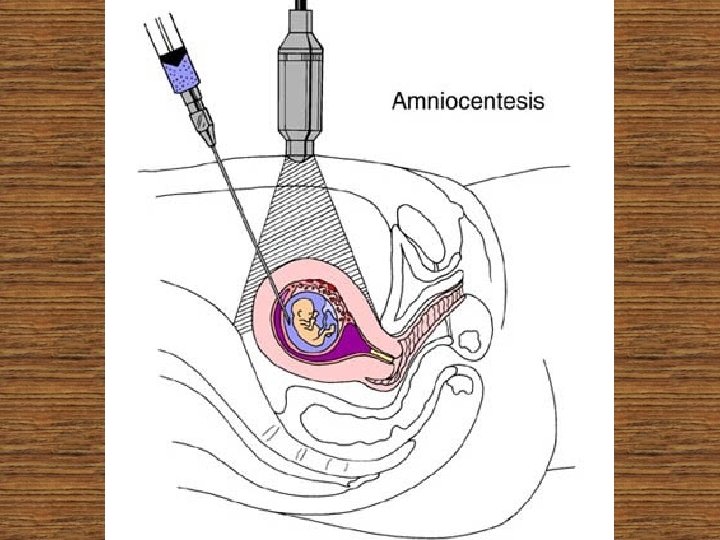
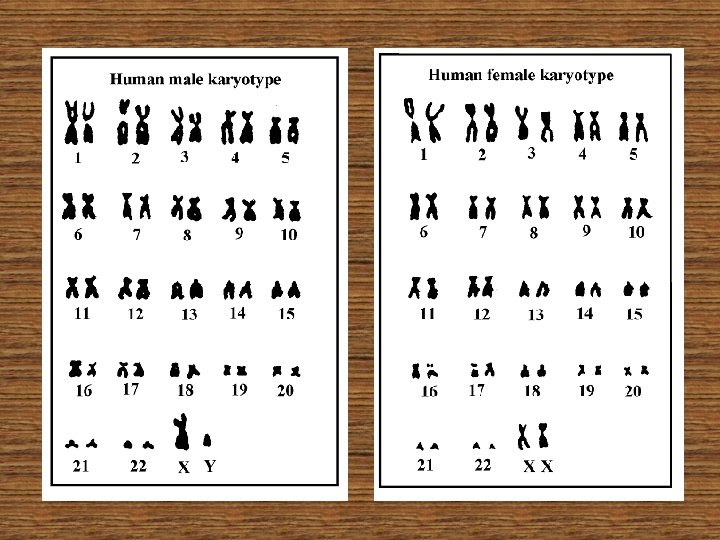
2. Karyotype a. A picture that shows the chromosomes of an organism.
2. Karyotype b. The number of, shape of, and types of, chromosomes can be determined.
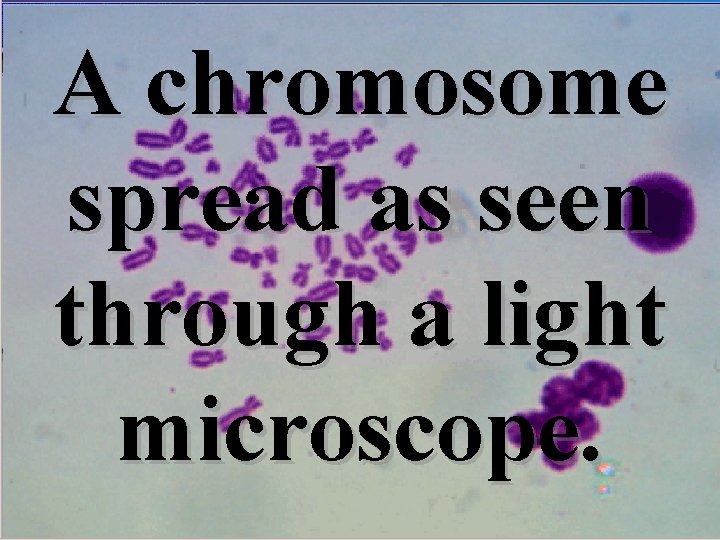
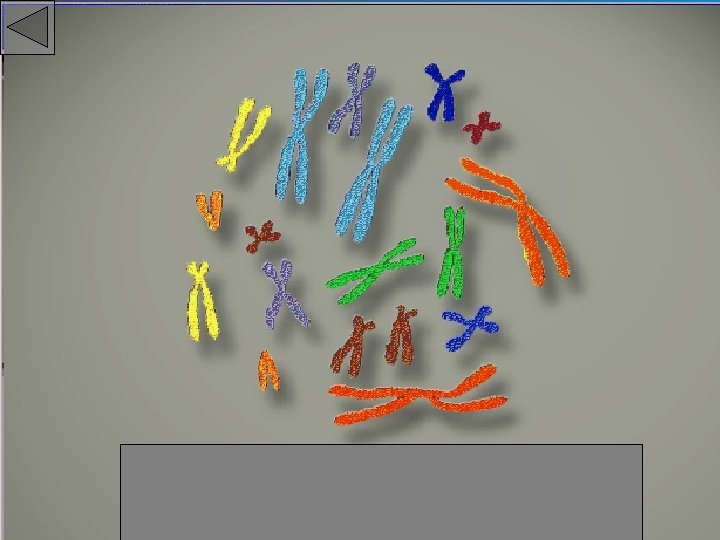
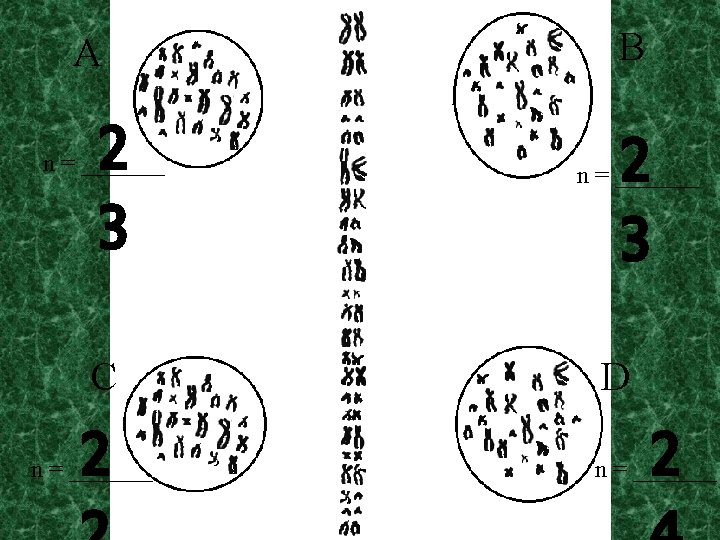
A chromosome spread as seen through a light microscope.
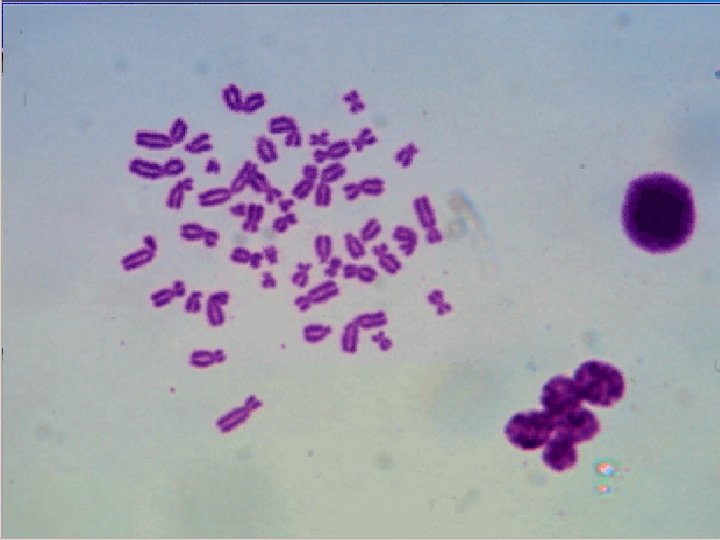
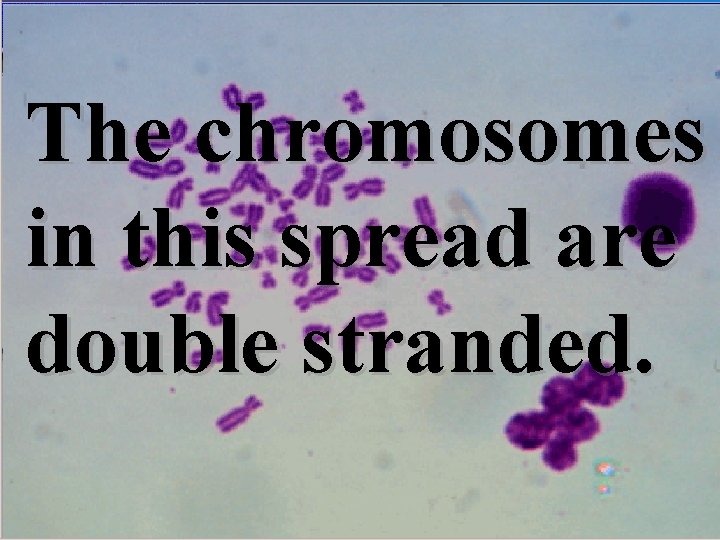
The chromosomes in this spread are double stranded.
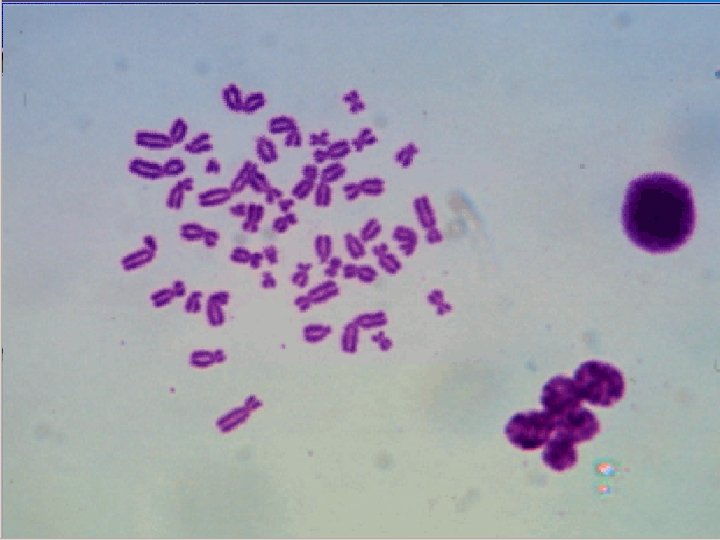
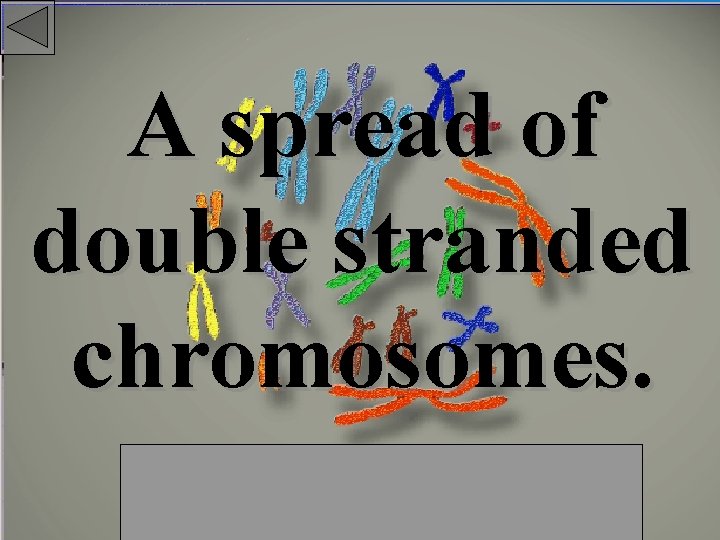
A spread of double stranded chromosomes.
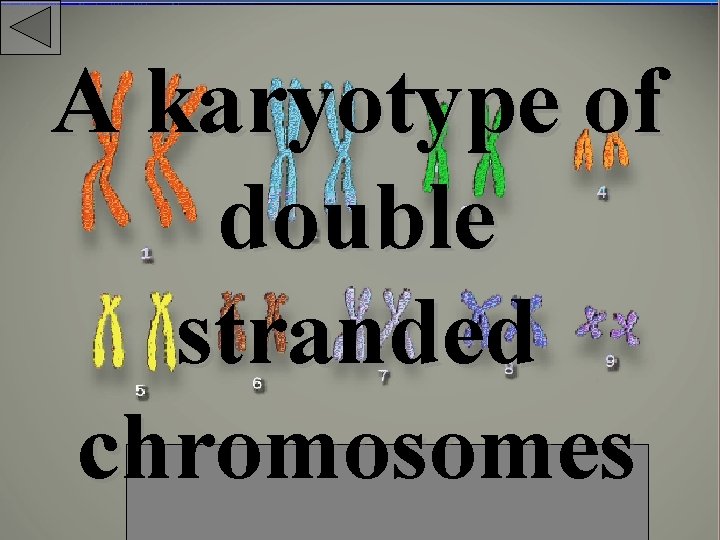
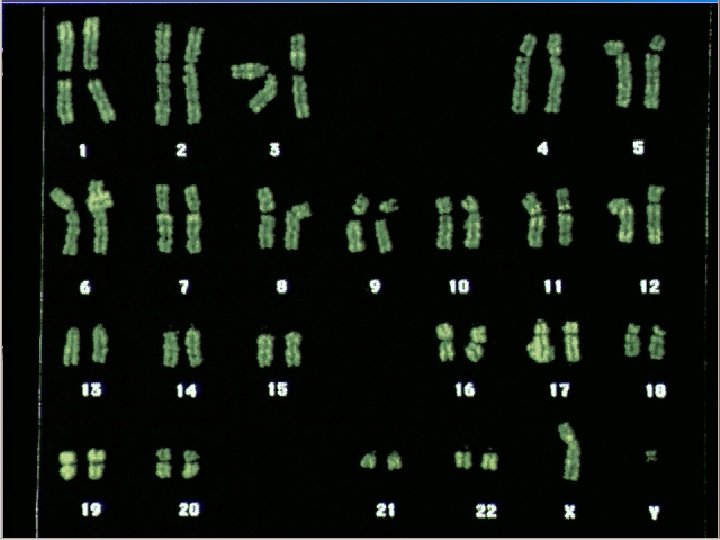
A karyotype of double stranded chromosomes
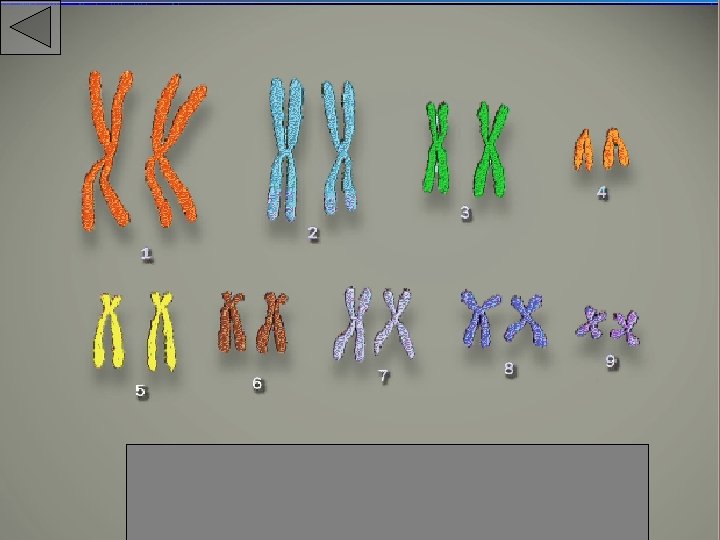
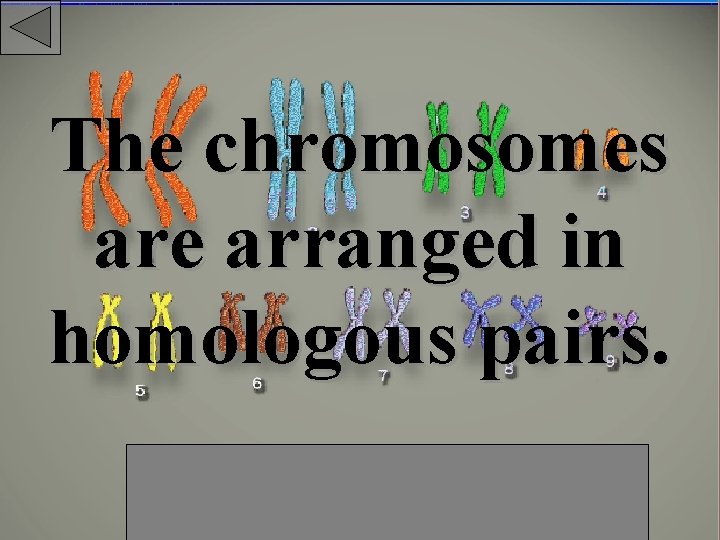
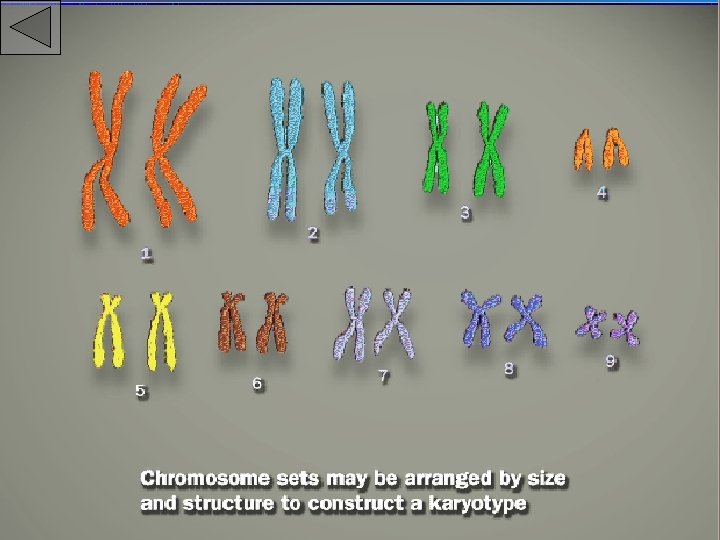
The chromosomes are arranged in homologous pairs.

Turn to Page 10
3. Homologous chromosomes • Same length • Same relative position of the centromere. • Genes for the same traits.
3. Homologous chromosomes • One member of each pair came from the mother and one from the father.
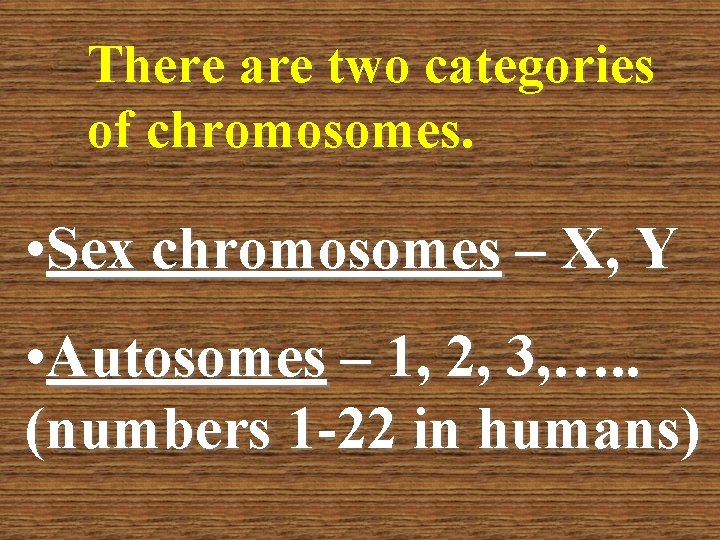
There are two categories of chromosomes. • Sex chromosomes – X, Y • Autosomes – 1, 2, 3, …. . (numbers 1 -22 in humans)

Turn to Page 10
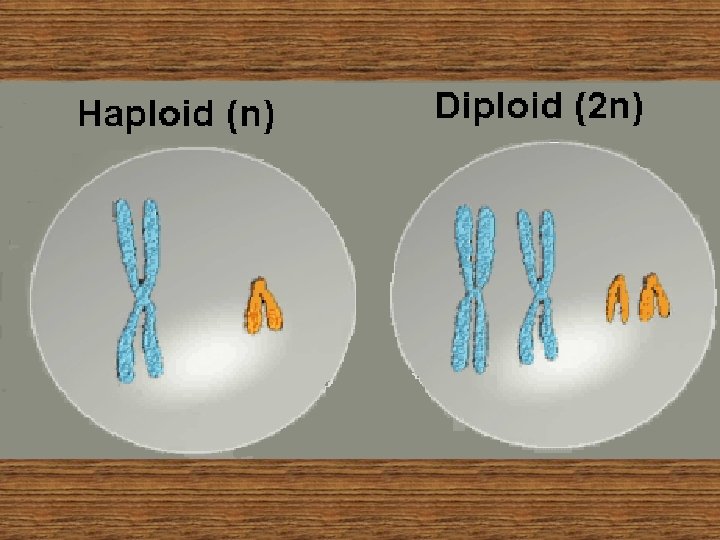
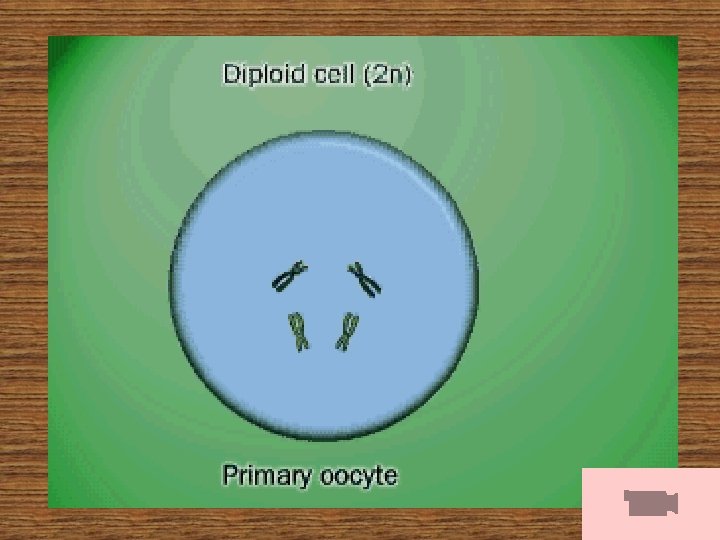
4. Diploid & Haploid Cells a. Diploid number Refers to cells that have: • Two sets of chromosomes • Pairs of chromosomes • Found in body cells
4. Diploid & Haploid Cells b. haploid number Refers to cells that have: • One set of chromosomes • No pairs of chromosomes • Found in gametes (egg & sperm)
The diploid number is represented by 2 n. The haploid number is represented by n.
Monoploid and Haploid mean the same thing.
Gonads Reproductive organs used in sexual reproduction. • Testes in males • Ovaries in females
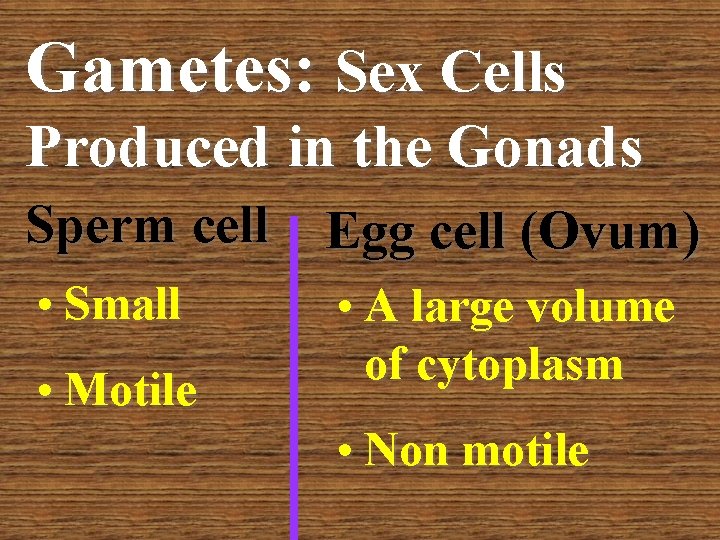
Gametes: Sex Cells Produced in the Gonads Sperm cell Egg cell (Ovum) • Small • Motile • A large volume of cytoplasm • Non motile
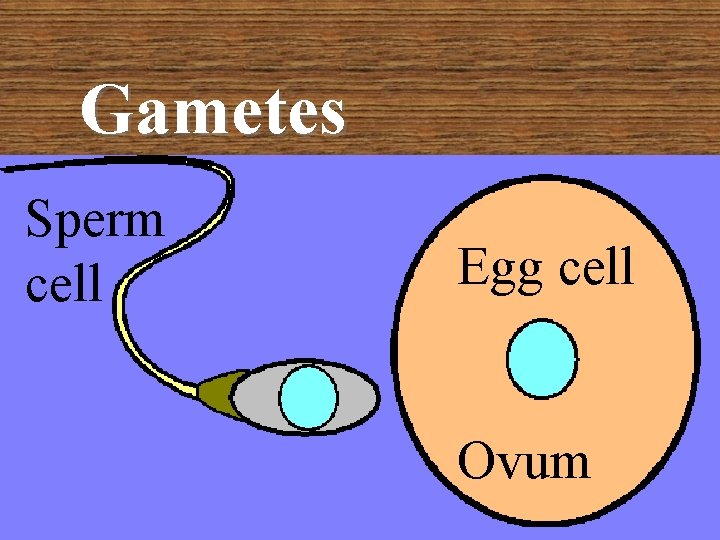
Gametes Sperm cell Egg cell Ovum

Turn to Page 11
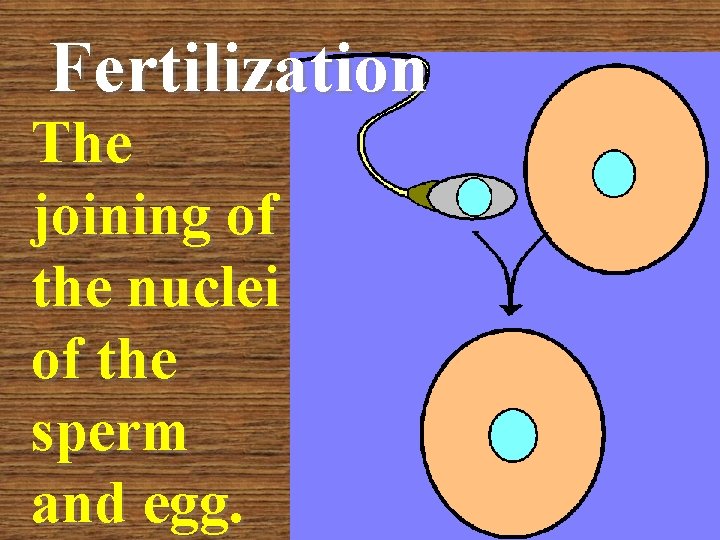
Fertilization The joining of the nuclei of the sperm and egg.
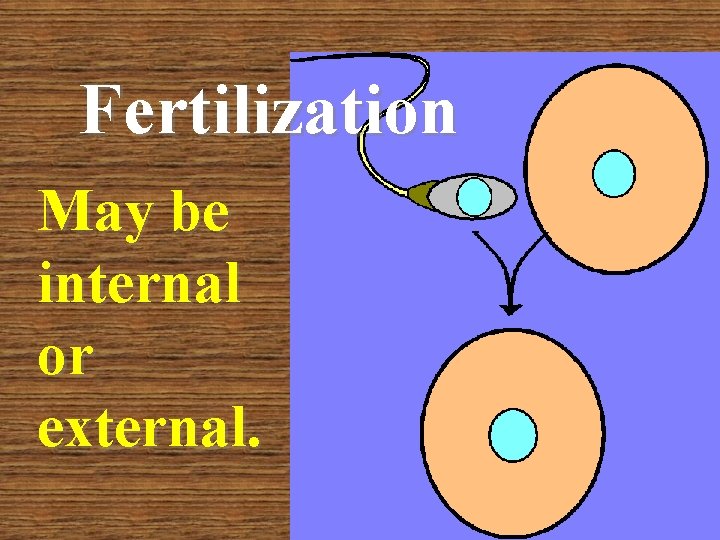
Fertilization May be internal or external.
Internal Fertilization: • Male releases the sperm inside of the female body.
External Fertilization: • Female & Male both release gametes into the environment where fertilization occurs.
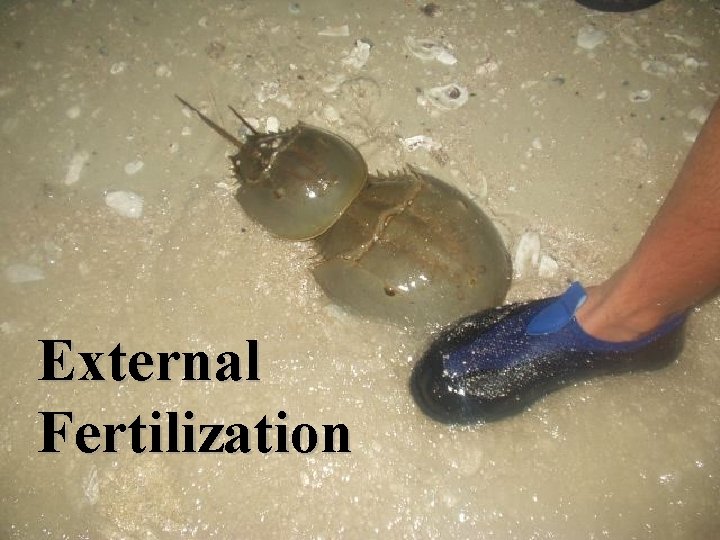
External Fertilization
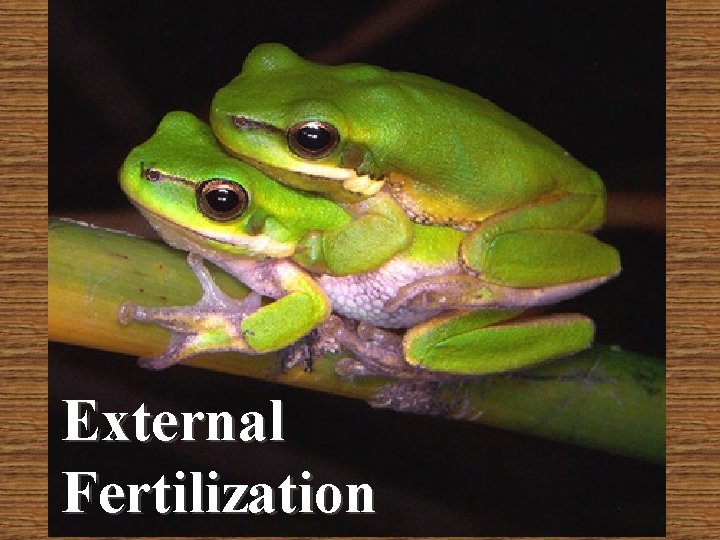
External Fertilization
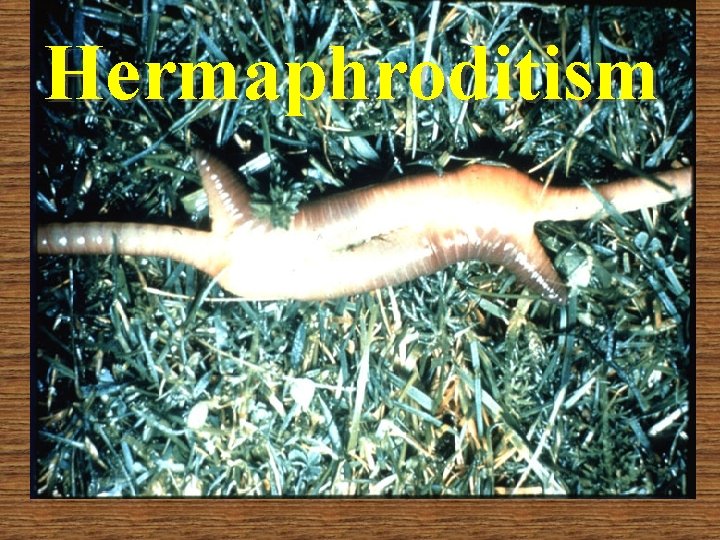
Hermaphroditism
Hermaphroditism: • An organism that has functional male and female reproductive structures.
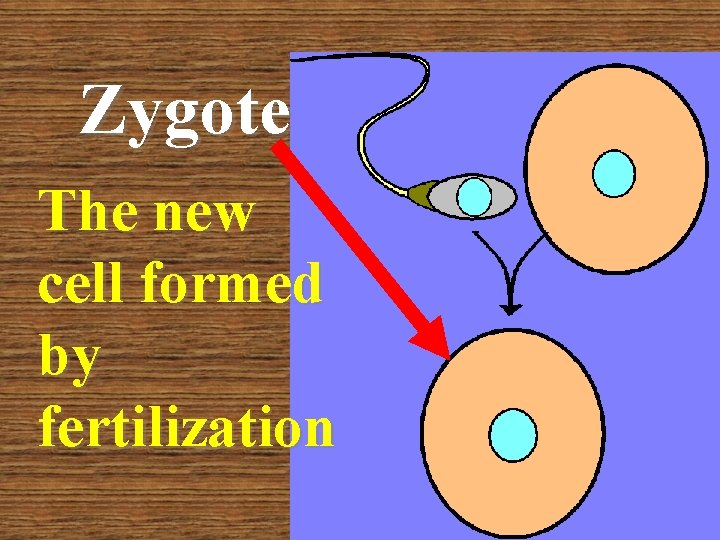
Zygote The new cell formed by fertilization
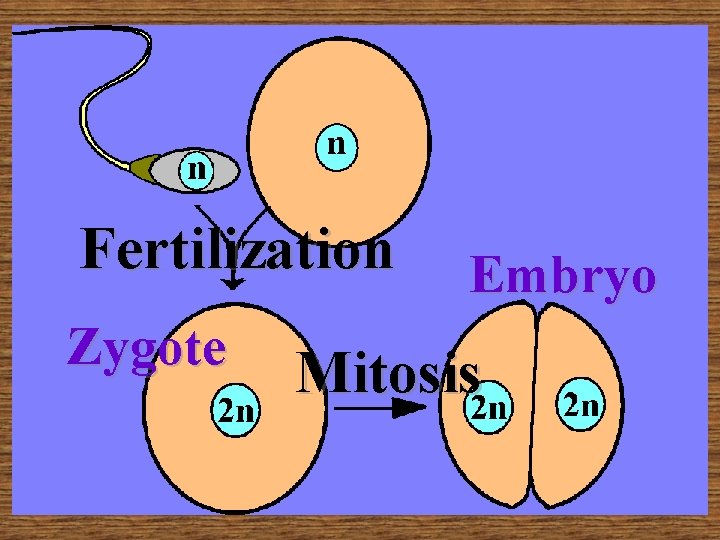
Fertilization Zygote Embryo Mitosis
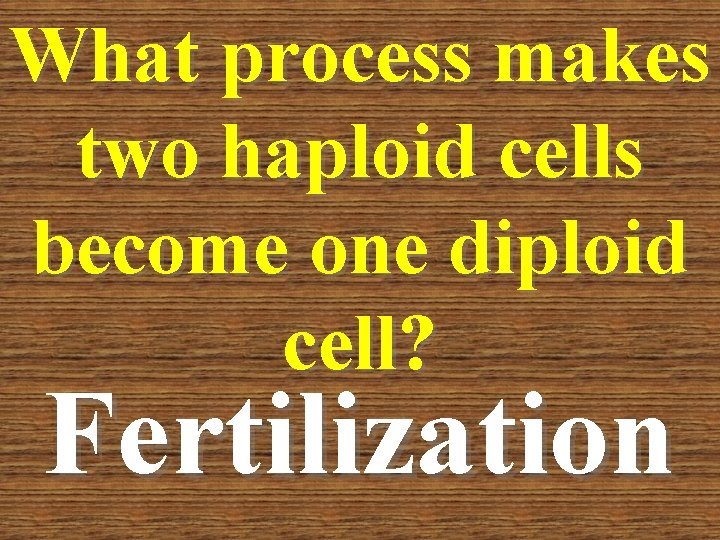
What process makes two haploid cells become one diploid cell? Fertilization
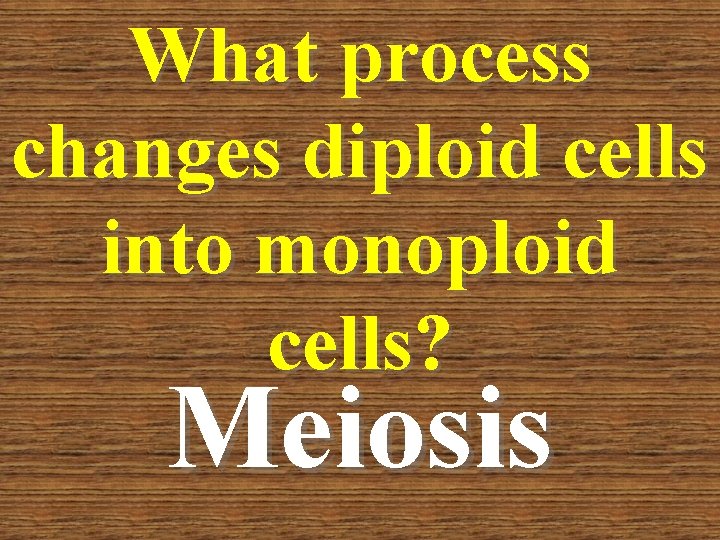
What process changes diploid cells into monoploid cells? Meiosis
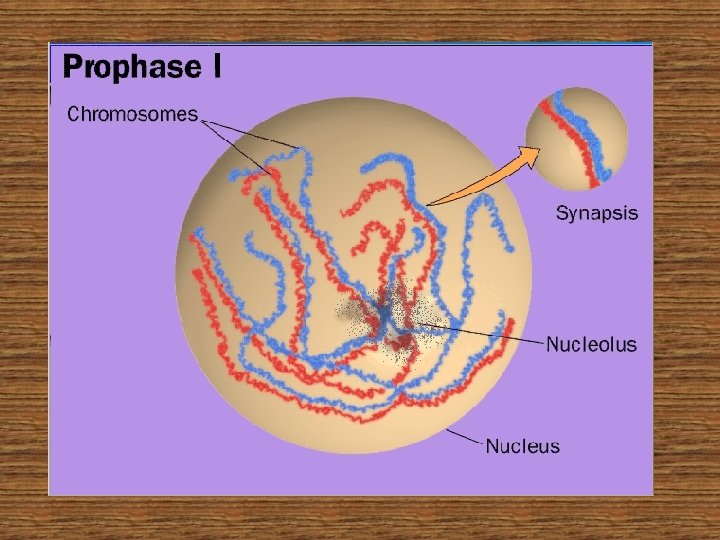
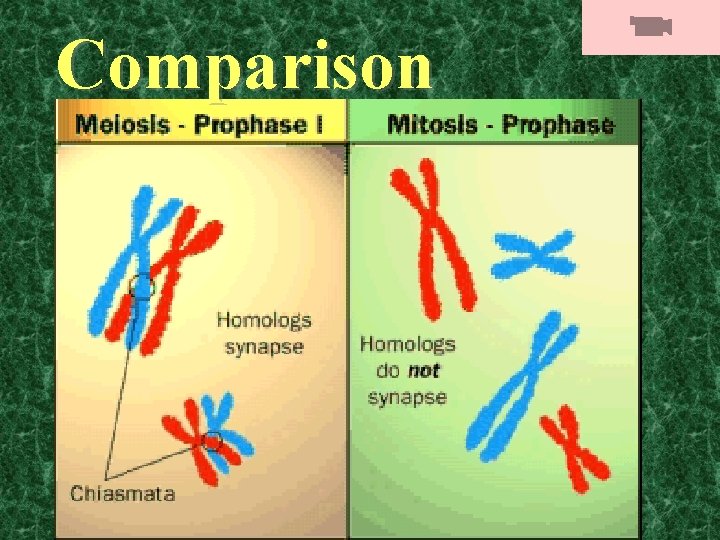
Synapsis Homologs find each other and pair up.
Synapsis results in tetrads.
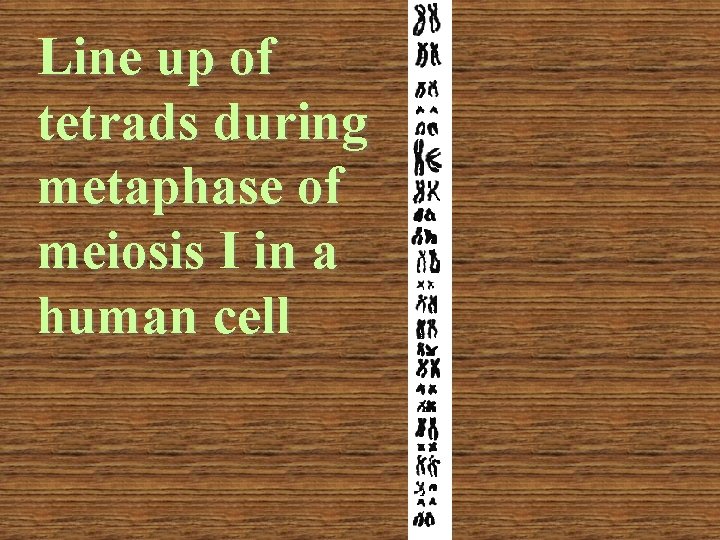
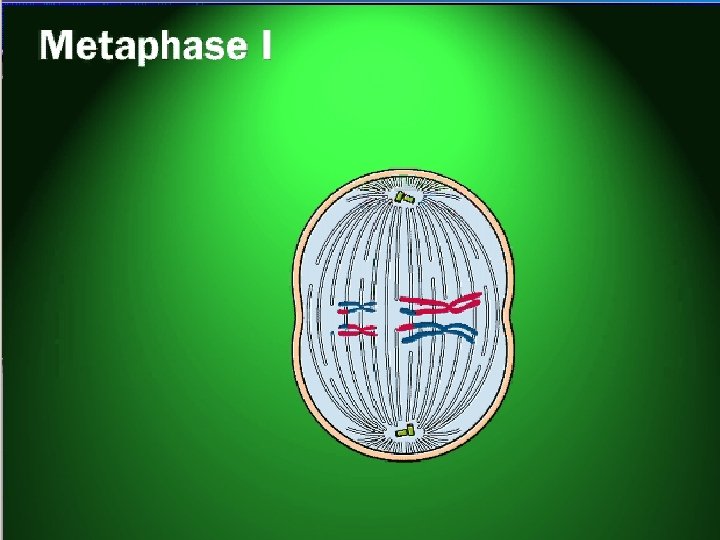
Line up of tetrads during metaphase of meiosis I in a human cell
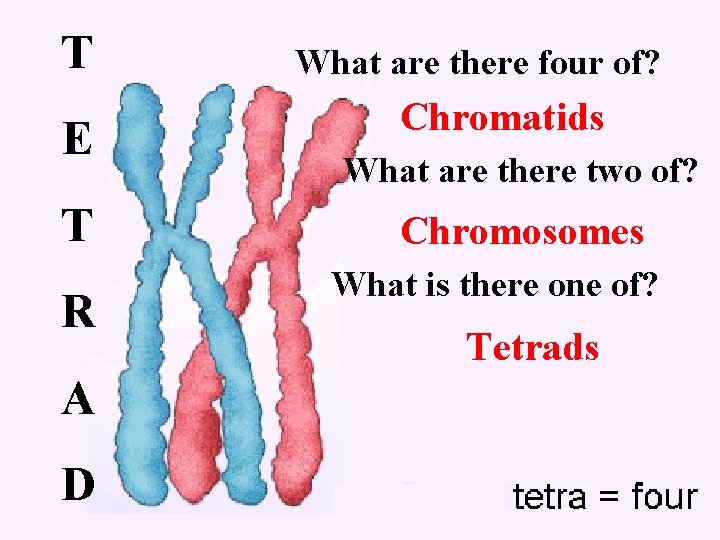
T E T R A D What are there four of? Chromatids What are there two of? Chromosomes What is there one of? Tetrads
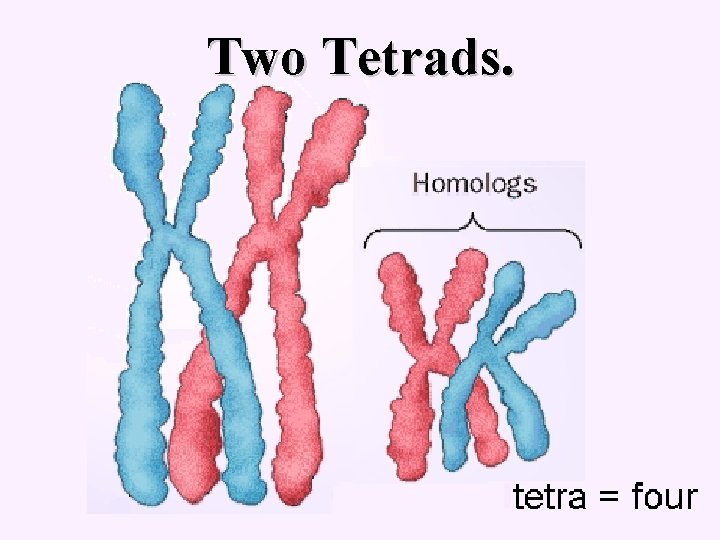
Two Tetrads.
Crossing Over Homologous pairs wrap around each other and exchange small segments of genetic material.
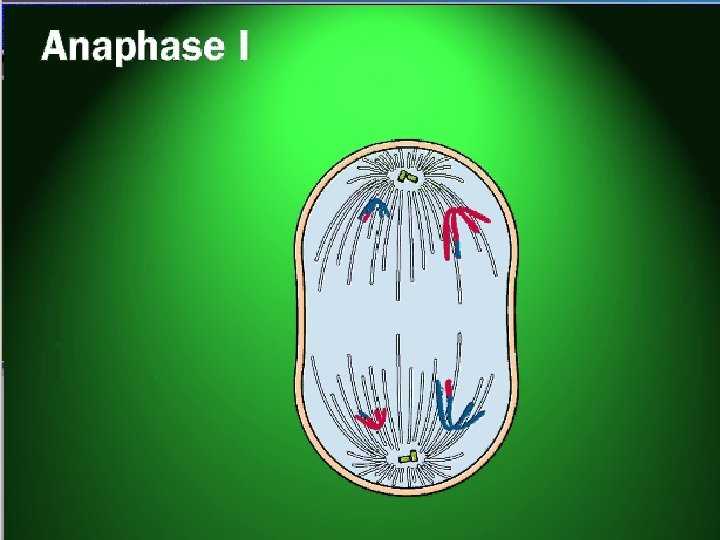
Disjunction The separating of homologs during Anaphase I of Meiosis
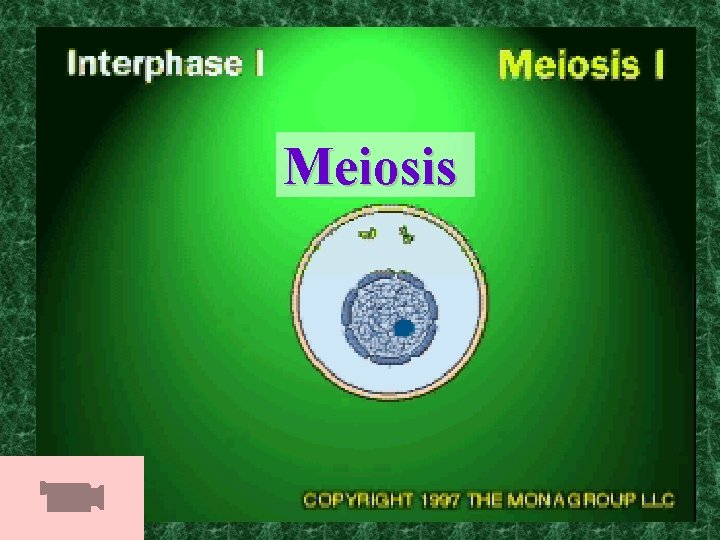
Meiosis Video - 2 min http: //www. youtube. com/watch? feature= player_embedded&v =D 1_-m. QS_FZ 0
Meiosis
Meiosis
12. 2 Accidents affecting chromosomes can cause disorders
Recall the process of meiosis… What does the term Disjunction mean?
What happens if a mistake occurs during meiosis?
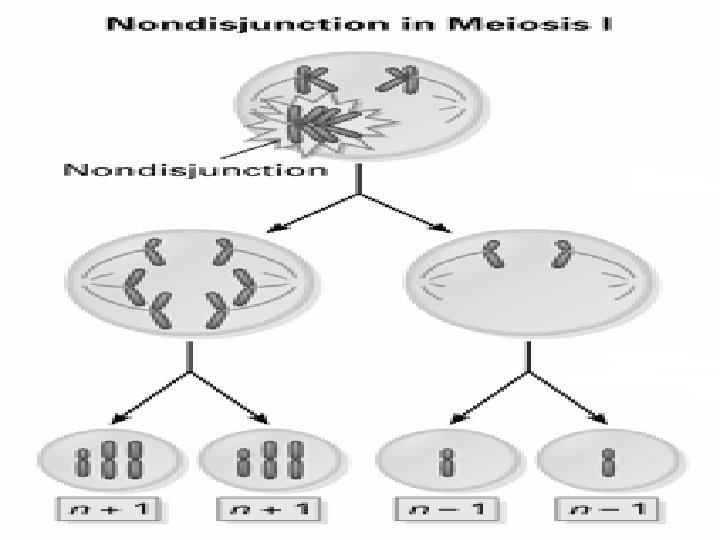
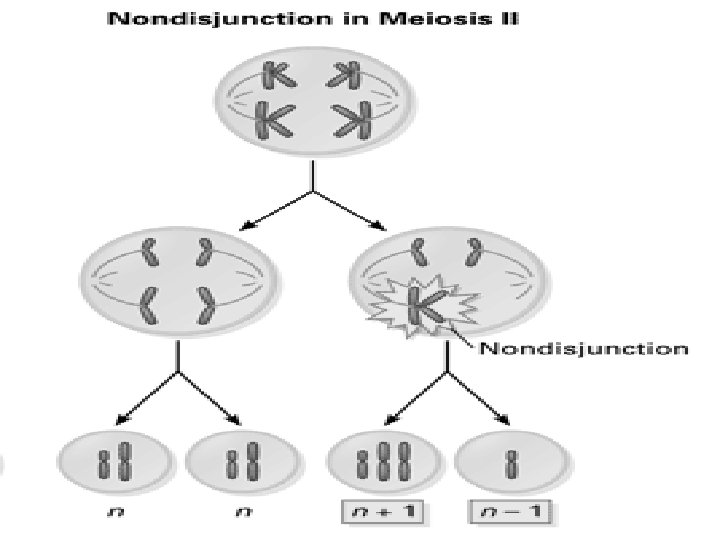
Non-disjunction (Nonseparation of chromosomes) • Chromosomes fail to separate properly during Meiosis
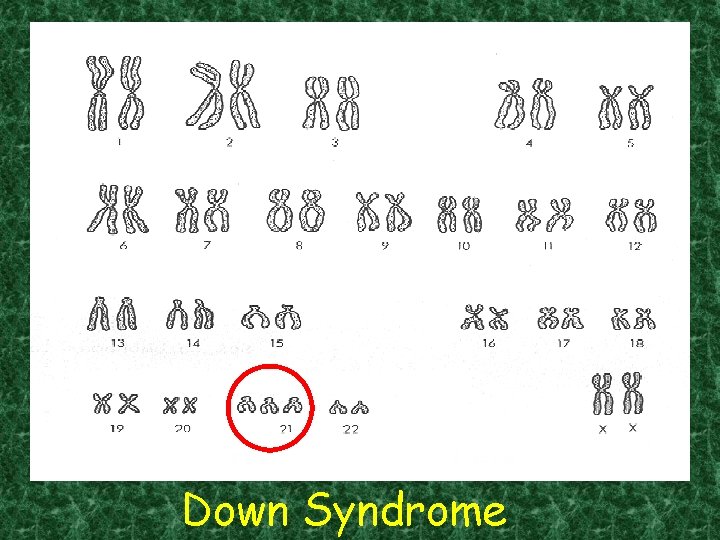
Down Syndrome
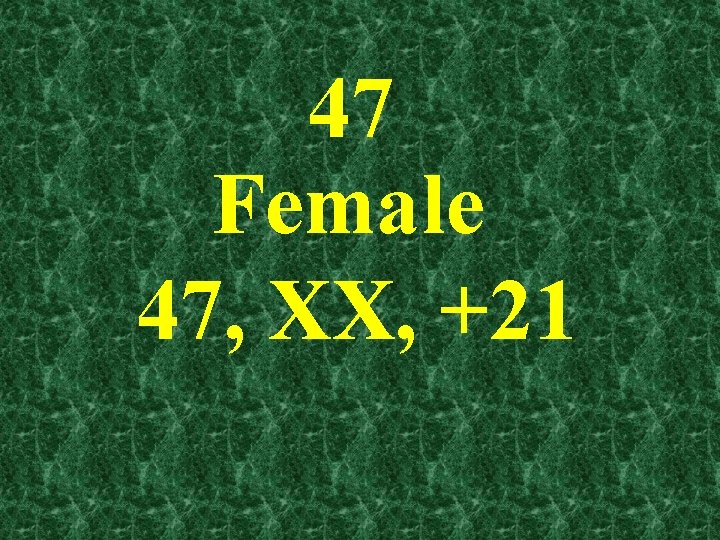
47 Female 47, XX, +21
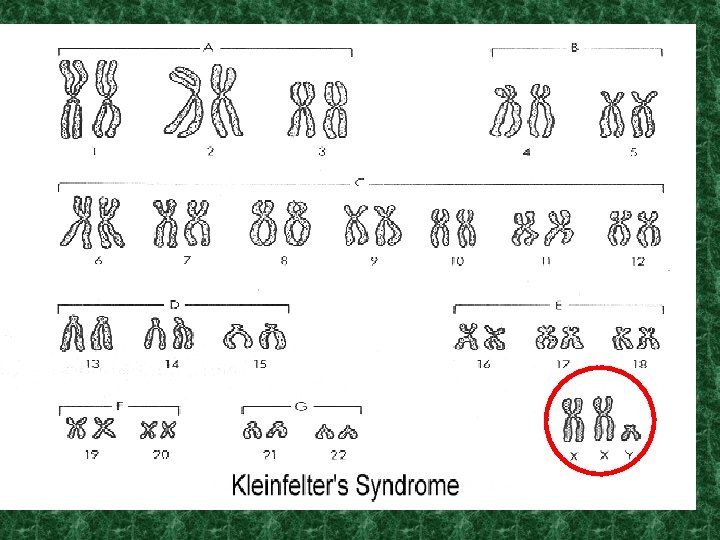
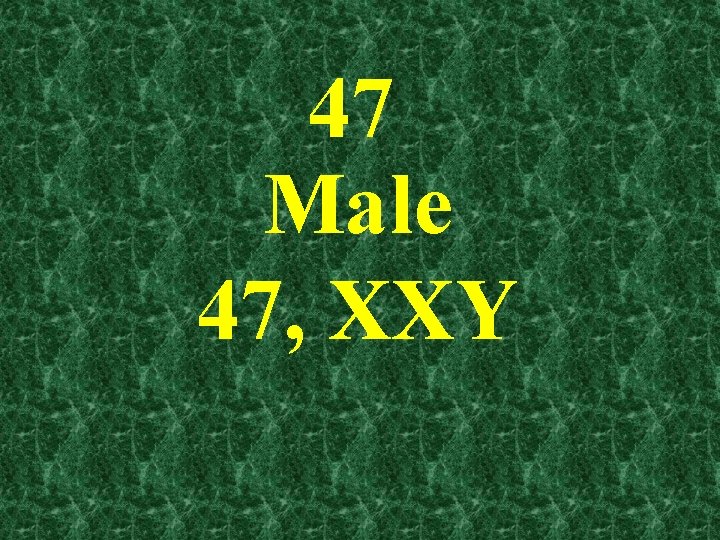
47 Male 47, XXY
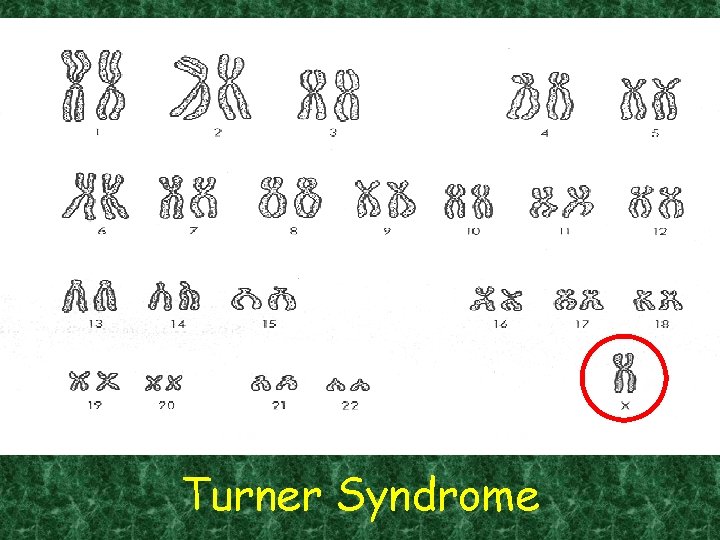
Turner Syndrome
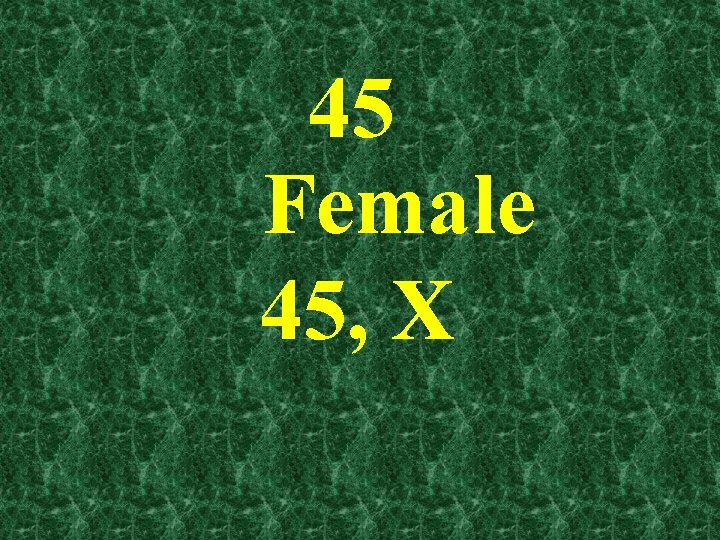
45 Female 45, X
Comparison
Comparing Mitosis & Meiosis – 1 min http: //www. youtube. com/watch? feature= player_embedded&v =Ba 9 LXKH 2 zt. U
END
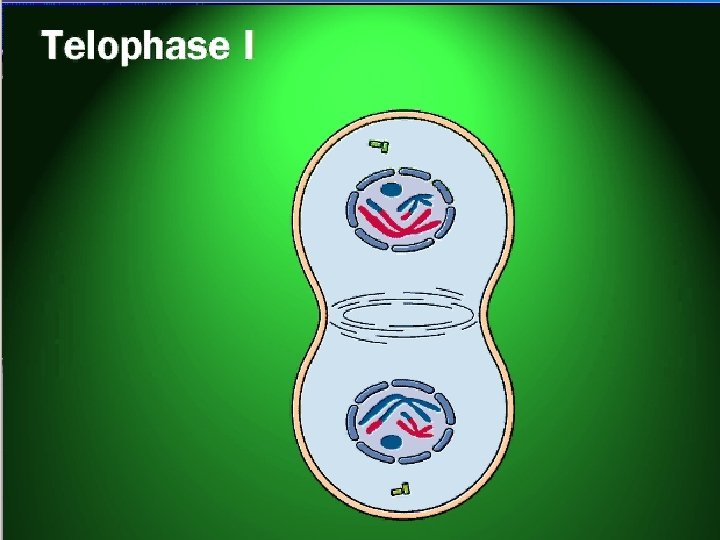
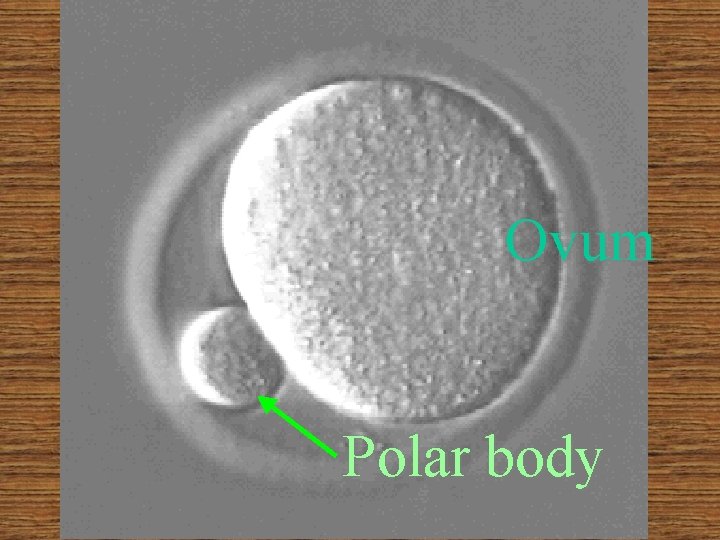
Ovum Polar body
- Slides: 155