
The Cell The 3 Principles of Cell Theory

- Slides: 27
The Cell The 3 Principles of Cell Theory: • The cell is the basic unit of life • All cells come from pre-existing cells (mitosis, meiosis, fertilization) • All organisms are made of one or more cells
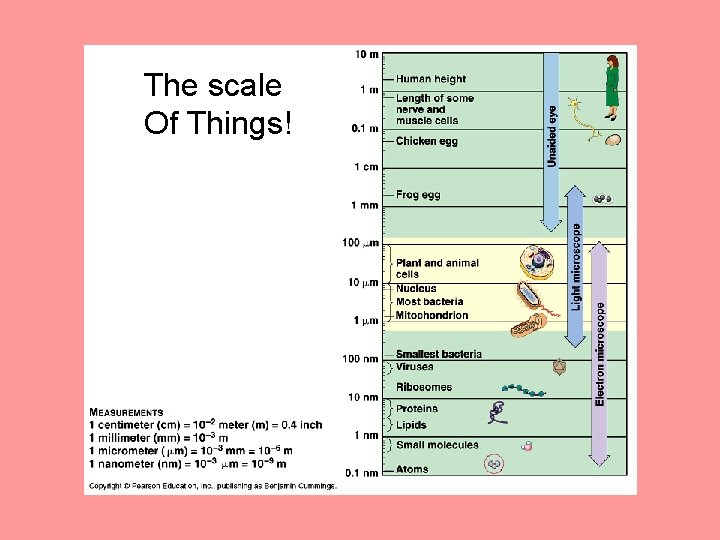
The scale Of Things!
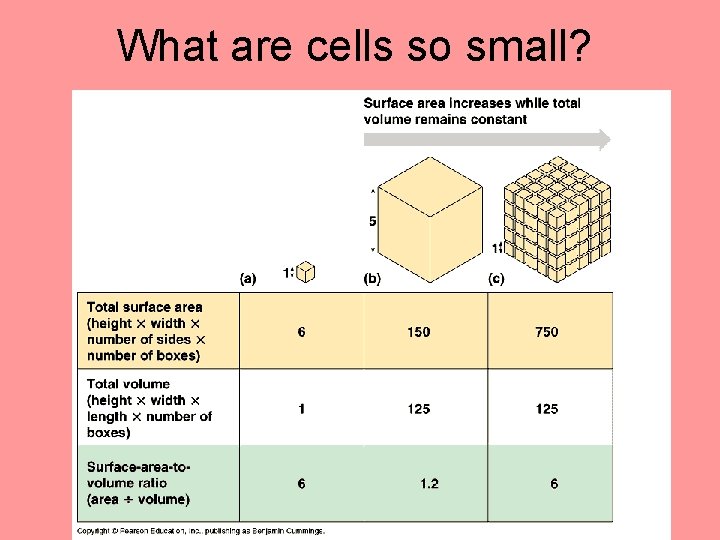
What are cells so small?
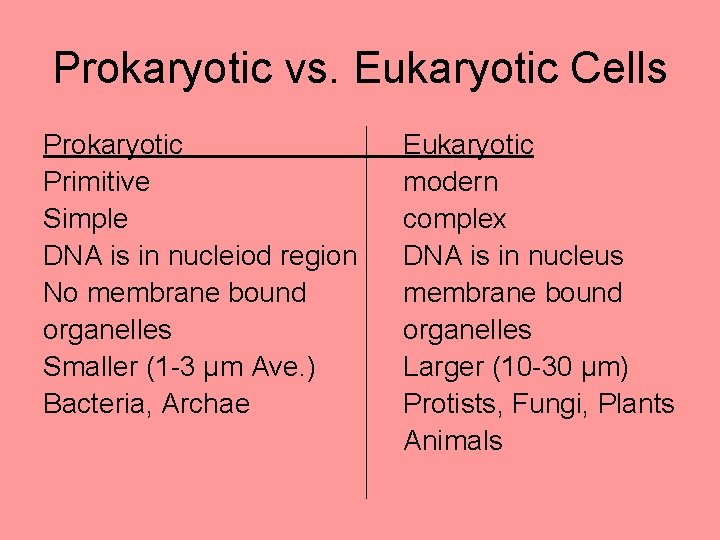
Prokaryotic vs. Eukaryotic Cells Prokaryotic Primitive Simple DNA is in nucleiod region No membrane bound organelles Smaller (1 -3 µm Ave. ) Bacteria, Archae Eukaryotic modern complex DNA is in nucleus membrane bound organelles Larger (10 -30 µm) Protists, Fungi, Plants Animals
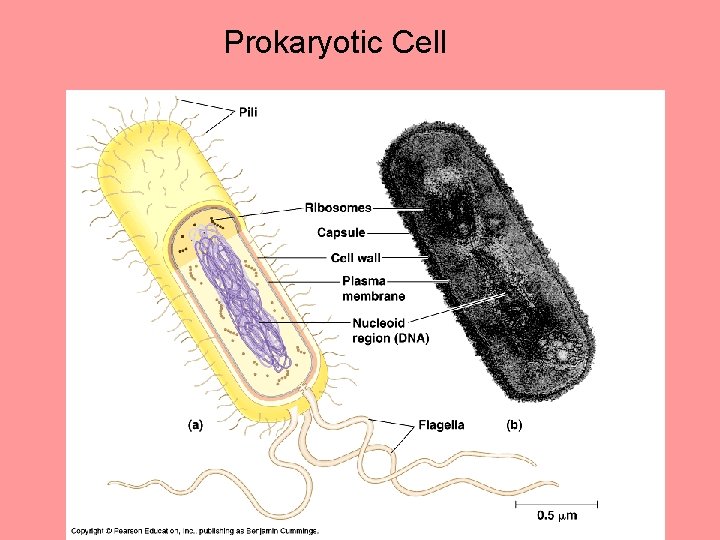
Prokaryotic Cell
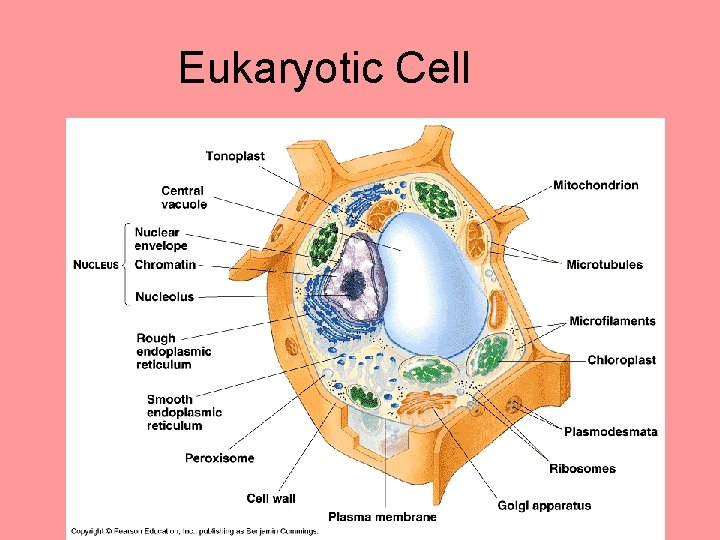
Eukaryotic Cell
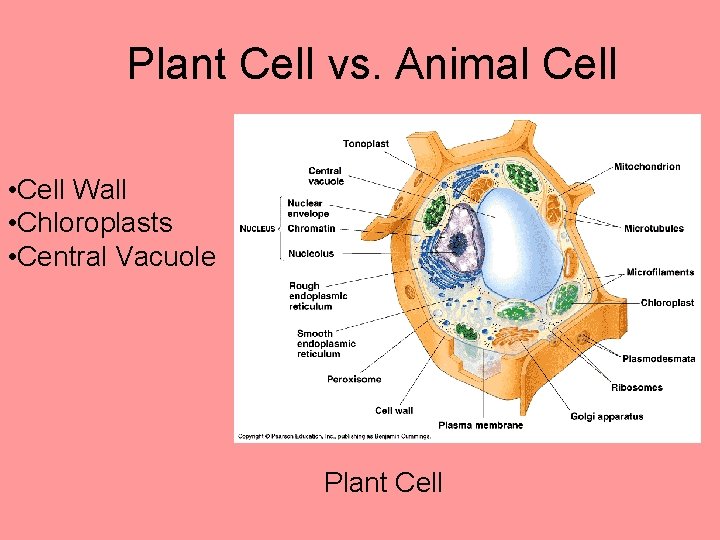
Plant Cell vs. Animal Cell • Cell Wall • Chloroplasts • Central Vacuole Plant Cell
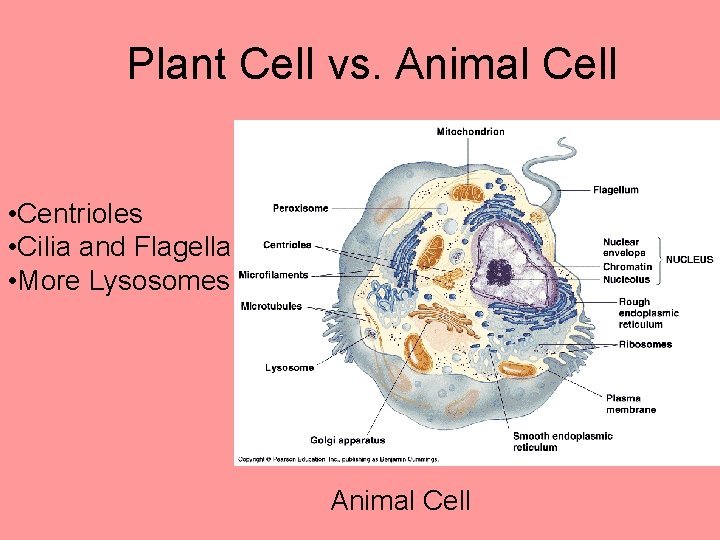
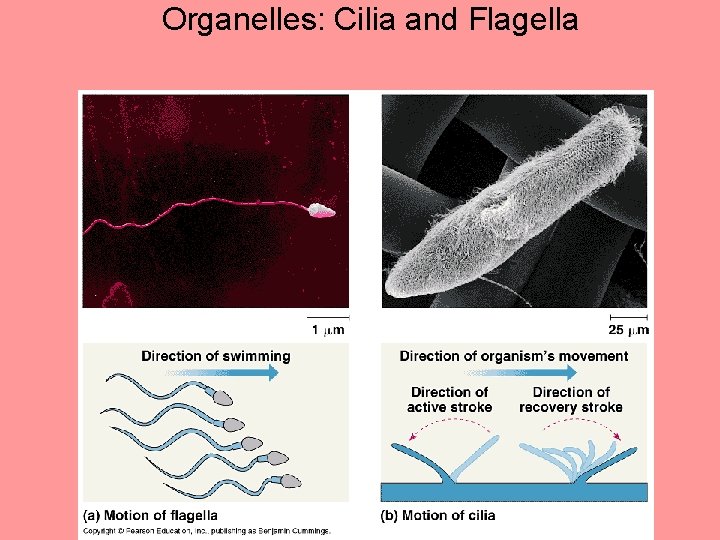
Plant Cell vs. Animal Cell • Centrioles • Cilia and Flagella • More Lysosomes Animal Cell
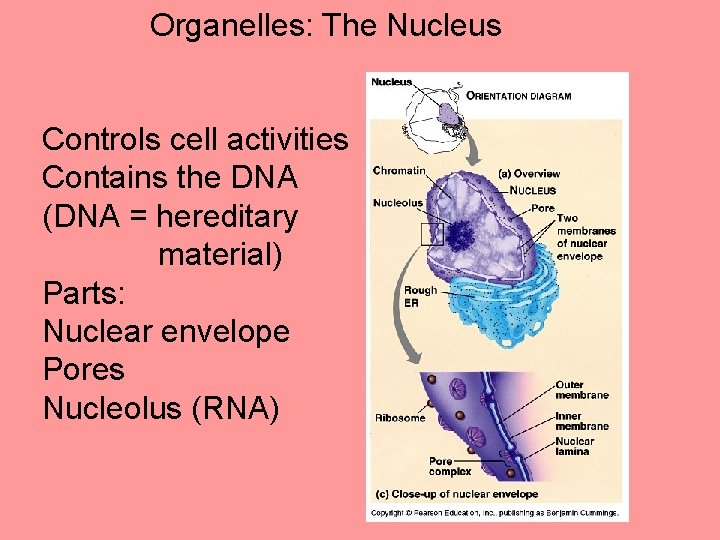
Organelles: The Nucleus Controls cell activities Contains the DNA (DNA = hereditary material) Parts: Nuclear envelope Pores Nucleolus (RNA)
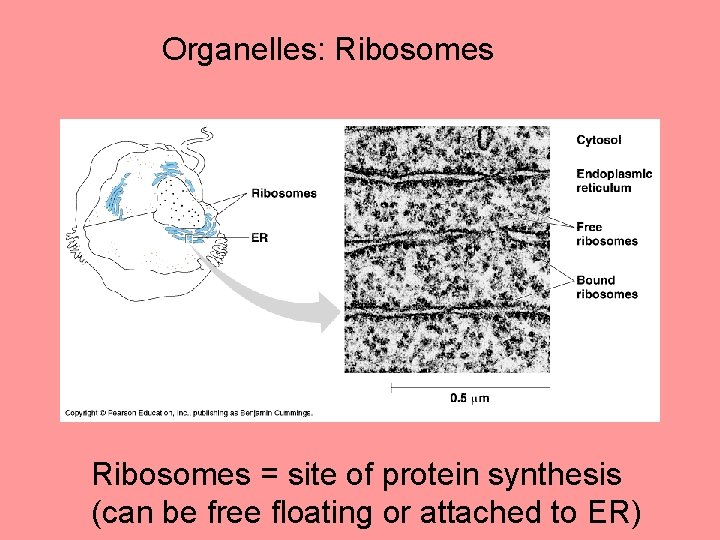
Organelles: Ribosomes = site of protein synthesis (can be free floating or attached to ER)
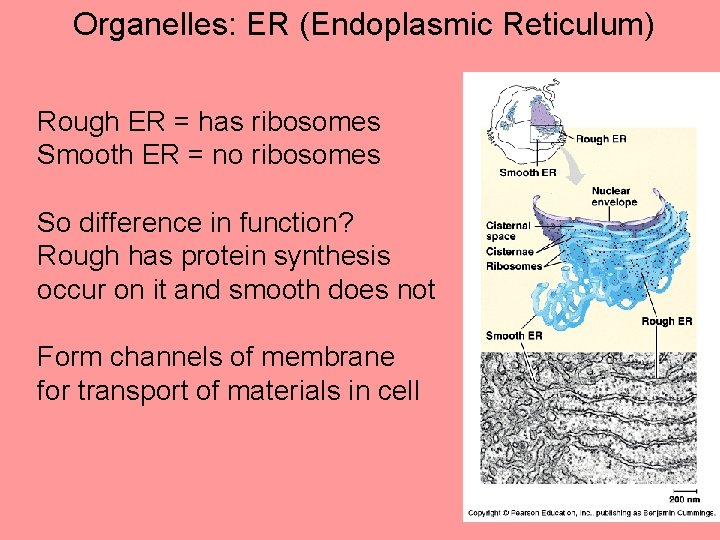
Organelles: ER (Endoplasmic Reticulum) Rough ER = has ribosomes Smooth ER = no ribosomes So difference in function? Rough has protein synthesis occur on it and smooth does not Form channels of membrane for transport of materials in cell
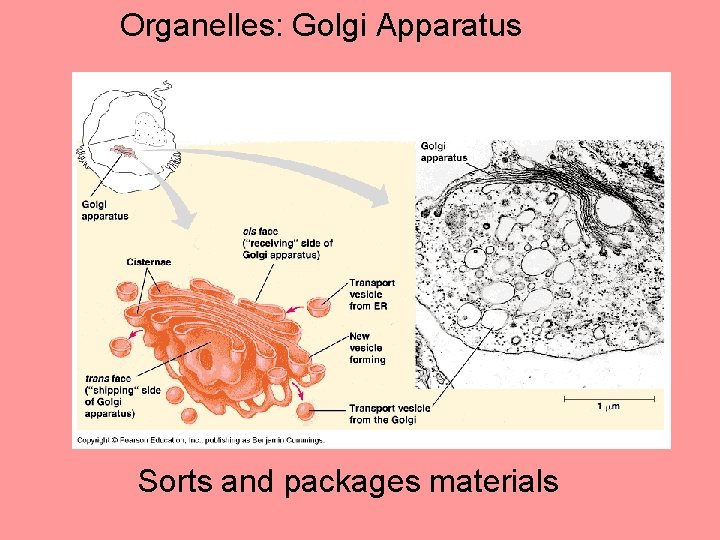
Organelles: Golgi Apparatus Sorts and packages materials
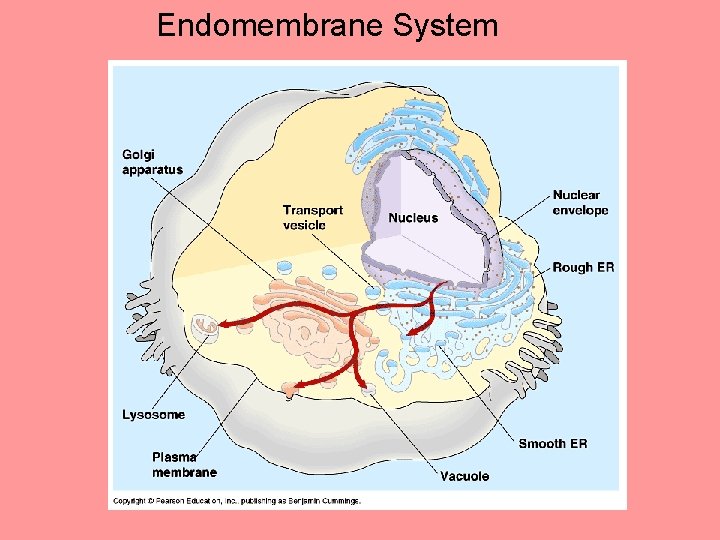
Endomembrane System
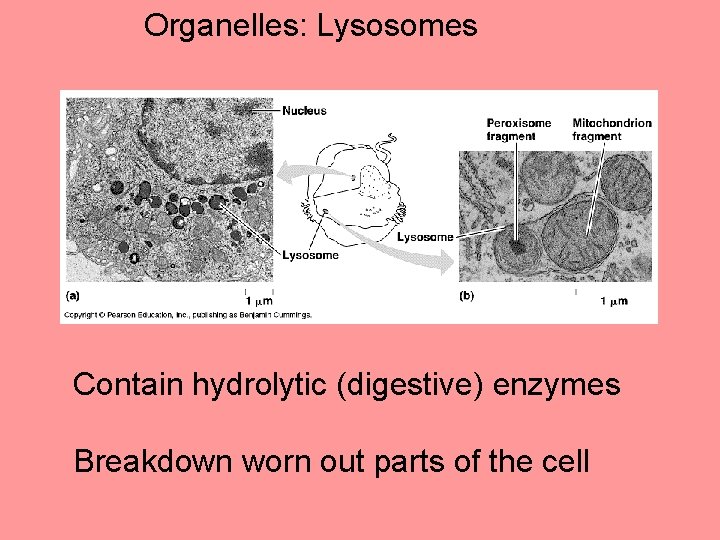
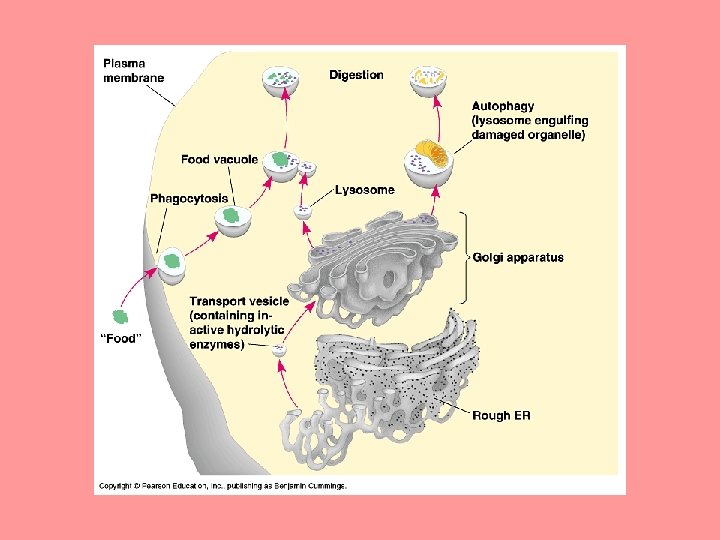
Organelles: Lysosomes Contain hydrolytic (digestive) enzymes Breakdown worn out parts of the cell
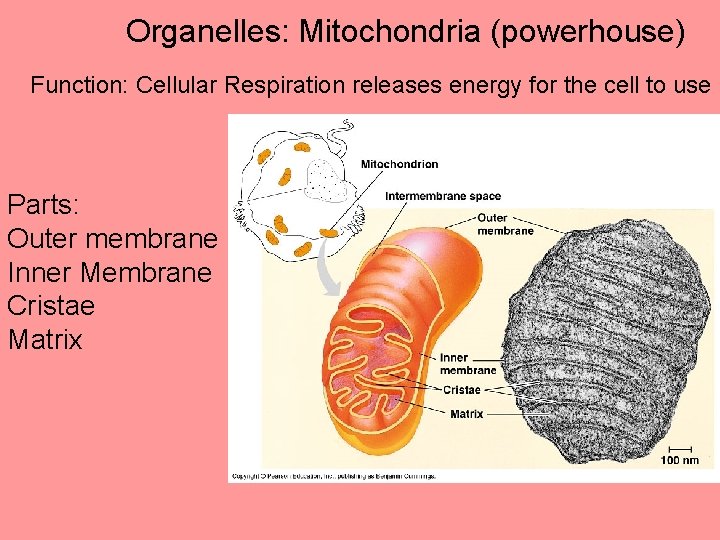
Organelles: Mitochondria (powerhouse) Function: Cellular Respiration releases energy for the cell to use Parts: Outer membrane Inner Membrane Cristae Matrix
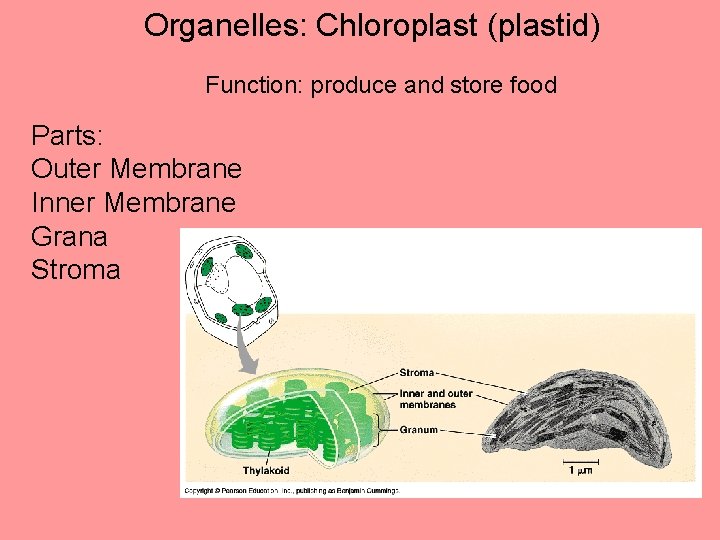
Organelles: Chloroplast (plastid) Function: produce and store food Parts: Outer Membrane Inner Membrane Grana Stroma
Chloroplast and Mitochondria • • • Semi-autonomous organelles Both have double membranes Both have their own DNA Both make some of their own proteins Cells on their own at one time? ?
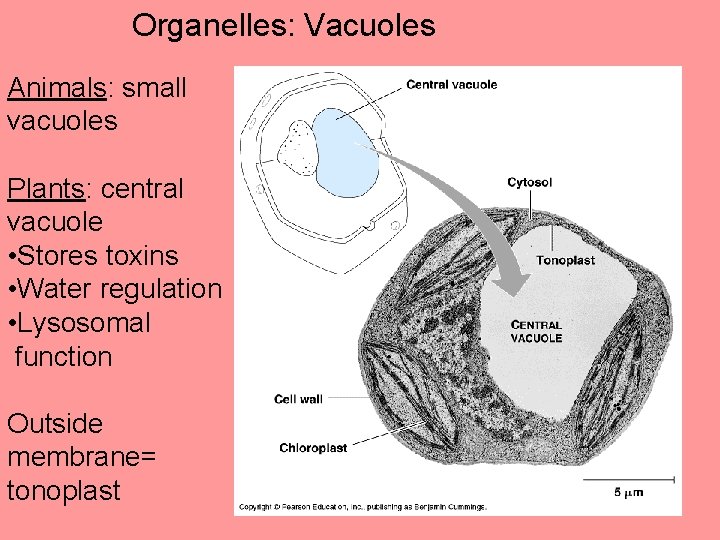
Organelles: Vacuoles Animals: small vacuoles Plants: central vacuole • Stores toxins • Water regulation • Lysosomal function Outside membrane= tonoplast
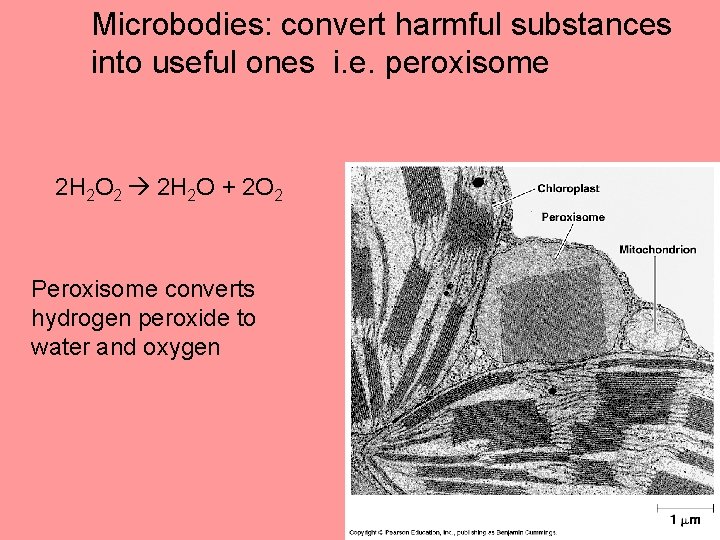
Microbodies: convert harmful substances into useful ones i. e. peroxisome 2 H 2 O 2 2 H 2 O + 2 O 2 Peroxisome converts hydrogen peroxide to water and oxygen
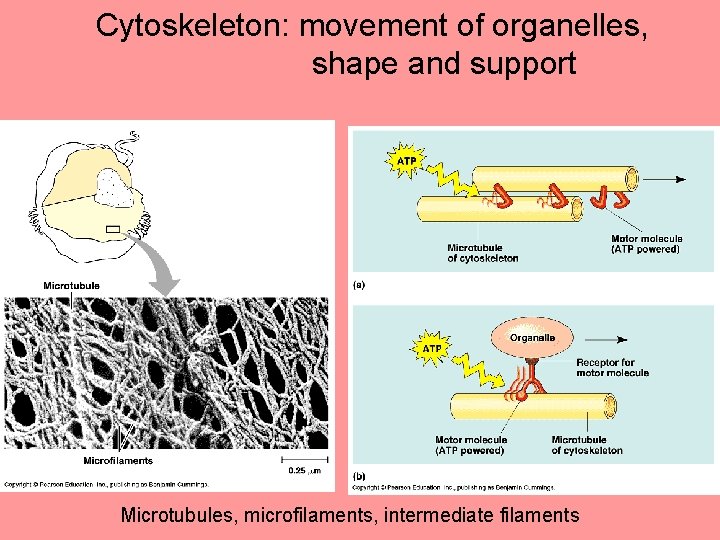
Cytoskeleton: movement of organelles, shape and support Microtubules, microfilaments, intermediate filaments
Organelles: Cilia and Flagella
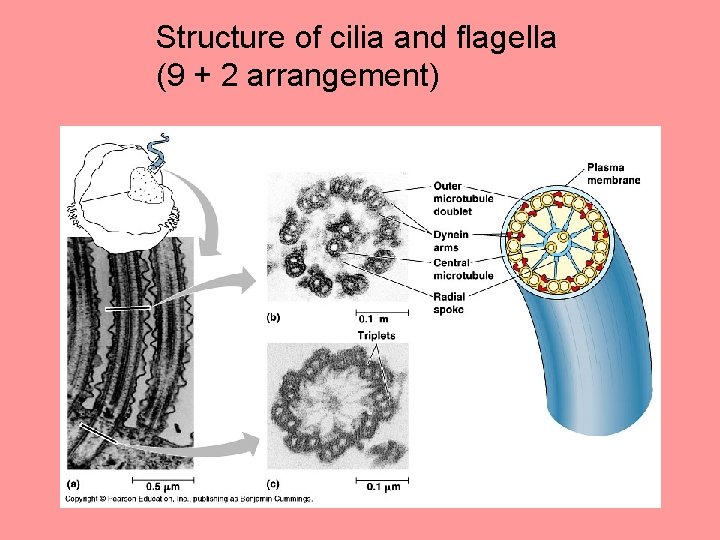
Structure of cilia and flagella (9 + 2 arrangement)
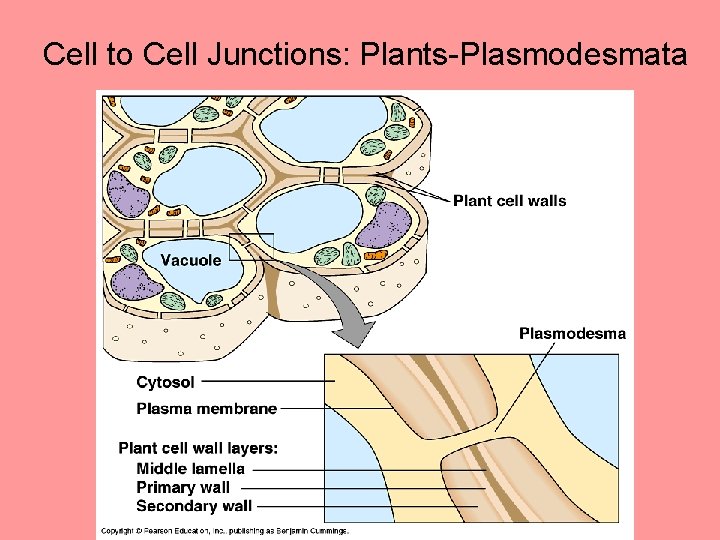
Cell to Cell Junctions: Plants-Plasmodesmata
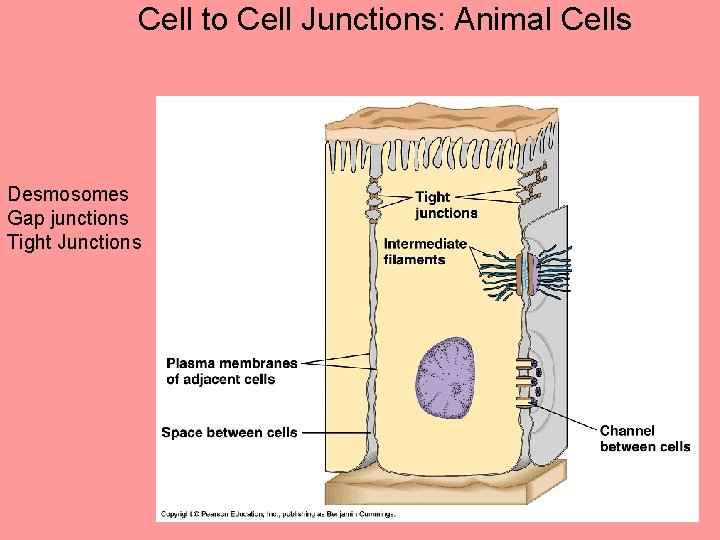
Cell to Cell Junctions: Animal Cells Desmosomes Gap junctions Tight Junctions
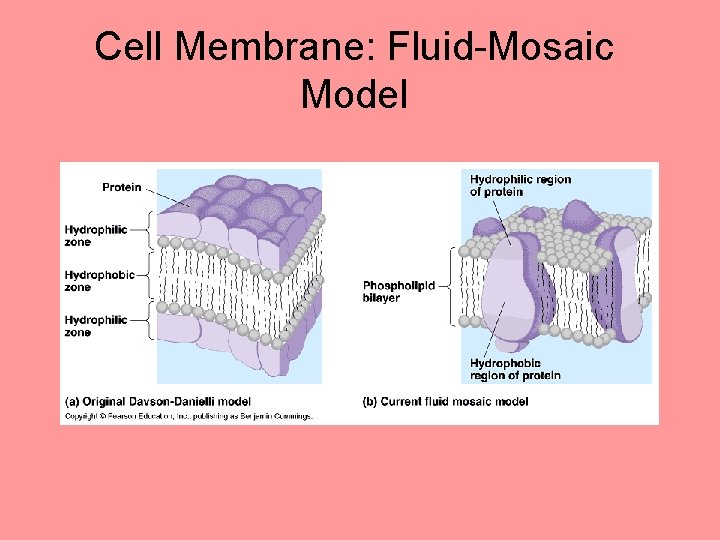
Cell Membrane: Fluid-Mosaic Model
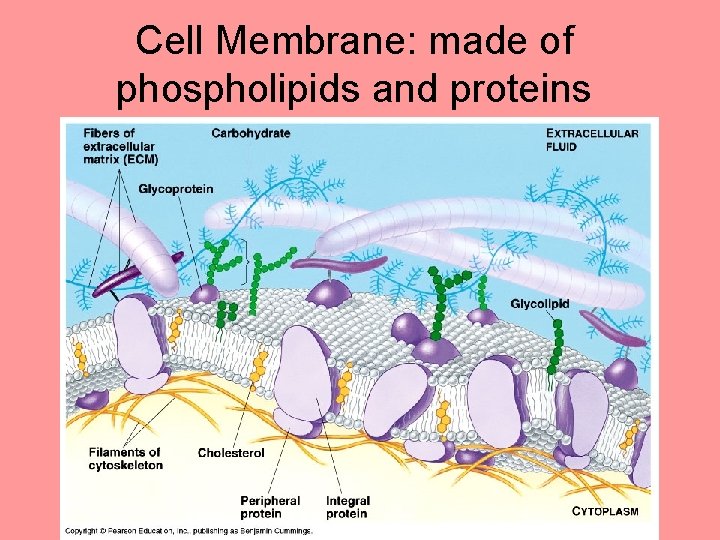
Cell Membrane: made of phospholipids and proteins