
THE CELL All living things are made up
- Slides: 50
THE CELL • All living things are made up of cells. • They may be made of only one cell, as in onecelled organisms, or the millions of cells that make up multicellular organisms – like you and I • This concept is part of what is known as the cell theory.
THE CELL THEORY • All living things are composed of cells. • Cells are the basic units of structure and function in living things. • New cells are produced from existing cells.
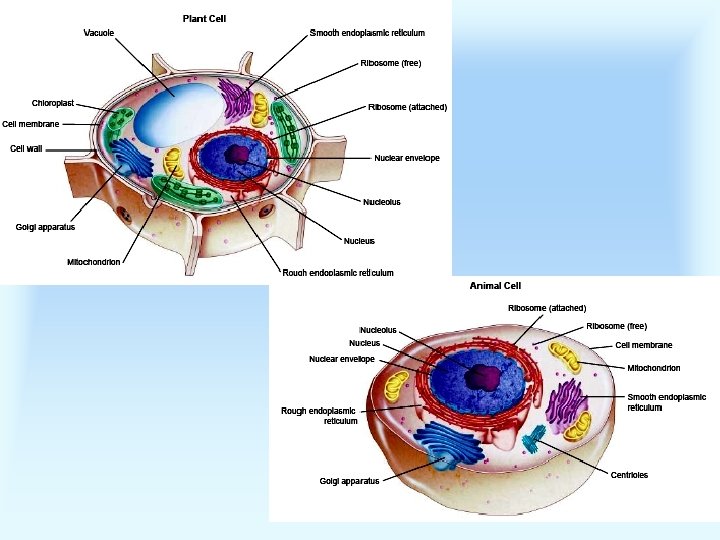
EXCEPTIONS TO THE CELL THEORY • VIRUSES are not made up of cells but they do contain genetic material and reproduce inside another cell called the host cell • The first cell could not have arisen from a previously existing cell • Mitochondria and chloroplasts are cell organelles that contain their own genetic material. These structures can reproduce independently of the rest of the cell.
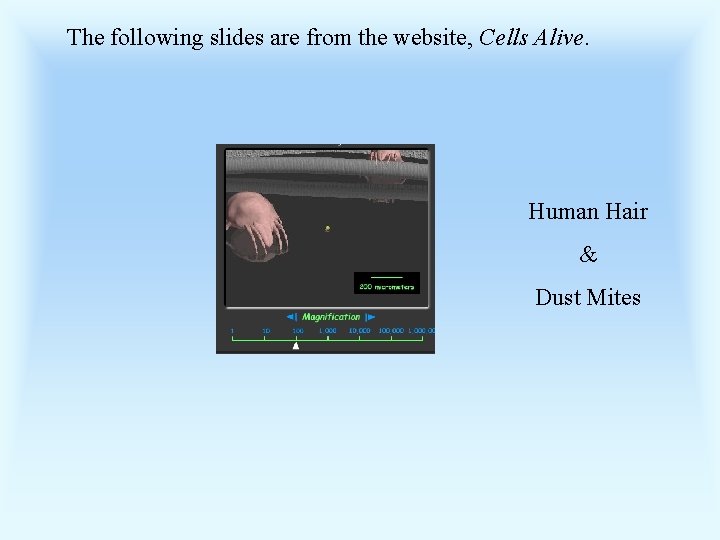
The following slides are from the website, Cells Alive. Human Hair & Dust Mites
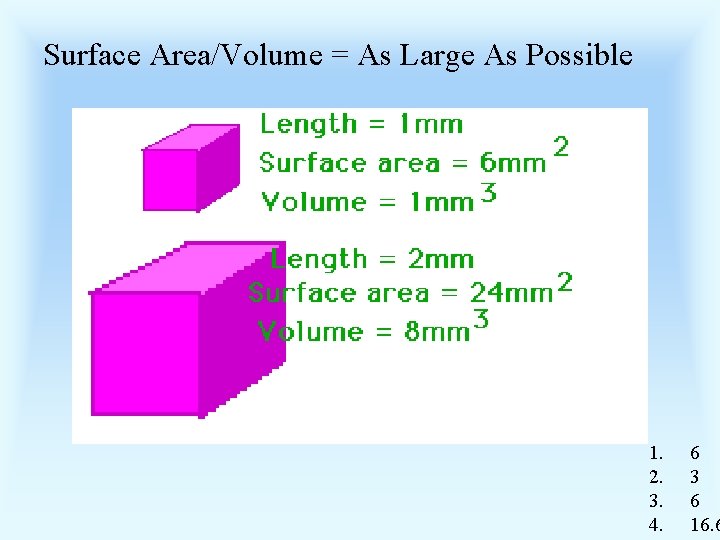
Why are cells so small? 1. Nutrients must get into the cell and wastes must be removed; what limits this exchange is the cell's surface area-to-volume ratio. 2. Therefore, the smaller the cell the larger the surface area this means more materials can be exchanged with the environment. By minimizing its size, a cell is maximizing the speed at which it can communicate, the rate at which diffusion can occur, and the amount of surface area at its disposal.
Surface Area/Volume = As Large As Possible 1. 2. 3. 4. 6 3 6 16. 6
What three statements describe the cell theory? • All living things are composed of cells. • Cells are the basic units of structure and function in living things. • New cells are produced from existing cells. What is the main characteristic that distinguishes eukaryotes from prokaryotes? Prokaryotic cells are generally smaller and simpler than eukaryotic cells. Eukaryotic cells contain a nucleus; prokaryotic cells do not. Eukaryotic cells generally contain dozens of structures and internal membranes Name two structures that all cells have. A cell membrane and DNA
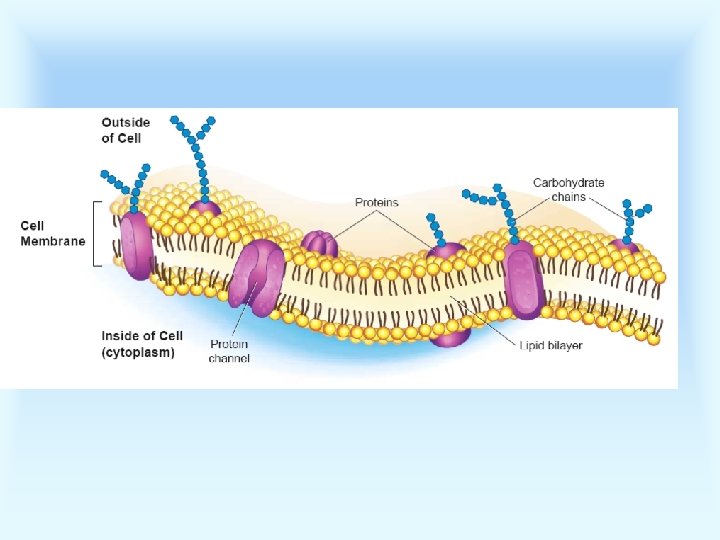
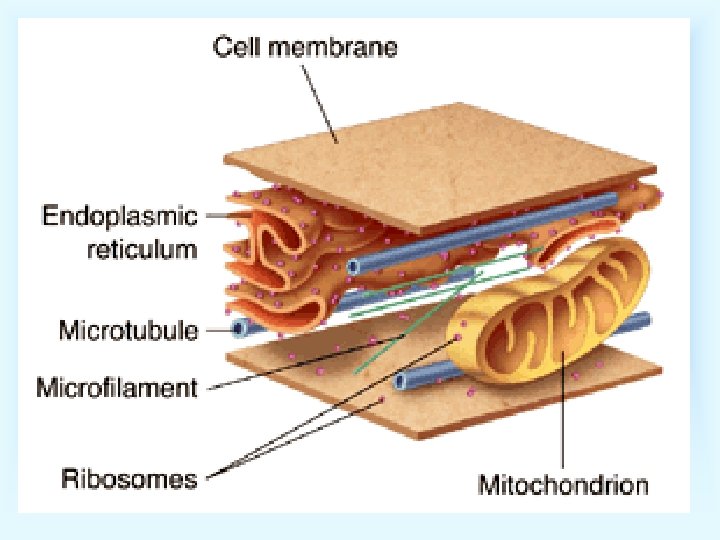
2. Cell Membrane a. k. a. (plasma membrane) • composed of lipids, proteins & carbohydrates Functions include: • Separation from outside environment • Recognition of chemical signals • Maintenance of homeostasis by controlling which molecules enter and leave the cell • selective permeability which allows only certain substances to pass through – this aids in maintaining homeostasis
Fluid Mosaic Model • currently accepted model of the structure of the cell membrane (although research is ongoing in this area) According to this model, the cell membrane is made up of a double lipid layer containing protein molecules located on its surface, extending through the lipid layers, and protruding from its exterior. In multicellular organisms, some protein molecules act as receptor molecules playing an important role in the interactions between cells by binding to hormones and other molecules sent as communication signals from cells such as nerve cells. If nerve or hormone signals are blocked, cellular communication is disrupted and the organism’s stability is affected. In animals cells, certain membrane proteins also act as identification markers helping the immune system recognize and distinguish the body’s own cells from invading foreign cells. These protein markers help trigger immune reactions that protect humans and other animals from disease-causing organisms. The marker also play a role in the rejection of transplanted tissues and organs. Many of the carbohydrates act like chemical identification cards, allowing cells to identify one another.
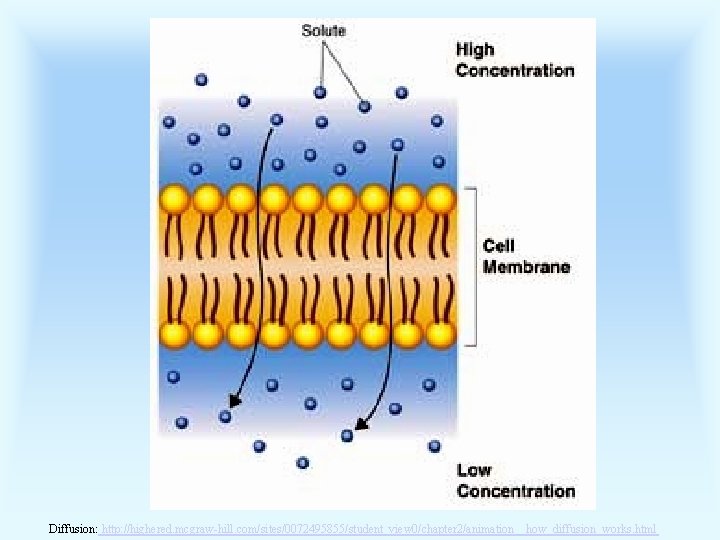
MAINTAINING CELLULAR HOMEOSTASIS 1. Passive Transport- NO cell energy is used a. Diffusion- movement of molecules from area of high concentration to an area of low concentration – NO ENERGY IS USED Concentration Gradient- difference between areas of high + low concentrations [*diffusion only occurs if there is a gradient*] Equilibrium- molecules are evenly distributed
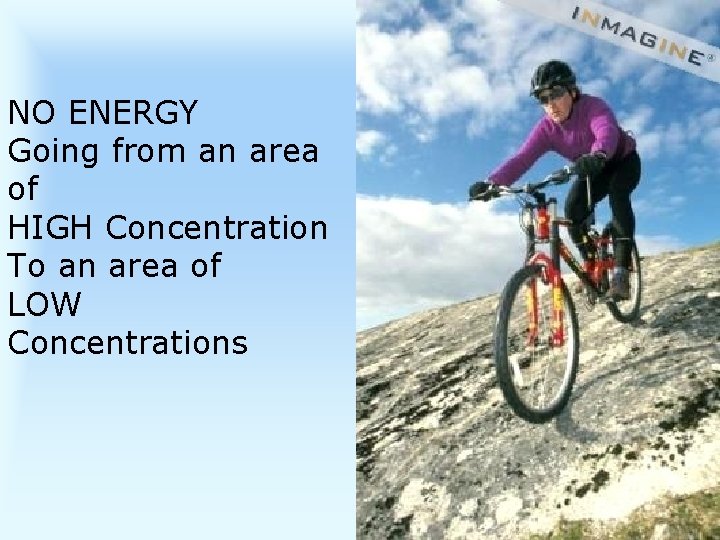
NO ENERGY Going from an area of HIGH Concentration To an area of LOW Concentrations
Diffusion: http: //highered. mcgraw-hill. com/sites/0072495855/student_view 0/chapter 2/animation__how_diffusion_works. html
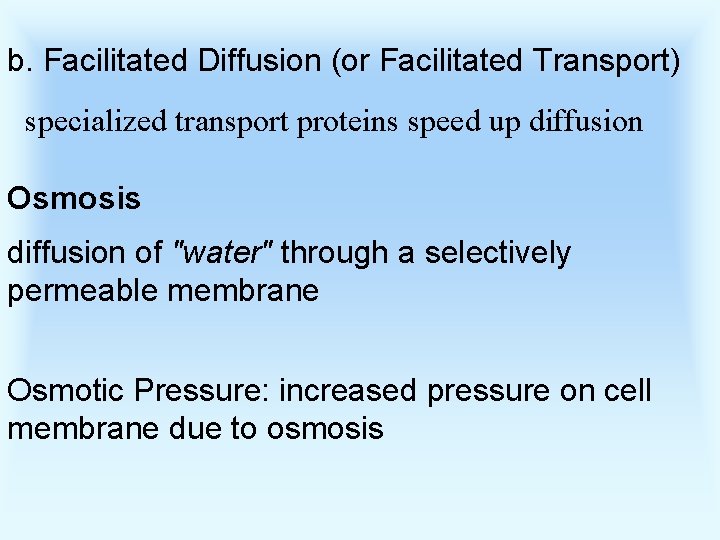
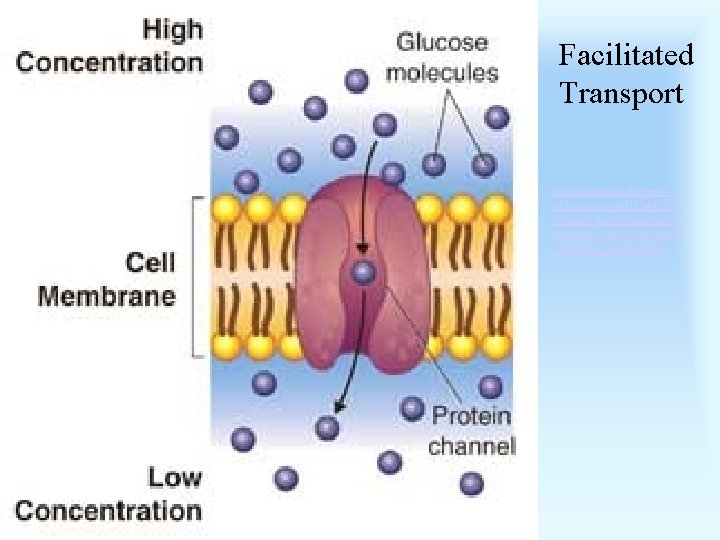
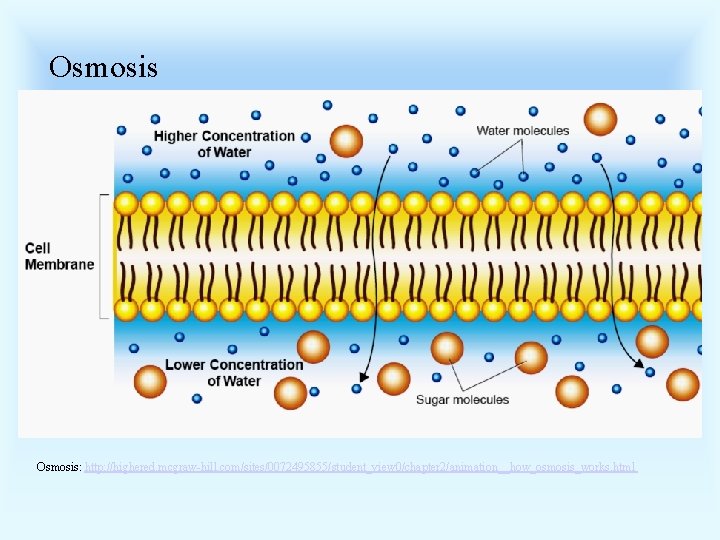
b. Facilitated Diffusion (or Facilitated Transport) specialized transport proteins speed up diffusion Osmosis diffusion of "water" through a selectively permeable membrane Osmotic Pressure: increased pressure on cell membrane due to osmosis
Facilitated Transport http: //highered. mcgrawhill. com/sites/0072495855 /student_view 0/chapter 2/a nimation__how_facilitated _diffusion_works. html
Osmosis: http: //highered. mcgraw-hill. com/sites/0072495855/student_view 0/chapter 2/animation__how_osmosis_works. html
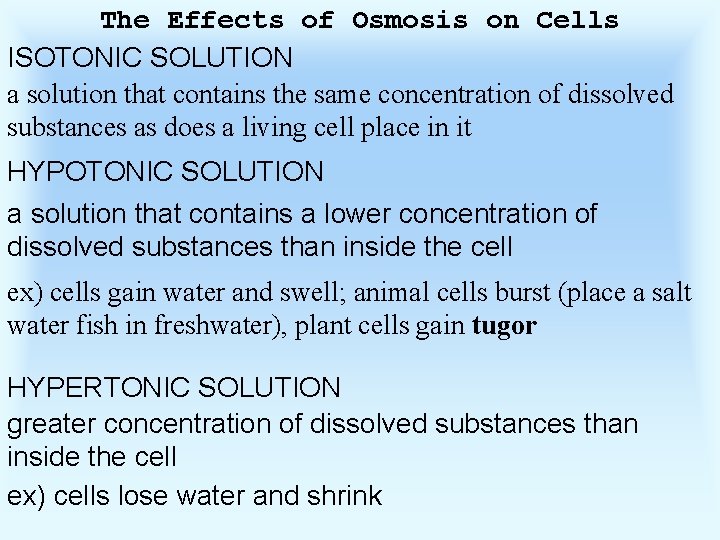
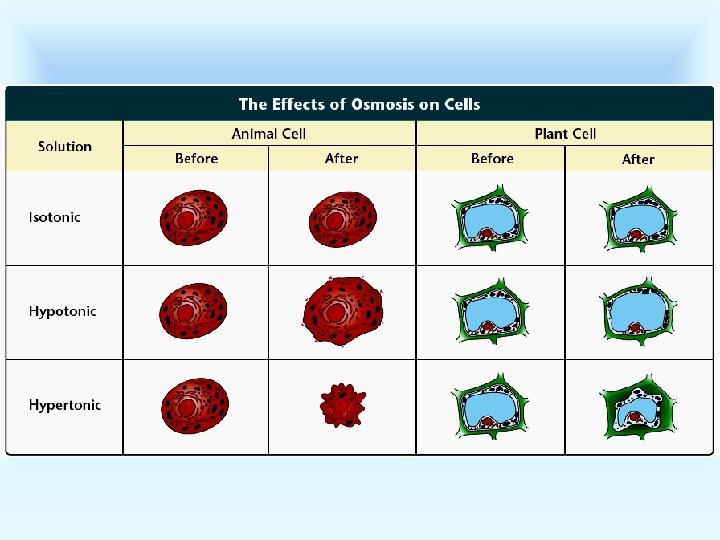
The Effects of Osmosis on Cells ISOTONIC SOLUTION a solution that contains the same concentration of dissolved substances as does a living cell place in it HYPOTONIC SOLUTION a solution that contains a lower concentration of dissolved substances than inside the cell ex) cells gain water and swell; animal cells burst (place a salt water fish in freshwater), plant cells gain tugor HYPERTONIC SOLUTION greater concentration of dissolved substances than inside the cell ex) cells lose water and shrink
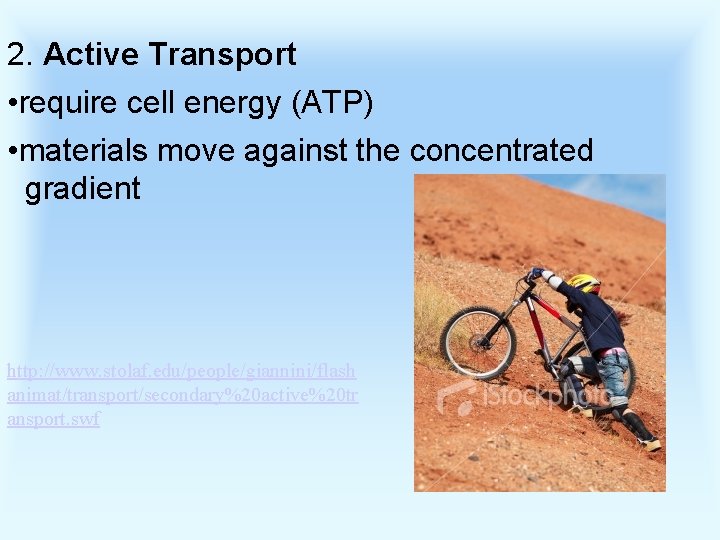
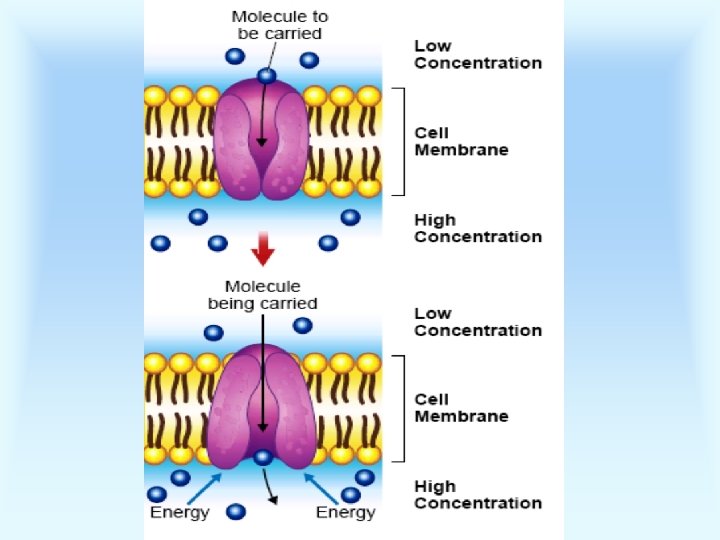
2. Active Transport • require cell energy (ATP) • materials move against the concentrated gradient http: //www. stolaf. edu/people/giannini/flash animat/transport/secondary%20 active%20 tr ansport. swf
a. Endocytosis- process of moving materials into a cell by means of a vesicle (1) Pinocytosis- liquids are taken into the cell (2) Phagocytosis- the process in which (solid) particles or small organisms are ingested into a cell http: //programs. northlandcollege. edu/biology/Biology 1111/animations/transport 1. html b. Exocytosis- reverse of endocytosis; movement of materials out of the cell
Transport History Organelles Mishmosh Regents 100 100 100 200 200 200 300 300 300 400 400 400 500 500 500
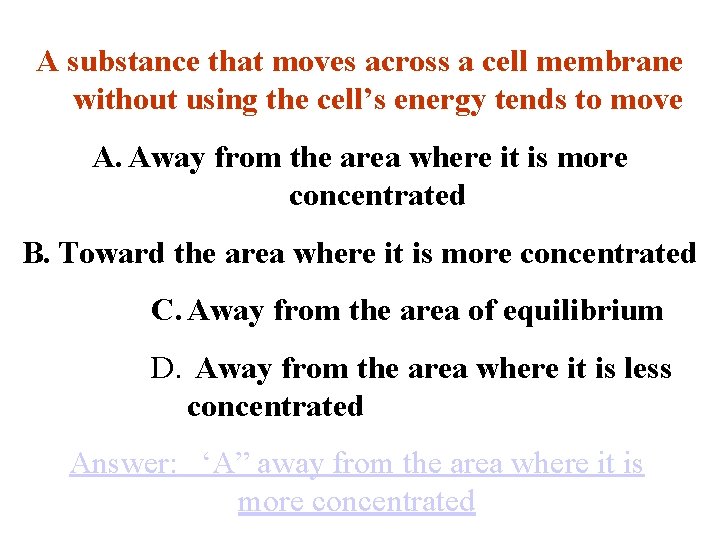
A substance that moves across a cell membrane without using the cell’s energy tends to move A. Away from the area where it is more concentrated B. Toward the area where it is more concentrated C. Away from the area of equilibrium D. Away from the area where it is less concentrated Answer: ‘A” away from the area where it is more concentrated
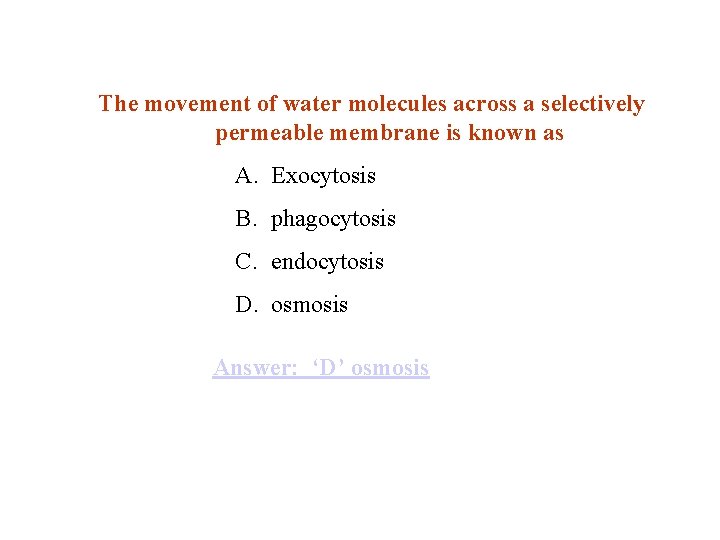
The movement of water molecules across a selectively permeable membrane is known as A. Exocytosis B. phagocytosis C. endocytosis D. osmosis Answer: ‘D’ osmosis
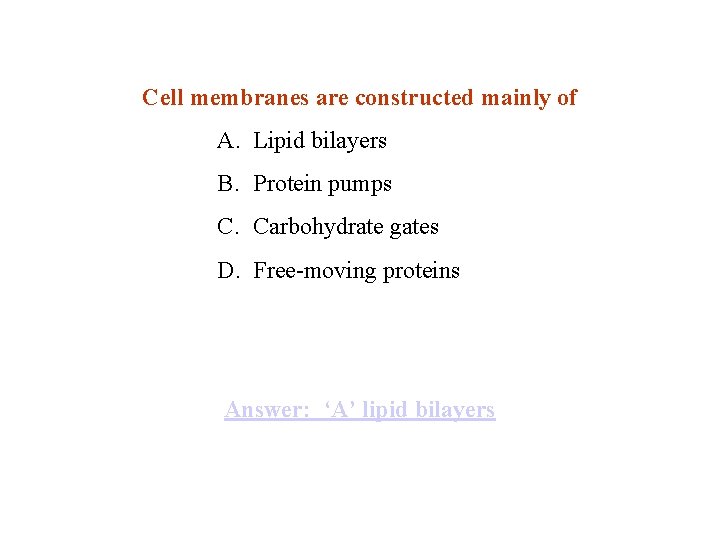
Cell membranes are constructed mainly of A. Lipid bilayers B. Protein pumps C. Carbohydrate gates D. Free-moving proteins Answer: ‘A’ lipid bilayers
Cell energy is needed in A. osmosis B. Active transport C. Passive transport D. diffusion Answer: ‘B’ active transport
Materials that cannot diffuse through the cell membrane may be brought into the cell by A. Exocytosis B. Plasmolysis C. Endosymbiosis D. endocytosis Answer: ‘D’ endocytosis
I coined the term “cell” when I was observing ……… cork
My name is Mr. Leeuwenhoek, but my friends call me Anton. I’m most famous for…. Developing the first simple microscope
I’m the botanist who concluded that all plants are made up of cells. Matthias Schleiden
I’m the zoologist that is most noted for reporting that all animals are made up of cells. Theodor Schwann
Name three scientist responsible for establishing the cell theory. Schleiden, Schwann and Rudolf Virchow
This large round structure, located inside the cytoplasm of the cell, is specialized for information storage. nucleus
Chlorophyll containing structures found in cells of some algae. Chloroplasts
Synthesis of proteins from amino acids occurs on the surface of these structures. ribosomes
Cyanide, a metabolic poison, interferes with the cellular aerobic production of ATP. Which cell organelle does cyanide most directly influence first in this situation? (1. ) nucleus (2. ) lysosome (3. ) mitochondria (4. ) ribosomes (5. ) endoplasmic reticula 3. mitochondria
Not found in plants, these cylindrical organelles are thought to have a function in cell division. centrioles
The cell material lying between the nucleus and cell membrane is called the ……. cytoplasm
Because bacteria lack a nuclear membrane, they are classified as Prokaryotic cells or prokaryotes
Organelles containing digestive enzymes …… lysosomes
How does facilitated diffusion differ from diffusion? Diffusion occurs through the random motion of molecules, and its rate depends upon the concentration gradient. In facilitated diffusion, transport proteins within the cell membrane bind substances on one side of the membrane. Facilitated diffusion therefore takes place more rapidly than simple diffusion But, an acceptable answer would also be that while both require not energy and both go from areas of high concentration to low, diffusion does not require transport proteins.
Why is active transport important to a cell? Active transport makes it possible for the cell to maintain within itself substances at concentrations different from those surrounding the cell.
What is the ‘big’ exception to the Cell Theory? viruses
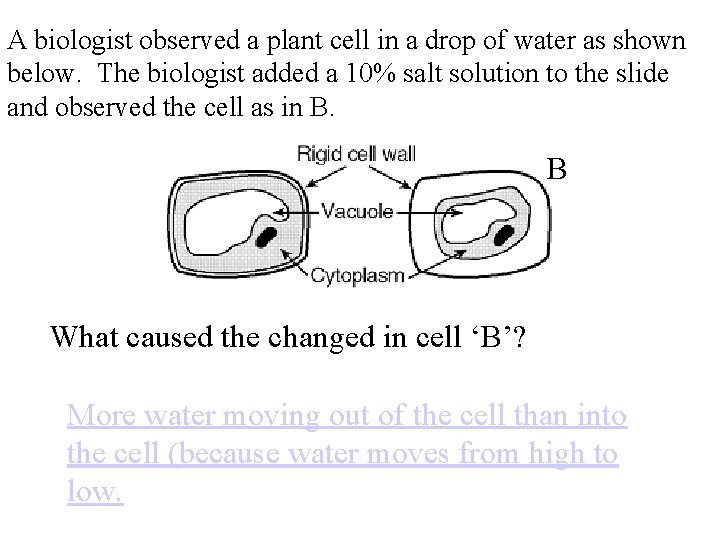
A biologist observed a plant cell in a drop of water as shown below. The biologist added a 10% salt solution to the slide and observed the cell as in B. B What caused the changed in cell ‘B’? More water moving out of the cell than into the cell (because water moves from high to low.
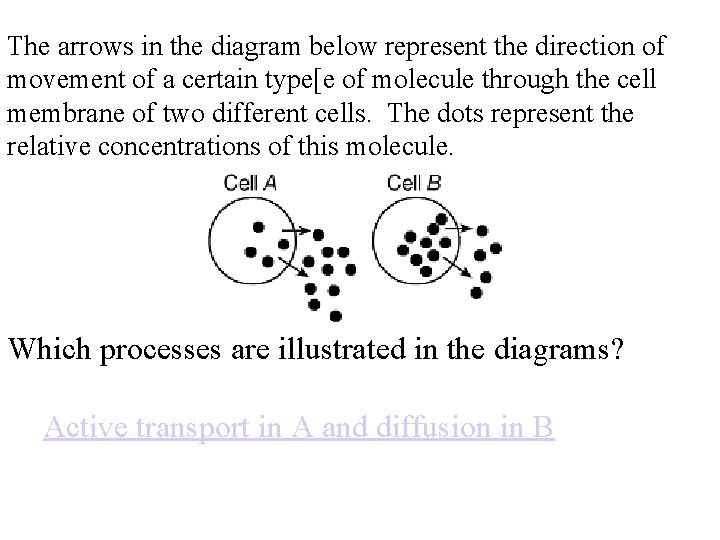
The arrows in the diagram below represent the direction of movement of a certain type[e of molecule through the cell membrane of two different cells. The dots represent the relative concentrations of this molecule. Which processes are illustrated in the diagrams? Active transport in A and diffusion in B
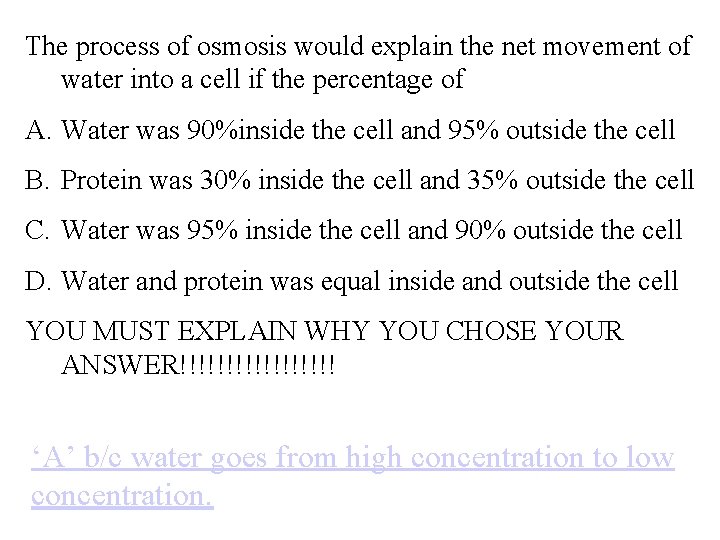
The process of osmosis would explain the net movement of water into a cell if the percentage of A. Water was 90%inside the cell and 95% outside the cell B. Protein was 30% inside the cell and 35% outside the cell C. Water was 95% inside the cell and 90% outside the cell D. Water and protein was equal inside and outside the cell YOU MUST EXPLAIN WHY YOU CHOSE YOUR ANSWER!!!!!!!!! ‘A’ b/c water goes from high concentration to low concentration.
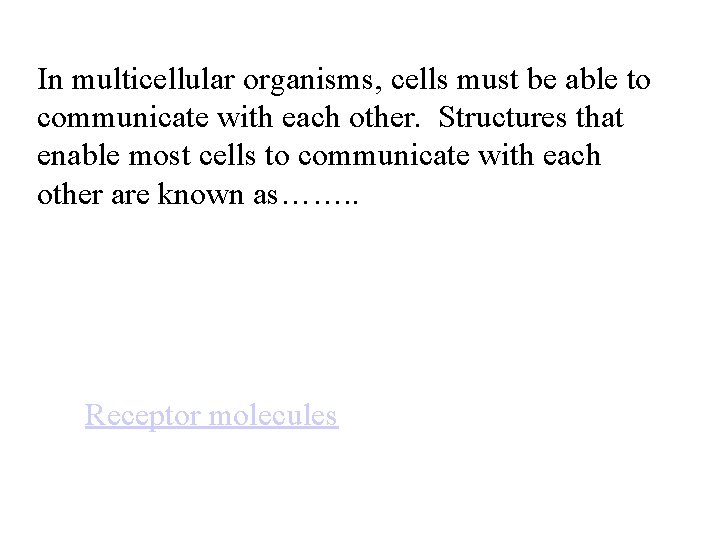
In multicellular organisms, cells must be able to communicate with each other. Structures that enable most cells to communicate with each other are known as……. . Receptor molecules