
THE CARDIORESPIRATORY SYSTEM Chapter 9 Cardiorespiratory System o
- Slides: 43
THE CARDIORESPIRATORY SYSTEM Chapter 9
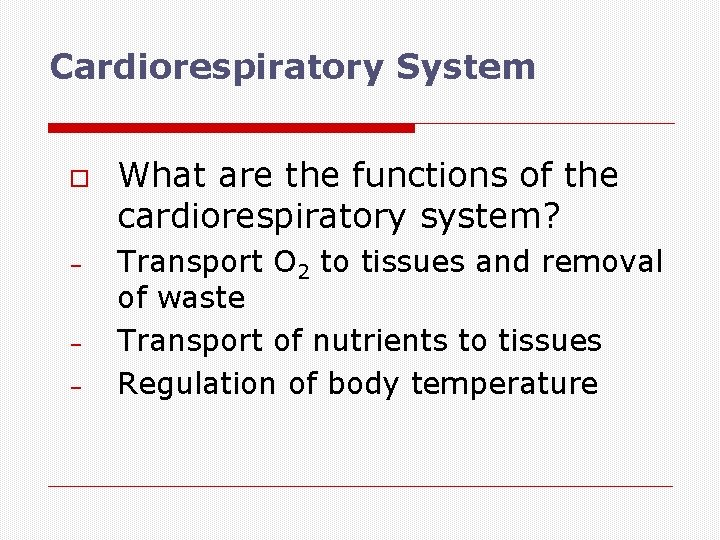
Cardiorespiratory System o – – – What are the functions of the cardiorespiratory system? Transport O 2 to tissues and removal of waste Transport of nutrients to tissues Regulation of body temperature
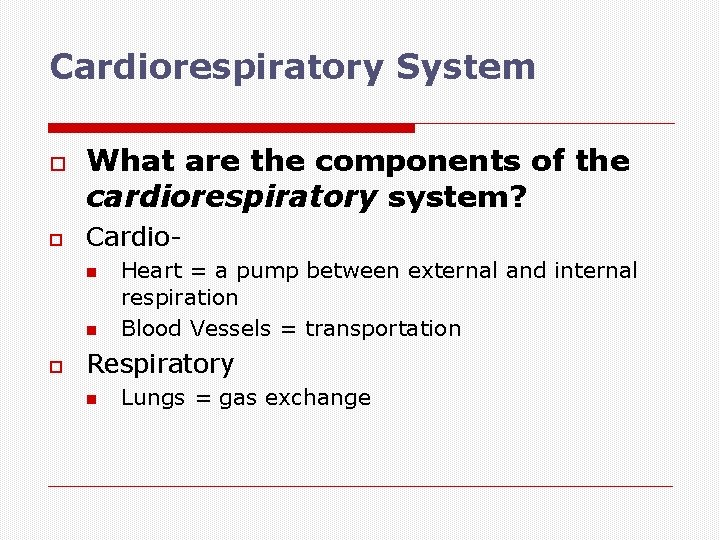
Cardiorespiratory System o o What are the components of the cardiorespiratory system? Cardion n o Heart = a pump between external and internal respiration Blood Vessels = transportation Respiratory n Lungs = gas exchange
Cardiovascular System o o Heart Blood vessels
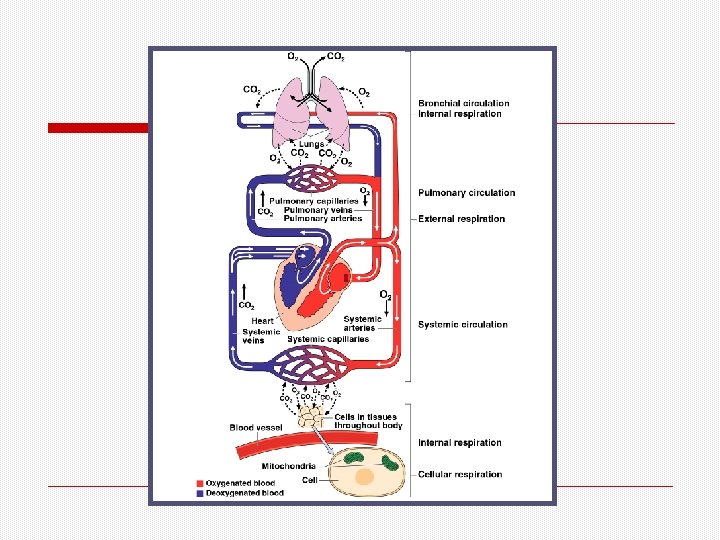
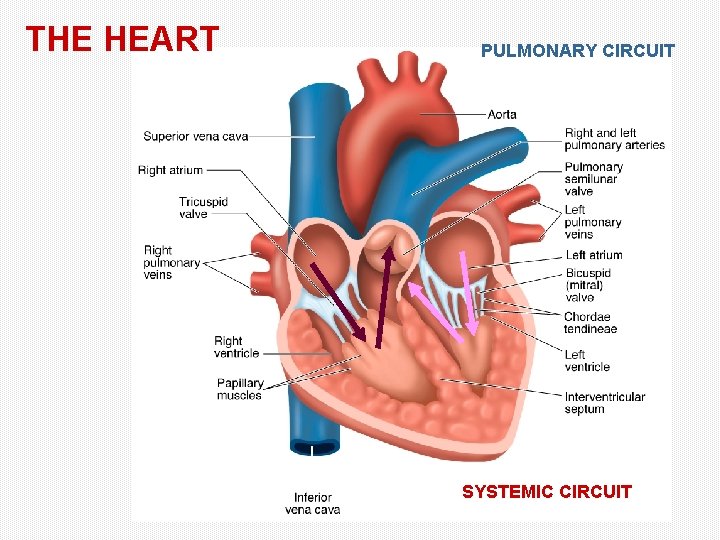
THE HEART PULMONARY CIRCUIT SYSTEMIC CIRCUIT
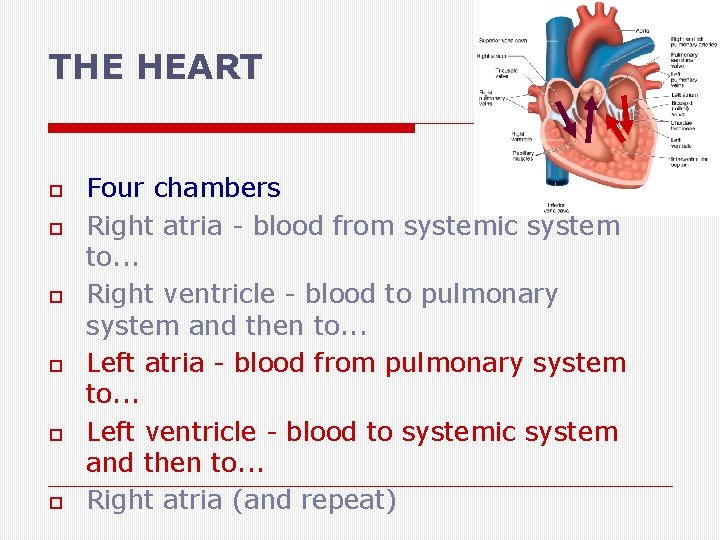
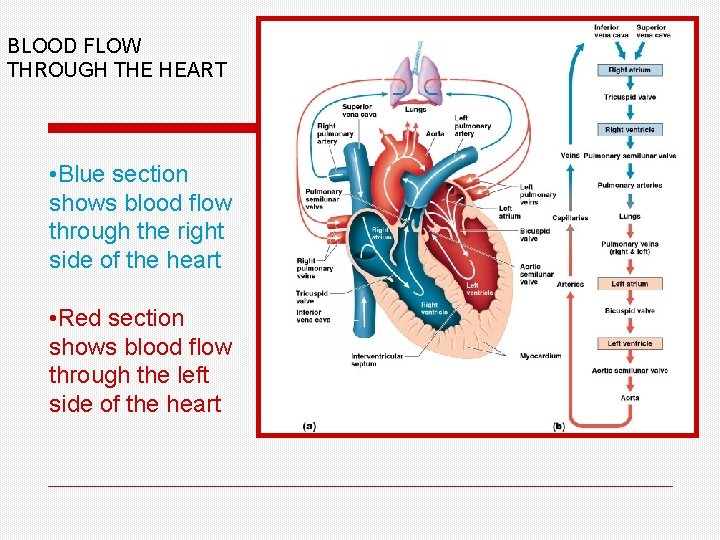
THE HEART o o o Four chambers Right atria - blood from systemic system to. . . Right ventricle - blood to pulmonary system and then to. . . Left atria - blood from pulmonary system to. . . Left ventricle - blood to systemic system and then to. . . Right atria (and repeat)
Cardiovascular Systemic circuit o Which side of the heart is part of the systemic circuit? o What is the oxygen content of the blood (high or low)? o Which chamber of the heart does the blood return into? Pulmonary circuit o Which side of the heart is part of the systemic circuit? o What is the oxygen content of the blood (high or low)? o Which chamber of the heart does the blood return into?
BLOOD FLOW THROUGH THE HEART • Blue section shows blood flow through the right side of the heart • Red section shows blood flow through the left side of the heart
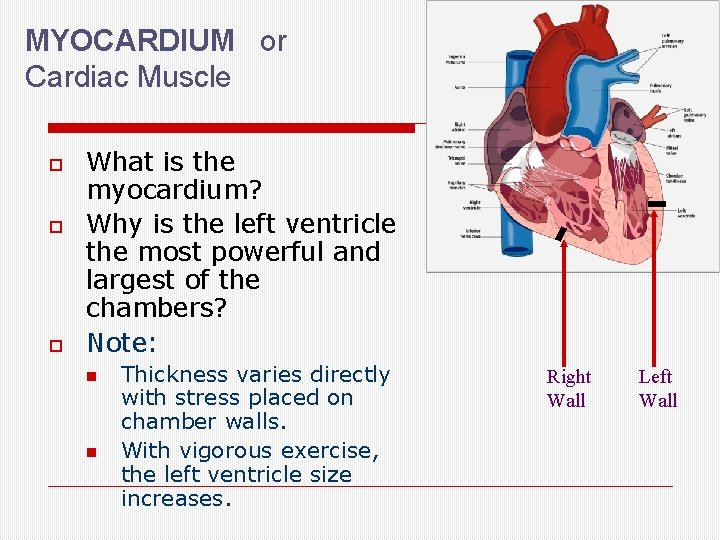
MYOCARDIUM or Cardiac Muscle o o o What is the myocardium? Why is the left ventricle the most powerful and largest of the chambers? Note: n n Thickness varies directly with stress placed on chamber walls. With vigorous exercise, the left ventricle size increases. Right Wall Left Wall
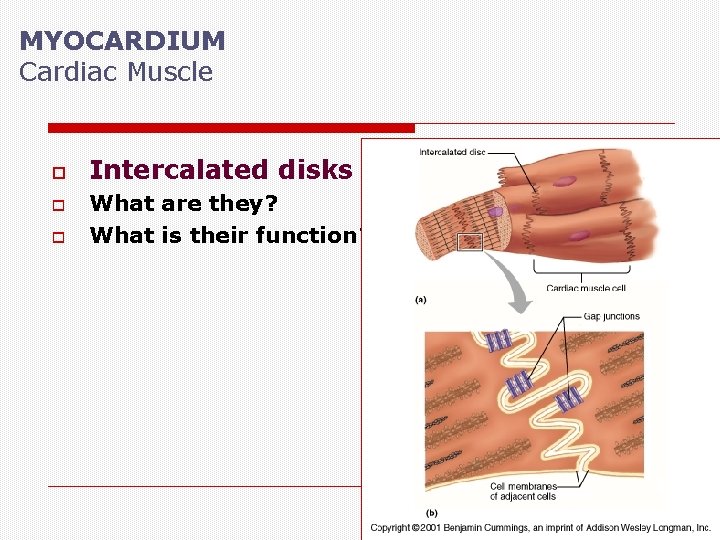
MYOCARDIUM Cardiac Muscle o o o Intercalated disks What are they? What is their function?
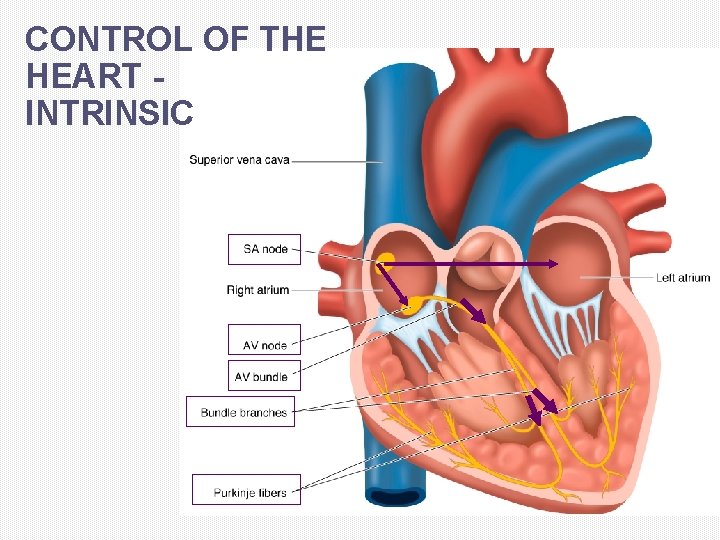
CONTROL OF THE HEART INTRINSIC
CONTROL OF THE HEART - INTRINSIC o o o What part of the heart is referred to as the pacemaker of the heart? What is the function of the A-V node? What is an electrocardiogram?
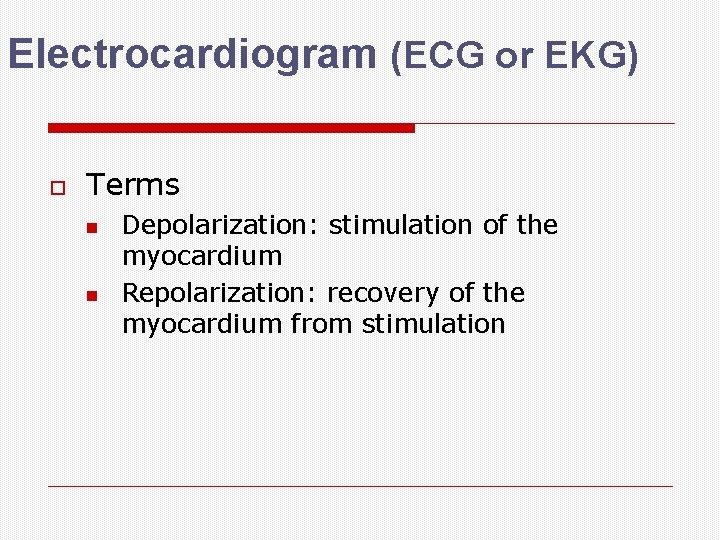
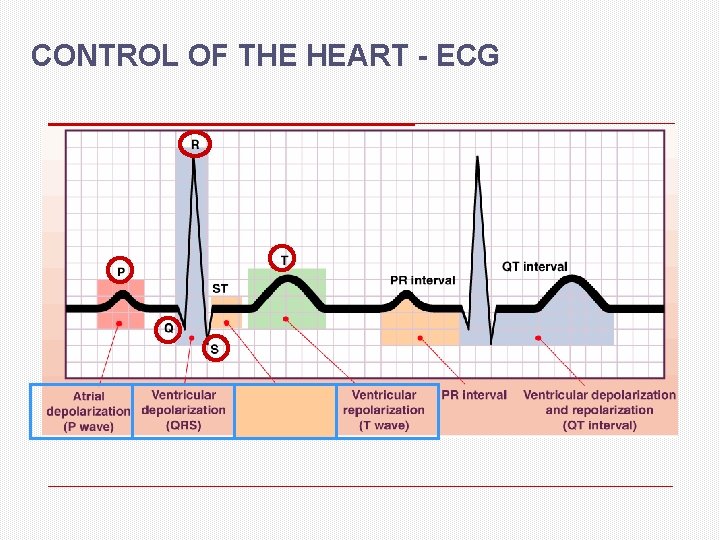
Electrocardiogram (ECG or EKG) o Terms n n Depolarization: stimulation of the myocardium Repolarization: recovery of the myocardium from stimulation
CONTROL OF THE HEART - ECG
Cardiovascular Quiz Questions 1. 2. 3. 4. 5. 6. 7. 8. 9. 10. 11. 12. 13. 14. 15. What are the functions of the cardiorespiratory system? What are the components of the cardiorespiratory system? Which side of the heart is part of the systemic circuit? What is the oxygen content of the blood (high or low)? Where does the blood flow to at the end of the systemic circuit? Which side of the heart is part of the pulmonary circuit? What is the oxygen content of the blood (high or low)? Where does the blood flow to at the end of the pulmonary circuit? What is the myocardium? Why is the left ventricle the most powerful and largest of the chambers? What are intercalated disks? What is the function of intercalated disks? What part of the heart is referred to as the pacemaker of the heart? What is the function of the A-V node? What is an electrocardiogram?
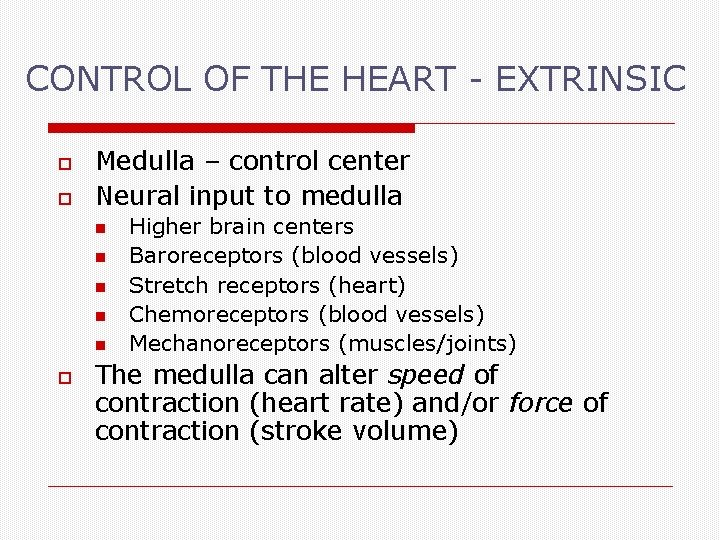
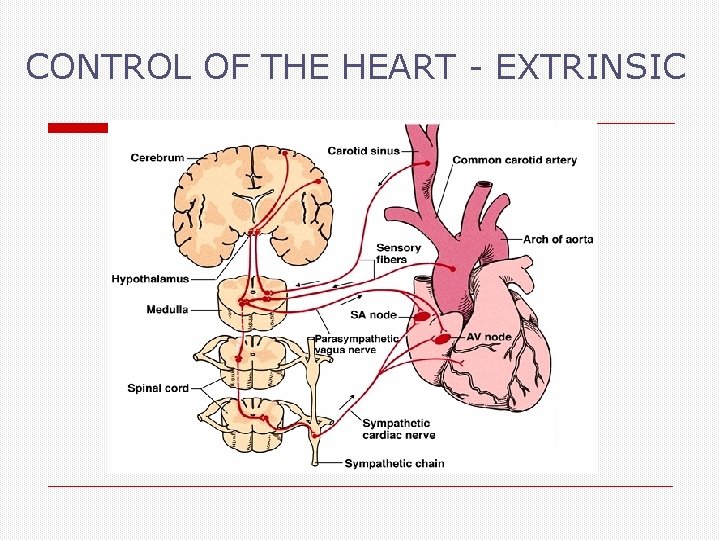
CONTROL OF THE HEART - EXTRINSIC o o Medulla – control center Neural input to medulla n n n o Higher brain centers Baroreceptors (blood vessels) Stretch receptors (heart) Chemoreceptors (blood vessels) Mechanoreceptors (muscles/joints) The medulla can alter speed of contraction (heart rate) and/or force of contraction (stroke volume)
CONTROL OF THE HEART - EXTRINSIC
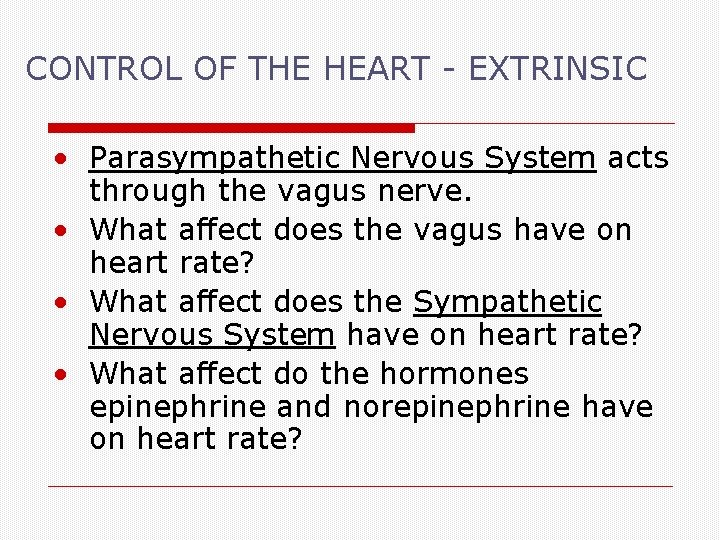
CONTROL OF THE HEART - EXTRINSIC • Parasympathetic Nervous System acts through the vagus nerve. • What affect does the vagus have on heart rate? • What affect does the Sympathetic Nervous System have on heart rate? • What affect do the hormones epinephrine and norepinephrine have on heart rate?
HEART FUNCTION o o When the energy needs of the body increase, what happens to the heart rate? How else can the heart supply more blood to the body?
HEART FUNCTION - Heart Rate § § Definition? What is a typical resting heart rate?
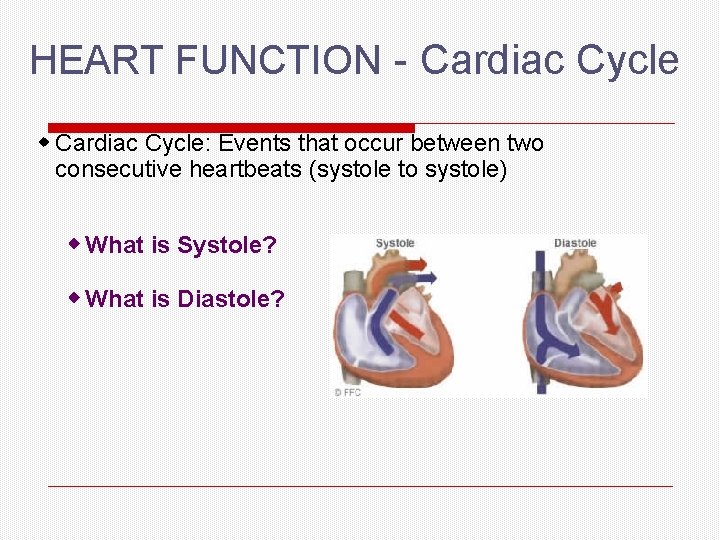
HEART FUNCTION - Cardiac Cycle w Cardiac Cycle: Events that occur between two consecutive heartbeats (systole to systole) w What is Systole? w What is Diastole?
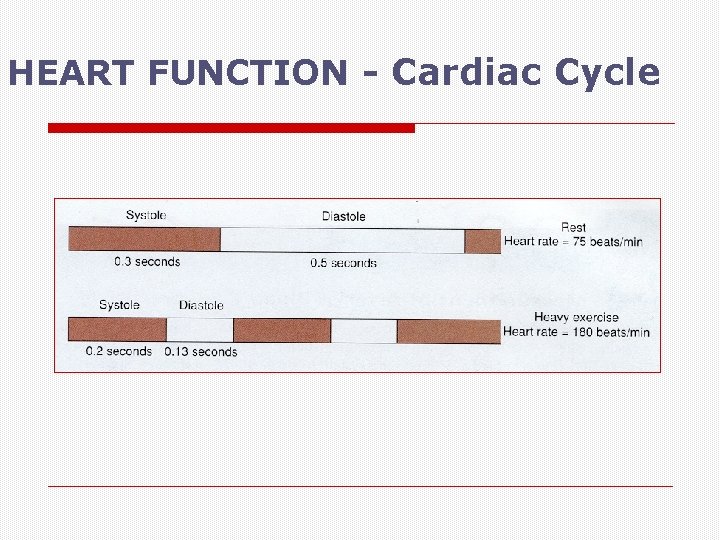
HEART FUNCTION - Cardiac Cycle
HEART FUNCTION - Heart Rate o o Why does heart rate increase during exercise? How is heart rate increased?
HEART FUNCTION – Stroke Volume o o o What is stroke volume? What happens to stroke volume during exercise? How is stroke volume increased?
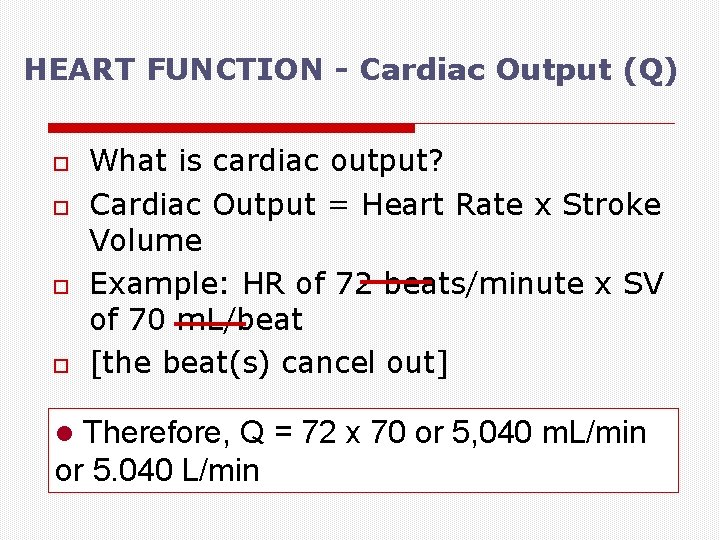
HEART FUNCTION - Cardiac Output (Q) o o What is cardiac output? Cardiac Output = Heart Rate x Stroke Volume Example: HR of 72 beats/minute x SV of 70 m. L/beat [the beat(s) cancel out] Therefore, Q = 72 x 70 or 5, 040 m. L/min or 5. 040 L/min l
HEART FUNCTION - Cardiac Output (Q) o o How is cardiac output increased during exercise? What might cause cardiac output (or blood flow) to decrease during exercise?
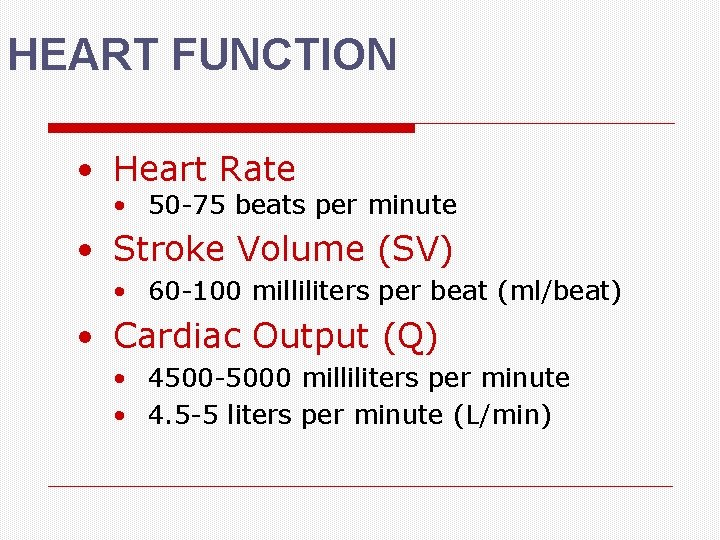
HEART FUNCTION • Heart Rate • 50 -75 beats per minute • Stroke Volume (SV) • 60 -100 milliliters per beat (ml/beat) • Cardiac Output (Q) • 4500 -5000 milliliters per minute • 4. 5 -5 liters per minute (L/min)
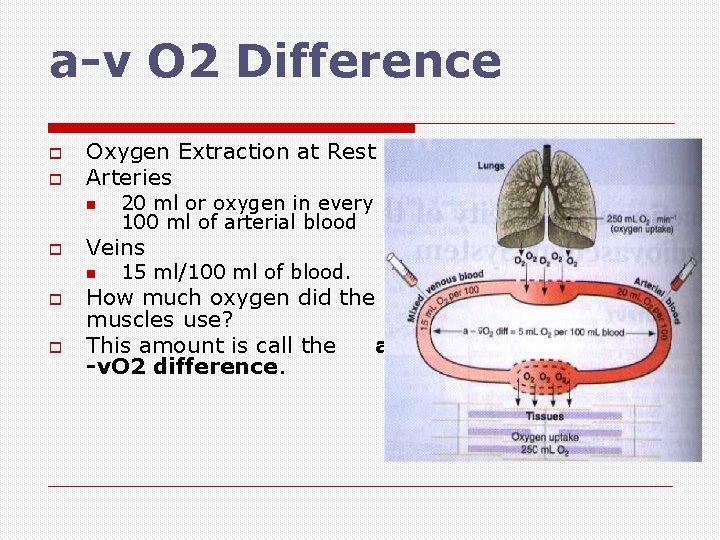
a-v O 2 Difference o o Oxygen Extraction at Rest Arteries n o Veins n o o 20 ml or oxygen in every 100 ml of arterial blood 15 ml/100 ml of blood. How much oxygen did the muscles use? This amount is call the a -v. O 2 difference.
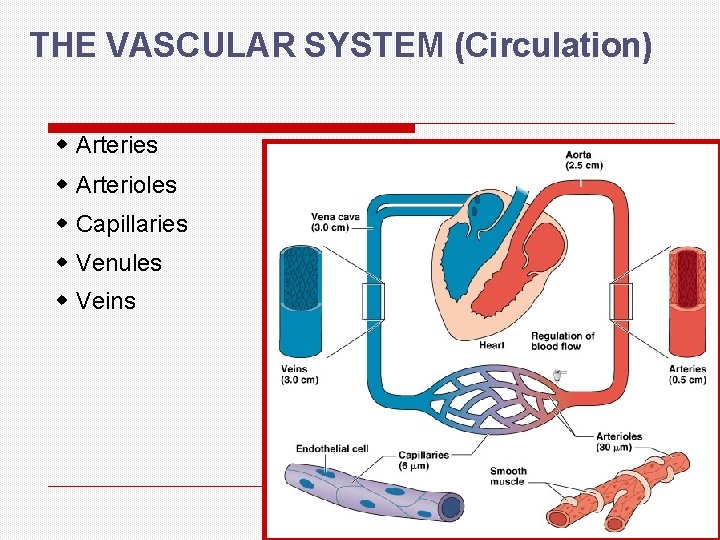
THE VASCULAR SYSTEM (Circulation) w Arteries w Arterioles w Capillaries w Venules w Veins
THE VASCULAR SYSTEM - Arteries o o o How do arteries differ from other blood vessels? Thick and Elastic Pulse
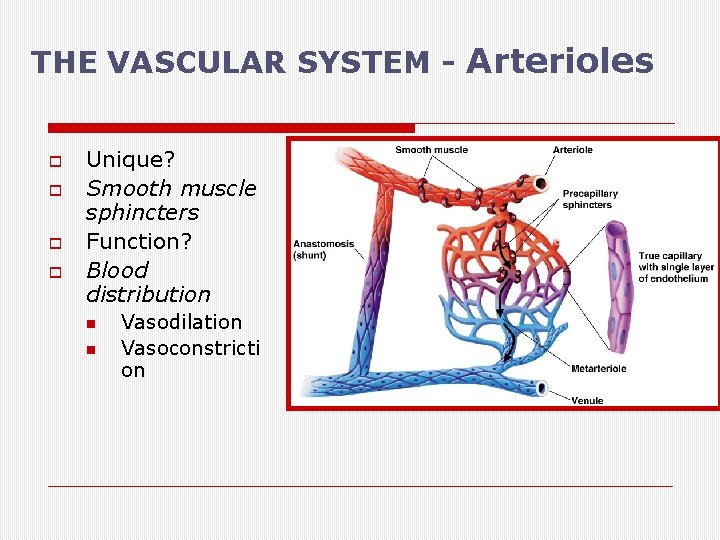
THE VASCULAR SYSTEM - Arterioles o o Unique? Smooth muscle sphincters Function? Blood distribution n n Vasodilation Vasoconstricti on
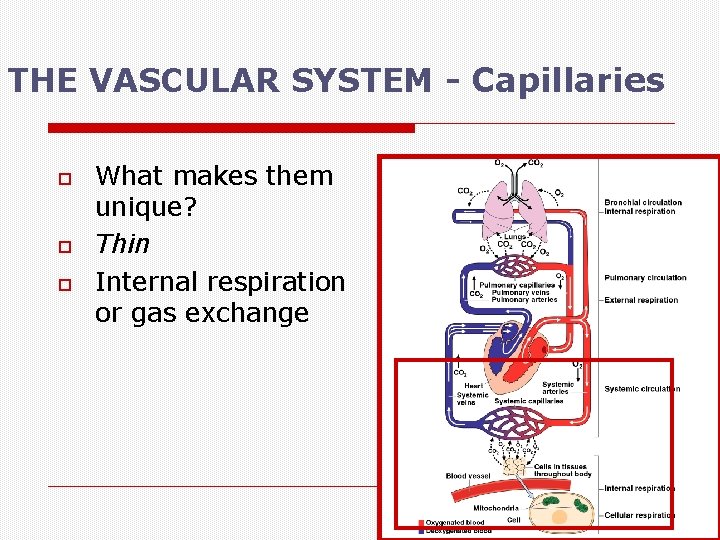
THE VASCULAR SYSTEM - Capillaries o o o What makes them unique? Thin Internal respiration or gas exchange
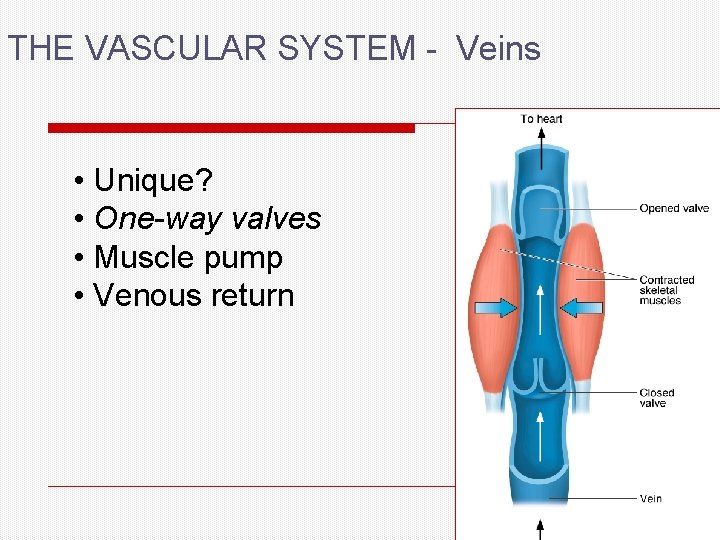
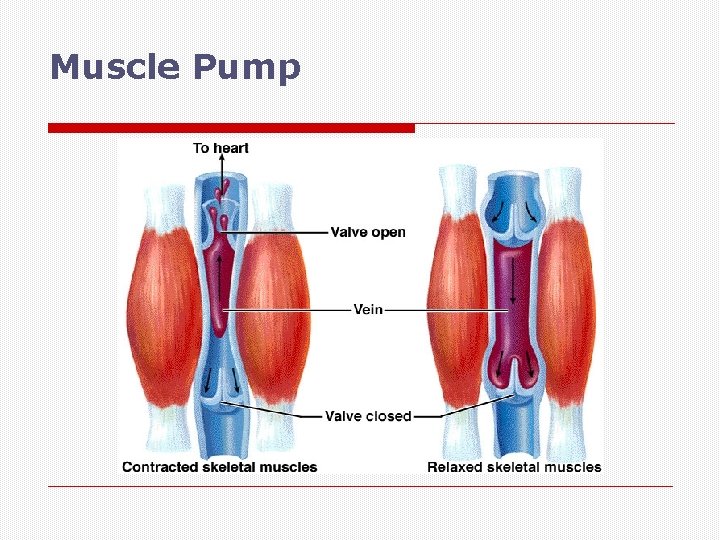
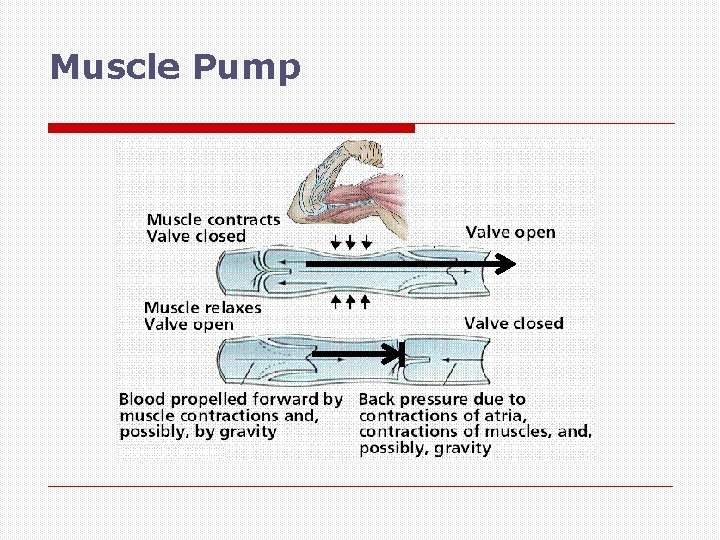
THE VASCULAR SYSTEM - Veins • Unique? • One-way valves • Muscle pump • Venous return
Muscle Pump
Muscle Pump
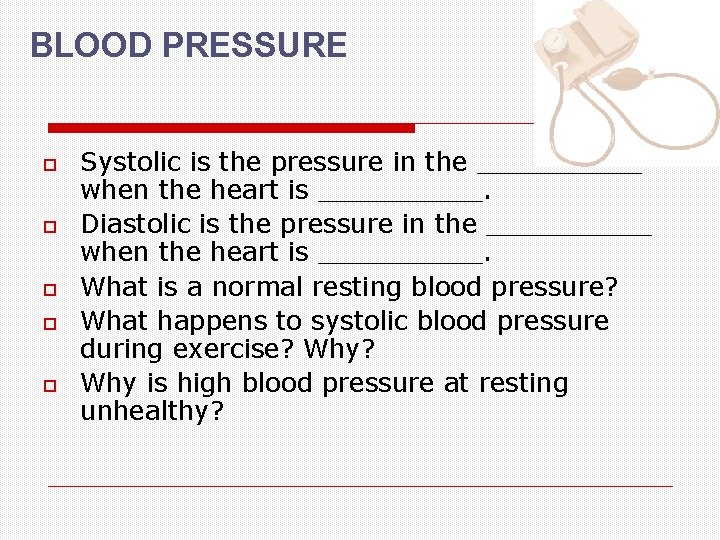
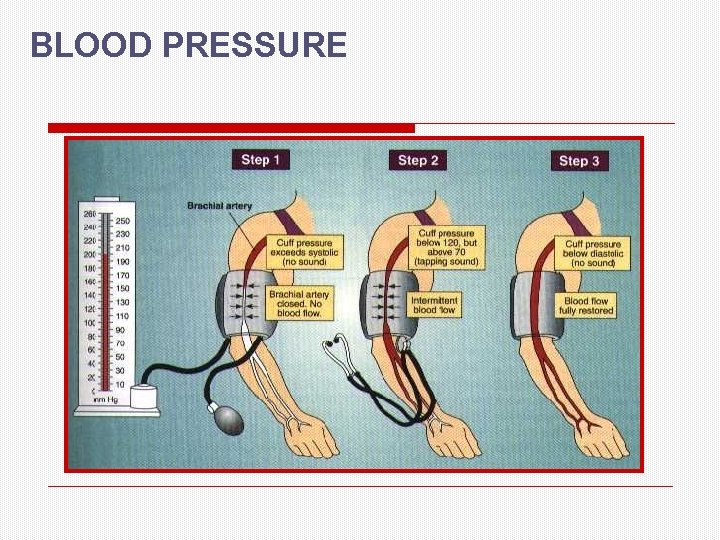
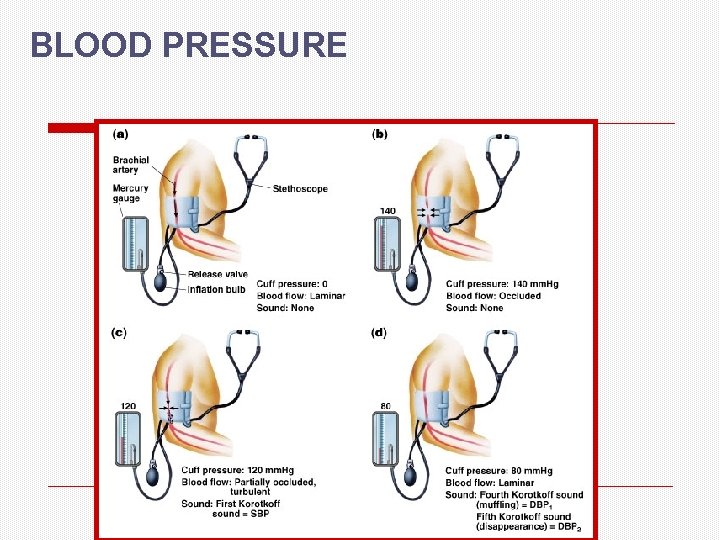
BLOOD PRESSURE o o o Systolic is the pressure in the _____ when the heart is _____. Diastolic is the pressure in the _____ when the heart is _____. What is a normal resting blood pressure? What happens to systolic blood pressure during exercise? Why is high blood pressure at resting unhealthy?
BLOOD PRESSURE
BLOOD PRESSURE
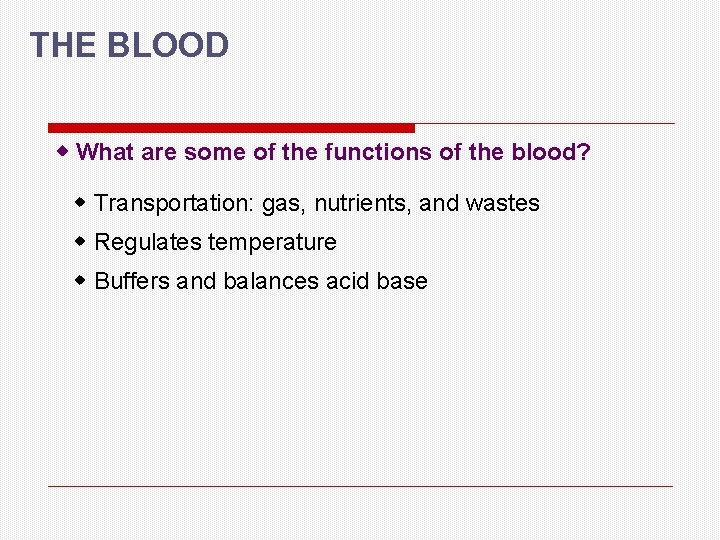
THE BLOOD w What are some of the functions of the blood? w Transportation: gas, nutrients, and wastes w Regulates temperature w Buffers and balances acid base
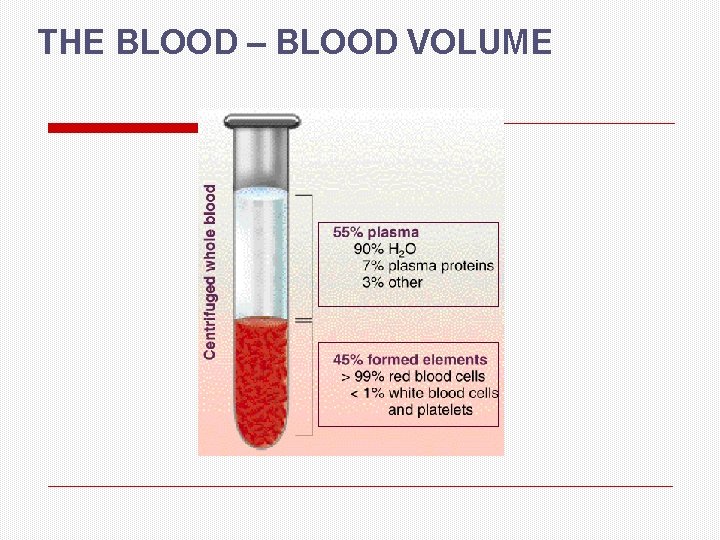
THE BLOOD – BLOOD VOLUME
THE BLOOD – FORMED ELEMENTS o Red blood cells. n o White blood cells. n o What do they do? Platelets. n What do they do?
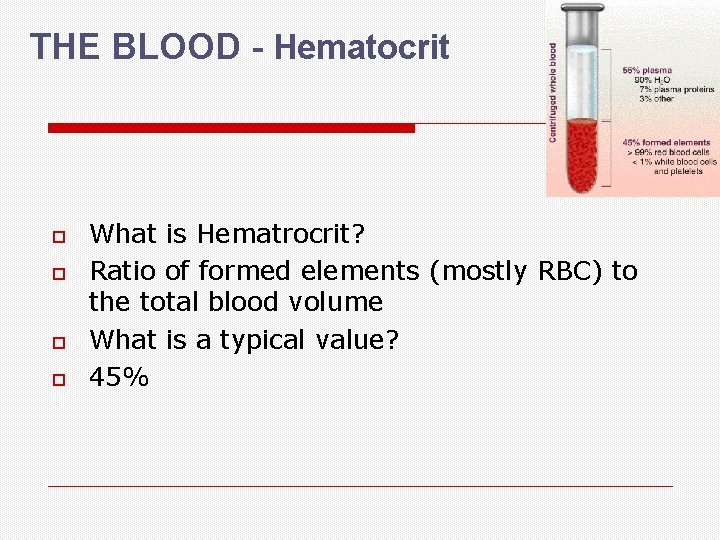
THE BLOOD - Hematocrit o o What is Hematrocrit? Ratio of formed elements (mostly RBC) to the total blood volume What is a typical value? 45%