
The Cardiac Cycle The Heart Wiggers Diagram Walk
- Slides: 17
The Cardiac Cycle
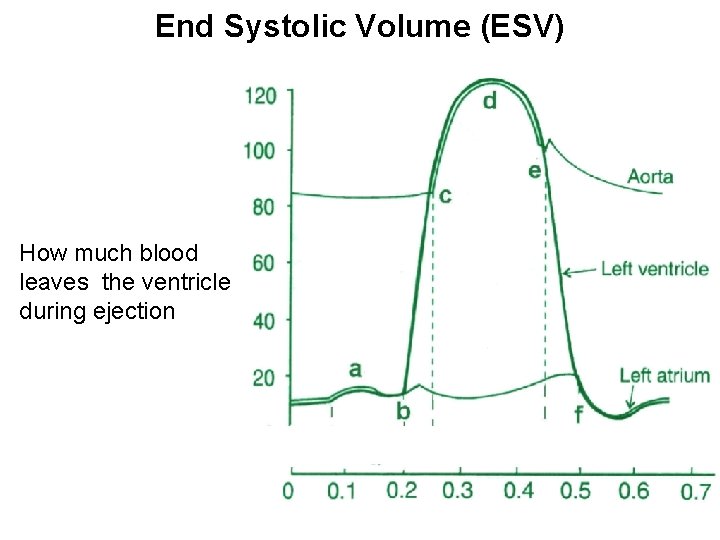
The Heart Wiggers Diagram Walk through of a Cardiac Cycle What is going on electrically? Marieb 18
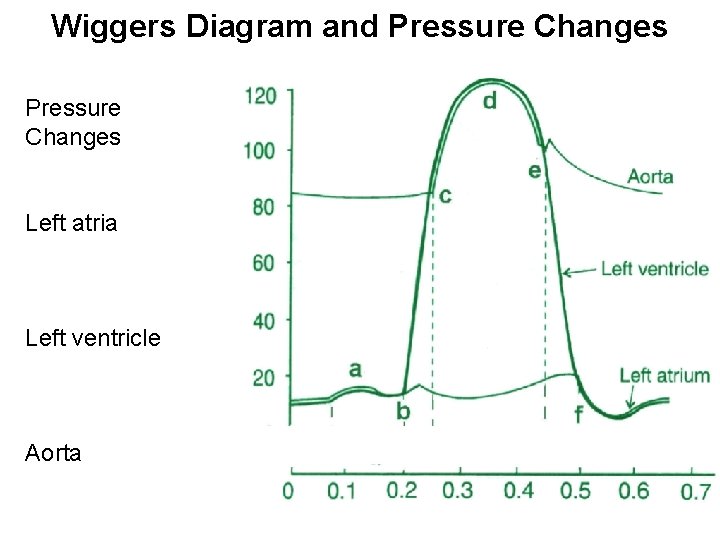
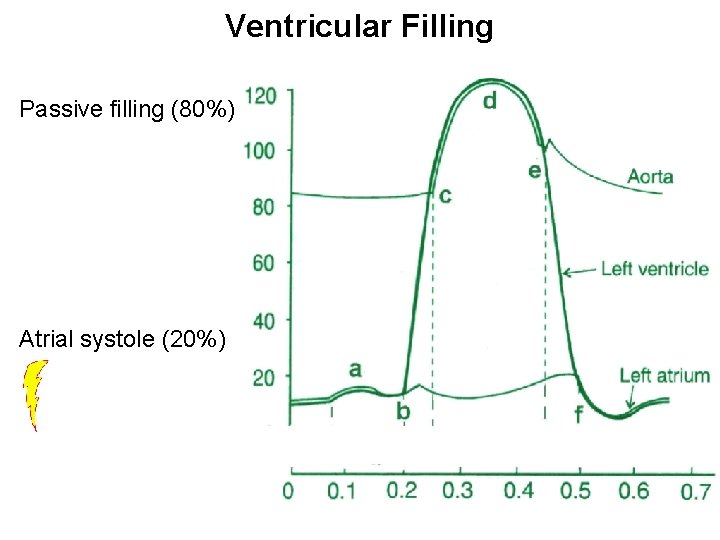
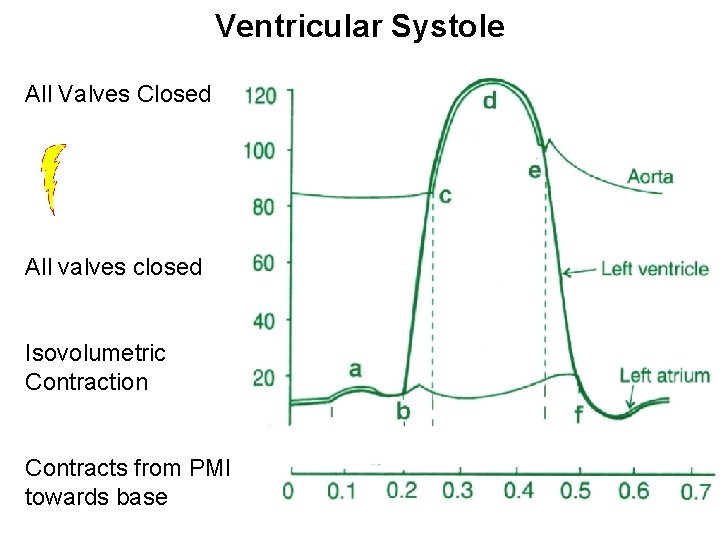
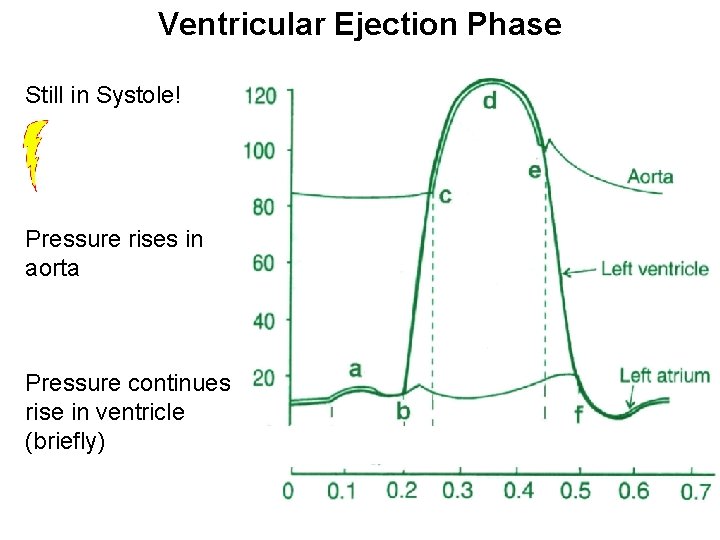
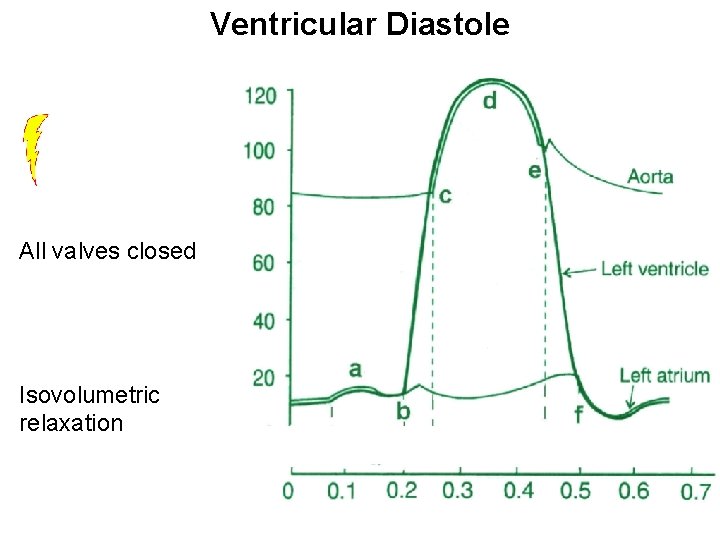
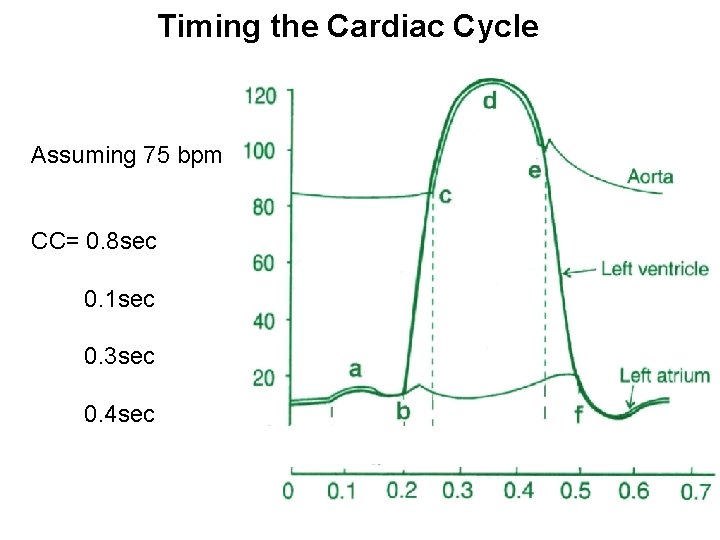
Wiggers Diagram and Pressure Changes Left atria Left ventricle Aorta
Electrical Activity Pressure Changes Systole: Contracting (sis-tuh-lee) Diastole: Relaxing (di-ass-tuh-lee)
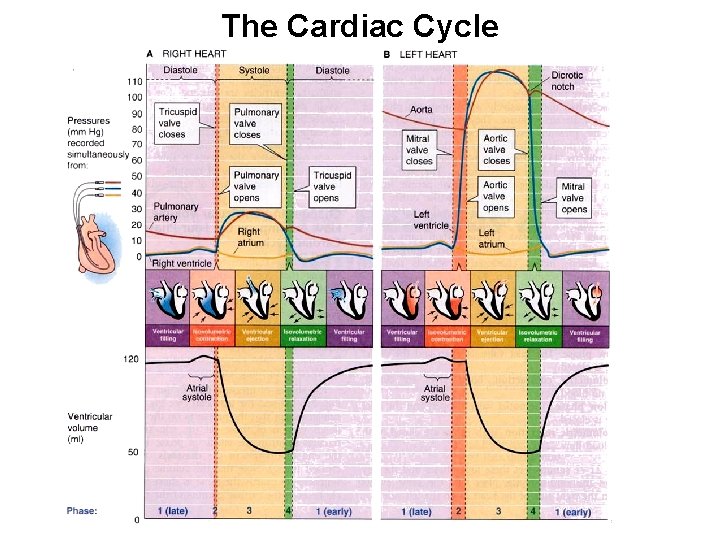
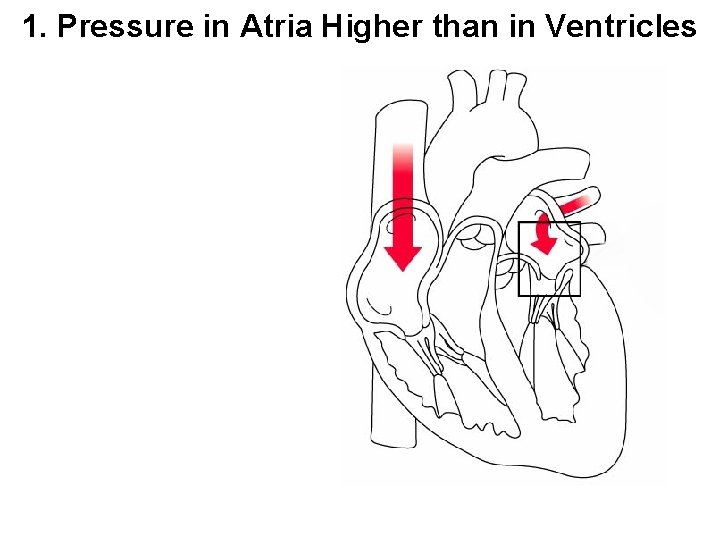
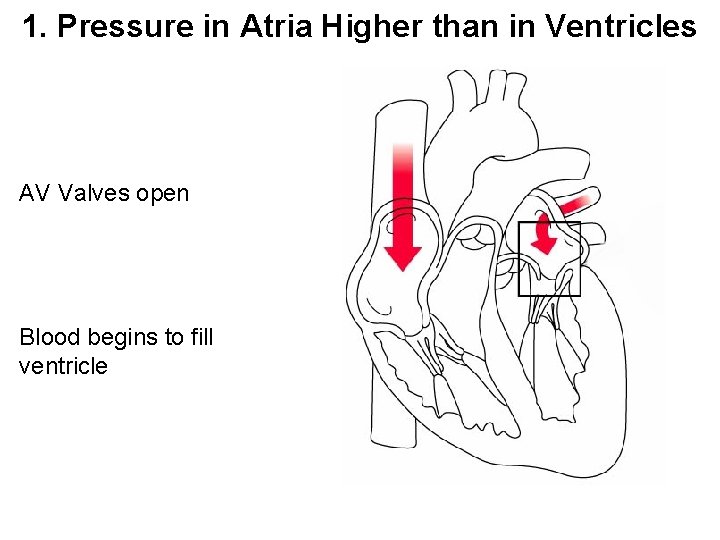
1. Pressure in Atria Higher than in Ventricles
Ventricular Filling Passive filling (80%) Atrial systole (20%)
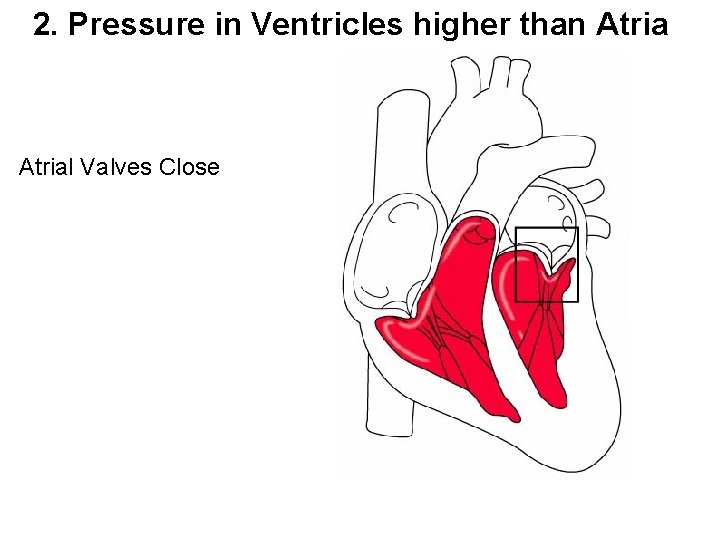
2. Pressure in Ventricles higher than Atrial Valves Close
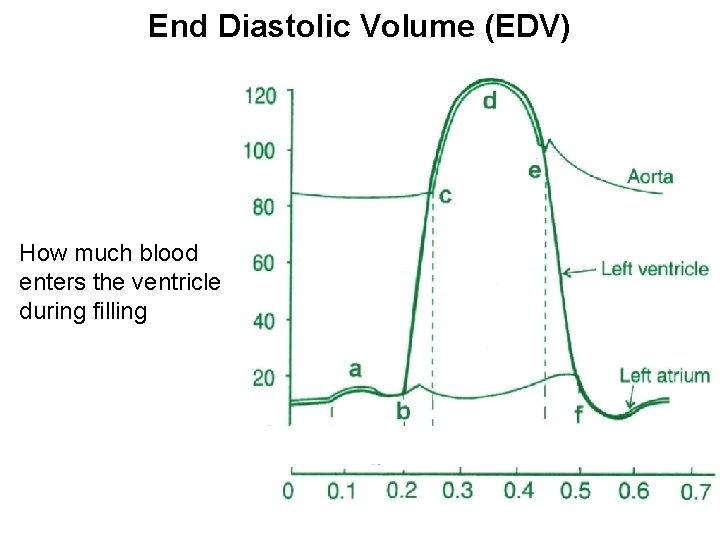
End Diastolic Volume (EDV) How much blood enters the ventricle during filling
Ventricular Systole All Valves Closed All valves closed Isovolumetric Contraction Contracts from PMI towards base
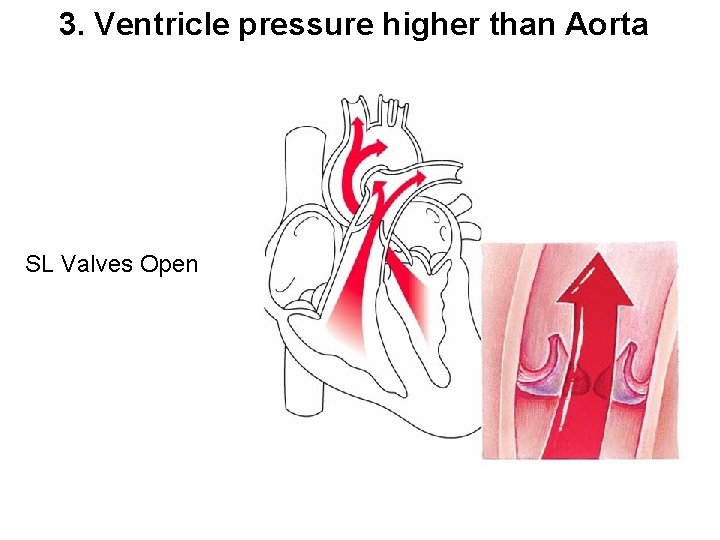
3. Ventricle pressure higher than Aorta SL Valves Open
Ventricular Ejection Phase Still in Systole! Pressure rises in aorta Pressure continues rise in ventricle (briefly)
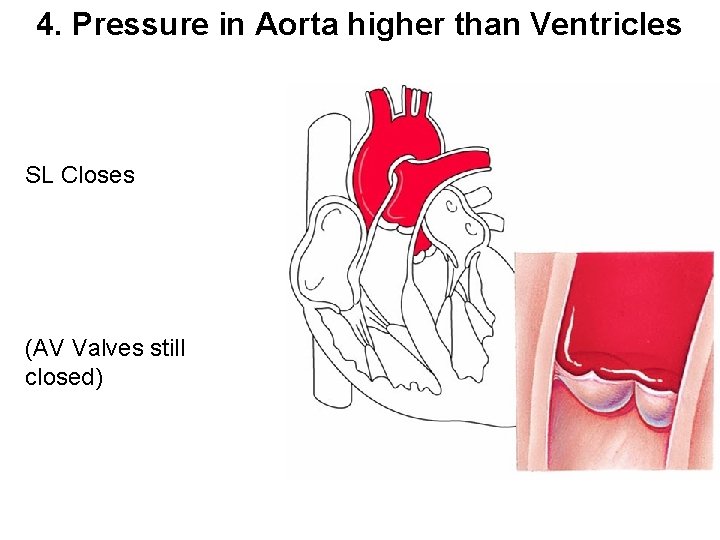
4. Pressure in Aorta higher than Ventricles SL Closes (AV Valves still closed)
End Systolic Volume (ESV) How much blood leaves the ventricle during ejection
Ventricular Diastole All valves closed Isovolumetric relaxation
1. Pressure in Atria Higher than in Ventricles AV Valves open Blood begins to fill ventricle
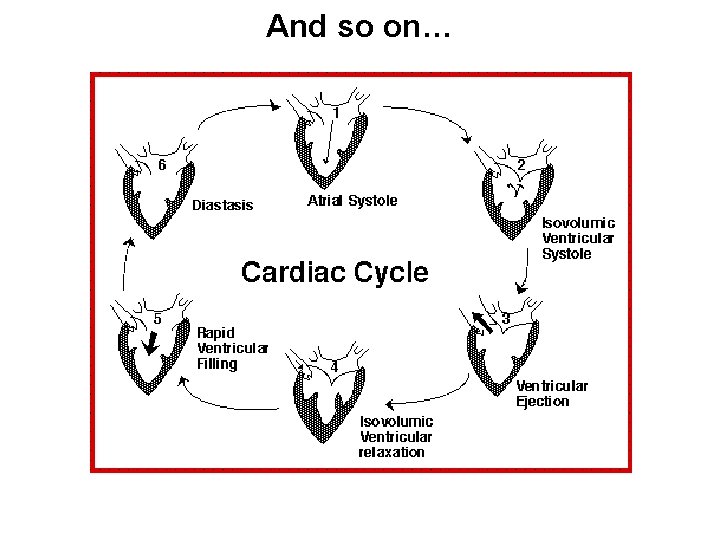
And so on…
Timing the Cardiac Cycle Assuming 75 bpm CC= 0. 8 sec 0. 1 sec 0. 3 sec 0. 4 sec