
The cardiac cycle and pressure changes O Level

- Slides: 16
The cardiac cycle and pressure changes O Level Biology M Shah
Today’s lesson • Topic covered: Transport in Humans • Syllabus requirement: • (d)describe the structure and function of the heart in terms of muscular contraction and the working of the valves
Mammals have a closed circulatory system that allows pressure to be maintained and regulated
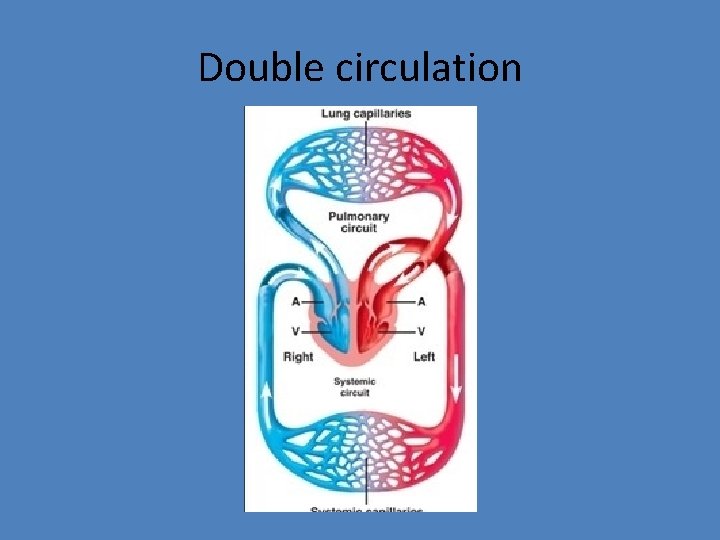
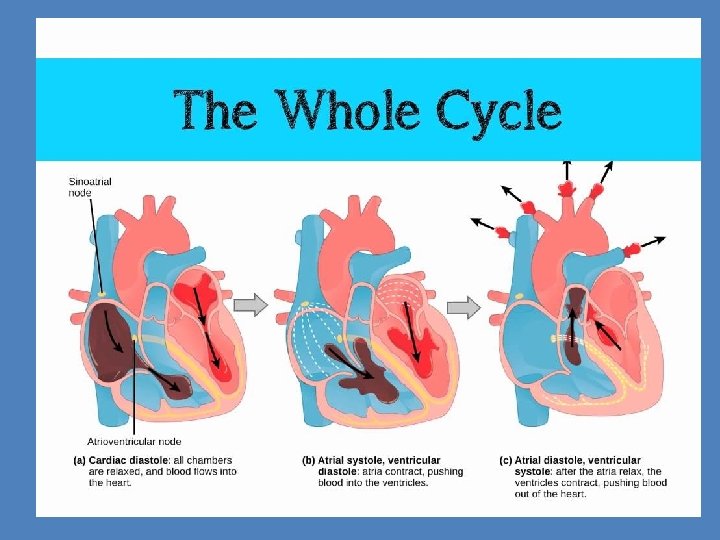
Double circulation
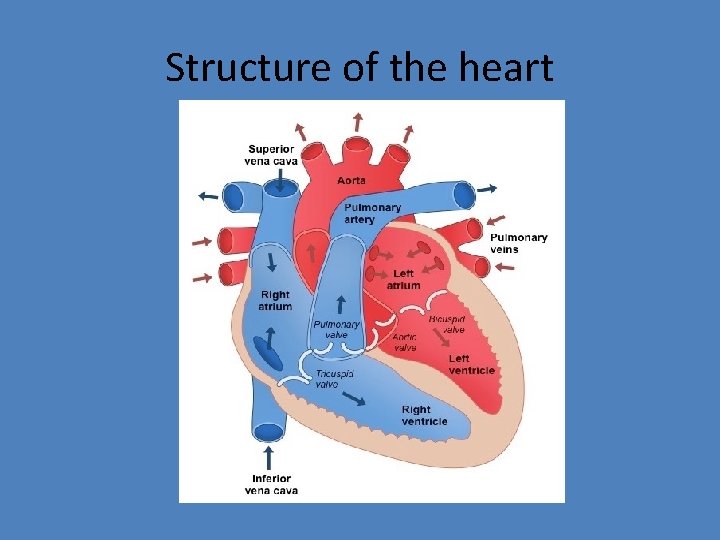
Structure of the heart
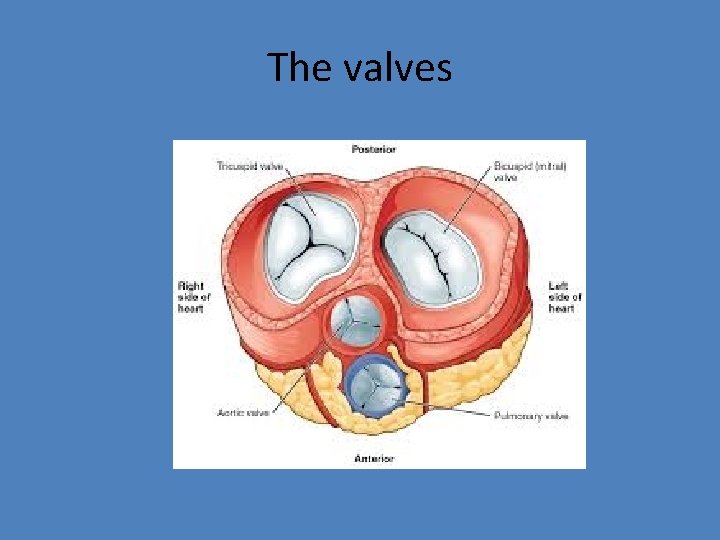
The valves
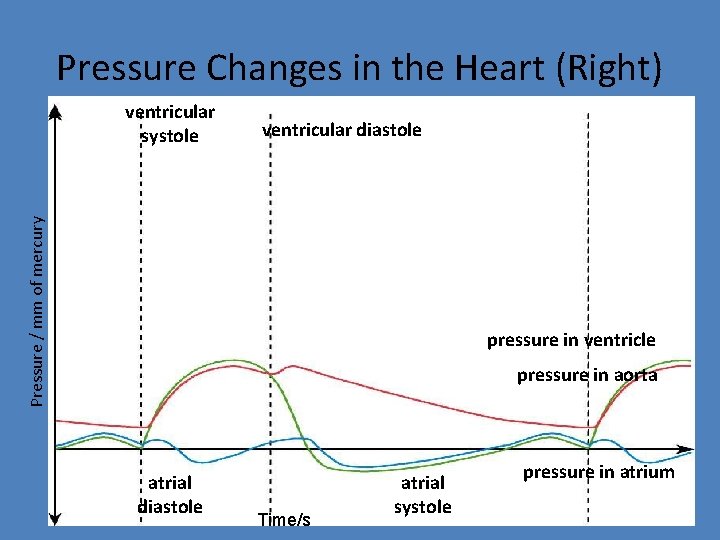
Pressure Changes in the Heart (Right) ventricular diastole Pressure / mm of mercury ventricular systole pressure in ventricle pressure in aorta atrial diastole Time/s atrial systole pressure in atrium
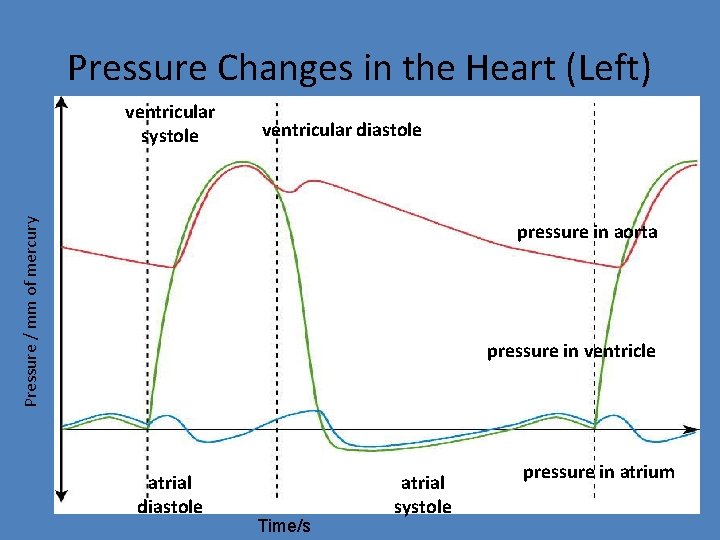
Pressure Changes in the Heart (Left) ventricular diastole Pressure / mm of mercury ventricular systole pressure in aorta pressure in ventricle atrial diastole Time/s atrial systole pressure in atrium
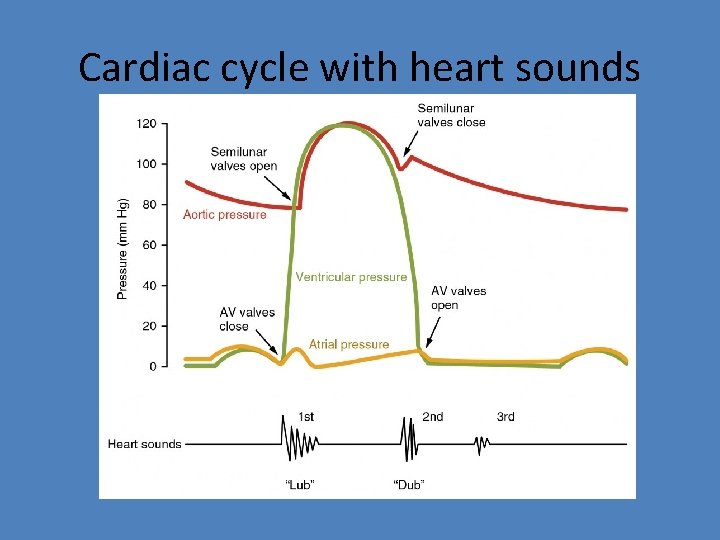
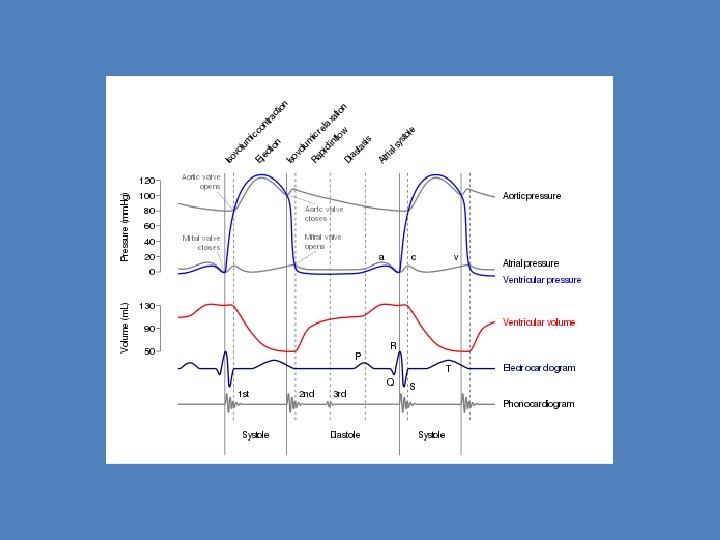
Cardiac cycle with heart sounds
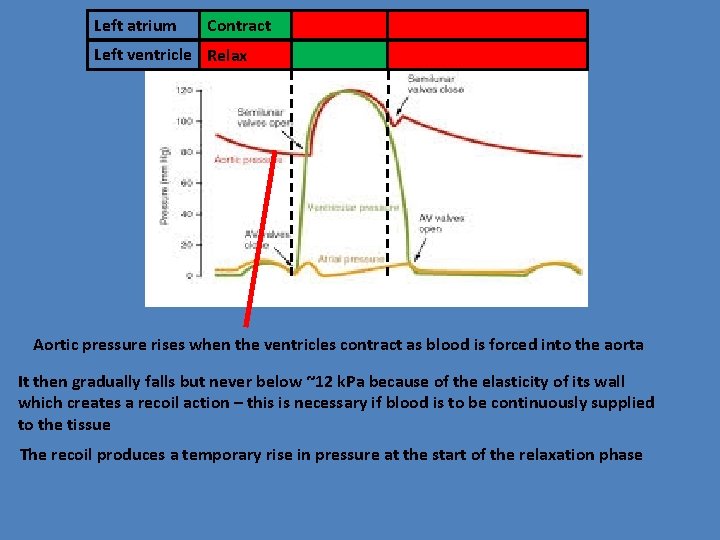
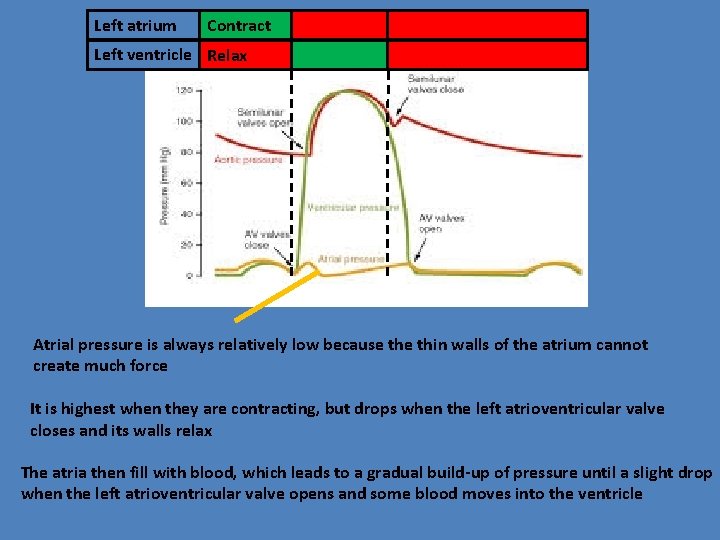
Left atrium Contract Left ventricle Relax Aortic pressure rises when the ventricles contract as blood is forced into the aorta It then gradually falls but never below ~12 k. Pa because of the elasticity of its wall which creates a recoil action – this is necessary if blood is to be continuously supplied to the tissue The recoil produces a temporary rise in pressure at the start of the relaxation phase
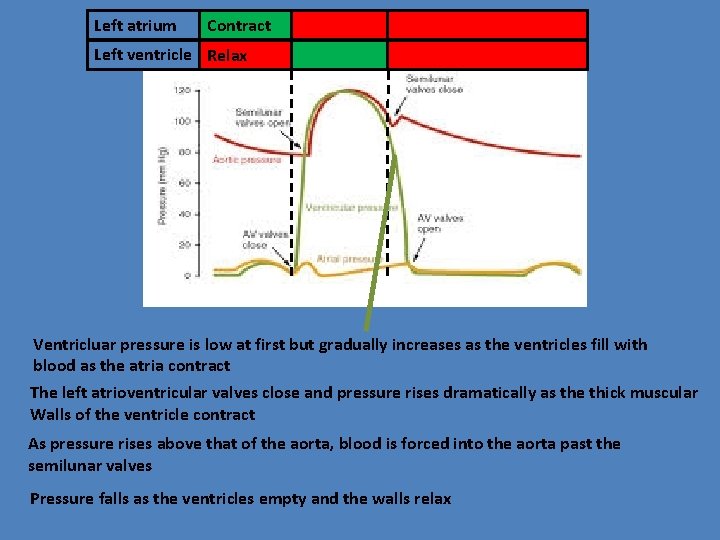
Left atrium Contract Left ventricle Relax Ventricluar pressure is low at first but gradually increases as the ventricles fill with blood as the atria contract The left atrioventricular valves close and pressure rises dramatically as the thick muscular Walls of the ventricle contract As pressure rises above that of the aorta, blood is forced into the aorta past the semilunar valves Pressure falls as the ventricles empty and the walls relax
Left atrium Contract Left ventricle Relax Atrial pressure is always relatively low because thin walls of the atrium cannot create much force It is highest when they are contracting, but drops when the left atrioventricular valve closes and its walls relax The atria then fill with blood, which leads to a gradual build-up of pressure until a slight drop when the left atrioventricular valve opens and some blood moves into the ventricle
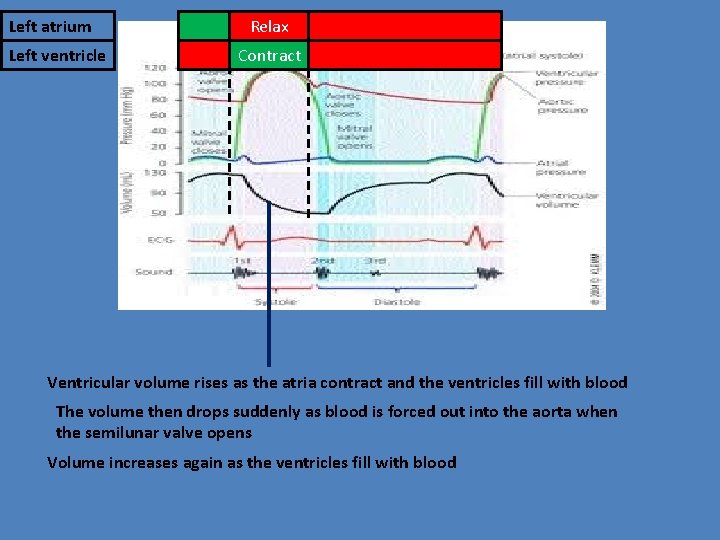
Left atrium Left ventricle Relax Contract Ventricular volume rises as the atria contract and the ventricles fill with blood The volume then drops suddenly as blood is forced out into the aorta when the semilunar valve opens Volume increases again as the ventricles fill with blood
Useful Video links Khan Academy : https: //youtu. be/XTF 0 -54 y. JMk Mr Pollock Biology: https: //www. youtube. com/watch? v=p 8 Jj-n 5 Kdj. M