
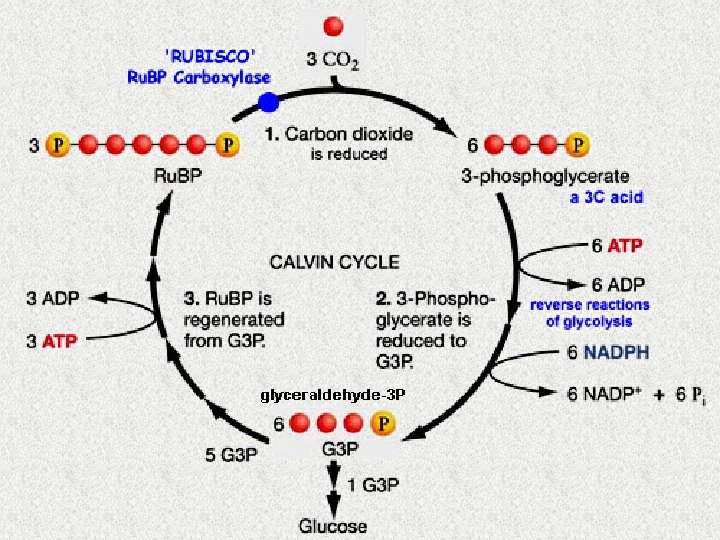
The Calvin Cycle Do Now 1 Complete diagram
- Slides: 12
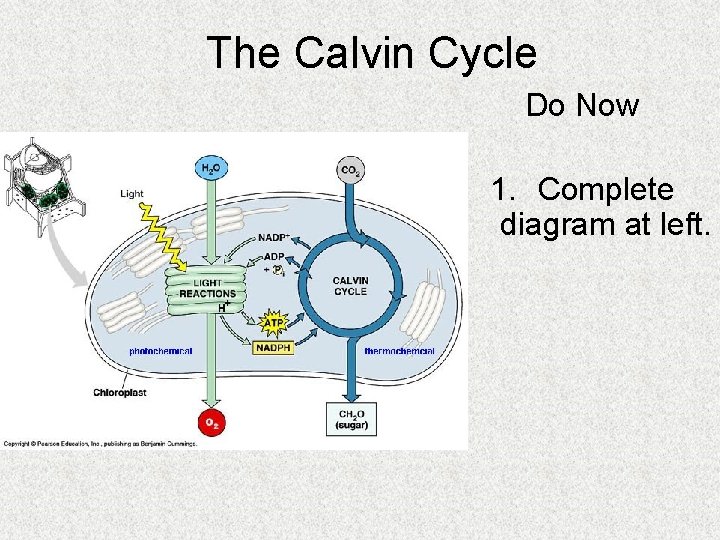
The Calvin Cycle Do Now 1. Complete diagram at left.
1 – minute review • Photosynthesis is the process most autotrophic organisms use to capture energy and build carbohydrates. • It requires light, CO 2, and H 2 O. It produces sugar and oxygen. • The light reactions capture solar energy, and store it in the energy carrier molecules ATP and NADPH, which are needed to power the Light-Independent Reactions, aka the Calvin Cycle
The Calvin Cycle • The Calvin Cycle (named after its discoverer) is the biochemical pathway that produces fixed carbon, in the form of glucose. • Carbon fixation is the process of bonding carbon to organic compounds.
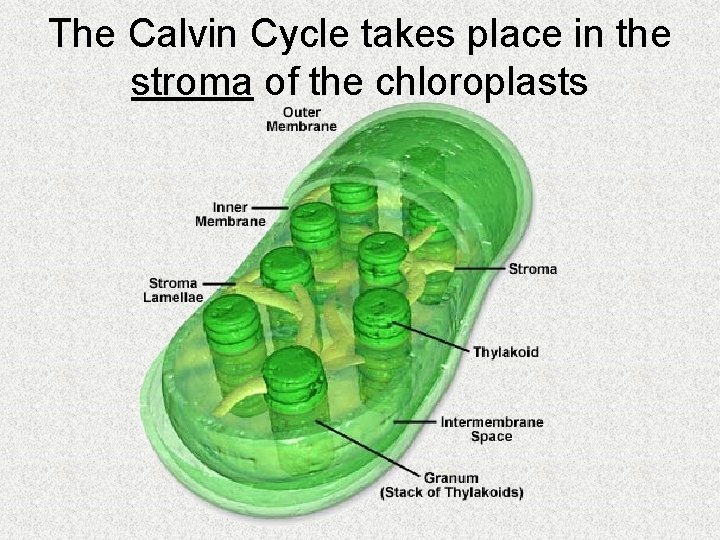
The Calvin Cycle takes place in the stroma of the chloroplasts
RUBISCO • Rubisco is the enzyme that fixes CO 2 from the atmosphere in green plants. As such, it is arguably THE most important biological enzyme on Earth.
Animation! • http: //www. science. smith. edu/departments /Biology/Bio 231/calvin. html
Recap • The Calvin Cycle is the most common pathway plants use for carbon fixation. • Cabon fixation is the process of using CO 2 from the air to build organic compounds. • It takes a lot of energy from the light reactions to power the Calvin Cycle (detail: 18 ATP & 12 NADPH for 1 molecule of glucose!)
The Rate of Photosynthesis • Several factors can affect the speed at which photosynthesis happens. Most importantly, light and temperature.
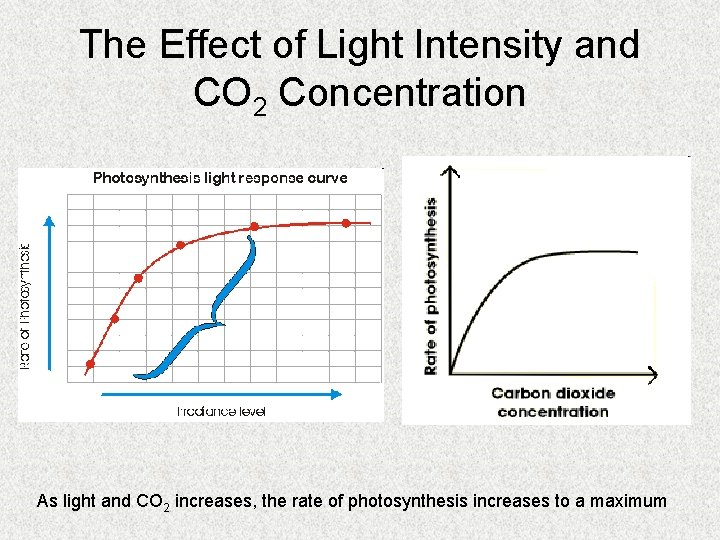
The Effect of Light Intensity and CO 2 Concentration As light and CO 2 increases, the rate of photosynthesis increases to a maximum
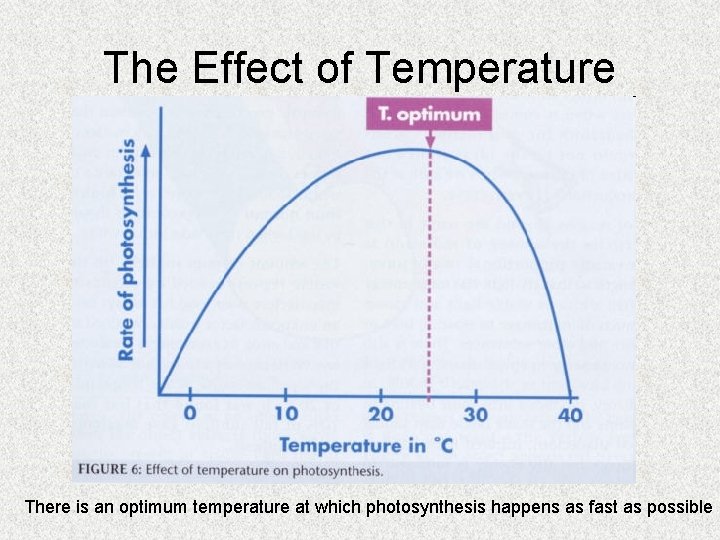
The Effect of Temperature There is an optimum temperature at which photosynthesis happens as fast as possible
What’s Next? • Tomorrow: other forms of carbon fixation.