
The Byzantine Empire 330 1453 AD The Byzantine

The Byzantine Empire 330 -1453 AD
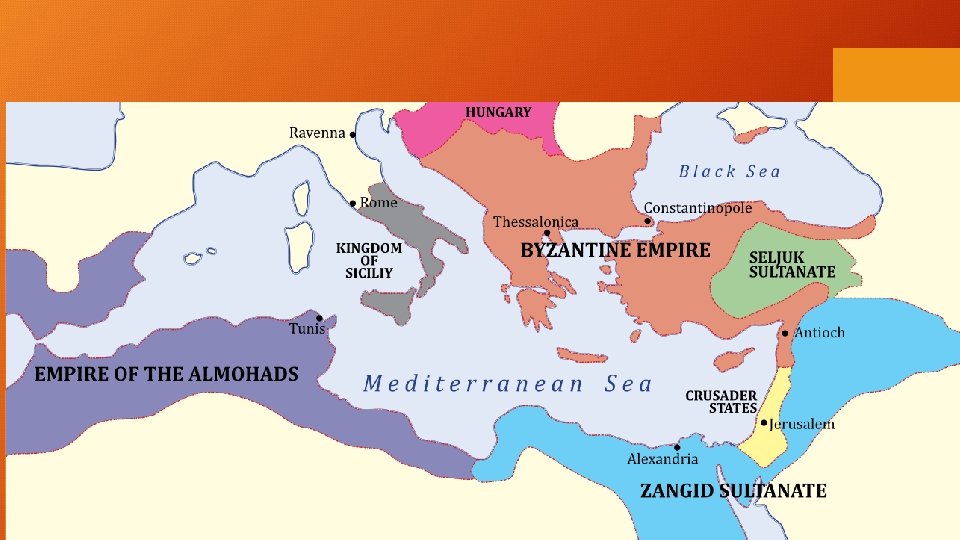
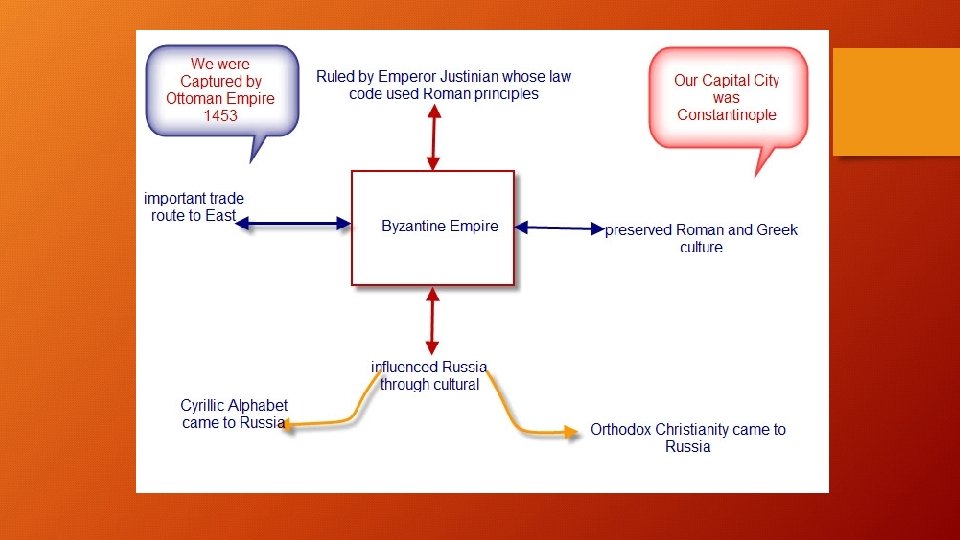
The Byzantine Empire • In 330 AD, the Emperor Constantine moved the capital of the Roman Empire from Rome to Byzantium, a Greek city in the eastern part of the empire. He renamed it Constantinople. The city was strategically located on the Bosporus Straight, a waterway that connected the Black Sea and the Mediterranean Sea. • The city was surrounded by water on three sides with a large brick wall, making it tough to attack. This part of the "old" Roman Empire will thrive for the next 1000 years. It became known as the Byzantine Empire. They remain an imperial style government and rule over a very diverse population. They will also develop their own form of Christianity, known as Eastern Orthodox Christianity. It was separate from the Roman Catholic Church. The church language was Greek.
Reasons for the Survival of the Byzantine Empire • 1. Classic Culture – Byzantium Benefited from a rich fusion of Greek, Roman, Christian and Middle Eastern culture. • 2. Strong Central Government – Byzantium was ruled by a series of powerful Emperors with strong central governments
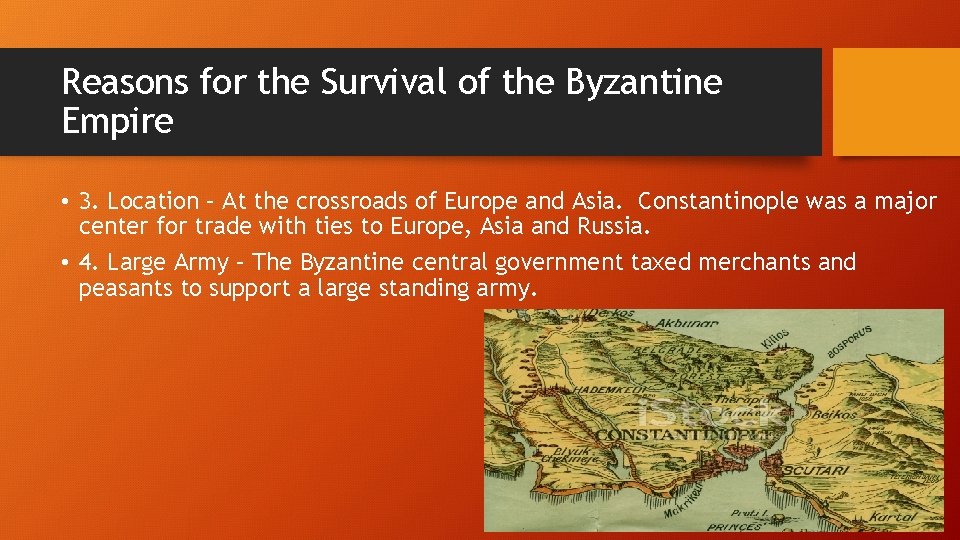
Reasons for the Survival of the Byzantine Empire • 3. Location – At the crossroads of Europe and Asia. Constantinople was a major center for trade with ties to Europe, Asia and Russia. • 4. Large Army – The Byzantine central government taxed merchants and peasants to support a large standing army.
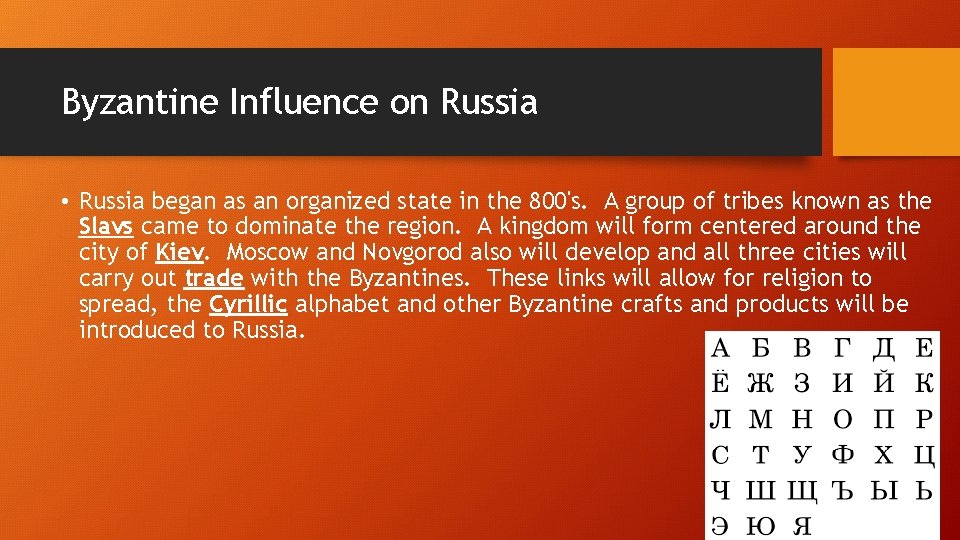
Byzantine Influence on Russia • Russia began as an organized state in the 800's. A group of tribes known as the Slavs came to dominate the region. A kingdom will form centered around the city of Kiev. Moscow and Novgorod also will develop and all three cities will carry out trade with the Byzantines. These links will allow for religion to spread, the Cyrillic alphabet and other Byzantine crafts and products will be introduced to Russia.
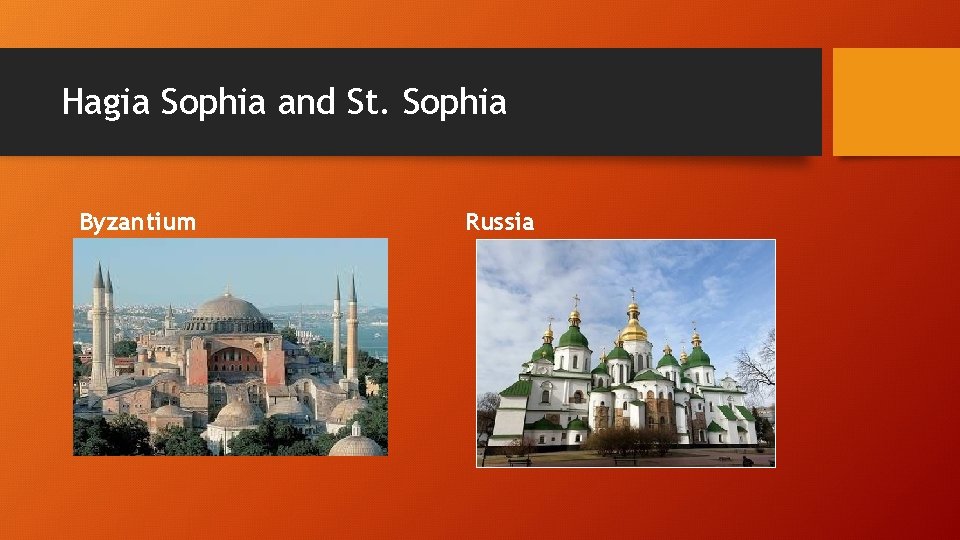
Hagia Sophia and St. Sophia Byzantium Russia
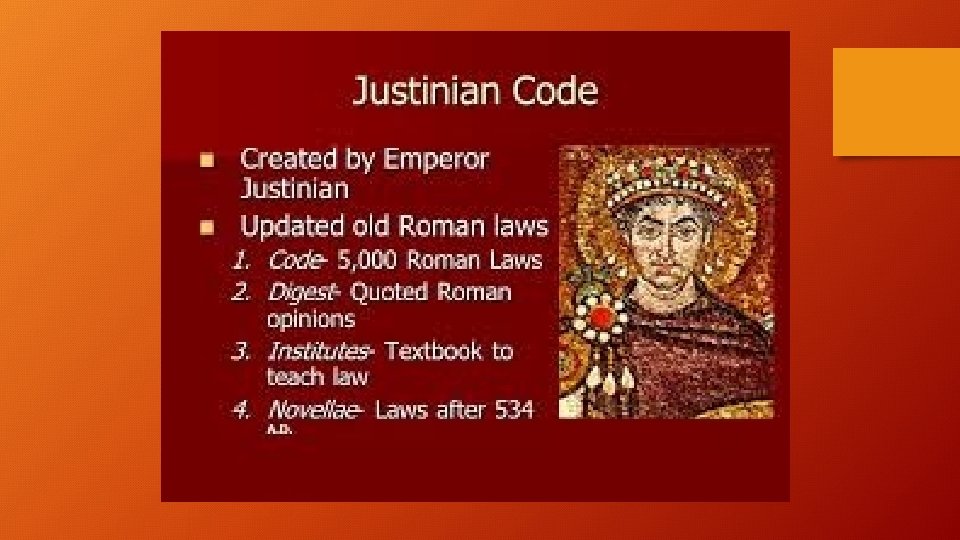
Rise and Fall • The size of the Byzantine Empire will vary throughout time. It will cover parts of the Middle East, the Balkans, and other parts of the old Roman Empire. The great Byzantine Emperor Justinian will grow the empire out and he will set up a code of laws known as the Justinian Code. The empire from about 1071 to 1453 slowly declined as attacks from Slavs, Avers and Seljuk's all took their toll. By 1453, the Ottoman Turks will capture the city of Constantinople.
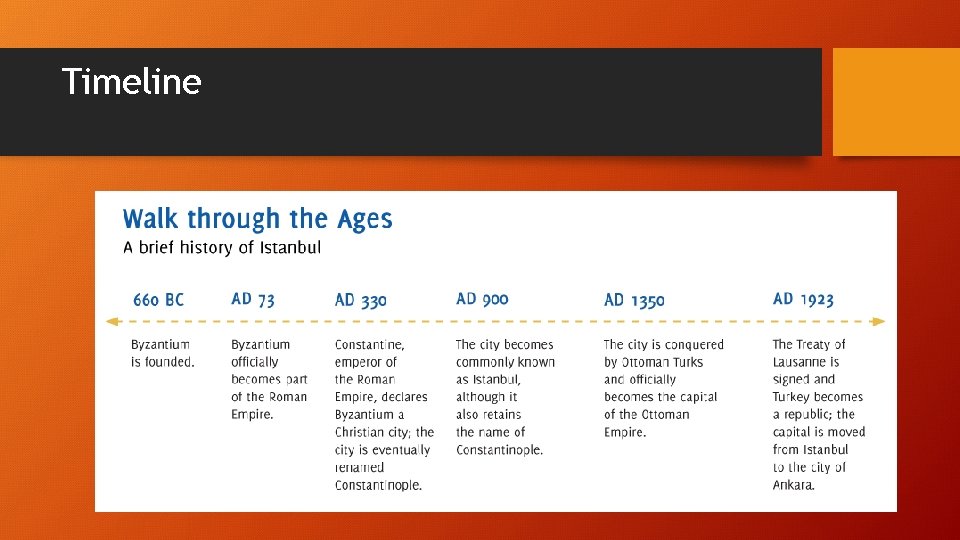
Timeline
Legacy of the Byzantine Empire • 1. Preserved Ancient Cultures – Preserved the cultural heritage of the Classical Civilizations of Greece and Rome and saved ancient texts from Barbarians • 2. Code of Justinian – Consolidated Roman Laws into a single law code which will influence later law systems.
Legacy of the Byzantine Empire • 3. New Form of Christianity – Eastern Orthodox Church led by a patriarch and the Emperor in Constantinople rather than the Pope in Rome. • 4. Protection Against Invasion – Protected parts of Western Europe from the spread of Islam and invasion by Slavs. • 5. The Arts – Known for mosaics, painted icons, silks and jewelry. Built the Hagias Sophia, one of the worlds most beautiful buildings.
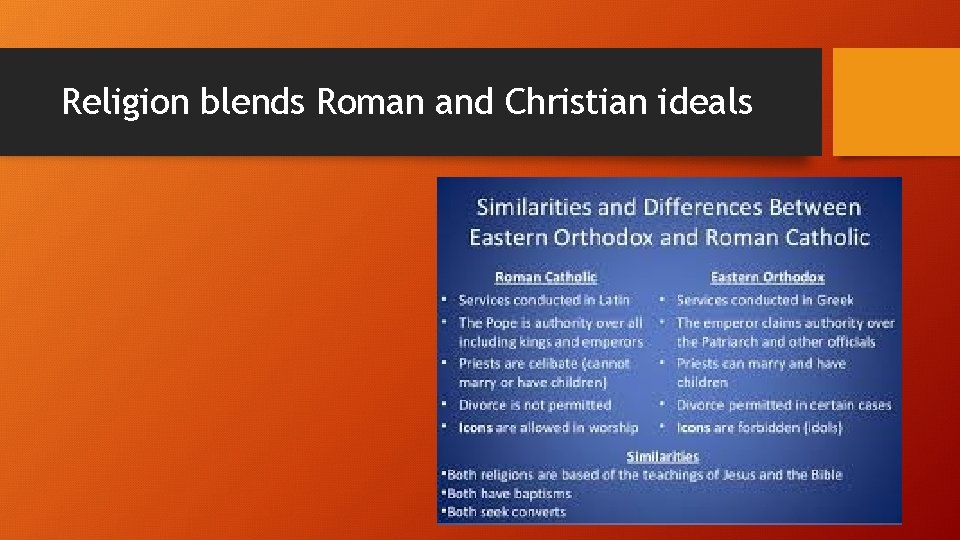
Religion blends Roman and Christian ideals
- Slides: 14