
The Burden of HPV Cancers Texas Pediatric Society
The Burden of HPV Cancers Texas Pediatric Society HPV Half-Day Conference Lois M Ramondetta MD Professor Gynecologic Oncology Co-Leader HPV-Related Cancers Moon Shot UT MD Anderson Cancer Center & Harris Health System
Disclosure • No conflicts or disclosures
The Burden of HPV Cancers Objectives 1 -Review types of HPV associated cancers 2 -Discuss screening recommendations associated with these cancers

Preventable…

My Service
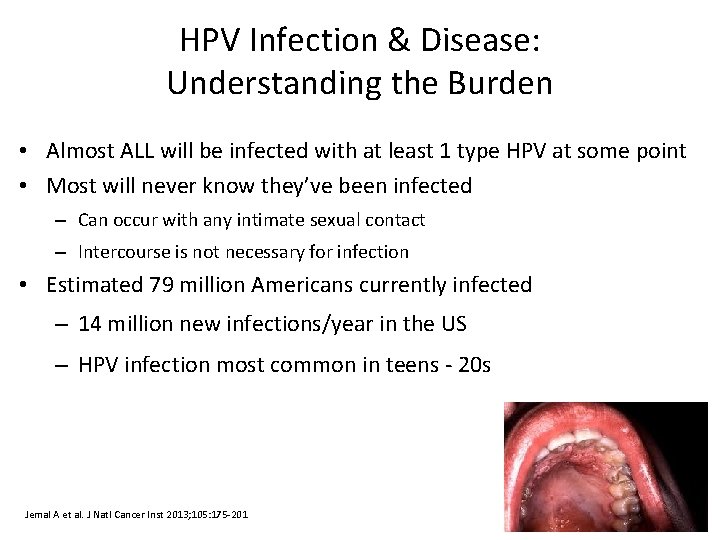
HPV Infection & Disease: Understanding the Burden • Almost ALL will be infected with at least 1 type HPV at some point • Most will never know they’ve been infected – Can occur with any intimate sexual contact – Intercourse is not necessary for infection • Estimated 79 million Americans currently infected – 14 million new infections/year in the US – HPV infection most common in teens - 20 s Jemal A et al. J Natl Cancer Inst 2013; 105: 175 -201
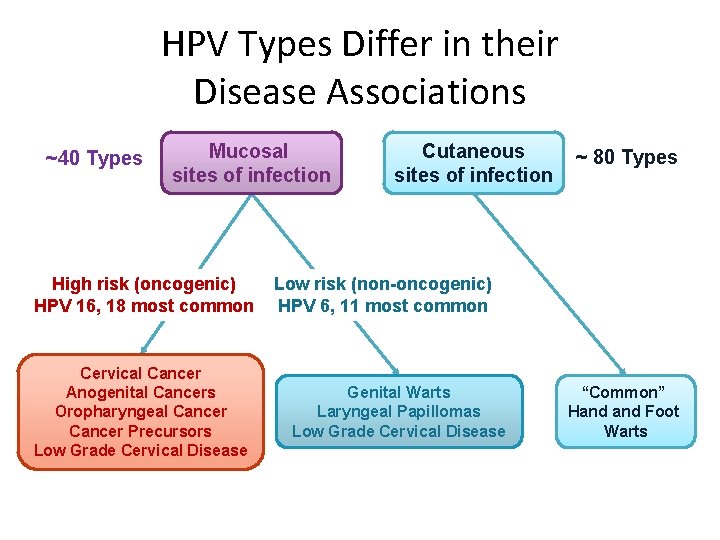
HPV Types Differ in their Disease Associations ~40 Types Mucosal sites of infection High risk (oncogenic) HPV 16, 18 most common Cervical Cancer Anogenital Cancers Oropharyngeal Cancer Precursors Low Grade Cervical Disease Cutaneous sites of infection ~ 80 Types Low risk (non-oncogenic) HPV 6, 11 most common Genital Warts Laryngeal Papillomas Low Grade Cervical Disease “Common” Hand Foot Warts
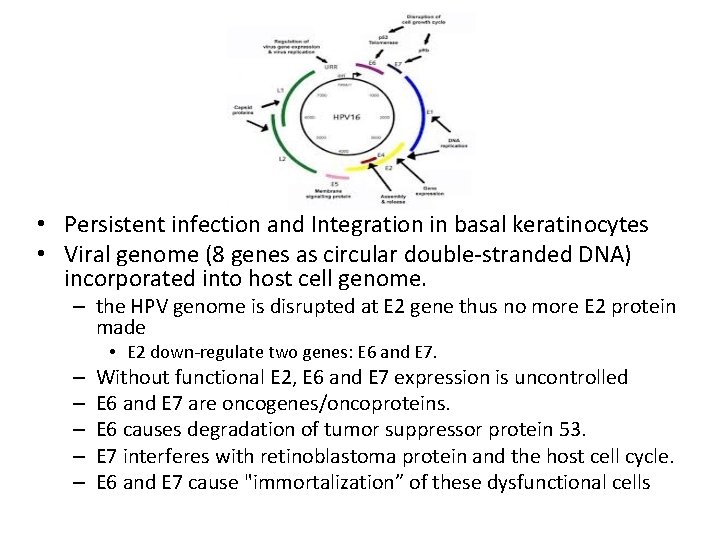
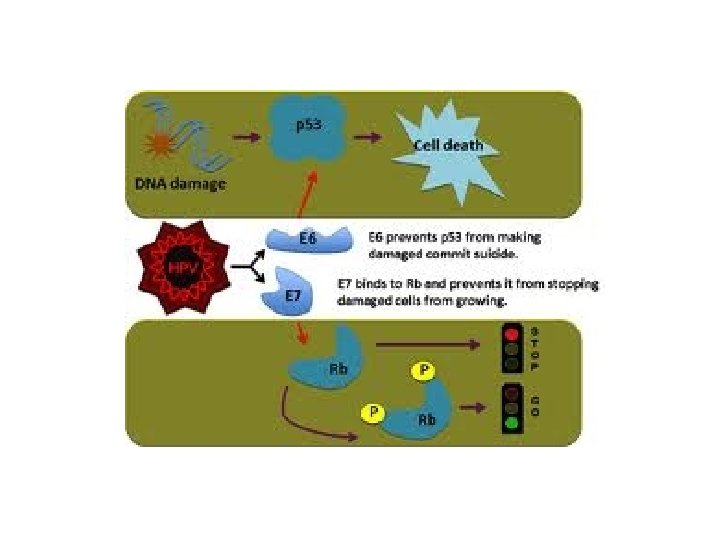
• Persistent infection and Integration in basal keratinocytes • Viral genome (8 genes as circular double-stranded DNA) incorporated into host cell genome. – the HPV genome is disrupted at E 2 gene thus no more E 2 protein made • E 2 down-regulate two genes: E 6 and E 7. – – – Without functional E 2, E 6 and E 7 expression is uncontrolled E 6 and E 7 are oncogenes/oncoproteins. E 6 causes degradation of tumor suppressor protein 53. E 7 interferes with retinoblastoma protein and the host cell cycle. E 6 and E 7 cause "immortalization” of these dysfunctional cells
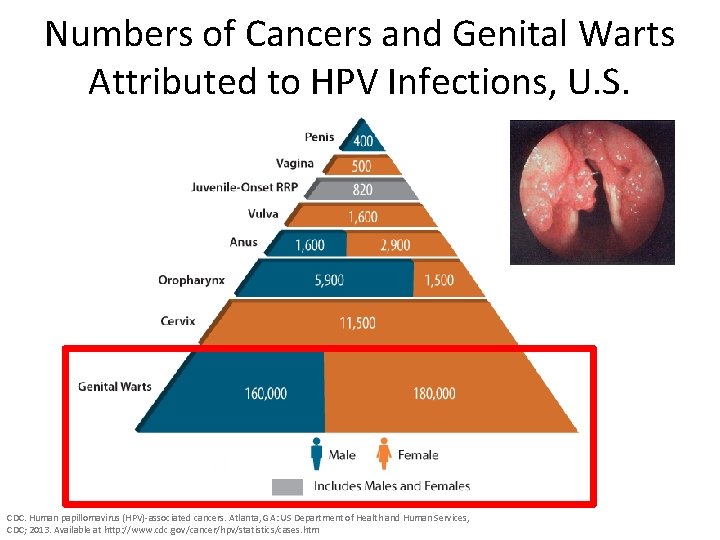
Numbers of Cancers and Genital Warts Attributed to HPV Infections, U. S. CDC. Human papillomavirus (HPV)-associated cancers. Atlanta, GA: US Department of Health and Human Services, CDC; 2013. Available at http: //www. cdc. gov/cancer/hpv/statistics/cases. htm
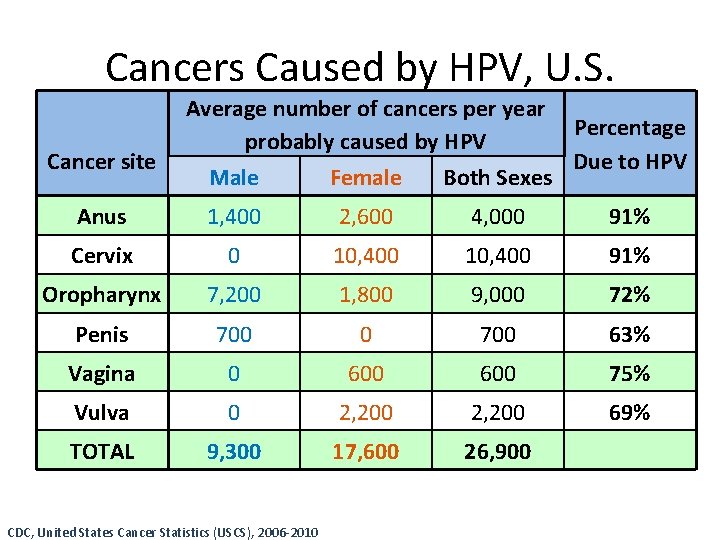
Cancers Caused by HPV, U. S. Cancer site Average number of cancers per year Percentage probably caused by HPV Due to HPV Male Female Both Sexes Anus 1, 400 2, 600 4, 000 91% Cervix 0 10, 400 91% Oropharynx 7, 200 1, 800 9, 000 72% Penis 700 0 700 63% Vagina 0 600 75% Vulva 0 2, 200 69% TOTAL 9, 300 17, 600 26, 900 CDC, United States Cancer Statistics (USCS), 2006 -2010

J Natl Cancer Inst 2013
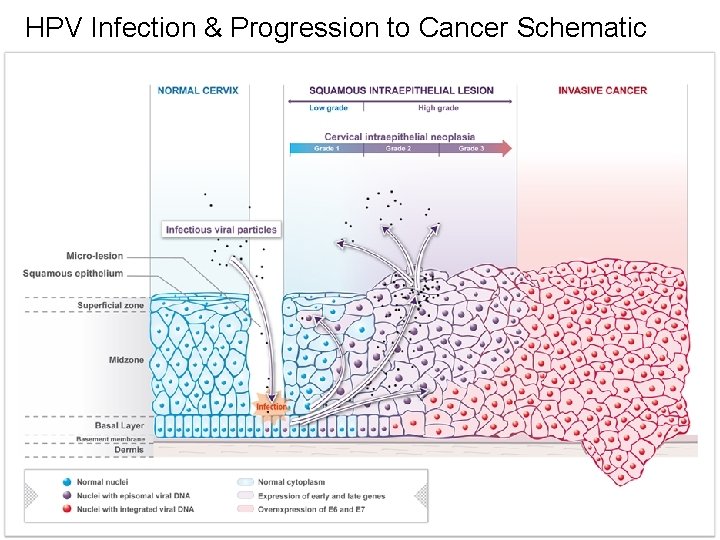
HPV Infection & Progression to Cancer Schematic
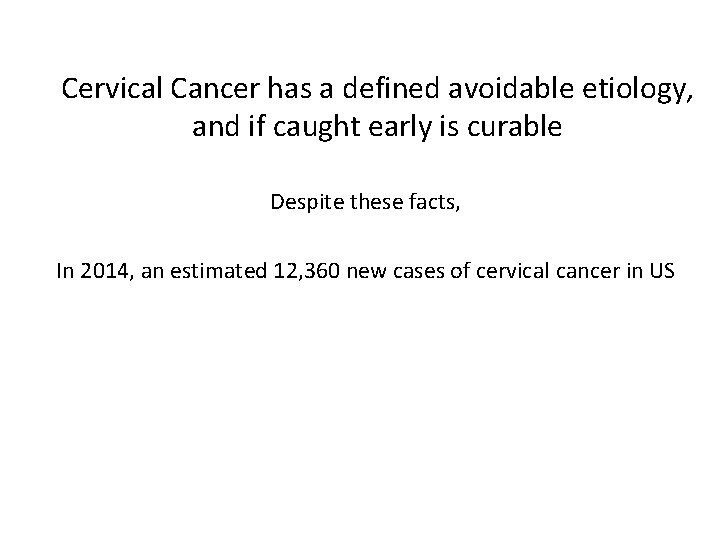
Cervical Cancer has a defined avoidable etiology, and if caught early is curable Despite these facts, In 2014, an estimated 12, 360 new cases of cervical cancer in US
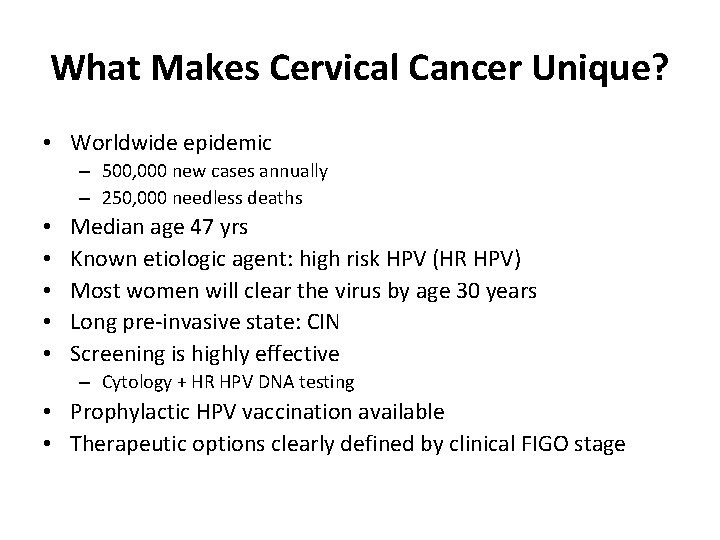
What Makes Cervical Cancer Unique? • Worldwide epidemic – 500, 000 new cases annually – 250, 000 needless deaths • • • Median age 47 yrs Known etiologic agent: high risk HPV (HR HPV) Most women will clear the virus by age 30 years Long pre-invasive state: CIN Screening is highly effective – Cytology + HR HPV DNA testing • Prophylactic HPV vaccination available • Therapeutic options clearly defined by clinical FIGO stage
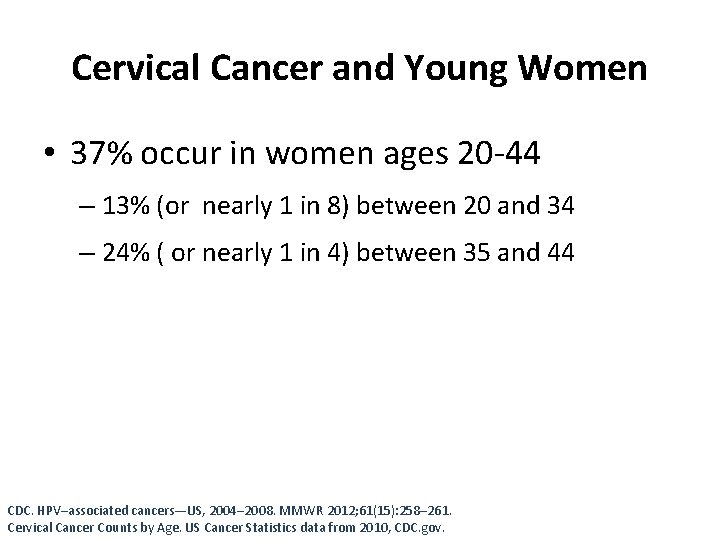
Cervical Cancer and Young Women • 37% occur in women ages 20 -44 – 13% (or nearly 1 in 8) between 20 and 34 – 24% ( or nearly 1 in 4) between 35 and 44 CDC. HPV–associated cancers—US, 2004– 2008. MMWR 2012; 61(15): 258– 261. Cervical Cancer Counts by Age. US Cancer Statistics data from 2010, CDC. gov.
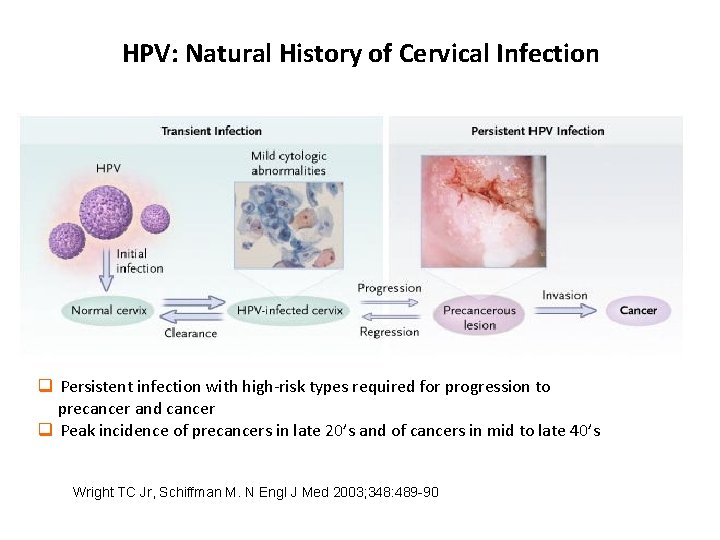
HPV: Natural History of Cervical Infection q Persistent infection with high-risk types required for progression to precancer and cancer q Peak incidence of precancers in late 20’s and of cancers in mid to late 40’s Wright TC Jr, Schiffman M. N Engl J Med 2003; 348: 489 -90
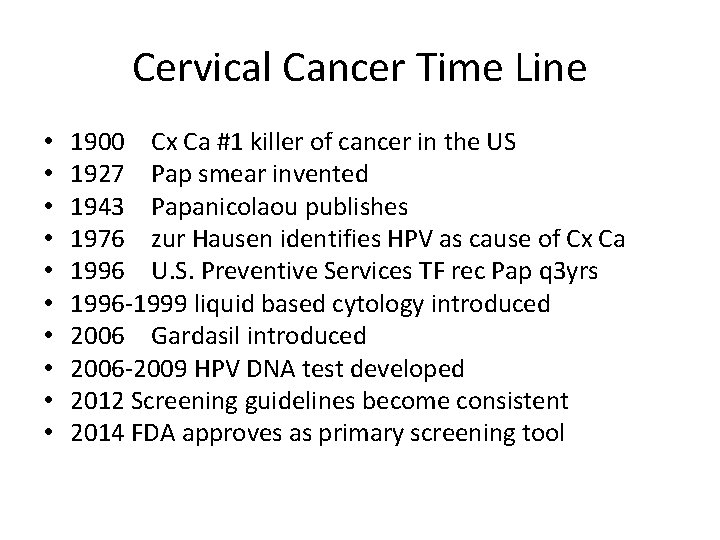
Cervical Cancer Time Line • • • 1900 Cx Ca #1 killer of cancer in the US 1927 Pap smear invented 1943 Papanicolaou publishes 1976 zur Hausen identifies HPV as cause of Cx Ca 1996 U. S. Preventive Services TF rec Pap q 3 yrs 1996 -1999 liquid based cytology introduced 2006 Gardasil introduced 2006 -2009 HPV DNA test developed 2012 Screening guidelines become consistent 2014 FDA approves as primary screening tool
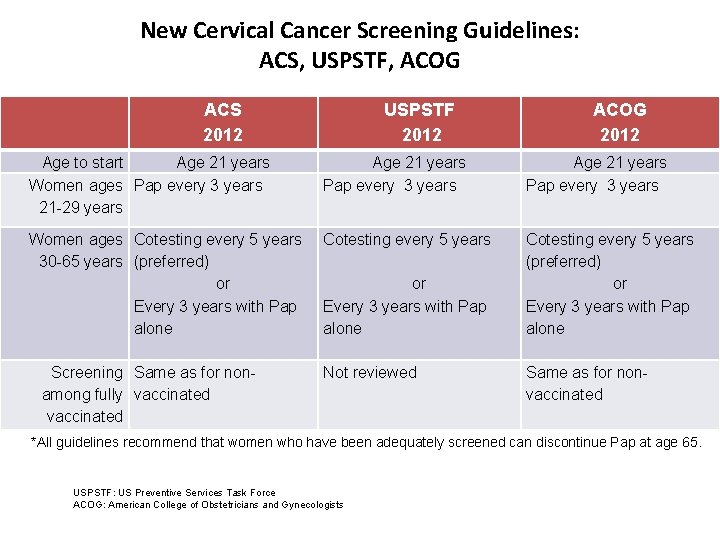
New Cervical Cancer Screening Guidelines: ACS, USPSTF, ACOG ACS 2012 Age to start Age 21 years Women ages Pap every 3 years 21 -29 years Women ages Cotesting every 5 years 30 -65 years (preferred) or Every 3 years with Pap alone Screening Same as for nonamong fully vaccinated USPSTF 2012 ACOG 2012 Age 21 years Pap every 3 years Cotesting every 5 years (preferred) or Every 3 years with Pap alone Not reviewed Same as for nonvaccinated *All guidelines recommend that women who have been adequately screened can discontinue Pap at age 65. ACS: American Cancer Society USPSTF: US Preventive Services Task Force ACOG: American College of Obstetricians and Gynecologists
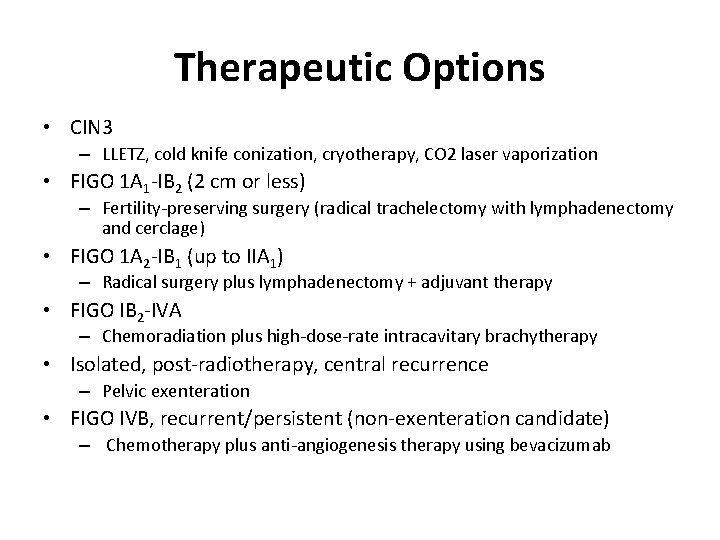
Therapeutic Options • CIN 3 – LLETZ, cold knife conization, cryotherapy, CO 2 laser vaporization • FIGO 1 A 1 -IB 2 (2 cm or less) – Fertility-preserving surgery (radical trachelectomy with lymphadenectomy and cerclage) • FIGO 1 A 2 -IB 1 (up to IIA 1) – Radical surgery plus lymphadenectomy + adjuvant therapy • FIGO IB 2 -IVA – Chemoradiation plus high-dose-rate intracavitary brachytherapy • Isolated, post-radiotherapy, central recurrence – Pelvic exenteration • FIGO IVB, recurrent/persistent (non-exenteration candidate) – Chemotherapy plus anti-angiogenesis therapy using bevacizumab
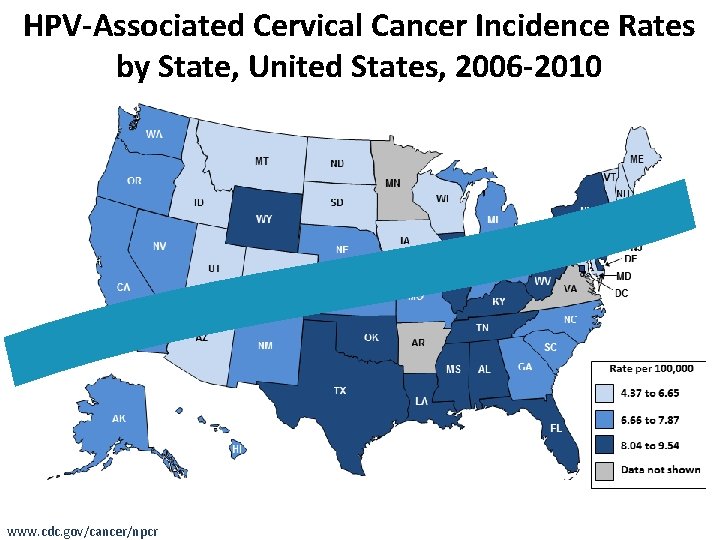
HPV-Associated Cervical Cancer Incidence Rates by State, United States, 2006 -2010 www. cdc. gov/cancer/npcr
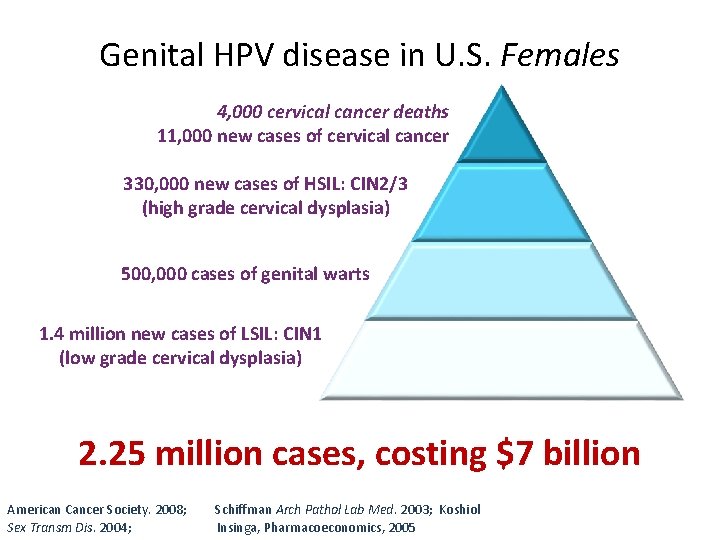
Genital HPV disease in U. S. Females 4, 000 cervical cancer deaths 11, 000 new cases of cervical cancer 330, 000 new cases of HSIL: CIN 2/3 (high grade cervical dysplasia) 500, 000 cases of genital warts 1. 4 million new cases of LSIL: CIN 1 (low grade cervical dysplasia) 2. 25 million cases, costing $7 billion American Cancer Society. 2008; Sex Transm Dis. 2004; Schiffman Arch Pathol Lab Med. 2003; Koshiol Insinga, Pharmacoeconomics, 2005
Correlation between HPV and cervical cancer is higher than that between smoking and lung cancer
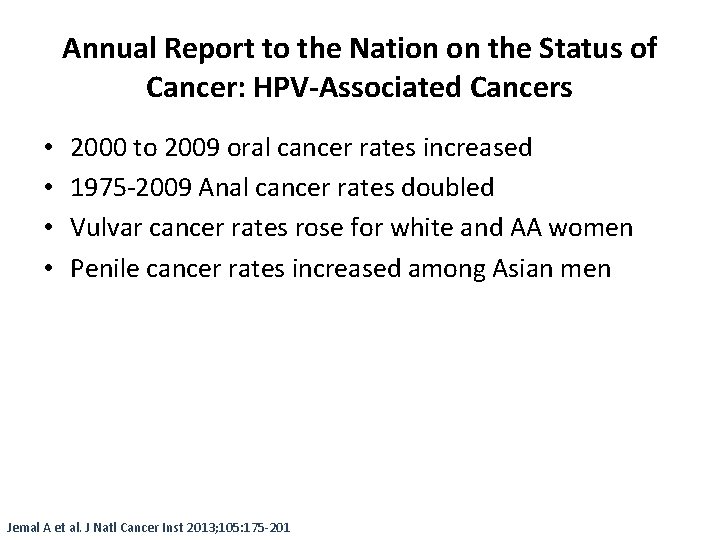
Annual Report to the Nation on the Status of Cancer: HPV-Associated Cancers • • 2000 to 2009 oral cancer rates increased 1975 -2009 Anal cancer rates doubled Vulvar cancer rates rose for white and AA women Penile cancer rates increased among Asian men Jemal A et al. J Natl Cancer Inst 2013; 105: 175 -201
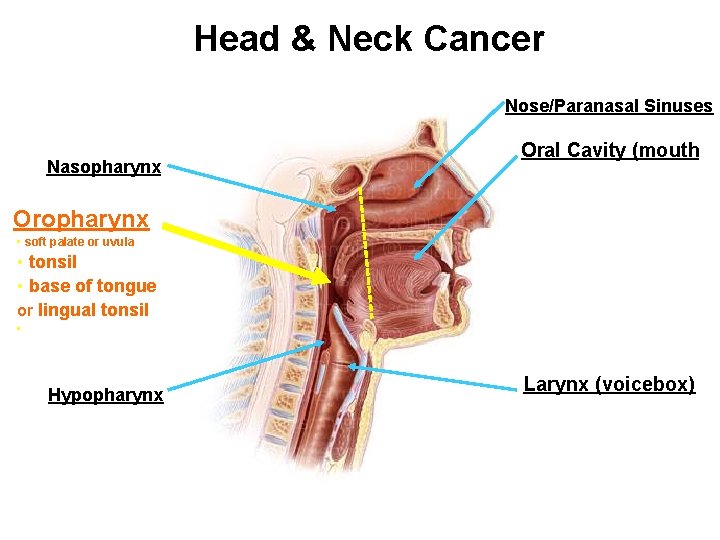
Head & Neck Cancer Nose/Paranasal Sinuses Nasopharynx Oral Cavity (mouth) Oropharynx • soft palate or uvula • tonsil • base of tongue or lingual tonsil • posterior or lateral oropharyngeal wall Hypopharynx Larynx (voicebox)
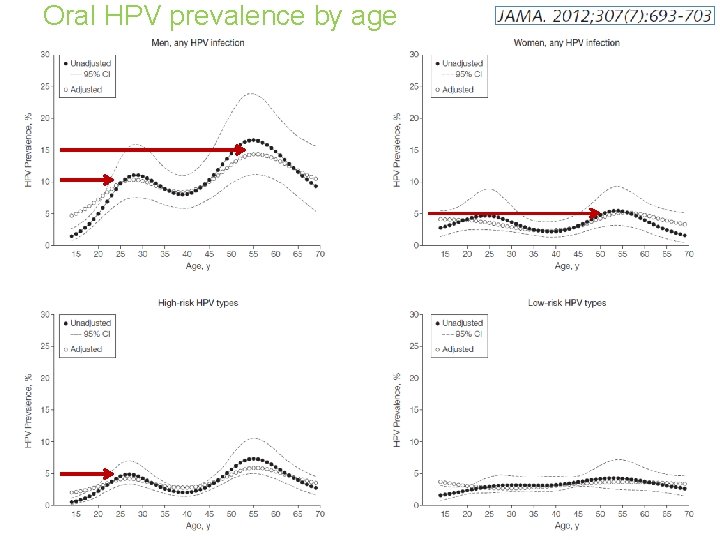
Oral HPV prevalence by age
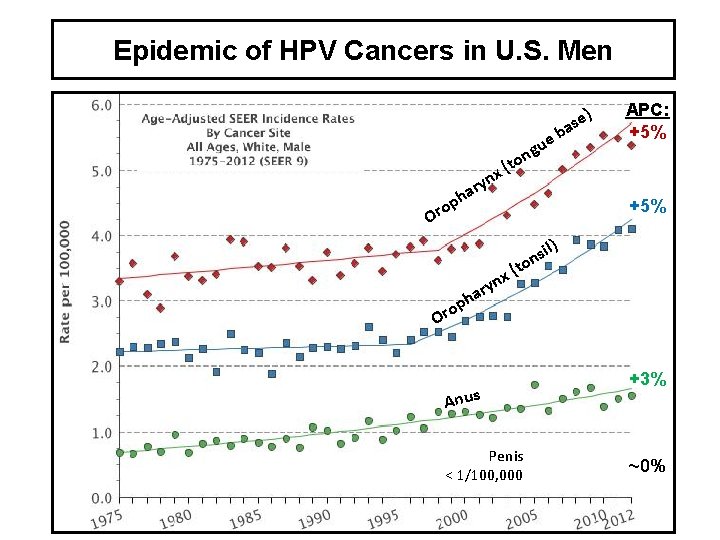
Epidemic of HPV Cancers in U. S. Men ) ase e b u g ton APC: +5% ( h p o r x n y r a +5% O l) i s n (to x n y r a h op r O Anus Penis < 1/100, 000 +3% ~0%
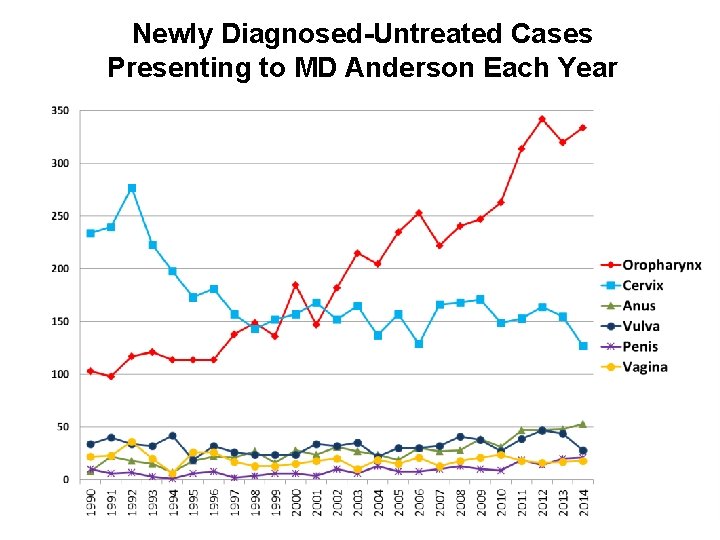
Number of Cases Newly Diagnosed-Untreated Cases Presenting to MD Anderson Each Year
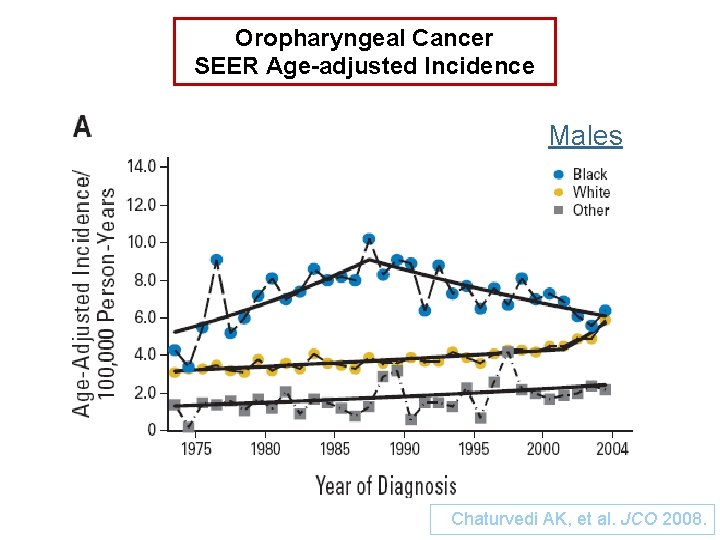
Oropharyngeal Cancer SEER Age-adjusted Incidence Males Chaturvedi AK, et al. JCO 2008.
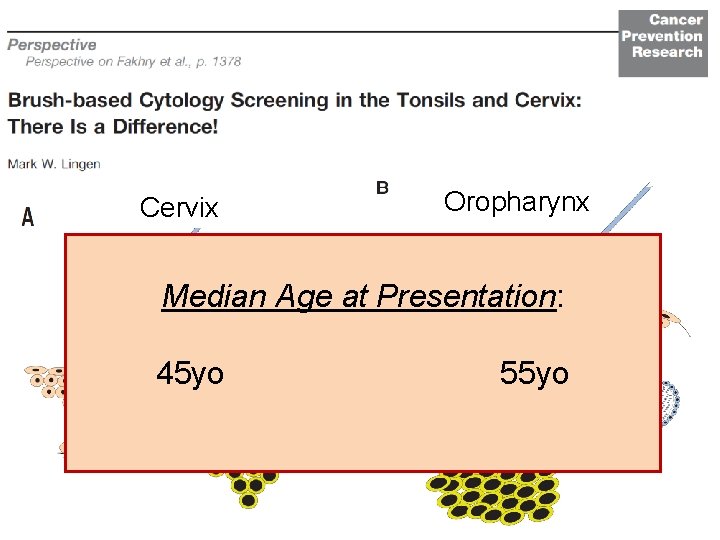
Cervix Oropharynx Median Age at Presentation: 45 yo 55 yo
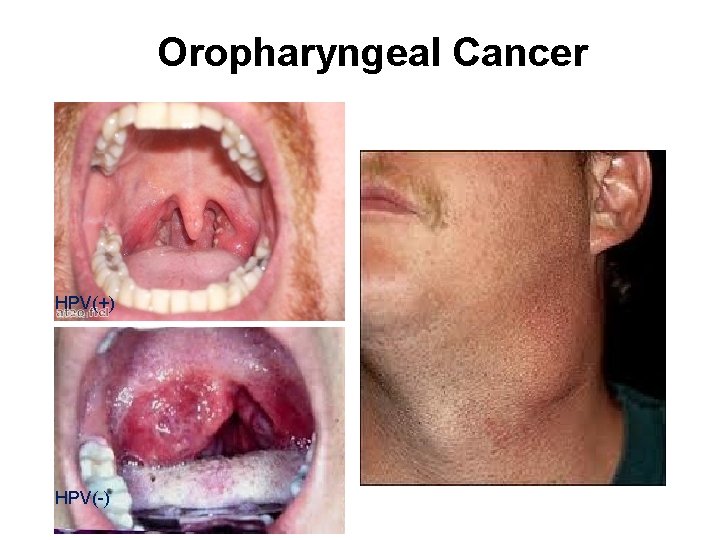
Oropharyngeal Cancer HPV(+) HPV(-)
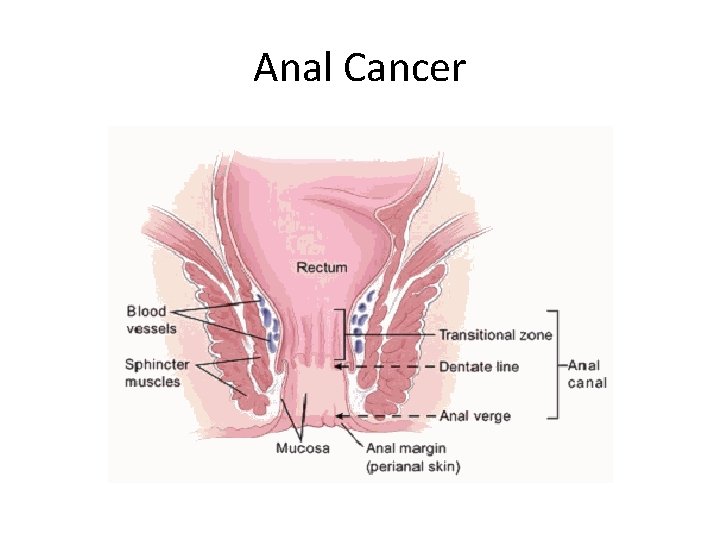
Anal Cancer
Increased risk of anal cancer • HIV-positive men and women • Men who have sex with men • Iatrogenic immunosuppression (eg, solid organ transplant recipients, long term oral corticosteroids) • Women with a history of high-grade cervical, vulvar, vaginal dysplasia or cancer • Individuals with a history of anal warts
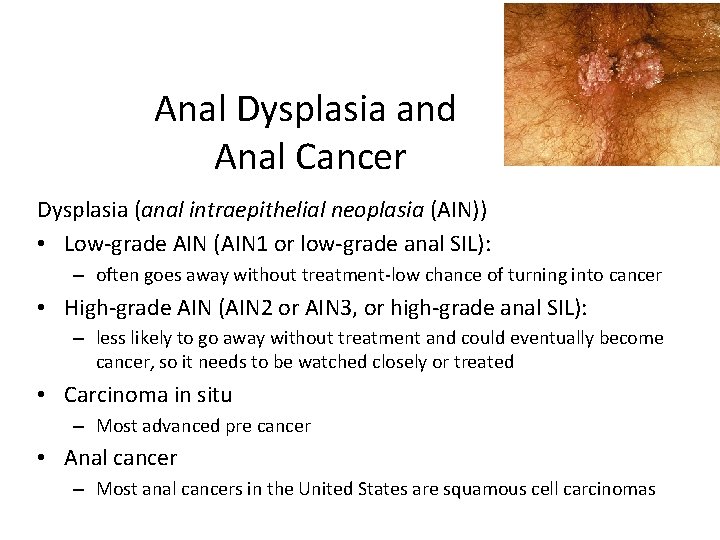
Anal Dysplasia and Anal Cancer Dysplasia (anal intraepithelial neoplasia (AIN)) • Low-grade AIN (AIN 1 or low-grade anal SIL): – often goes away without treatment-low chance of turning into cancer • High-grade AIN (AIN 2 or AIN 3, or high-grade anal SIL): – less likely to go away without treatment and could eventually become cancer, so it needs to be watched closely or treated • Carcinoma in situ – Most advanced pre cancer • Anal cancer – Most anal cancers in the United States are squamous cell carcinomas
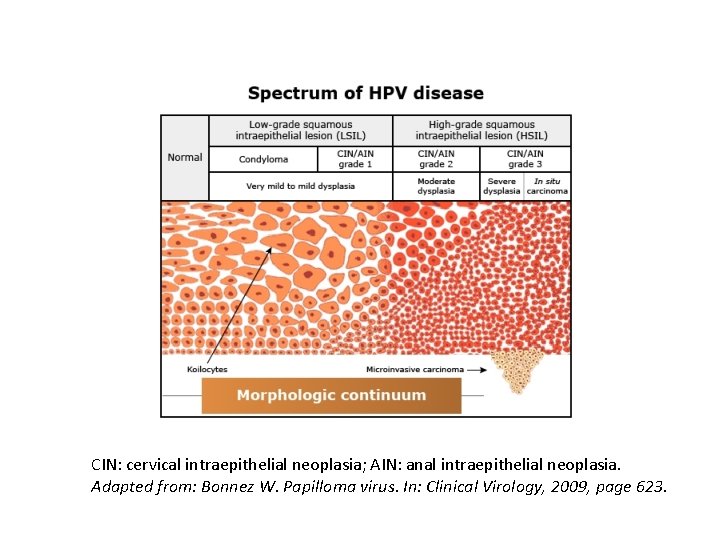
CIN: cervical intraepithelial neoplasia; AIN: anal intraepithelial neoplasia. Adapted from: Bonnez W. Papilloma virus. In: Clinical Virology, 2009, page 623.
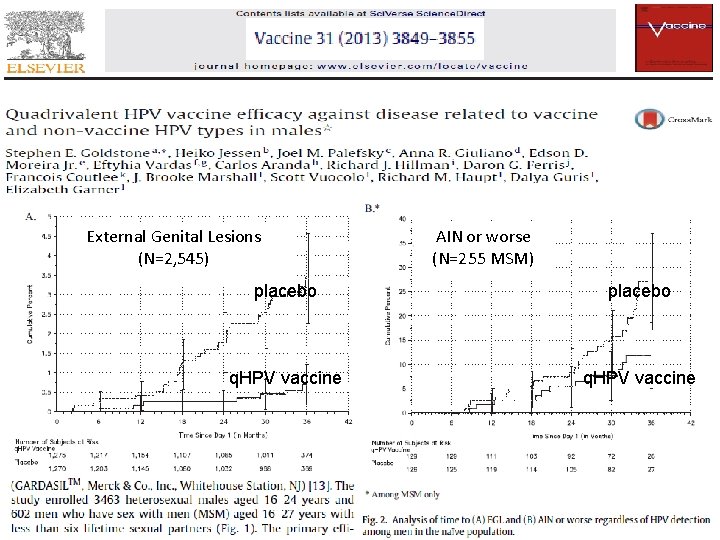
External Genital Lesions (N=2, 545) AIN or worse (N=255 MSM) placebo q. HPV vaccine
Penile Cancer
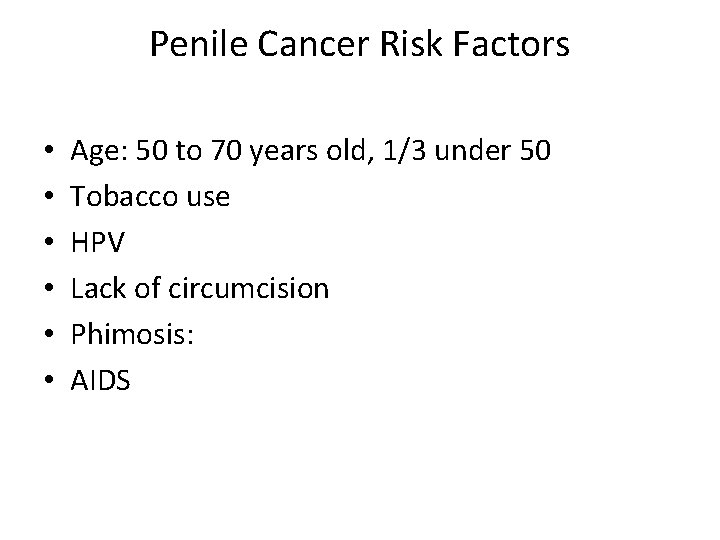
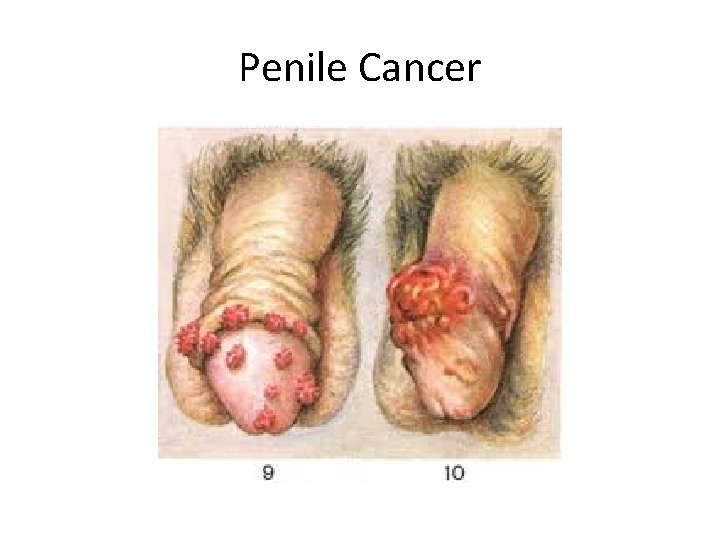
Penile Cancer Risk Factors • • • Age: 50 to 70 years old, 1/3 under 50 Tobacco use HPV Lack of circumcision Phimosis: AIDS
Vulvar Cancer
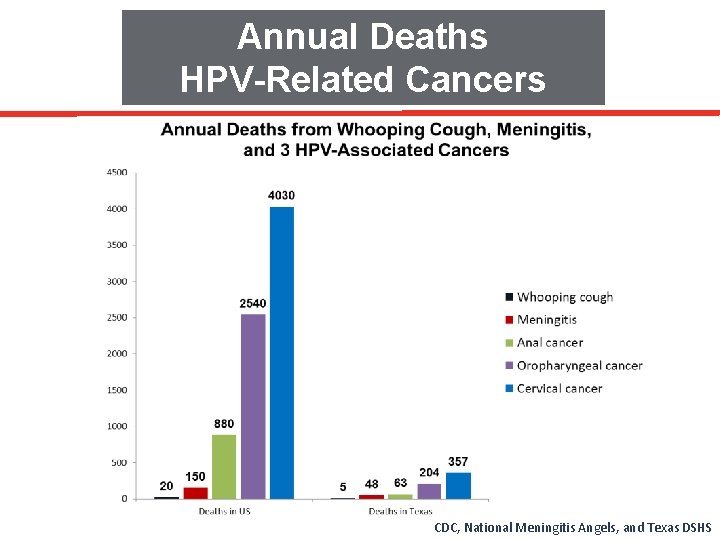
Annual Deaths HPV-Related Cancers CDC, National Meningitis Angels, and Texas DSHS
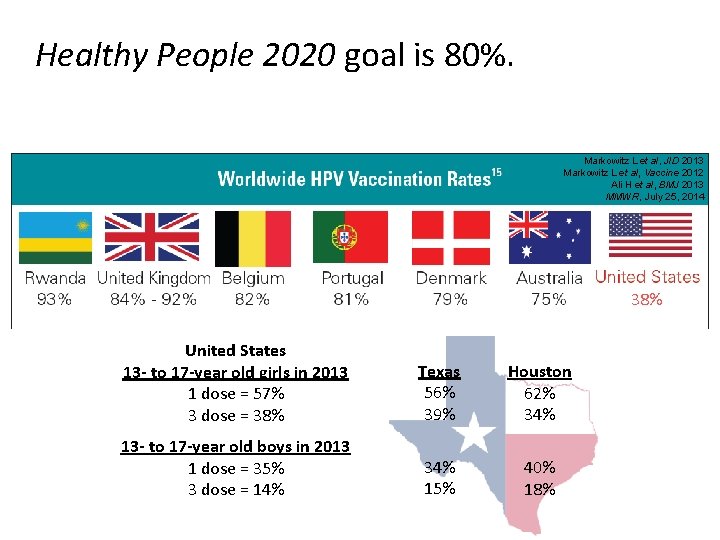
Healthy People 2020 goal is 80%. Markowitz L et al, JID 2013 Markowitz L et al, Vaccine 2012 Ali H et al, BMJ 2013 MMWR, July 25, 2014 38% United States 13 - to 17 -year old girls in 2013 1 dose = 57% 3 dose = 38% 13 - to 17 -year old boys in 2013 1 dose = 35% 3 dose = 14% Texas 56% 39% Houston 62% 34% 15% 40% 18%
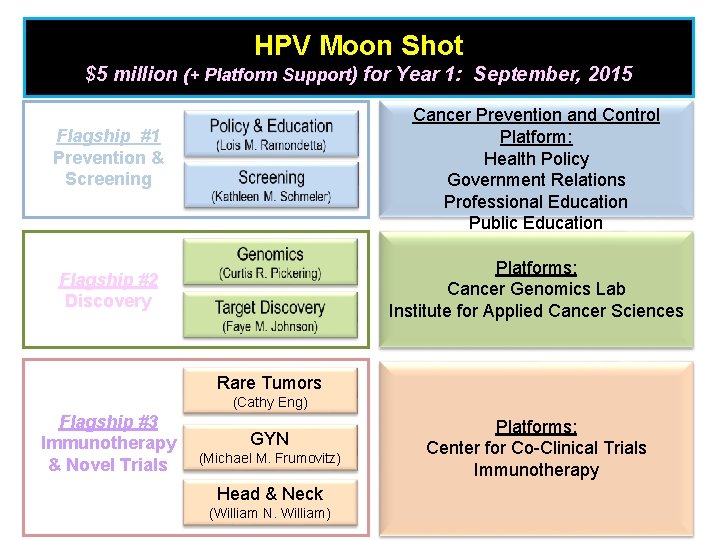
HPV Moon Shot $5 million (+ Platform Support) for Year 1: September, 2015 Cancer Prevention and Control Platform: Health Policy Government Relations Professional Education Public Education Flagship #1 Prevention & Screening Platforms: Cancer Genomics Lab Institute for Applied Cancer Sciences Flagship #2 Discovery Rare Tumors (Cathy Eng) Flagship #3 Immunotherapy & Novel Trials GYN (Michael M. Frumovitz) Head & Neck (William N. William) Platforms: Center for Co-Clinical Trials Immunotherapy
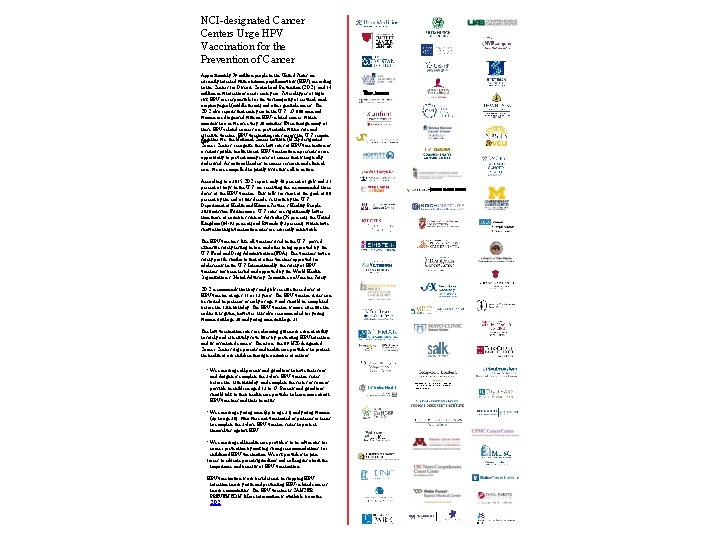
NCI-designated Cancer Centers Urge HPV Vaccination for the Prevention of Cancer Abramson Cancer Center Approximately 79 million people in the United States are currently infected with a human papillomavirus (HPV) according to the Centers for Disease Control and Prevention (CDC), and 14 million new infections occur each year. Several types of highrisk HPV are responsible for the vast majority of cervical, anal, oropharyngeal (middle throat) and other genital cancers. The CDC also reports that each year in the U. S. , 27, 000 men and women are diagnosed with an HPV-related cancer, which amounts to a new case every 20 minutes. Even though many of these HPV-related cancers are preventable with a safe and effective vaccine, HPV vaccination rates across the U. S. remain Together we, the National Cancer Institute (NCI)-designated low. Cancer Centers, recognize these low rates of HPV vaccination as a serious public health threat. HPV vaccination represents a rare opportunity to prevent many cases of cancer that is tragically underused. As national leaders in cancer research and clinical care, we are compelled to jointly issue this call to action. According to a 2015 CDC report, only 40 percent of girls and 21 percent of boys in the U. S. are receiving the recommended three doses of the HPV vaccine. This falls far short of the goal of 80 percent by the end of this decade, set forth by the U. S. Department of Health and Human Service’s Healthy People 2020 mission. Furthermore, U. S. rates are significantly lower than those of countries such as Australia (75 percent), the United Kingdom (84 -92 percent) and Rwanda (93 percent), which have shown that high vaccination rates are currently achievable. The HPV vaccines, like all vaccines used in the U. S. , passed extensive safety testing before and after being approved by the U. S. Food and Drug Administration (FDA). The vaccines have a safety profile similar to that of other vaccines approved for adolescents in the U. S. Internationally, the safety of HPV vaccines has been tested and approved by the World Health Organization’s Global Advisory Committee on Vaccine Safety. CDC recommends that boys and girls receive three doses of HPV vaccine at ages 11 or 12 years. The HPV vaccine series can be started in preteens as early as age 9 and should be completed before the 13 th birthday. The HPV vaccine is more effective the earlier it is given; however, it is also recommended for young women until age 26 and young men until age 21. The low vaccination rates are alarming given our current ability to safely and effectively save lives by preventing HPV infection and its associated cancers. Therefore, the 69 NCI-designated Cancer Centers urge parents and health care providers to protect the health of our children through a number of actions: • We encourage all parents and guardians to have their sons and daughters complete the 3 -dose HPV vaccine series before the 13 th birthday, and complete the series as soon as possible in children aged 13 to 17. Parents and guardians should talk to their health care provider to learn more about HPV vaccines and their benefits. • We encourage young men (up to age 21) and young women (up to age 26), who were not vaccinated as preteens or teens, to complete the 3 -dose HPV vaccine series to protect themselves against HPV. • We encourage all health care providers to be advocates for cancer prevention by making strong recommendations for childhood HPV vaccination. We ask providers to join forces to educate parents/guardians and colleagues about the importance and benefits of HPV vaccination is our best defense in stopping HPV infection in our youth and preventing HPV-related cancers in our communities. The HPV vaccine is CANCER PREVENTION. More information is available from the CDC. Georgetown University receives income from its licensing of the HPV vaccine technology for commercialization.
Legislation: Senate Bill 200 DSHS Sunset -Amendment The Health and Human Services Commission shall develop a strategic plan to significantly reduce morbidity and mortality from HPV-associated cancer. In developing the strategic plan, the Health and Human Services Commission shall collaborate with the DSHS and the CPRIT and may convene any necessary workgroups.
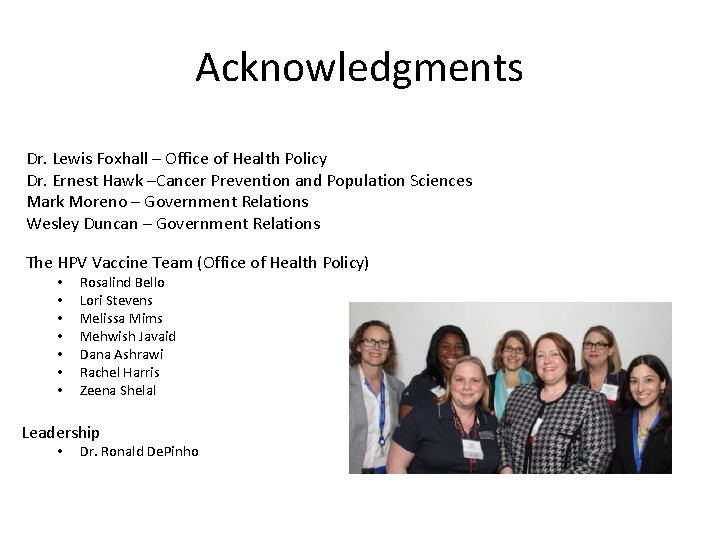
Acknowledgments Dr. Lewis Foxhall – Office of Health Policy Dr. Ernest Hawk –Cancer Prevention and Population Sciences Mark Moreno – Government Relations Wesley Duncan – Government Relations The HPV Vaccine Team (Office of Health Policy) • • Rosalind Bello Lori Stevens Melissa Mims Mehwish Javaid Dana Ashrawi Rachel Harris Zeena Shelal Leadership • Dr. Ronald De. Pinho
Questions Lois Ramondetta, MD Professor, Department of Gynecologic Oncology and Reproductive Medicine The University of Texas MD Anderson Cancer Center Chief, Division of Gynecologic Oncology Lyndon Baines Johnson General Hospital Harris Health System lramonde@mdanderson. org

- Slides: 47