
The British Tighten Controls Stop Taxing me http
The British Tighten Controls: Stop Taxing me! http: //www. youtube. com/watch? v=QFp. Uih 31 uf. Q
Bell Work 10 -5 -15 1. Why do archaeologists believe the sunken ship off the coast of NC is Blackbeard’s? 2. Why do they think the ship sank?
Station Rotation Title: Review Unit 1 Test (yes, put it in the Table of Contents) You will be working in groups to review the Unit 1 Test. The stations will rotate, not your groups ONE person from each group will come to the front and take one set of questions (they are color coded; make sure you make a note of what color you’re answering) • Once everyone in your group has answered (and agrees on the answers) the questions, you may come up and grab the answer card. • I will tell you when to switch cards. • While you are working, other will be making test corrections so please whisper and don’t say answers out loud. • •
American Revolution Brainstorm
Bell Work 10 -6 -15 1. Why did the British and the Cherokee go to war? 2. What were two effects of the Cherokee War?
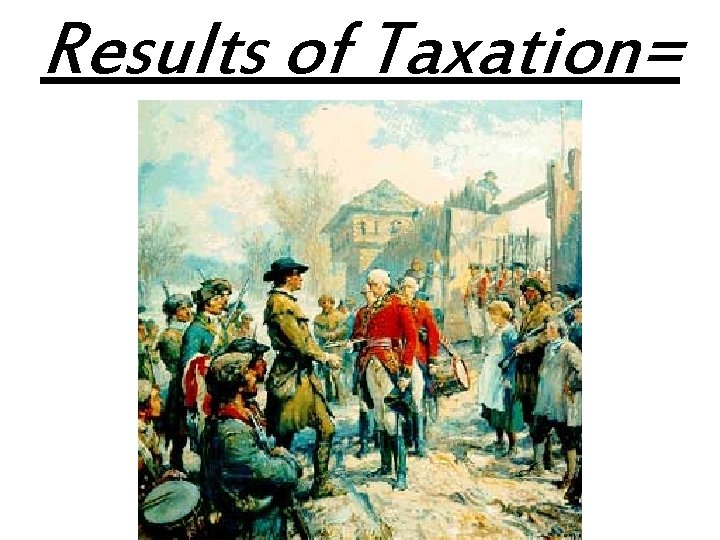
Results of Taxation= Revolution!
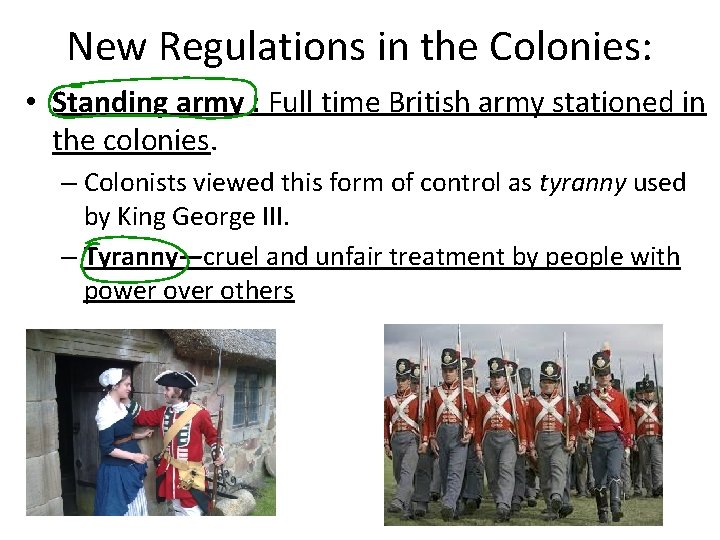
New Regulations in the Colonies: • Standing army : Full time British army stationed in the colonies. – Colonists viewed this form of control as tyranny used by King George III. – Tyranny—cruel and unfair treatment by people with power over others
Read my lips…No new taxes! • Sugar Act of 1764: decreased prices on sugar & molasses, but increased taxes on luxury items like wine, fabrics, & furniture. • Was designed to stop illegal trade with France and collect money to fund the French and Indian War. • SC Reaction: Approved the tax because it provided relief on trade regulations for rice and other goods in the colony. • Currency Act 1764: stopped the colonies from printing their own money. • Had a great impact on the Southern Colonies because it increased the debt of planters
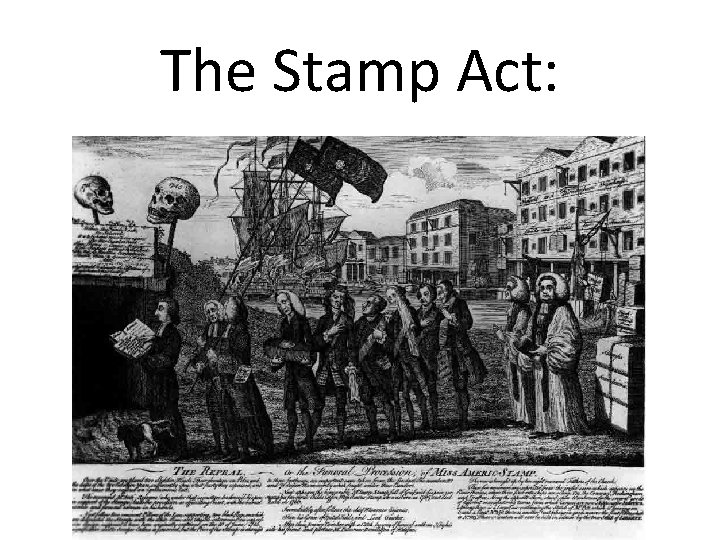
The Stamp Act of 1765 • Taxes on newspapers, pamphlets, legal documents, and most other paper and print materials • An official government stamp had to be placed on materials to show that the tax had been paid • Angered the colonists because it was a direct tax of their income only meant to raise money – Previous taxes were all indirect taxes trade
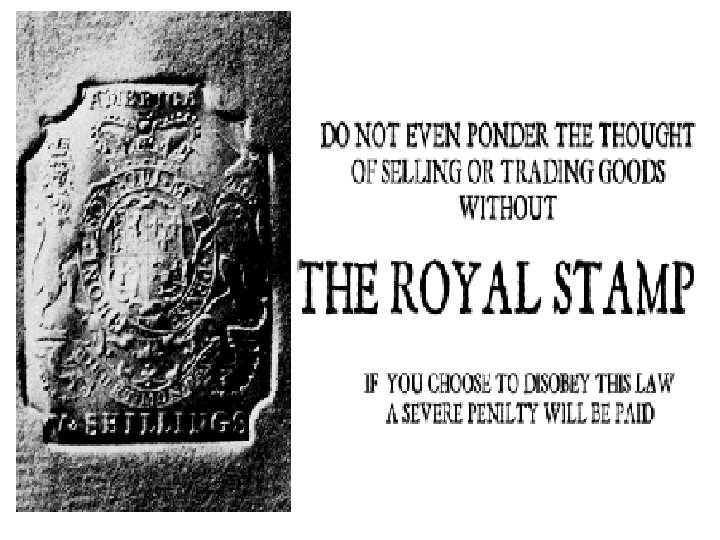
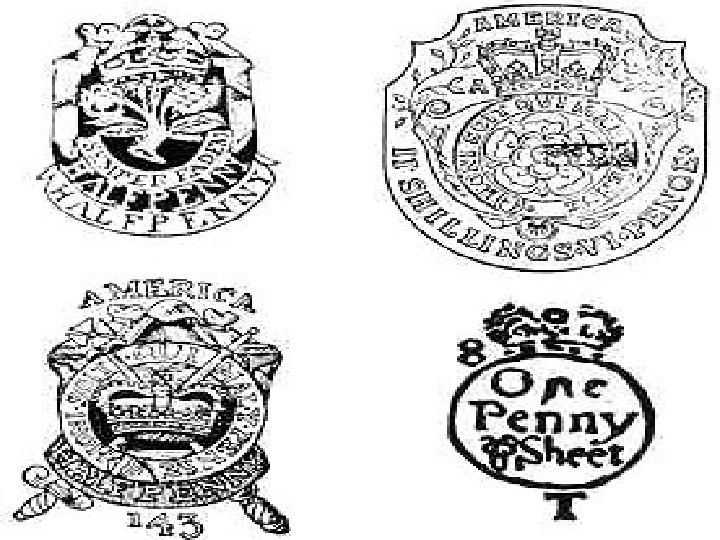
Stamp Activity Front • Design your stamp here. • You can use drawings, cut it into a shape, and place a fee on it for tax Back • 4 -5 Facts (sentences!) explaining the real Stamp Act. • 2 Sentences explaining the purpose of your Stamp
Bell Work 10 -7 -15 1. What is tyranny? 2. What was the Stamp Act?
Arguments to the Stamp Act • Colonists believed it was their right to impose taxes on themselves, not the right of King or Parliament. • If Britain taxes the colonies they should have equal representation in Parliament so colonists have a say in those decisions. • Led to: No Taxation without Representation!
Stamp Act Congress 1765: • Group of Representatives from 9 colonies that met to discuss how to fight the hated Stamp Act. • SC representatives included John Rutledge, Thomas Lynch, and Christopher Gadsden. • Created a non-importation agreement to stop British goods from entering the colonies until tax was repealed. • This action would hurt the British economy and merchants because it would decrease business and trade. • Colonists also protested by refusing to pay the tax and burning effigies (dummies) of the stamp tax collectors! • The British were finally forced to repeal the tax in 1766 to keep the peace.
Protest in the Colonies • Many Patriot Groups formed to protest and enforce boycotts to punish the British for taxes. • Boycott—refusing to buy goods or services as a form of protest • Patriots—people who no longer support the king • These groups were known as the Sons and Daughters of Liberty. • Used violence and other threats to remove taxes. • Burnt effigies of Tax Collectors, ransacked their houses, and forced many to resign. Daughters of Liberty: • • Refused to buy British goods, they would use substitutes instead.
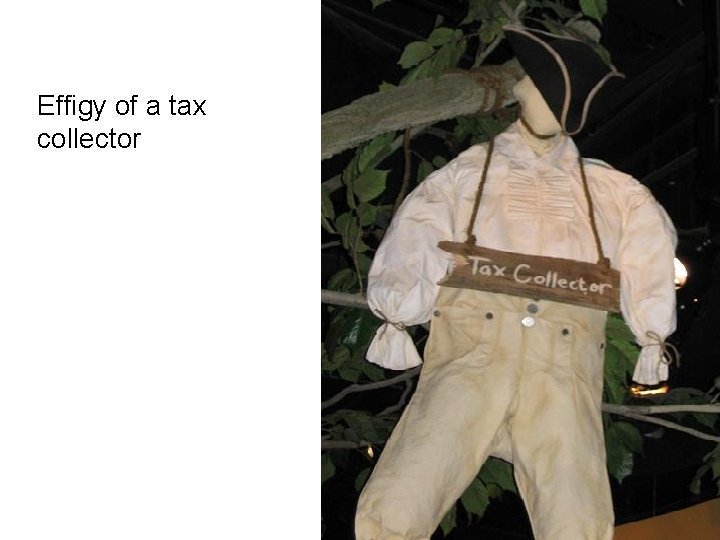
Effigy of a tax collector
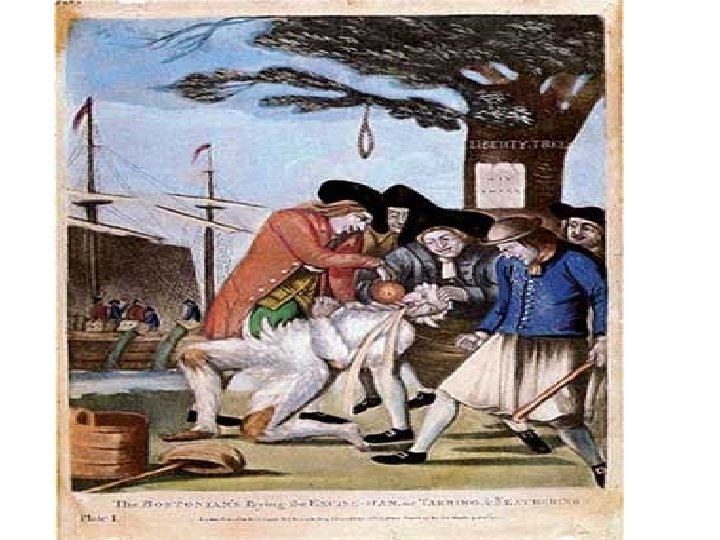
Analyzing a Primary Source • Look carefully at the image you’ve been given • Work at your tables to analyze the painting: – What people do you see? – What are they doing? – What objects do you see? – What do you think these objects mean? § Answer the questions on the back of the sheet with your group
Exit Questions—choose 3 1. Why did the colonists believe that the taxes imposed were unfair? 2. What is a boycott? 3. What is the difference between a patriot and loyalist? 4. Who were the Sons and Daughters of liberty? 5. What were some ways in which the colonists protested taxes? 6. What was the Stamp Act Congress?
Bell Work 10 -8 -15 1. What were some ways in which the colonists protested taxes? 2. What is a Patriot? 3. What was the purpose of the Stamp Act Congress?
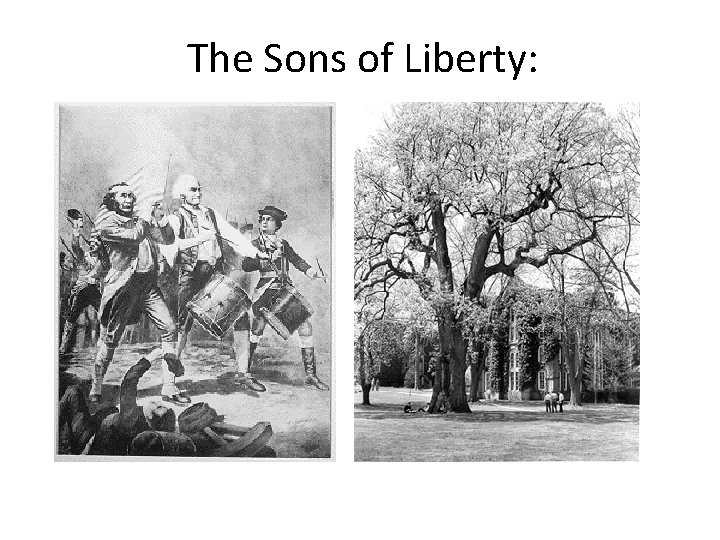
The Sons of Liberty:

Son of Liberty: Christopher Gadsden
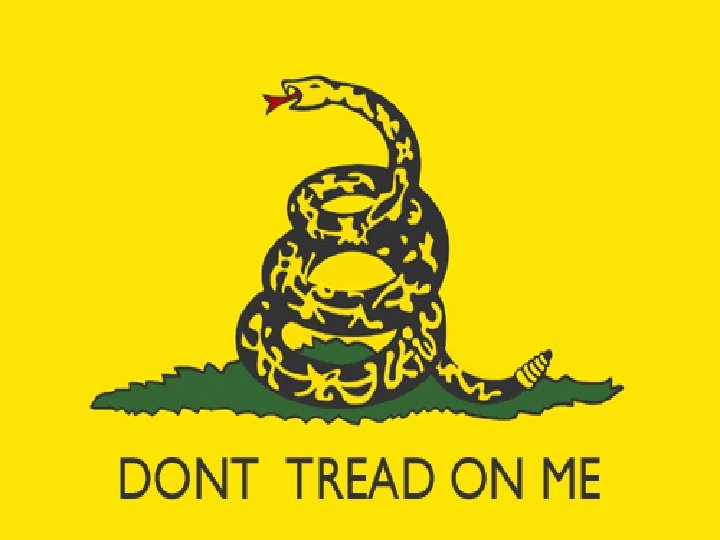
Christopher Gadsden: 1724 -1805 • Wealthy merchant from Charles Town. One of first to protest the British policy of taxes. • Delegate to the Stamp Act Congress and one of the founders of the Charles Town Sons of Liberty. • He was a delegate to the First Continental Congress and a general in the Continental Army during the War of Independence. • He also designed the famous Gadsden flag.
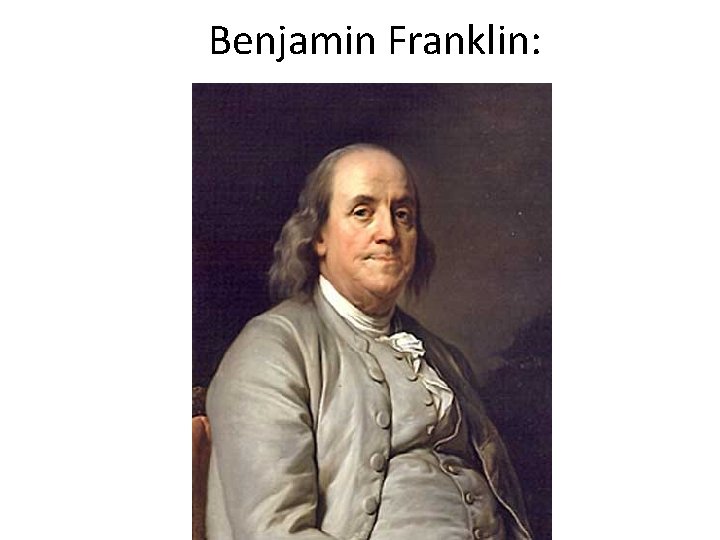
Benjamin Franklin:
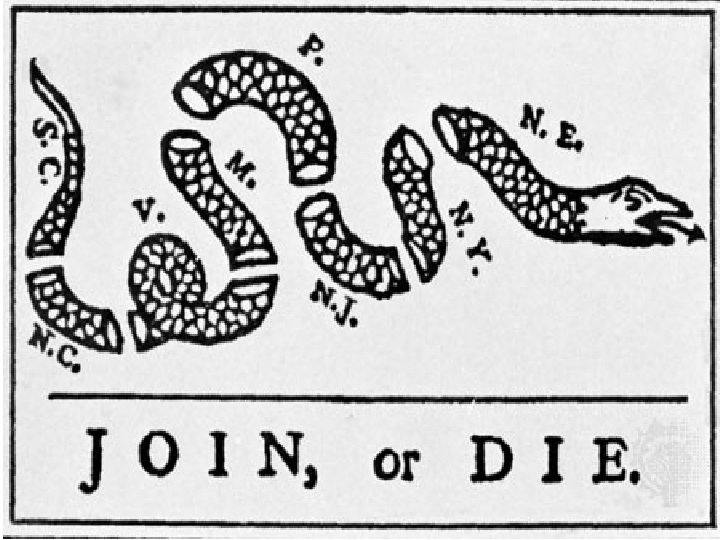
Benjamin Franklin: 1706 -1790 • Active member and leader of the Sons of Liberty. • Bought a newspaper, the Pennsylvania Gazette, and began printing pro-American news and cartoons. • In 1765, Franklin testified before Parliament to persuade members to repeal Stamp Act. • Suggested that the colonies should break away from Britain and become independent.
• Writs of Assistance: Legal search warrants enforced that allowed British troops to search for smuggled goods. • Colonists felt the search violated their personal rights.
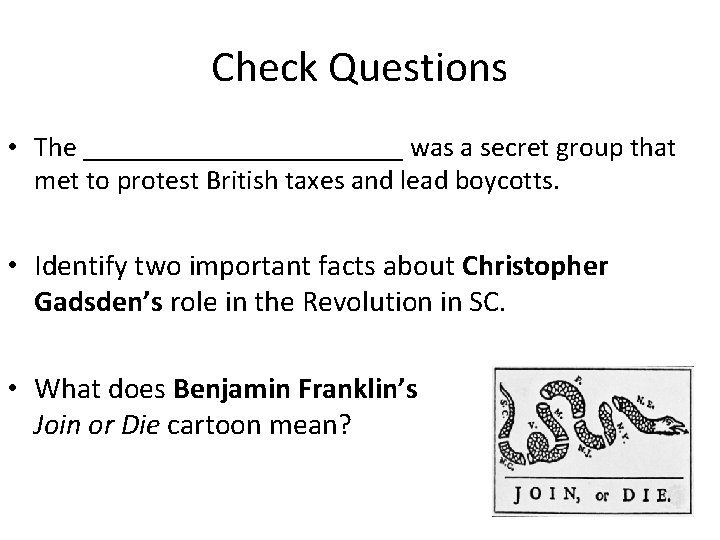
Check Questions • The ____________ was a secret group that met to protest British taxes and lead boycotts. • Identify two important facts about Christopher Gadsden’s role in the Revolution in SC. • What does Benjamin Franklin’s Join or Die cartoon mean?
Brain Breaker • Cafeteria • Mr. Griffin • School

• Stamp Act • Sugar Act • Boycott
• Tyranny • Sons of Liberty • Patriot
• Ben Franklin • “Don’t Tread on Me” • Stamp Act Congress
• Christopher Gadsden • “Join or Die” • Currency Act
Bell Work 10 -9 -15 1. 1 n 1765, the British Parliament passed the Stamp Act directed to collect taxes from the American colonies. Which of the following best describes South Carolina’s reaction to the Stamp Act? A. They sent representatives to Parliament B. They’d hang or burn effigies of tax collectors in Charles Town C. Built a statue of King George in Charles Town D. Pay the taxes as loyal British subjects 2. The American colonists were upset with new taxes levied on them by the British for several reasons. One was the fact that they considered them to be “taxation without representation”. What else did they resent about these taxes? A. Paying taxes was against the religion of many colonists B. Tax money went to support a king they couldn’t stand C. They were taxes on everyday items which made these ordinary items cost more D. The taxes were only on large landowners which made the average colonists feel neglected
Bell Work 10 -12 -15 1. What is a standing army? 2. Who created and published the first political cartoon (“Join, or Die”) in America?
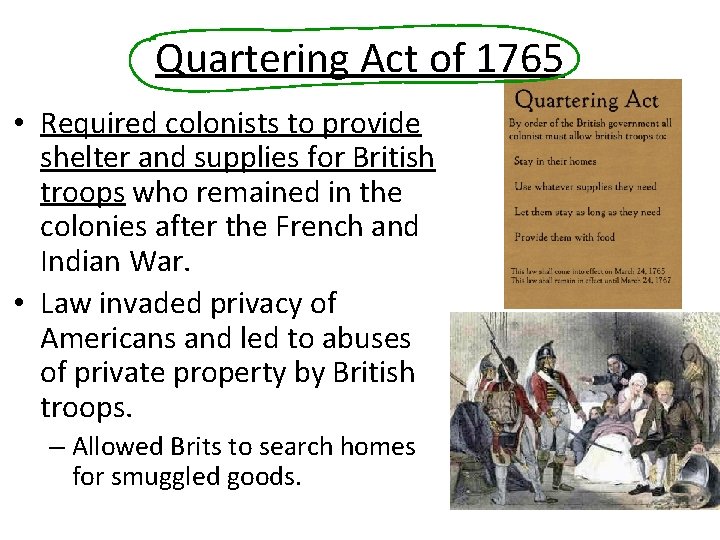
Quartering Act of 1765 • Required colonists to provide shelter and supplies for British troops who remained in the colonies after the French and Indian War. • Law invaded privacy of Americans and led to abuses of private property by British troops. – Allowed Brits to search homes for smuggled goods.
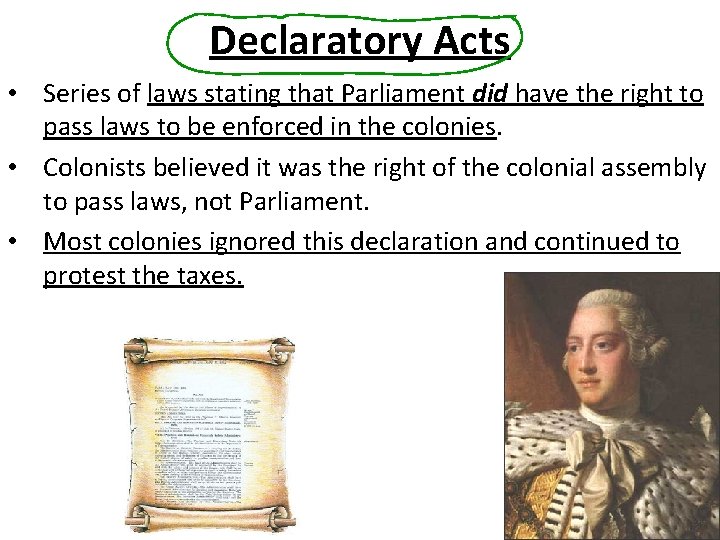
Declaratory Acts • Series of laws stating that Parliament did have the right to pass laws to be enforced in the colonies. • Colonists believed it was the right of the colonial assembly to pass laws, not Parliament. • Most colonies ignored this declaration and continued to protest the taxes.
Townshend Acts of 1767: • Gave Parliament the right to legislate or make laws for the American colonists. • Laws included duties/taxes on glass, lead, paint, paper, and tea imported to the colonies. • The purpose of the tax was to generate revenue, just like the hated Stamp Act.
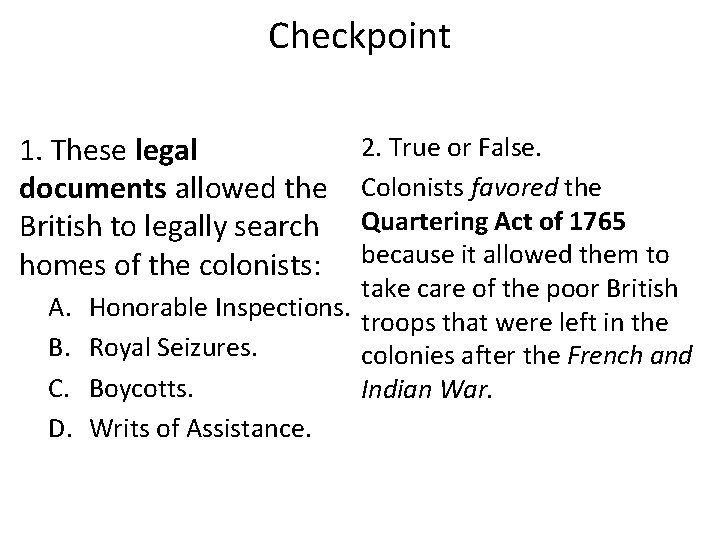
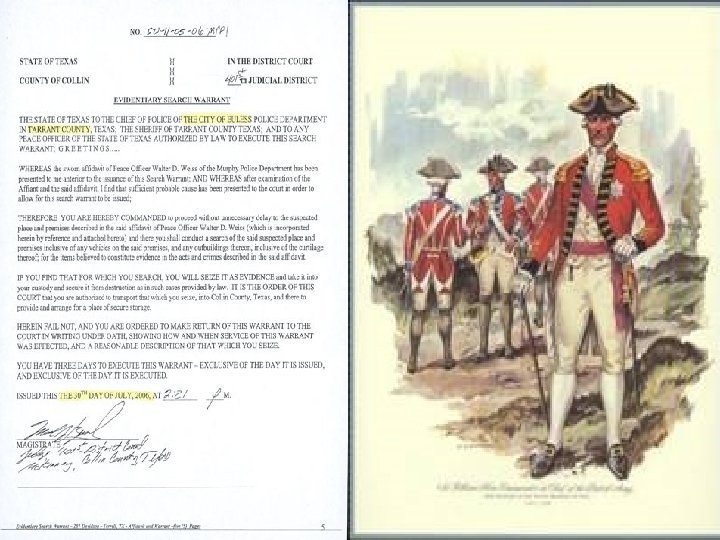
Checkpoint 1. These legal documents allowed the British to legally search homes of the colonists: 2. True or False. Colonists favored the Quartering Act of 1765 because it allowed them to take care of the poor British A. Honorable Inspections. troops that were left in the B. Royal Seizures. colonies after the French and C. Boycotts. Indian War. D. Writs of Assistance.
Taxation Activity • If you have a K—come sit in Ms. Kulich’s red chair • If you have a T—come stand at the front of the room • If you have a P—come sit at the front table
Answer the following questions in your notes 1. What was unfair about how the class was taxed? 2. How could it be handled more fairly? 3. How do you think the colonists felt about being taxed? (think about how you felt) 4. What ways could colonists protest the taxes? 5. How do you think the king will respond?
Bell Work 10 -13 -15 1. What was the purpose of the Declaratory Act? 2. What was the Townshend Act?
Bell Work 10 -15 -15 1. In what ways were George Washington and King George similar? 2. Compare how King George viewed the Boston Tea Party and how colonists viewed the Tea Party.
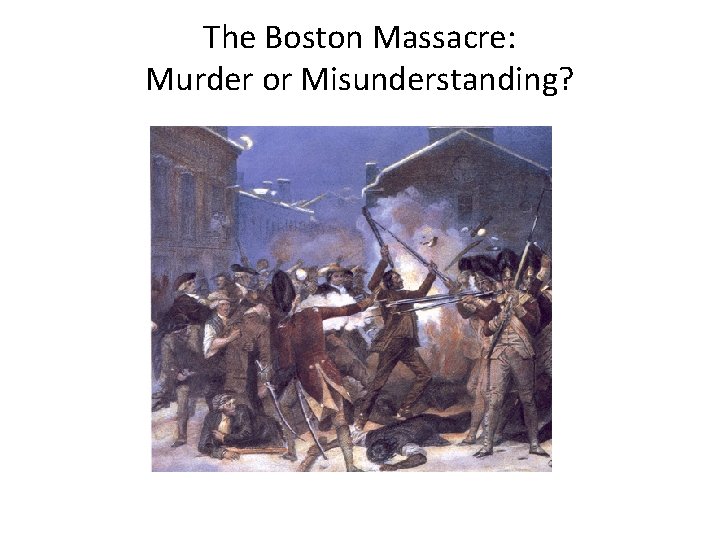
The Boston Massacre: Murder or Misunderstanding?
Colonists get violent in Boston: • The Sons of Liberty of Boston had been using violence to threaten customs officials who collected taxes. • Fearing a rebellion may be at hand, British Govt. sent in troops to help stop violence and maintain order. • General Thomas Gage, the British commander in America, was sent to Boston to keep the peace. – Think back—where do you think these soldiers will be staying? Why?
The Boston Massacre • On March 5, 1770 a mob of angry citizens began mocking and throwing snowballs at British troops guarding the Customs House. • The soldiers ended up firing on the mob, killing 5 people, and wounding six. • Among the victims was Crispus Attucks, a free African American.
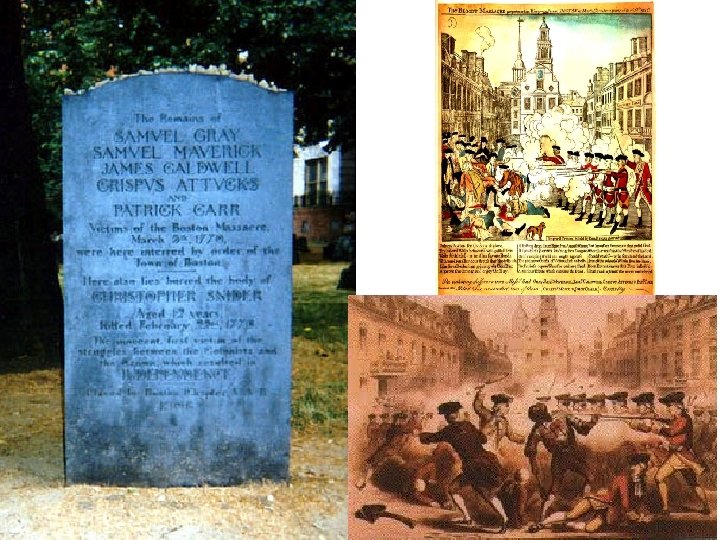
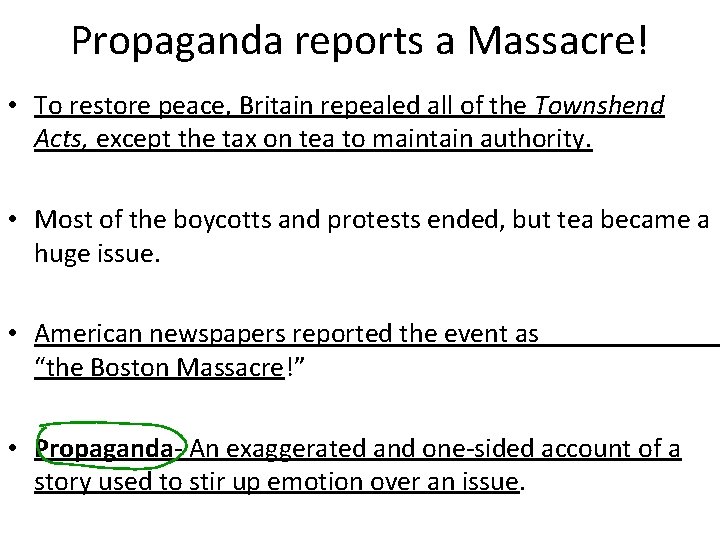
Propaganda reports a Massacre! • To restore peace, Britain repealed all of the Townshend Acts, except the tax on tea to maintain authority. • Most of the boycotts and protests ended, but tea became a huge issue. • American newspapers reported the event as “the Boston Massacre!” • Propaganda- An exaggerated and one-sided account of a story used to stir up emotion over an issue.
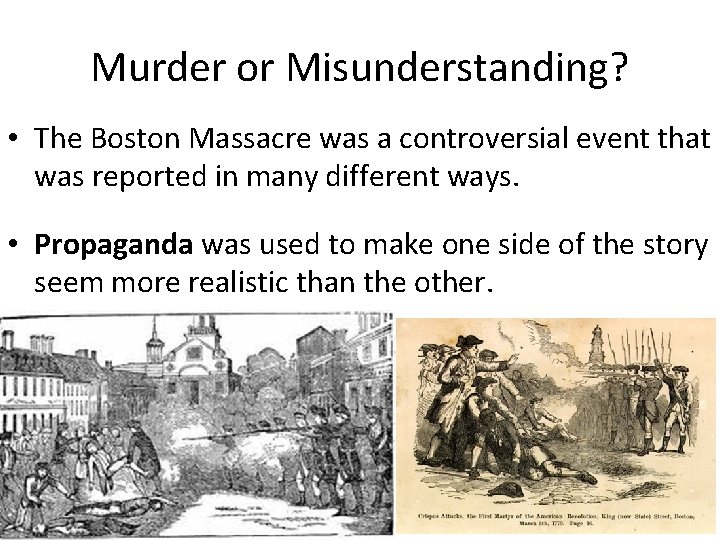
Murder or Misunderstanding? • The Boston Massacre was a controversial event that was reported in many different ways. • Propaganda was used to make one side of the story seem more realistic than the other.
Examining Primary Documents • . . . I saw a party of soldiers come from the main guard, and draw themselves up in a line from the corner of the Customs-house to the sentry-box; the people still continued in the street, crying “Fire, fire, ” and hove [throw] some more snow balls; whereupon I heard a musket go off, and in the space of two or three seconds, I heard the word “Fire” given, but by whom I do not know, and instantly the soldiers fired one after another. I then stood between the sentry-box and the Custom-house door. And further I know not. (Testimony from Bostonian William Tant) 1. What did the crowd do that may have frightened the soldiers into thinking they might be attacked by the people in the street? 2. Who gave the order to fire?
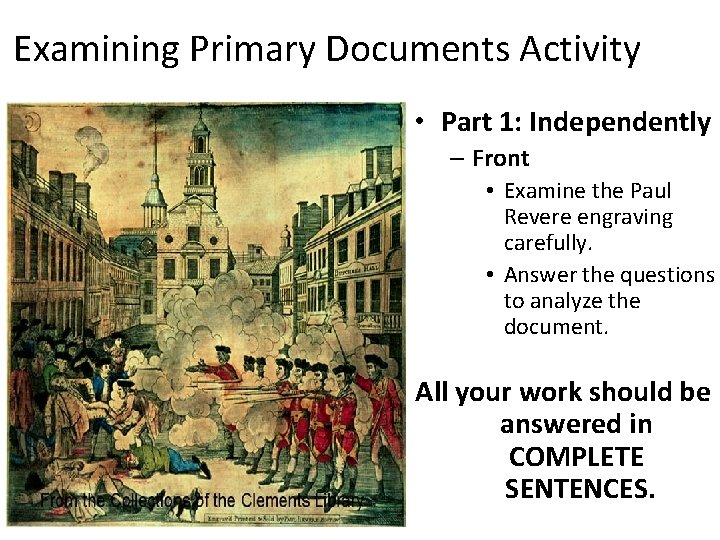
Examining Primary Documents Activity • Part 1: Independently – Front • Examine the Paul Revere engraving carefully. • Answer the questions to analyze the document. All your work should be answered in COMPLETE SENTENCES.
Exit Questions 1. What is propaganda? 2. What does Paul Revere’s engraving make you think about the Boston Massacre? 3. Why do you think Revere used propaganda? (What is his goal? )
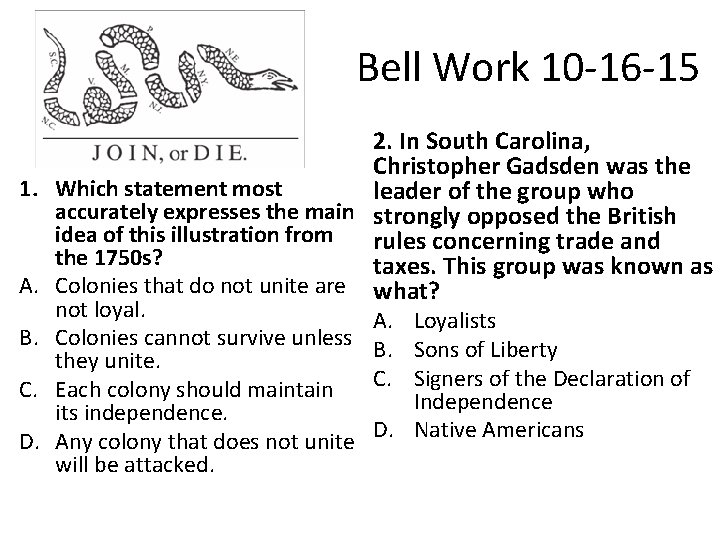
Bell Work 10 -16 -15 2. In South Carolina, Christopher Gadsden was the 1. Which statement most leader of the group who accurately expresses the main strongly opposed the British idea of this illustration from rules concerning trade and the 1750 s? taxes. This group was known as A. Colonies that do not unite are what? not loyal. B. Colonies cannot survive unless they unite. C. Each colony should maintain its independence. D. Any colony that does not unite will be attacked. A. Loyalists B. Sons of Liberty C. Signers of the Declaration of Independence D. Native Americans
Examining Primary Documents Activity • Part 2: As A Whole Class – Back • Examine Captain Preston’s written account (on the back) • Answer the questions to analyze the document – Make a decision of who is to blame based on the information you gathered from both documents. • Be sure to explain why you chose your side.
Part 3: Who is to Blame for the Boston Massacre? Reasons the Colonists are to Blame Reasons the British Soldiers are to Blame
John Adams Clip • While watching the movie clip, make a note of any testimony you hear which you can use to argue which side is responsible for the Boston Massacre • Decide which side you want to argue for: Are the British responsible for the massacre or are the colonists responsible?
Exit Slip 1. Which of the two documents was a better example of propaganda? Why? – Paul Revere’s engraving (Front) – Captain Thomas Preston’s account (Back) 2. Based on what you’ve read and seen, who do you believe is to blame for the Boston Massacre? 3. How do you think colonists will respond/retaliate to the “Massacre”?
Who’s to blame? British are to blame! Colonists are to blame! Take 2 minutes as a group to create an argument as to why your side is correct!
Angry Colonists Respond: • Colonists began boycotting all British imports shipped into the colonies. – Boycott: Refusal to buy a good or use a service. – Cut goods coming into the colonies by 50%! • British merchants request a repeal of the taxes and all duties were withdrawn except for a tax on tea.
Bell Work 10 -19 -15 1. Which of the following occurred because of the Stamp Act? A. The General Assembly created a new constitution. B. South Carolina sent three delegates to the Stamp Act Congress. C. South Carolina moved the capital from Charleston to Columbia. D. Parliament gave control of South Carolina’s government to tax collectors. 2. What does No Taxation without Representation mean? (Answer in 1 complete sentence. )
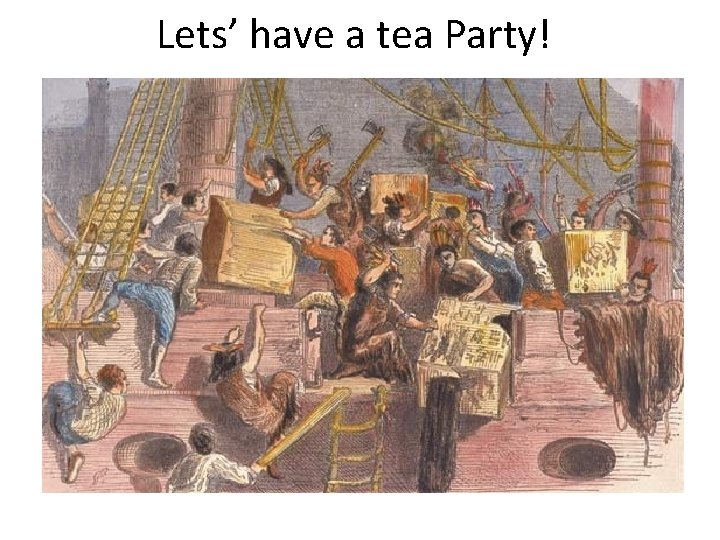
Lets’ have a tea Party!
The Last Straw: The Tea Act • Despite all problems between Great Britain + the colonies, relations may have been repaired, had it not been for the Tea Act of 1773. – Gave British East India Company a monopoly on tea sales in the colonies due to financial problems. • Colonists boycott British tea even though the Tea Act made English tea cheaper than smuggled tea
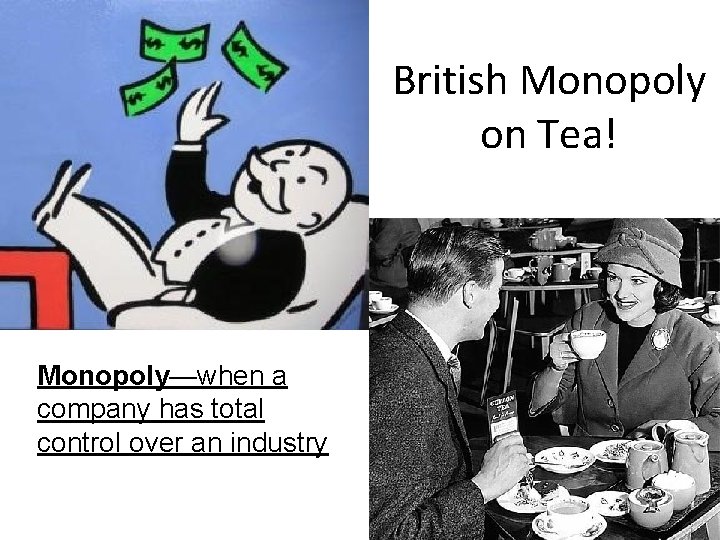
British Monopoly on Tea! Monopoly—when a company has total control over an industry
Reaction to the Tea Act • Sons of Liberty felt that availability of cheap tea would threaten American tea and weaken boycotts. • Tea parties were held throughout colonies where tea was thrown overboard. • Georgetown and Charleston had small tea parties but major action took place in Boston.
Boston Tea Party • Colonists declared they would not let British tea into any colonial harbor. • British trade ships were forced to sit and wait with the tea. • In Boston, colonists dressed up as Indians, boarded a trade ship, broke open boxes of tea, and threw them into the harbor. • A total of 398 chests were destroyed.
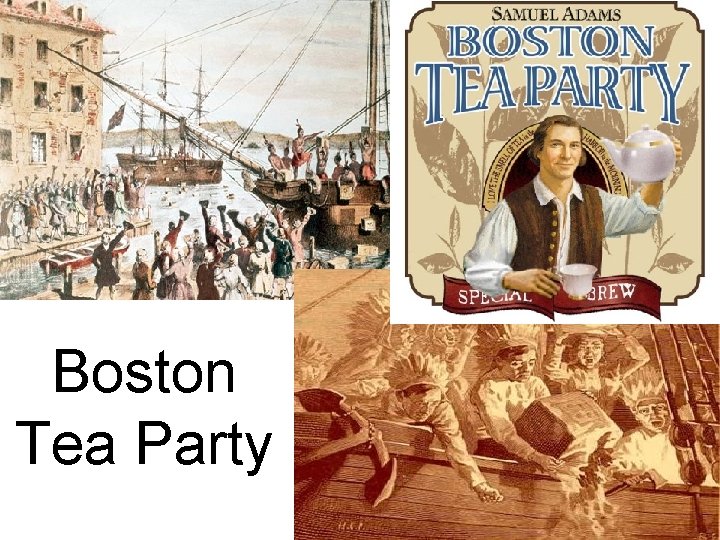
Boston Tea Party
• • • Events Leading to Revolution Timeline Quartering Act French & Indian War Currency Act Battles of Lexington & Concord Sugar Act • Use your notes, your Intolerable Acts book, and the Internet to Stamp Act create your timeline 1 st Continental Congress Tea Act Townshend Acts Boston Tea Party Declaration of Independence
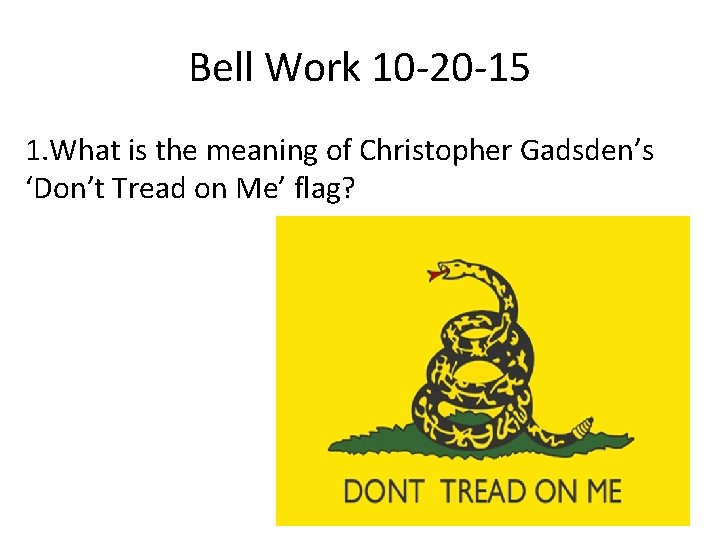
Bell Work 10 -20 -15 1. What is the meaning of Christopher Gadsden’s ‘Don’t Tread on Me’ flag?
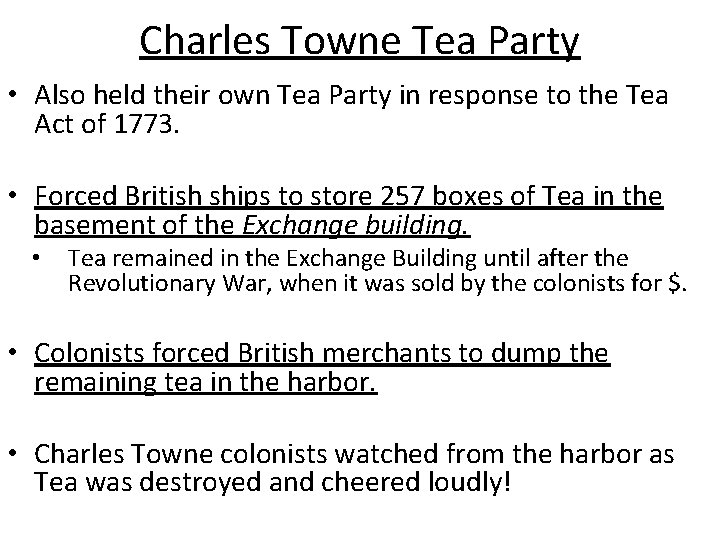
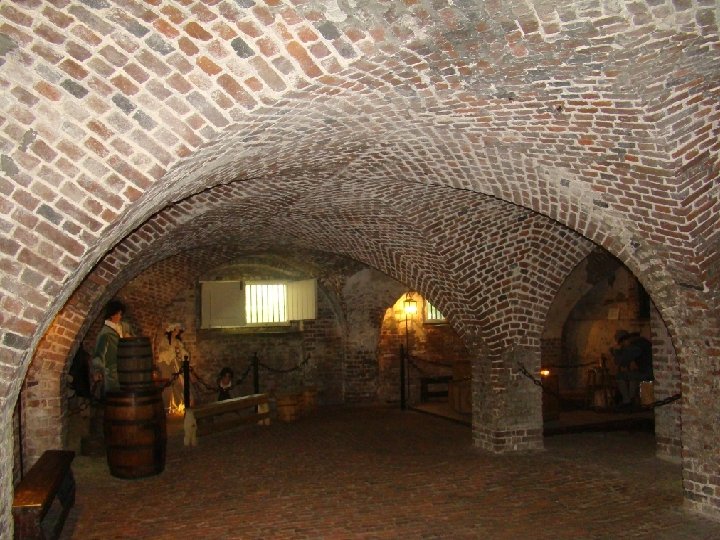
Charles Towne Tea Party • Also held their own Tea Party in response to the Tea Act of 1773. • Forced British ships to store 257 boxes of Tea in the basement of the Exchange building. • Tea remained in the Exchange Building until after the Revolutionary War, when it was sold by the colonists for $. • Colonists forced British merchants to dump the remaining tea in the harbor. • Charles Towne colonists watched from the harbor as Tea was destroyed and cheered loudly!
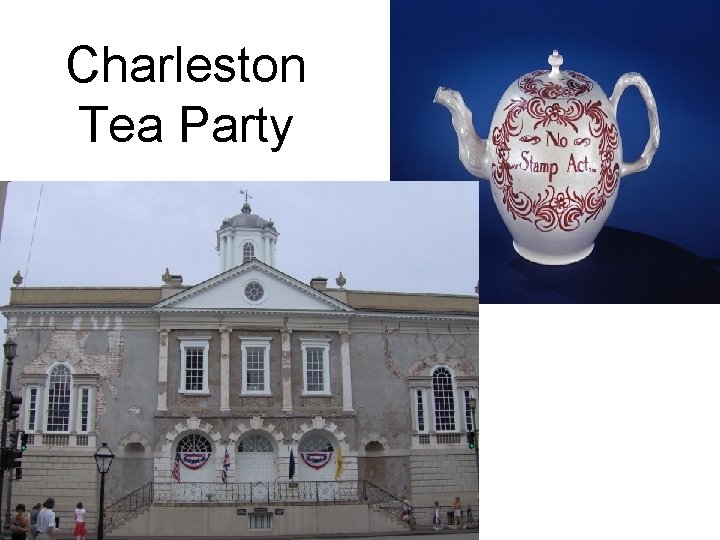
Charleston Tea Party
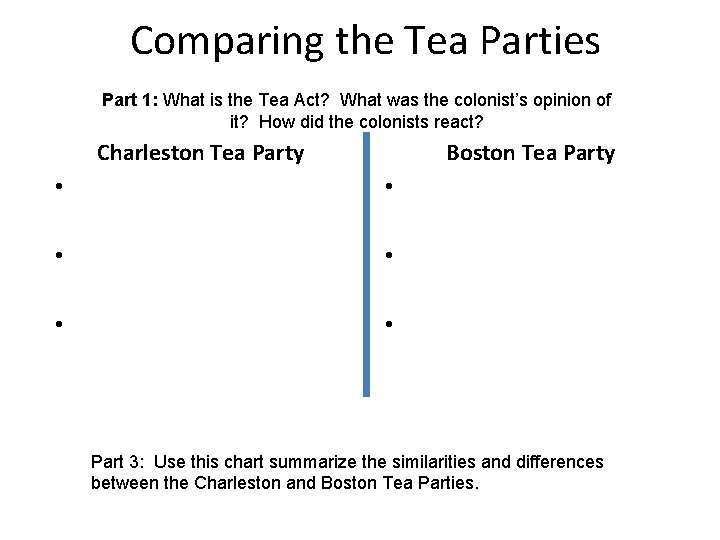
Comparing the Tea Parties Part 1: What is the Tea Act? What was the colonist’s opinion of it? How did the colonists react? Charleston Tea Party Boston Tea Party • • • Part 3: Use this chart summarize the similarities and differences between the Charleston and Boston Tea Parties.
Bell Work 10 -21 -15
The Coercive Acts • ONLY applied to Massachusetts! • Colonists called them the Intolerable Acts • British response to the Boston Tea Party – British closed the Boston Harbor until the owners of the tea were paid. – Only food and firewood were permitted in the port – The commander of British troops was made governor of Massachusetts. – Town meetings were banned.
SC Representative Meet 1774 • Met in Charles Town to elect representatives to the Continental Congress • Committee of 99: Established to govern the South Carolina colony, instead of the Royal governor in 1774.
1 st Continental Congress • Henry Middleton of South Carolina was elected President. • Established a non-importation and nonexportation agreement. (Nothing comes in or goes out) – Excluded the trade of rice because South Carolina feared the loss of trade would destroy their colony.
Exit Ticket Questions—choose 3 1. What is a Monopoly and why did the British monopoly on tea make colonists so angry? 2. How did colonists respond to the Tea Act of 1773? 3. How did the Intolerable Acts affect Patriot attitudes toward independence? 4. Describe the Coercive Acts. What did the colonists call them? 5. Why is the Committee of 99 a significant change in SC governing? 6. What was the purpose of the 1 st Continental Congress?
8 -2. 2 Summarize the response of South Carolina to events leading to the American Revolution, including the Stamp Act, the Tea Acts, and the Sons of Liberty. Today we will be analyzing primary documents to determine the impact of protests on the events leading to the American Revolution.
Bellringer 11 -20 -14 1. What was the Declaratory Act? 2. What was the Townshend Acts?
Quiz Review • • • Taxes Boycott Standing Army Quartering Act Writs of Assistance Sugar Act Stamp Act Townshend Acts Tea Act Intolerable Acts
Bellringer 11 -21 -14 1. How did colonists react to the Tea Act? 2. Look in Echo to see if you’re missing the Stamp Activity or Regulator Trading Card. Today is your last chance to turn them in!!
What did your partner think? • Read your partners analysis of the documents. • Who did they think was to blame? – Do you agree with their choice, their reasoning? • Write a response to your partners work on their paper. (one sentence)
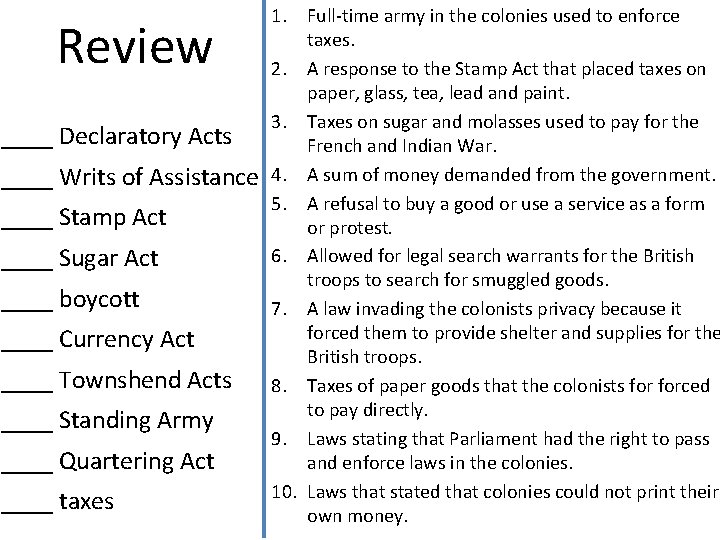
Review ____ Declaratory Acts ____ Writs of Assistance ____ Stamp Act ____ Sugar Act ____ boycott ____ Currency Act ____ Townshend Acts ____ Standing Army ____ Quartering Act ____ taxes 1. Full-time army in the colonies used to enforce taxes. 2. A response to the Stamp Act that placed taxes on paper, glass, tea, lead and paint. 3. Taxes on sugar and molasses used to pay for the French and Indian War. 4. A sum of money demanded from the government. 5. A refusal to buy a good or use a service as a form or protest. 6. Allowed for legal search warrants for the British troops to search for smuggled goods. 7. A law invading the colonists privacy because it forced them to provide shelter and supplies for the British troops. 8. Taxes of paper goods that the colonists forced to pay directly. 9. Laws stating that Parliament had the right to pass and enforce laws in the colonies. 10. Laws that stated that colonies could not print their own money.
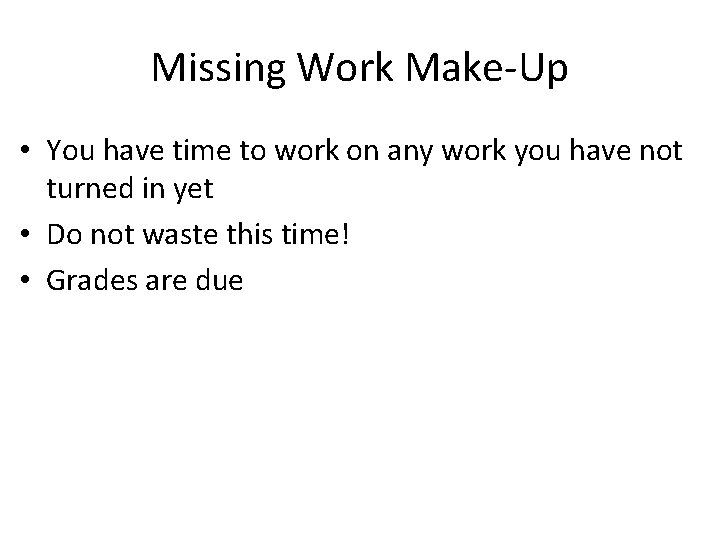
Missing Work Make-Up • You have time to work on any work you have not turned in yet • Do not waste this time! • Grades are due
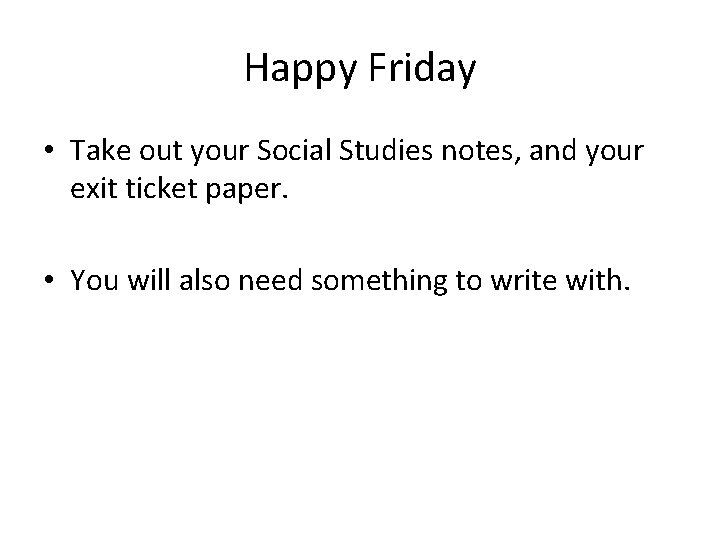
Happy Friday • Take out your Social Studies notes, and your exit ticket paper. • You will also need something to write with.
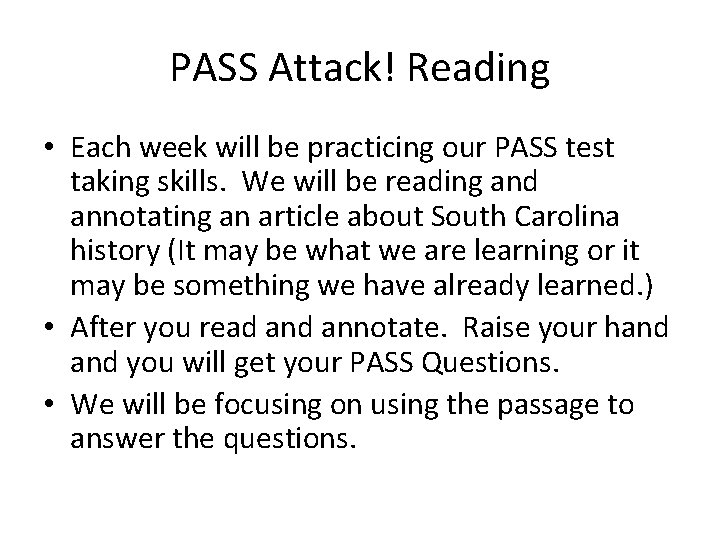
PASS Attack! Reading • Each week will be practicing our PASS test taking skills. We will be reading and annotating an article about South Carolina history (It may be what we are learning or it may be something we have already learned. ) • After you read annotate. Raise your hand you will get your PASS Questions. • We will be focusing on using the passage to answer the questions.
PASS Strategy 1: Eliminate How to? 1. Read the question carefully. 2. Read each answer choice carefully. 3. Eliminate (cross out) the answer that are obviously incorrect. 4. Be sure to eliminate at least 2 choices. 5. Choose the best answer from the remaining. Practice 1. Propaganda was used in the events leading up to and following the Boston Massacre to: A. describe events in an accurate way for all colonists B. exaggerate events to make colonists mad at the British C. exaggerate events to make the British look innocent D. describe events incorrectly to make loyalists mad
USA Test Prep • You have been added to Apollo SS in USA Test Prep. • Complete the assignments in order beginning with Assignment 2. The other assignment from Unit 1 will be extra credit. • Assignments 2 and 3 will be due by 10/31/14.
PACT Coach • Read Lesson 8 on page 62 -64 • Answer the Try is question on page 64 • Answer the Lesson Practice Questions on page 65 – Give Justification for each answer • Write the SUBHEADING that you found your answer in.
Bellringer: 10/18/13 Put your Tea Act HW in the basket! 1. Colonists boycotted the Tea Act because it gave the British a _________ on Tea Sales. 2. How were the Boston and Charles Town Tea Parties different? 3. How did SC support the city of Boston after the Intolerable Acts shut down their harbor?
Come in quietly and study your notes, pages 1 -7!!! Put any missing work you have in the basket.
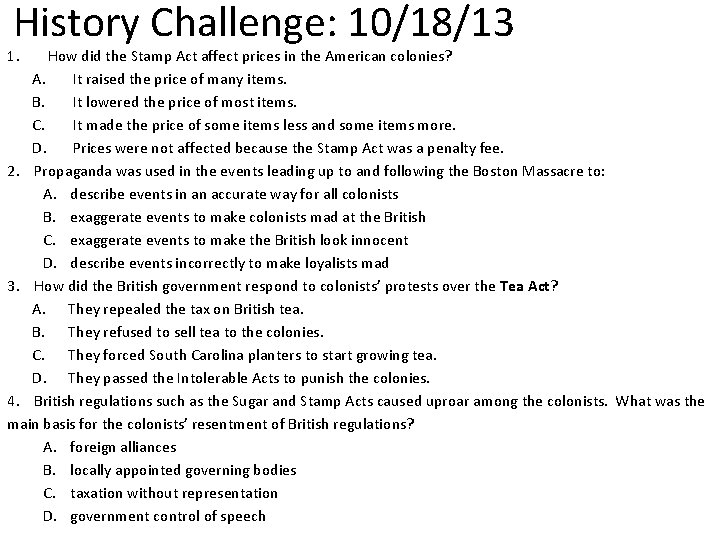
History Challenge: 10/18/13 1. How did the Stamp Act affect prices in the American colonies? A. It raised the price of many items. B. It lowered the price of most items. C. It made the price of some items less and some items more. D. Prices were not affected because the Stamp Act was a penalty fee. 2. Propaganda was used in the events leading up to and following the Boston Massacre to: A. describe events in an accurate way for all colonists B. exaggerate events to make colonists mad at the British C. exaggerate events to make the British look innocent D. describe events incorrectly to make loyalists mad 3. How did the British government respond to colonists’ protests over the Tea Act? A. They repealed the tax on British tea. B. They refused to sell tea to the colonies. C. They forced South Carolina planters to start growing tea. D. They passed the Intolerable Acts to punish the colonies. 4. British regulations such as the Sugar and Stamp Acts caused uproar among the colonists. What was the main basis for the colonists’ resentment of British regulations? A. foreign alliances B. locally appointed governing bodies C. taxation without representation D. government control of speech
Quiz Time! 1. Write your answer on your answer sheet, not on the quiz paper! 2. Remember, ANY talking is ZERO! 3. When you finish you need to work on the following: – Middle Passage, Stamp Act, Regulator Card, Boston Massacre, Tea Act, PACT Coach Activity – When those assignments are finished you are to work on your Taxation Chart.
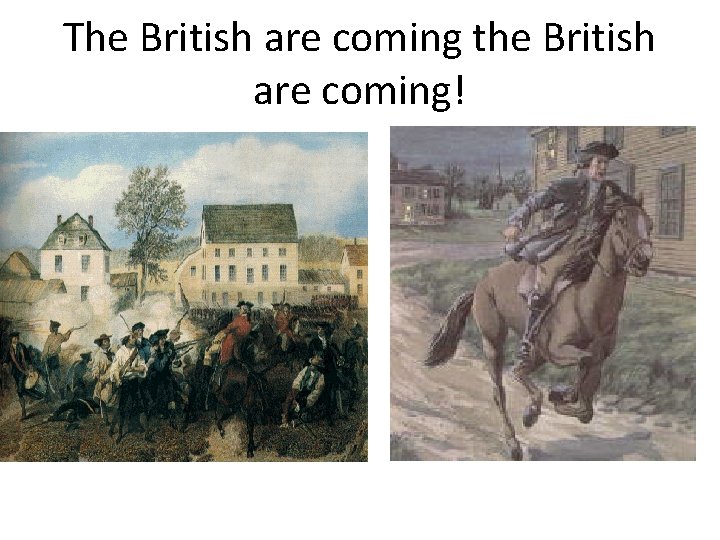
The British are coming the British are coming!
American Revolution begins! 1. First Continental Congress- Read page 152 in the old textbook and/or 104 in the new text. 2. Battles of Lexington and Concord- Read page 160 in the old textbook. • When finished with your section, be prepared to share your findings with your partner. • The class will discuss findings at the end.
American Revolution begins! First Continental Congress Battles of Lexington and Concord • Met in Philadelphia to decide how to respond to unfair British taxes. • Delegates of the First Continental Congress made plans to arm citizens. • General Thomas Gage sent troops to • Colonists agreed not to buy or sell any Concord to take gunpowder. goods traded by the British. • The only good that would be traded out of SC was rice. • British troops fired at colonists, killing many but only angering them. • Representatives agreed to meet again • King George II declares the American if the Intolerable Acts had not been colonies in rebellion. repealed.
Exit Questions 1. What was the purpose of the First Continental Congress? 2. What role did South Carolina play in the First Continental Congress? 3. What happened at the Battles of Lexington and Concord? 4. What was the result of these Battles?
The Stamp Act:
- Slides: 102