
The Book of the Prophet Joel Joel OUTLINE
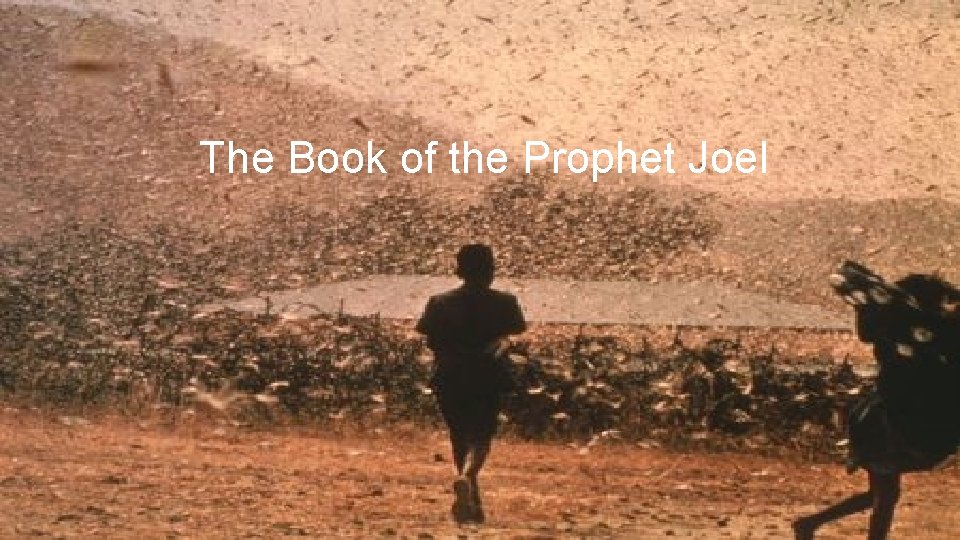
The Book of the Prophet Joel
Joel OUTLINE: I. The plague of locusts prefigures devastation in the Day of the Lord (1: 1 -2: 11). II. The repentance of Israel provides restoration in the Day of the Lord (2: 12 -32). II. The sin of the nations promises their judgment in the Day of the Lord (3: 1 -14). III. The grace of God provides messianic blessing in the Day of the Lord (3: 15 -21).
Joel I. The plague of locusts prefigures devastation in the Day of the Lord (1: 1 -2: 11). The opening chapter describes the effects of a severe locust plague which had swept over the land, destroying the crops needed by man and animals to survive. This disaster signaled an even greater calamity to come—the destructive day of the Lord.
Joel I. The plague of locusts prefigures devastation in the Day of the Lord (1: 1 -2: 11). A. Call to tell of the extraordinary (v. 1 -4)
Joel I. The plague of locusts prefigures devastation in the Day of the Lord (1: 1 -2: 11). A. Call to tell of the extraordinary (v. 1 -4) Joel means “Yahweh is God. ” The importance of the message can be seen in proclaiming it to the ‘elders’ first, then to all the inhabitants of the land, and then to the children, from generation to generation.
Joel I. The plague of locusts prefigures devastation in the Day of the Lord (1: 1 -2: 11). A. Call to tell of the extraordinary (v. 1 -4) Where else in the Bible does God communicate the importance of teaching our children?
Joel I. The plague of locusts prefigures devastation in the Day of the Lord (1: 1 -2: 11). A. Call to tell of the extraordinary (v. 1 -4) This was no ordinary event. It was a national catastrophe. Some scholars say that chewing, swarming, crawling and consuming are stages of locust development. Others say the terms are synonymous, used for variety’s sake and to emphasize the successive “waves” of locusts in the invasion. What’s his point though?
Joel I. The plague of locusts prefigures devastation in the Day of the Lord (1: 1 -2: 11). A. Call to tell of the extraordinary (v. 1 -4) Other examples of judgment by locusts: Exodus 10: 4 -6, 14 -15 Deut. 28: 38 Amos 7: 1, 4: 9 1 Kings 8: 37
Joel I. The plague of locusts prefigures devastation in the Day of the Lord (1: 1 -2: 11). B. 4 Calls to lament (v. 5 -13)

Joel I. The plague of locusts prefigures devastation in the Day of the Lord (1: 1 -2: 11). B. 4 Calls to lament (v. 5 -13) 1. 1 st call - Drunkards (v. 5 -7) – Why lead with them?
Joel I. The plague of locusts prefigures devastation in the Day of the Lord (1: 1 -2: 11). B. 4 Calls to lament (v. 5 -13) 1. 1 st call - Drunkards (v. 5 -7) – Why lead with them? v. 6 is a metaphor where the locusts are portrayed as an invading army (cf. Pr. 30: 27)
Joel I. The plague of locusts prefigures devastation in the Day of the Lord (1: 1 -2: 11). B. 4 Calls to lament (v. 5 -13) 1. 1 st call - Drunkards (v. 5 -7) – Why lead with them? v. 7. The army is unstoppable and indestructible. Nothing can stop its advance and it leaves nothing but vines stripped bare.
Joel I. The plague of locusts prefigures devastation in the Day of the Lord (1: 1 -2: 11). B. 4 Calls to lament (v. 5 -13) 2. Second call (v. 8 -10)
Joel I. The plague of locusts prefigures devastation in the Day of the Lord (1: 1 -2: 11). B. 4 Calls to lament (v. 5 -13) 2. Second call (v. 8 -10) v. 8 - A virgin wailing for the bridegroom of her youth? Women with bridegrooms are not virgins. This is the lament of a virgin pledged to marry, whose spouse died before the wedding. She exchanges a wedding dress for sackcloth. The wailing would be great!
Joel I. The plague of locusts prefigures devastation in the Day of the Lord (1: 1 -2: 11). B. 4 Calls to lament (v. 5 -13) 2. Second call (v. 8 -10) v. 9 -10 – The land itself mourns or wails because of the plague’s effect on the worship system. The destruction of the crops (grain, grapes, and olive oil, v. 10) had left the priests who served in the house of the Lord without the essentials for the daily grain offerings, which included flour and oil, and drink offerings, which included wine.
Joel I. The plague of locusts prefigures devastation in the Day of the Lord (1: 1 -2: 11). B. 4 Calls to lament (v. 5 -13) 3. 3 rd call - Farmers (v. 11 -12)
Joel I. The plague of locusts prefigures devastation in the Day of the Lord (1: 1 -2: 11). B. 4 Calls to lament (v. 5 -13) 3. 3 rd call - Farmers (v. 11 -12) v. 11 – Wail and be ashamed at their failure to produce any crops from the land. From v. 12, it seems as though a drought may have accompanied the locust invasion.
Joel I. The plague of locusts prefigures devastation in the Day of the Lord (1: 1 -2: 11). B. 4 Calls to lament (v. 5 -13) 3. 3 rd call - Farmers (v. 11 -12) v. 12 – Everything dries up, even rejoicing. The harvest was a time of great rejoicing. Now it is a time of shame. What should be our heart attitude in times of trouble? (Hab. 3: 17 -20)
Joel I. The plague of locusts prefigures devastation in the Day of the Lord (1: 1 -2: 11). B. 4 Calls to lament (v. 5 -13) 4. 4 th call - Priests (v. 13)
Joel I. The plague of locusts prefigures devastation in the Day of the Lord (1: 1 -2: 11). B. 4 Calls to lament (v. 5 -13) 4. 4 th call - Priests (v. 13) A series of exhortations – Exchange their glorious priestly garments for sackcloth as the bride has exchanged her wedding dress for sackcloth.
Joel I. The plague of locusts prefigures devastation in the Day of the Lord (1: 1 -2: 11). B. 4 Calls to lament (v. 5 -13) 4. 4 th call - Priests (v. 13) Priests cannot do the work that they are called to do without the grain offering and drink offering that the crops provided.
Joel I. The plague of locusts prefigures devastation in the Day of the Lord (1: 1 -2: 11). C. A call to repentance (v. 14) What are typical signs of repentance in Israel?
Joel I. The plague of locusts prefigures devastation in the Day of the Lord (1: 1 -2: 11). C. A call to repentance (v. 14) Fast, proclaim a solemn assembly. The opposite of the joy of a harvest. The priests set an example in v. 13, then lead the rest in v. 14. Like verse 2, the elders and all the inhabitants of the land should be gathered. This is a national problem! Once the people are gathered, the prayer can begin.
Joel I. The plague of locusts prefigures devastation in the Day of the Lord (1: 1 -2: 11). D. Acknowledgement of judgment and prayer (v 15 -20)
Joel I. The plague of locusts prefigures devastation in the Day of the Lord (1: 1 -2: 11). D. Acknowledgement of judgment and prayer (v 15 -20) v. 15 – Alas! = Woe! Joel’s identifies the signs of the coming Day of the Lord in the plague that has already happened. These signs are in v. 16 -18.
Joel I. The plague of locusts prefigures devastation in the Day of the Lord (1: 1 -2: 11). D. Acknowledgement of judgment and prayer (v 15 -20) The Day of the Lord was something the Israelites were looking forward to as the day when the Lod would judge Israel’s enemies. Joel says the Day of the Lord may not be a happy day for Israel. It will be a day of judgment on Israel first and then the nations. (cf. Zeph. 1: 7 -2: 3; Amos 5: 18 -20, 8: 9 -14; Zech. 14)
Joel I. The plague of locusts prefigures devastation in the Day of the Lord (1: 1 -2: 11). D. Acknowledgement of judgment and prayer (v 15 -20) v. 16 -18 – Look at all that the locusts have taken away! Joel’s purpose was to change their focus from what they had lost to the far worse Day of the Lord if they would not repent!
Joel I. The plague of locusts prefigures devastation in the Day of the Lord (1: 1 -2: 11). D. Acknowledgement of judgment and prayer (v 15 -20) 2 Chron. 7: 13 -14: 13 If I shut up the heavens so that there is no rain, or if I command the locust to devour the land, or if I send pestilence among My people, 14 and My people who are called by My name humble themselves and pray and seek My face and turn from their wicked ways, then I will hear from heaven, will forgive their sin and will heal their land.
Joel I. The plague of locusts prefigures devastation in the Day of the Lord (1: 1 -2: 11). D. Acknowledgement of judgment and prayer (v 15 -20) v. 19 -20 – “To you, O Lord I cry!” A good start! In a time of idolatry and false gods, it is good to remember the One True God, who alone provides for His people. Even the wild animals pant for Him! (Rom. 8: 18 -22)
Joel I. The plague of locusts prefigures devastation in the Day of the Lord (1: 1 -2: 11). D. Acknowledgement of judgment and prayer (v 15 -20) v. 19 -20 – “To you, O Lord I cry!” 1. It’s a cry of confession
Joel I. The plague of locusts prefigures devastation in the Day of the Lord (1: 1 -2: 11). D. Acknowledgement of judgment and prayer (v 15 -20) v. 19 -20 – “To you, O Lord I cry!” 1. It’s a cry of confession 2. It’s a cry of helplessness
Joel I. The plague of locusts prefigures devastation in the Day of the Lord (1: 1 -2: 11). D. Acknowledgement of judgment and prayer (v 15 -20) v. 19 -20 – “To you, O Lord I cry!” 1. It’s a cry of confession 2. It’s a cry of helplessness 3. It’s a cry of faith
Joel I. The plague of locusts prefigures devastation in the Day of the Lord (1: 1 -2: 11). Applications: 1. God’s own people can be objects of His wrath. Don’t think that because you are saved, you are immune from judgment. God disciplines who He loves as a father disciplines his son. If there is some area in our lives that is displeasing to God, we would be wise to correct it before He does!
Joel I. The plague of locusts prefigures devastation in the Day of the Lord (1: 1 -2: 11). Applications: 2. Be a leader in calling for repentance. Joel led Israel’s cry for repentance. (To you O Lord, I cry) As Christians, it is our duty to call out sin and warn people to repent; even to lead in intercessory prayer. Just remember to take the log out of your own eye before you start pulling specks out of others!
Joel I. The plague of locusts prefigures devastation in the Day of the Lord (1: 1 -2: 11). Applications: 3. When suffering through trials, remember to turn to God. He provides relief in His own timing. We will see the great promises of God later in Joel that followed Israel’s repentance. God disciplines us for our correction. Worship God, not comfort.
- Slides: 35