
The Book of Common Prayer Cranmers Vision of
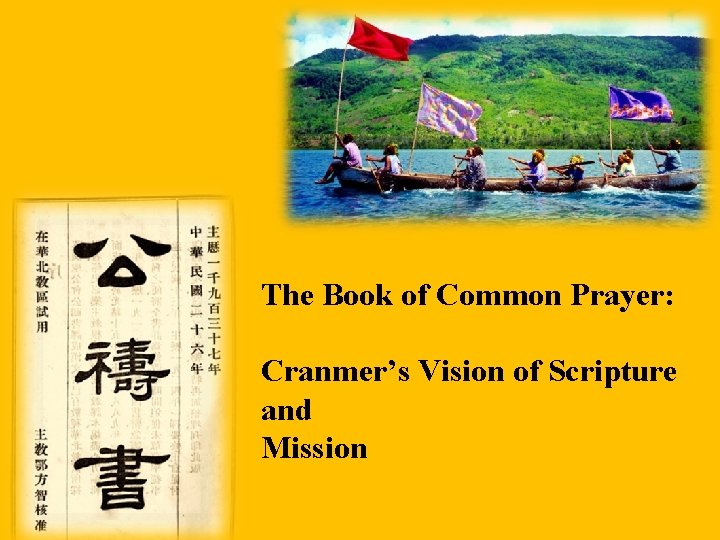
The Book of Common Prayer: Cranmer’s Vision of Scripture and Mission
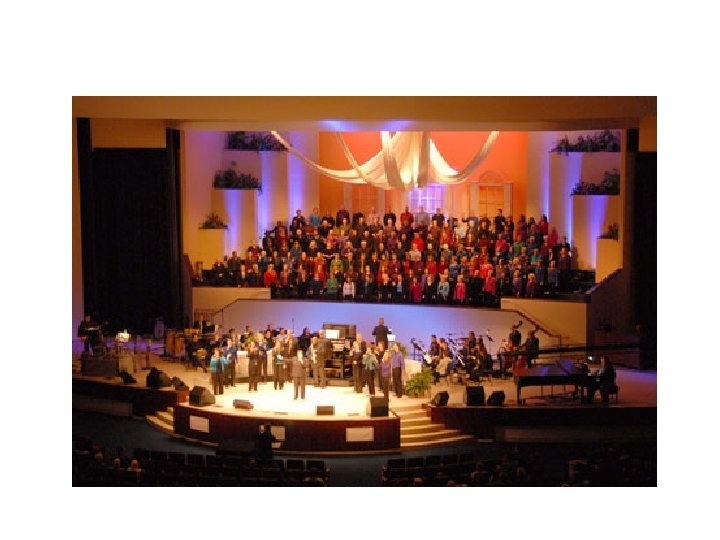
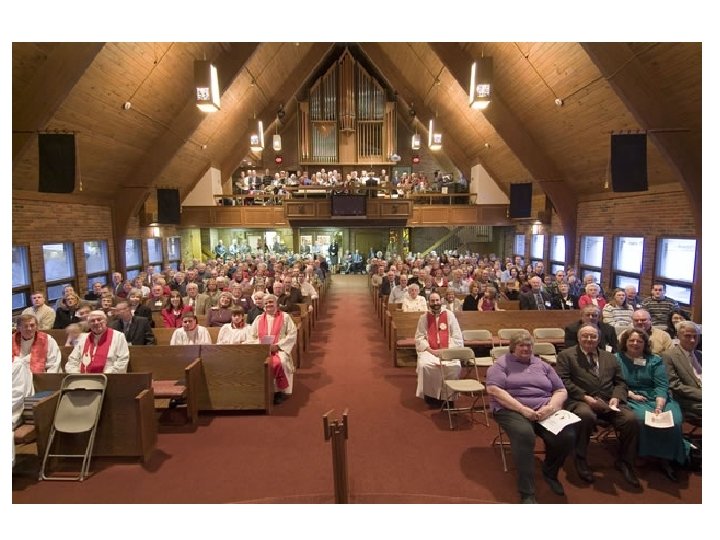
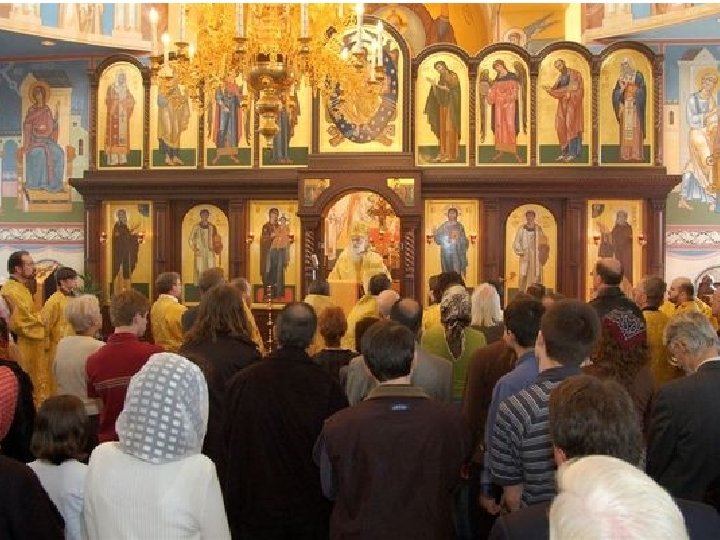
Anglican principles of church culture • a. The proper Gospel culture are the words of the Scriptures themselves • b. Such a proper Gospel culture is communicated or enacted in corporate prayer
Other principles of church culture • Lutheran: doctrinal confession [justification by faith] • Presbyterian: creation, fall, grace • Evangelical/Pentecostal: character of conversion, visible experience • Catholic: institutional connection • Orthodox: historical connection
Anglican (again)… or… • to encounter/struggle/live with Scripture, and do so in the midst of praying.
What is the Church? • A single national church • From Augustine • The Church is a “mixed body” of sinners and righteous (a corpus permixtum) • Puritans will oppose this idea
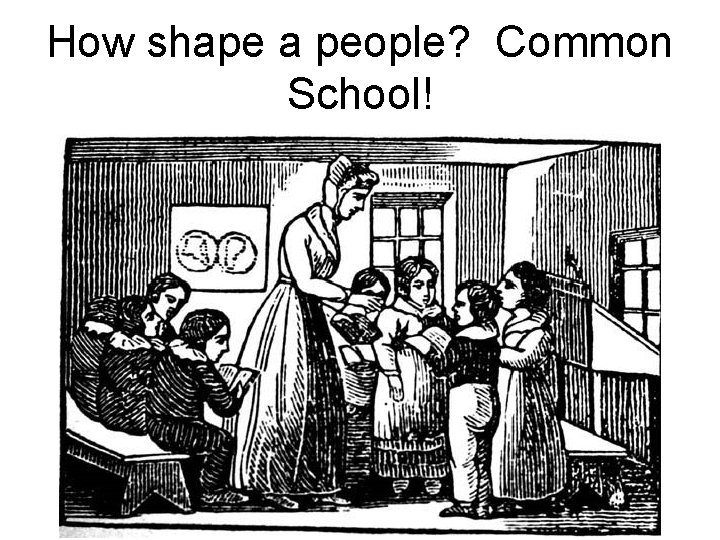
How shape a people? Common School!
How shape this one church? Common Scriptural Prayer • Exposing all the people • All the time • To the Whole Scripture
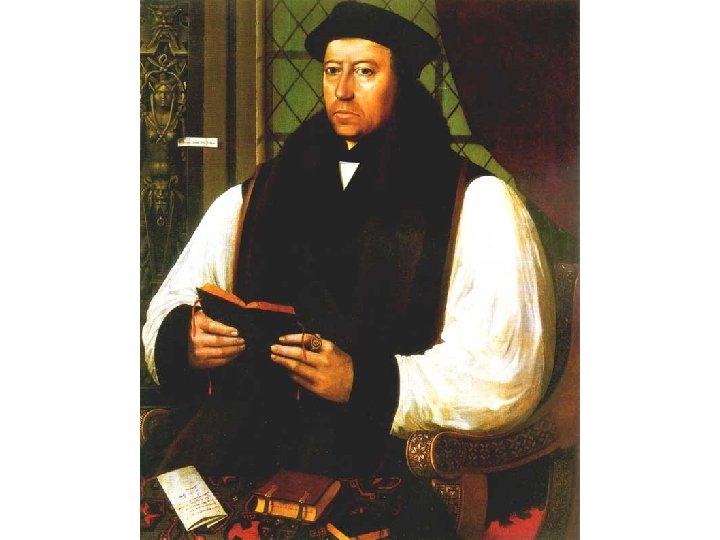
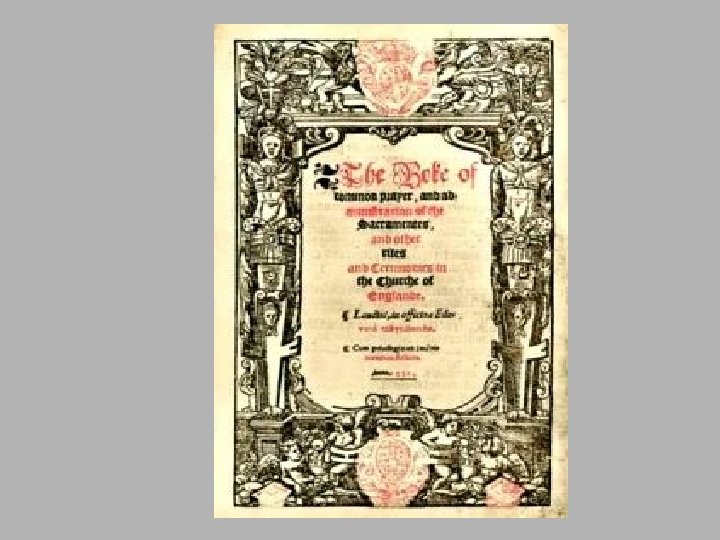
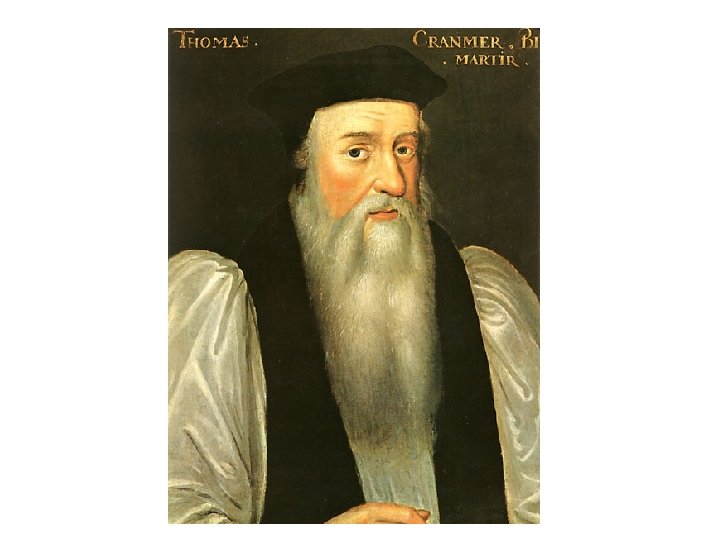
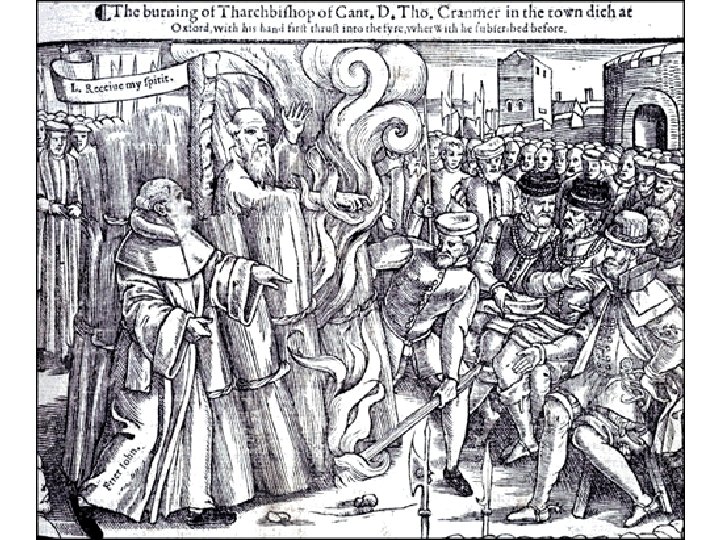
What is the church’s duty with respect to Scripture? • • • Scripture for all the people (vernacular) For their common “edification To order all their life Under the King’s supervision In ordered unity By reading, not reasoning
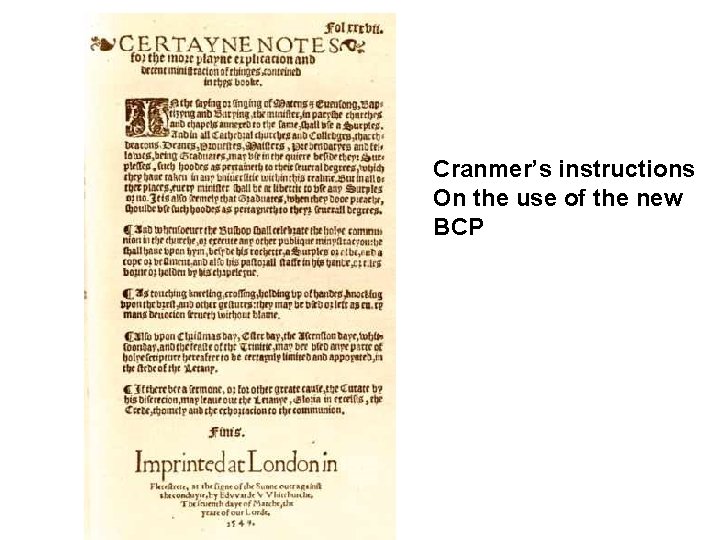
Cranmer’s instructions On the use of the new BCP
Cranmer’s explanation of the BCP’s purpose • The Whole Scripture heard over time via the Lectionary, in order to edify • The Liturgy as a support to this, according to ancient custom • This custom represents the catholic Church of the “olde fathers”

Presuppositions about the Gospel • Christians are mature as they assume the form of Jesus (the shape of the Lecitonary and service) • We grow as Christians, and are therefore shaped into being Christians fully • Time is a divine gift when shaped by the worship of God through the Scriptures
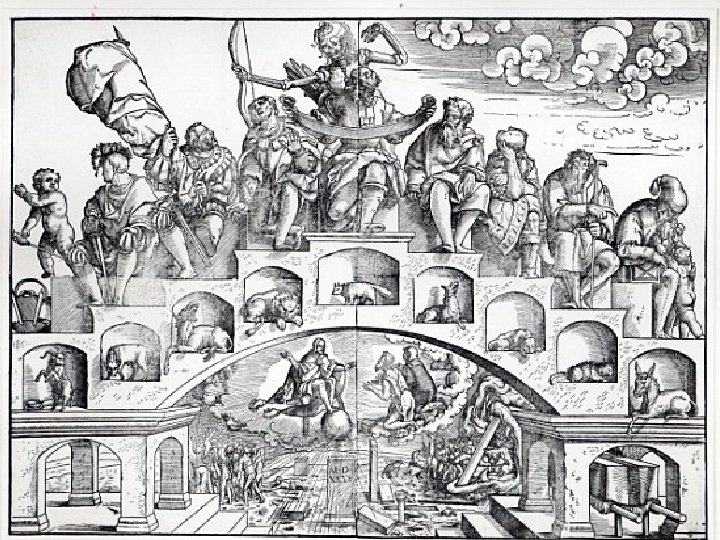
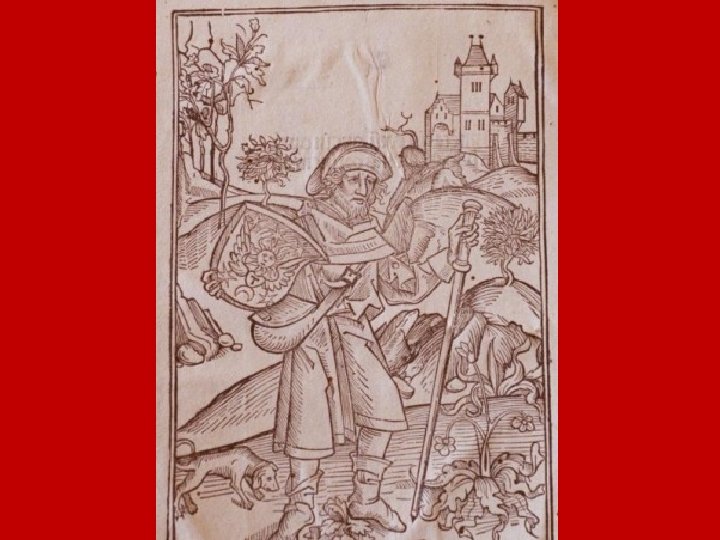
Good News: we have a destiny (the form of Christ); we have a guide a means (Christ Jesus himself); we have time; we are not alone in our journey (we are taken up by God in common worship)
Does our culture support the culture of the Book of Common Prayer? • • • No destiny No authoritative guides No enabling power No regular time We are on our own and should be “Conformity” is bad
Mission and the BCP • Common Prayer • Common citizenship for the service of God • Common humanity with the same vocation
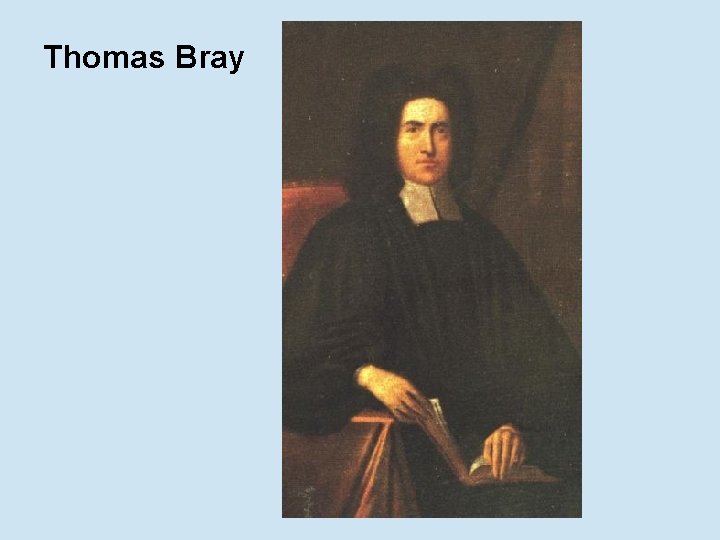
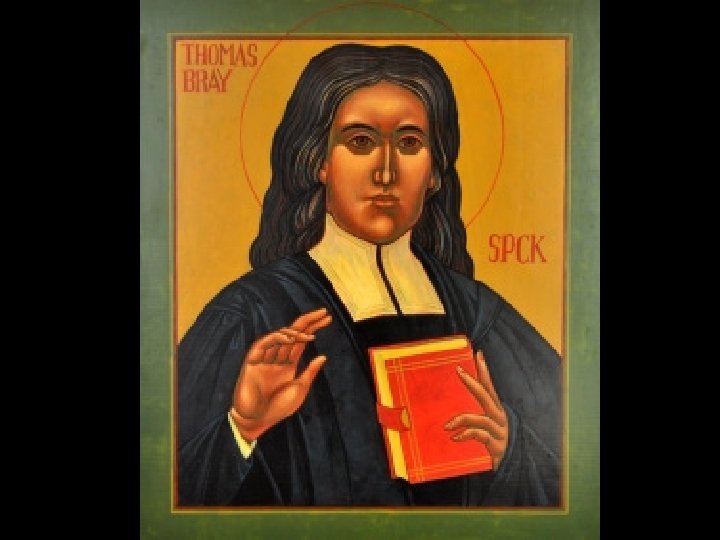
Thomas Bray
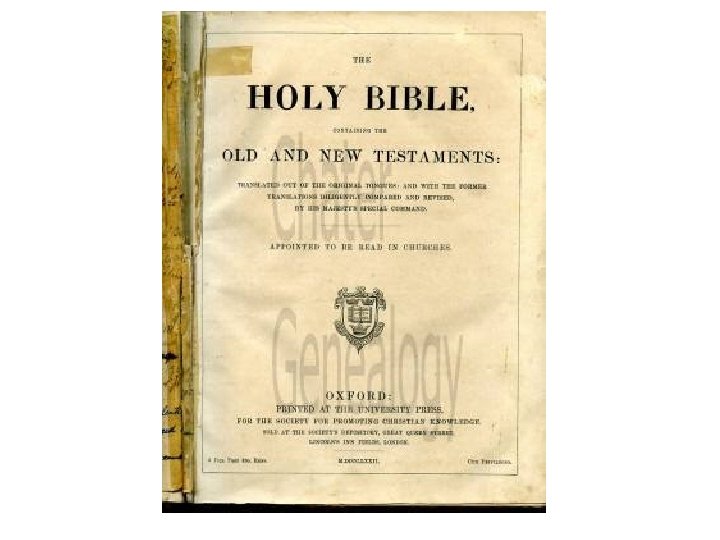
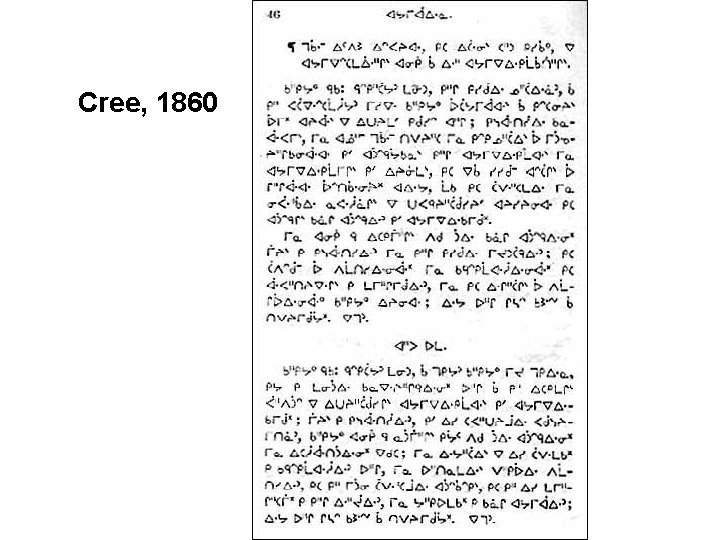
Cree, 1860
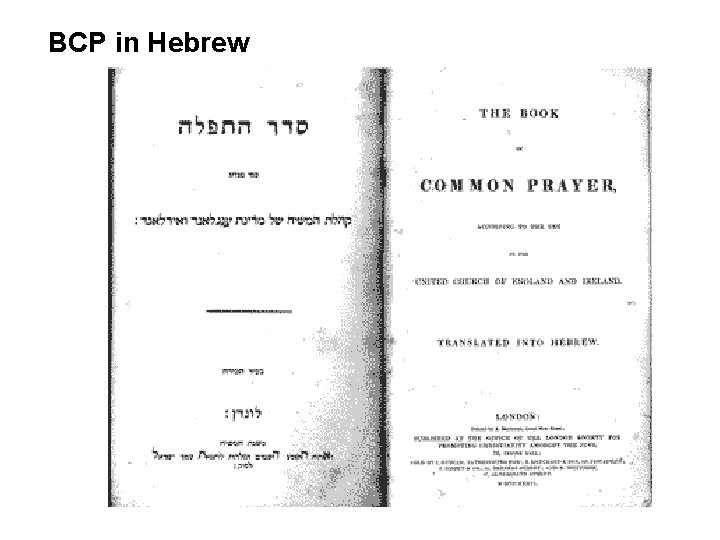
BCP in Hebrew
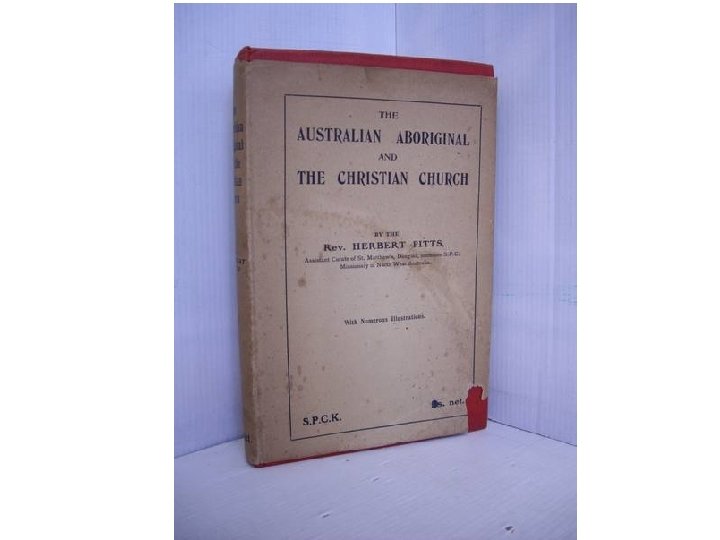

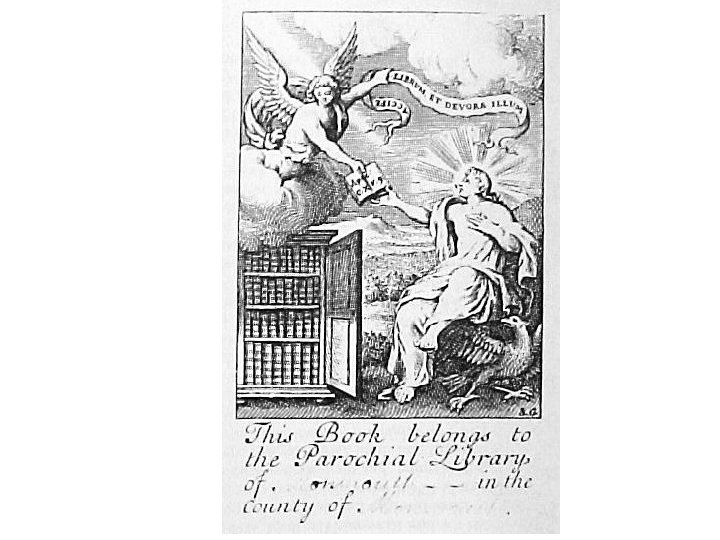

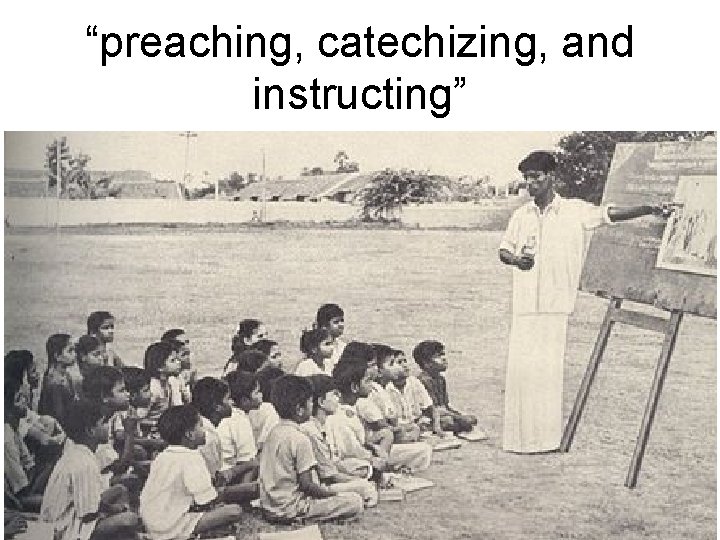
“preaching, catechizing, and instructing”
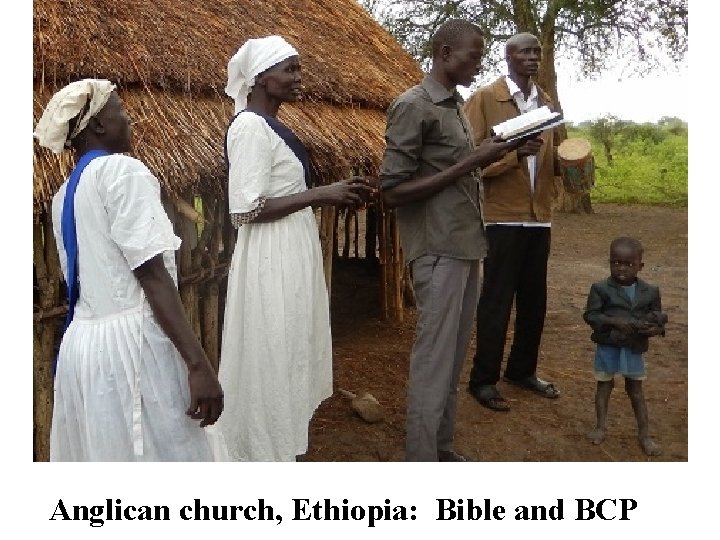
Anglican church, Ethiopia: Bible and BCP
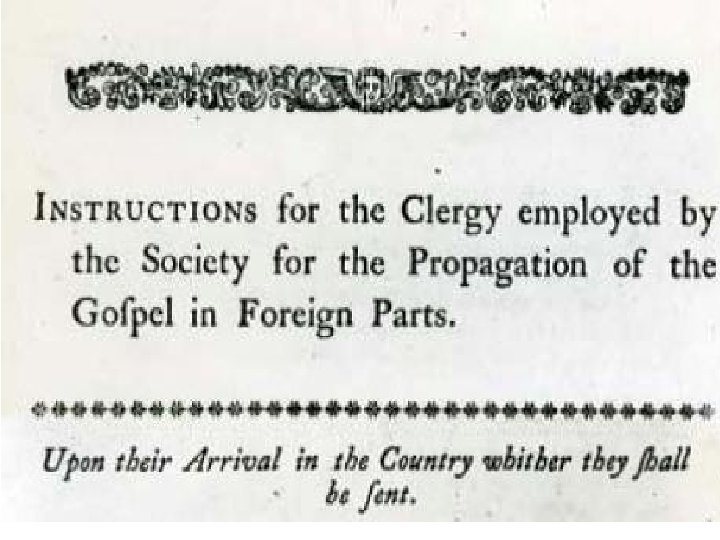
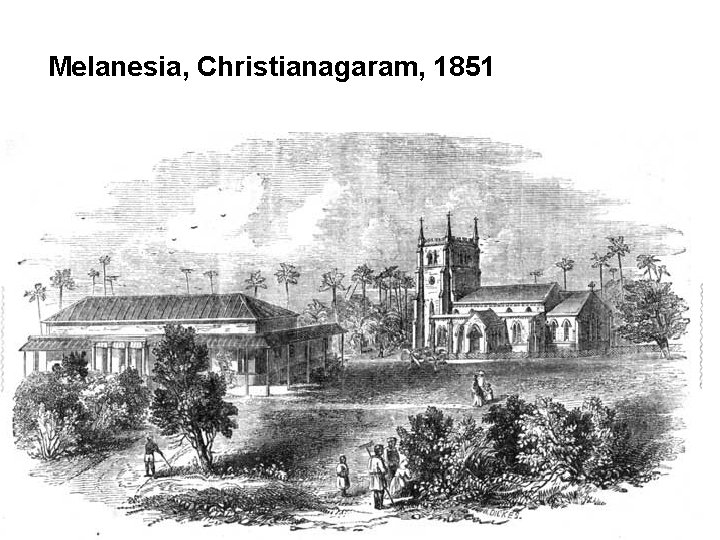
Melanesia, Christianagaram, 1851
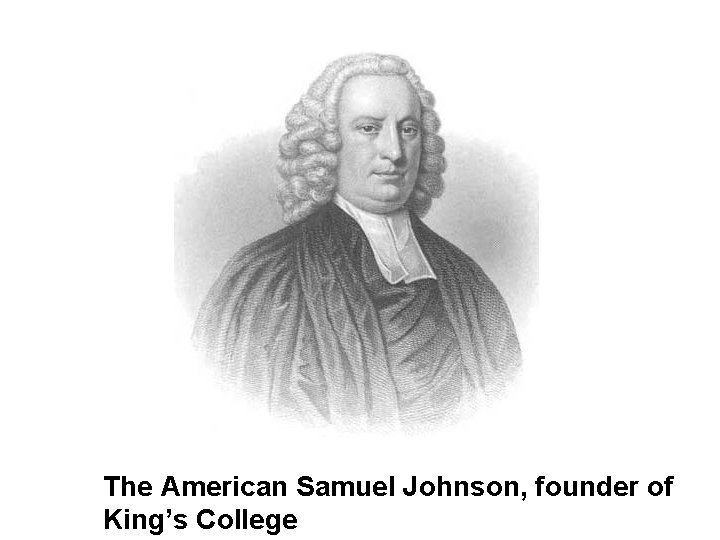
The American Samuel Johnson, founder of King’s College
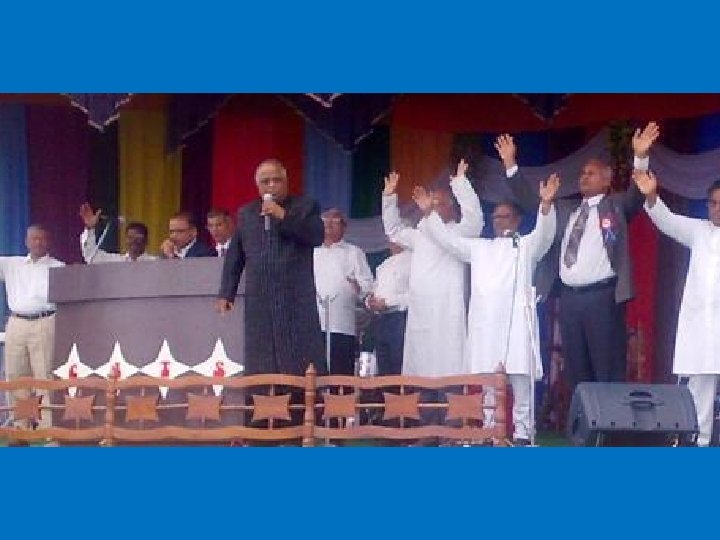
• we offer up our address to God unanimously, with the unity of the Spirit, in the bond of peace, • [lifting] up holy hands without wrath or doubting’. • psalmic elements • comprehensive gestural framework— kneeling, and the like— • Symbol of the whole gathered people’s lives in uni� ed self-offering.
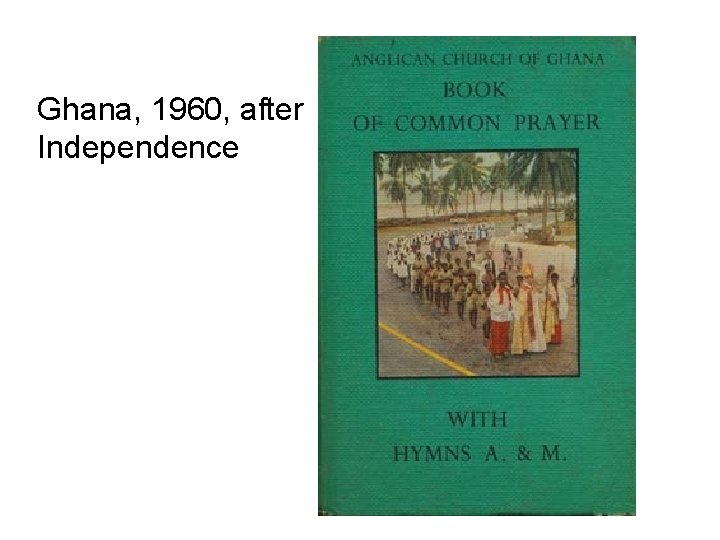
Ghana, 1960, after Independence
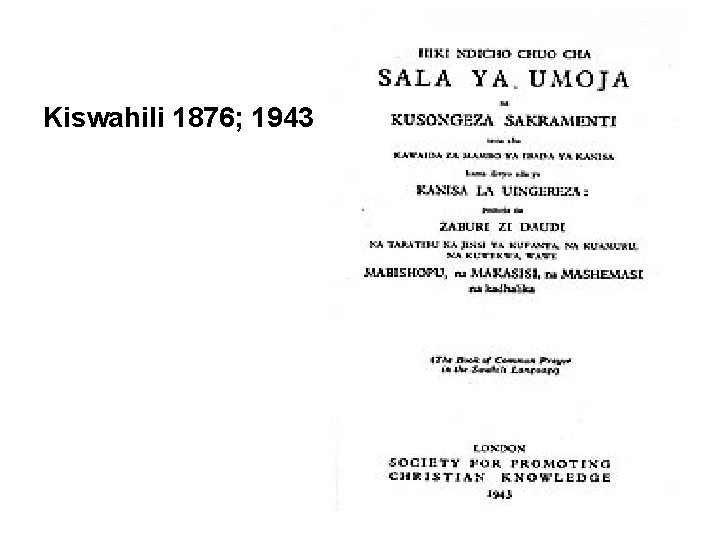
Kiswahili 1876; 1943

Solomon Islands (Kwara’ae) 2001
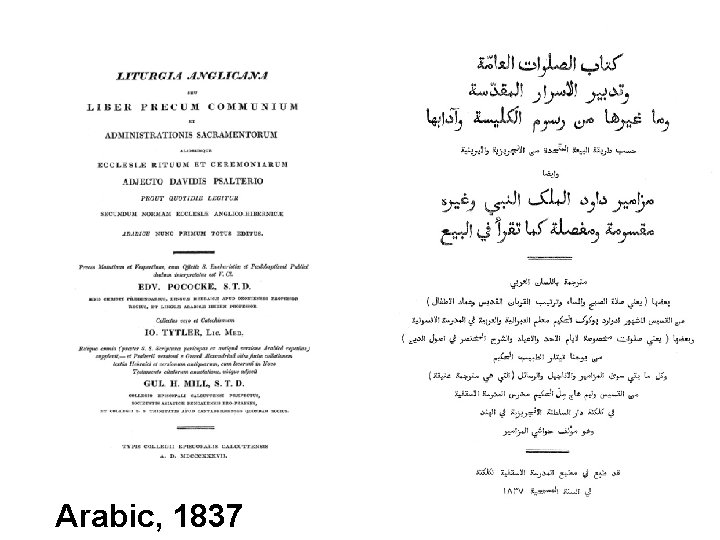
Arabic, 1837
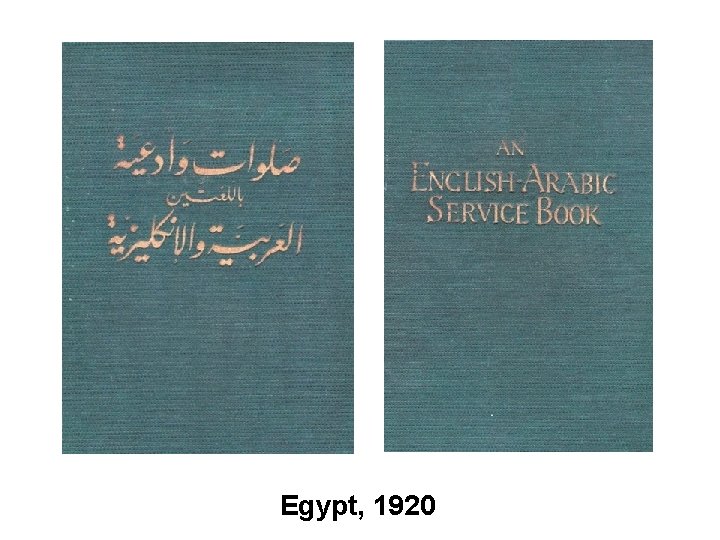
Egypt, 1920
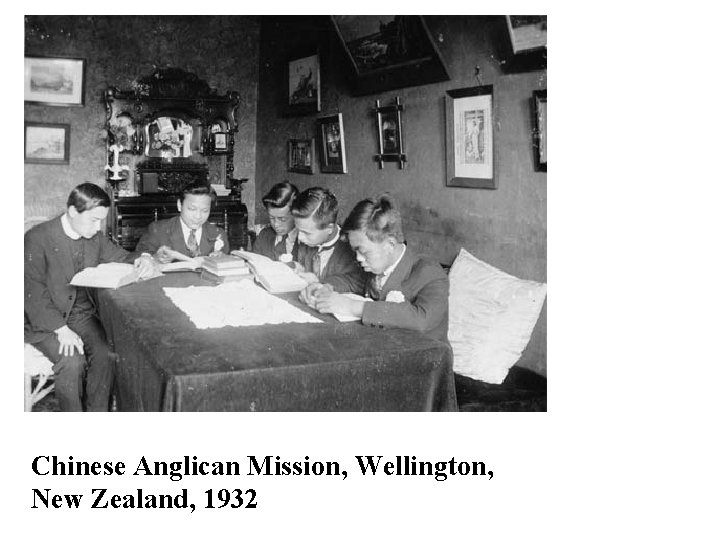
Chinese Anglican Mission, Wellington, New Zealand, 1932
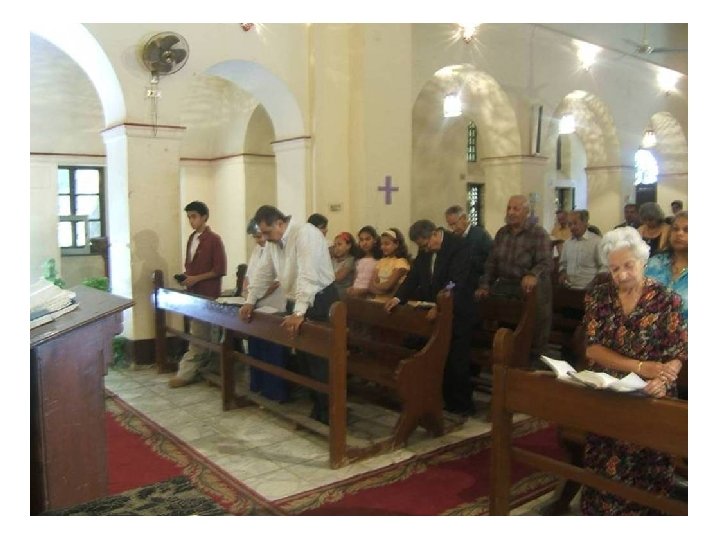






Cranmer’s Vision • All the Scripture, • for all the people, • all the time, • though common prayer.

- Slides: 58