
The Bodys Defenses The Immune System Main Point
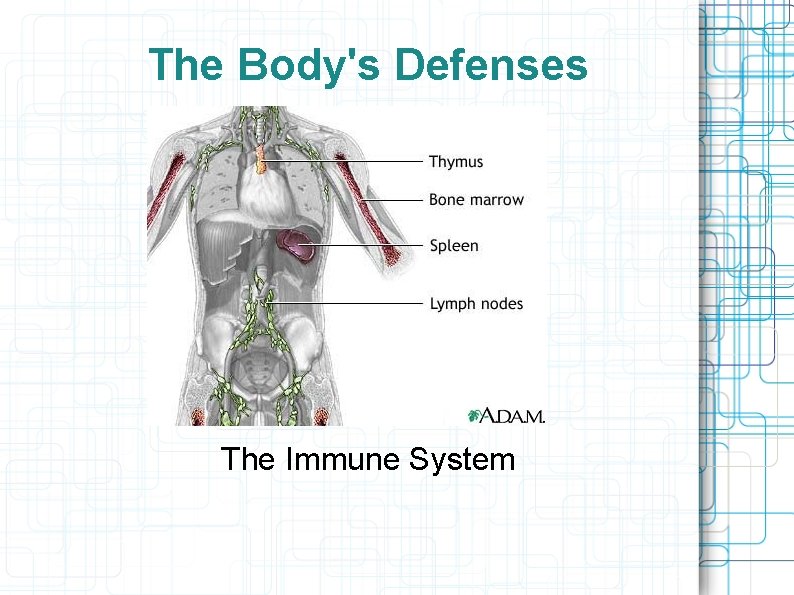
The Body's Defenses The Immune System
Main Point #1 The body is first protected by a barrier
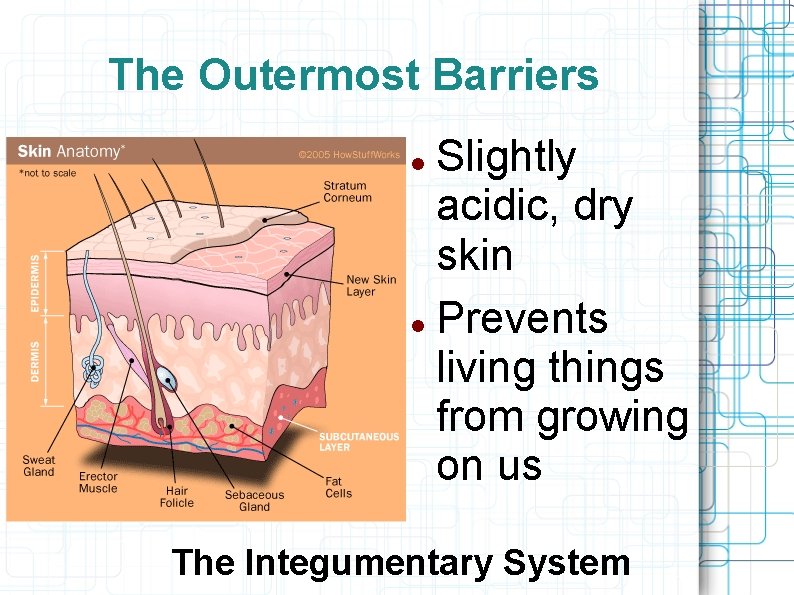
The Outermost Barriers Slightly acidic, dry skin Prevents living things from growing on us The Integumentary System
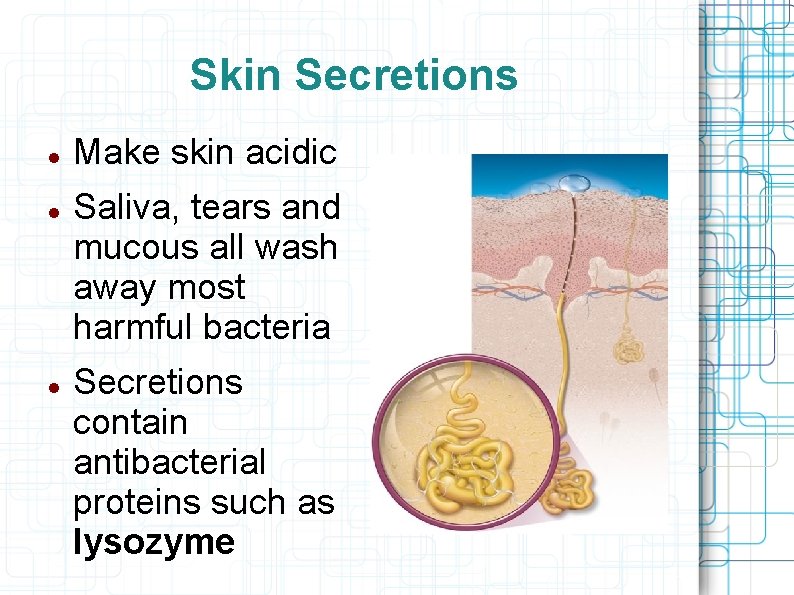
Skin Secretions Make skin acidic Saliva, tears and mucous all wash away most harmful bacteria Secretions contain antibacterial proteins such as lysozyme

Mucus Traps microbes and particles Swallowed and acid from the stomach kills bacteria We also expel mucus through sneezing and runny noses (rhinorreah)
Main Point #2 We have a non-specific immune system that attacks any invading pathogen
Non-Specific Responses The body has white blood cells that attack any foreign invaders
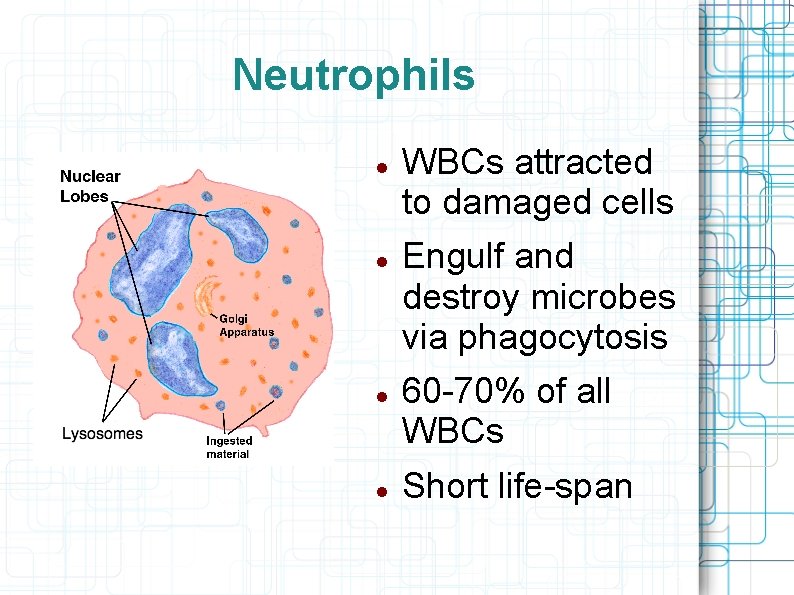
Neutrophils WBCs attracted to damaged cells Engulf and destroy microbes via phagocytosis 60 -70% of all WBCs Short life-span
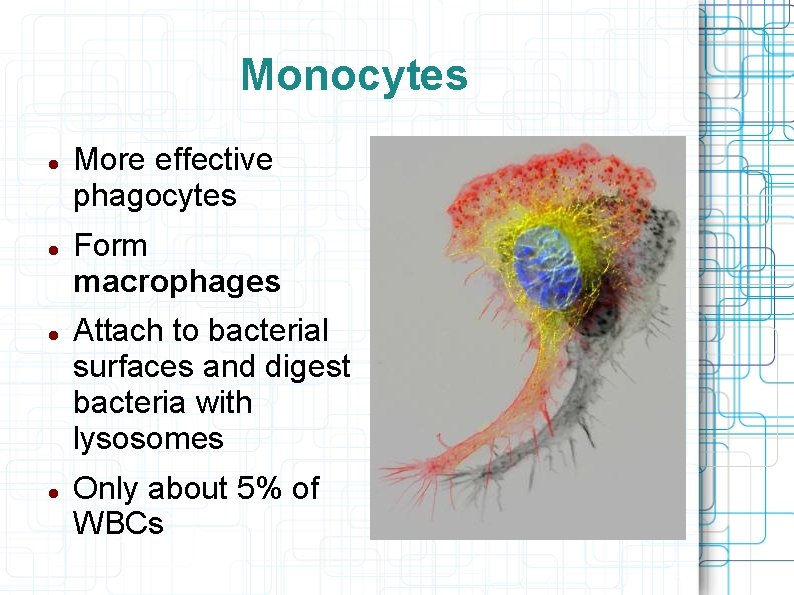
Monocytes More effective phagocytes Form macrophages Attach to bacterial surfaces and digest bacteria with lysosomes Only about 5% of WBCs
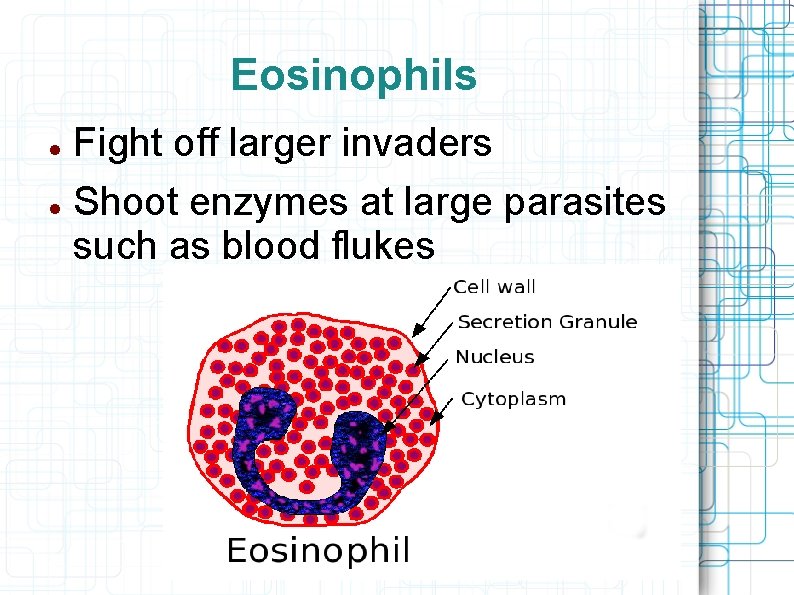
Eosinophils Fight off larger invaders Shoot enzymes at large parasites such as blood flukes
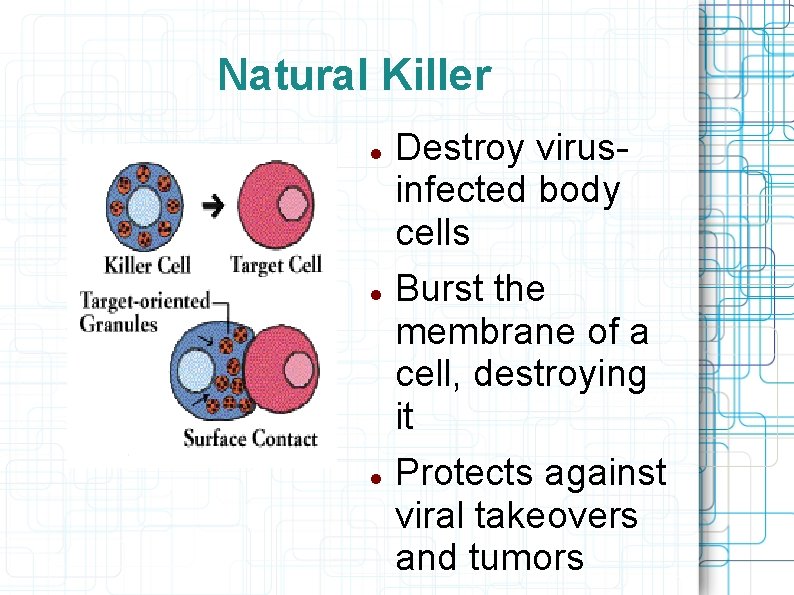
Natural Killer Destroy virusinfected body cells Burst the membrane of a cell, destroying it Protects against viral takeovers and tumors
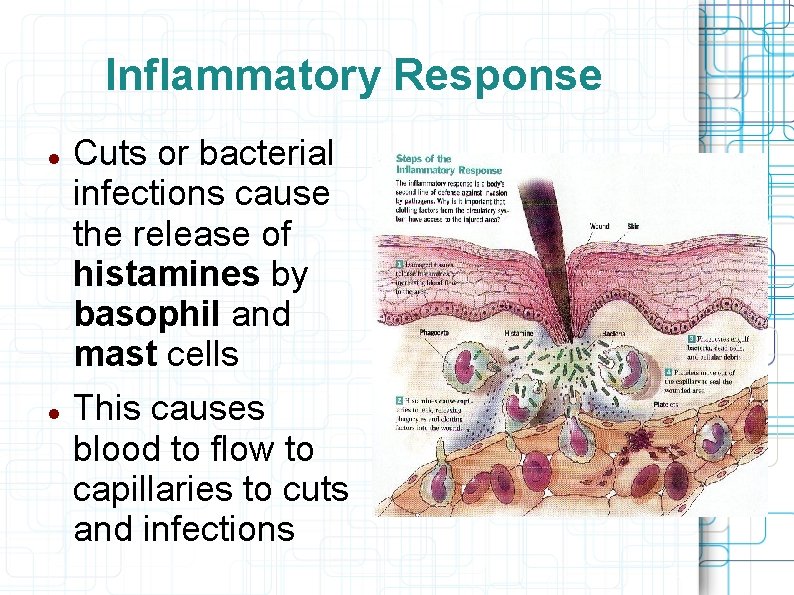
Inflammatory Response Cuts or bacterial infections cause the release of histamines by basophil and mast cells This causes blood to flow to capillaries to cuts and infections
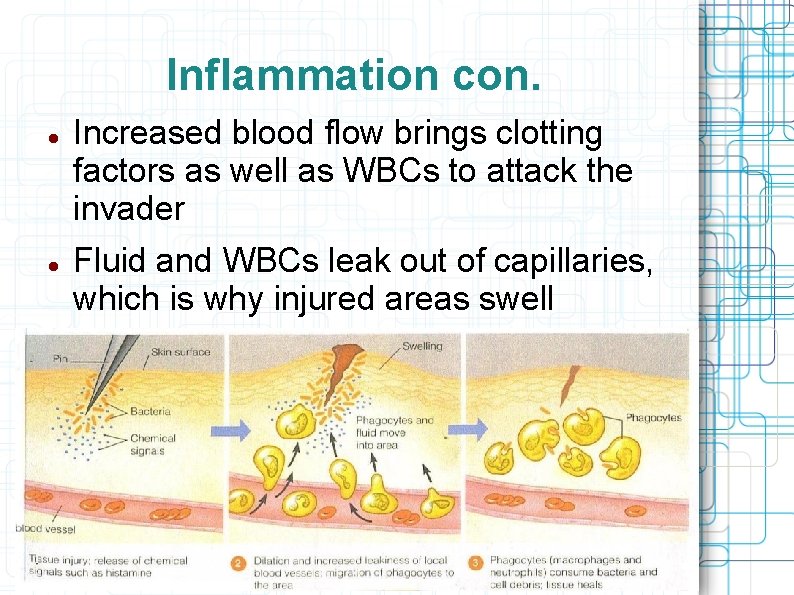
Inflammation con. Increased blood flow brings clotting factors as well as WBCs to attack the invader Fluid and WBCs leak out of capillaries, which is why injured areas swell
Main Point #3 The third line of defense is specific reactions to disruption of homeostasis
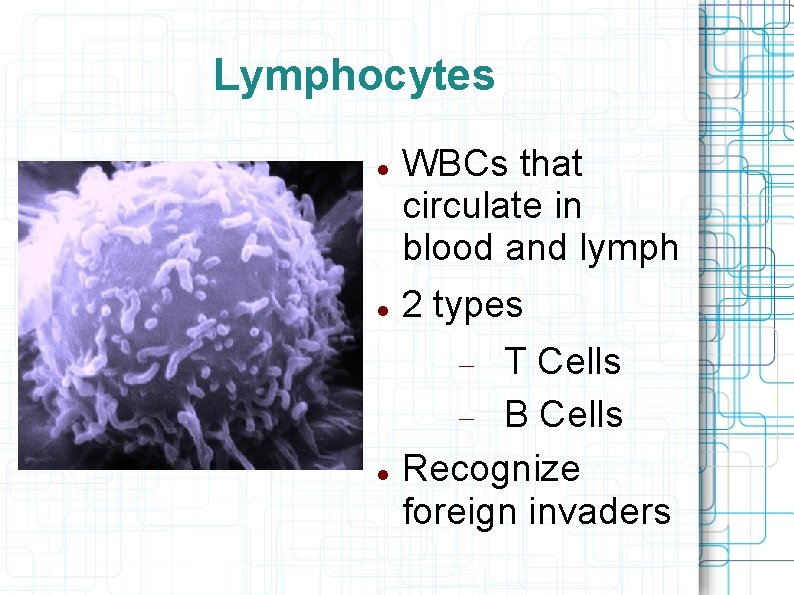
Lymphocytes WBCs that circulate in blood and lymph 2 types T Cells B Cells Recognize foreign invaders
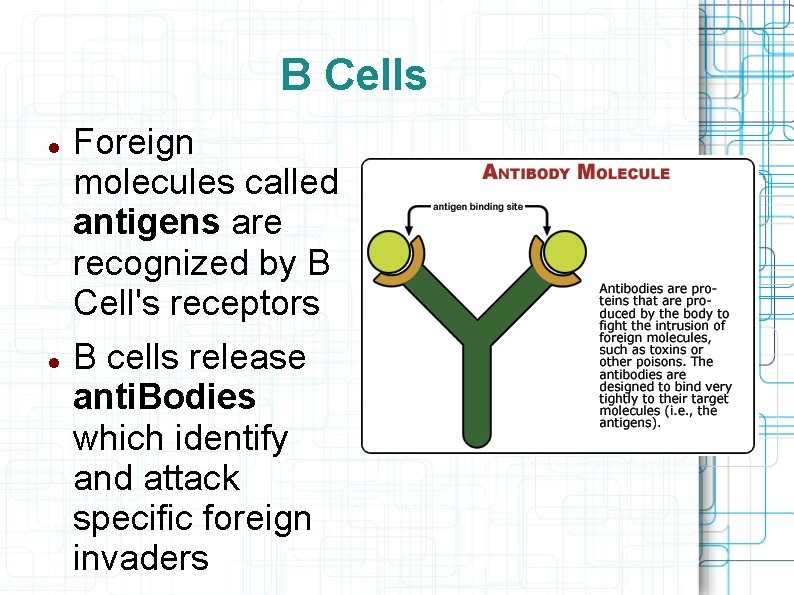
B Cells Foreign molecules called antigens are recognized by B Cell's receptors B cells release anti. Bodies which identify and attack specific foreign invaders
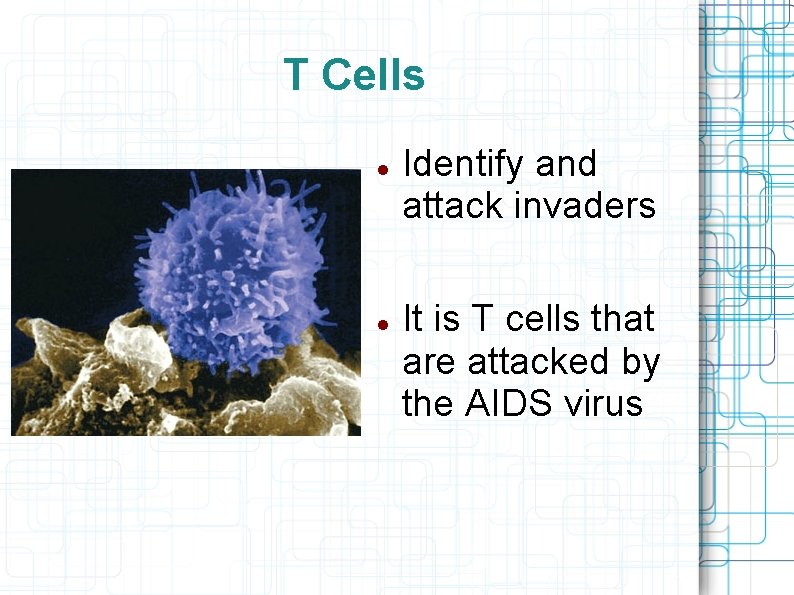
T Cells Identify and attack invaders It is T cells that are attacked by the AIDS virus
Quick Note • Antigen = foreign molecule • Pathogen = foreign organism • Often used interchangeably • WBCs may recognize an antigen that is a part of a pathogen
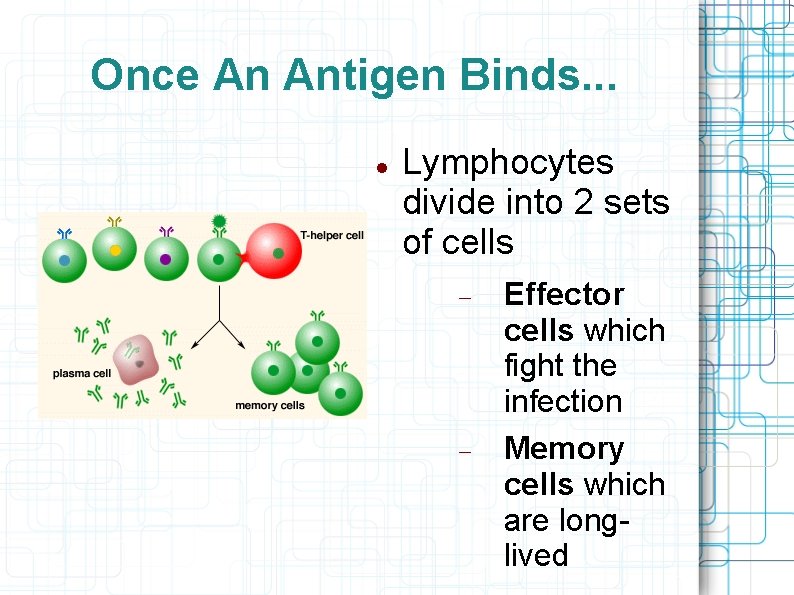
Once An Antigen Binds. . . Lymphocytes divide into 2 sets of cells Effector cells which fight the infection Memory cells which are longlived
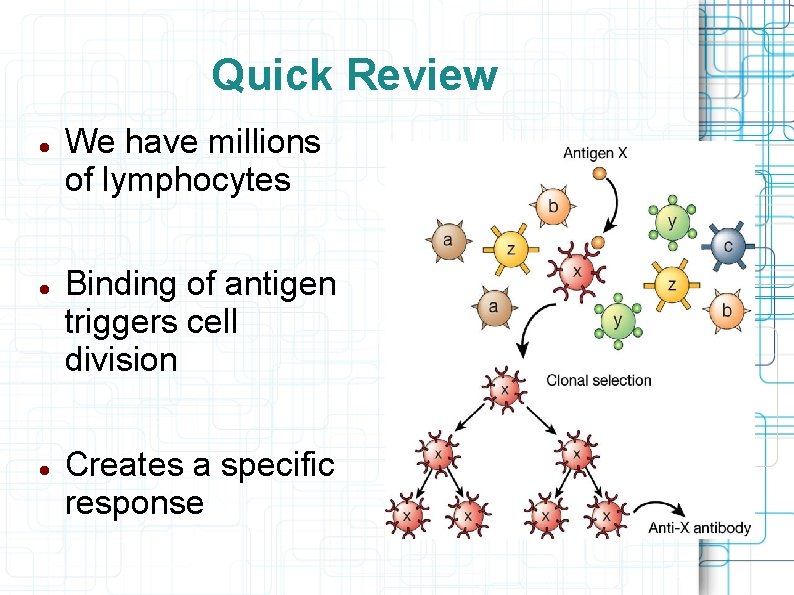
Quick Review We have millions of lymphocytes Binding of antigen triggers cell division Creates a specific response
Primary vs. Secondary Immune Response It takes about 10 -17 days to generate the maximum response to a foreign microbe and clear the antigens from the body During the wait time is when people feel ill If exposed to the same antigen, it takes only 2 -7 days to clear the body, which is called the Secondary Immune Response More antibodies that are more specific are made due to memory cells This is called immunological memory
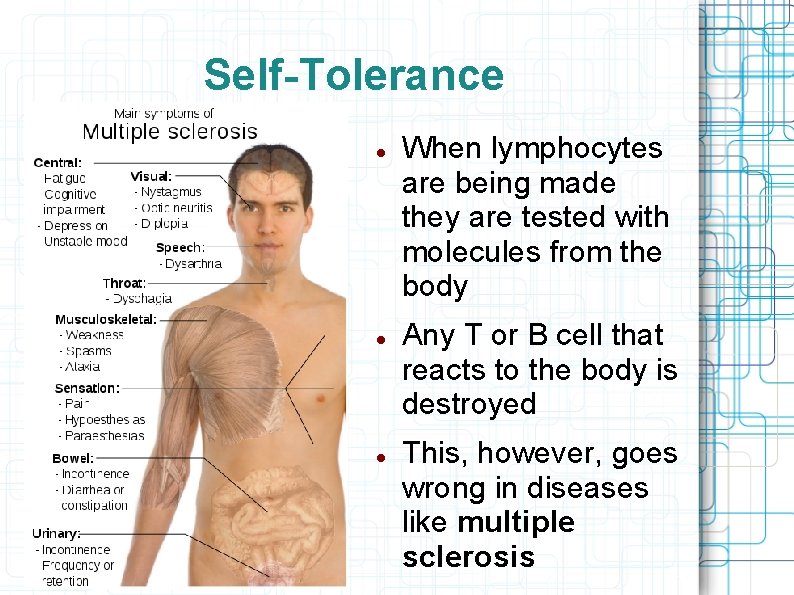
Self-Tolerance When lymphocytes are being made they are tested with molecules from the body Any T or B cell that reacts to the body is destroyed This, however, goes wrong in diseases like multiple sclerosis
Main Point #4 Specific immune responses consist of antibodies and T cells fighting off foreign antigens
Immune Responses The humoral response defends against extracellular antigens (in the blood) Formation of antibodies in blood The cell-mediated response defends against pathogens inside of cells Destruction of infected or cancerous cells
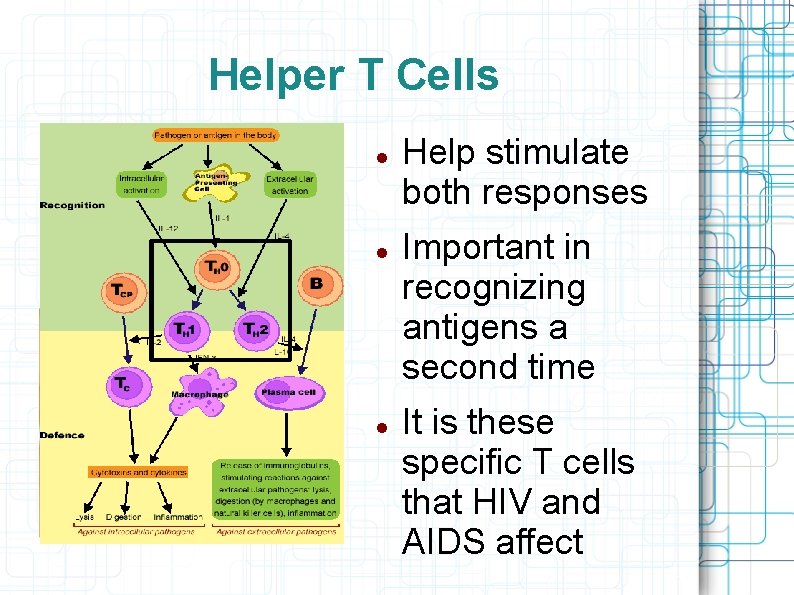
Helper T Cells Help stimulate both responses Important in recognizing antigens a second time It is these specific T cells that HIV and AIDS affect
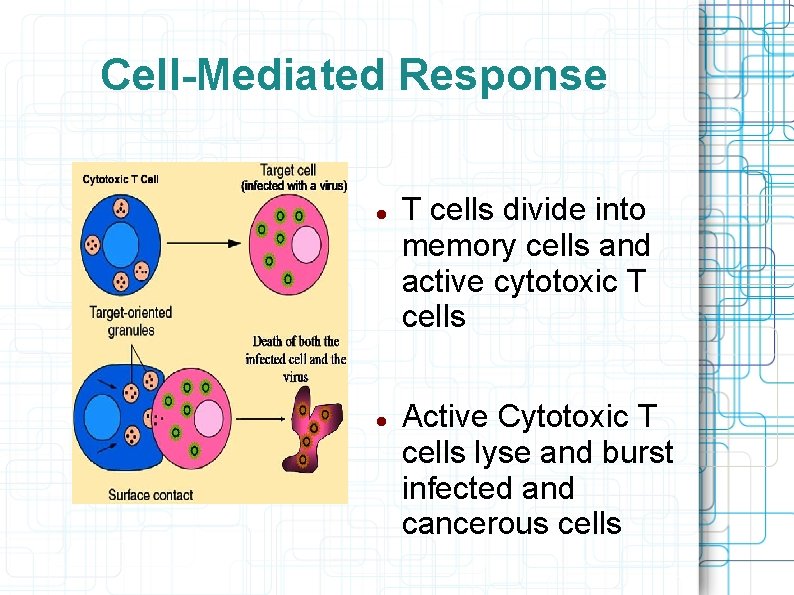
Cell-Mediated Response T cells divide into memory cells and active cytotoxic T cells Active Cytotoxic T cells lyse and burst infected and cancerous cells
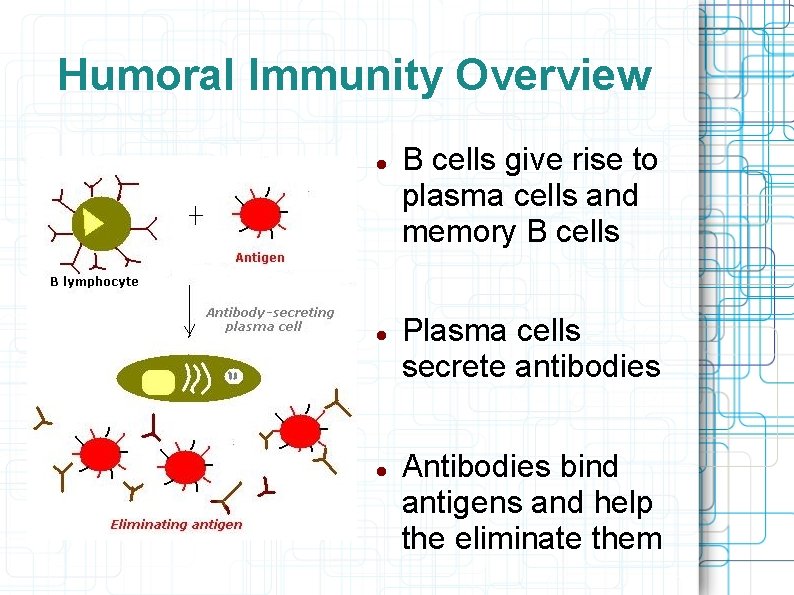
Humoral Immunity Overview B cells give rise to plasma cells and memory B cells Plasma cells secrete antibodies Antibodies bind antigens and help the eliminate them
Main Point #5 Antibodies help fight viruses and bacteria outside of the cells in a number of different ways
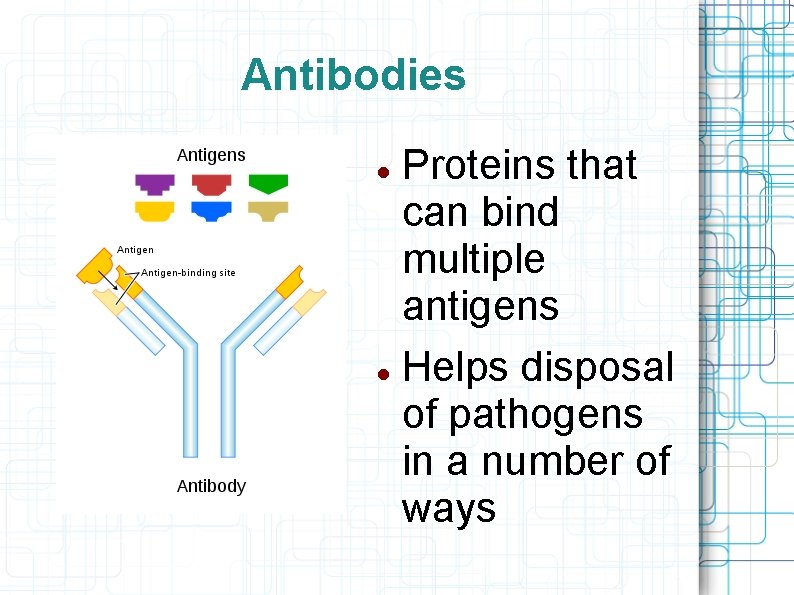
Antibodies Proteins that can bind multiple antigens Helps disposal of pathogens in a number of ways
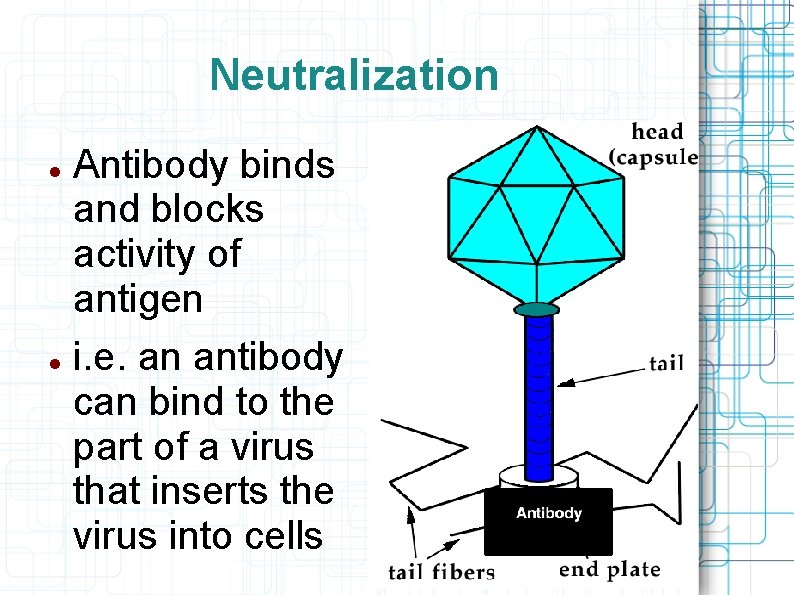
Neutralization Antibody binds and blocks activity of antigen i. e. an antibody can bind to the part of a virus that inserts the virus into cells
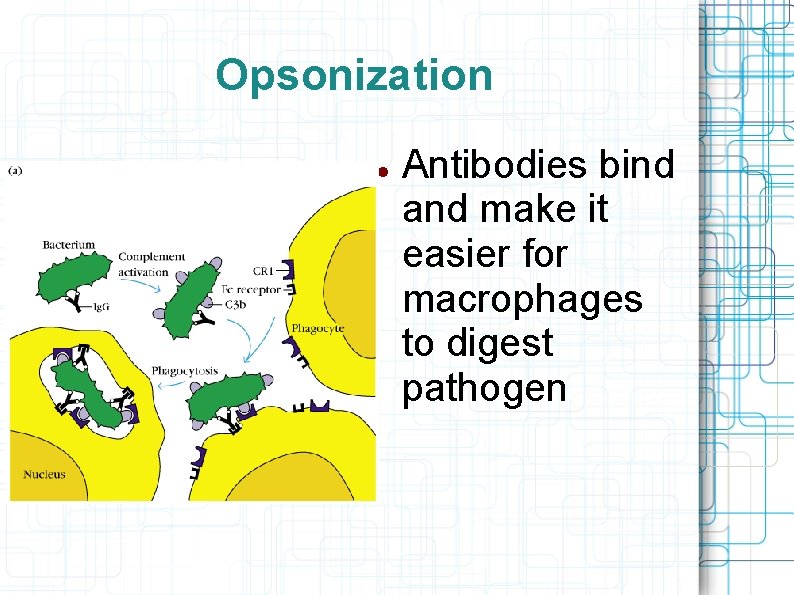
Opsonization Antibodies bind and make it easier for macrophages to digest pathogen
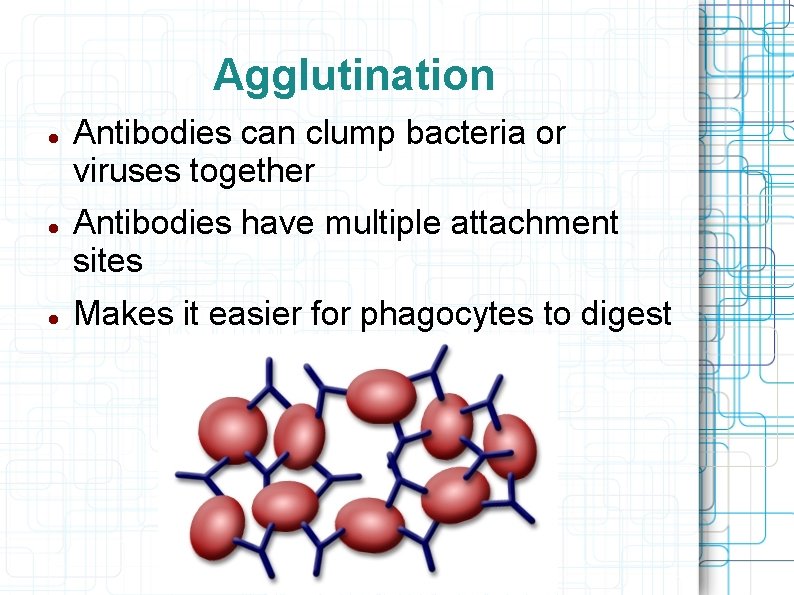
Agglutination Antibodies can clump bacteria or viruses together Antibodies have multiple attachment sites Makes it easier for phagocytes to digest
Review 1. Barriers • Skin/mucus/lysozyme 2. Inflammatory Response • • Basophil/Mast cells release histamine Swelling, non-specific WBCs • Neutrophils, Monocytes (macrophages), eosinophils, natural killer cells 3. Immune Response • • Lymphocytes attack specific antigens Humoral (B cells, antibodies) and Cellmediated (T cells)
Major Histocompatibility Complex (MHC) • Molecules on cell surface that help the body distinguish self from nonself • WBCs recognize non-self antigens and attack • More diverse MHC molecules means better immune defense
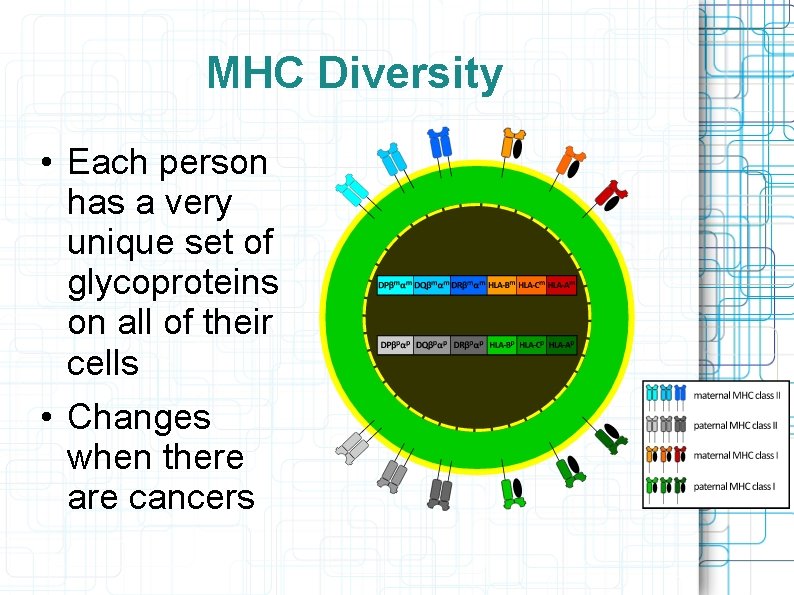
MHC Diversity • Each person has a very unique set of glycoproteins on all of their cells • Changes when there are cancers
MHC Diversity and Mate Selection? • Many studies have shown preference for mates with different MHC markers • Part of scents?
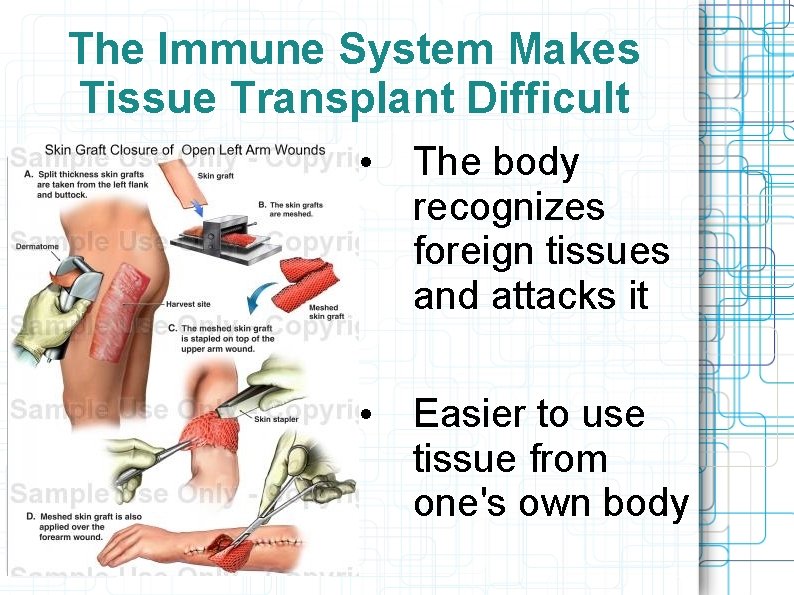
The Immune System Makes Tissue Transplant Difficult • The body recognizes foreign tissues and attacks it • Easier to use tissue from one's own body
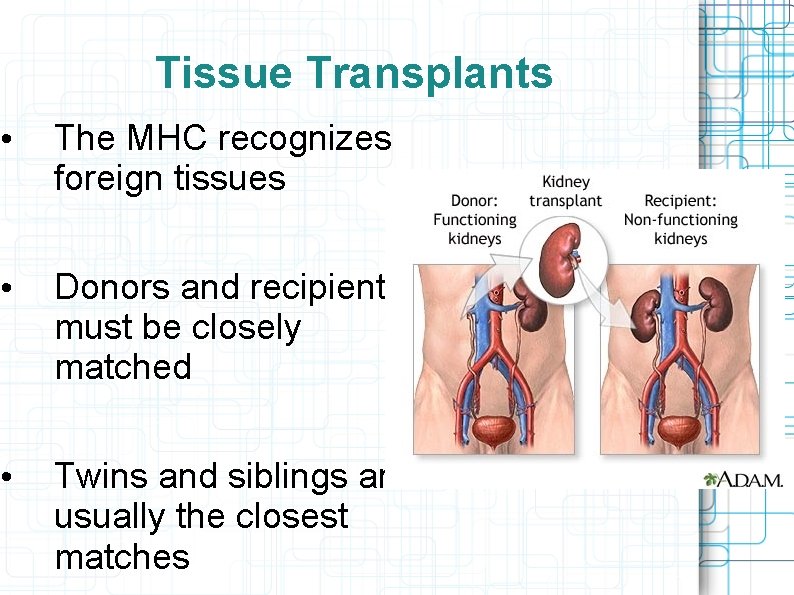
Tissue Transplants • The MHC recognizes foreign tissues • Donors and recipients must be closely matched • Twins and siblings are usually the closest matches
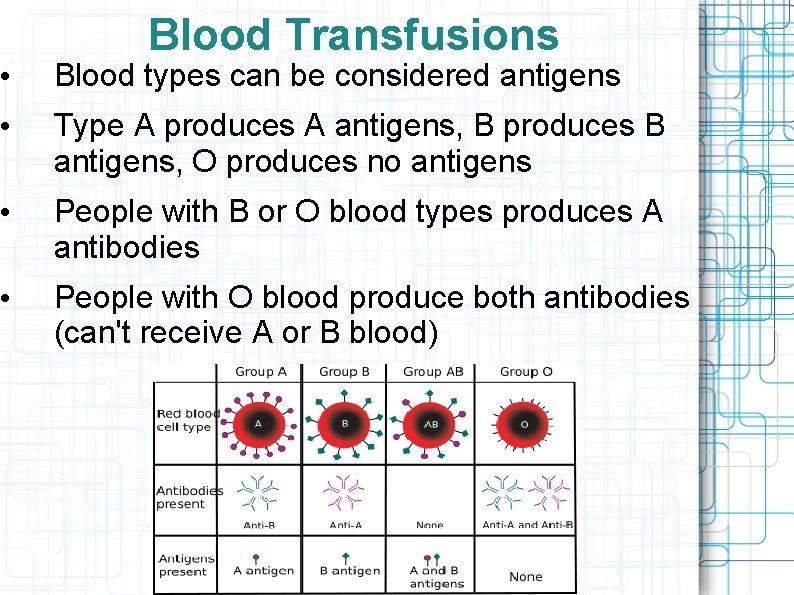
Blood Transfusions • Blood types can be considered antigens • Type A produces A antigens, B produces B antigens, O produces no antigens • People with B or O blood types produces A antibodies • People with O blood produce both antibodies (can't receive A or B blood)
Blood Transfusions Gone Wrong • You cannot receive blood for which you have antibodies! • If you’re type O, you produce A and B antibodies – you can only receive type O blood • If you’re AB – you produce no antibodies – you can accept any blood • (this oversimplifies things a bit, there is also the Rh factor and other blood antigens)
Immune System Commercials/Ads Solo, duo or trio. No quartet Either in a written ad or a video commercial, advertise: Basophil/mast cells (histamine) Macrophages/monocytes T cells B cells Antibodies Optional additions: neutrophils, MHC, helper T, eosinophils, natural killer
- Slides: 41