
The Biosphere ecosystems ecological succession land water biomes
The Biosphere - ecosystems, ecological succession - land water biomes -energy nutrients cycle through the biosphere
Earth: A Living Planet • Ecology-the study of the interactions of organisms with one another and with their physical surroundings

Biosphere • the part of the Earth in which life exists • includes all areas of land, air, and water on the planet and life • 8 km above Earth’s surface to 8 km below ocean surface

Ecosystems • biosphere • large, complex, difficult to study • Ecosystem-given area’s physical features and living organisms • abiotic and biotic factors • ecosystems are connected by both living and nonliving features
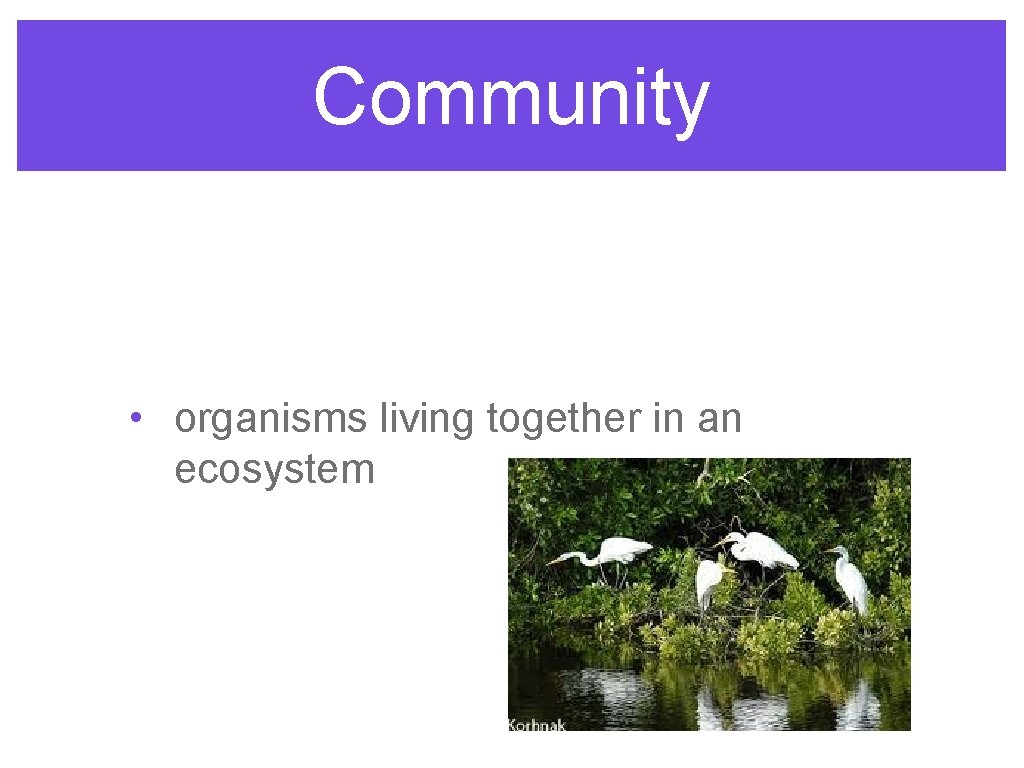
Community • organisms living together in an ecosystem
Ecological Succession • ecosystems change over time • every organism affects environmental conditions around it • ecological succession-an existing community of organisms is replaced by a different community over periods of time
Ecological Succession • pioneer species-species that colonize in a place where no living community existed before
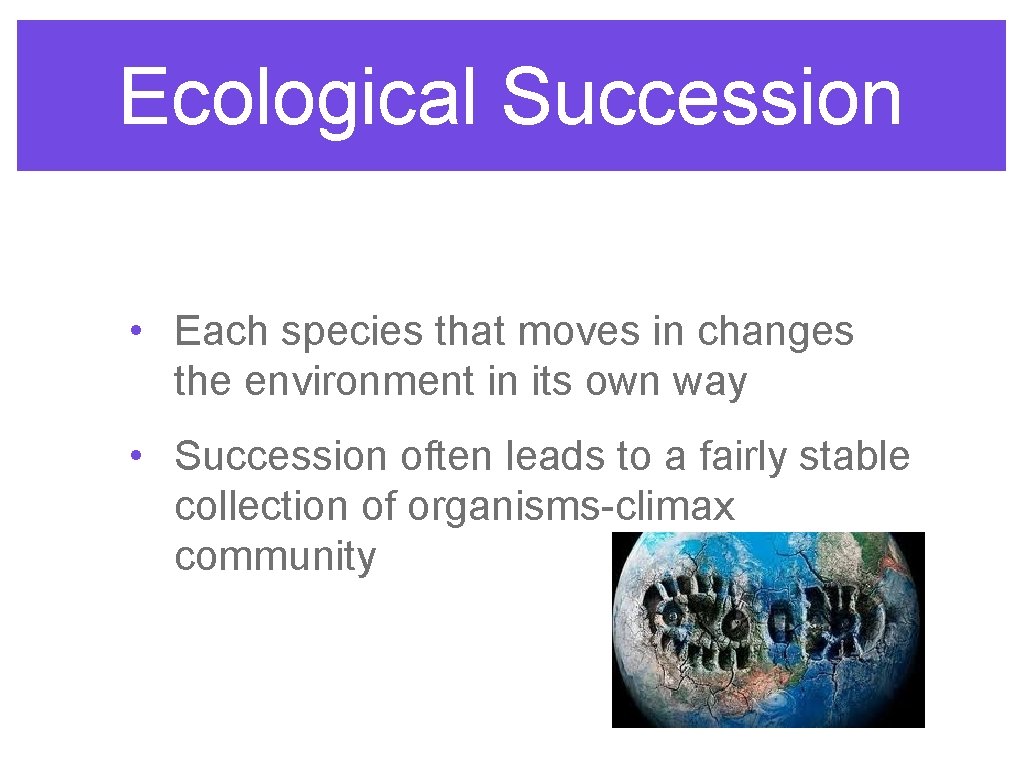
Ecological Succession • Each species that moves in changes the environment in its own way • Succession often leads to a fairly stable collection of organisms-climax community
Land Biomes • biome- an environment that has a characteristic climax community • land aquatic
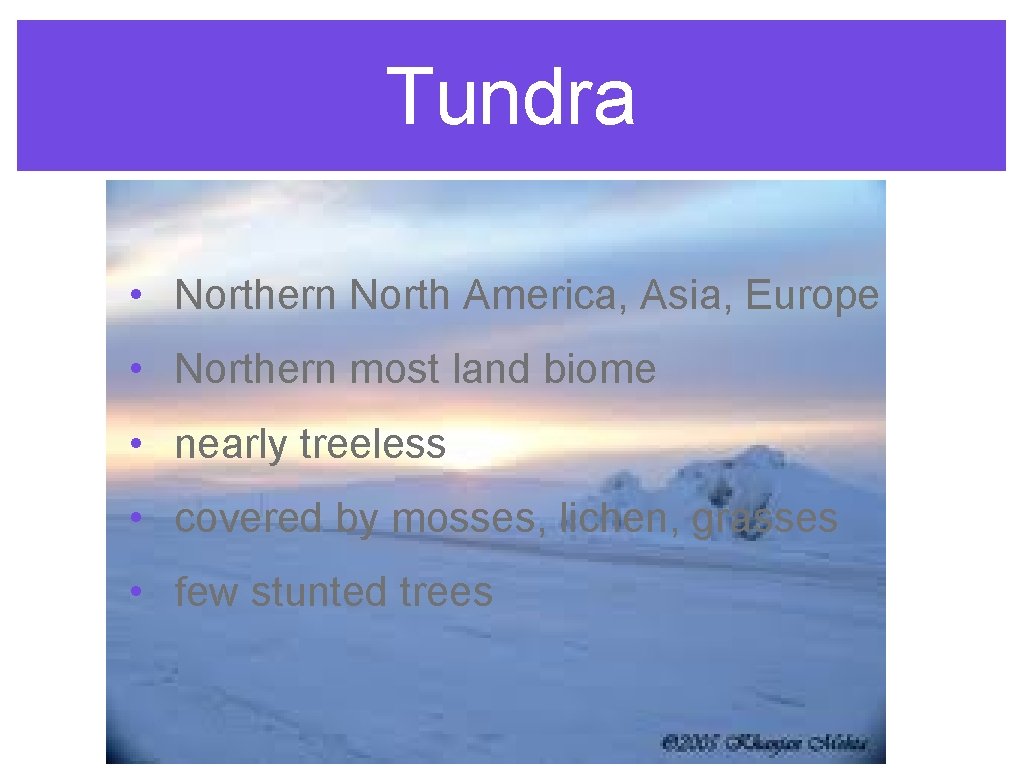
Tundra • Northern North America, Asia, Europe • Northern most land biome • nearly treeless • covered by mosses, lichen, grasses • few stunted trees
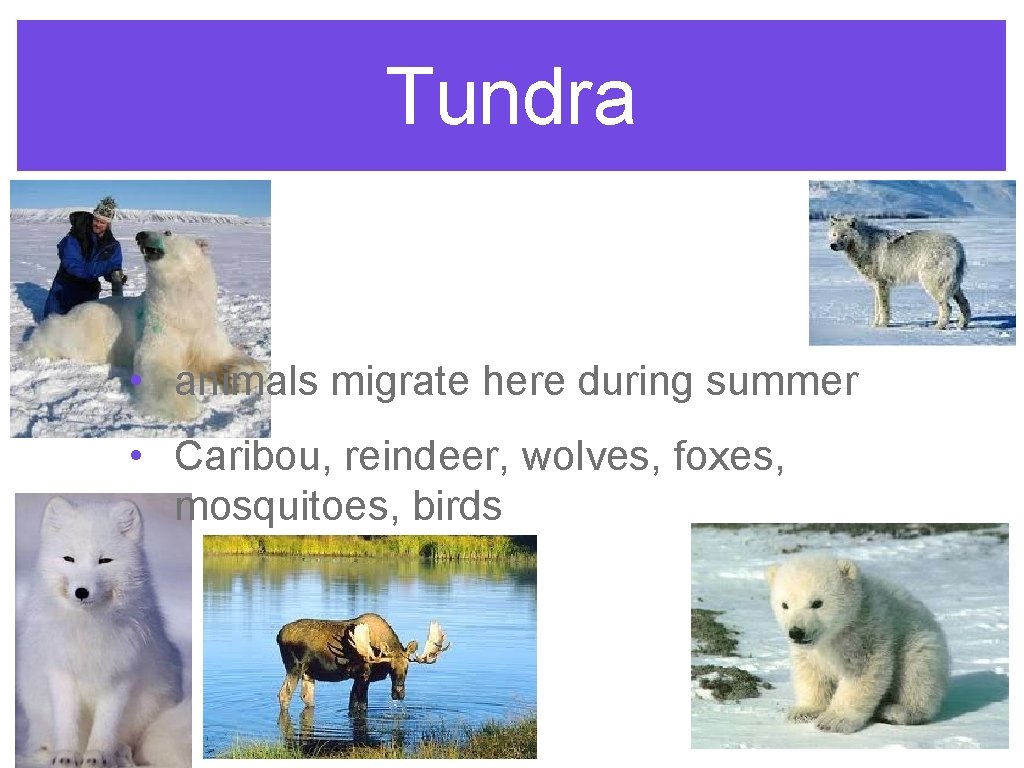
Tundra • animals migrate here during summer • Caribou, reindeer, wolves, foxes, mosquitoes, birds
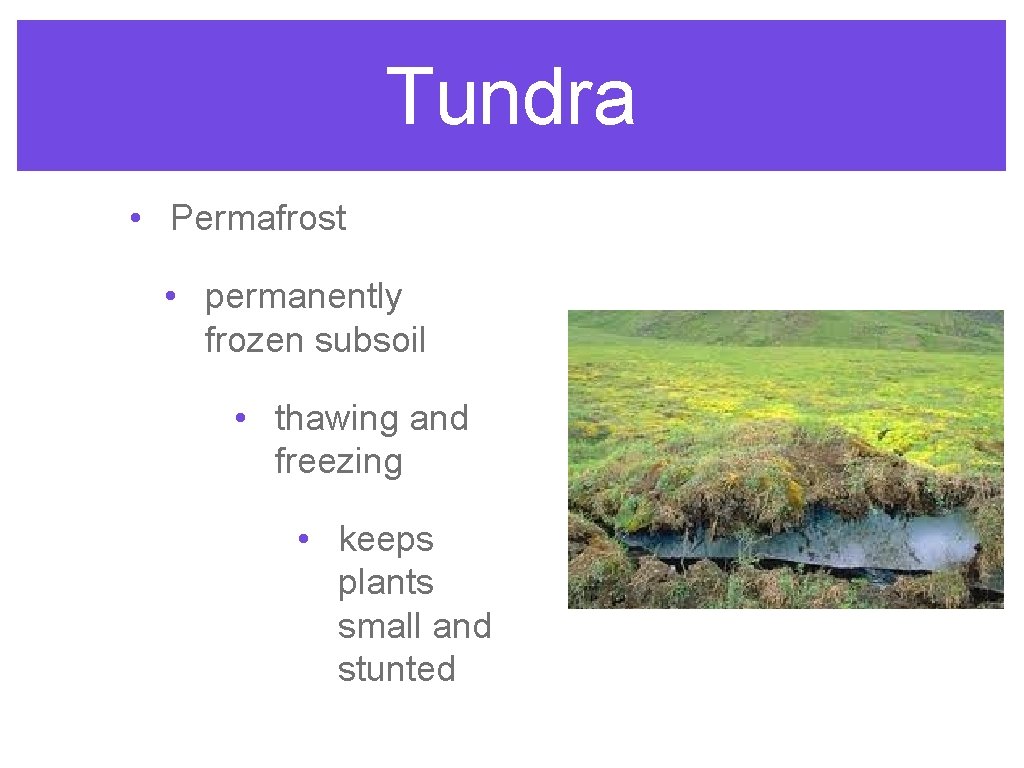
Tundra • Permafrost • permanently frozen subsoil • thawing and freezing • keeps plants small and stunted
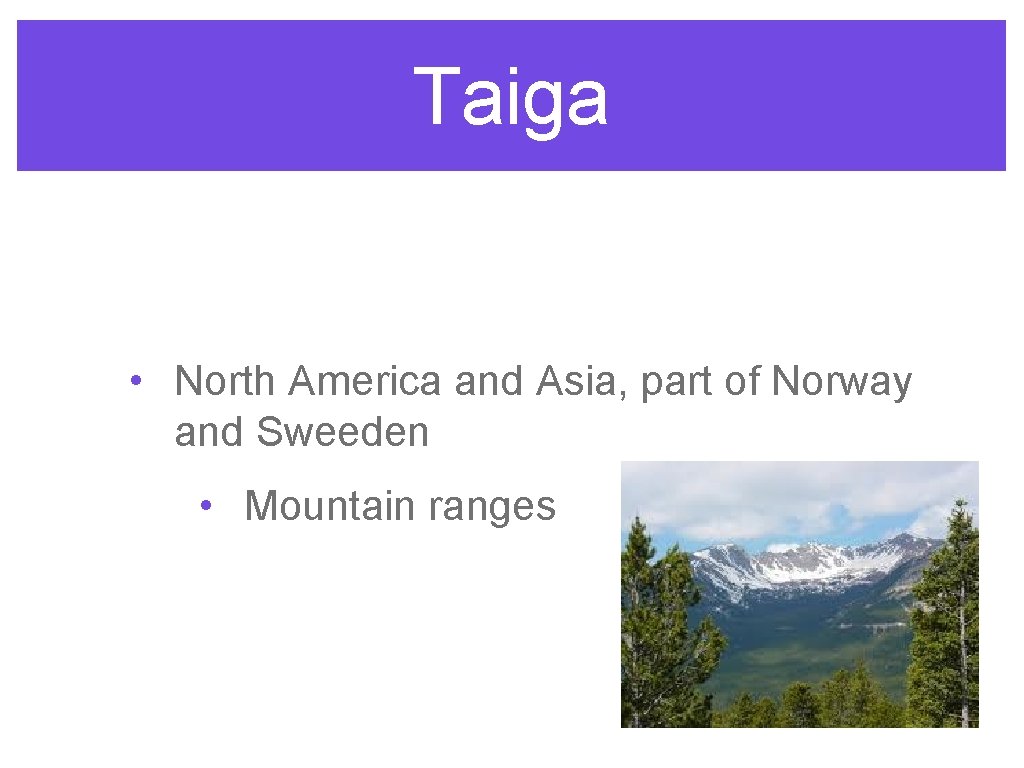
Taiga • North America and Asia, part of Norway and Sweeden • Mountain ranges
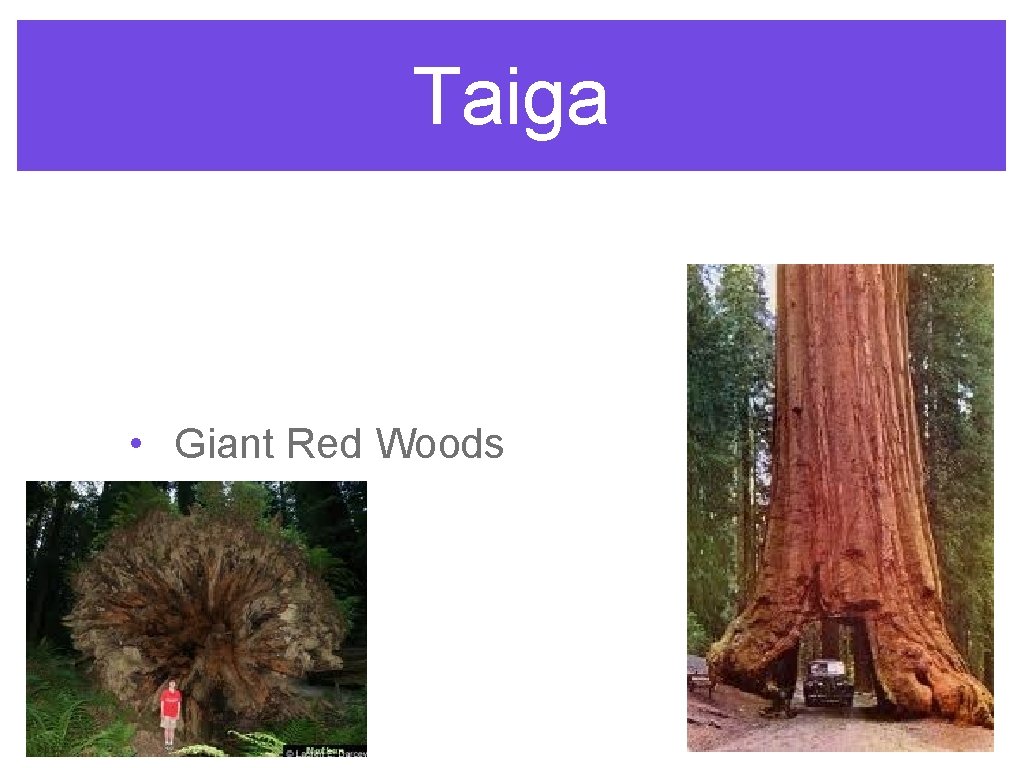
Taiga • Giant Red Woods
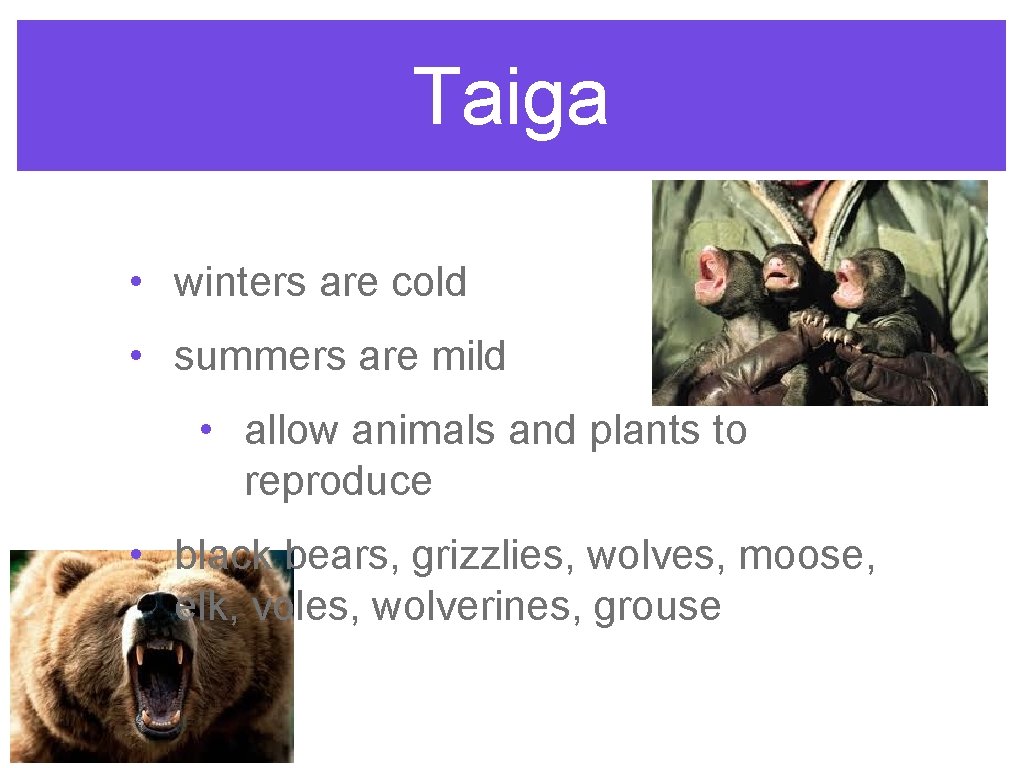
Taiga • winters are cold • summers are mild • allow animals and plants to reproduce • black bears, grizzlies, wolves, moose, elk, voles, wolverines, grouse
- Slides: 15