
The Biomechanical Wizard By Gideon Ariel Ph D

The Biomechanical Wizard By Gideon Ariel, Ph. D. Guangdong Provincial Institute of Sport Science February 22 nd 2005
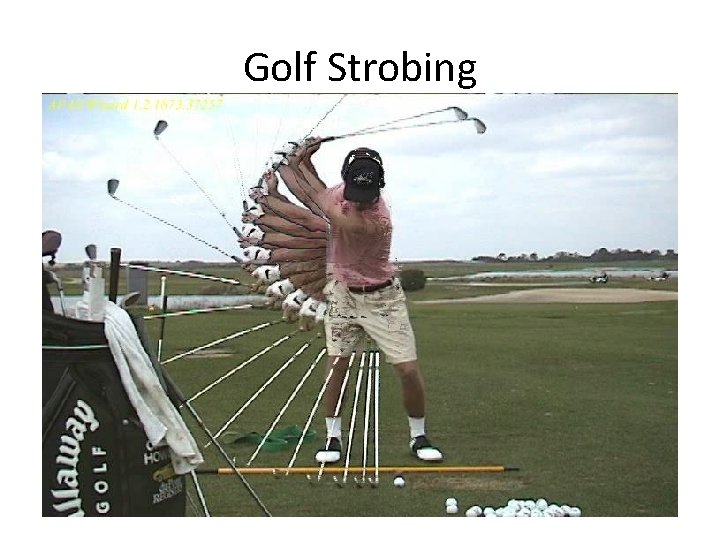
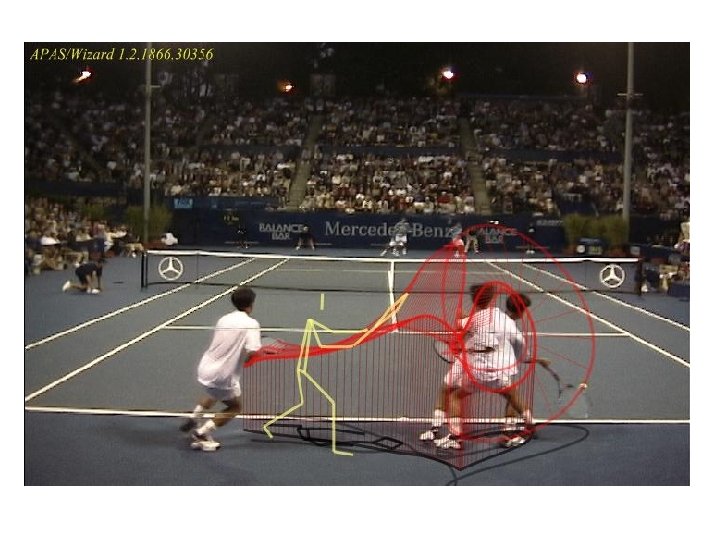
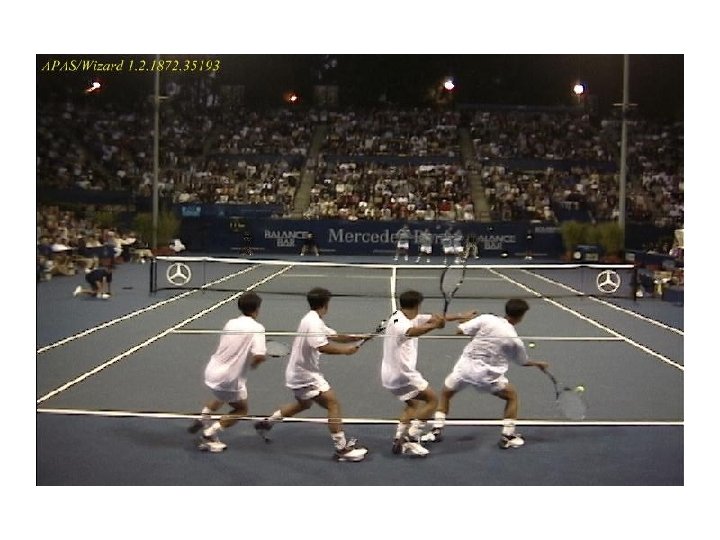
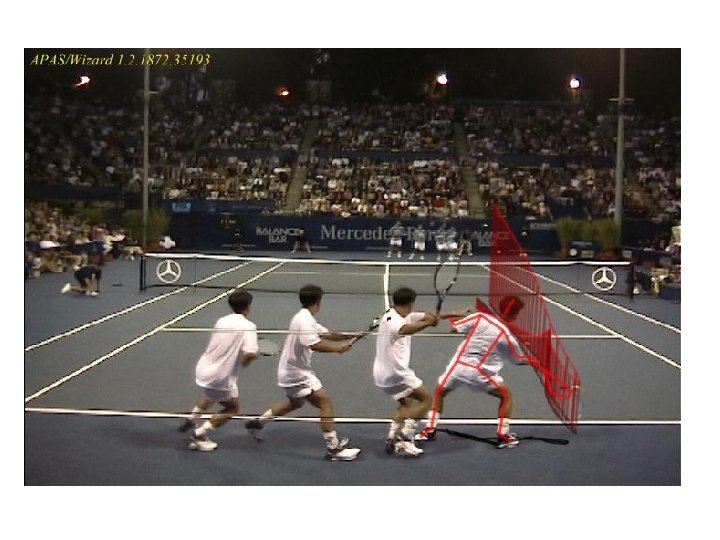
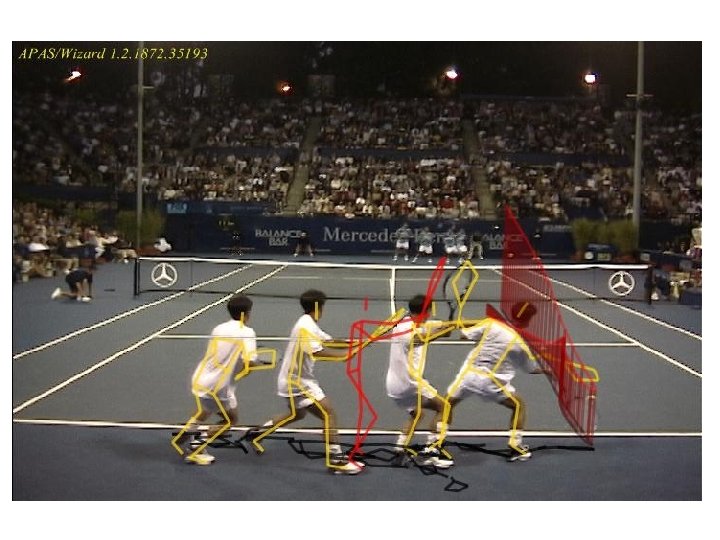
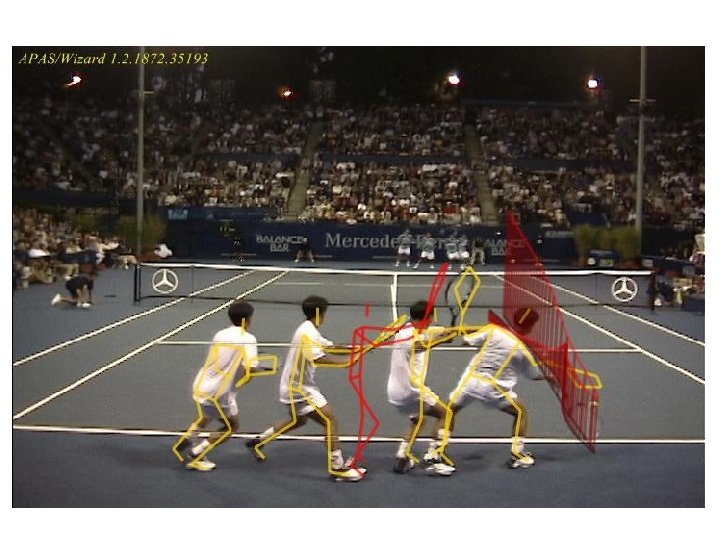
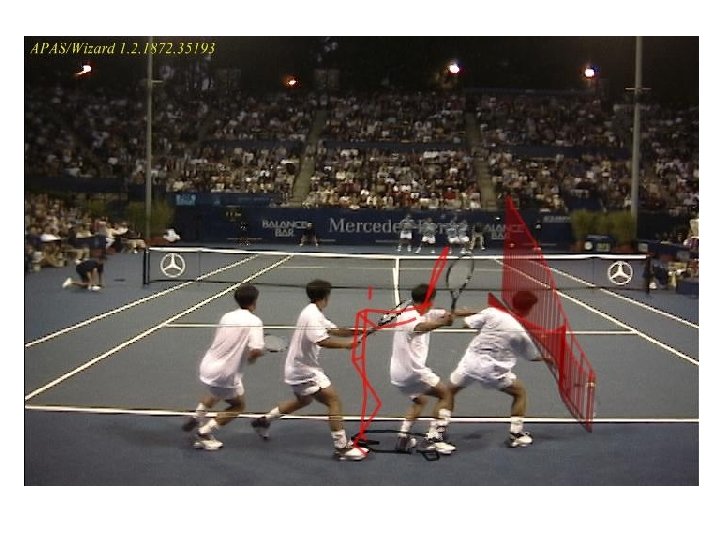
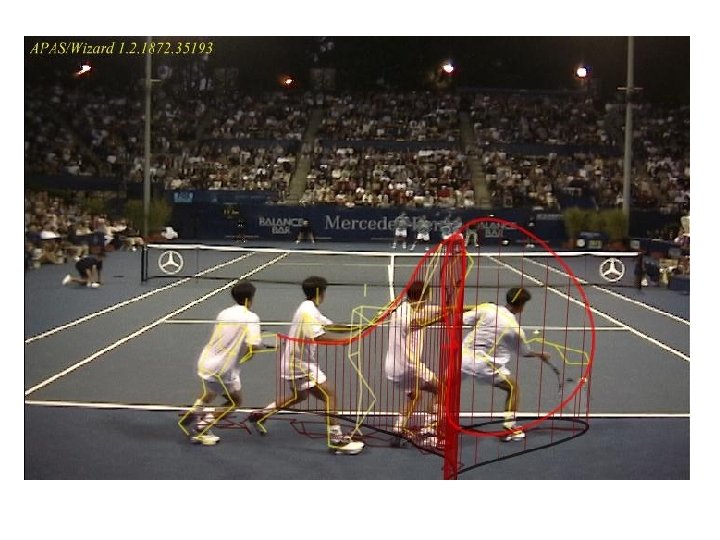
Golf Strobing
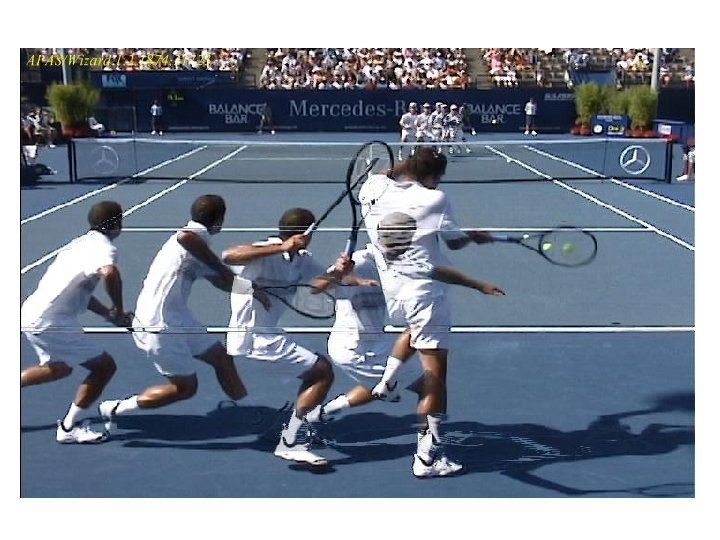
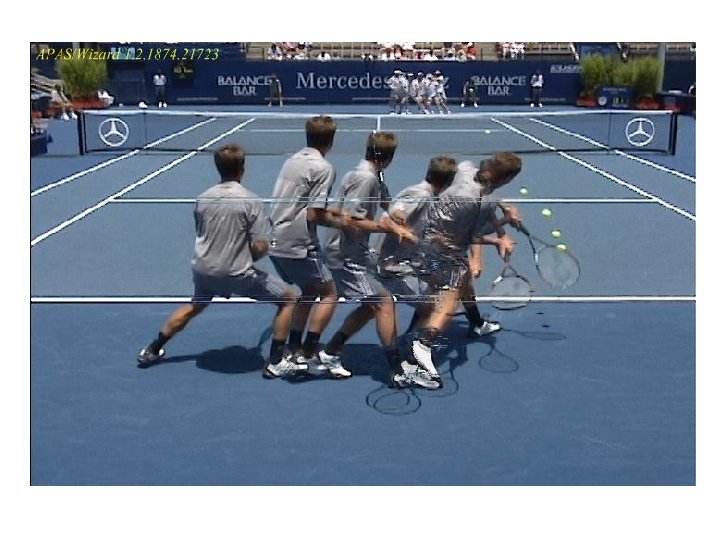
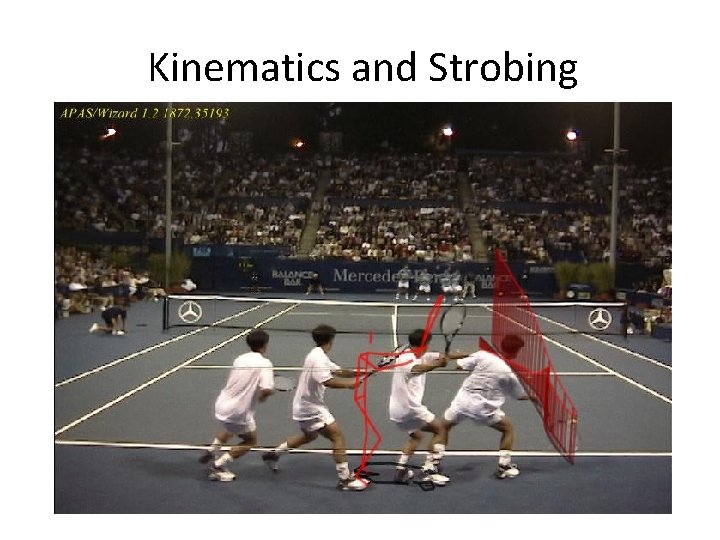
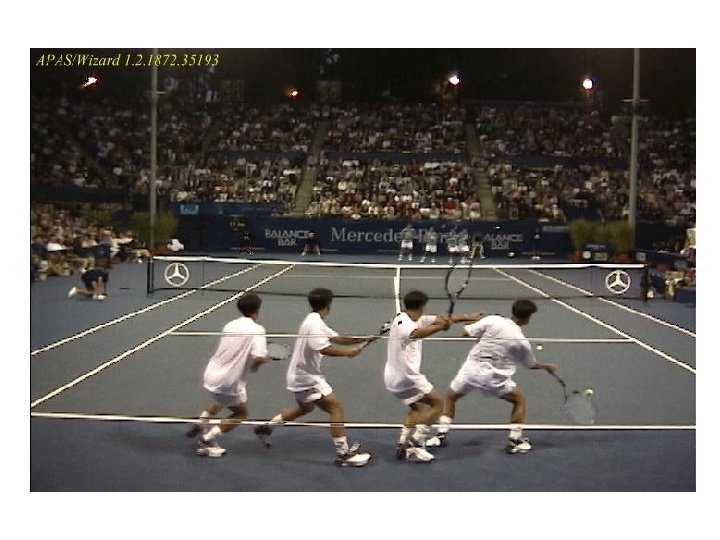
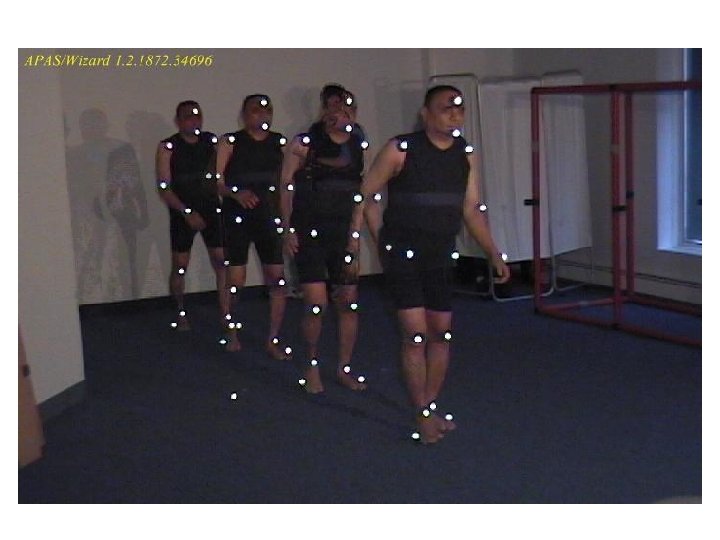
Kinematics and Strobing
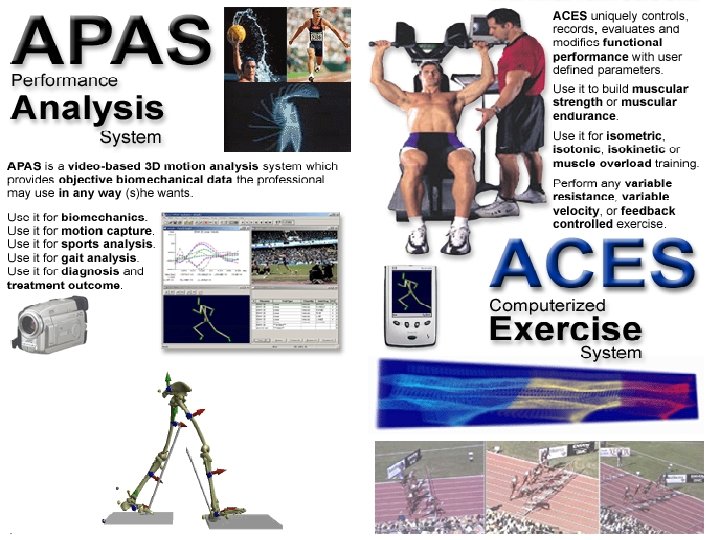

Brief History q Mybridge, The Inventor of Recorded Motion 1894 q Mexico City Olympics 1968 q Montreal Olympics 1976 q Los Angeles Olympics 1984 q The USA Women Volleyball 1976 -1984 More video clips at: http: //www. sportsci. com/media
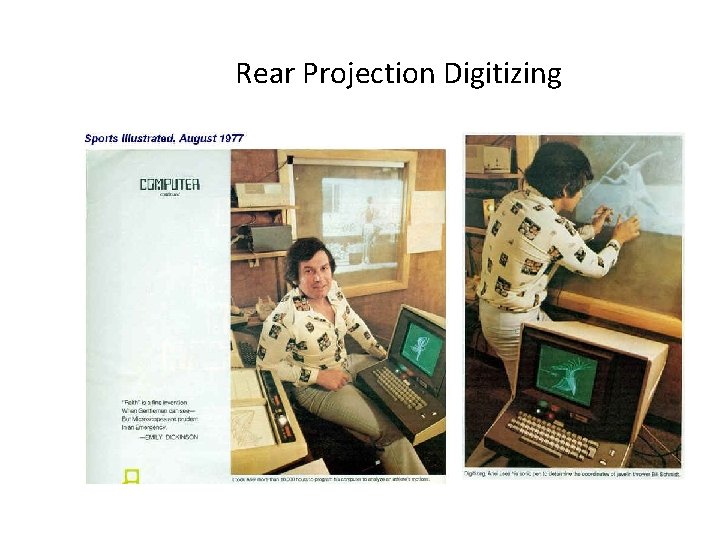
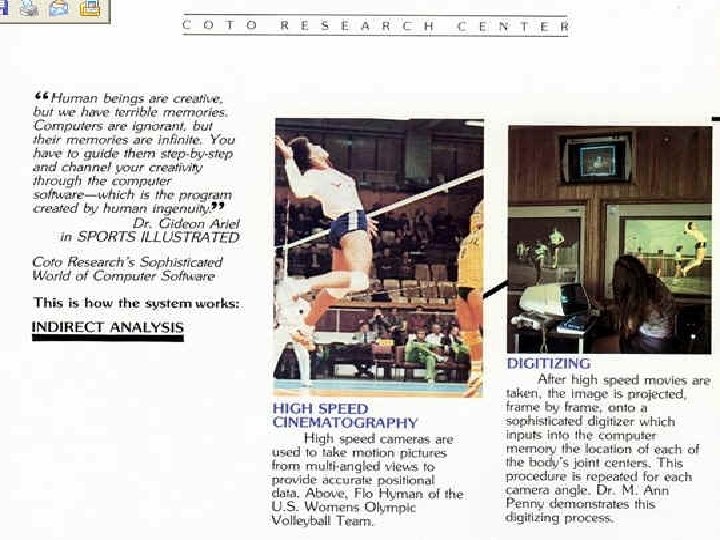
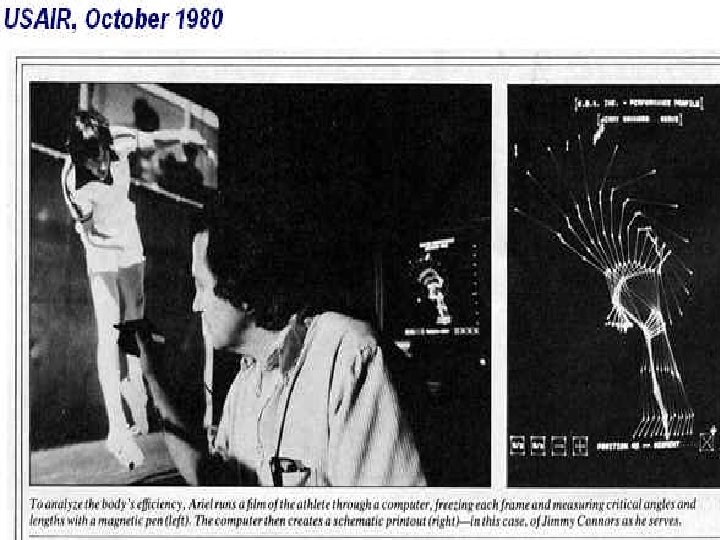
Rear Projection Digitizing
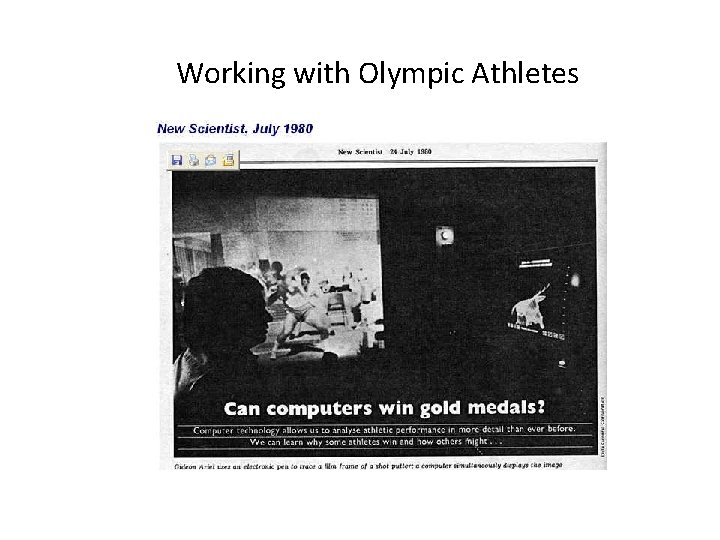
Working with Olympic Athletes
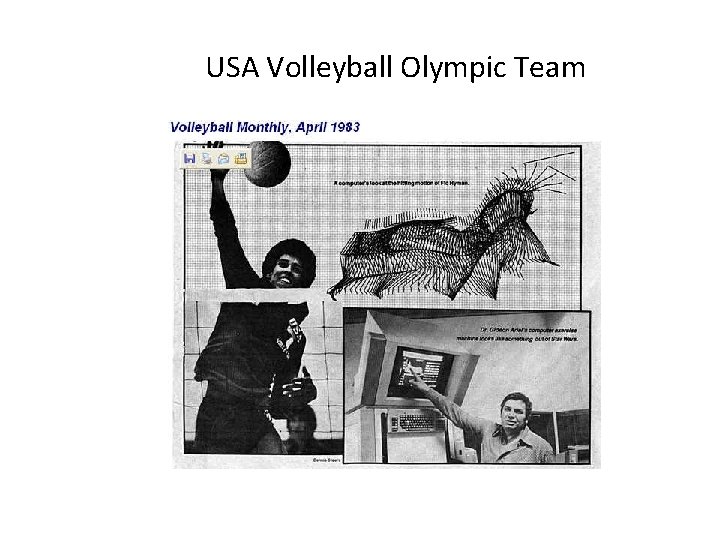
USA Volleyball Olympic Team
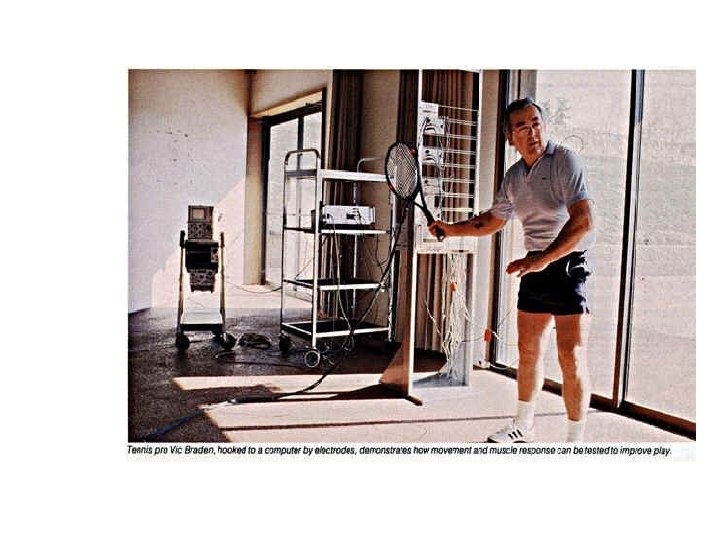

With Professor Zhang at our laboratory in Coto De Caza 2001

The Biomechanics Conference in Guangzhou - 2003

Athens Olympics 2004
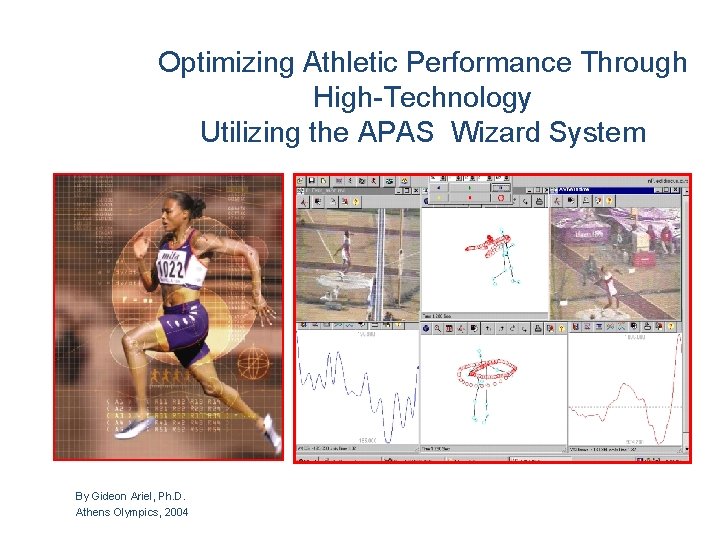
Optimizing Athletic Performance Through High-Technology Utilizing the APAS Wizard System By Gideon Ariel, Ph. D. Athens Olympics, 2004
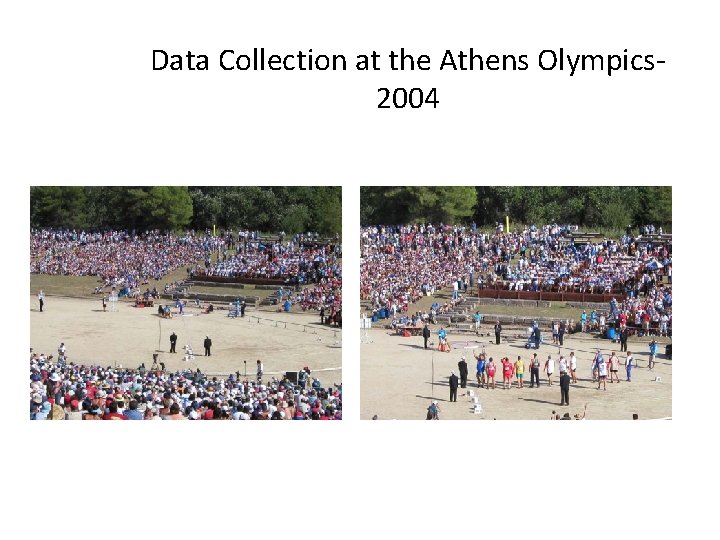
Data Collection at the Athens Olympics 2004
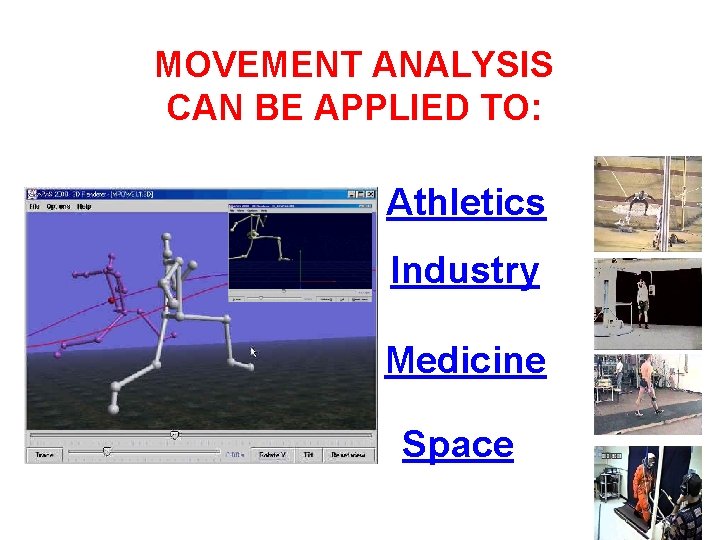
MOVEMENT ANALYSIS CAN BE APPLIED TO: Athletics Industry Medicine Space
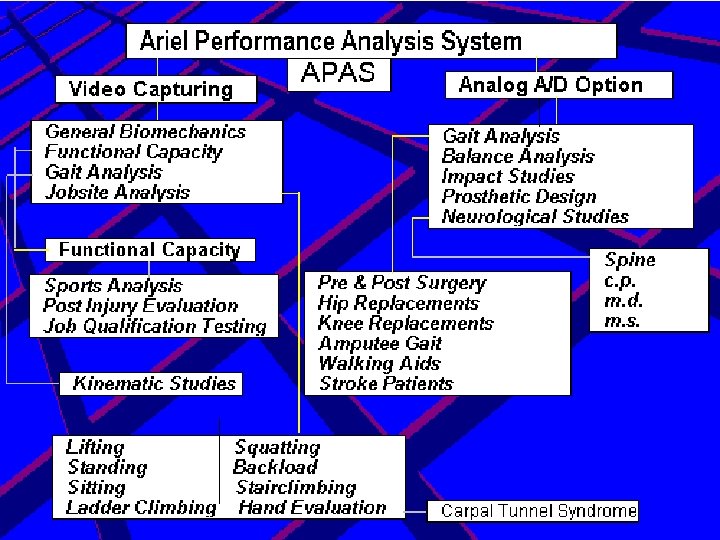
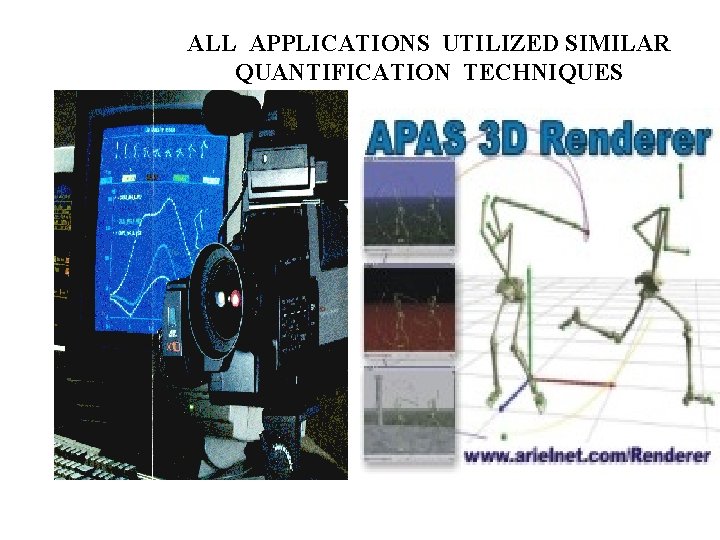
ALL APPLICATIONS UTILIZED SIMILAR QUANTIFICATION TECHNIQUES
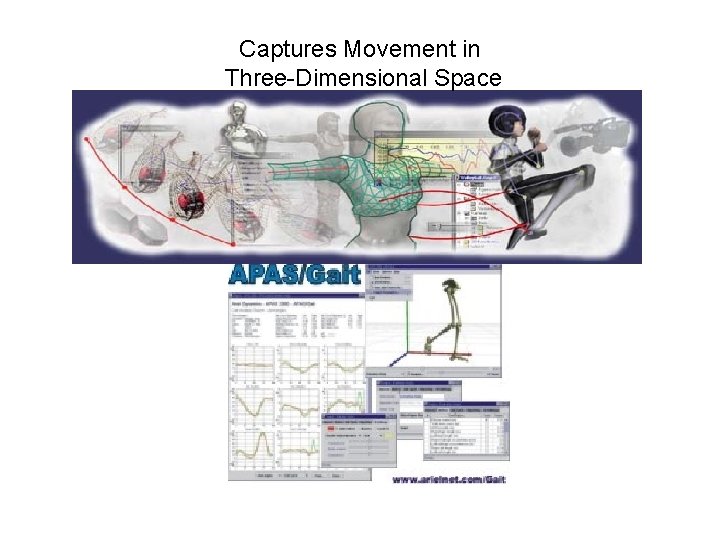
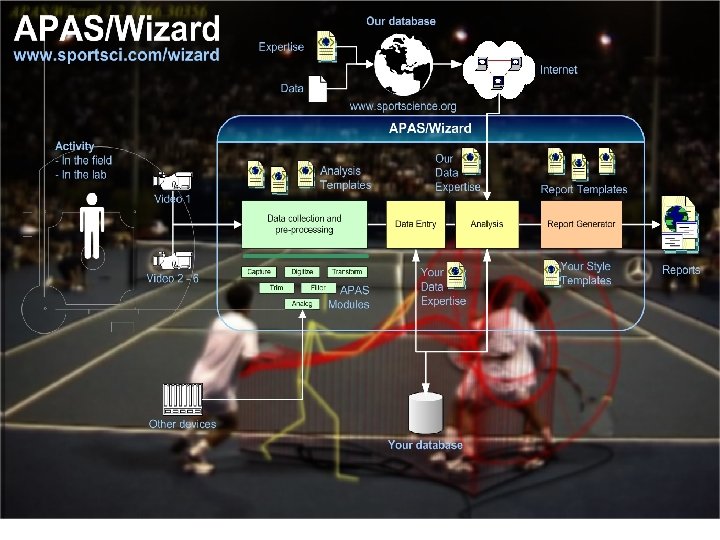
Captures Movement in Three-Dimensional Space
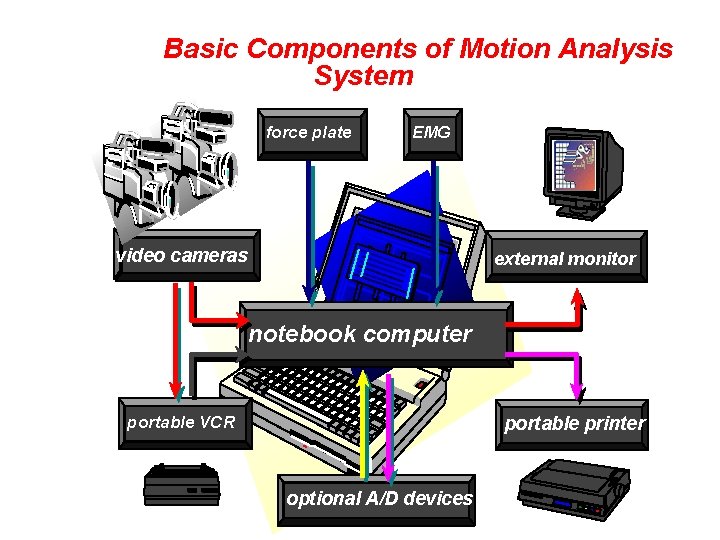
Basic Components of Motion Analysis System force plate EMG video cameras external monitor notebook computer portable VCR portable printer optional A/D devices
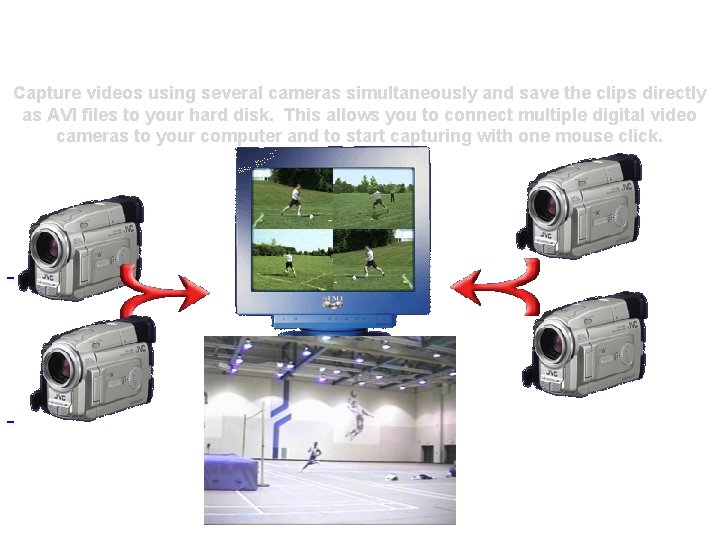
Capture videos using several cameras simultaneously and save the clips directly as AVI files to your hard disk. This allows you to connect multiple digital video cameras to your computer and to start capturing with one mouse click.
![HIGH TECHNOLOGY Ø 3 D Kinematic Computer Analysis of Motion Ø Kinetic [force] Ground](http://slidetodoc.com/presentation_image_h2/8de5fe1a8cf951fd88b903bd206608d0/image-28.jpg "HIGH TECHNOLOGY Ø 3 D Kinematic Computer Analysis of Motion Ø Kinetic [force] Ground")
HIGH TECHNOLOGY Ø 3 D Kinematic Computer Analysis of Motion Ø Kinetic [force] Ground Reaction Forces / Balance Ø Computerized Strength Analysis Equipment Ø Dynamic EMG [electromyography]
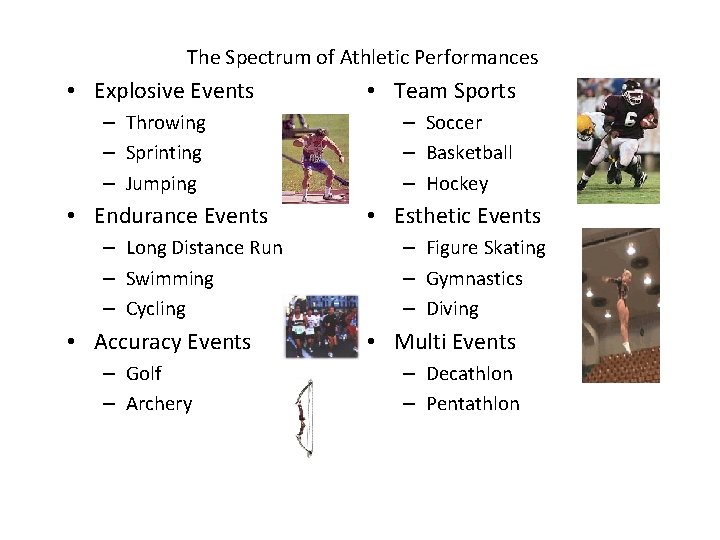
The Spectrum of Athletic Performances • Explosive Events – Throwing – Sprinting – Jumping • Endurance Events – Long Distance Run – Swimming – Cycling • Accuracy Events – Golf – Archery • Team Sports – Soccer – Basketball – Hockey • Esthetic Events – Figure Skating – Gymnastics – Diving • Multi Events – Decathlon – Pentathlon
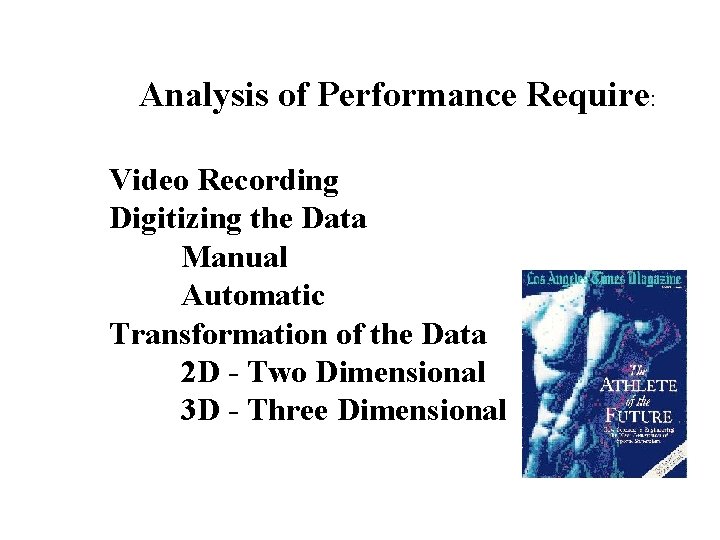
Analysis of Performance Require: Video Recording Digitizing the Data Manual Automatic Transformation of the Data 2 D - Two Dimensional 3 D - Three Dimensional
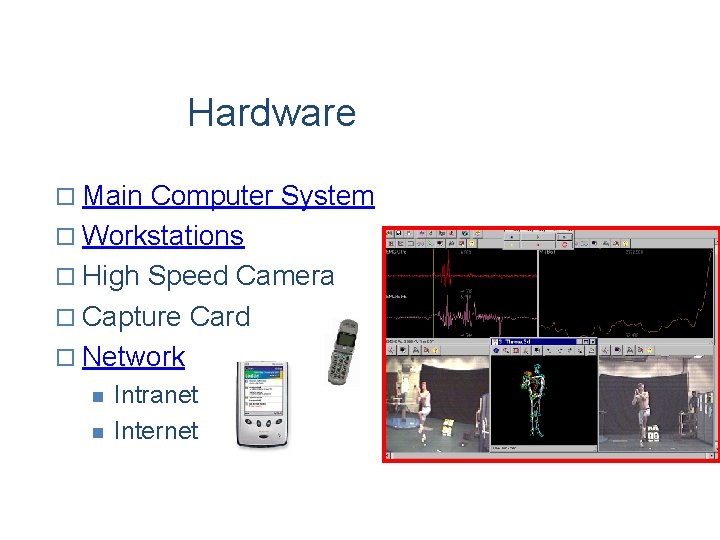
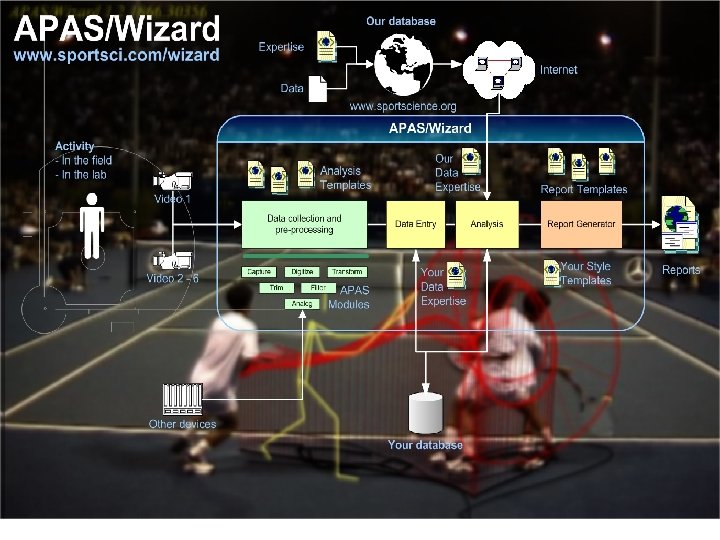
Hardware o Main Computer System o Workstations o High Speed Camera o Capture Card o Network n n Intranet Internet
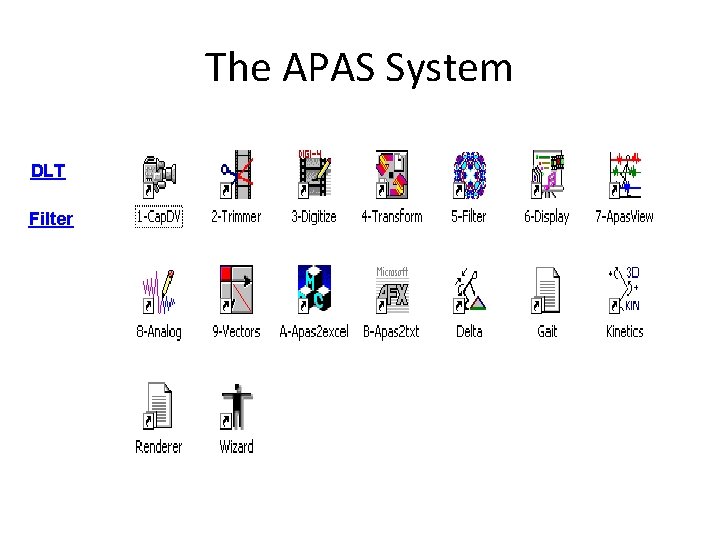
The APAS System DLT Filter

BIOMECHANICAL SIMILARITIES AND DIFFERENCES OF A. AGASSI'S FIRST AND SECOND SERVES A. Vorobiev, G. Ariel, D. Dent
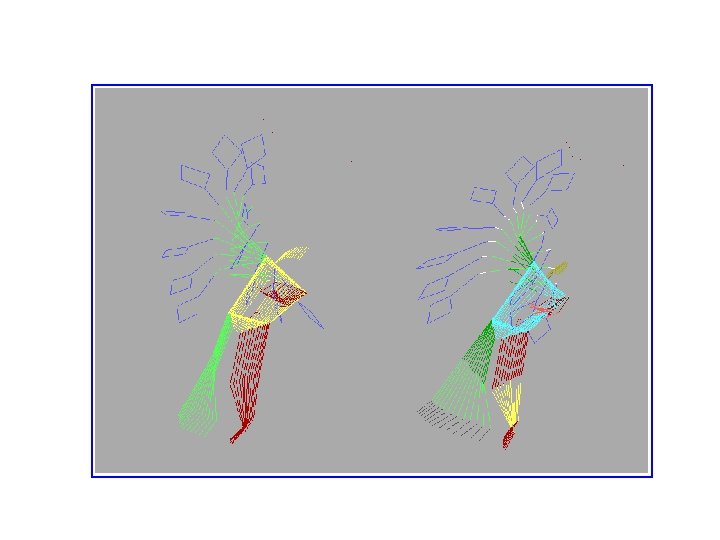
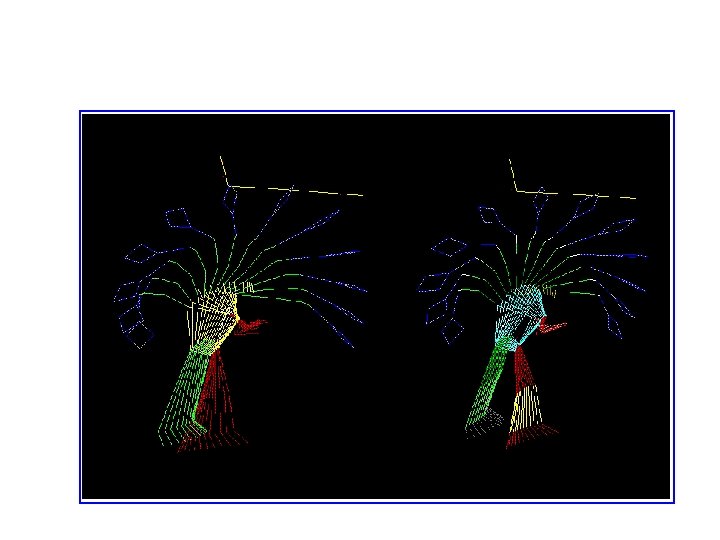
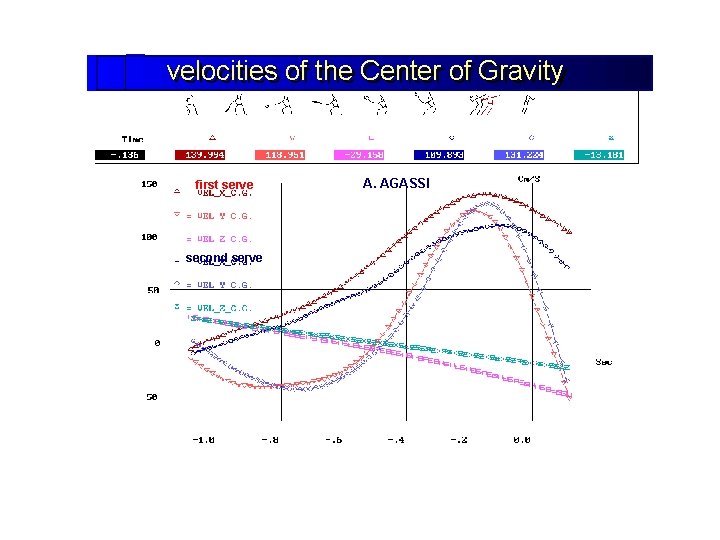
velocities of of the Center of of Gravity first serve second serve A. AGASSI
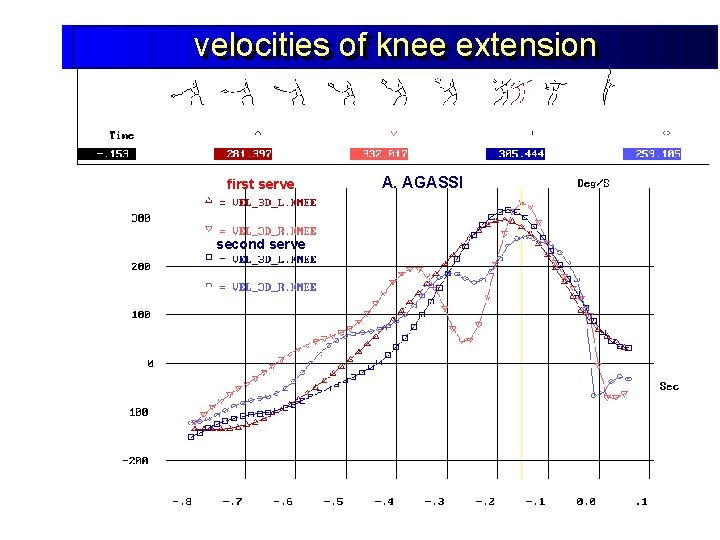
velocities of of knee extension first serve second serve A. AGASSI
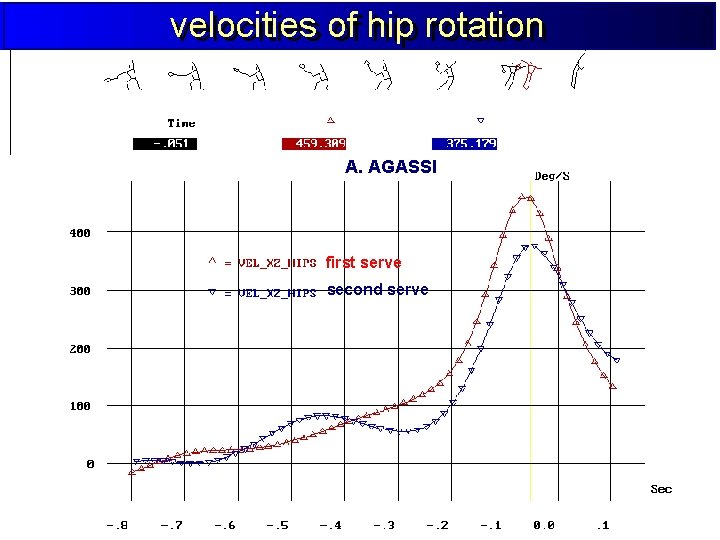
velocities of of hip rotation A. AGASSI first serve second serve

comparison of A. Agassi's first and second serves Kinematic Parameters Ball Speed at the Moment of Impact Directional Angle [m/s] [degrees] First Serve Second Serve 45. 8+-2. 2 37. 9+-2. 4 17+-4 10+-5 . 13+-. 02 0+-. 03 . 12+-. 04 1. 89+-. 1 . 36+-. 04 1. 71+-. 09 Ball Position at the impact relative to the CG [m] Forward Left Lateral CG Maximal Speed [m/s]
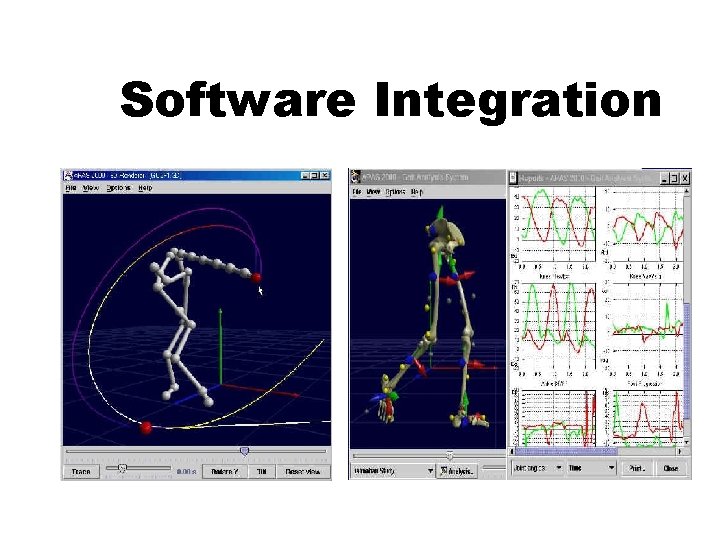
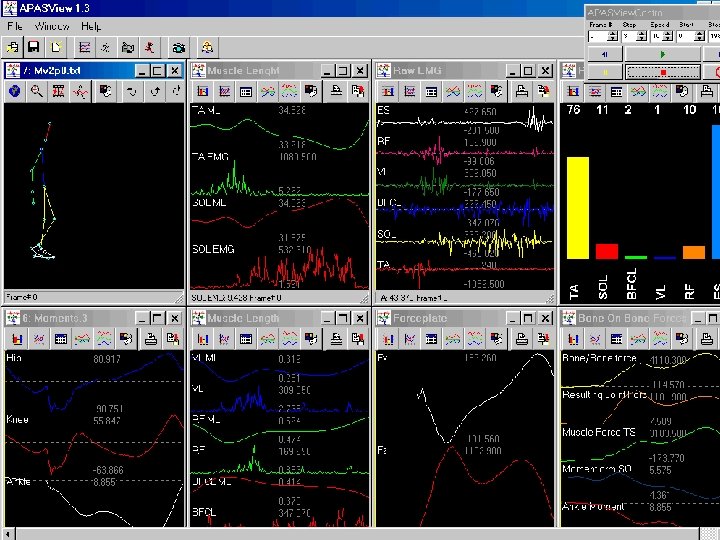
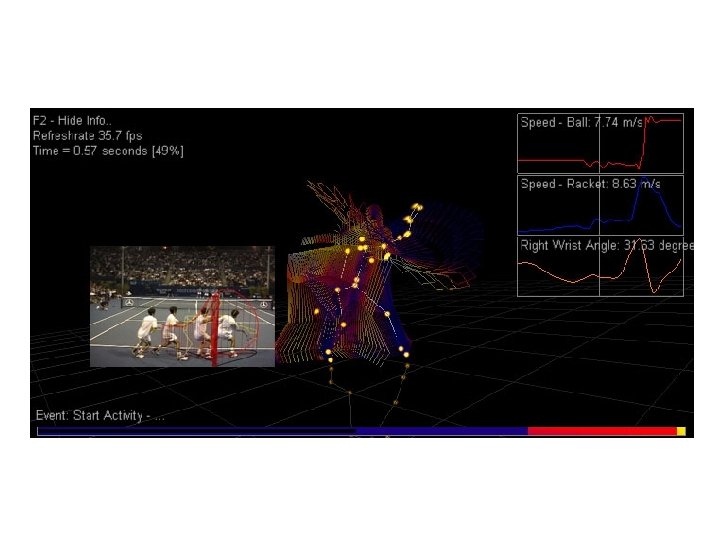
Software Integration
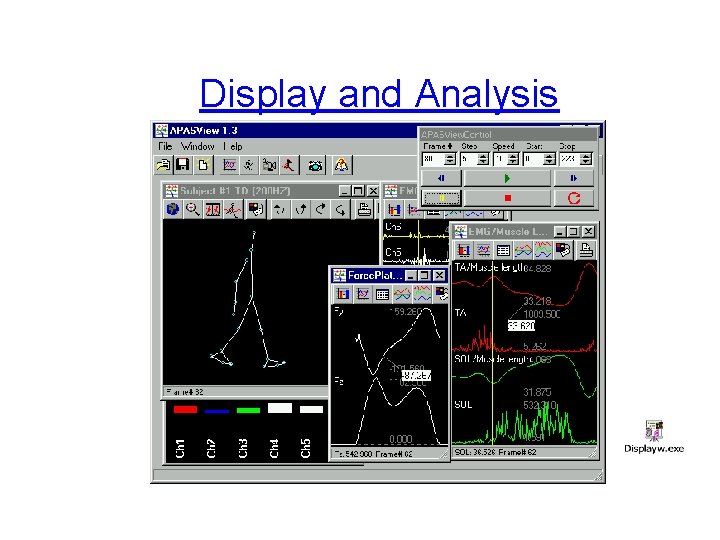
Display and Analysis
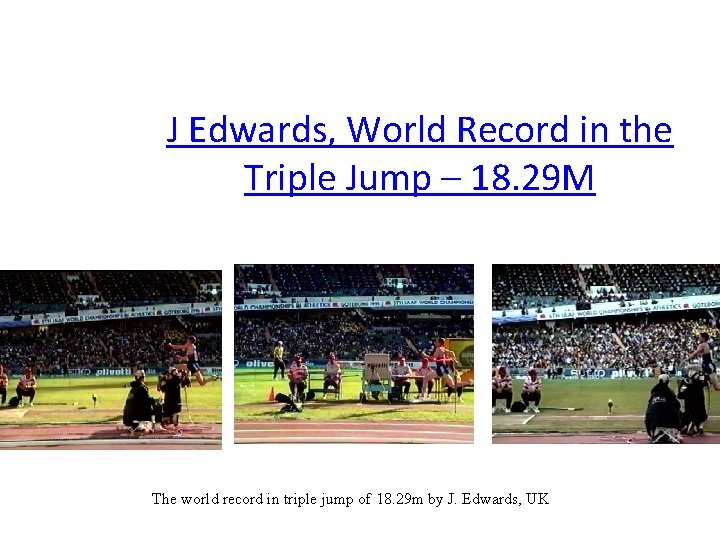
J Edwards, World Record in the Triple Jump – 18. 29 M The world record in triple jump of 18. 29 m by J. Edwards, UK
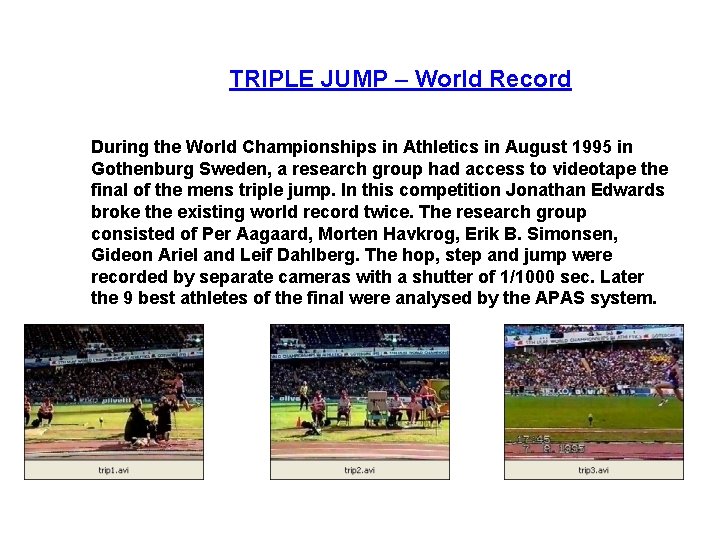
TRIPLE JUMP – World Record During the World Championships in Athletics in August 1995 in Gothenburg Sweden, a research group had access to videotape the final of the mens triple jump. In this competition Jonathan Edwards broke the existing world record twice. The research group consisted of Per Aagaard, Morten Havkrog, Erik B. Simonsen, Gideon Ariel and Leif Dahlberg. The hop, step and jump were recorded by separate cameras with a shutter of 1/1000 sec. Later the 9 best athletes of the final were analysed by the APAS system.

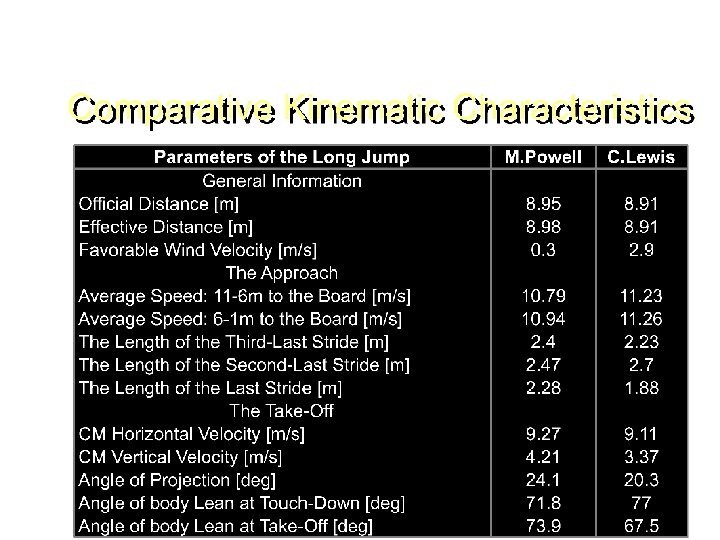
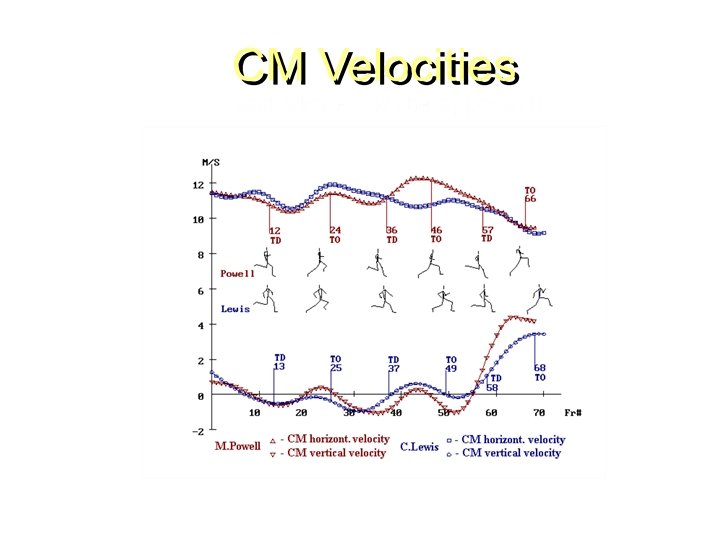

Biomechanical Analysis of Discus Throwing at Olympic Games
Methods The track & field project involved collecting video records of the preliminaries and final performances of various events for the immediate development of digital movies to be uploaded on the internet.
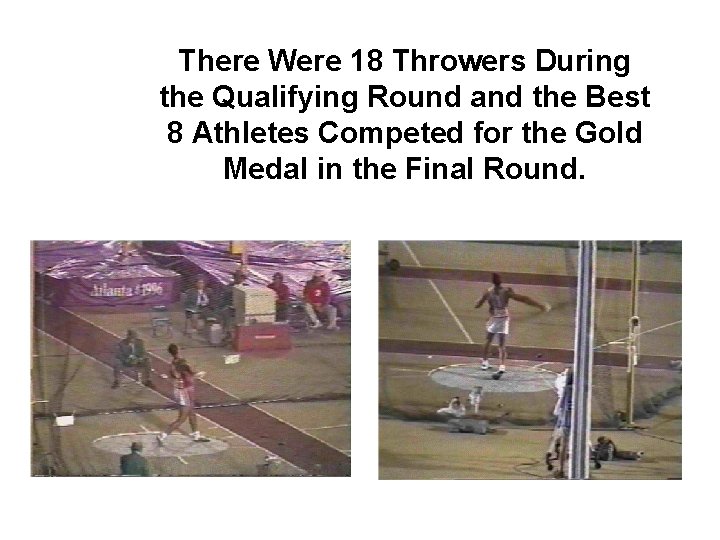
There Were 18 Throwers During the Qualifying Round and the Best 8 Athletes Competed for the Gold Medal in the Final Round.
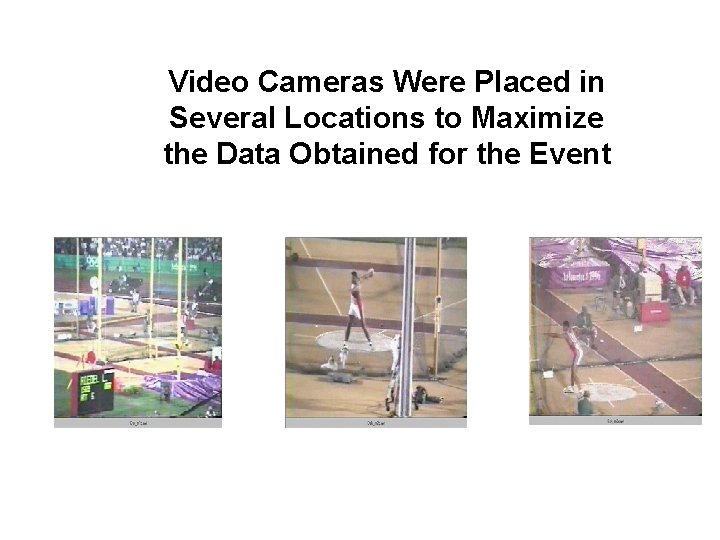
Video Cameras Were Placed in Several Locations to Maximize the Data Obtained for the Event
Because the Discus Throw Involves Both Linear and Rotary Motion, the Optimal Data Collection Situation Utilizes at Least Three Cameras Placed Appropriately So That None of the Athlete's Motion Is Obscured

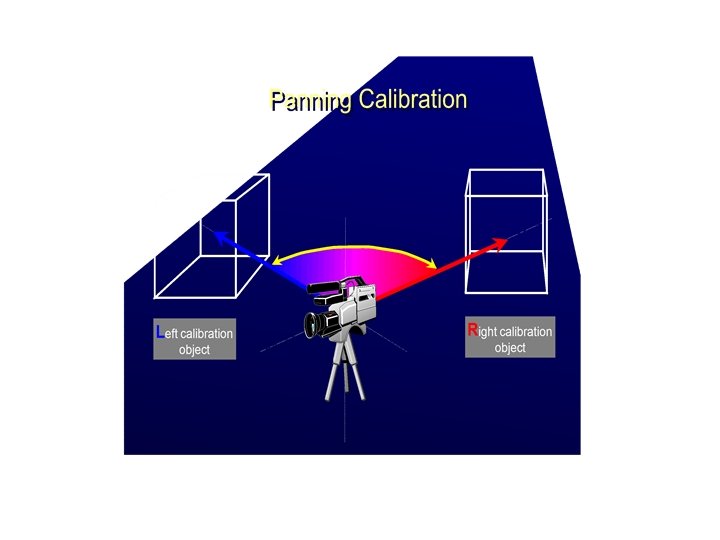
Dimensions of Known Factors and Various Other Measured Objects in the Field of View Were Used for the Calibration Points
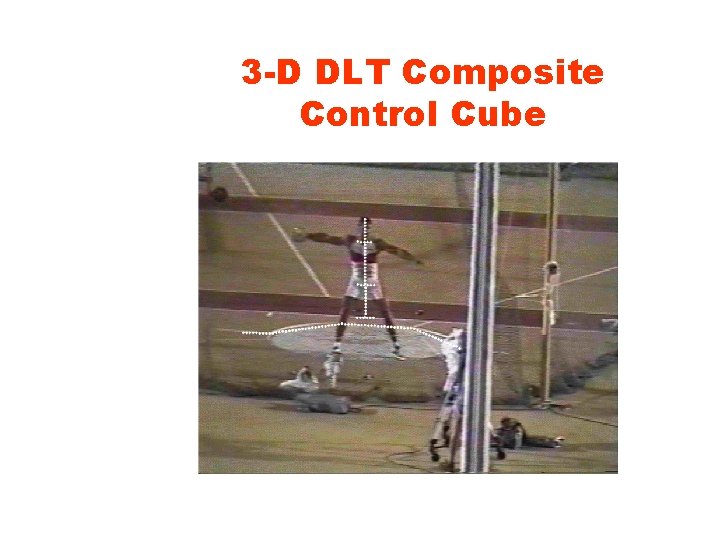
3 -D DLT Composite Control Cube
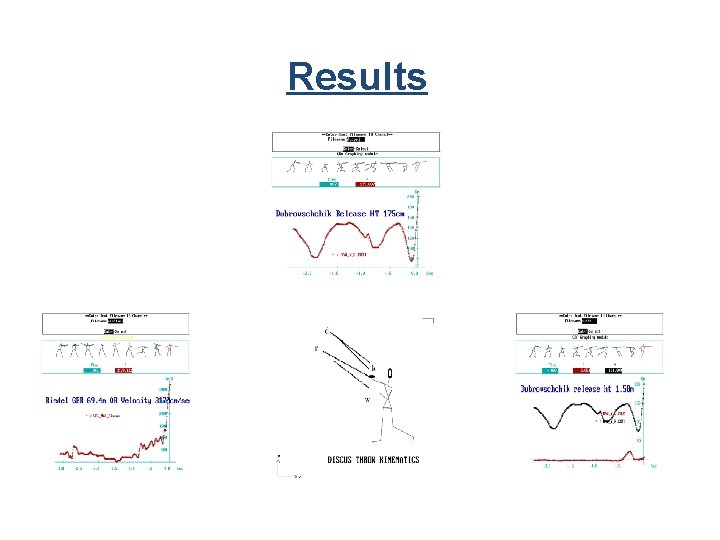
Results
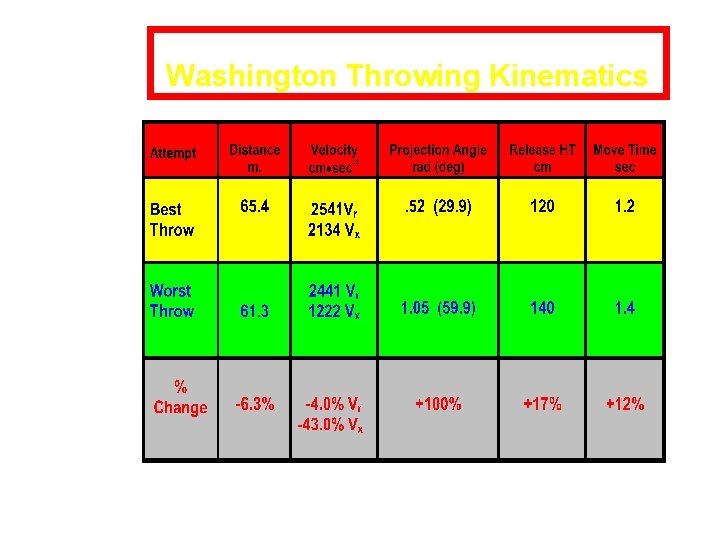
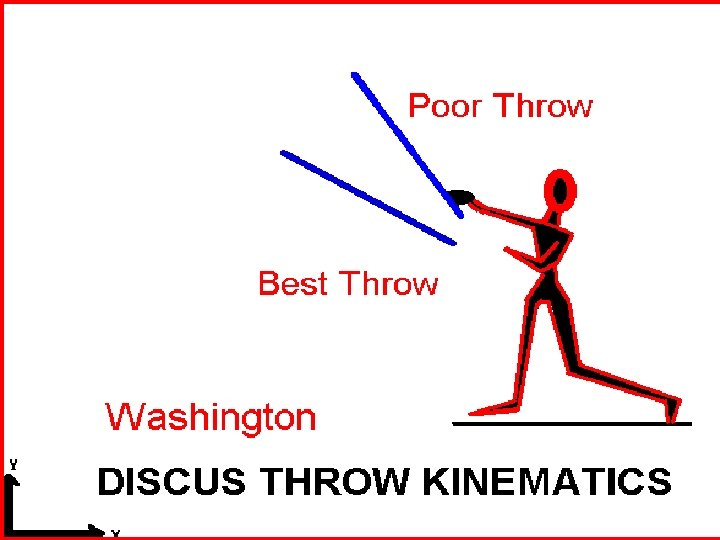
Washington Throwing Kinematics
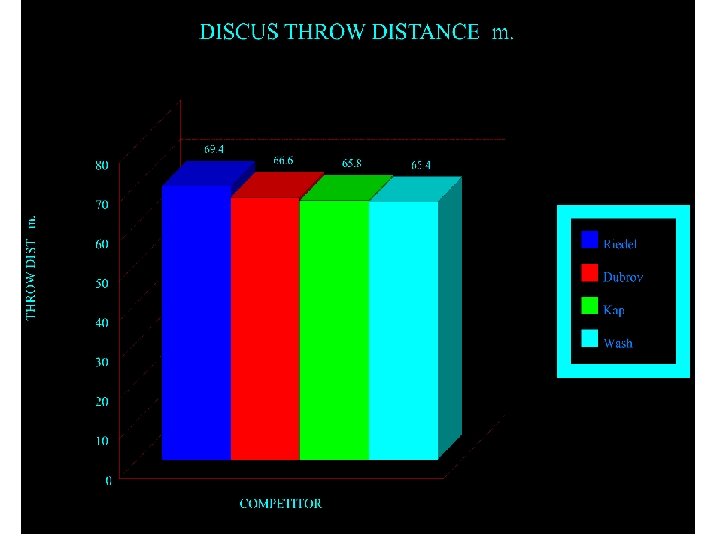
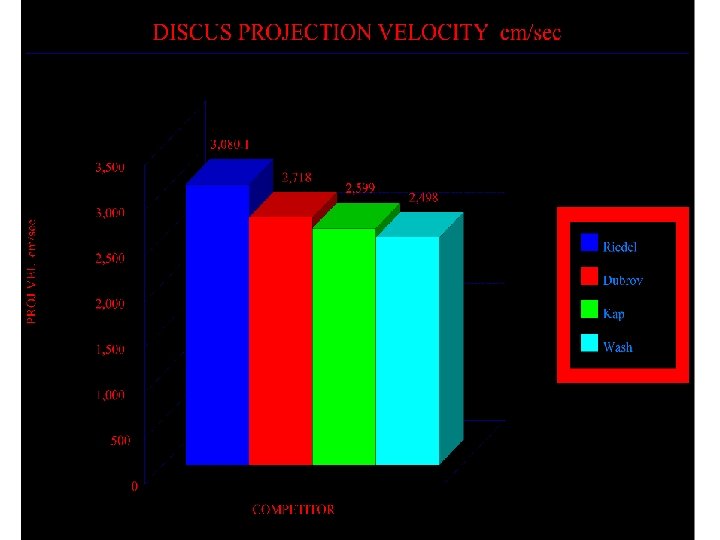

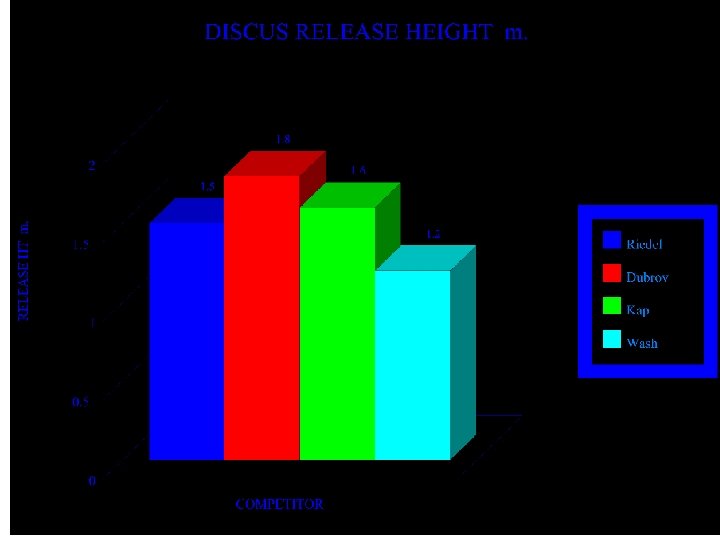

Throwing Kinematics for Top Four Discus Performers at 1996 Atlanta Olympics



- Slides: 81