
The Biology of Behavior Chapter 3 Part 1
The Biology of Behavior Chapter 3 - Part 1 Ettinger’s Psychology- The Science of Behavior 4 e
The Nervous System • Nervous System -2 subdivisions • CNS, Central Nervous System • consists of the brain and spinal cord • Peripheral Nervous System, PNS • transmits messages to and from the brain • Somatic NS • Autonomic NS
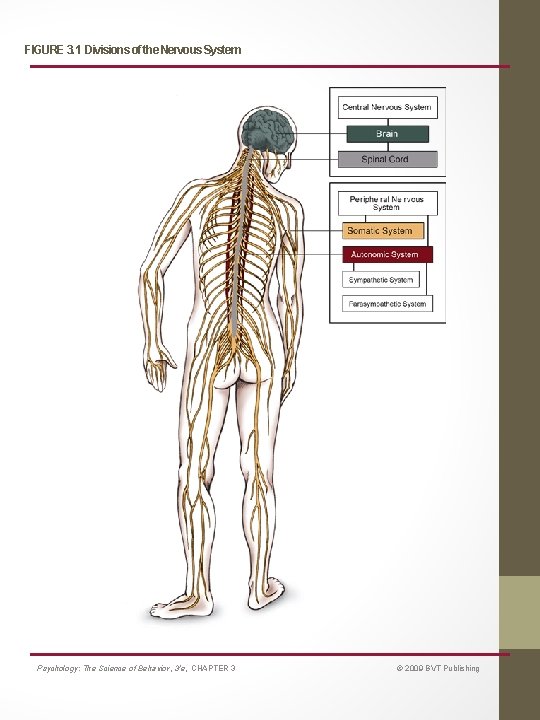
FIGURE 3. 1 Divisions of the Nervous System Psychology: The Science of Behavior, 3/e, CHAPTER 3 © 2009 BVT Publishing
Neurons-basic units • Neurons are the specialized cells of the nervous system • Billions in the brain alone • 3 classes • Sensory (afferent) neurons • Motor (efferent) neurons • Interneurons • Communication between afferent and efferent neurons as with ither interneurons
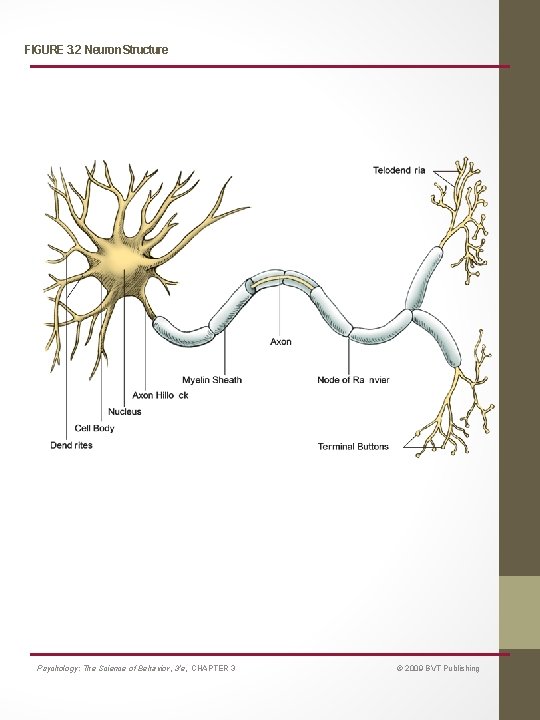
FIGURE 3. 2 Neuron Structure Psychology: The Science of Behavior, 3/e, CHAPTER 3 © 2009 BVT Publishing

Neural Transmission • Chemical transmission of substances called neurotransmitters • Bundles of neuron fibers = nerves • Bundles fibers allow continuous travel of message from CNS PNS • http: //bit. ly/q 3 Px. Tj (neurotransmission animation)

FIGURE 3. 3 Neuron Electrical Activity Psychology: The Science of Behavior, 3/e, CHAPTER 3 © 2009 BVT Publishing
Neural Electric Activity • Resting potential • Net negative charge • Graded potentials • Voltage change in dendrites to prepare to receive impulse • Action potentials • Electrical progression along axis to release neurotransmitters • All-or-none law: strength of action potential doesn’t depend on strength of stimulation • Animation to demonstrate electrical activity: http: //outreach. mcb. harvard. edu/animations/action potential. swf
All or none… • Glia cells inslulate, remove waste, provide nutrients and increase conductivity • Myelin sheath covers some axons, made of glial cells • Node of Ranvier- gap in myelin sheath • Synapse- membranes on pre and post membranes and gap (chasm) between

FIGURE 3. 4 Synapse How neurotransmitters get from one neuron to another: http: //bit. ly/qxmpzn Psychology: The Science of Behavior, 3/e, CHAPTER 3 © 2009 BVT Publishing
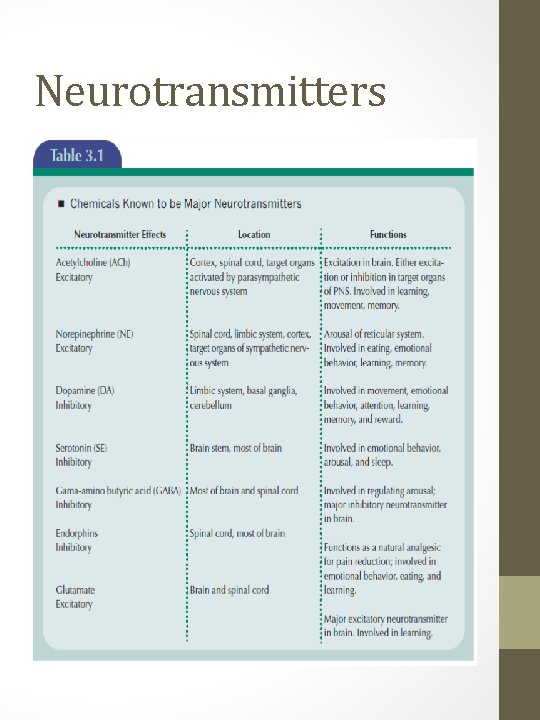
Neurotransmitters
Neurotransmitters and Behavior • Schizophrenia, a severe psychological disorder, seems to be related to excessive dopamine neutotransmitter and dopamine neurons in several brain areas. Antipsychotic drugs inhibit the effects of dopamine in the brain, reducing the over- reaction to it. • Depression, probably the most common psychological disturbance, appears to be related to 2 neurotransmitters: norepinephrine and serotonin. Tricyclic drugs are helpful in relieving depression and seem to increase the availability in specific brain area
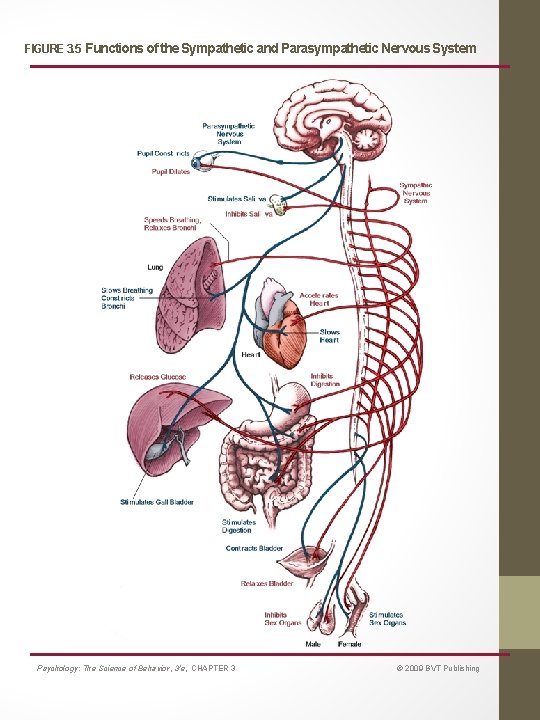
FIGURE 3. 5 Functions of the Sympathetic and Parasympathetic Nervous System Psychology: The Science of Behavior, 3/e, CHAPTER 3 © 2009 BVT Publishing
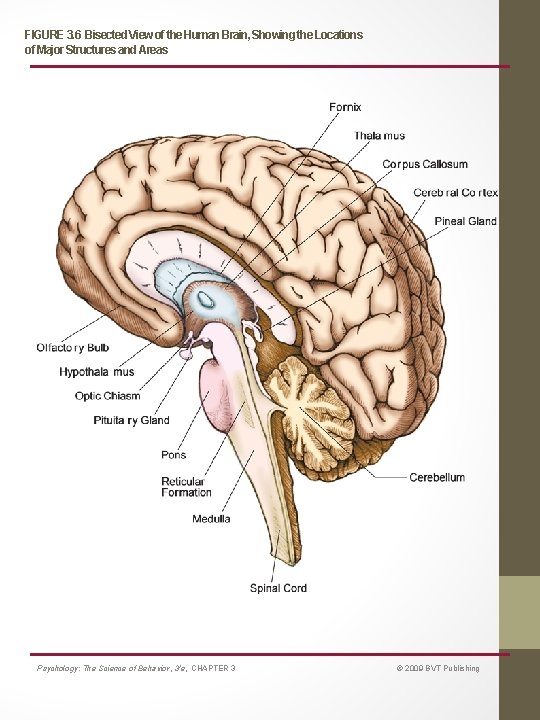
FIGURE 3. 6 Bisected View of the Human Brain, Showing the Locations of Major Structures and Areas Psychology: The Science of Behavior, 3/e, CHAPTER 3 © 2009 BVT Publishing
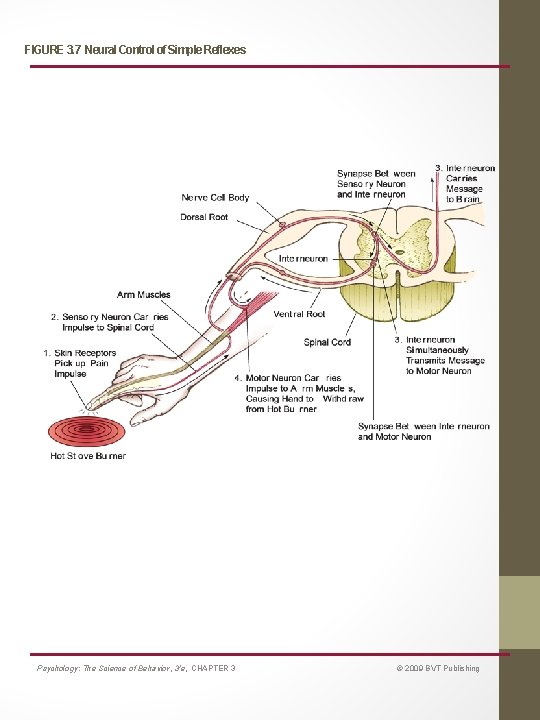
FIGURE 3. 7 Neural Control of Simple Reflexes Psychology: The Science of Behavior, 3/e, CHAPTER 3 © 2009 BVT Publishing
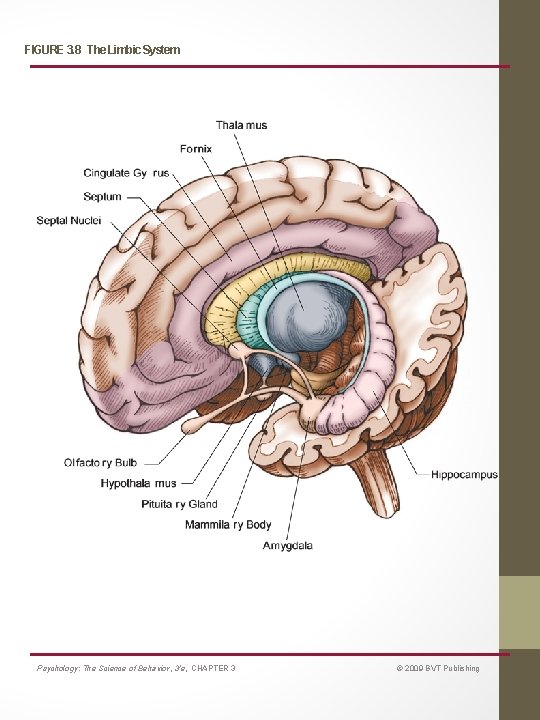
FIGURE 3. 8 The Limbic System Psychology: The Science of Behavior, 3/e, CHAPTER 3 © 2009 BVT Publishing
The Limbic System • Structures in the central core of the brain. • Emotional memory • Memory, motivation, and learning 1. Amygdala • Small structure near Hippocampus • Important in aggression, anger, rage, fearmotivated behaviors • (social cognition and decision-making)
Limbic System 2) Hippocampus Important for learning and memory • Damage may inhibit new learning • May be impacted by early life stress 3) Septal Area associated with experience of pleasure • Pleasure and reward areas called mesolimbiccortical system
Limbic system 4) Hypothalamus • Below the thalamus • Contains control mechanisms for some body systems to maintain homeostasis • Hub of the neuroendochrine system influences the pituitary gland • Integrates emotional expressions through interaction with endocrine system
Limbic System 5) Thalamus • Pair of structures above the hypothalamus, in each hemisphere • Routes sensory info to cerebral cortex • All sensory info except smell goes thru thalamus before being sent to appropriate cortical area • Works w/ reticular formation to regulate sleep and alertness • ADHD appears to be caused by interruptions in brain circuits btw thalamus and frontal cortex
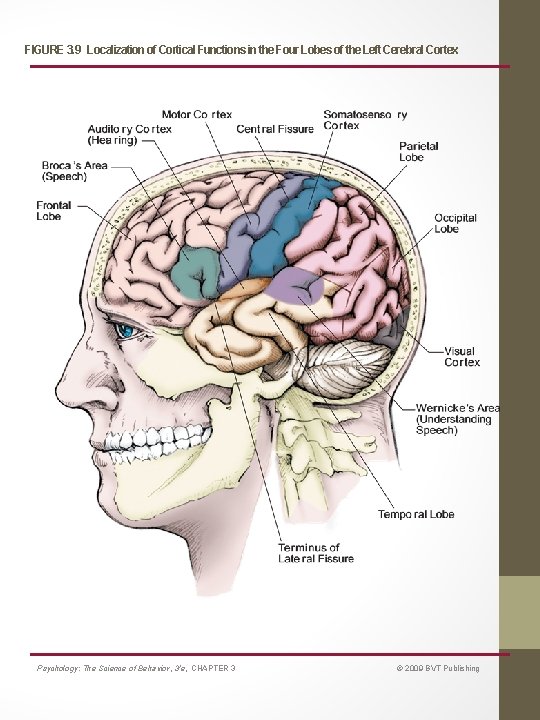
FIGURE 3. 9 Localization of Cortical Functions in the Four Lobes of the Left Cerebral Cortex Psychology: The Science of Behavior, 3/e, CHAPTER 3 © 2009 BVT Publishing
The Basal Ganglia • Made up of caudate nucleus, putamen and substantia nigra • Receive messages from cortex and thalamus • Function: initiate and control motion • Common disorder is Parkinson’s from destruction of dopamine- containing neurons
Cerebral Cortex • Thin outer covering of the brain, a. k. a. the neo -cortex • Contours are to make the most efficient use of space • Motor and Sensory Cortices • Areas of the body that require the most motor control and sensory information get the most representation on the cortex. • Attiribution of space on the cortices is upside down
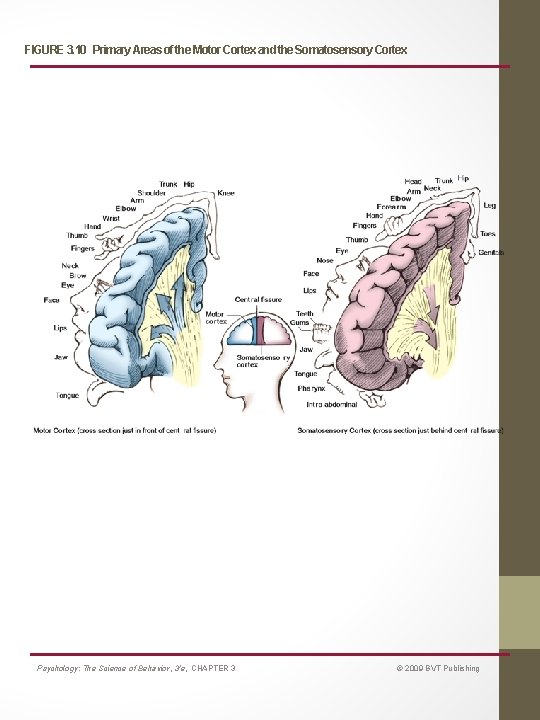
FIGURE 3. 10 Primary Areas of the Motor Cortex and the Somatosensory Cortex Psychology: The Science of Behavior, 3/e, CHAPTER 3 © 2009 BVT Publishing
Cerebral cortex… • Called gray matter because of lack of myelination which appears white • Memories are stored in the cortex • Analyzes and translates incoming messages into responses • Motor and Sensory cortex =25% Association cortex-the rest
Lobes and sulci • Frontal lobe- largest and foremost • Higher order functioning • Motor cortex is just posterior • Followed by Central Sulcus • Function: • Motor nerves from left motor cortex control right side of the body • Broca’s area very important in speech production • Until 1960 s, pre-frontal lobotomy was surgery that intended to minimize dysfunction and calm moods of mental patients
Lobes… • Occipital • Location of visual cortex • Temporal Lobes • Primary function: hearing • Location of auditory cortex, and Wernicke’s area- for understanding speech • Damage or injury can cause agnosias
Lobes. . • Parietal- behind central fissure • Front of the lobe made up of the somatosensory cortex-receiver for all sensory info • Relates visual and spatial information • Mental rotation • Injury to parietal lobe can cause contralateral neglect
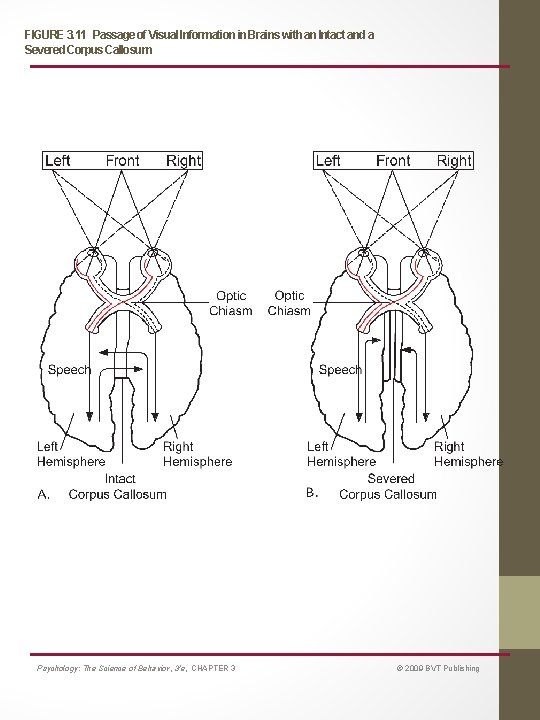
FIGURE 3. 11 Passage of Visual Information in Brains with an Intact and a Severed Corpus Callosum Psychology: The Science of Behavior, 3/e, CHAPTER 3 © 2009 BVT Publishing
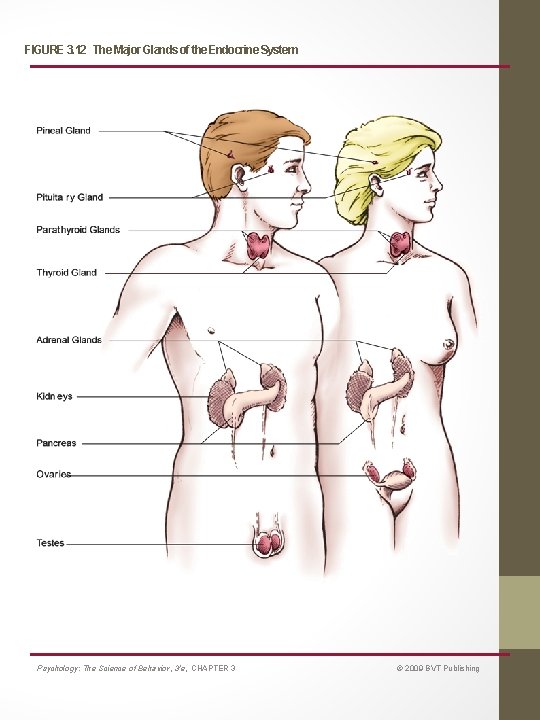
FIGURE 3. 12 The Major Glands of the Endocrine System Psychology: The Science of Behavior, 3/e, CHAPTER 3 © 2009 BVT Publishing
- Slides: 30