
The Beauty and Economic Significance of Geologic Structures
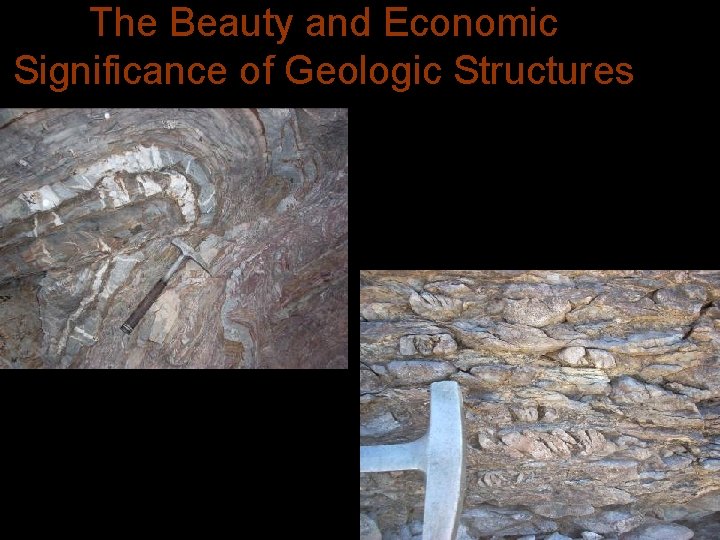
The Beauty and Economic Significance of Geologic Structures
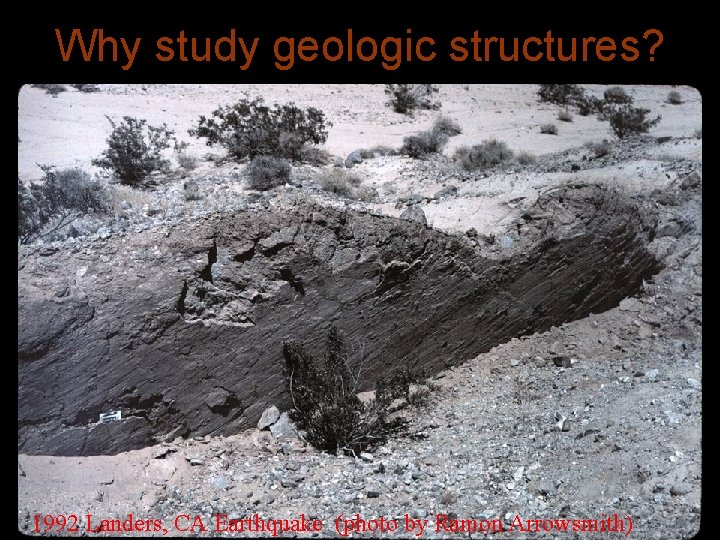
Why study geologic structures? 1992 Landers, CA Earthquake (photo by Ramon Arrowsmith)
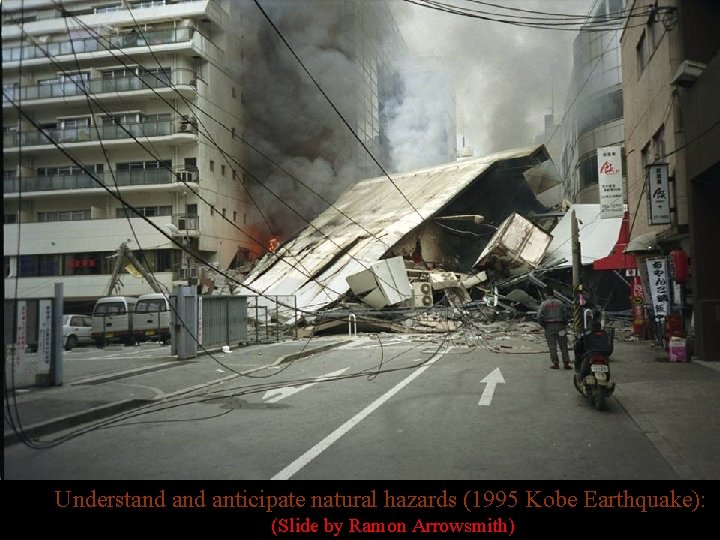
http: //www. ngdc. noaa. gov/seg/hazard/slideset/21/21_slides. shtml Understand anticipate natural hazards (1995 Kobe Earthquake): (Slide by Ramon Arrowsmith)
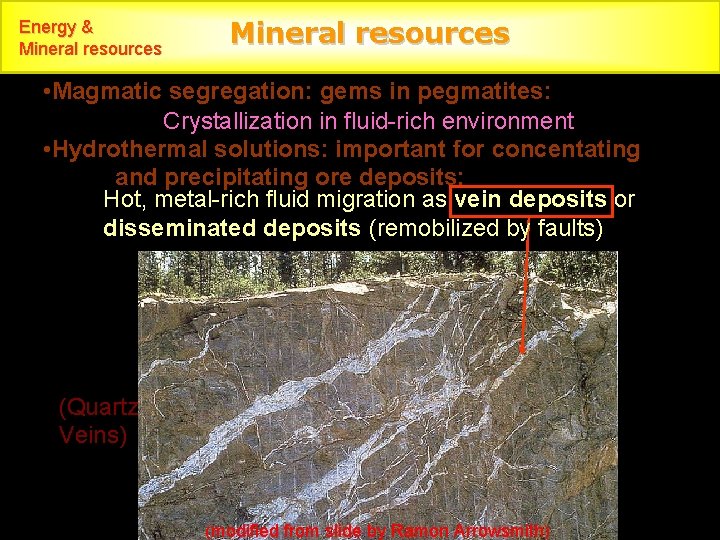
Energy & Mineral resources • Magmatic segregation: gems in pegmatites: Crystallization in fluid-rich environment • Hydrothermal solutions: important for concentating and precipitating ore deposits: Hot, metal-rich fluid migration as vein deposits or disseminated deposits (remobilized by faults) (Quartz Veins) (modified from slide by Ramon Arrowsmith)
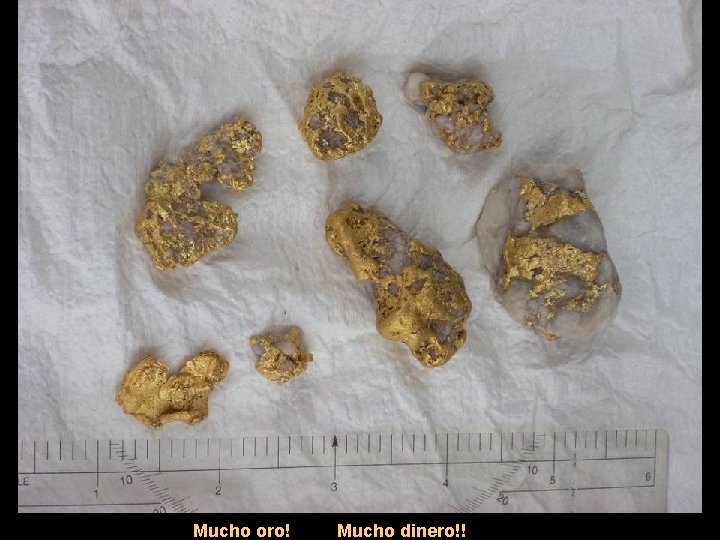
Mucho oro! Mucho dinero!!
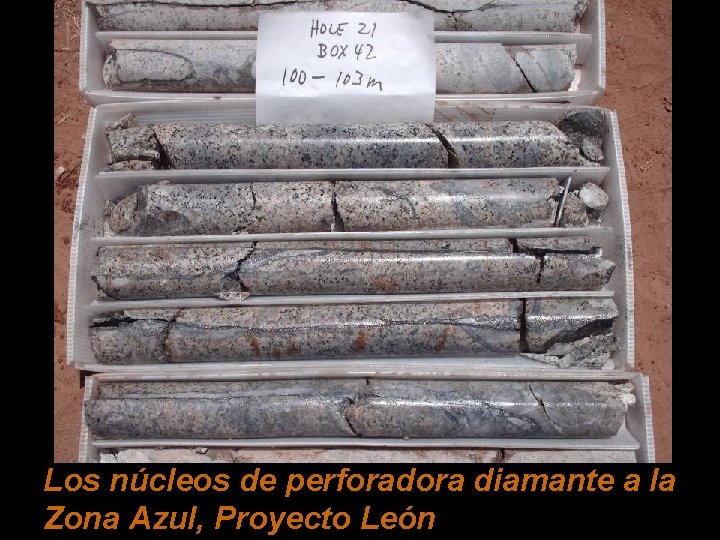
Los núcleos de perforadora diamante a la Zona Azul, Proyecto León
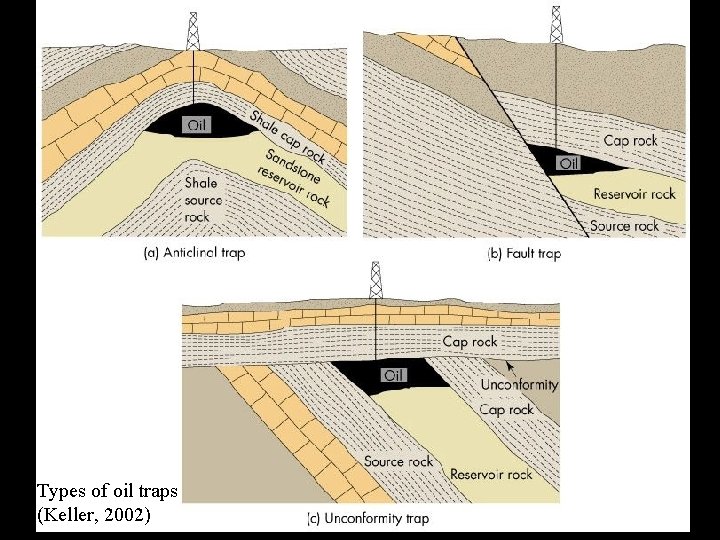
Types of oil traps (Keller, 2002)
Primary Geologic Structures • Geometric features developed during formation of a rock body • Microscopic to mountain scale • Formed in sedimentary or igneous environments • Provide clues about environment of rock formation
Sedimentary Structures • • Bedding Uncomformities Cross bedding Graded bedding Ripple marks Mud cracks Trace fossils Etc.
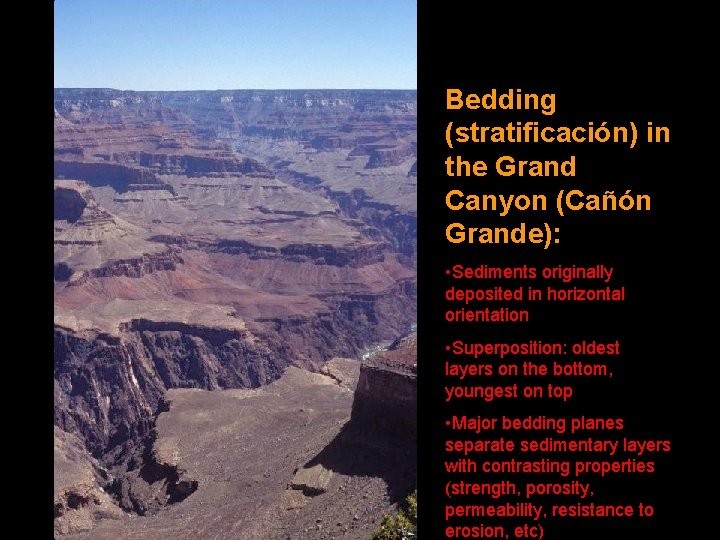
Bedding (stratificación) in the Grand Canyon (Cañón Grande): • Sediments originally deposited in horizontal orientation • Superposition: oldest layers on the bottom, youngest on top • Major bedding planes separate sedimentary layers with contrasting properties (strength, porosity, permeability, resistance to erosion, etc)
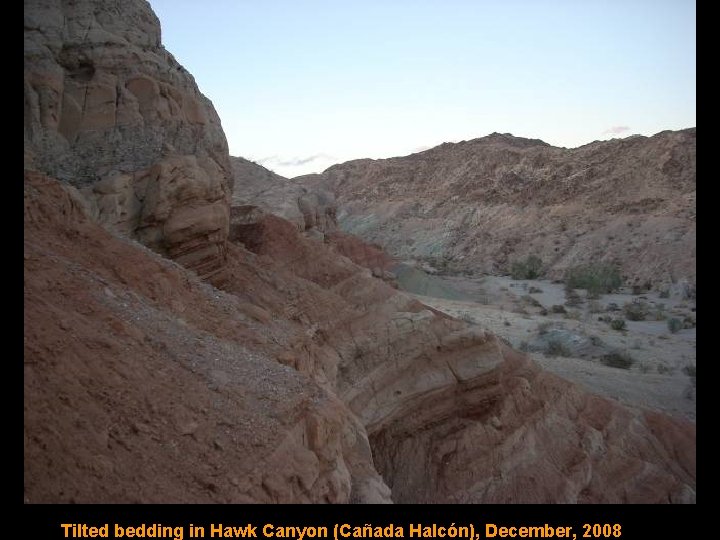
Tilted bedding in Hawk Canyon (Cañada Halcón), December, 2008
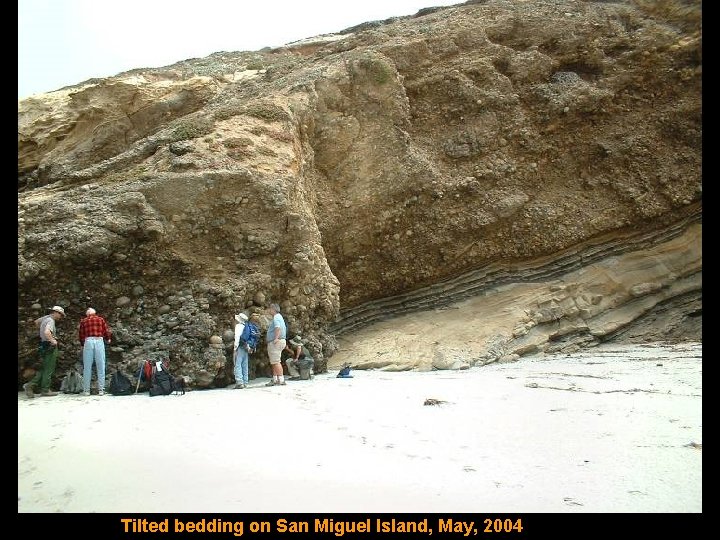
Tilted bedding on San Miguel Island, May, 2004
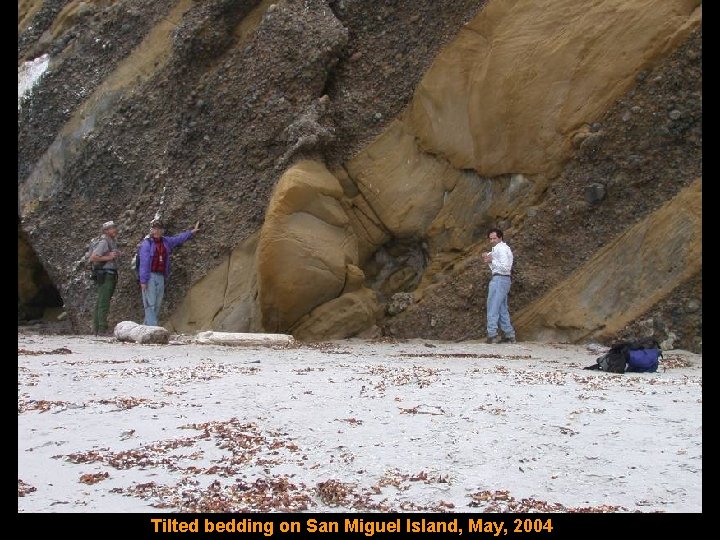
Tilted bedding on San Miguel Island, May, 2004
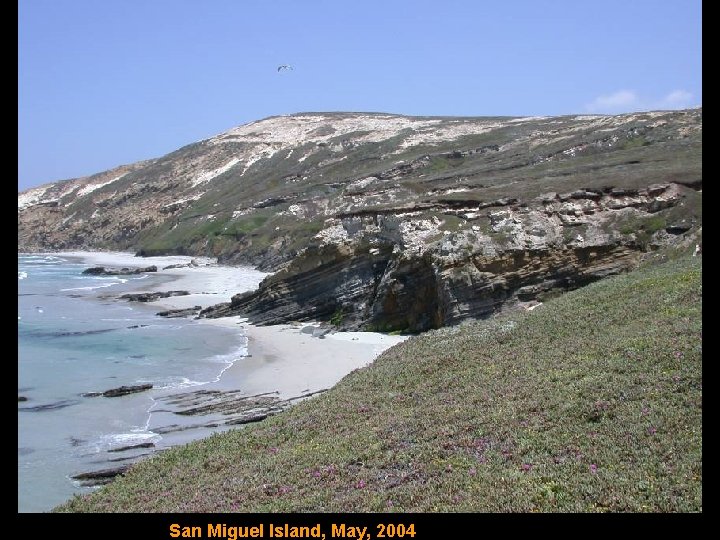
San Miguel Island, May, 2004
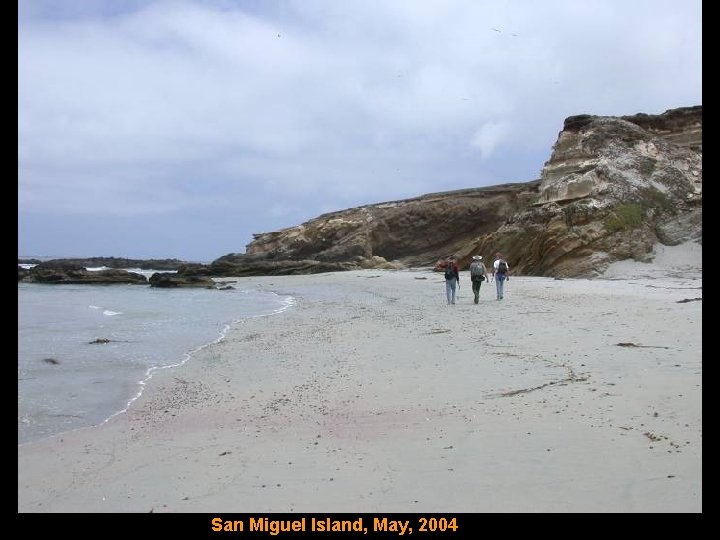
San Miguel Island, May, 2004
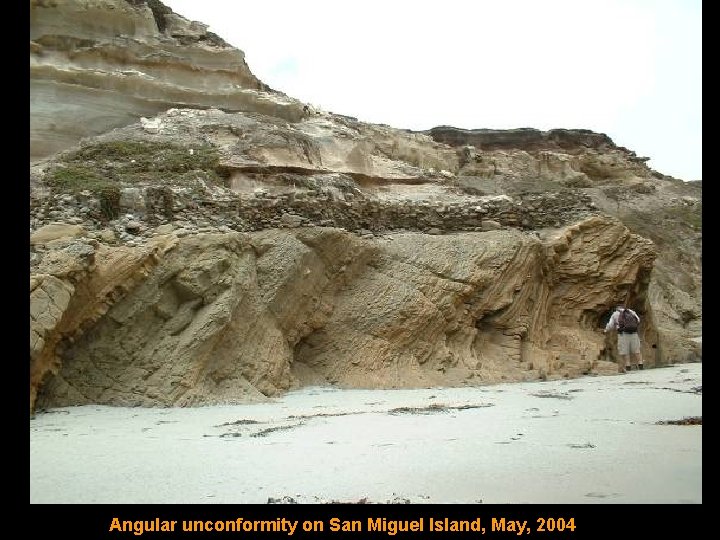
Angular unconformity on San Miguel Island, May, 2004
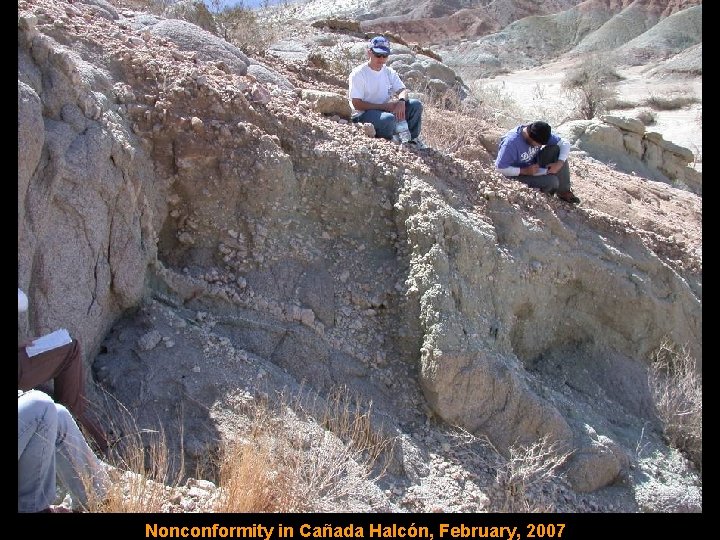
Nonconformity in Cañada Halcón, February, 2007
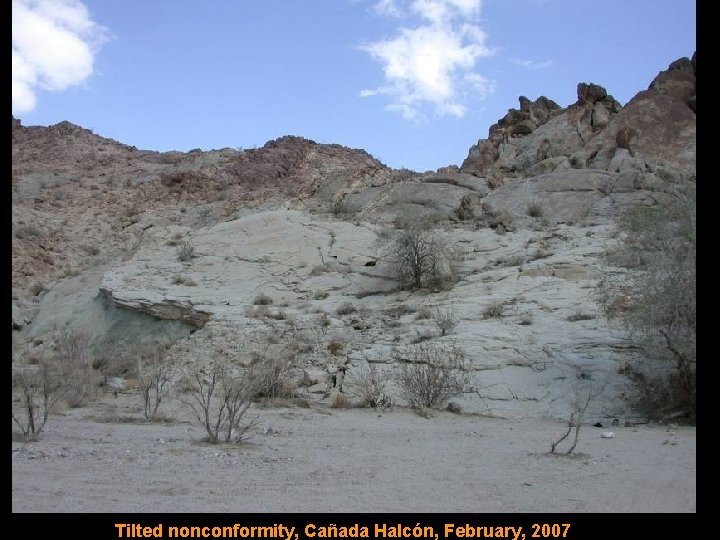
Tilted nonconformity, Cañada Halcón, February, 2007
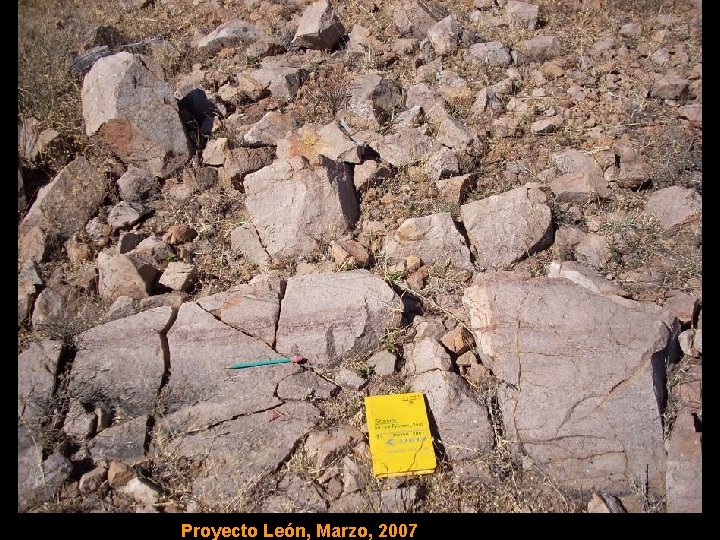
Proyecto León, Marzo, 2007
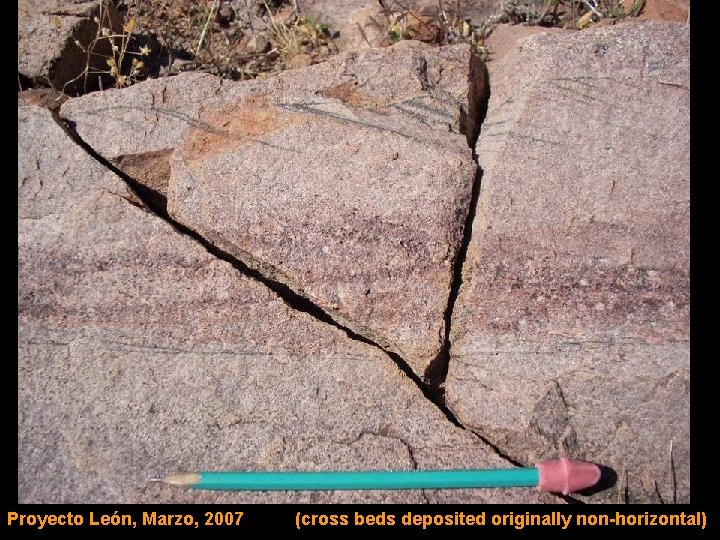
Proyecto León, Marzo, 2007 (cross beds deposited originally non-horizontal)
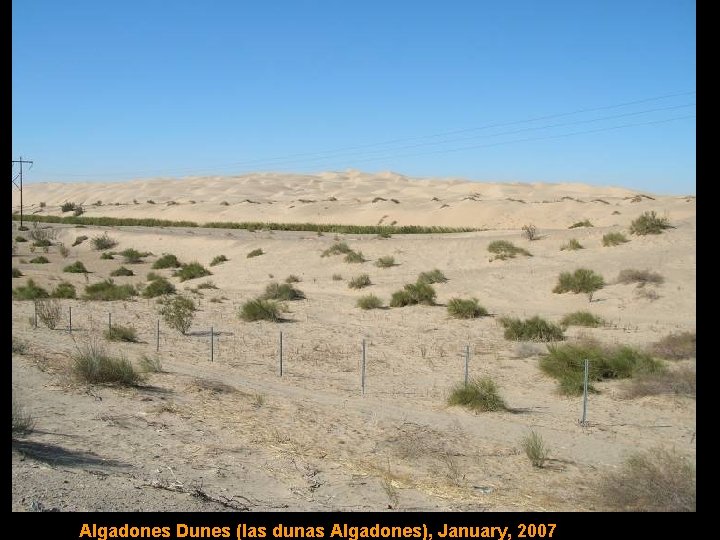
Algadones Dunes (las dunas Algadones), January, 2007
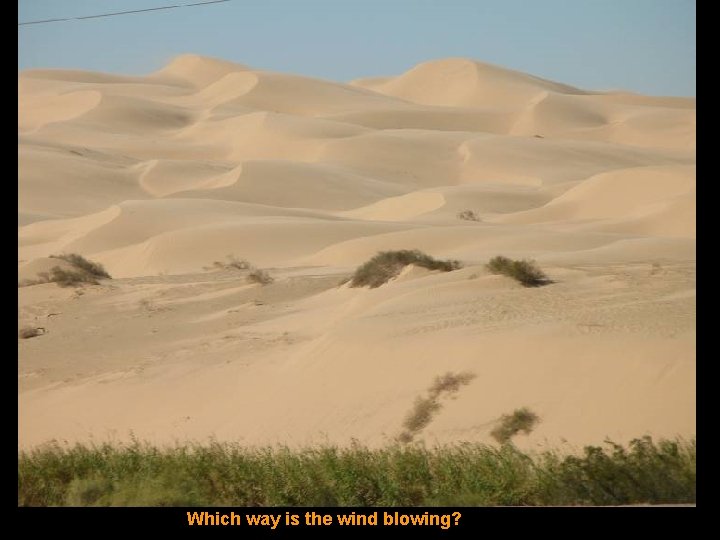
Which way is the wind blowing?
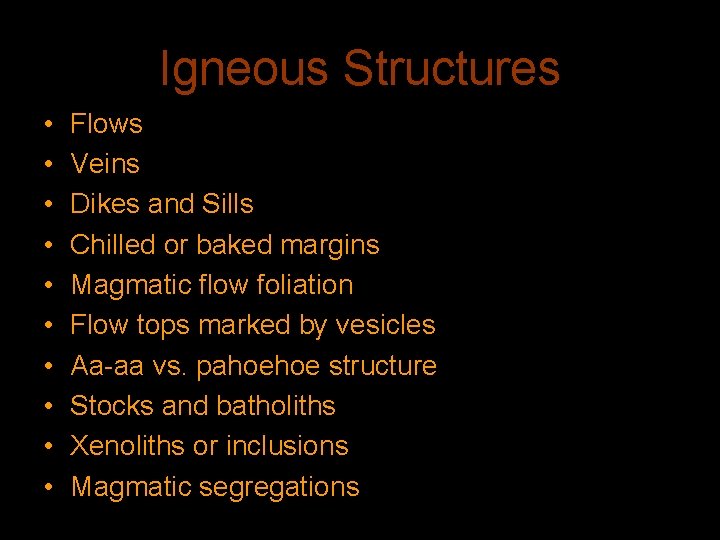
Igneous Structures • • • Flows Veins Dikes and Sills Chilled or baked margins Magmatic flow foliation Flow tops marked by vesicles Aa-aa vs. pahoehoe structure Stocks and batholiths Xenoliths or inclusions Magmatic segregations
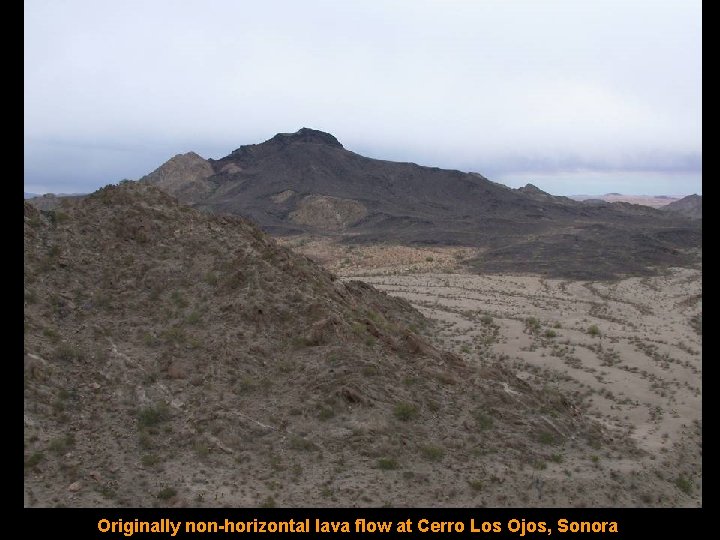
Originally non-horizontal lava flow at Cerro Los Ojos, Sonora
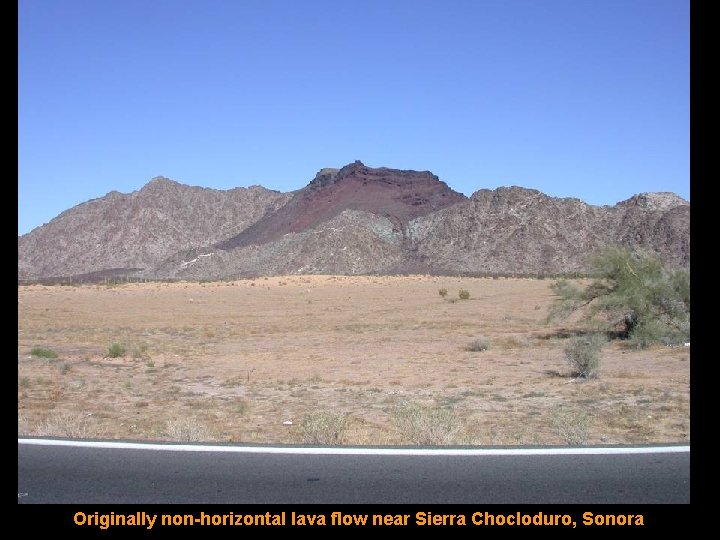
Originally non-horizontal lava flow near Sierra Chocloduro, Sonora
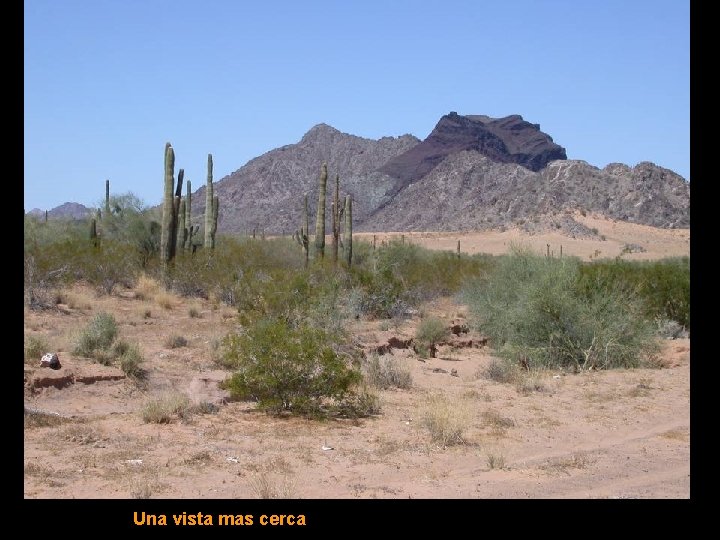
Una vista mas cerca
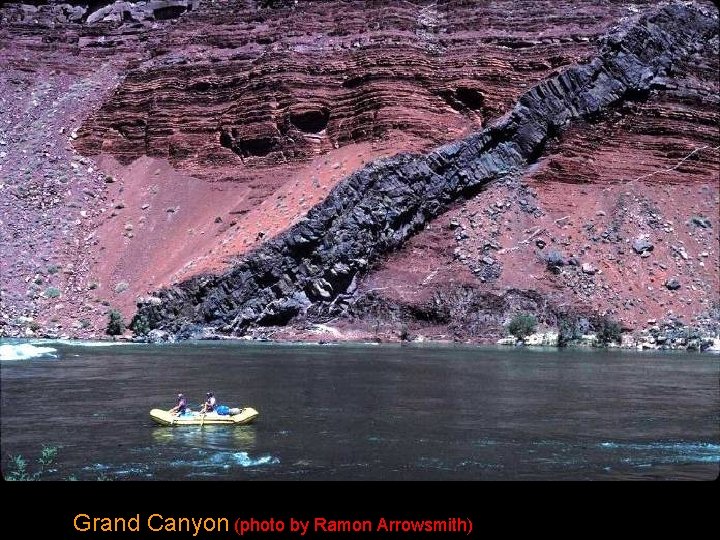
Grand Canyon (photo by Ramon Arrowsmith)
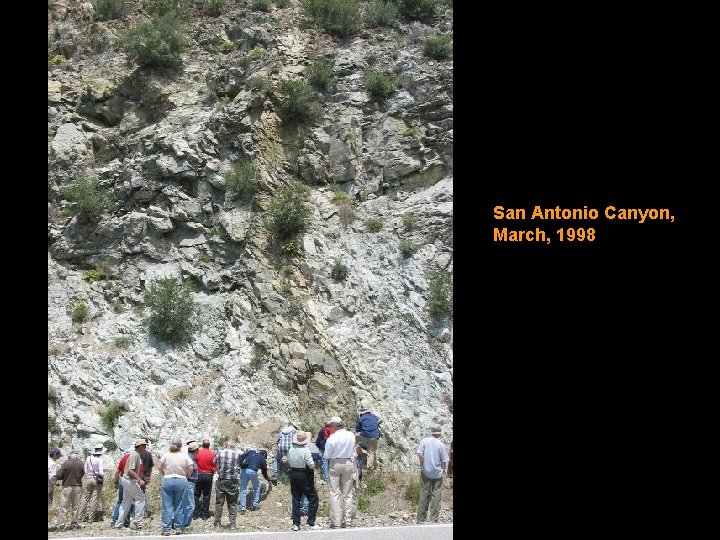
San Antonio Canyon, March, 1998
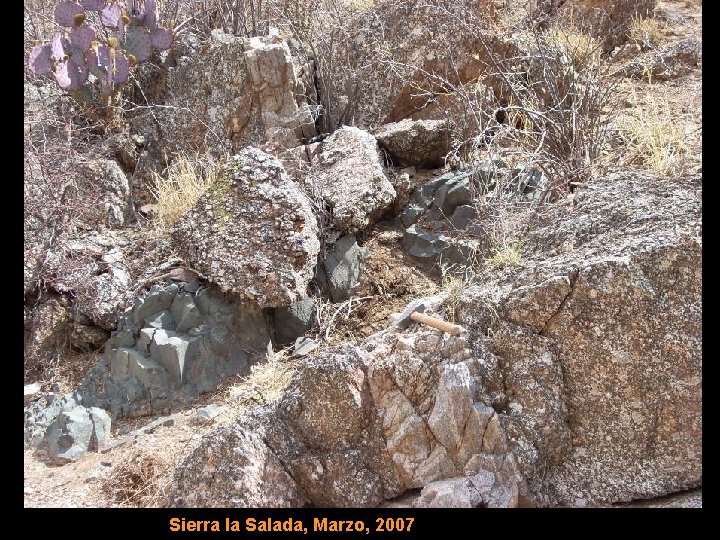
Sierra la Salada, Marzo, 2007
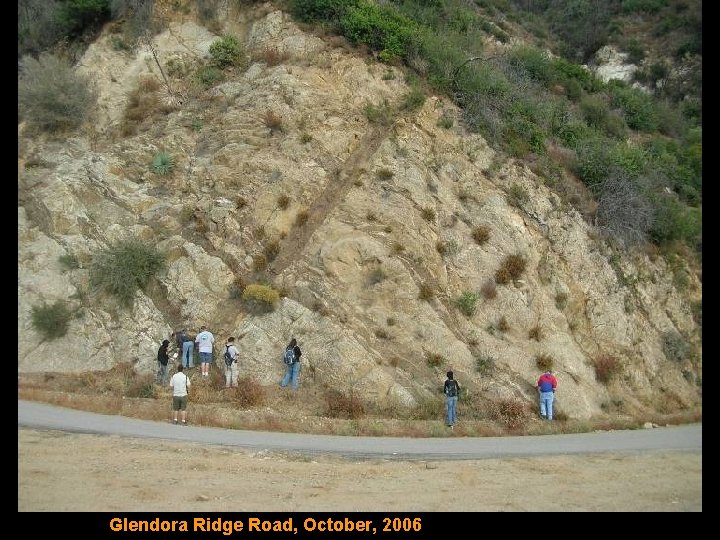
Glendora Ridge Road, October, 2006
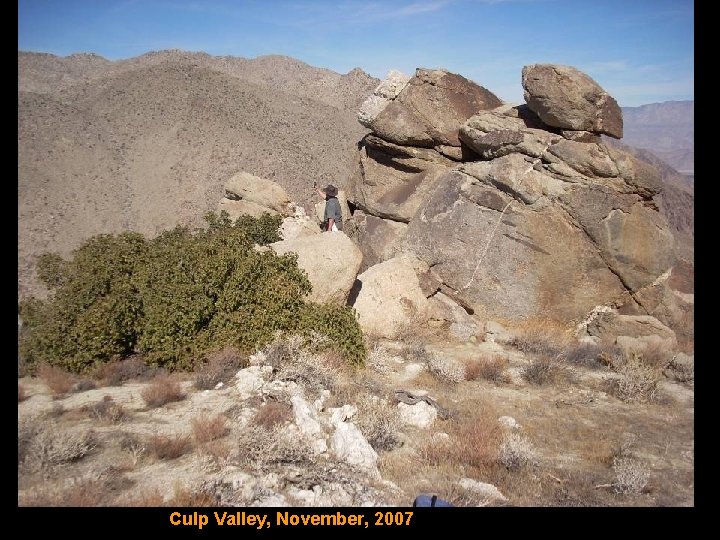
Culp Valley, November, 2007
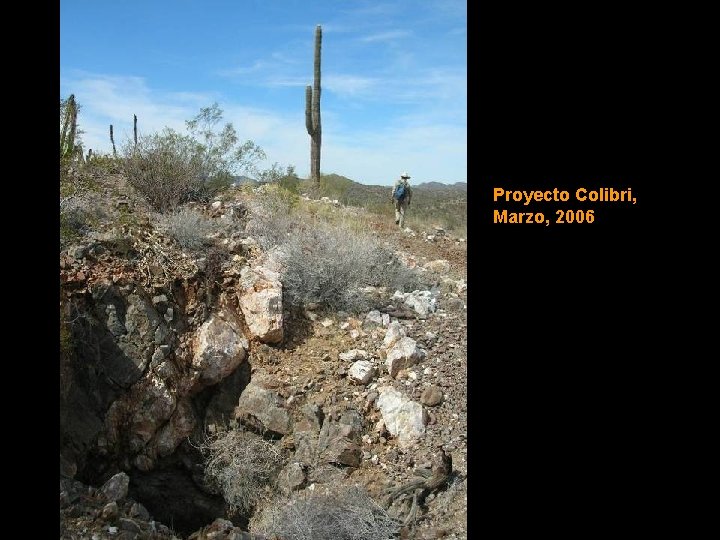
Proyecto Colibri, Marzo, 2006
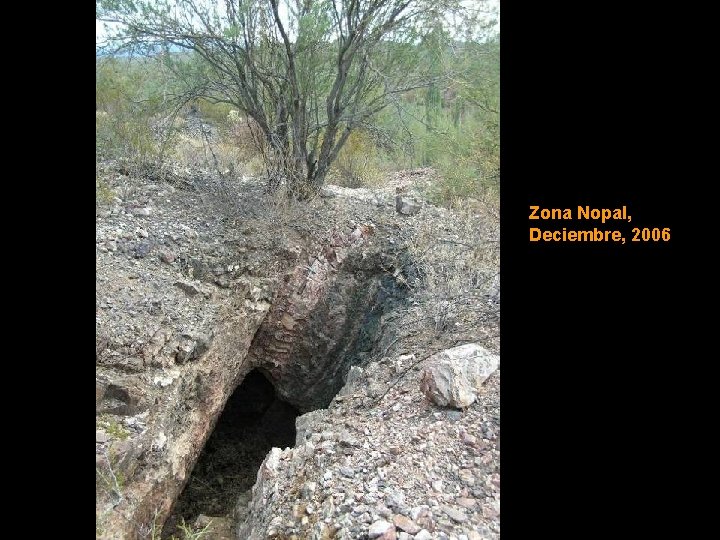
Zona Nopal, Deciembre, 2006
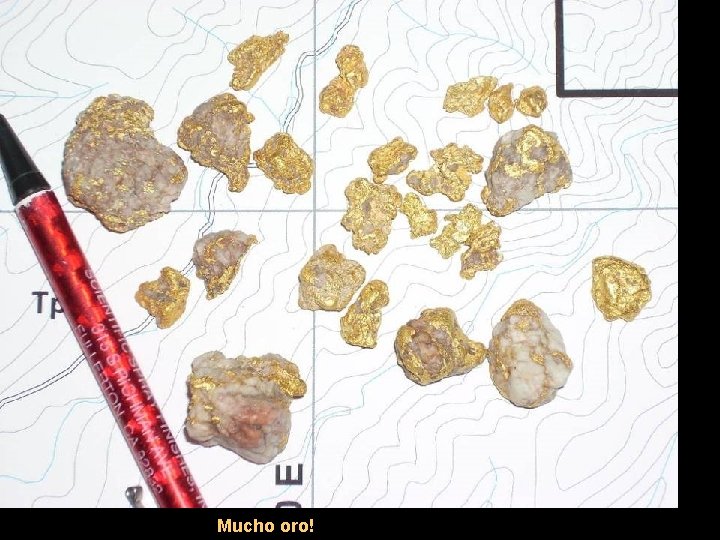
Mucho oro!
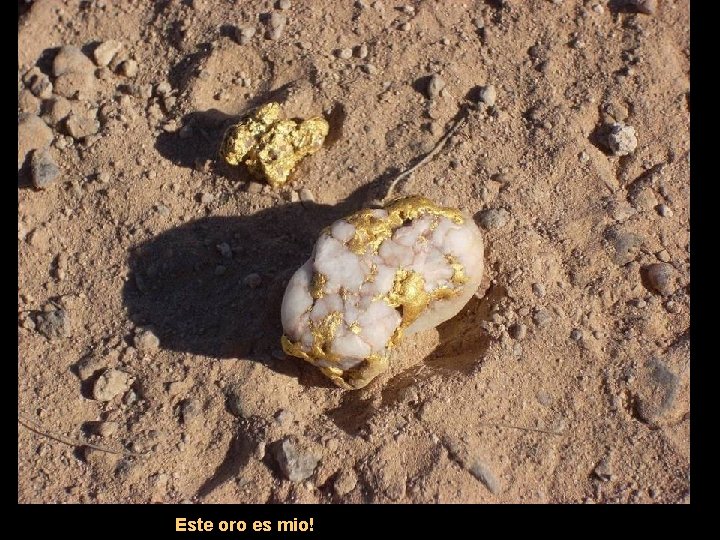
Este oro es mio!
Mis asistentes del campo, Proyecto León, Septiembre, 2007
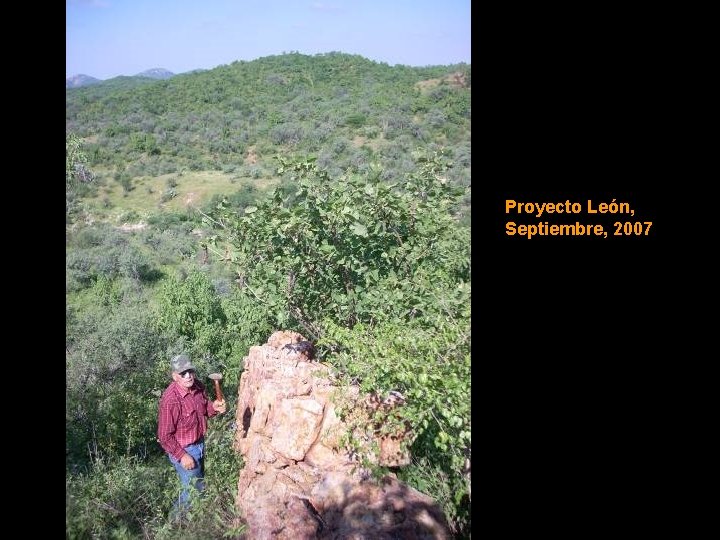
Proyecto León, Septiembre, 2007
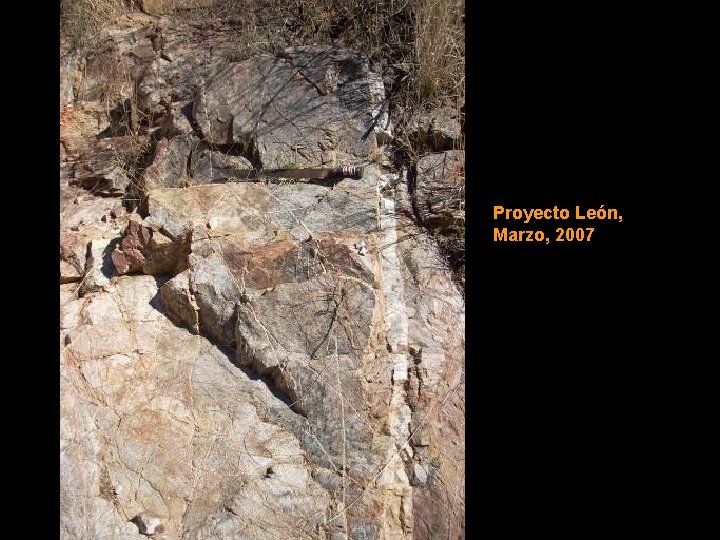
Proyecto León, Marzo, 2007
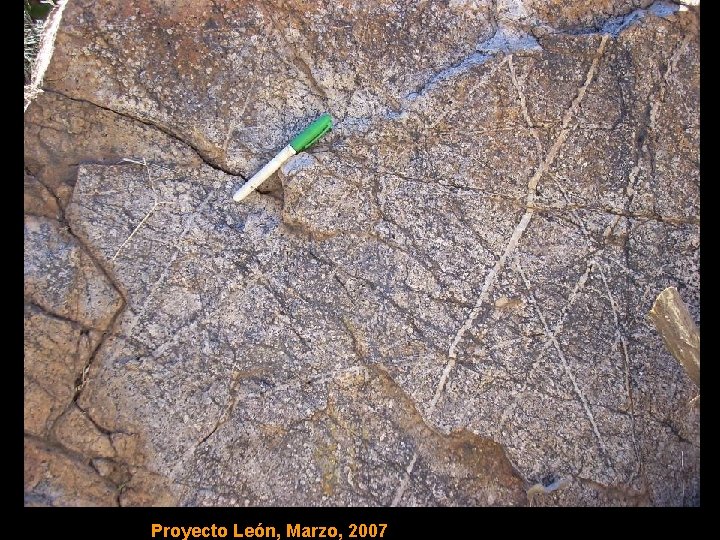
Proyecto León, Marzo, 2007
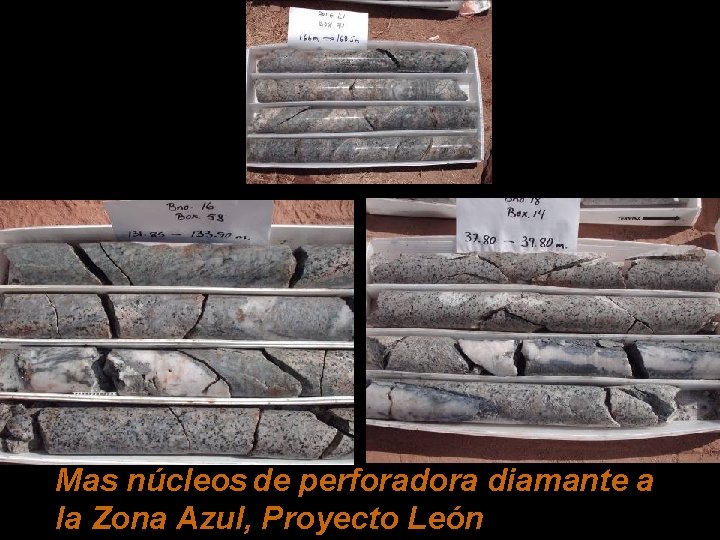
Mas núcleos de perforadora diamante a la Zona Azul, Proyecto León
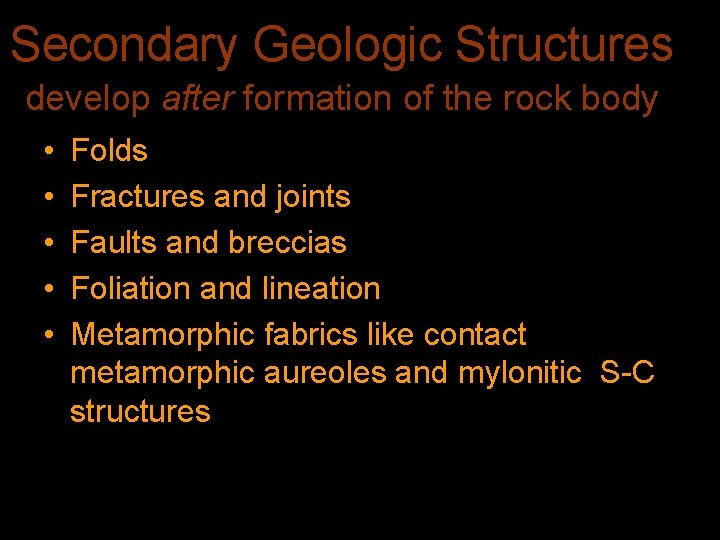
Secondary Geologic Structures develop after formation of the rock body • • • Folds Fractures and joints Faults and breccias Foliation and lineation Metamorphic fabrics like contact metamorphic aureoles and mylonitic S-C structures
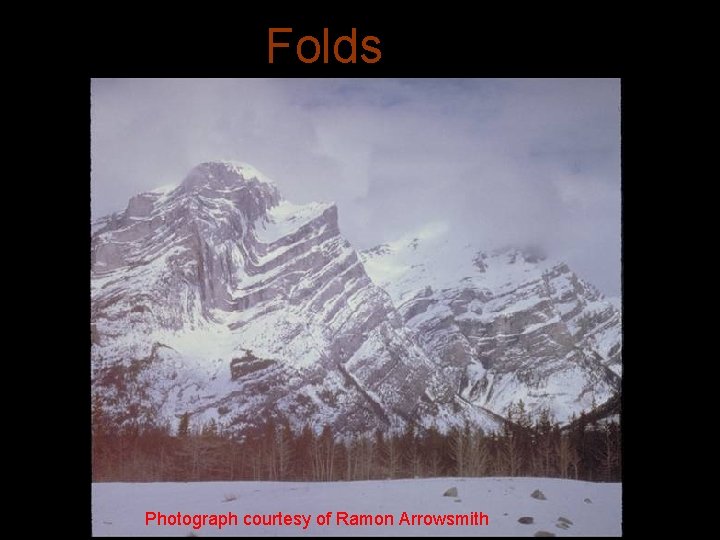
Folds Photograph courtesy of Ramon Arrowsmith
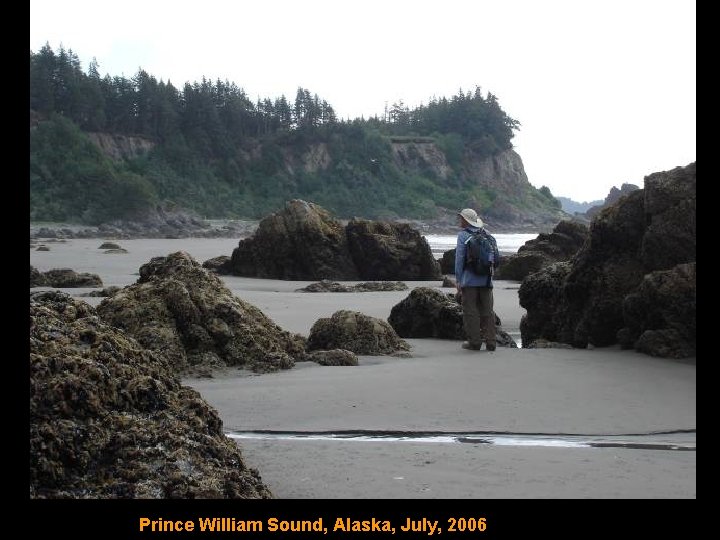
Prince William Sound, Alaska, July, 2006
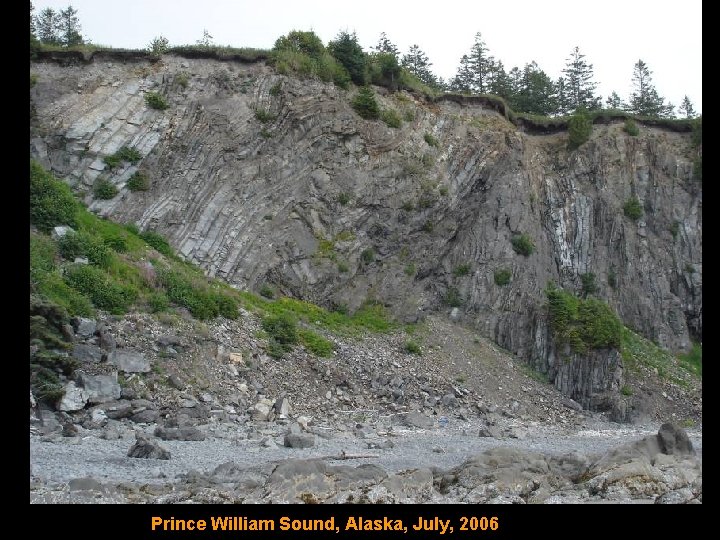
Prince William Sound, Alaska, July, 2006
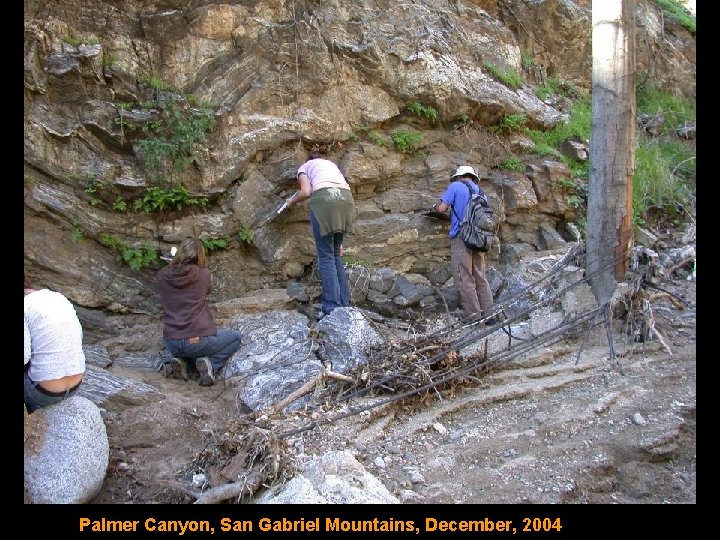
Palmer Canyon, San Gabriel Mountains, December, 2004
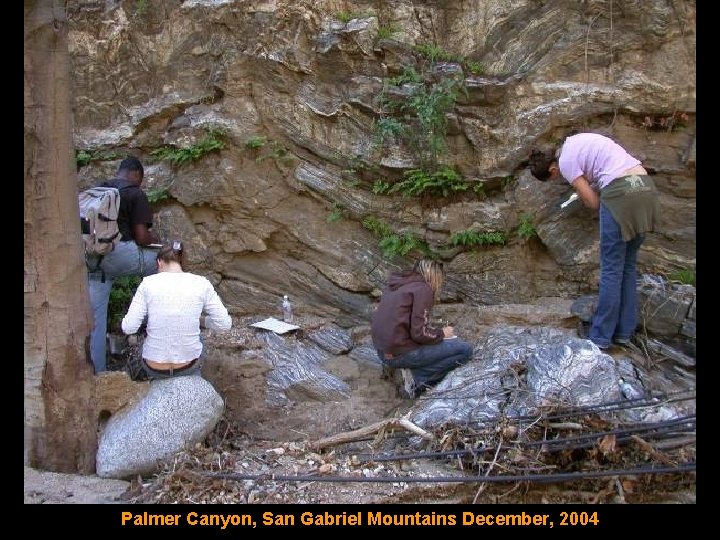
Palmer Canyon, San Gabriel Mountains December, 2004
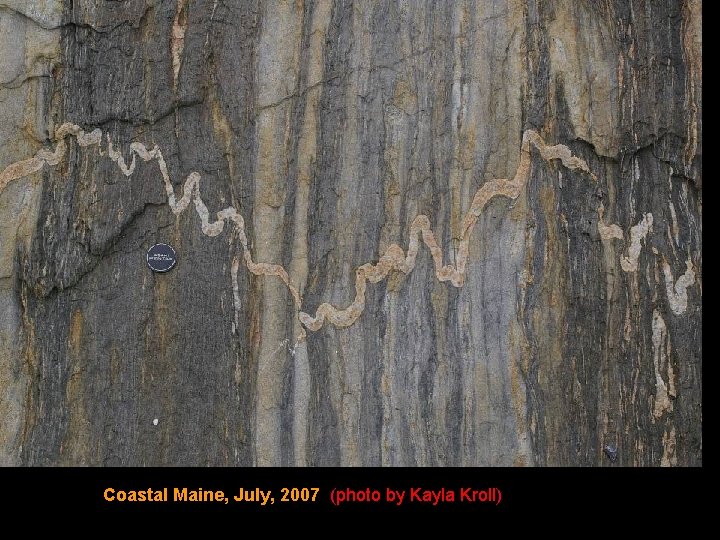
Coastal Maine, July, 2007 (photo by Kayla Kroll)
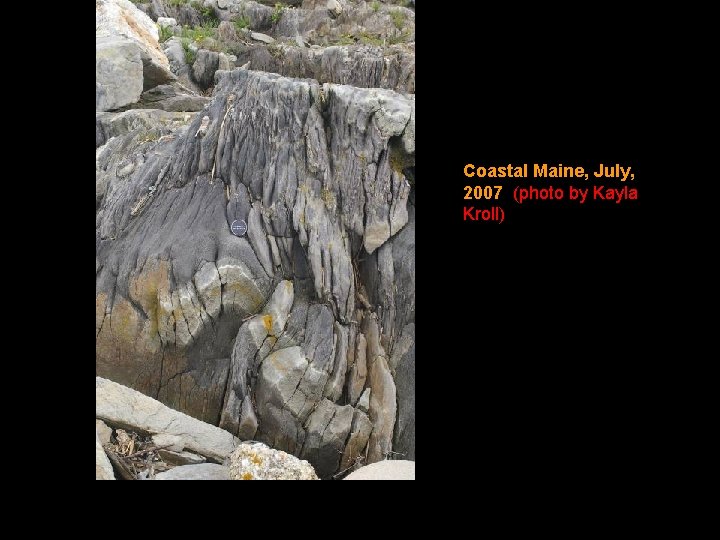
Coastal Maine, July, 2007 (photo by Kayla Kroll)
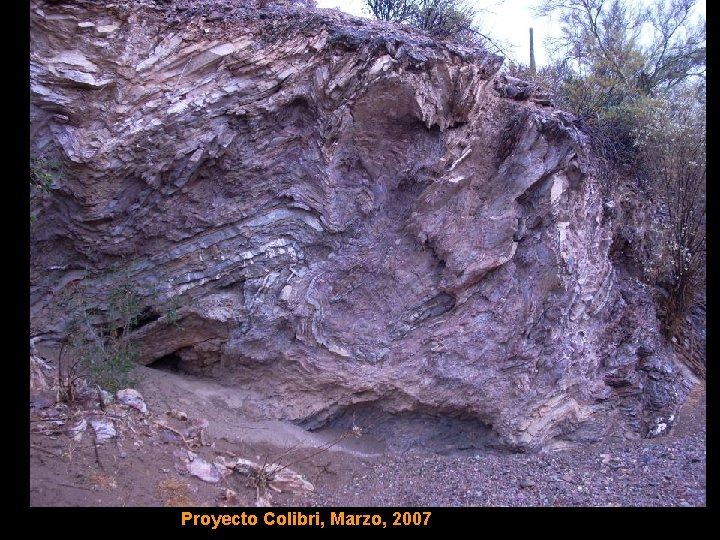
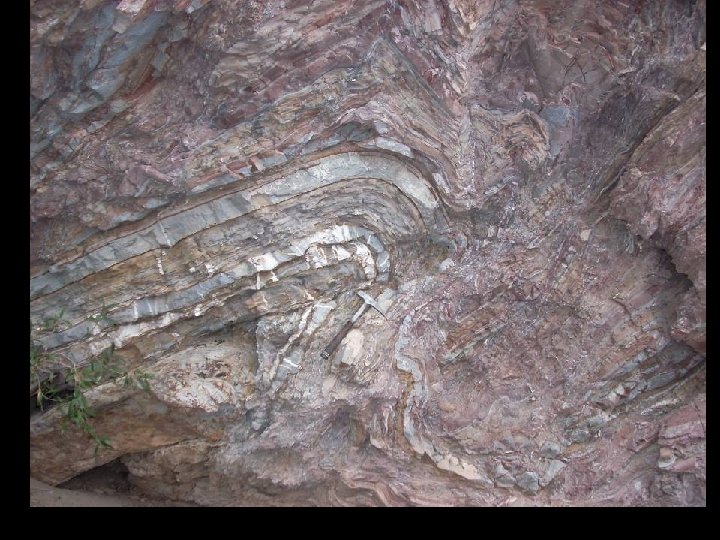
Proyecto Colibri, Marzo, 2007
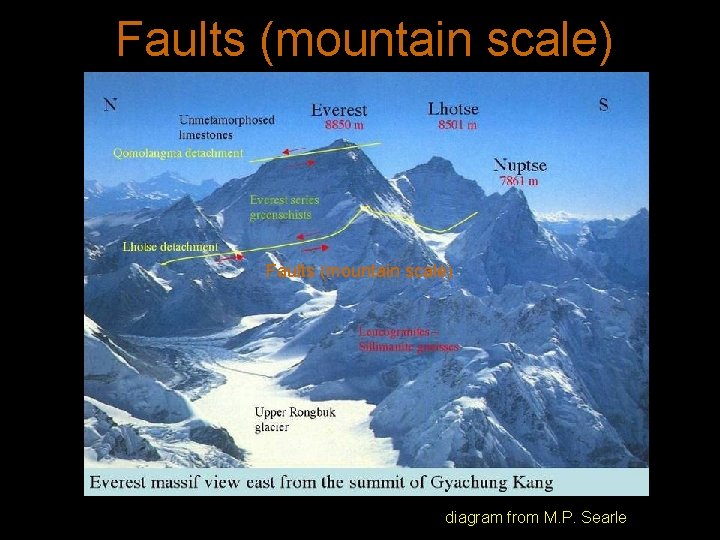
Faults (mountain scale) diagram from M. P. Searle
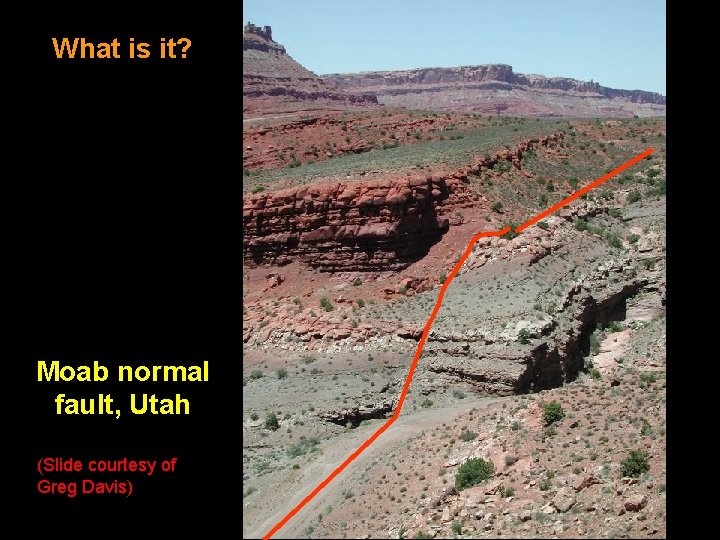
What is it? Moab normal fault, Utah (Slide courtesy of Greg Davis)
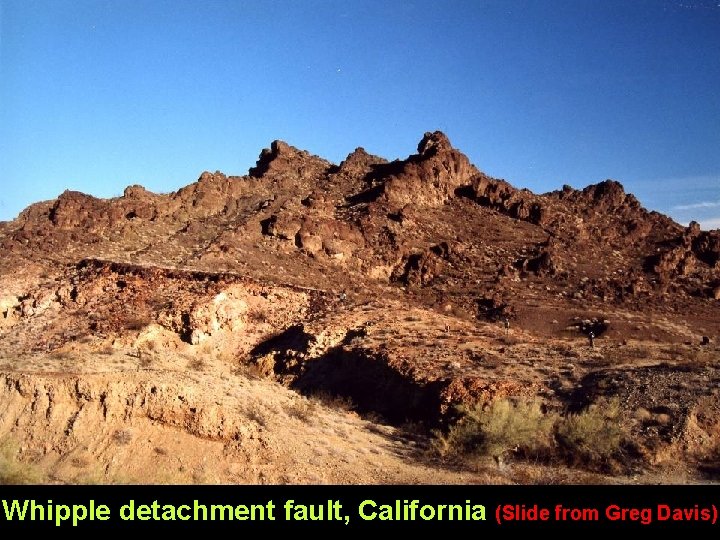
Whipple detachment fault, California (Slide from Greg Davis)
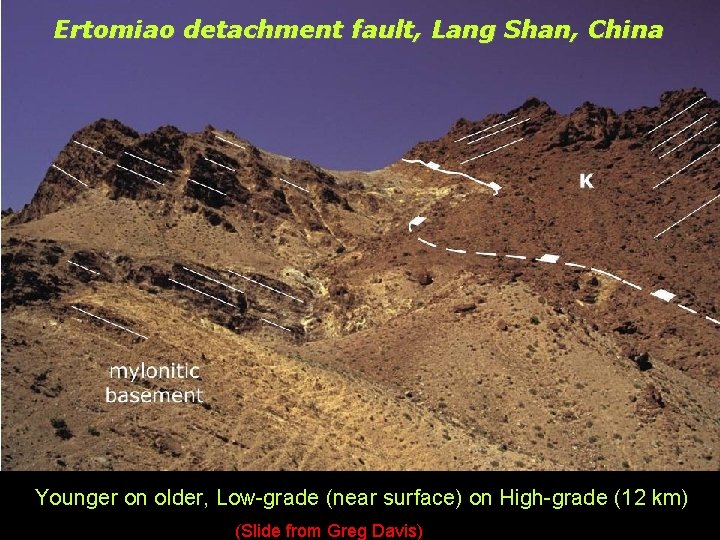
Ertomiao detachment fault, Lang Shan, China Younger on older, Low-grade (near surface) on High-grade (12 km) (Slide from Greg Davis)
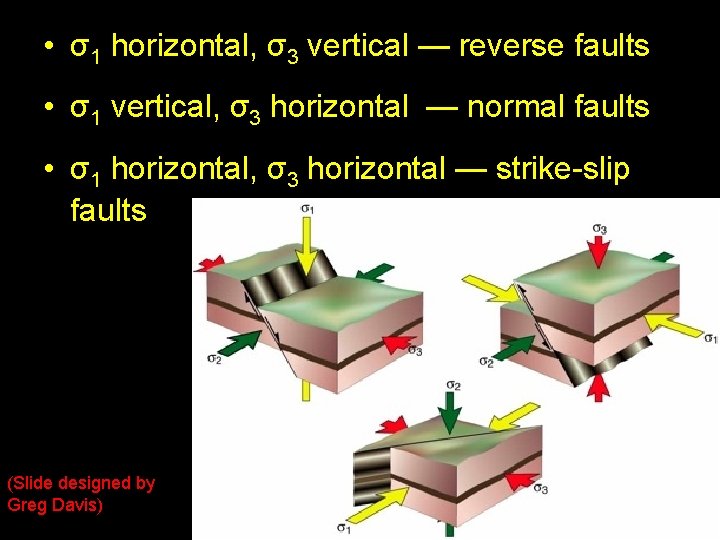
• σ1 horizontal, σ3 vertical — reverse faults • σ1 vertical, σ3 horizontal — normal faults • σ1 horizontal, σ3 horizontal — strike-slip faults (Slide designed by Greg Davis)
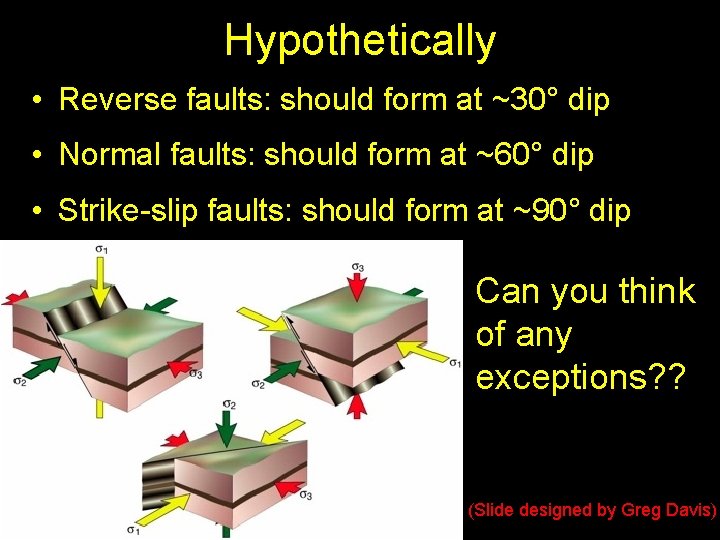
Hypothetically • Reverse faults: should form at ~30° dip • Normal faults: should form at ~60° dip • Strike-slip faults: should form at ~90° dip Can you think of any exceptions? ? (Slide designed by Greg Davis)
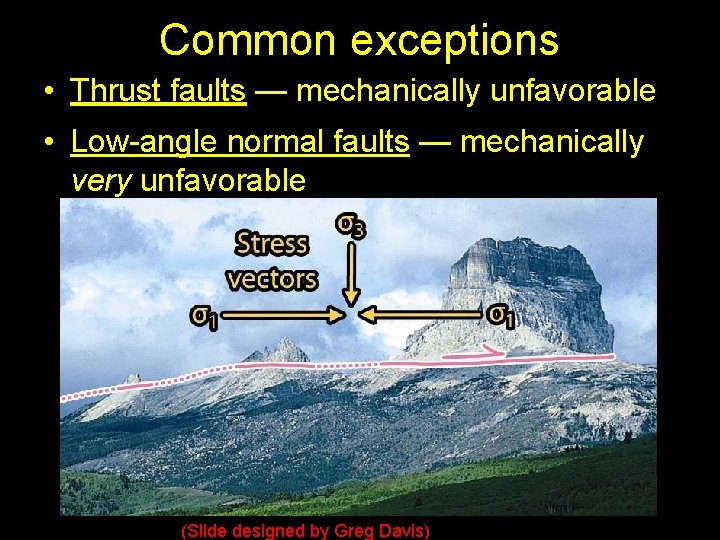
Common exceptions • Thrust faults — mechanically unfavorable • Low-angle normal faults — mechanically very unfavorable (Slide designed by Greg Davis)
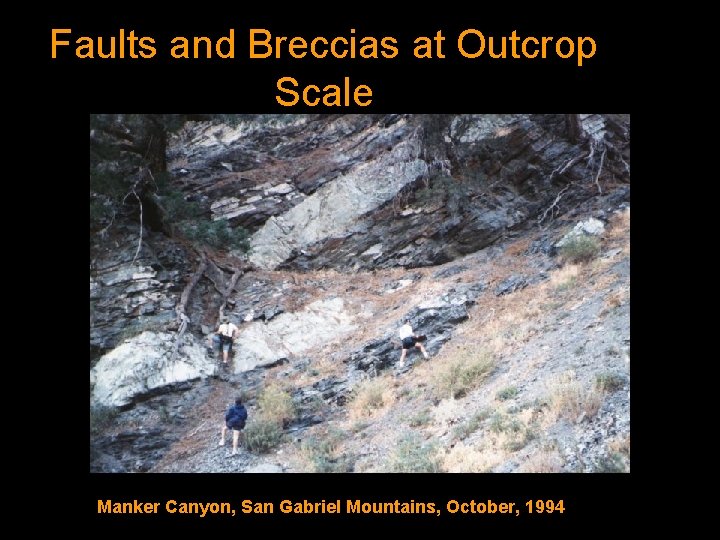
Faults and Breccias at Outcrop Scale Manker Canyon, San Gabriel Mountains, October, 1994
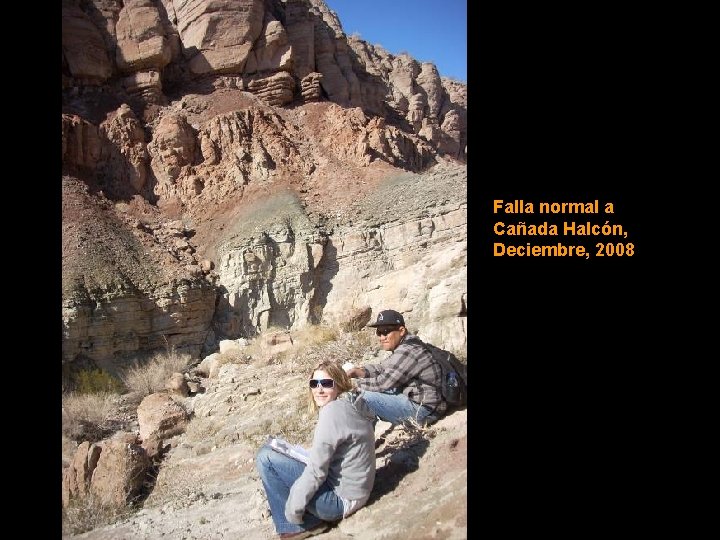
Falla normal a Cañada Halcón, Deciembre, 2008
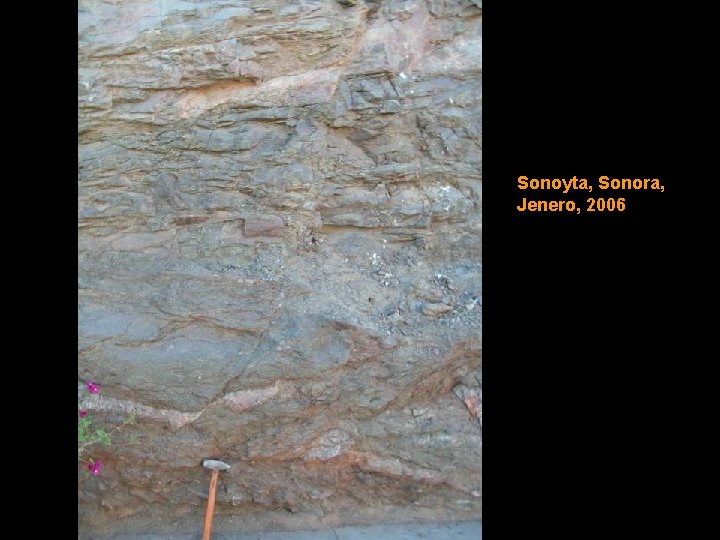
Mega Faults Sonoyta, Sonora, Jenero, 2006
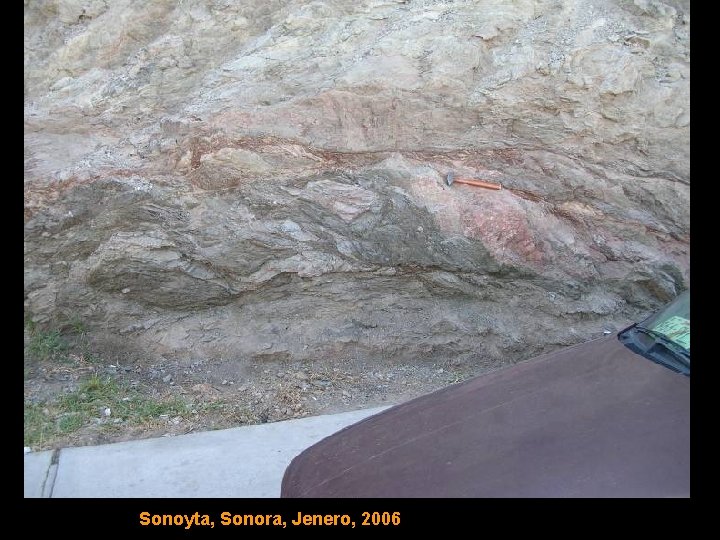
Sonoyta, Sonora, Jenero, 2006
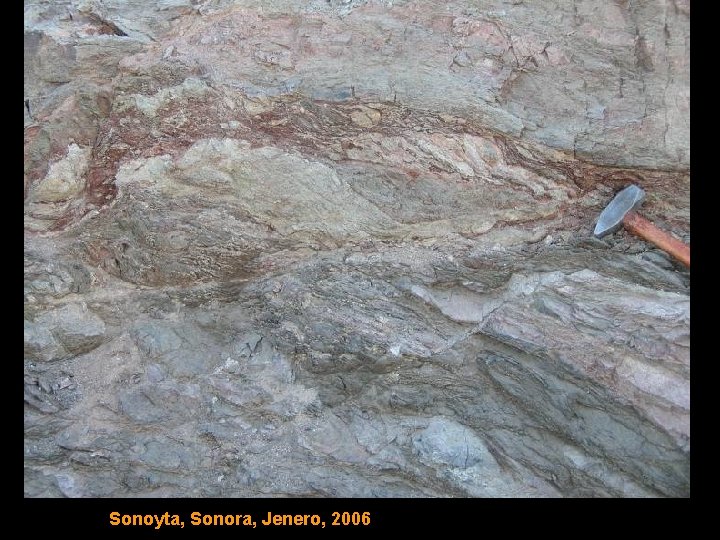
Sonoyta, Sonora, Jenero, 2006
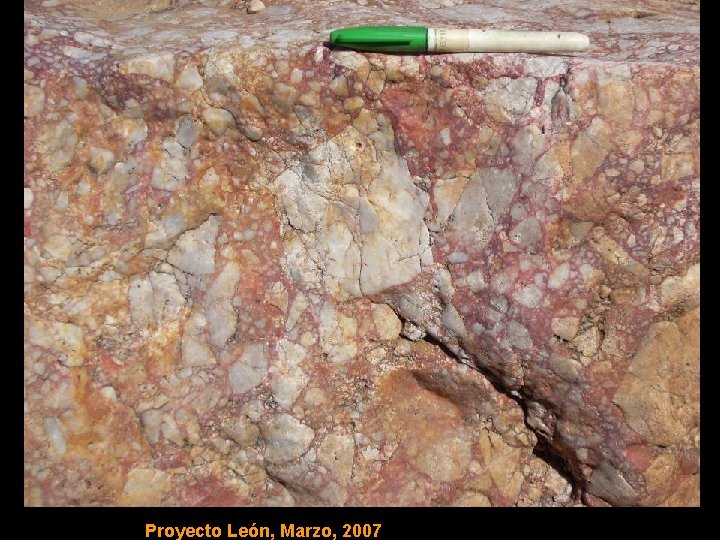
Proyecto León, Marzo, 2007
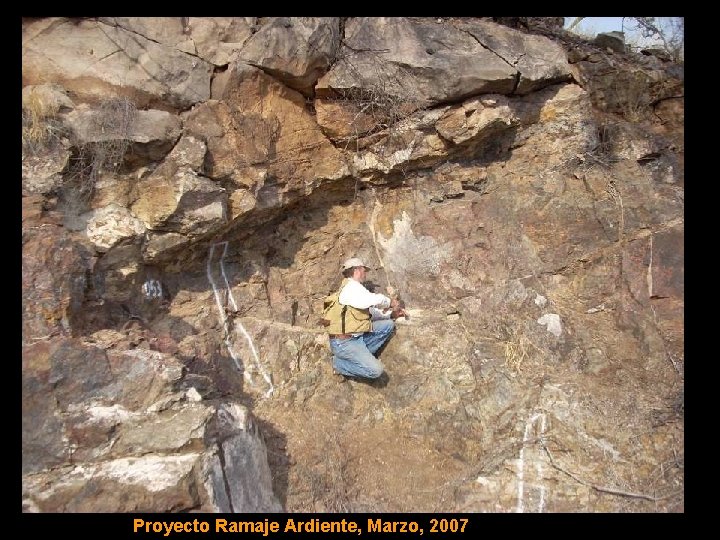
Proyecto Ramaje Ardiente, Marzo, 2007
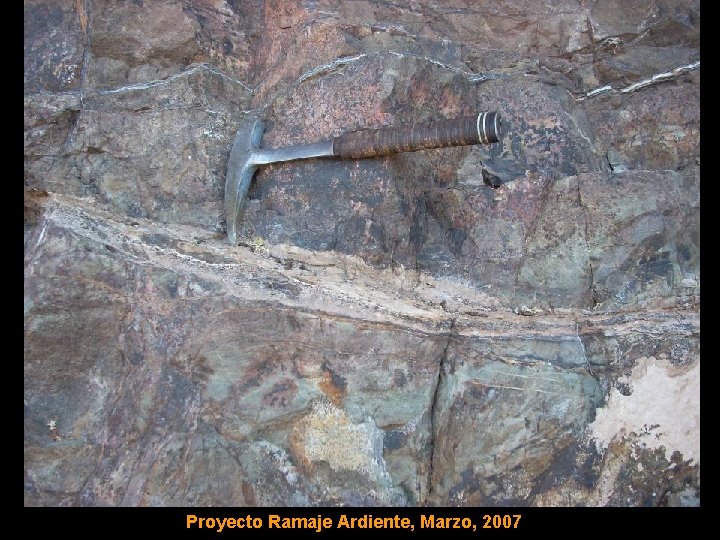
Proyecto Ramaje Ardiente, Marzo, 2007
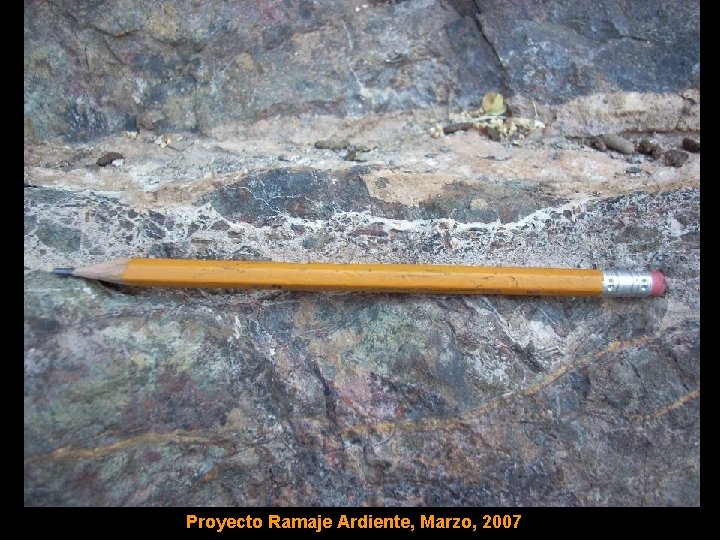
Proyecto Ramaje Ardiente, Marzo, 2007
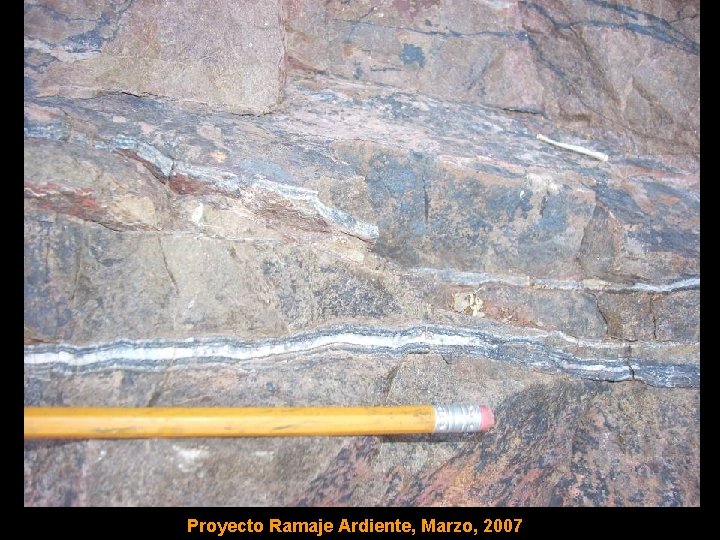
Proyecto Ramaje Ardiente, Marzo, 2007
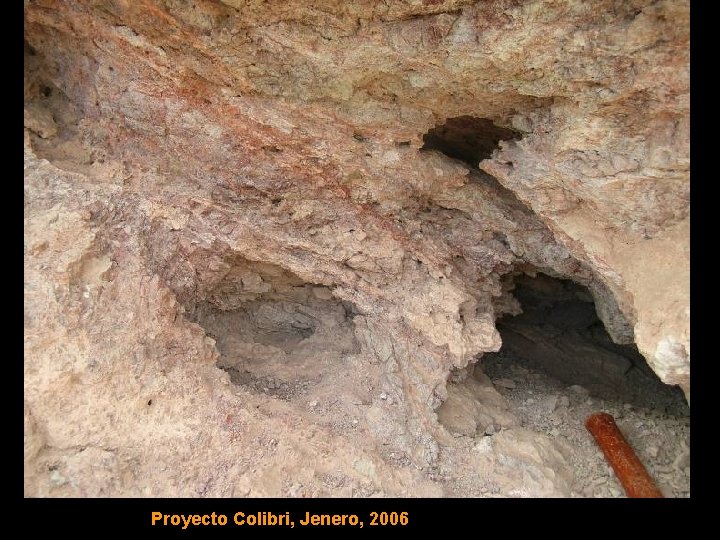
Proyecto Colibri, Jenero, 2006
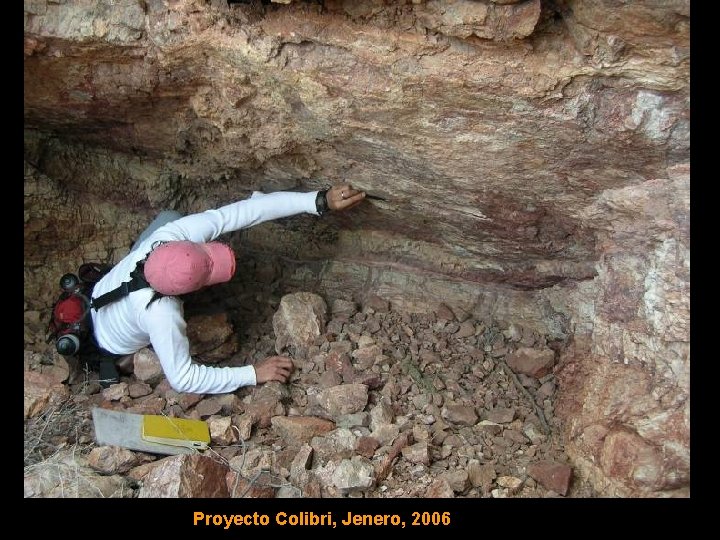
Proyecto Colibri, Jenero, 2006
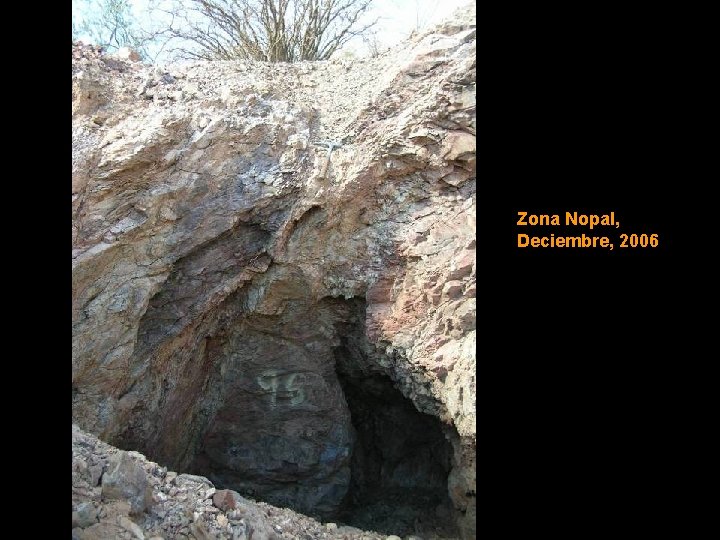
Zona Nopal, Deciembre, 2006
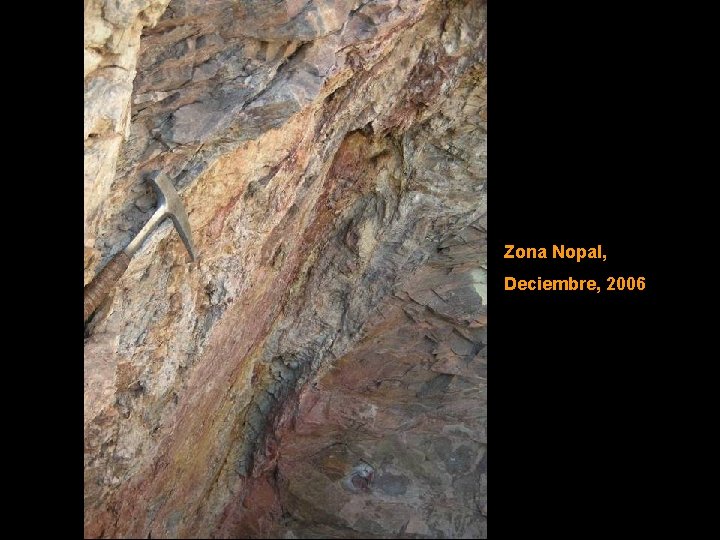
Zona Nopal, Deciembre, 2006
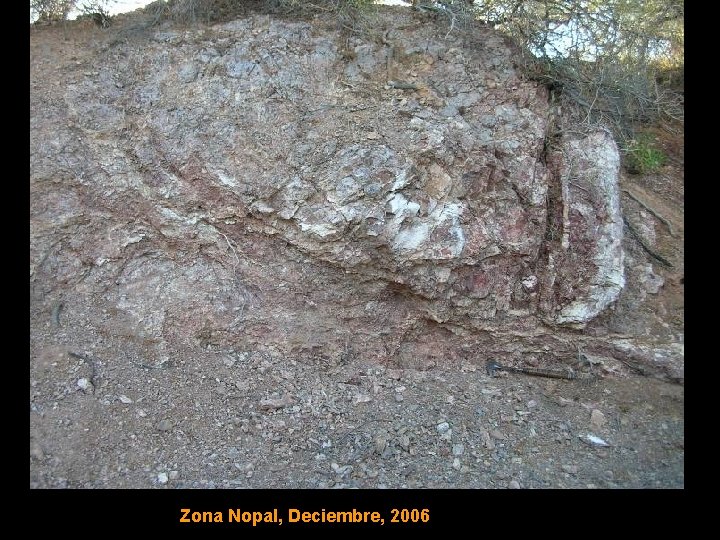
Zona Nopal, Deciembre, 2006
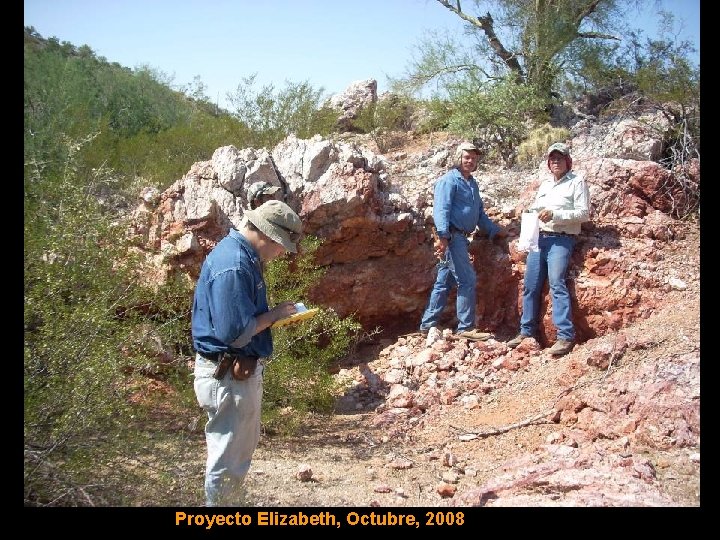
Proyecto Elizabeth, Octubre, 2008
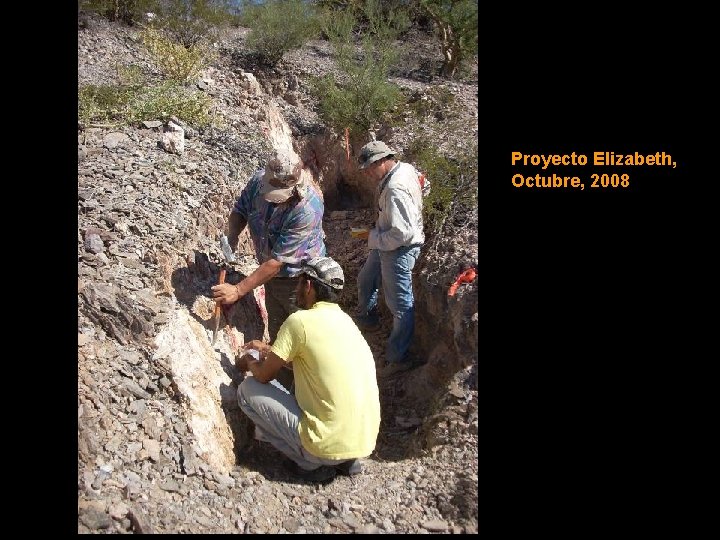
Proyecto Elizabeth, Octubre, 2008
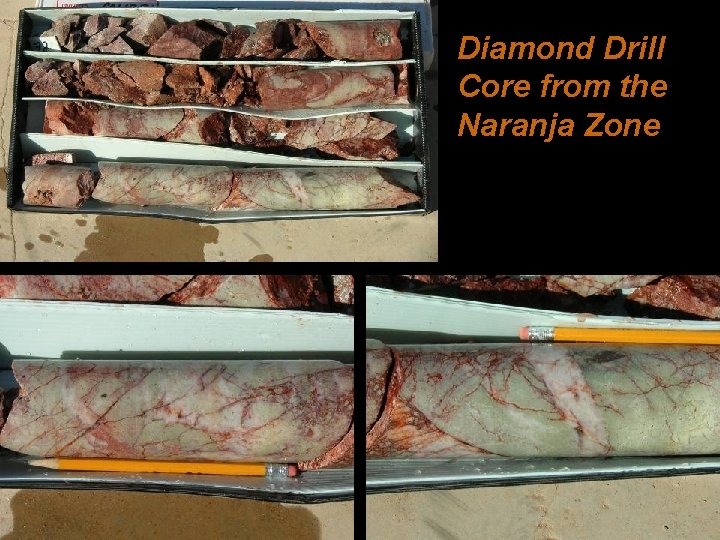
Diamond Drill Core from the Naranja Zone
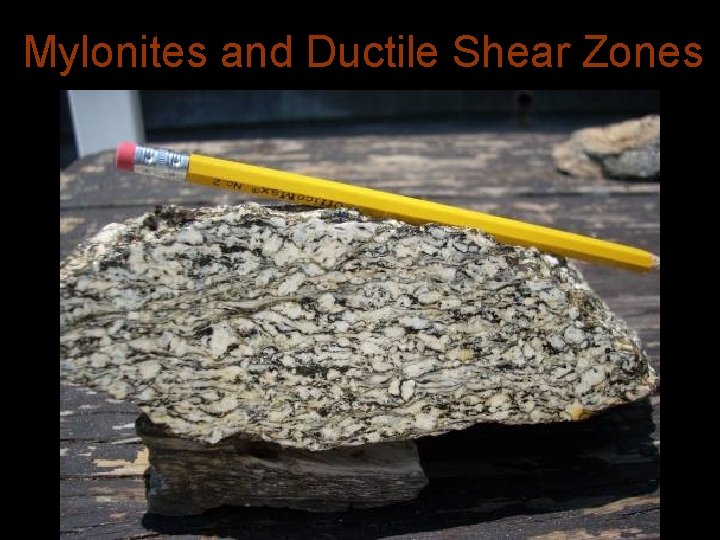
Mylonites and Ductile Shear Zones
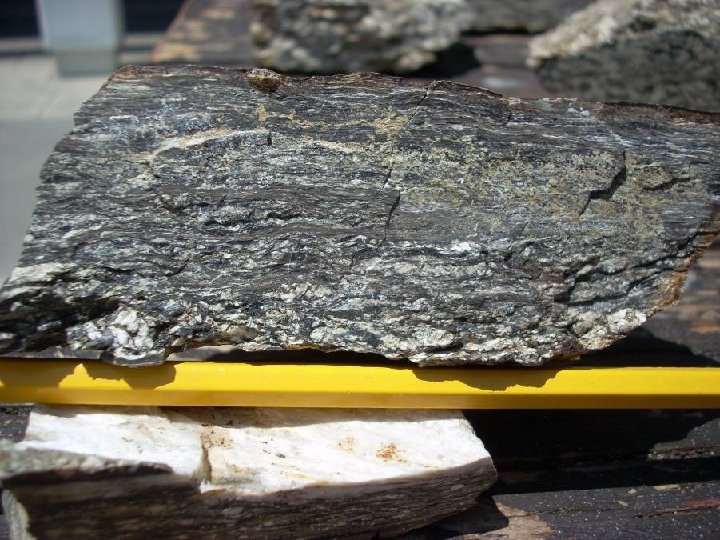
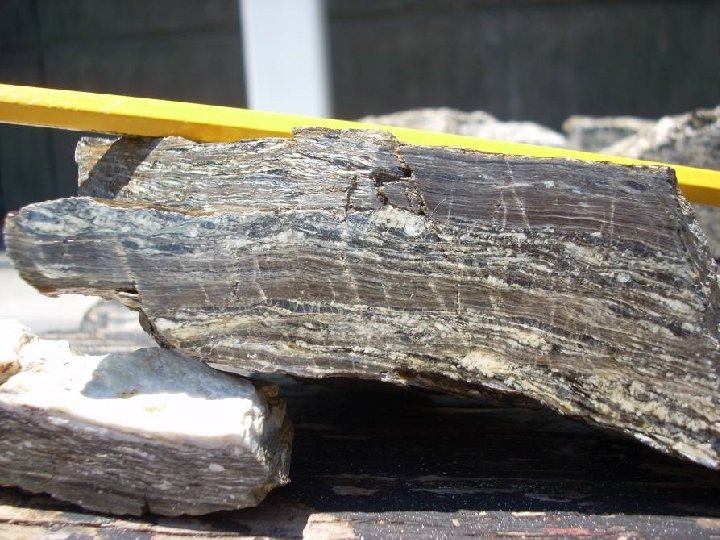
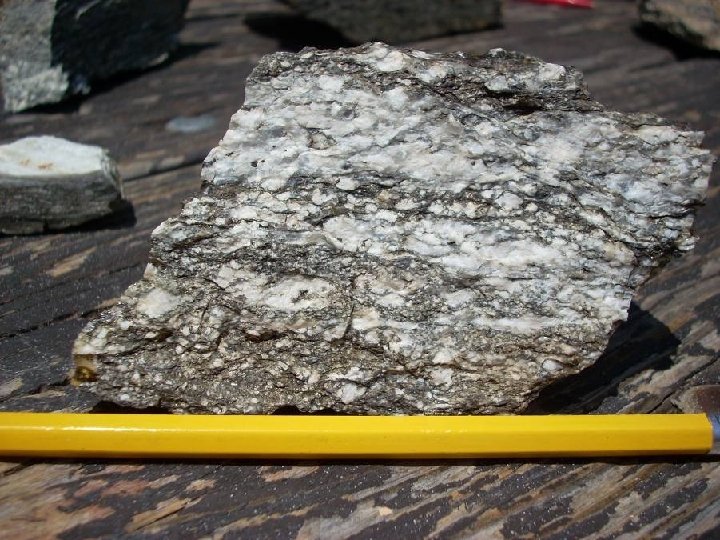
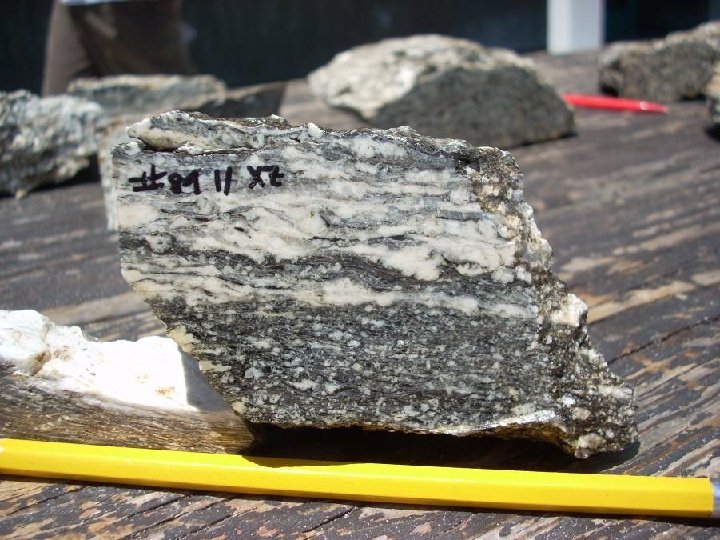
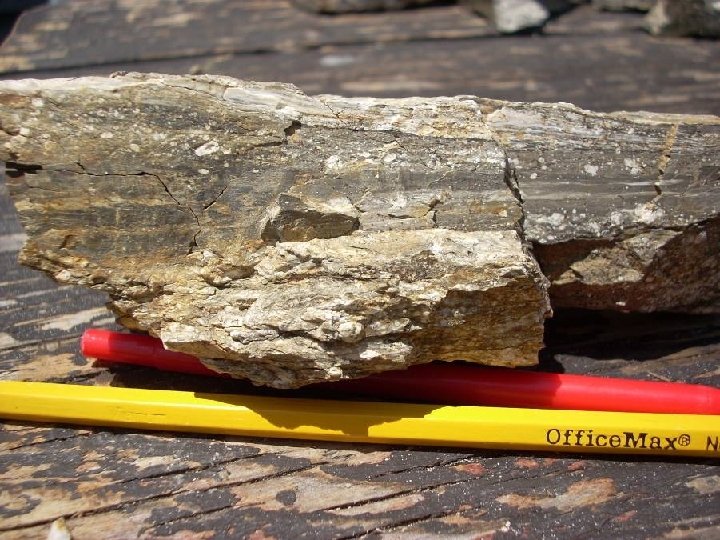
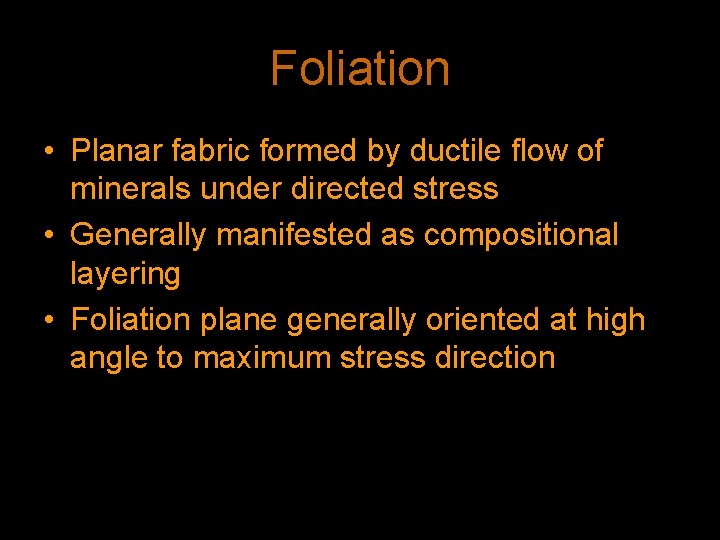
Foliation • Planar fabric formed by ductile flow of minerals under directed stress • Generally manifested as compositional layering • Foliation plane generally oriented at high angle to maximum stress direction
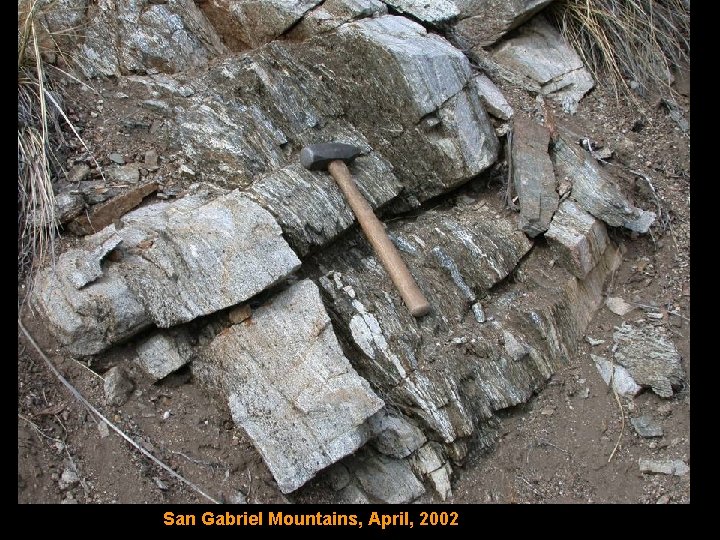
San Gabriel Mountains, April, 2002
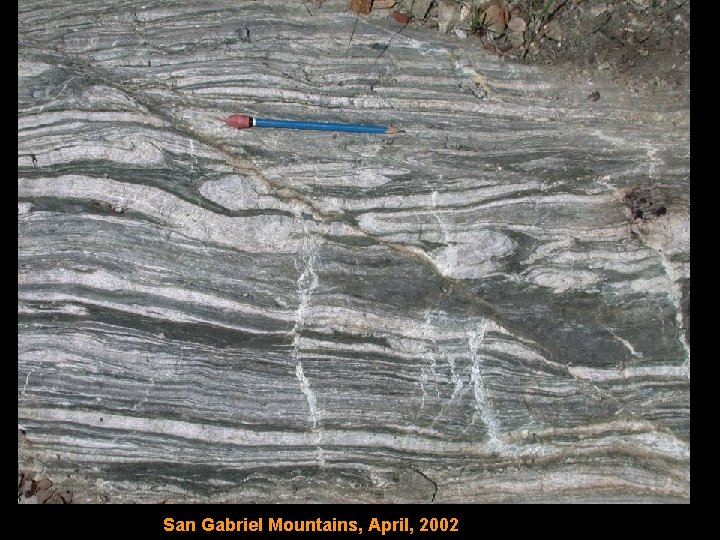
San Gabriel Mountains, April, 2002
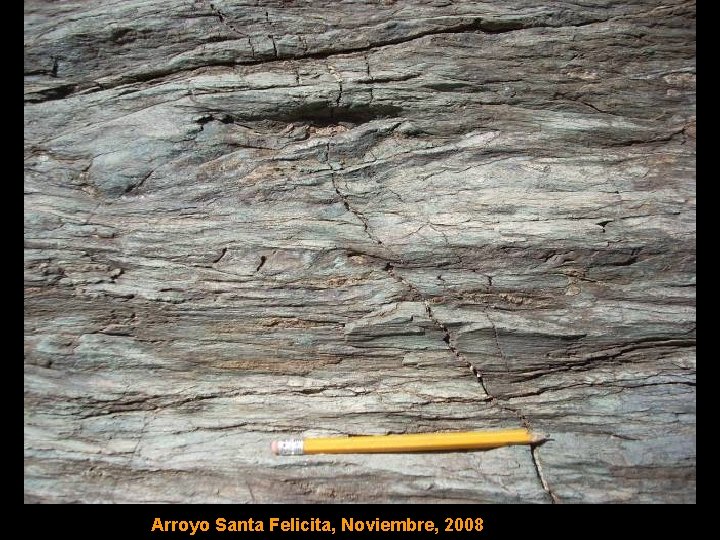
Arroyo Santa Felicita, Noviembre, 2008
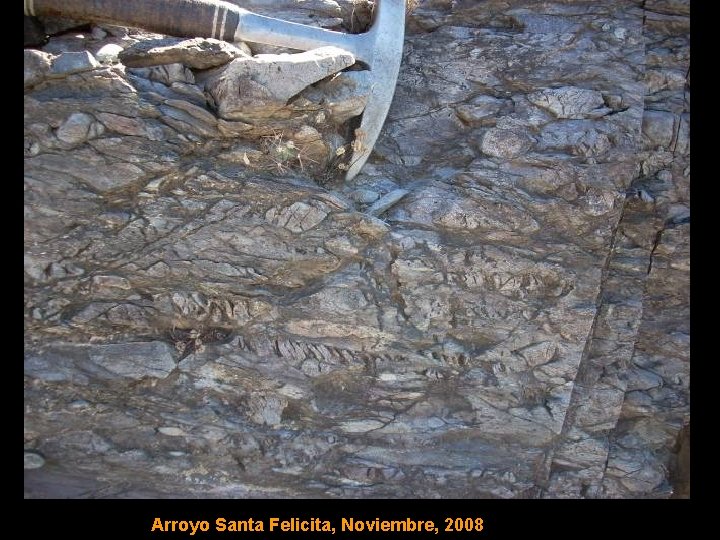
Arroyo Santa Felicita, Noviembre, 2008
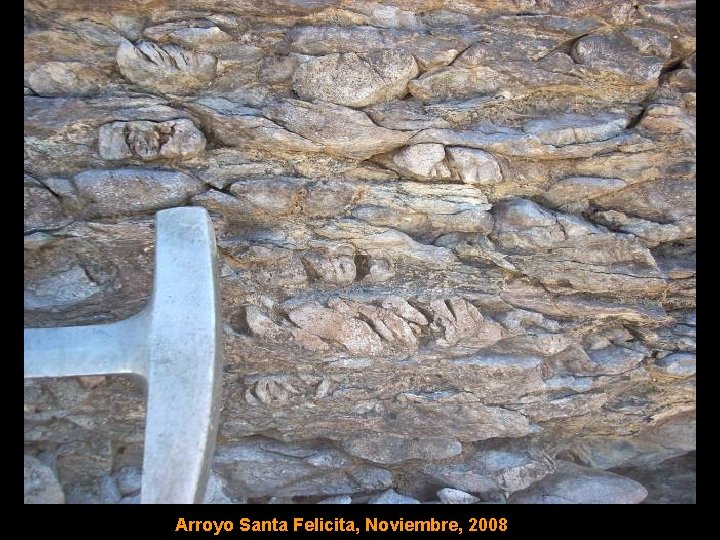
Arroyo Santa Felicita, Noviembre, 2008
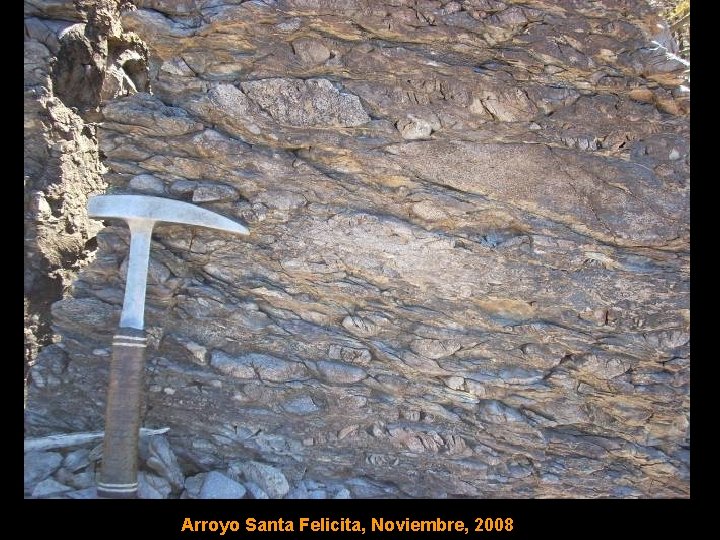
Arroyo Santa Felicita, Noviembre, 2008
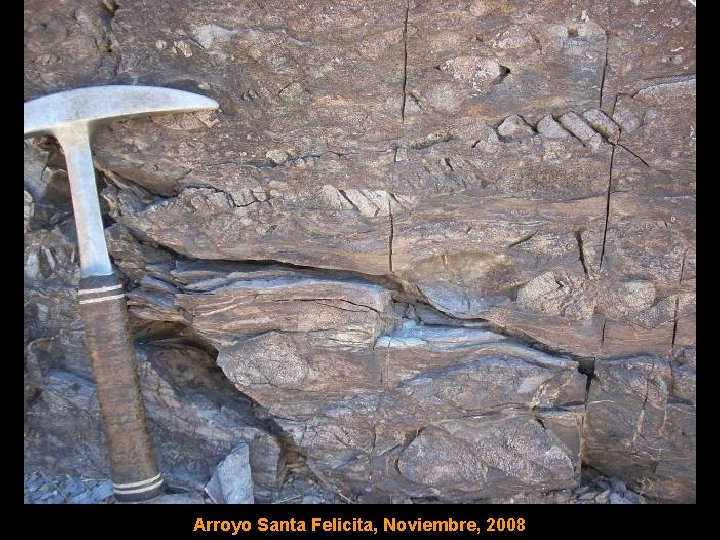
Arroyo Santa Felicita, Noviembre, 2008
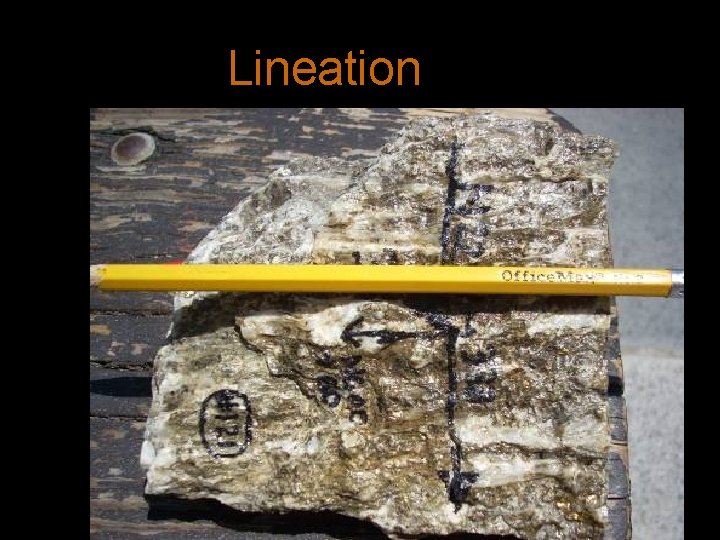
Lineation
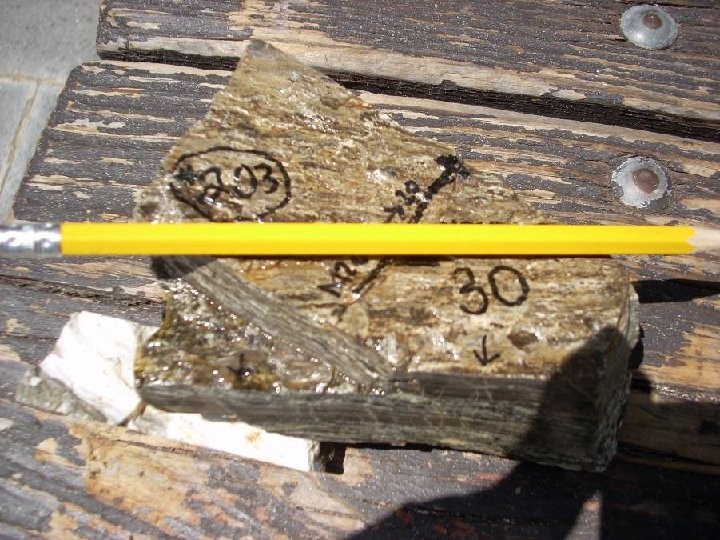
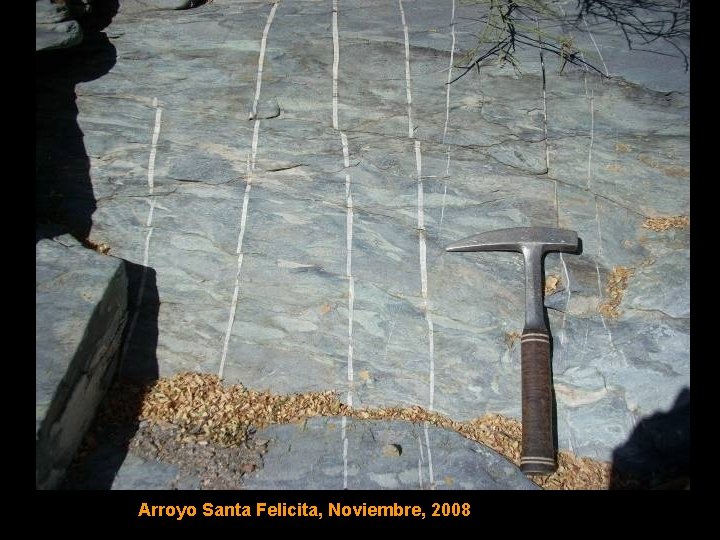
Arroyo Santa Felicita, Noviembre, 2008
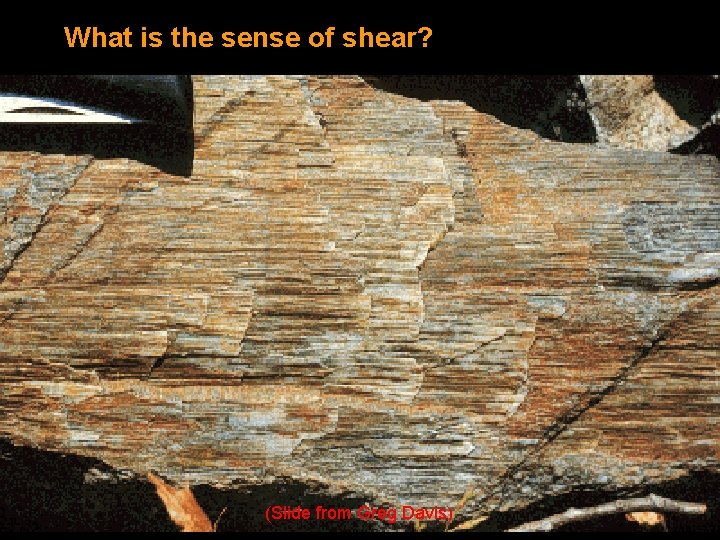
What is the sense of shear? (Slide from Greg Davis)
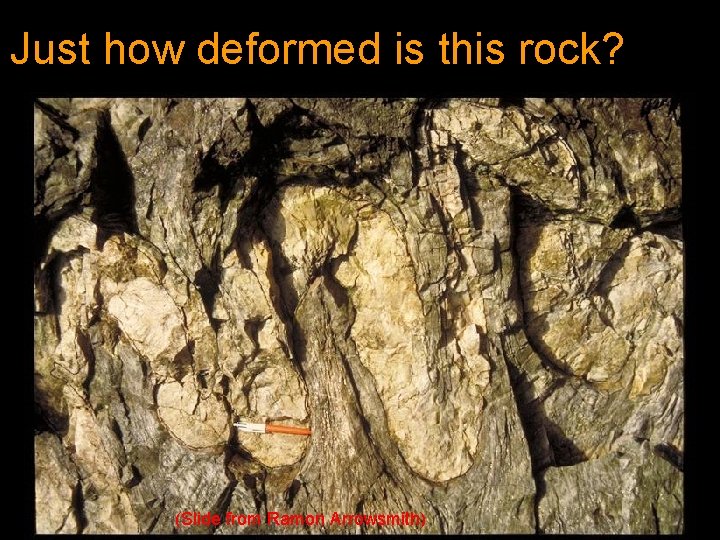
Just how deformed is this rock? (Slide from Ramon Arrowsmith)
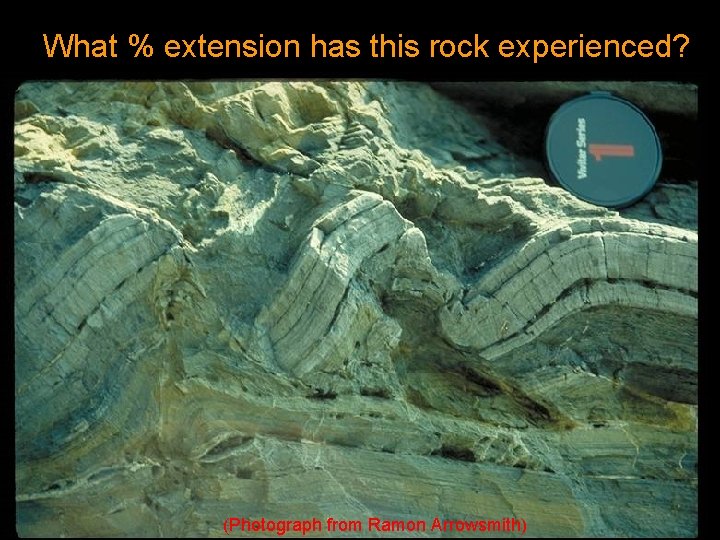
What % extension has this rock experienced? Or this one? (Photograph from Ramon Arrowsmith)
- Slides: 97