
The Axial Age presentation 1 500 BC 100
The Axial Age presentation #1 500 BC – 100 AD
Thoughts, Thinkers, and Empires n Solve problems of human nature n Identify human nature n Social and political solutions n Iran’s Zoroaster n n n Approx. 600 BC give or take 100 years Dualist religion Zoroastrianism (IDEA #7) n Ahura Mazda vs. Ahriman n Light vs. Dark Dominates Iran for 1000 years n Spreads outward to influence all other thinkers of the Axial Age
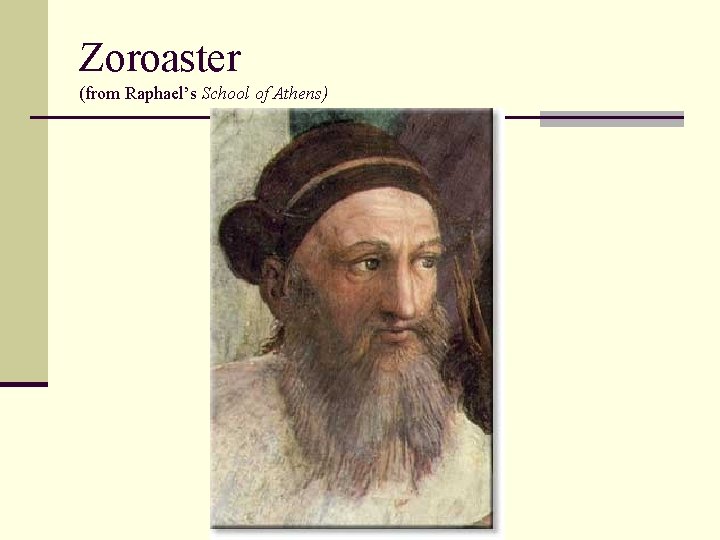
Zoroaster (from Raphael’s School of Athens)
Upishands n India c. 600 BC n Basis of early Hinduism n Universe eternal and uncreated n Reality exists outside the senses n Reincarnation (IDEA #8)
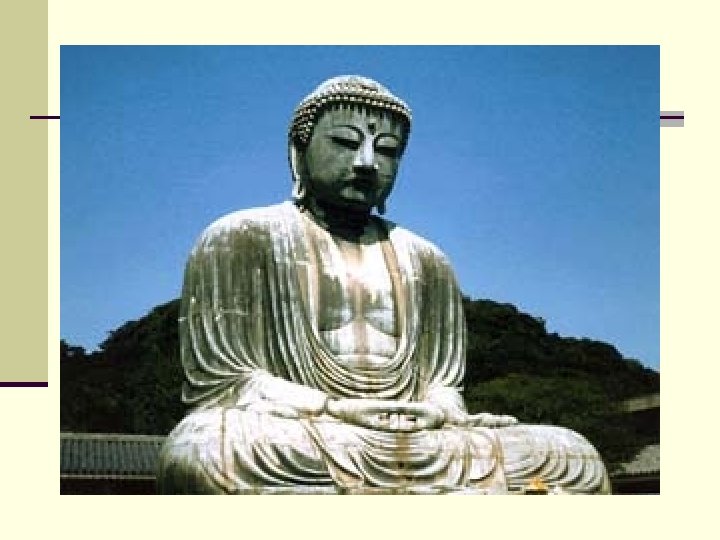
India’s Sages n Mahavira n c. 600 BC n Jainism n Siddhartha Guatama n The Buddha n c. 550 BC n Escape from desire n Nirvana = extinction of the self (IDEA #9)
China’s Sages n Lao Tzu c. 450 BC n Warring States Period n Detach from the world to avoid suffering n Salvation in another world, not just survival in this § (IDEA #10) n Use power of mind and rituals n Confucius n c. 500 BC n Loyalty to family and state

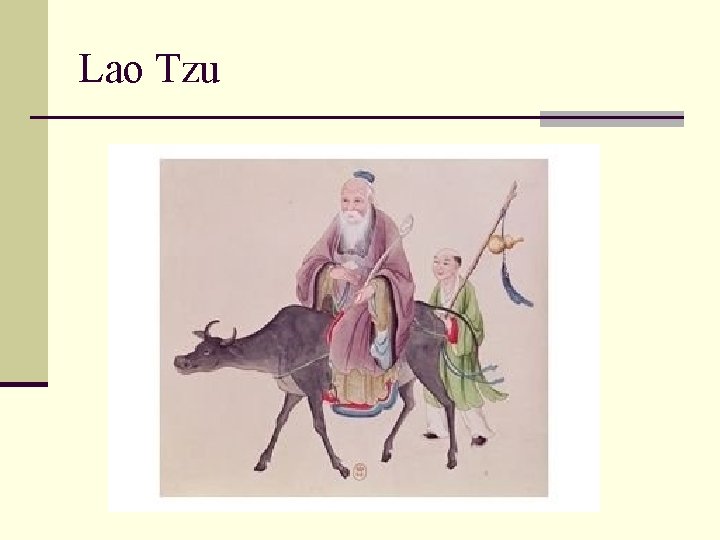
Lao Tzu
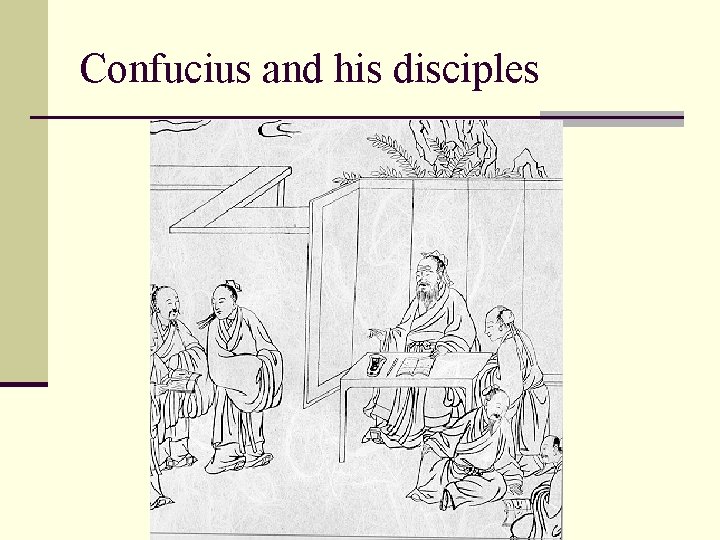
Confucius and his disciples
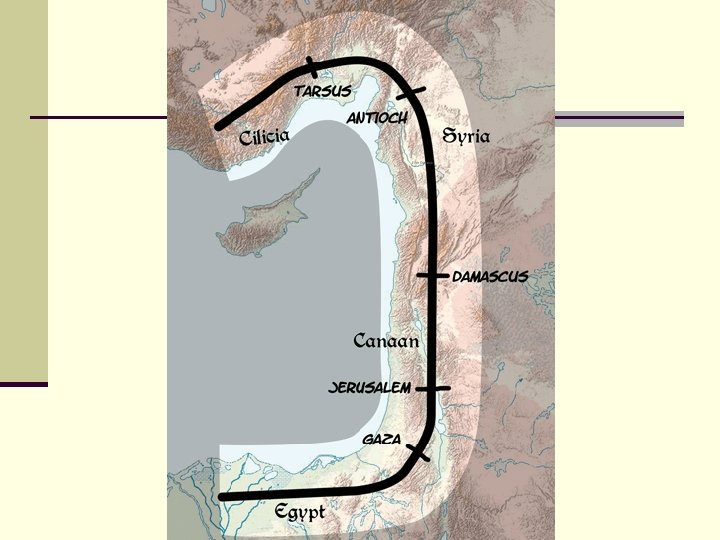
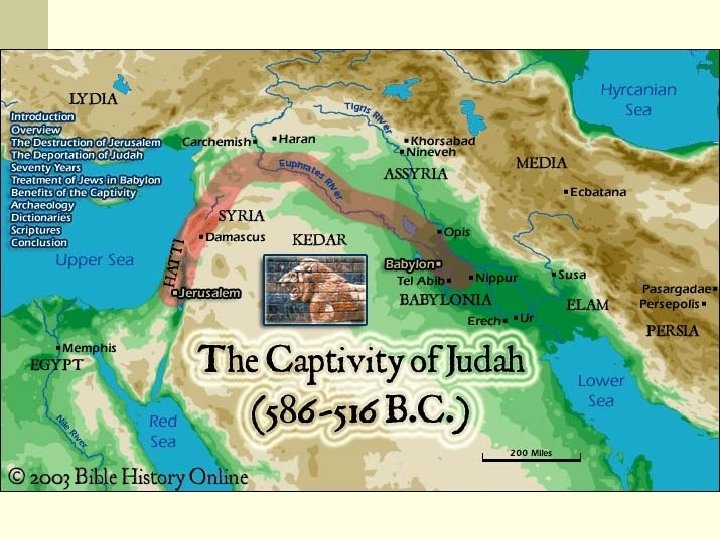
Hebrew Philosophy/Religion n Jews of the Levant (Asia’s Med. coast) n Inhabit war zone between Egypt and Mes. n Pastoral people (herders) n Early tribal religion (like Mesopotamians) n Est. two warring kingdoms n Israel n Judah n Conquered in 580 BC by Babylonia n King Nebuchadnezzar n Deported Jews (Babylonian Captivity) § Diaspora § Attempt to maintain identity led to codifying religious law (IDEA #11)
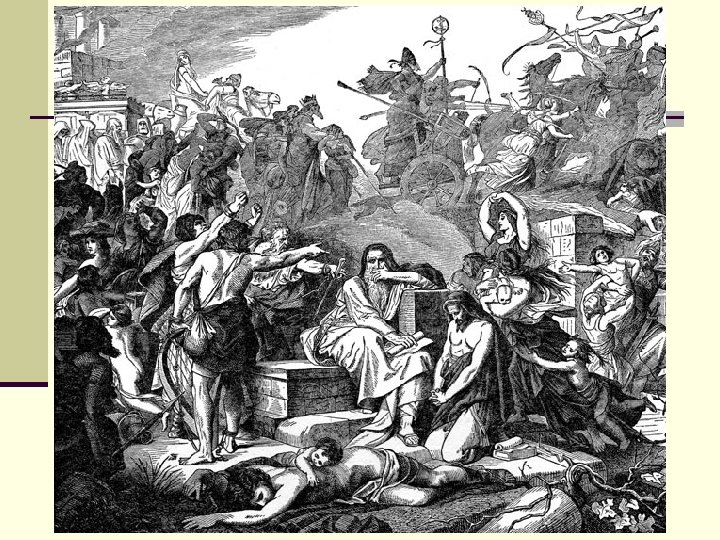
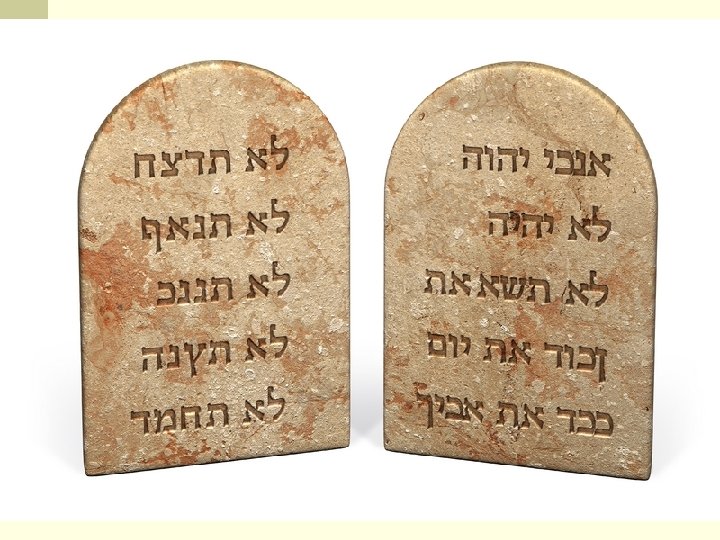
Old/Hebrew Testament n Superior tribal god morphs into 1 true God n (IDEA #12) n Lack of power in political sphere led to belief that suffering = punishment for sin (IDEA #13) n Living according to God’s Law would lead to reward n n Immortality Relief from sinfulness Elimination of evil Empire over enemies
Jesus of Nazareth n Jesus last great teacher of the Axial Age n Died c. 33 AD n Independent Jewish rabbi with radical message n n n Purge priesthood of corruption Cleanse temple of money lending practices Salvation comes from grace (IDEA #14) § Personal connection w/ God rather than law n Kristus = Greek for “Messiah” or “Anointed One”
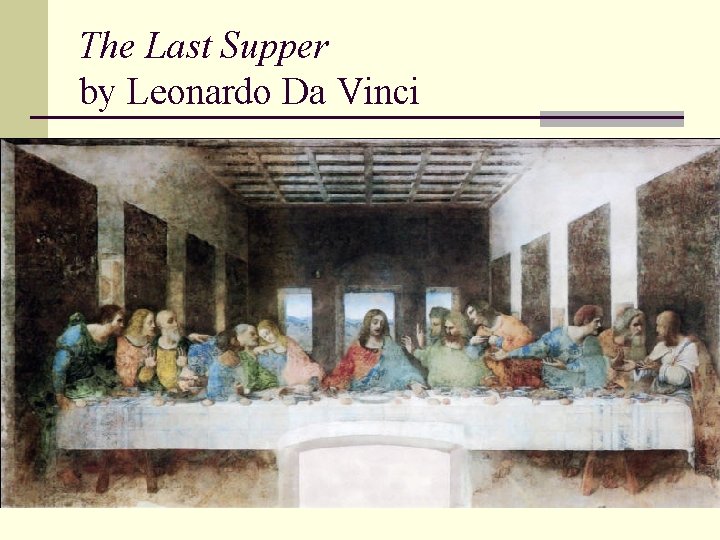
The Last Supper by Leonardo Da Vinci
Greek Teachers of 4 th Century BC n Socrates n Plato n Aristotle
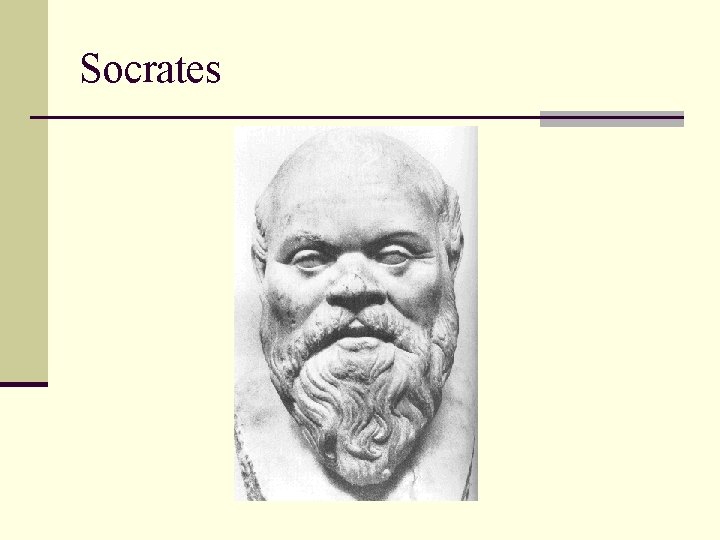
Socrates
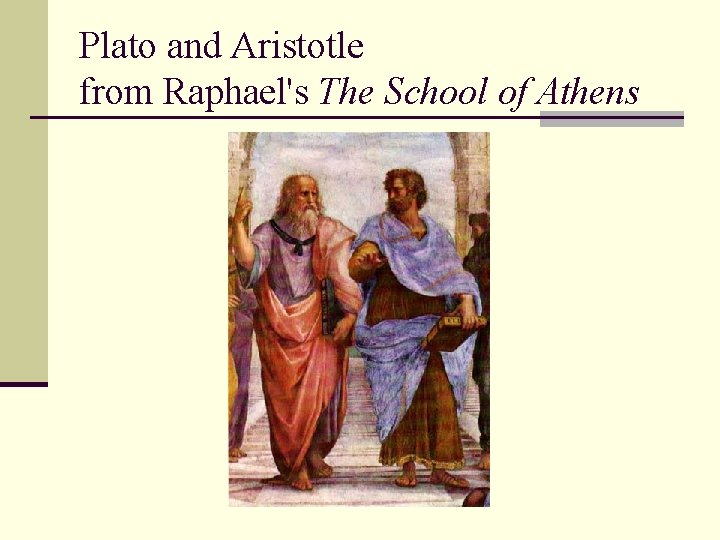
Plato and Aristotle from Raphael's The School of Athens
Big Ideas of the Axial Age n Creation (IDEA #15) n Invention of the concept of “nothing” or “zero” n Earlier myths simply redistributed pre-existing matter n “Big Bang” Theory n Brahma spinning Universe like a spider n Creation by intellectual not physical act n Thought n Emotion n Logos n Word n Now the fundamental principle of world philosophy
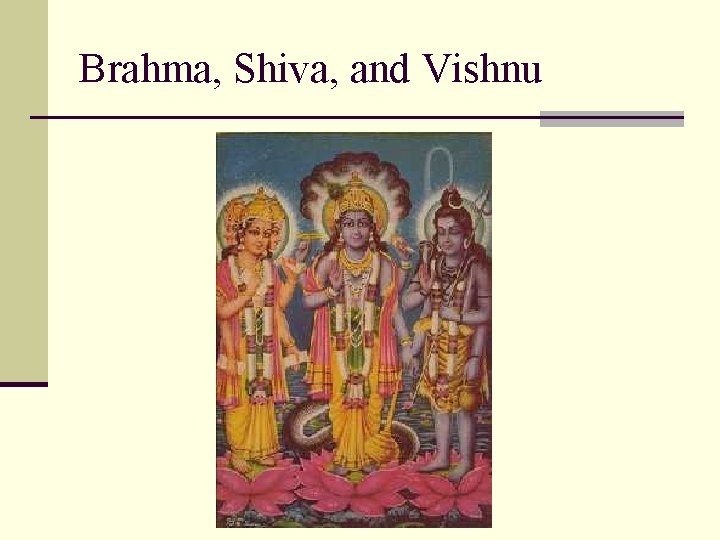
Brahma, Shiva, and Vishnu

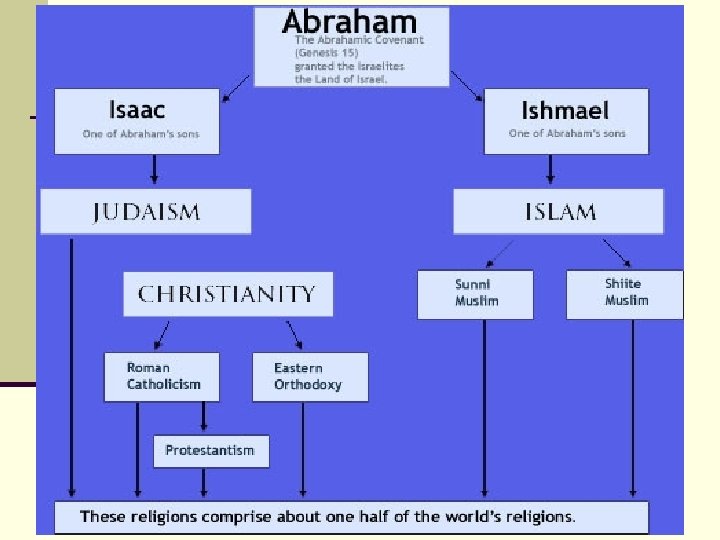
Monotheism (IDEA #12) n Previous religions diverse and polytheistic n Dualism (Persia) n Hierarchical (Greece) n Multiplicity = Unity (Hinduism) n Monotheism develops early in Judaism n Yahweh n Treasure too precious to share with Gentiles n Abrahamic tradition now most pop. in world n Judaism n Christianity n Islam
Divine Love (IDEA #14) n Begins with doctrines of unselfishness common to many religions Mozi in China n Brahmanism (world is an illusion) n Greek (world is divine) n Confucianism (world is neutral) n Buddhism (world is transient) n Zoroastrianism (world is evil) n Christianity (world is good) n
Divine Love cont. n Led to belief that humans are divinely special n Previous thinkers tended to see all living things as equal n n n Jainists Southern Italian philosophers New hierarchical structures n n Greece (Aristotle) China (Xunzi) n Christianity pop. because it did not restrict Divine Love to a single people or race
New Political Thought n Debate regarding basic view of human nature n Optimists (man is intrinsically good) n n (IDEA #16) Pessimists (man is intrinsically evil) n (IDEA #17)
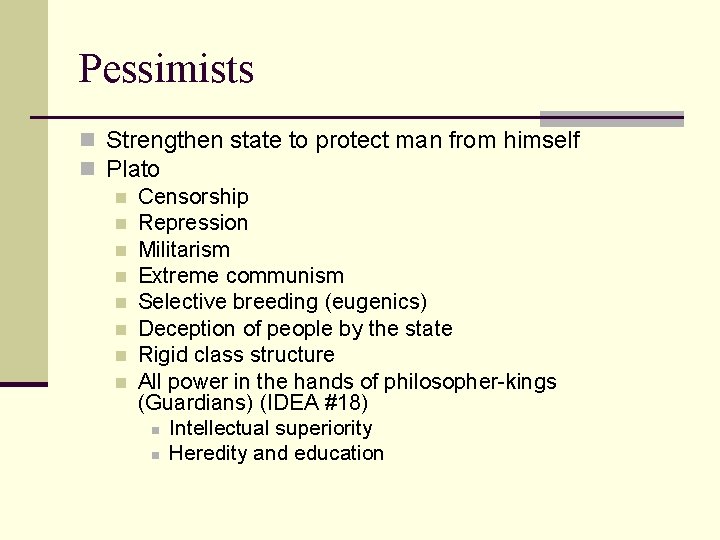
Pessimists n Strengthen state to protect man from himself n Plato n Censorship n Repression n Militarism n Extreme communism n Selective breeding (eugenics) n Deception of people by the state n Rigid class structure n All power in the hands of philosopher-kings (Guardians) (IDEA #18) n Intellectual superiority n Heredity and education
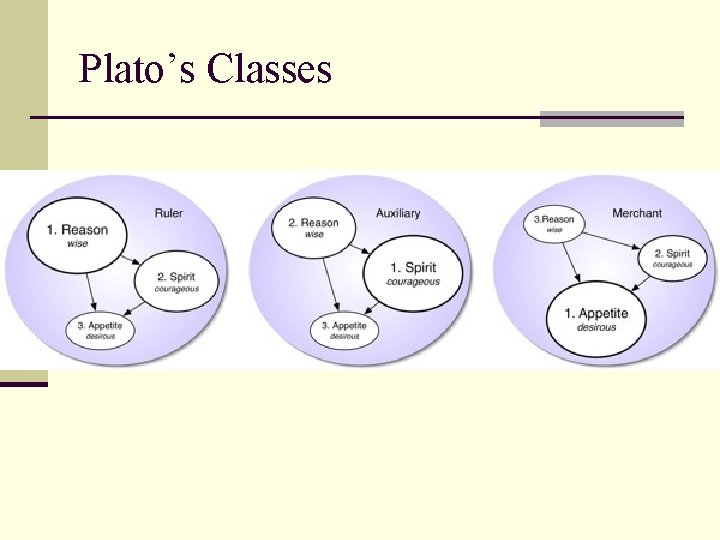
Plato’s Classes
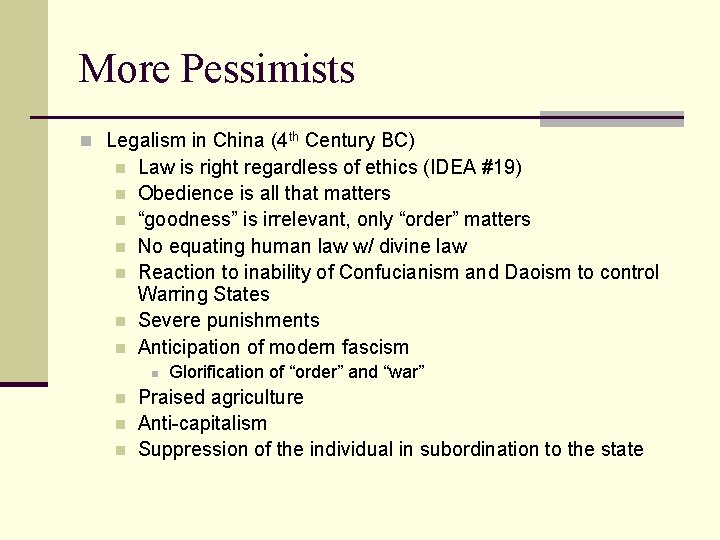
More Pessimists n Legalism in China (4 th Century BC) n n n n Law is right regardless of ethics (IDEA #19) Obedience is all that matters “goodness” is irrelevant, only “order” matters No equating human law w/ divine law Reaction to inability of Confucianism and Daoism to control Warring States Severe punishments Anticipation of modern fascism n n Glorification of “order” and “war” Praised agriculture Anti-capitalism Suppression of the individual in subordination to the state
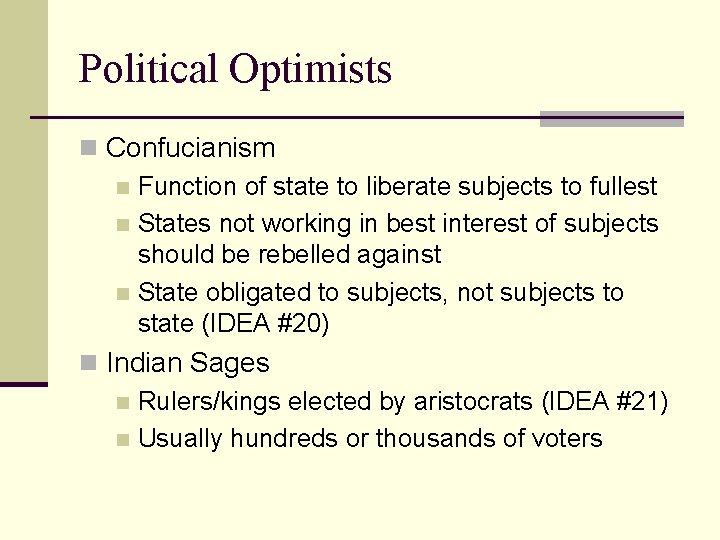
Political Optimists n Confucianism n Function of state to liberate subjects to fullest n States not working in best interest of subjects should be rebelled against n State obligated to subjects, not subjects to state (IDEA #20) n Indian Sages n Rulers/kings elected by aristocrats (IDEA #21) n Usually hundreds or thousands of voters
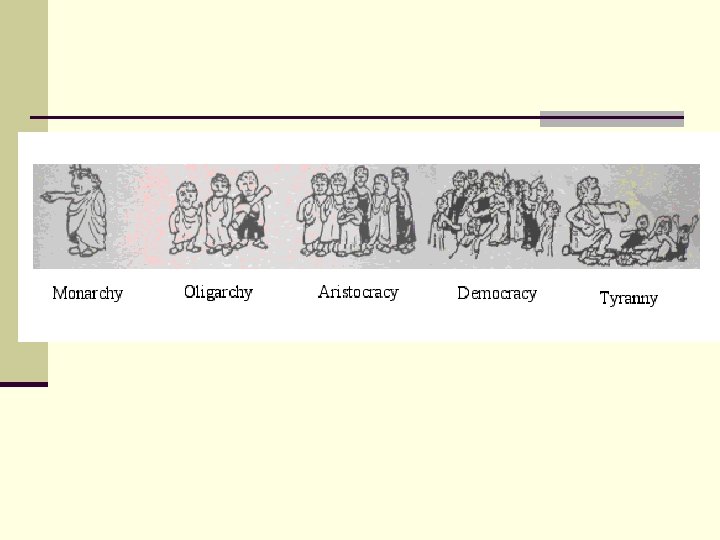
Optimists cont. n Daoists Ruler’s job is to enforce virtue n Must lead by example n Greek optimists n States as practical methods n n Experiments § Republican § Aristocratic § Democratic n n True democracy is dangerous Best gov. = flexible aristocracy limited by laws (IDEA #22) n n n Aristotle’s combination government Romans United States?
Still more Optimists n Jesus as a political subversive n “Render unto Caesar” Political irony (IDEA #23) n Welcomed social outcasts from Jewish system n Leads to political execution
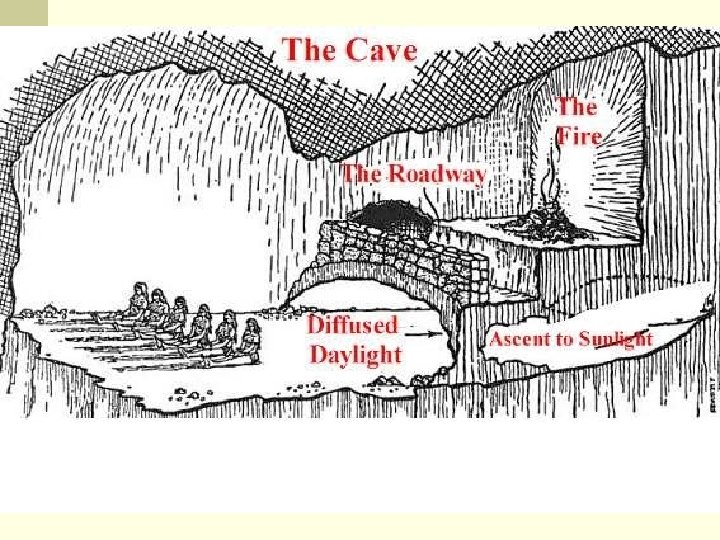
Challenging Illusions n Debate over Appearance vs. Reality n Plato’s Allegory of the Cave n Attempts to “know” true reality n Mathematics n n Indian sages come up with concept of infinity (IDEA #24) Greeks find incalculable ratios § Pi § Golden mean (approximately 1. 618) § Underpin descriptions of the universe n Pythagoras c. 550 BC (IDEA #25) § Believed universe made of numbers § “ 5” and “ 2” exist even if there is nothing to count § Result is “Rationalism” (distrust of the senses) § Reason will find truth and solve problems
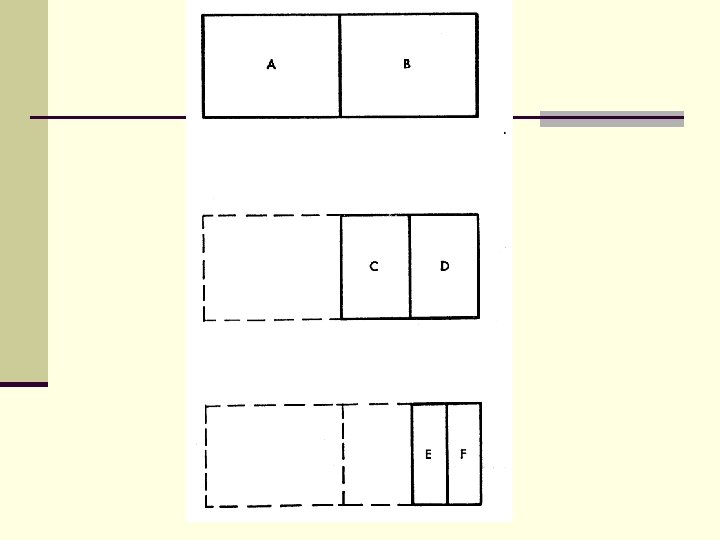
Reason n Parmenides c. 500 BC n Geometry = reality n “a perfect triangle, like god has never been seen” n all objects like this (IDEA #25) n Chinese Paradoxes n thought its pure because not filtered through senses n Zeno n 1/2 paradoxes n Aristotle’s exposition on reason taught western world how to think (IDEA #26) n n syllogism (Nyaya school in India similar)
Science n Also distrust of senses n No differentiation between natural and supernatural until Chinese 679 B. C. (IDEA #27) n n attempts to explore “natural” to dig out superstition. inanimate substances have no wills n Greek science rooted in magic n nature worship encouraged natural explanation n developed scientific method to know gods better.
Science cont. n led to Greek scientific achievements n Aristotle’s biological texts n Archimedes principles of mechanics C. 250 B. C. n C. 200 B. C. Eratosthenes calculated almost exactly the size of the planet n Chinese Science ( systematic investigation of nature) n from Daoist nature worship n avoided theory in favor of observation to avoid contamination of reason n Chinese science weak on theory and heavy on technology.
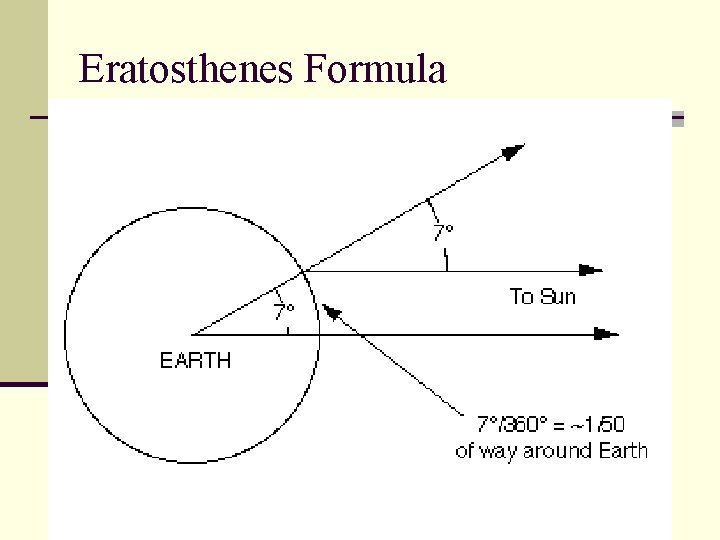
Eratosthenes Formula
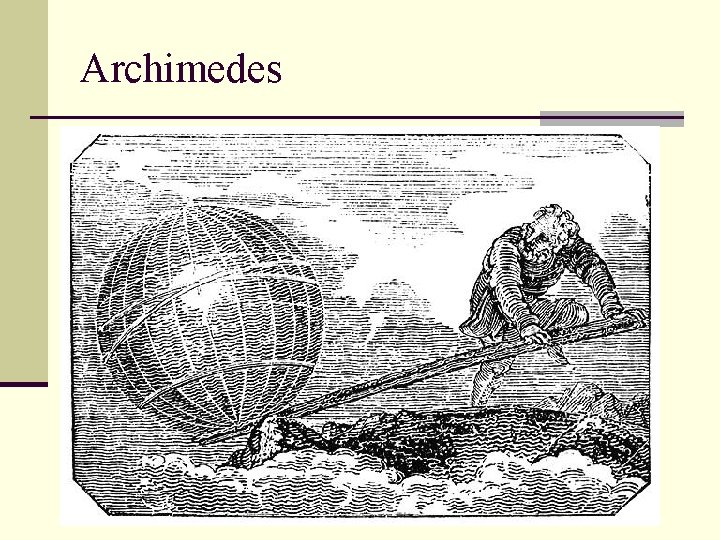
Archimedes
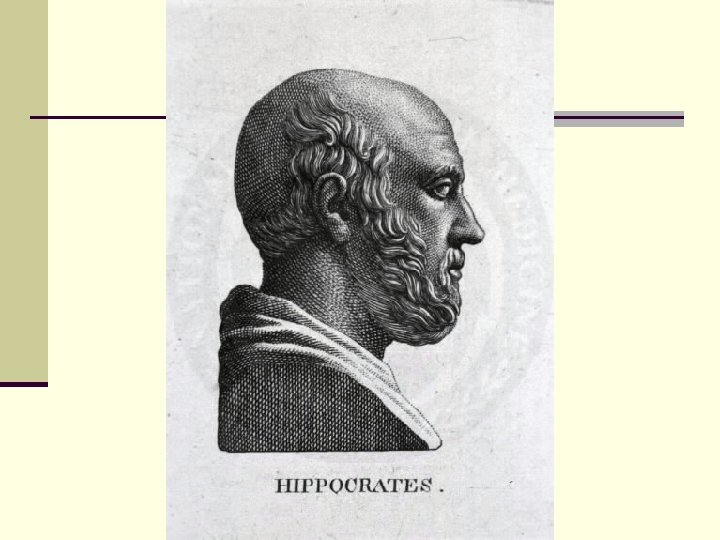
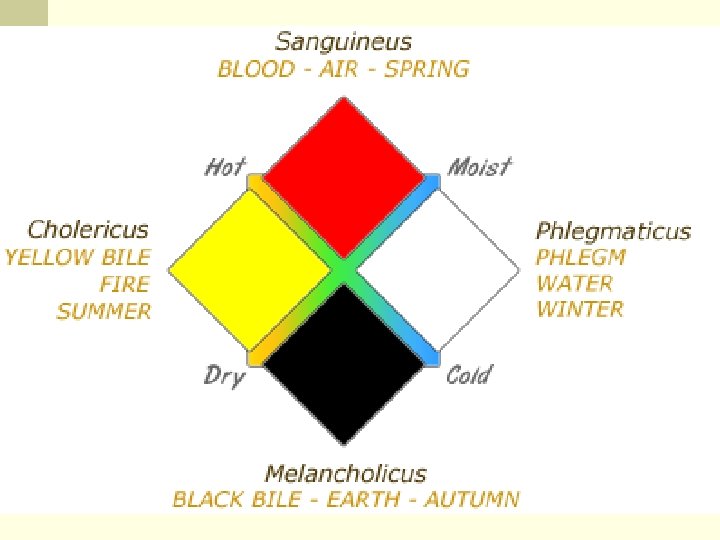
Medicine n Hippocrates C. 500 B. C. n balance 4 humors n n Phlegm, blood, yellow bile, and black bile Phlegmatic, melancholic, sanguine, choleric diet, vomiting, laxatives, bloodletting scientifically based n Indian C. 550 B. C. n Susutra n charaka
Skepticism n world might be purposeless n China n Liezi “Mosquito” n Wang Chong n Greeks Epicurus n imaginary world of gods n nothing to hope/fear n atomic theory n Romans n Sextus Empiricus n man invented gods as a form of social control
Stoicism (Greeks) n Zeno C. 400 B. C. n Nature morally neutral n fatalism n indifference n Similar to Buddism
- Slides: 50