
The Art of Changing the Brain Enriching teaching
The Art of Changing the Brain: Enriching teaching by studying the biology of learning James E. Zull Stylus Arlington VA 1
JAMES E. ZULL FROM BRAIN TO MIND USING BRAIN RESEARCH TO GUIDE EDUCATIONAL CHANGE STYLUS (AMAZON. COM) 2
3
Human brain changes during learning 4
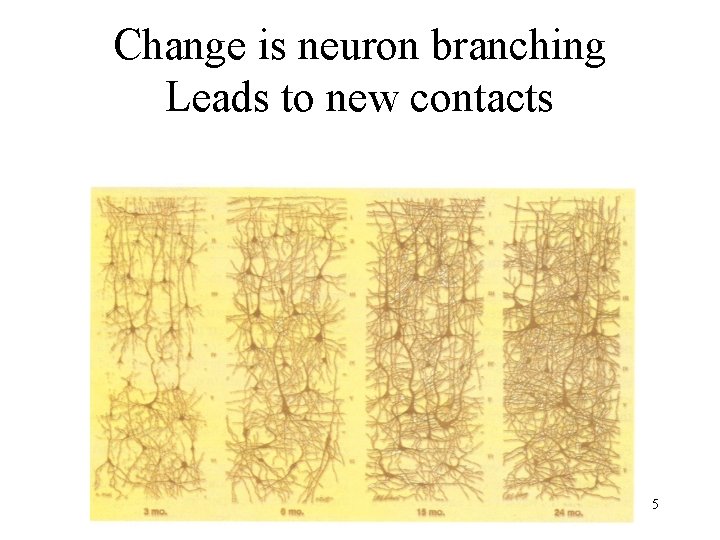
Change is neuron branching Leads to new contacts 5
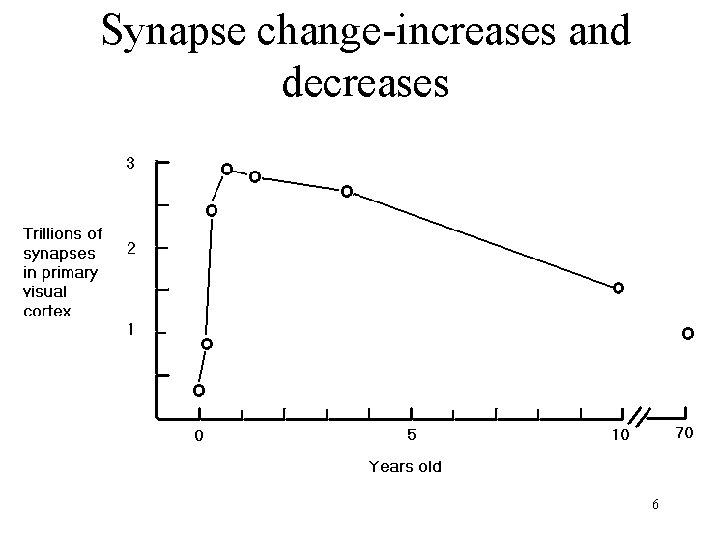
Synapse change-increases and decreases 6
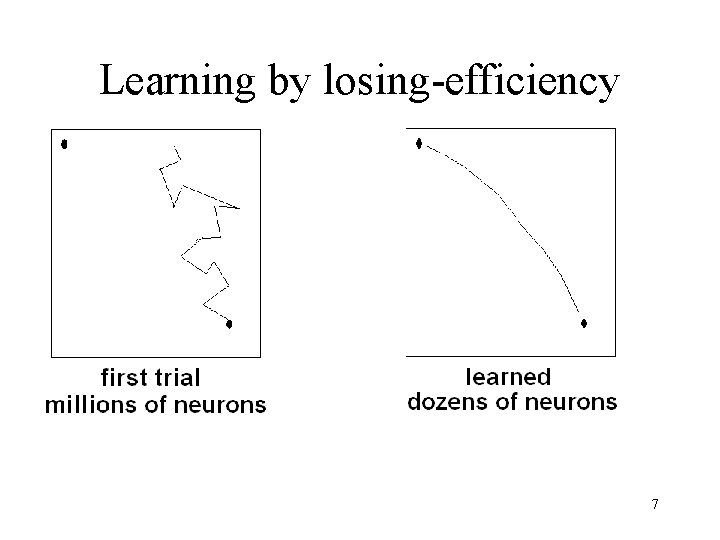
Learning by losing-efficiency 7
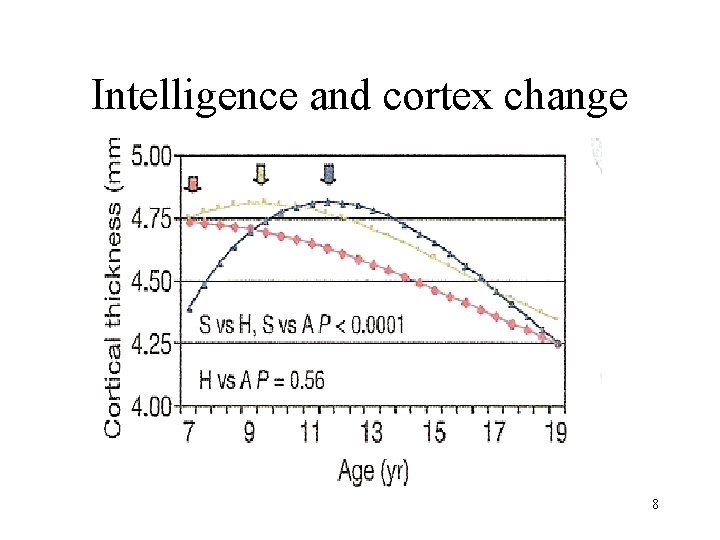
Intelligence and cortex change 8
WHAT MAKES CHANGE? USE OR DISUSE EMOTION 9
The Art—part I USE WIDESPREAD AREAS OF CORTEX 10
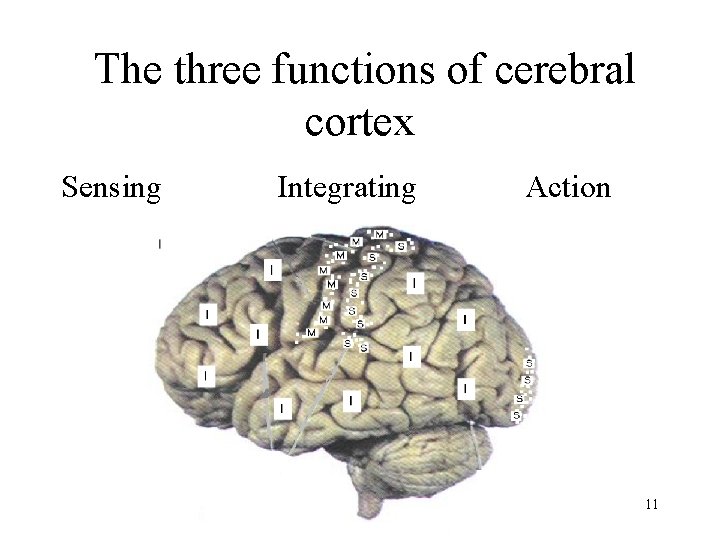
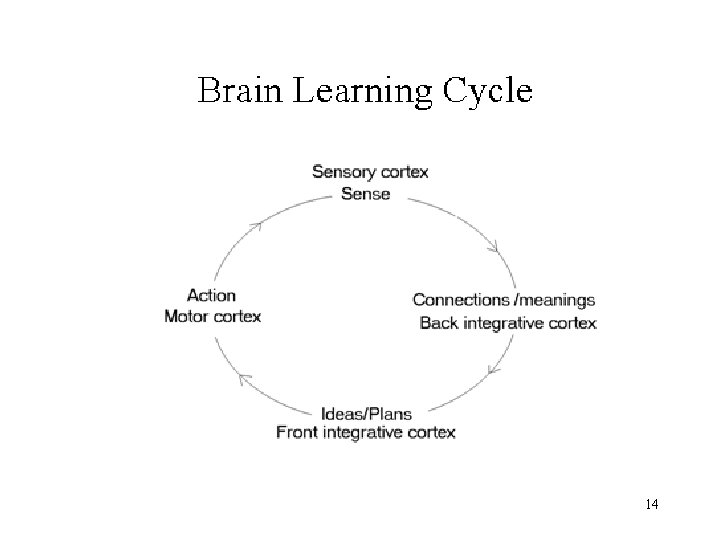
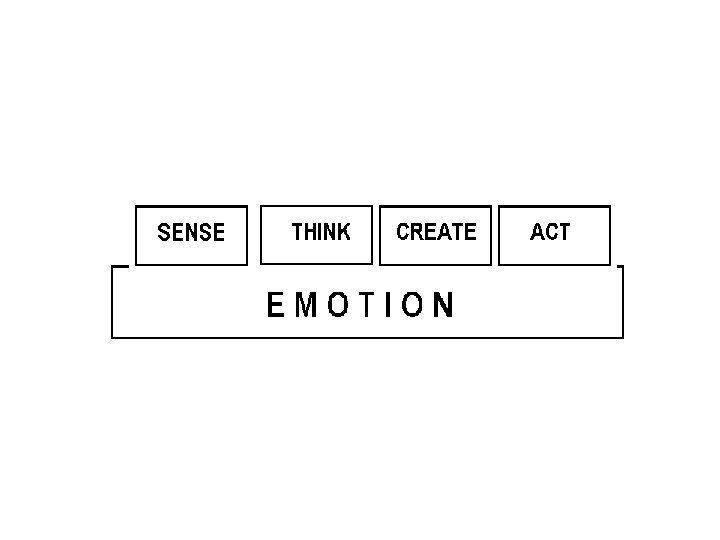
The three functions of cerebral cortex Sensing Integrating Action 11
Two kinds of integration • Back brain: integrate information and data to produce complete pictures and facts, and store memories of images, faces, stories, etc—Red dots in green trees = apple orchard • Front brain: integrate back brain information (pictures, memories and facts) by holding them in short term memory in order to create ideas plans, hypotheticals, etc—Ladder under red dots in green trees = predict apple picking 12
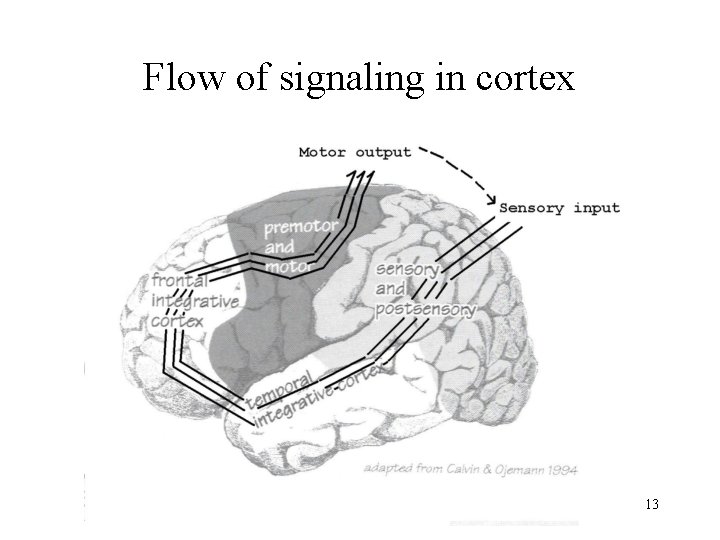
Flow of signaling in cortex 13
14
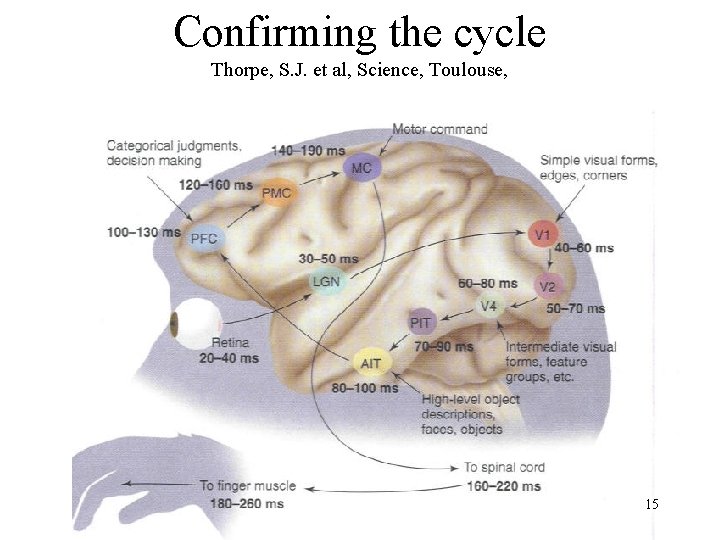
Confirming the cycle Thorpe, S. J. et al, Science, Toulouse, 15
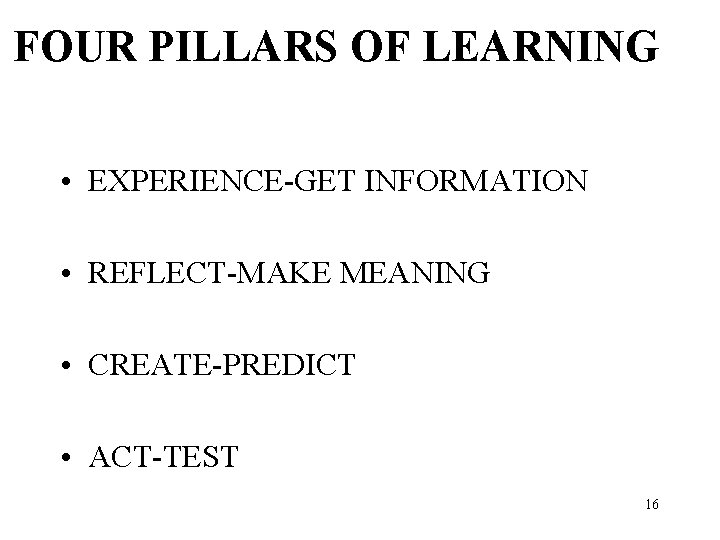
FOUR PILLARS OF LEARNING • EXPERIENCE-GET INFORMATION • REFLECT-MAKE MEANING • CREATE-PREDICT • ACT-TEST 16
THE ART-PART II ASK “HOW ARE MY STUDENTS FEELING? ” 17
18
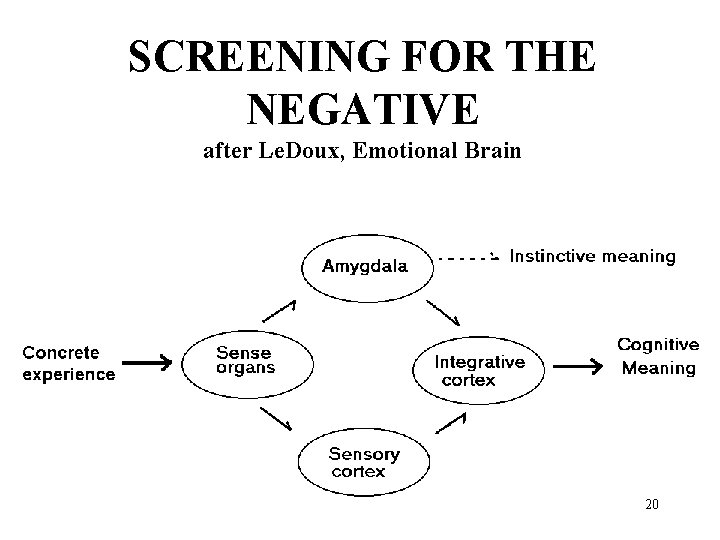
SCREENING FOR THE NEGATIVE after Le. Doux, Emotional Brain 20
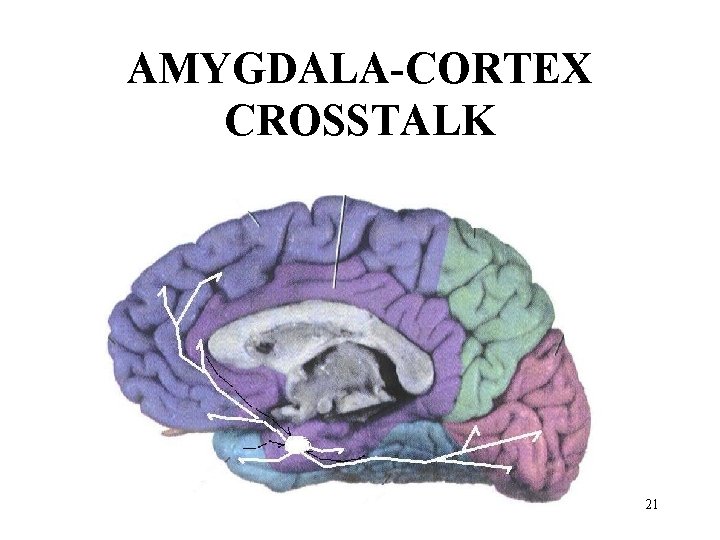
AMYGDALA-CORTEX CROSSTALK 21
The joy of learning is as indispensible in study as breathing is in running. -- Simone Weil 22
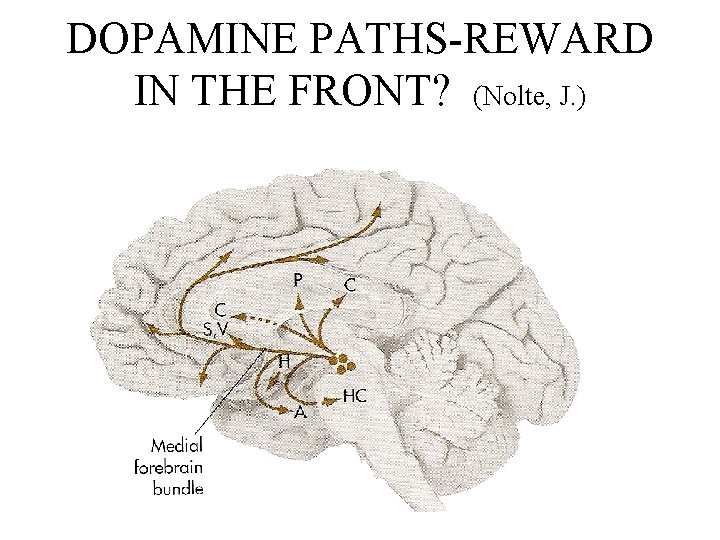
DOPAMINE PATHS-REWARD IN THE FRONT? (Nolte, J. ) 23
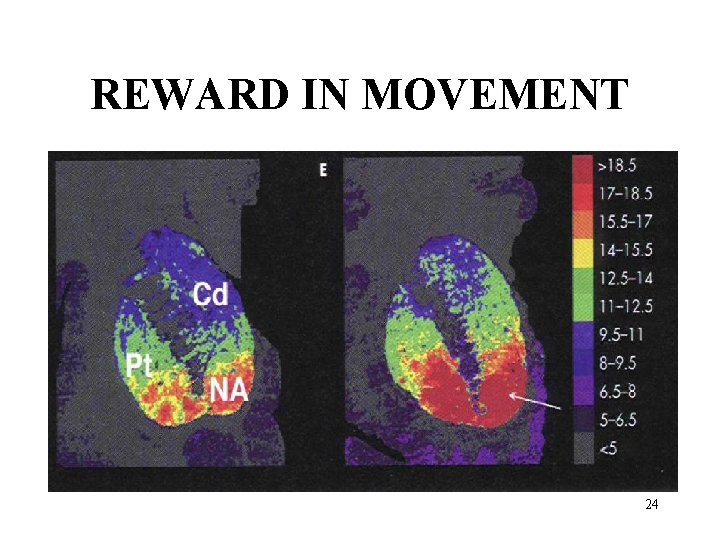
REWARD IN MOVEMENT 24
THE ART-PART III USE EXISTING NEURONAL NETWORKS 25
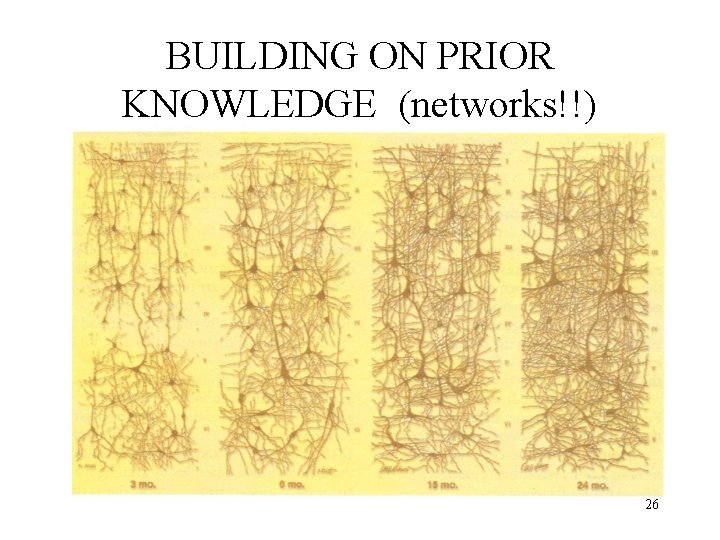
BUILDING ON PRIOR KNOWLEDGE (networks!!) 26
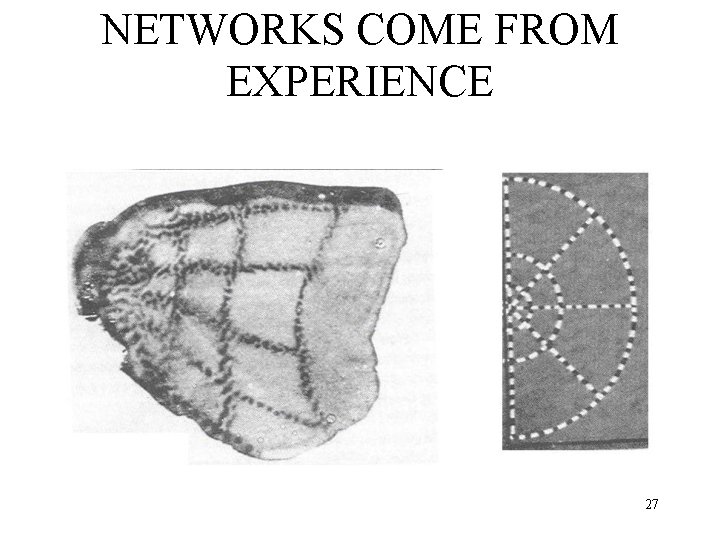
NETWORKS COME FROM EXPERIENCE 27
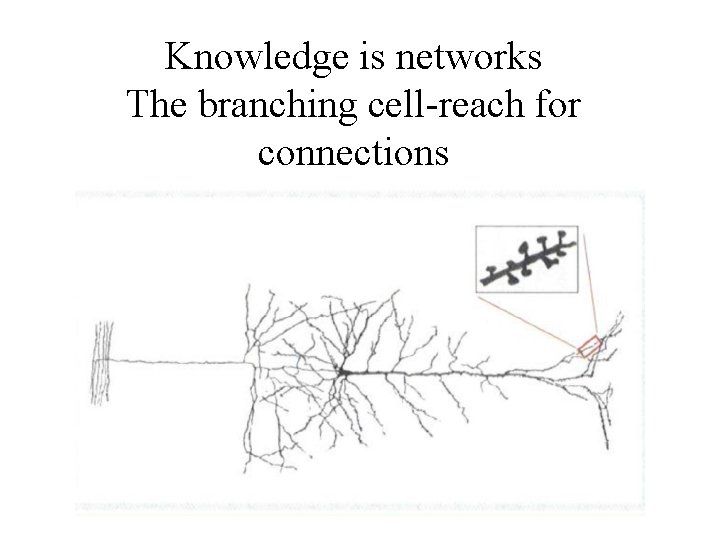
Knowledge is networks The branching cell-reach for connections
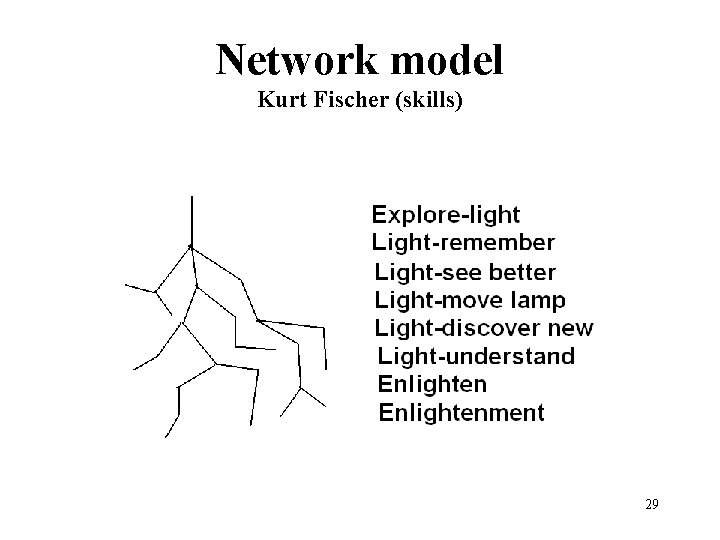
Network model Kurt Fischer (skills) 29
WHAT IS THE ART? 1. Use all four major functions of brain 2. Ask “how do my students feel? ” Are things moving? 3. Work from existing networks of neurons 4. Balance all these 30
- Slides: 30