
The Arrival of the Computer in the UK

- Slides: 27
The Arrival of the Computer in the UK Criminal Justice System, 1955 -1975 Dr Chris Williams Open University
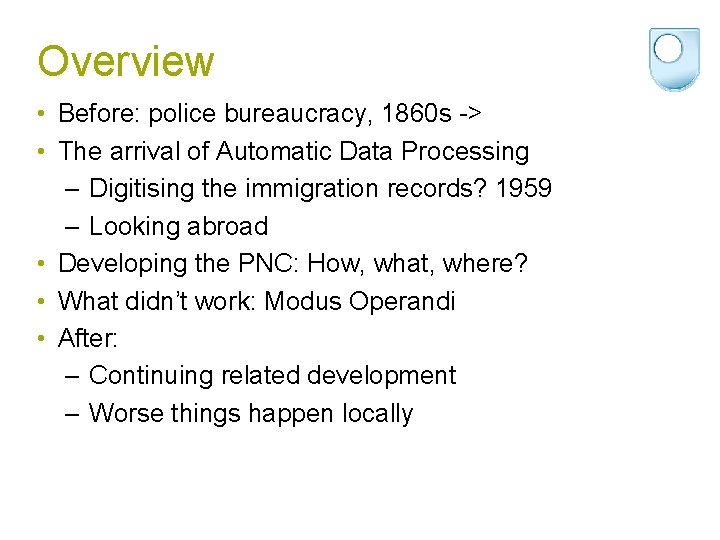
Overview • Before: police bureaucracy, 1860 s -> • The arrival of Automatic Data Processing – Digitising the immigration records? 1959 – Looking abroad • Developing the PNC: How, what, where? • What didn’t work: Modus Operandi • After: – Continuing related development – Worse things happen locally
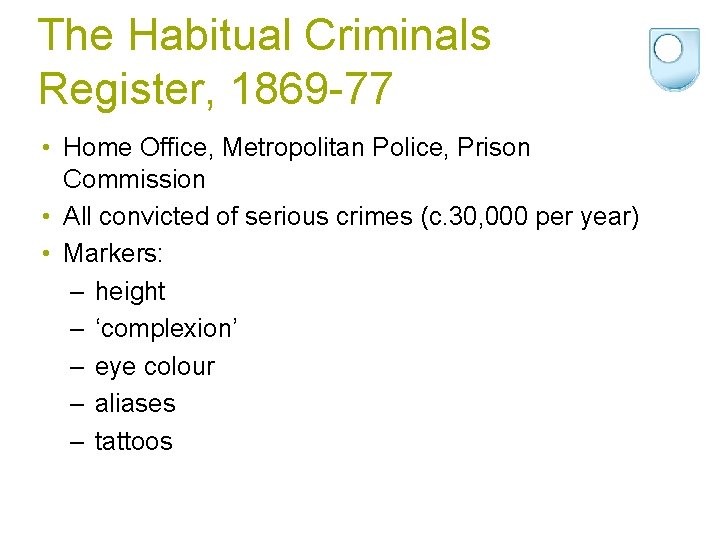
The Habitual Criminals Register, 1869 -77 • Home Office, Metropolitan Police, Prison Commission • All convicted of serious crimes (c. 30, 000 per year) • Markers: – height – ‘complexion’ – eye colour – aliases – tattoos
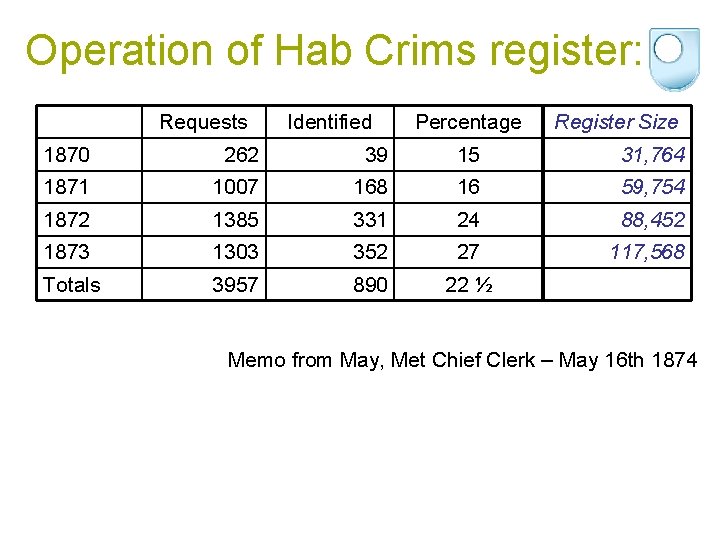
Operation of Hab Crims register: Requests Identified Percentage Register Size 1870 262 39 15 31, 764 1871 1007 168 16 59, 754 1872 1385 331 24 88, 452 1873 1303 352 27 117, 568 Totals 3957 890 22 ½ Memo from May, Met Chief Clerk – May 16 th 1874
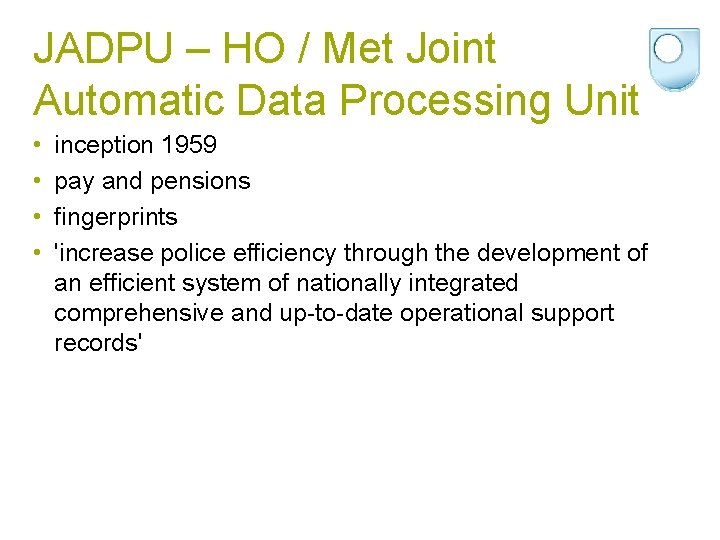
JADPU – HO / Met Joint Automatic Data Processing Unit • • inception 1959 pay and pensions fingerprints 'increase police efficiency through the development of an efficient system of nationally integrated comprehensive and up-to-date operational support records'
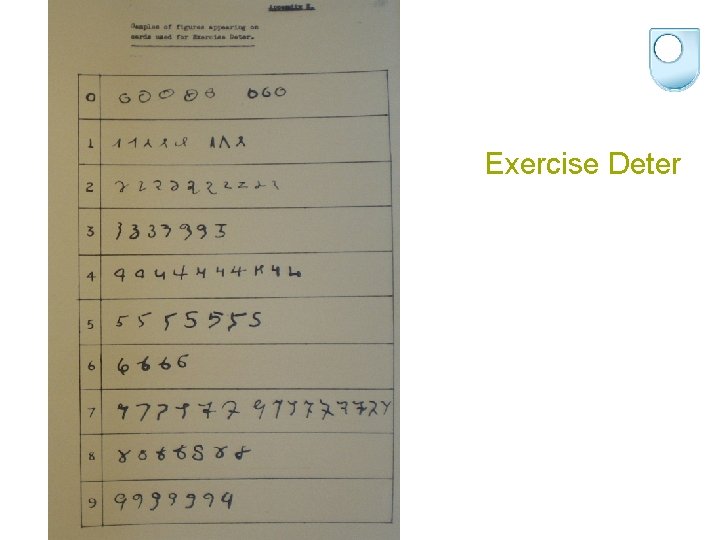
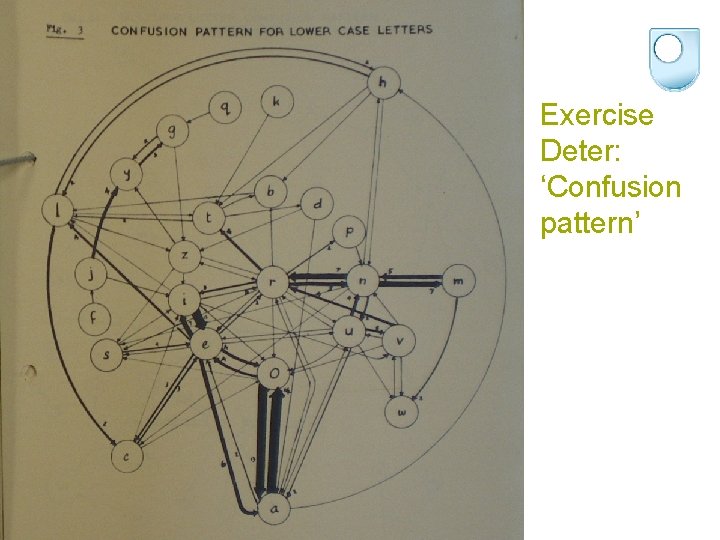
1959: Digitising the immigration records? • Exercise Deter – 100 landing cards copied and re-copied by ten clerks – Errors noted – Report written with an eye on what will need to be solved if the Traffic Index could be computerised
Exercise Deter
Exercise Deter: ‘Confusion pattern’
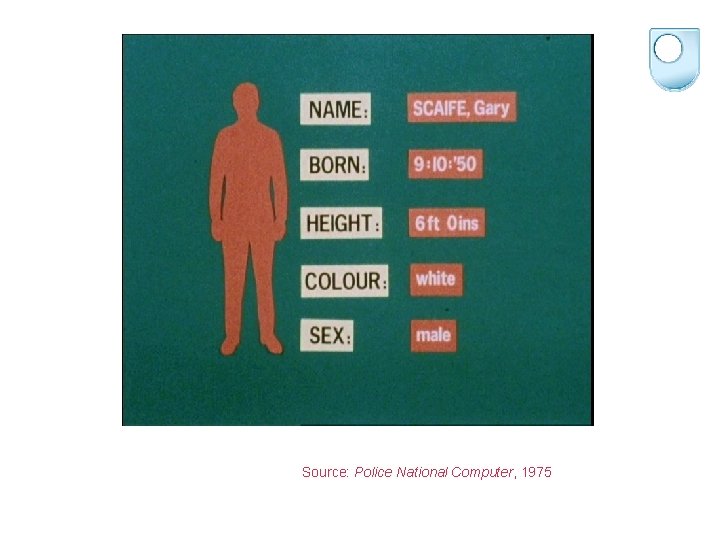
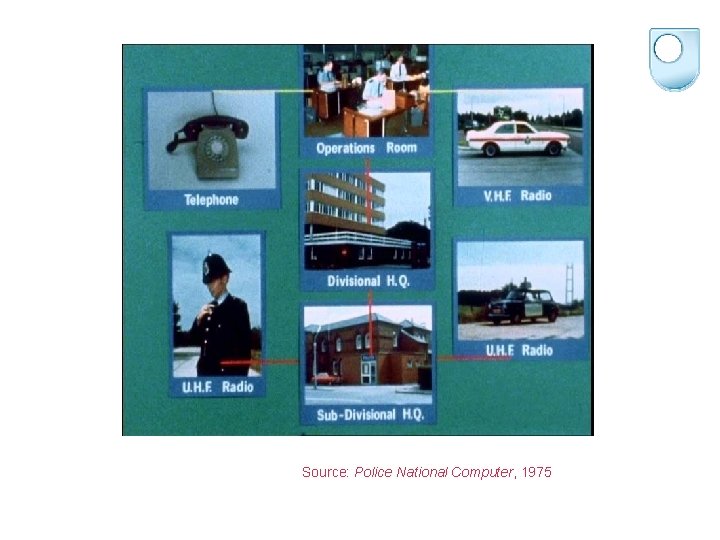
Source: Police National Computer, 1975
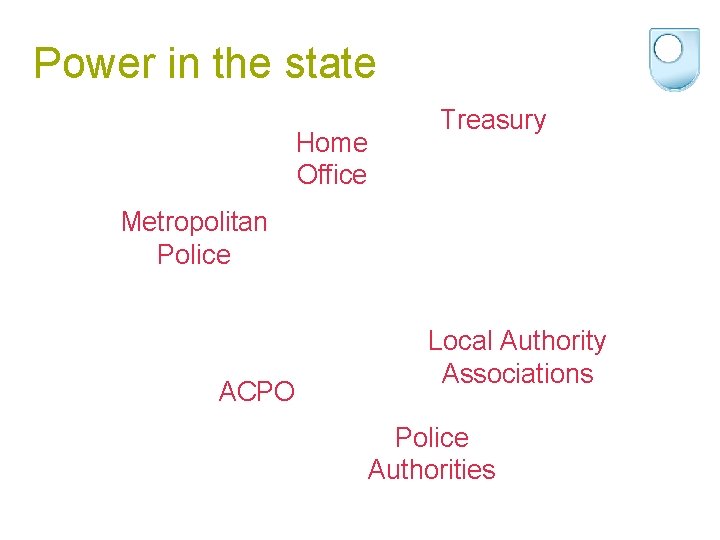
Power in the state Home Office Treasury Metropolitan Police ACPO Local Authority Associations Police Authorities
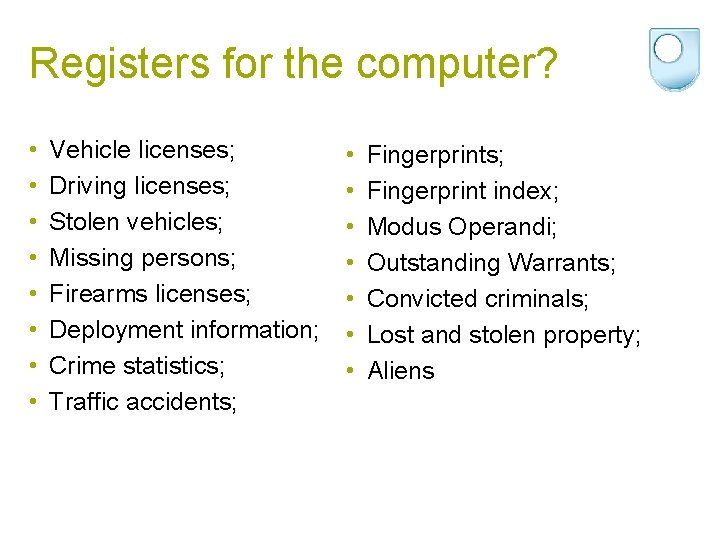
Registers for the computer? • • Vehicle licenses; Driving licenses; Stolen vehicles; Missing persons; Firearms licenses; Deployment information; Crime statistics; Traffic accidents; • • Fingerprints; Fingerprint index; Modus Operandi; Outstanding Warrants; Convicted criminals; Lost and stolen property; Aliens
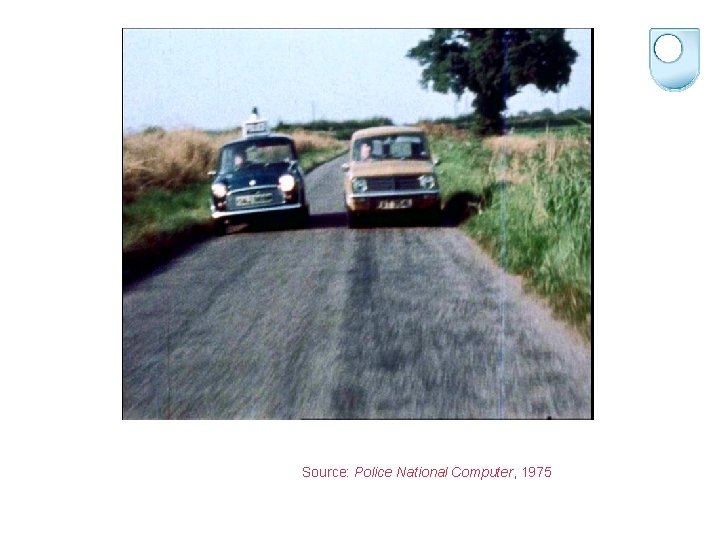
Source: Police National Computer, 1975
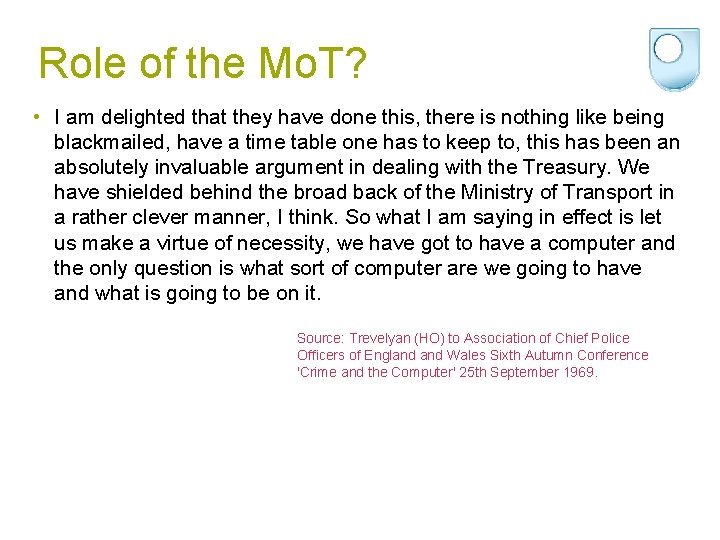
Role of the Mo. T? • I am delighted that they have done this, there is nothing like being blackmailed, have a time table one has to keep to, this has been an absolutely invaluable argument in dealing with the Treasury. We have shielded behind the broad back of the Ministry of Transport in a rather clever manner, I think. So what I am saying in effect is let us make a virtue of necessity, we have got to have a computer and the only question is what sort of computer are we going to have and what is going to be on it. Source: Trevelyan (HO) to Association of Chief Police Officers of England Wales Sixth Autumn Conference 'Crime and the Computer' 25 th September 1969.
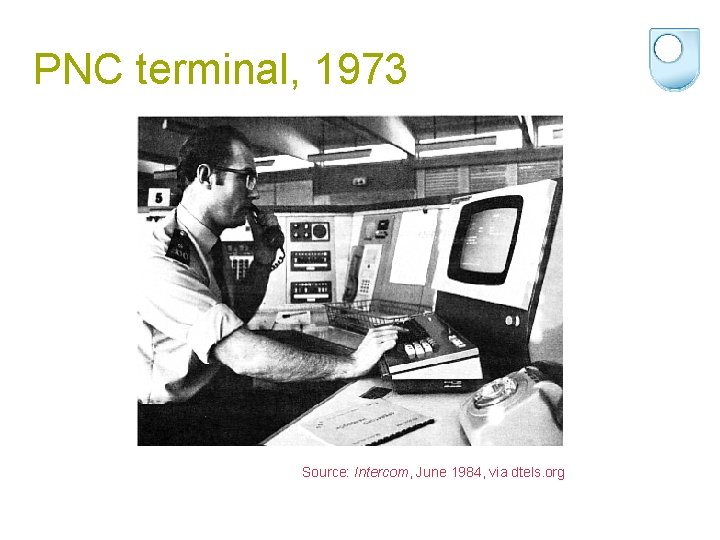
PNC terminal, 1973 Source: Intercom, June 1984, via dtels. org
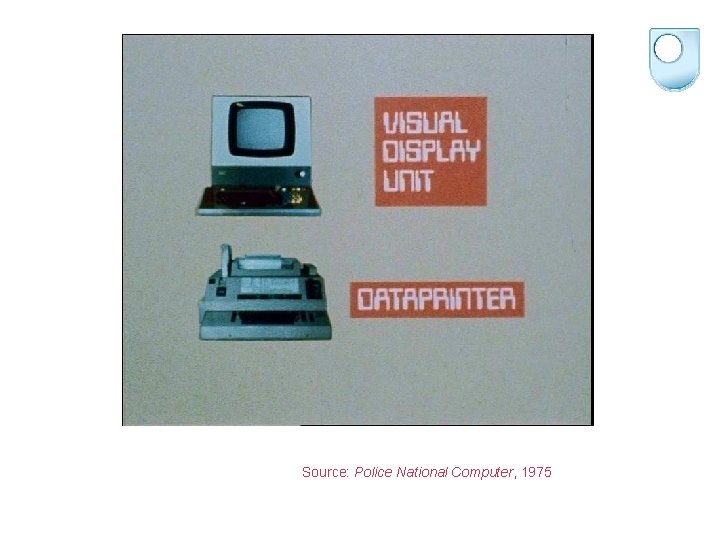
Source: Police National Computer, 1975
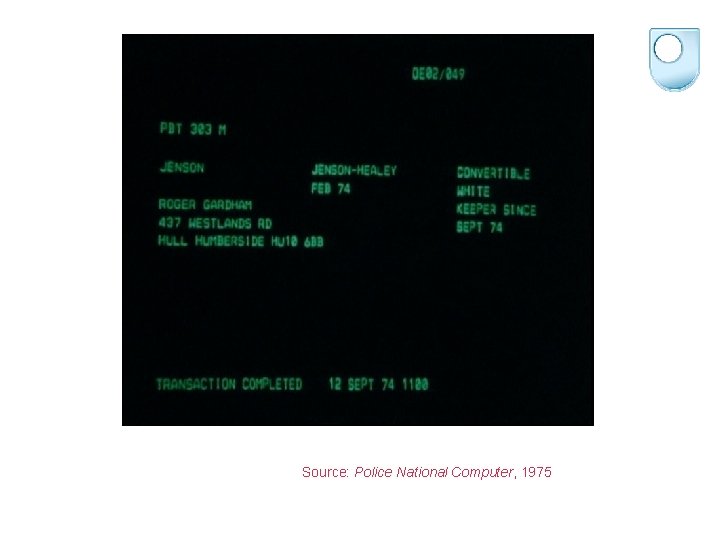
Source: Police National Computer, 1975
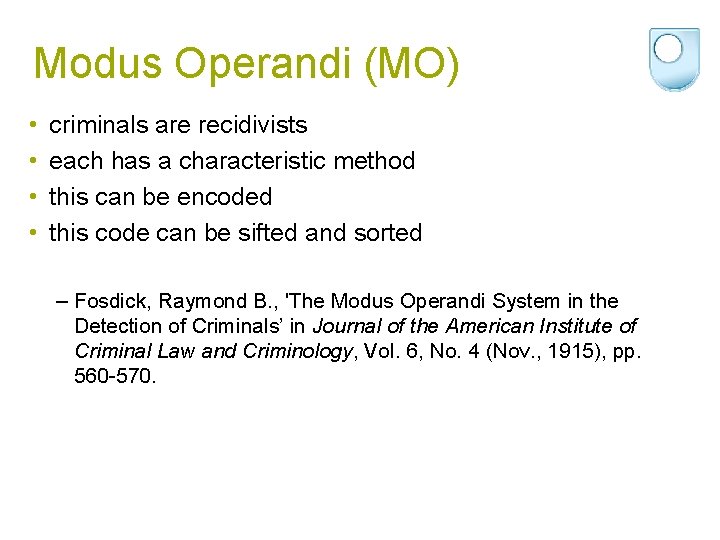
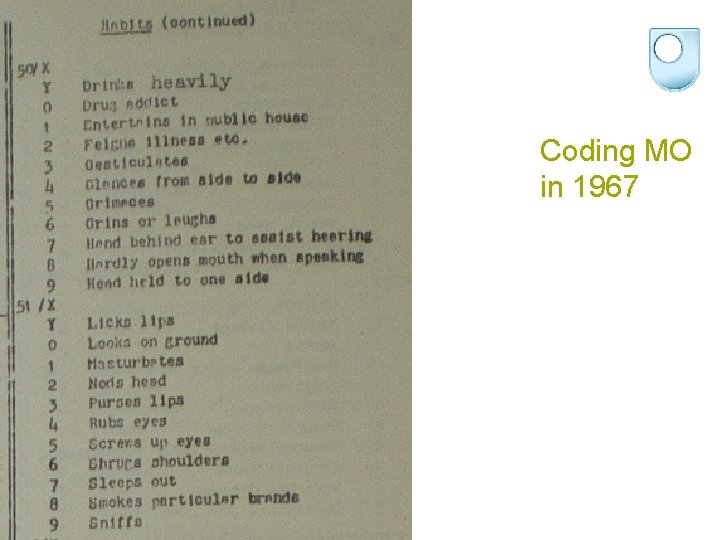
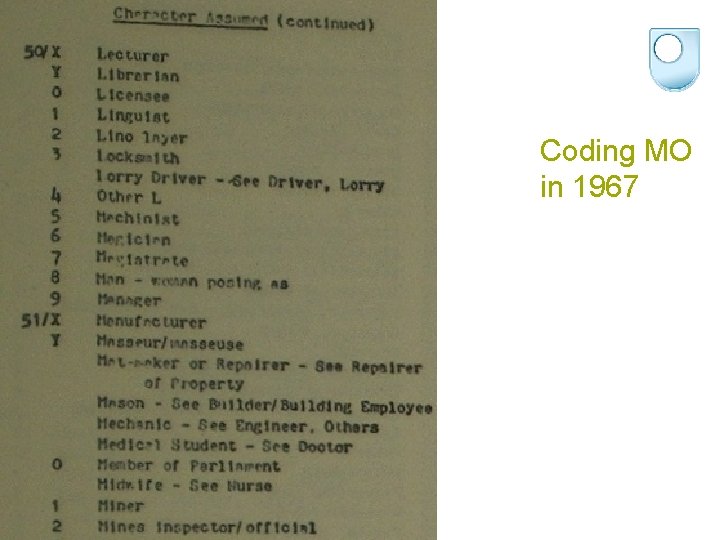
Modus Operandi (MO) • • criminals are recidivists each has a characteristic method this can be encoded this code can be sifted and sorted – Fosdick, Raymond B. , 'The Modus Operandi System in the Detection of Criminals’ in Journal of the American Institute of Criminal Law and Criminology, Vol. 6, No. 4 (Nov. , 1915), pp. 560 -570.
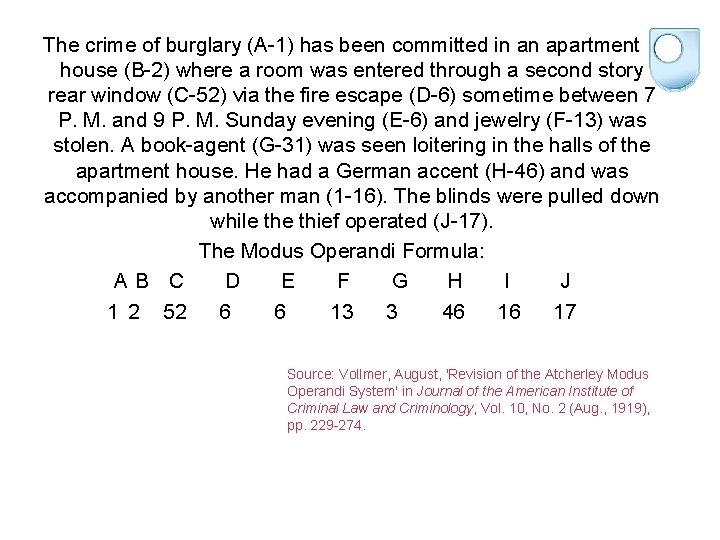
The crime of burglary (A-1) has been committed in an apartment house (B-2) where a room was entered through a second story rear window (C-52) via the fire escape (D-6) sometime between 7 P. M. and 9 P. M. Sunday evening (E-6) and jewelry (F-13) was stolen. A book-agent (G-31) was seen loitering in the halls of the apartment house. He had a German accent (H-46) and was accompanied by another man (1 -16). The blinds were pulled down while thief operated (J-17). The Modus Operandi Formula: AB C D E F G H I J 1 2 52 6 6 13 3 46 16 17 Source: Vollmer, August, 'Revision of the Atcherley Modus Operandi System' in Journal of the American Institute of Criminal Law and Criminology, Vol. 10, No. 2 (Aug. , 1919), pp. 229 -274.
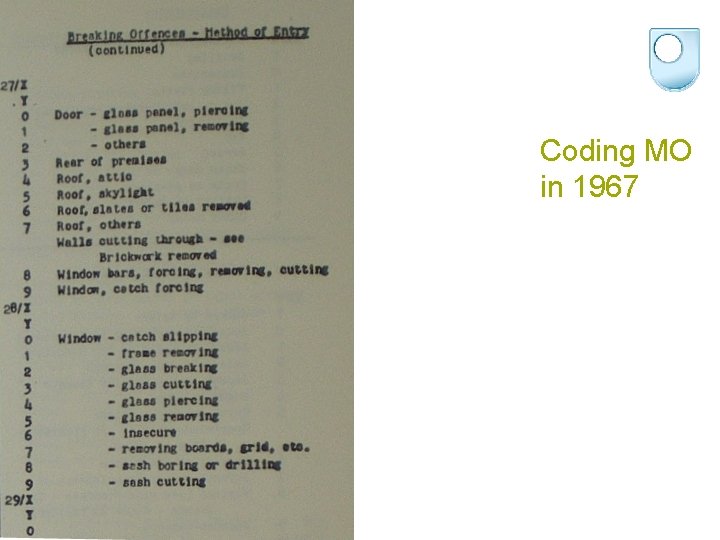
Coding MO in 1967
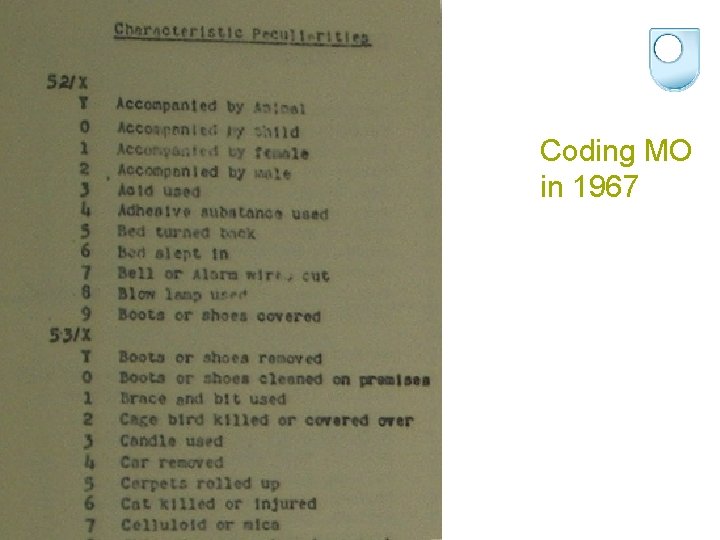
Coding MO in 1967
Coding MO in 1967
Coding MO in 1967
MO hits the buffers • 'In the case of MO however I think that the police service have got to take a long hard look at this and make up their minds as to the operational value of MO as it stands. Certainly there appears to be very mixed views not only as to whether MO indexes are worthwhile at all but, if so, what they should contain and how they should be operated. It will be for the Police service to make decisions about this so that if necessary timely discussions can be held with the Computer Unit to devise an MO system which is acceptable to the Service as a whole. ’
Source: Police National Computer, 1975
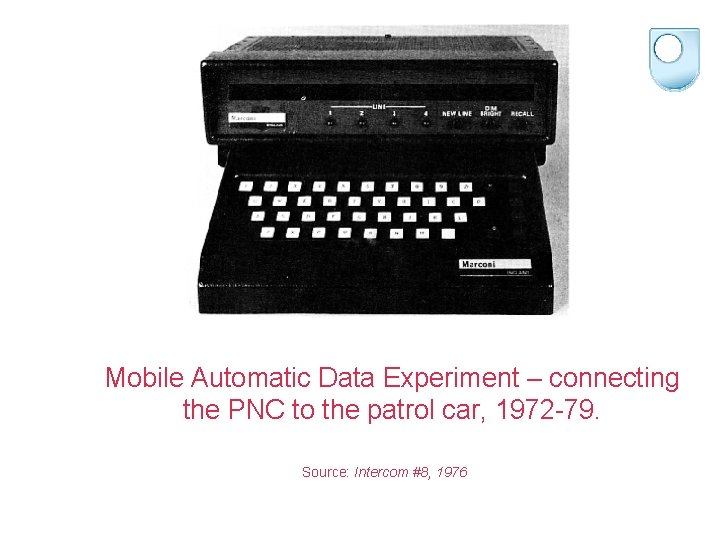
Mobile Automatic Data Experiment – connecting the PNC to the patrol car, 1972 -79. Source: Intercom #8, 1976
Afterwards: less success • HO less relatively powerful? • Technology allows force-level innovation; forces compete. • Specification-creep trumps attempts to standardise • A. Naylor “A critique of the implementation of crime and intelligence computing in three British Police forces 19761986” Napier U Phd 2008.
Chris A Williams History Department Open University, United Kingdom chris. williams@open. ac. uk