
The Angiosperm Plant Body Structure and development Formation
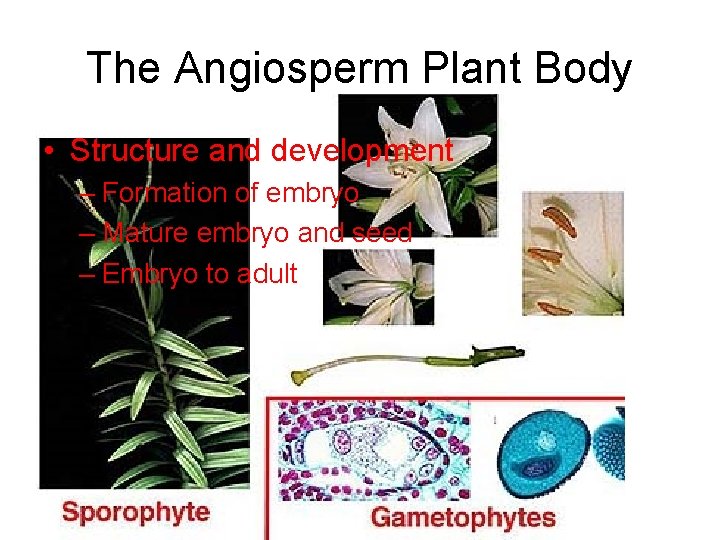
The Angiosperm Plant Body • Structure and development – Formation of embryo – Mature embryo and seed – Embryo to adult
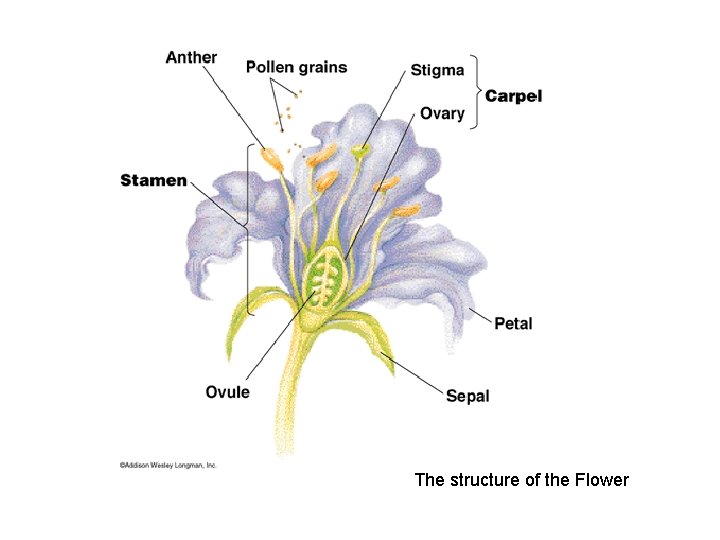
The structure of the Flower
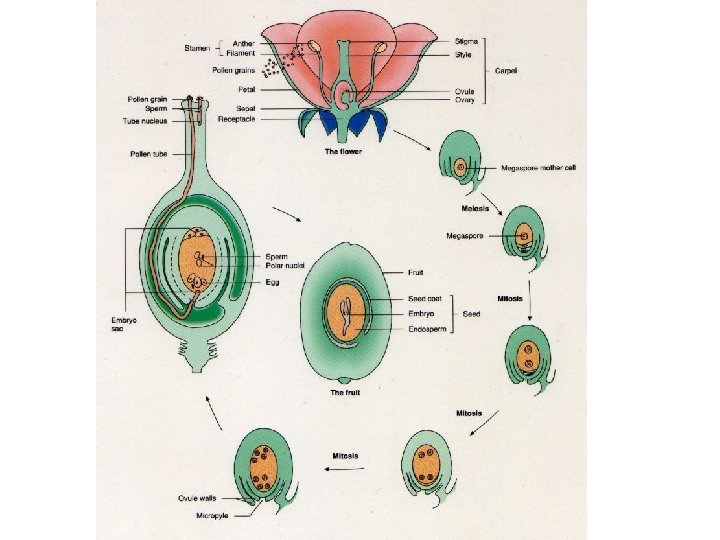
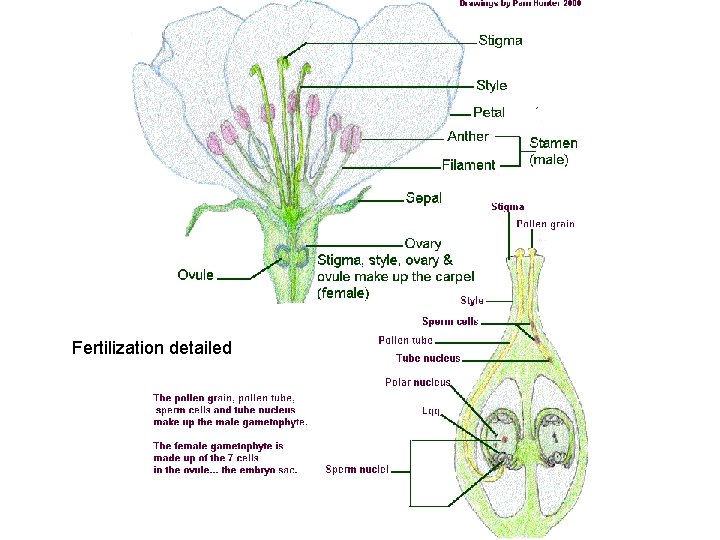
Fertilization detailed
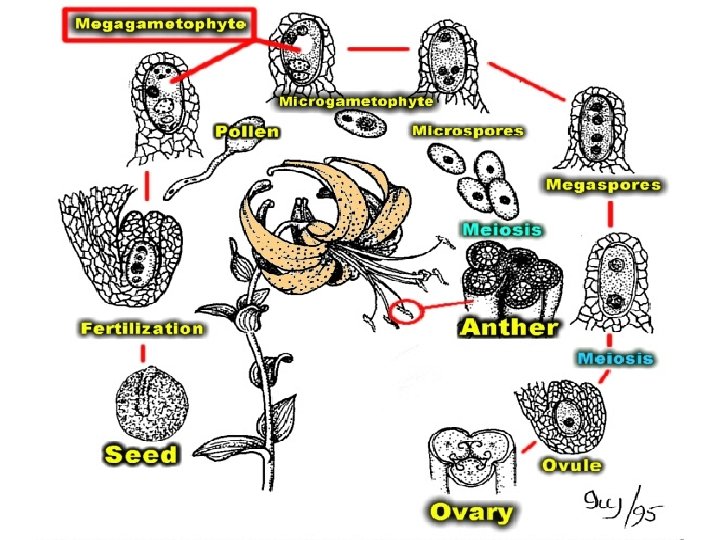
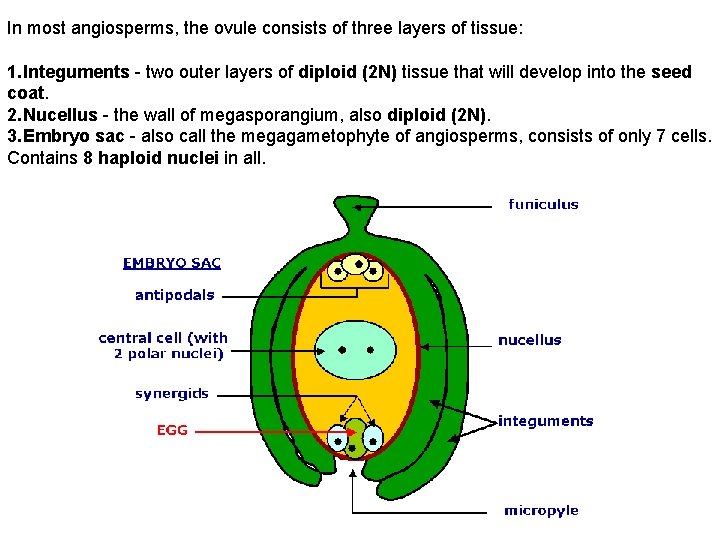
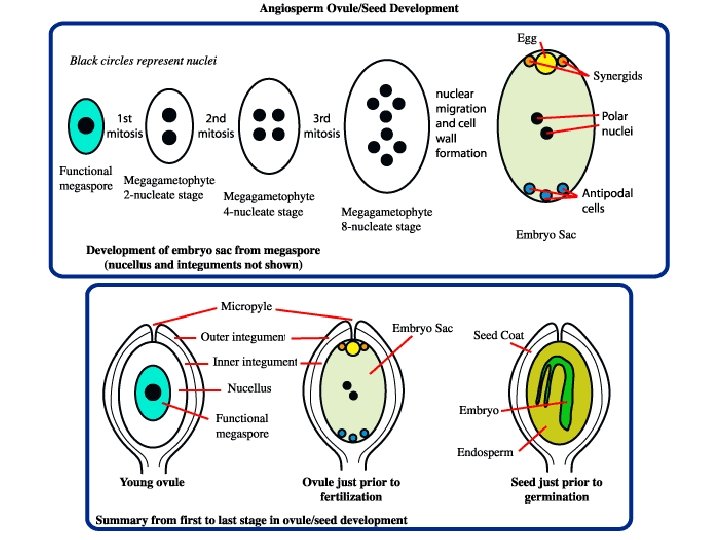
In most angiosperms, the ovule consists of three layers of tissue: 1. Integuments - two outer layers of diploid (2 N) tissue that will develop into the seed coat. 2. Nucellus - the wall of megasporangium, also diploid (2 N). 3. Embryo sac - also call the megagametophyte of angiosperms, consists of only 7 cells. Contains 8 haploid nuclei in all.
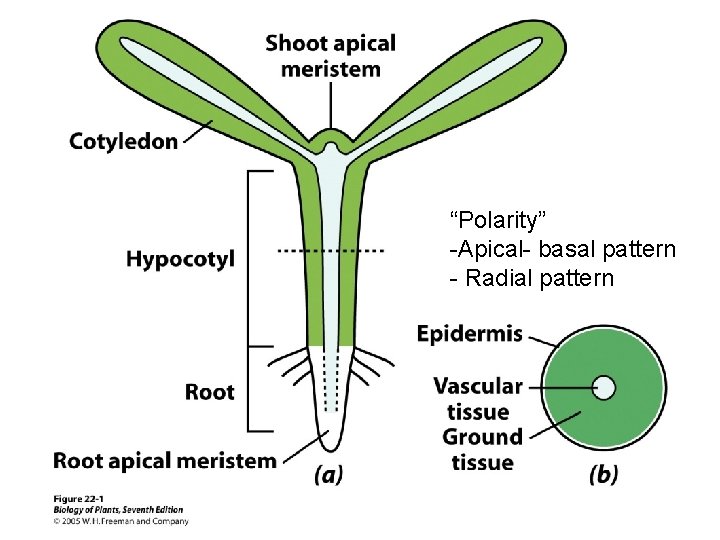
“Polarity” -Apical- basal pattern - Radial pattern
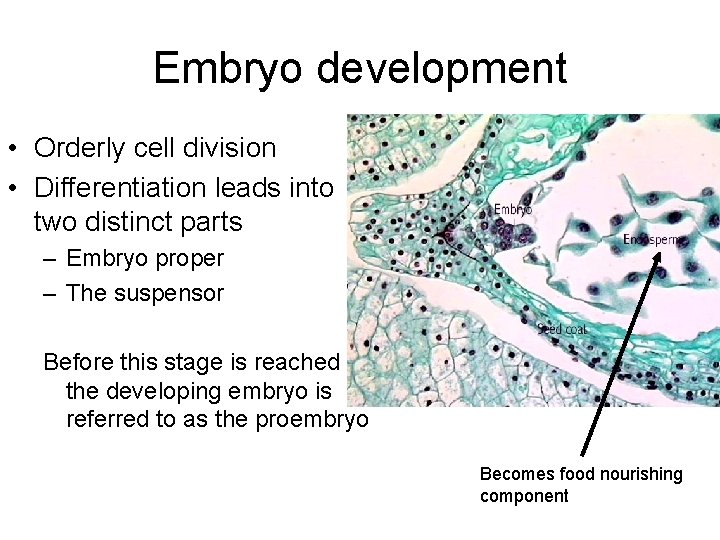
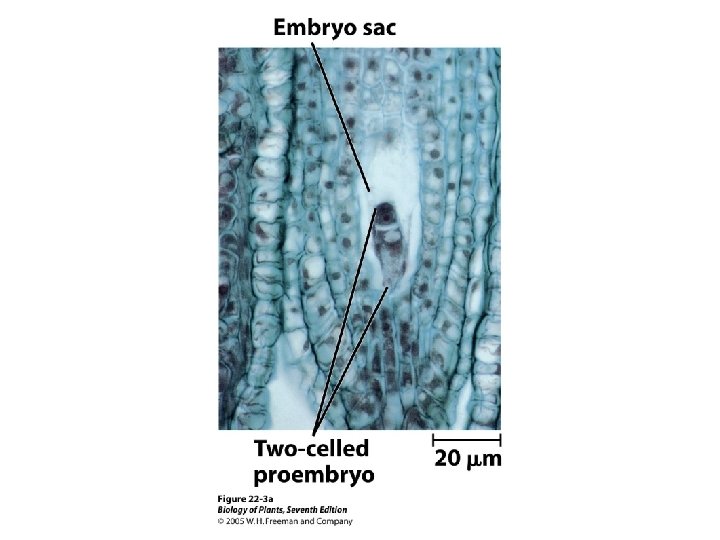
Embryo development • Orderly cell division • Differentiation leads into two distinct parts – Embryo proper – The suspensor Before this stage is reached the developing embryo is referred to as the proembryo Becomes food nourishing component
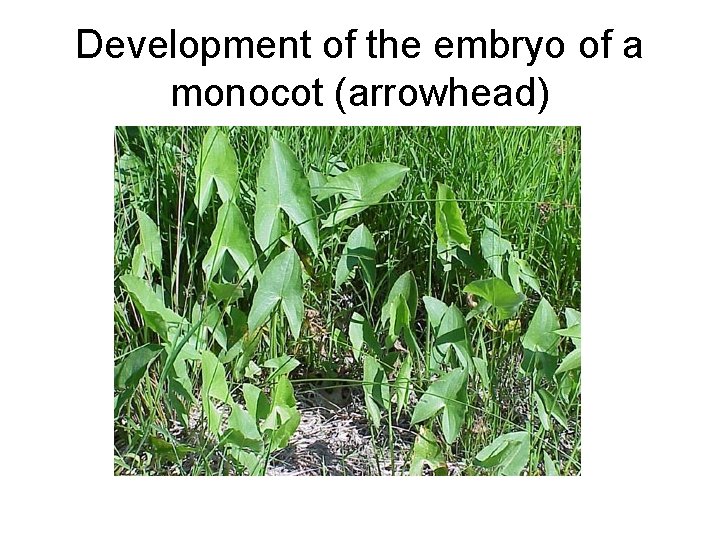
Development of the embryo of a monocot (arrowhead)
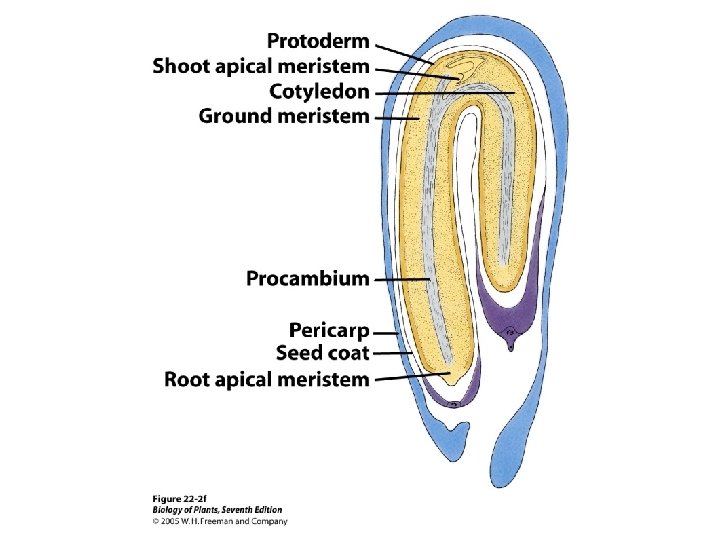
Stage of embryo development preceding cotyledon development • Globular stage- embryo proper is spherical • Heart stage (dicots only)- seed leaf (cotyledon) development • Torpedo stage- apical basal pattern just prior to germination
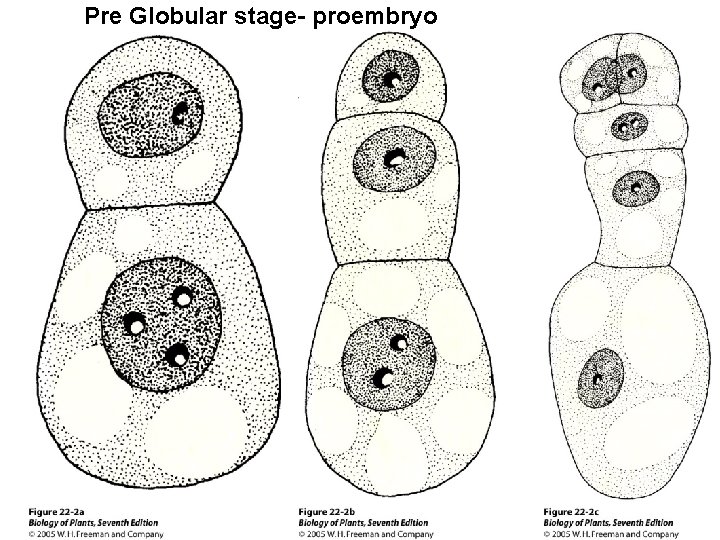
Pre Globular stage- proembryo
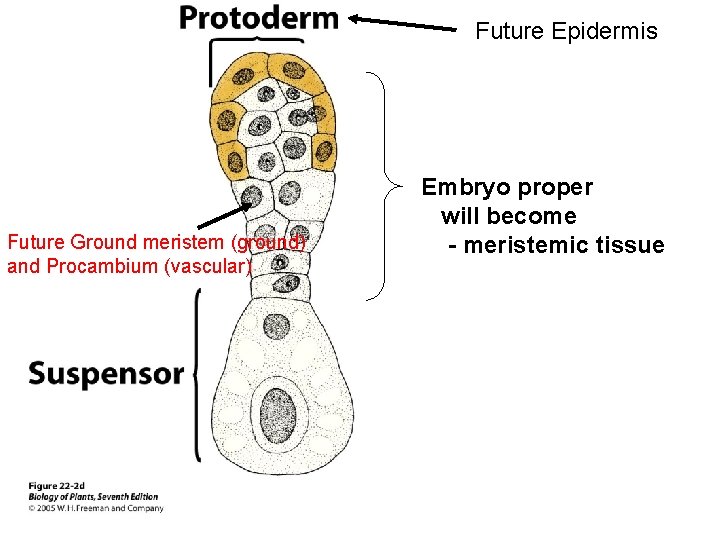
Future Epidermis Future Ground meristem (ground) and Procambium (vascular) Embryo proper will become - meristemic tissue
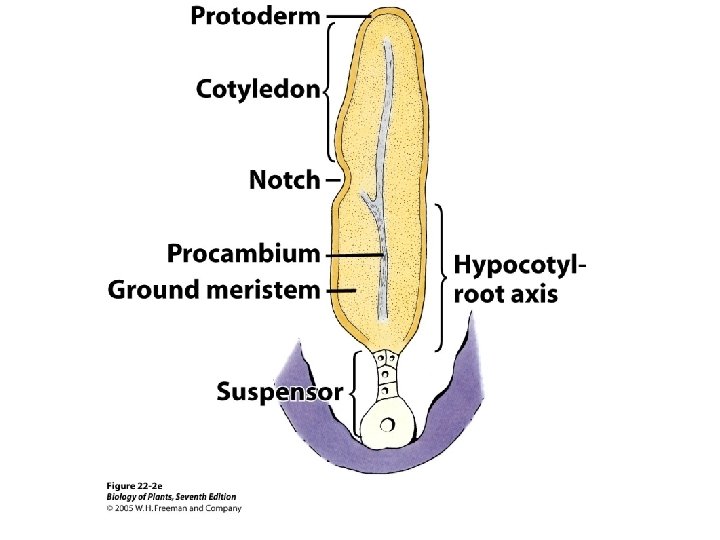
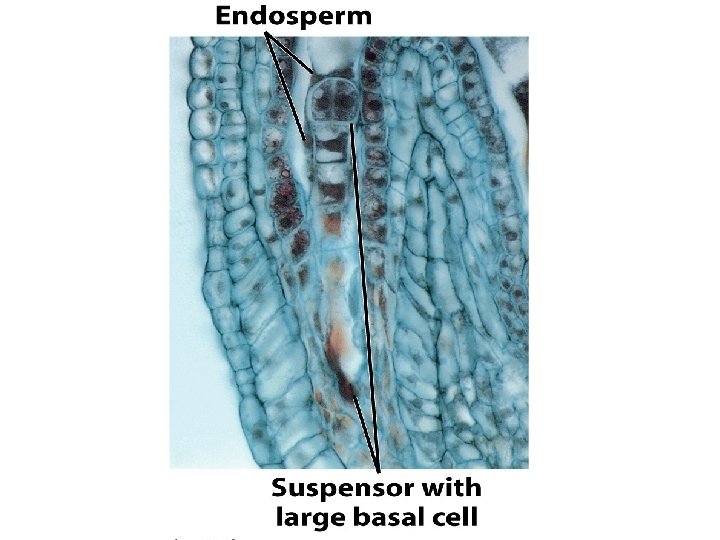
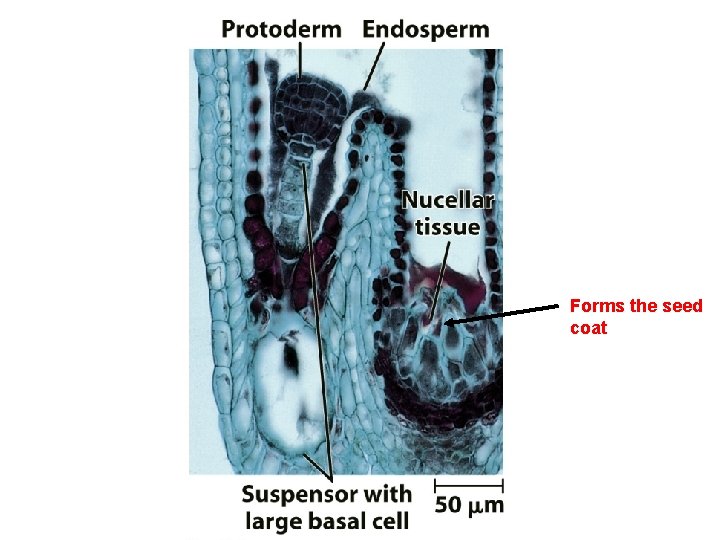
Forms the seed coat
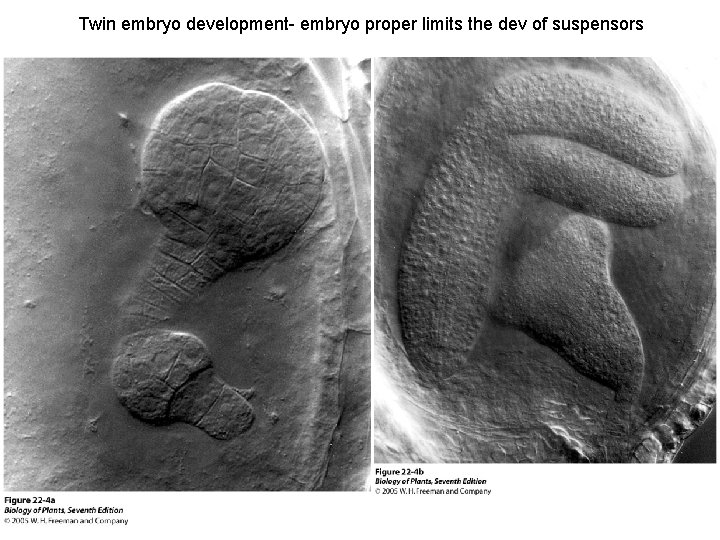
Twin embryo development- embryo proper limits the dev of suspensors
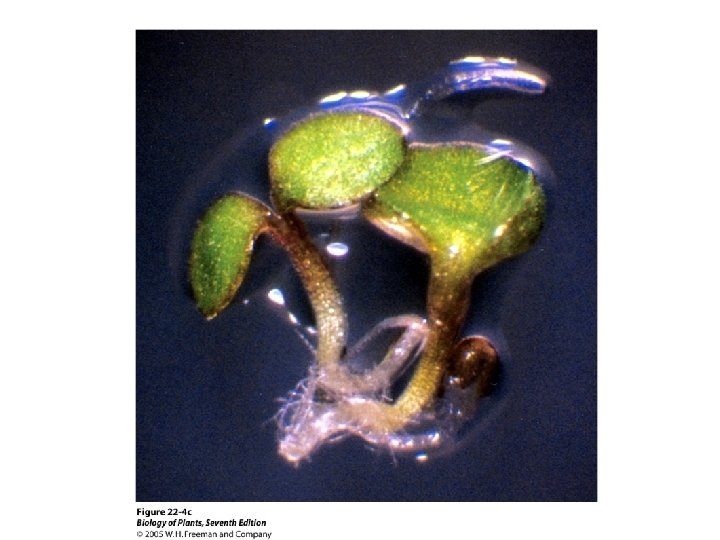
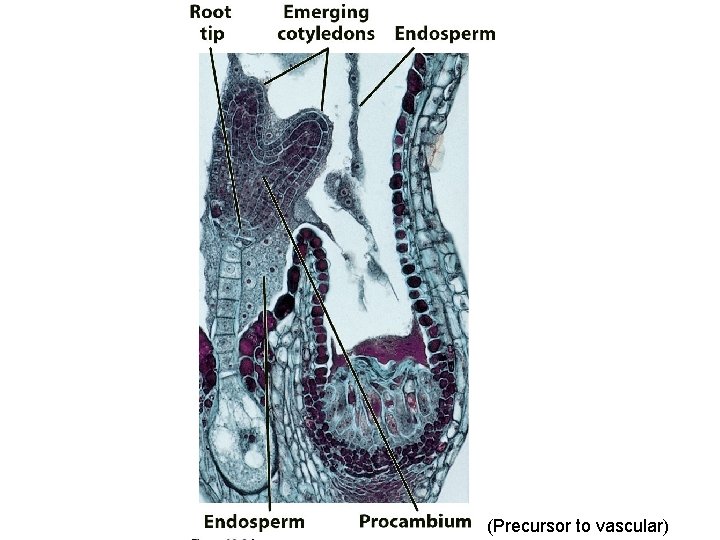
(Precursor to vascular)

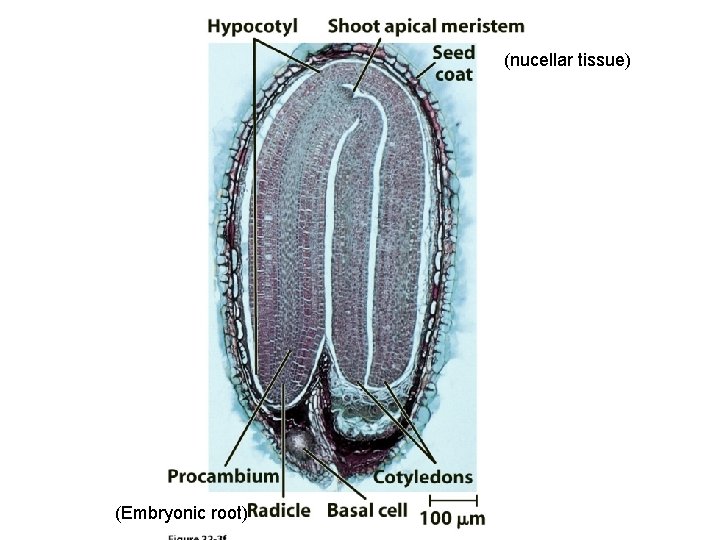
(nucellar tissue) (Embryonic root)
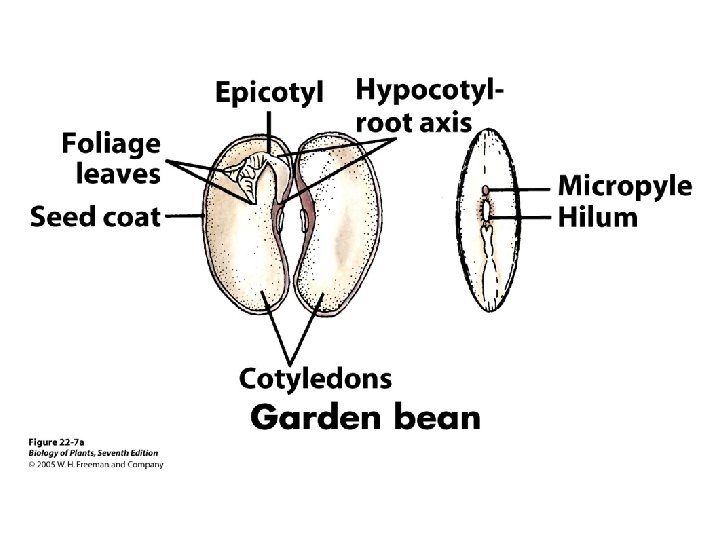
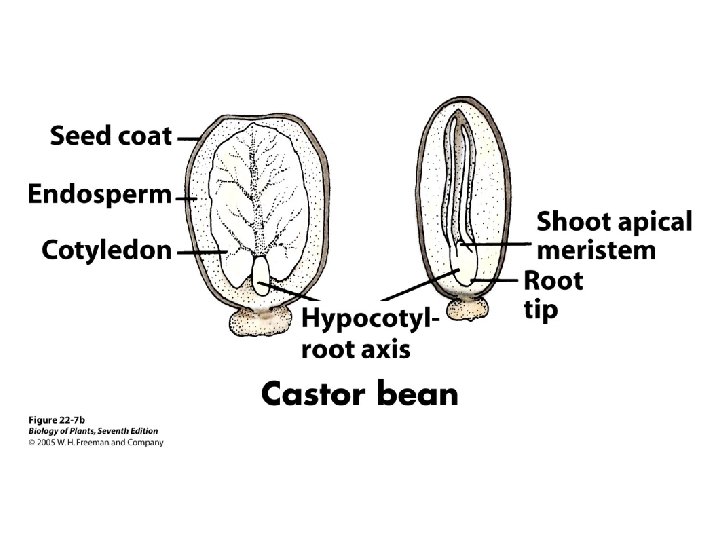
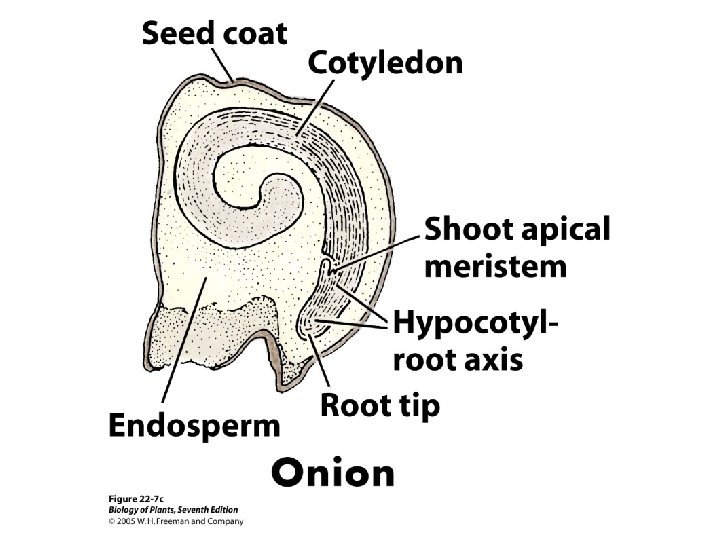
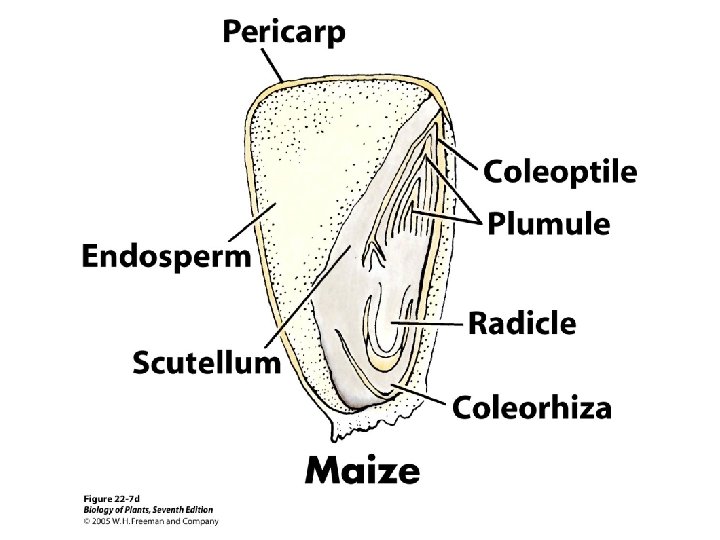
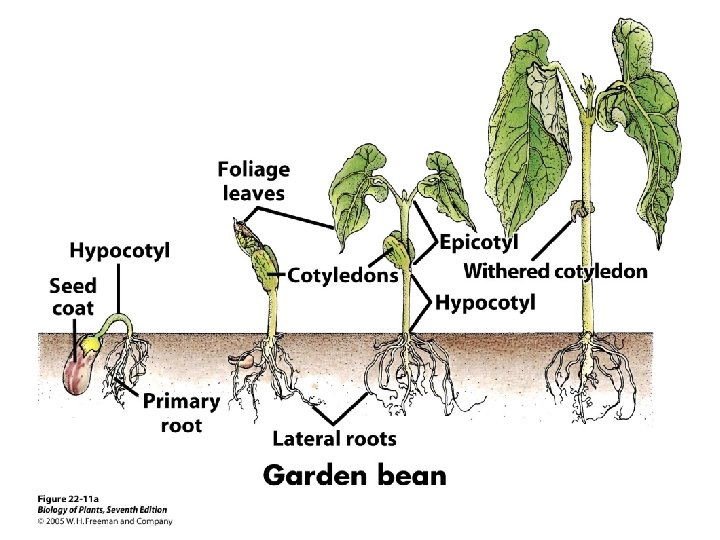
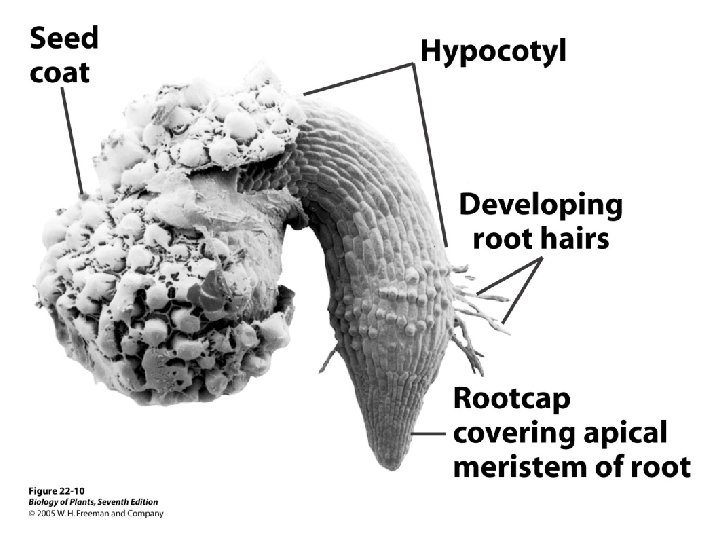
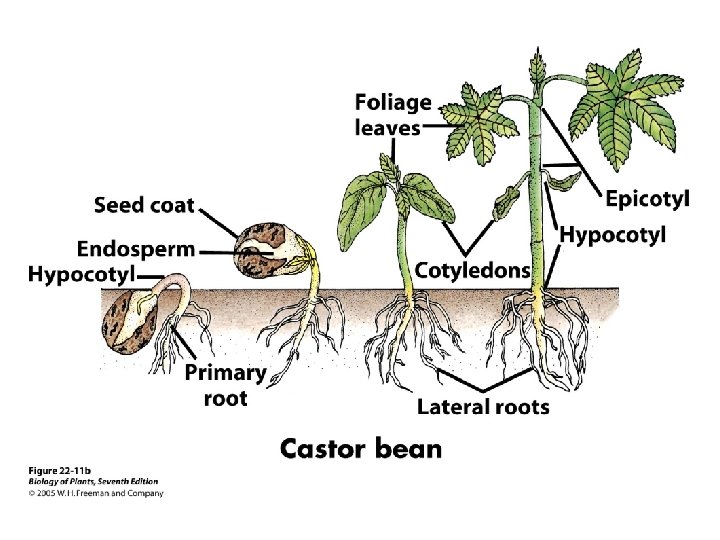
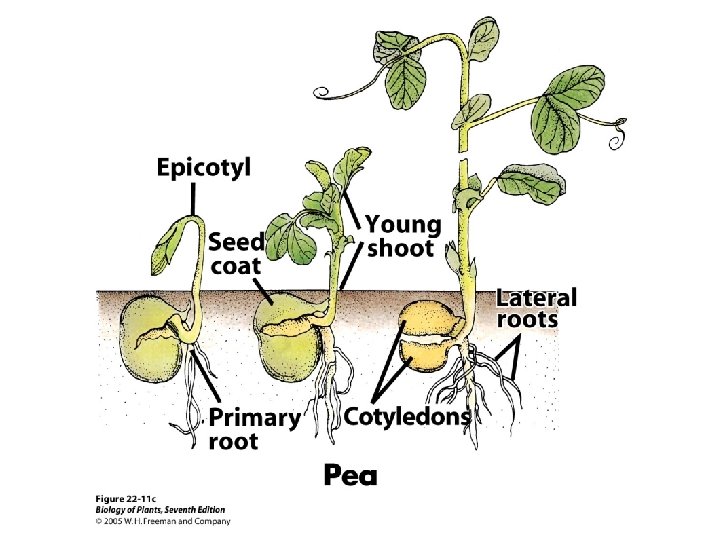
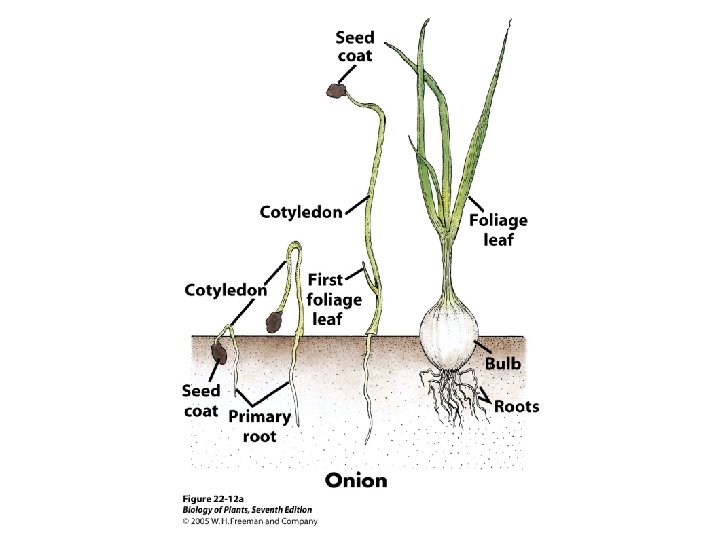
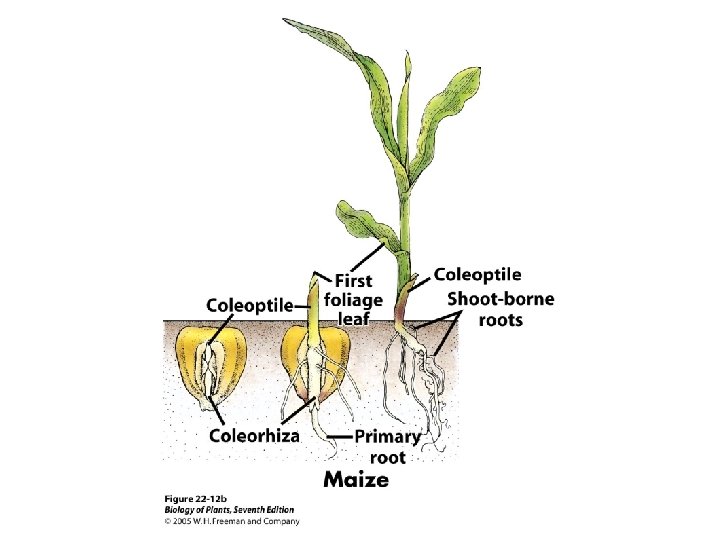
Lets look at Seed of some common dicots and monocots • • Garden bean Castor bean Onion Maize
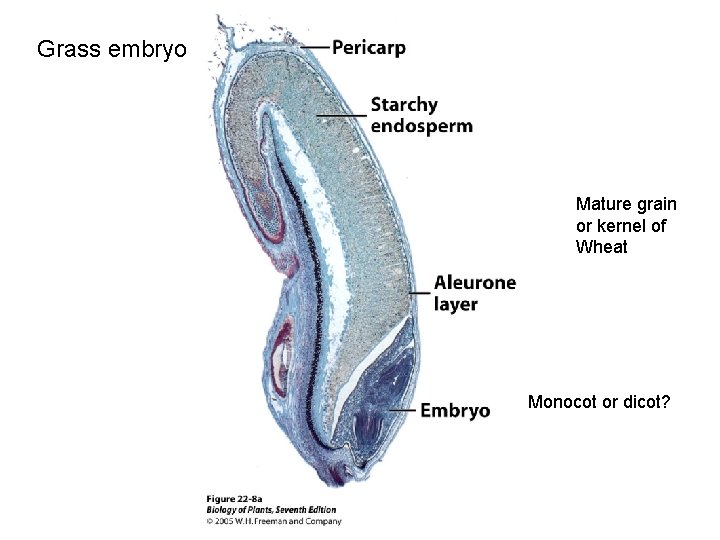
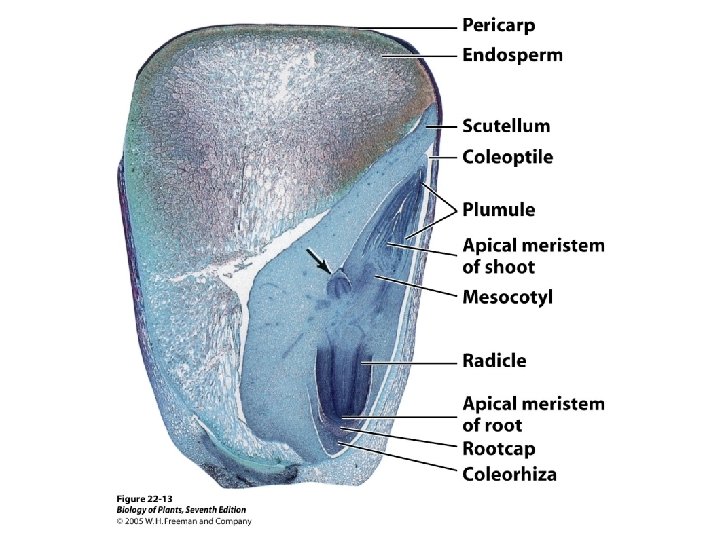
Grass embryo Mature grain or kernel of Wheat Monocot or dicot?

Grass embryo -First bud of radicle Protective layer of radicle and plumule
- Slides: 38