
THE AMERICAN CIVIL WAR Slavery is a fire
- Slides: 21
THE AMERICAN CIVIL WAR
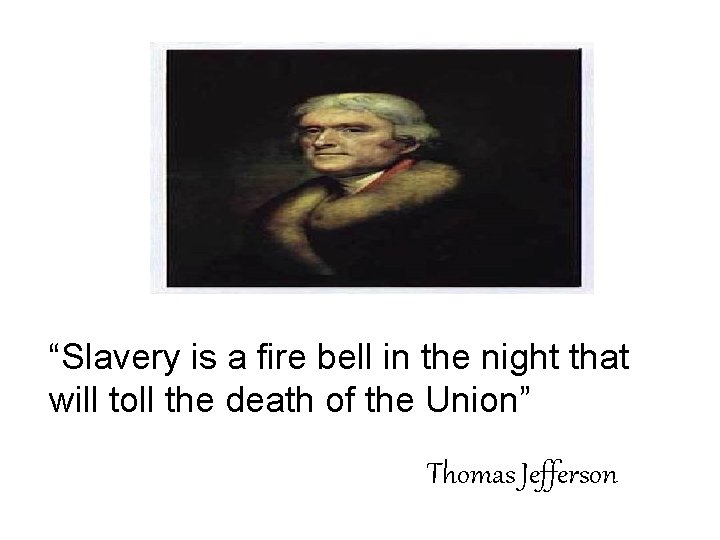
“Slavery is a fire bell in the night that will toll the death of the Union” Thomas Jefferson
Differences Divide The North and The South
Regional Differences North • More factories • People began moving to the cities to work • Less people were farming • People from other countries moved to the North • Population grew rapidly to over 19 million PEOPLE!!!
THE SOUTH • Farming remained the main way to earn a living – Most were small one family farms • Cut lumber, raised cattle, and raised just enough food for their own families • Population was a lot smaller (11 million) than in the North (19 million)
“King Cotton” • Cotton was hard to prepare for market • The little seeds had to be separated from the cotton. • This was very hard to do and took a LOT of TIME • Eli Whitney invented the cotton gin • Made cleaning cotton easier • Farmers grew more cotton and made more money • Needed more slaves to work the cotton
North and South Disagree –States’ Rights • South didn’t like depending on the North’s manufactured goods • Thought the North was getting RICH off of them
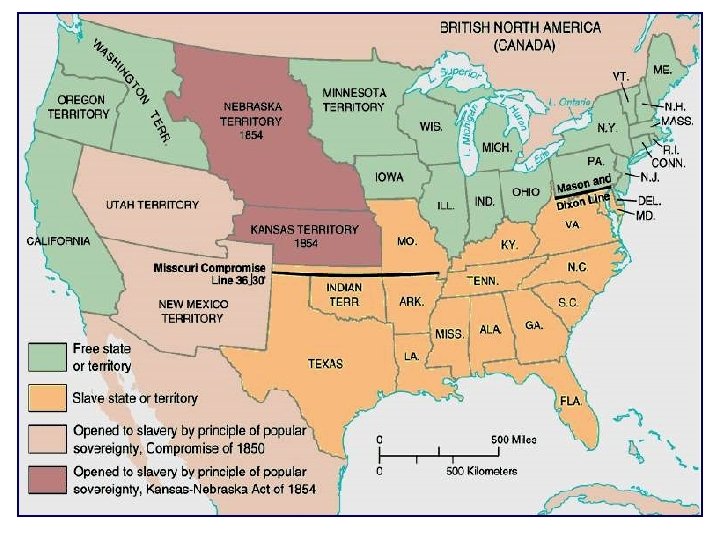
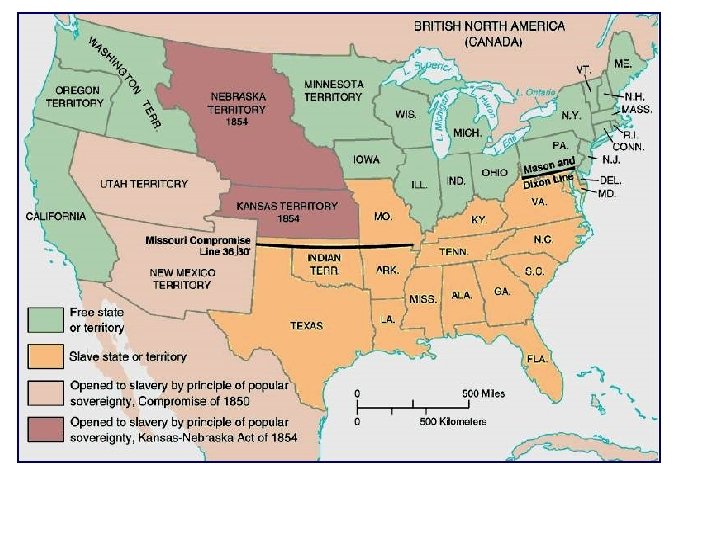
THE ROAD TO SECESSION! MISSOURI COMPROMISE • Compromise-a settlement in which both sides make concessions Free state: didn’t want slavery. Slave state: wanted slavery Everything was EVEN until Missouri wanted to become a state 11 FREE STATES/11 SLAVE STATES
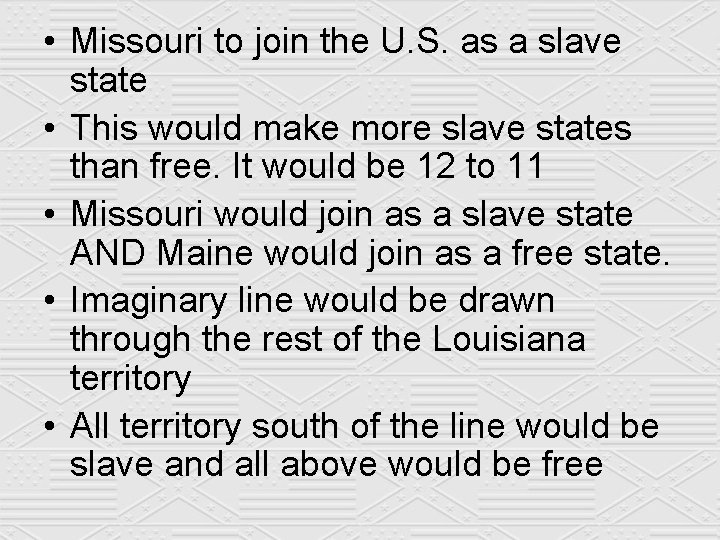
• Missouri to join the U. S. as a slave state • This would make more slave states than free. It would be 12 to 11 • Missouri would join as a slave state AND Maine would join as a free state. • Imaginary line would be drawn through the rest of the Louisiana territory • All territory south of the line would be slave and all above would be free
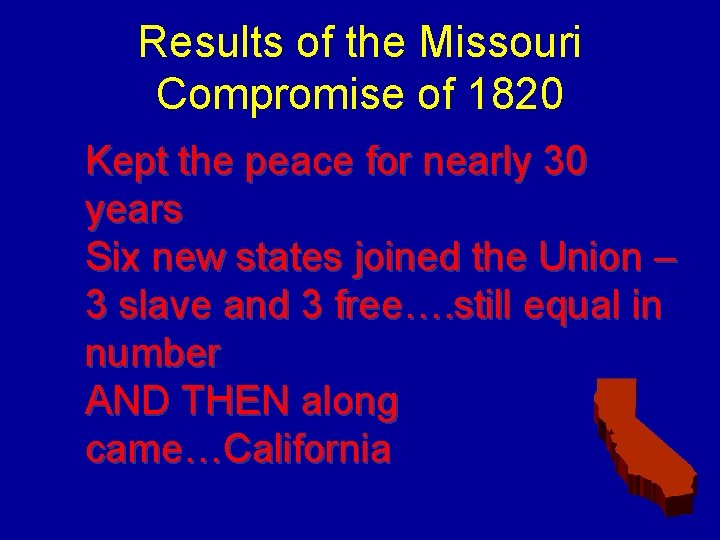
Results of the Missouri Compromise of 1820 Kept the peace for nearly 30 years Six new states joined the Union – 3 slave and 3 free…. still equal in number AND THEN along came…California
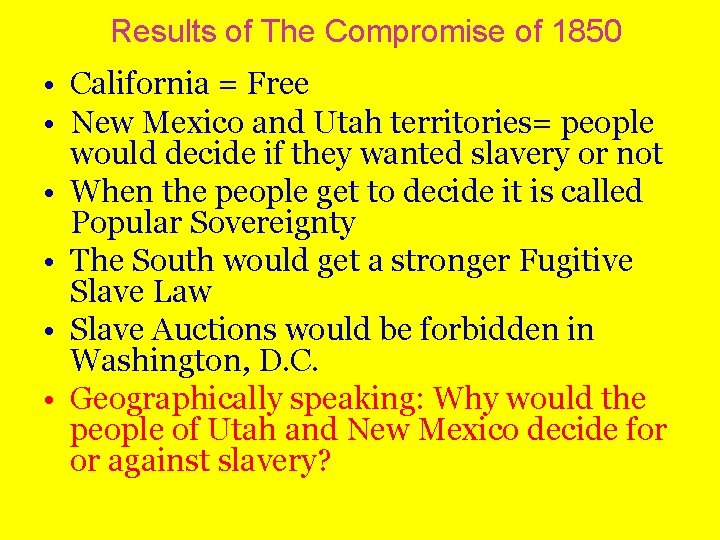
Results of The Compromise of 1850 • California = Free • New Mexico and Utah territories= people would decide if they wanted slavery or not • When the people get to decide it is called Popular Sovereignty • The South would get a stronger Fugitive Slave Law • Slave Auctions would be forbidden in Washington, D. C. • Geographically speaking: Why would the people of Utah and New Mexico decide for or against slavery?
Fugitive Slave Law • A new law that said: ØAnyone caught helping slaves escape would be punished. ØIf you found a runaway slave, you had to return them to their owner. ØIf they did not enforce the old law what would make them enforce the new one? ØWas this really a benefit in the compromise?
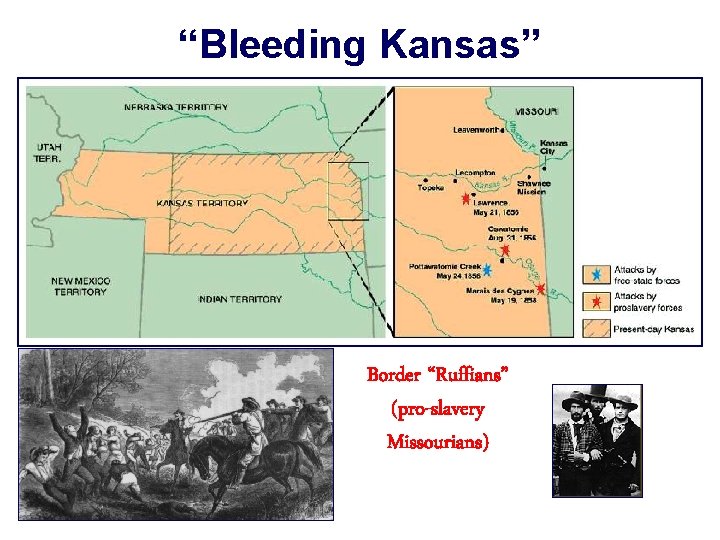
HOPES FOR PEACE FADE • Kansas-Nebraska Act • Gave people living there the choice by voting • Hundreds moved in to “vote” on whether to be a free or slave state. • Tempers FLARED and over 200 people were killed in the dispute • Nicknamed “ Bleeding Kansas”
“Bleeding Kansas” Border “Ruffians” (pro-slavery Missourians)
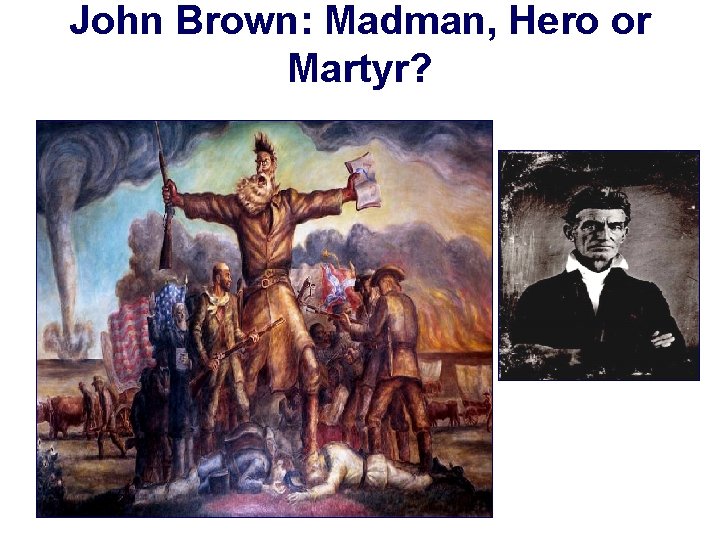
John Brown: Madman, Hero or Martyr?
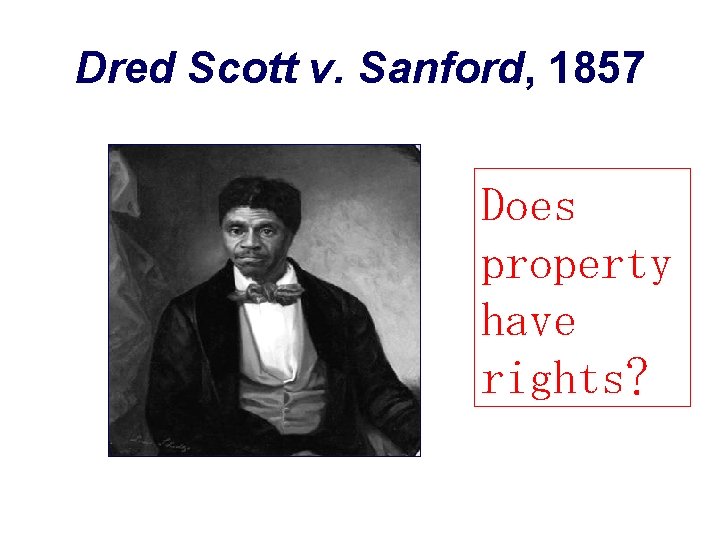
Dred Scott v. Sanford, 1857 Does property have rights?
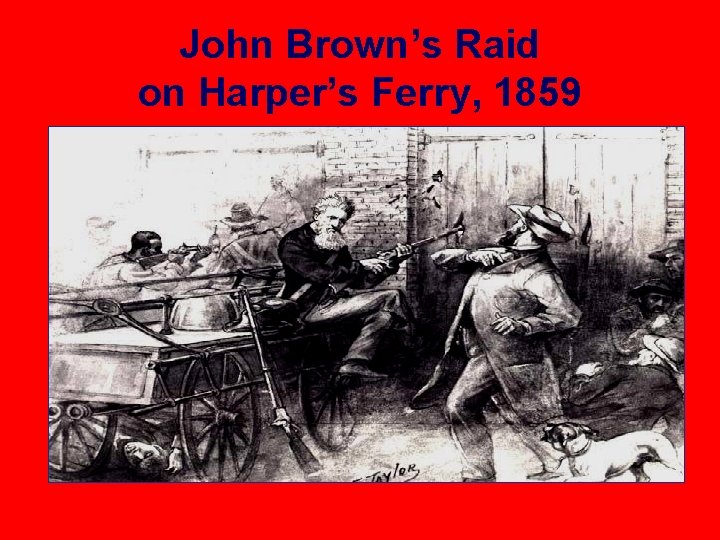
John Brown’s Raid on Harper’s Ferry, 1859
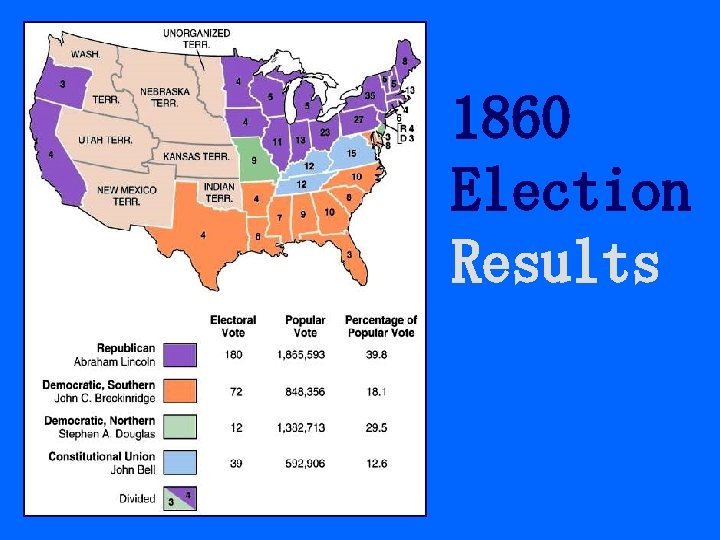
1860 Election Results
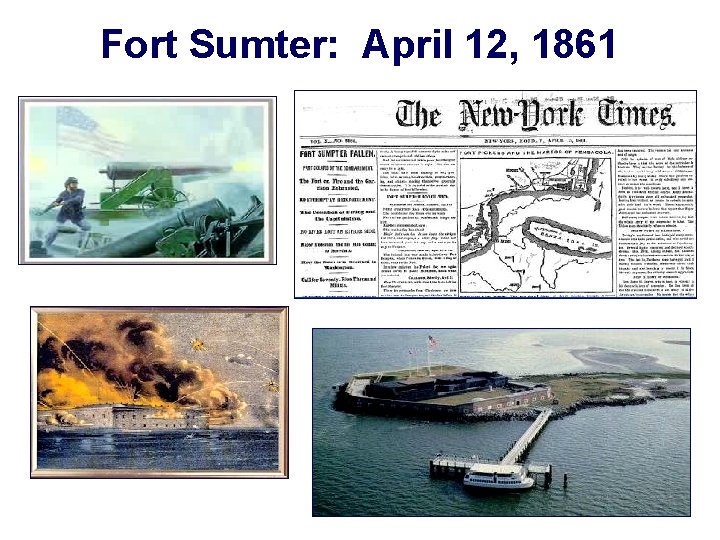
Fort Sumter: April 12, 1861