
The aim of totalitarian education has never been
§“The aim of totalitarian education has never been to instill convictions but to destroy the capacity to form any. ” - Hannah Arendt Think about what this means… and the implications for society.
“Totalitarianism is never content to rule by external means, namely, through the state and a machinery of violence; thanks to its peculiar ideology and the role assigned to it in this apparatus of coercion, totalitarianism has discovered a mean of dominating and terrorizing human being from within. ” - Hannah Arendt The Origins of Totalitarianism, 1951
“Then the face of Big Brother faded away again and instead the three slogans of the Party stood out in bold capitals: WAR IS PEACE FREEDOM IS SLAVERY IGNORANCE IS STRENGTH”
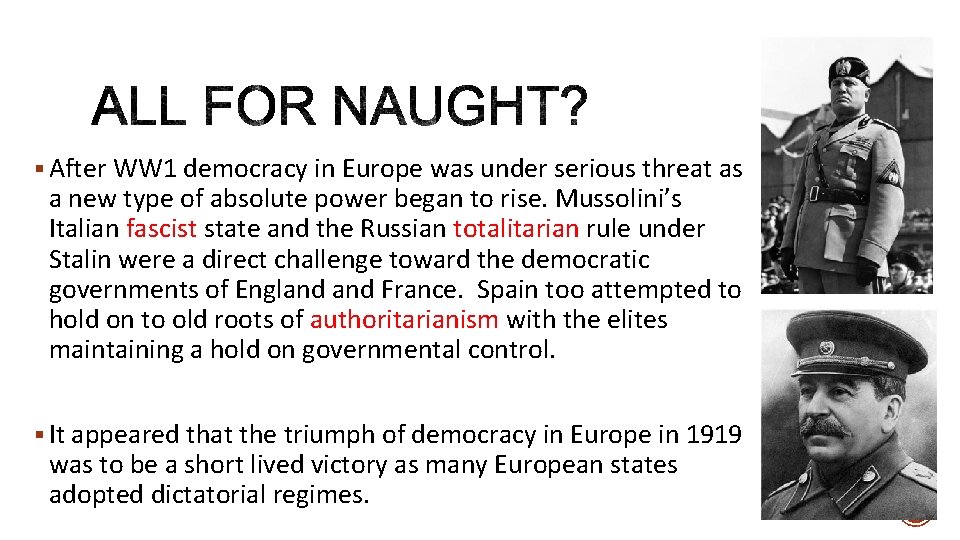
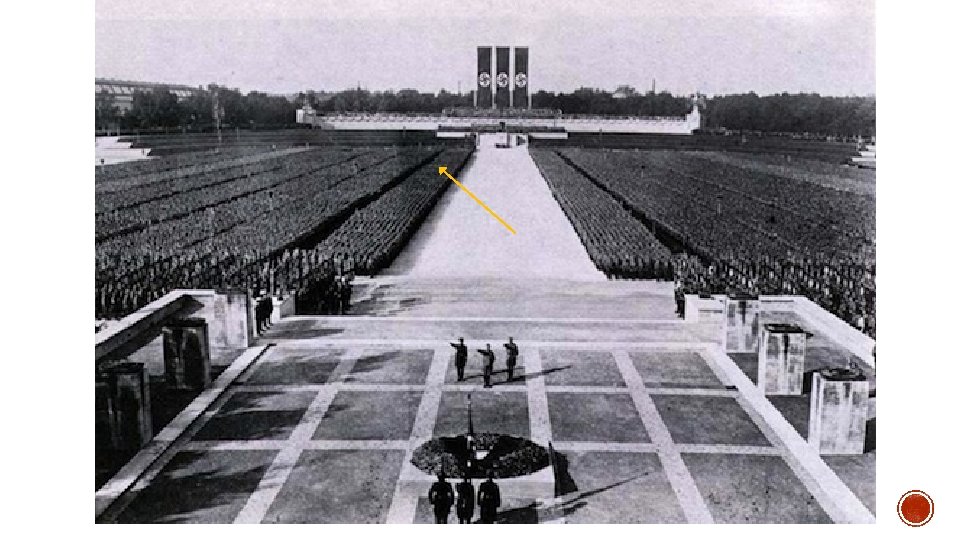
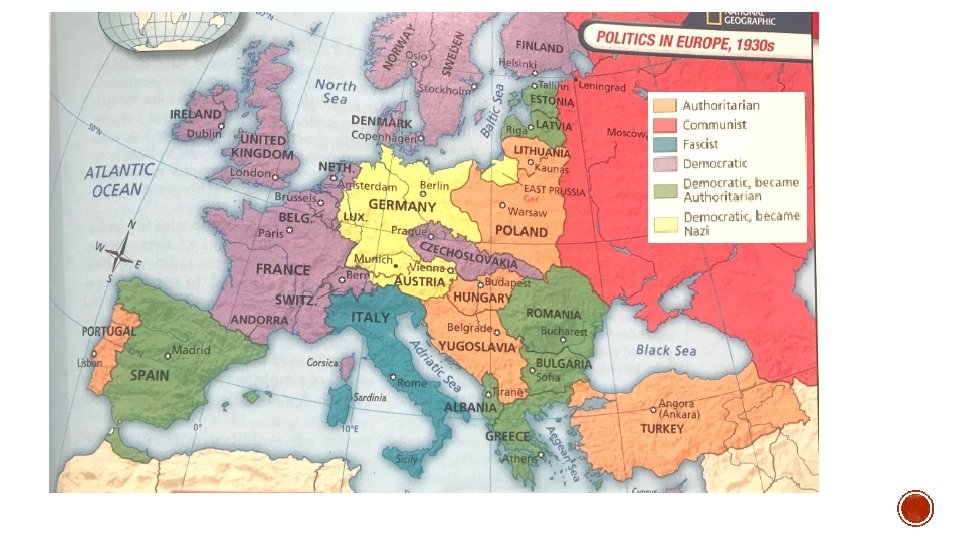
§ After WW 1 democracy in Europe was under serious threat as a new type of absolute power began to rise. Mussolini’s Italian fascist state and the Russian totalitarian rule under Stalin were a direct challenge toward the democratic governments of England France. Spain too attempted to hold on to old roots of authoritarianism with the elites maintaining a hold on governmental control. § It appeared that the triumph of democracy in Europe in 1919 was to be a short lived victory as many European states adopted dictatorial regimes.
§ The new form of dictatorship was the modern totalitarian state where the government aims to control the political, economic, social, intellectual, and cultural lives of its citizens. § The goal of these new regimes was not just to demand passive obedience but to conquer the minds and hearts of their subjects. Q. How would such a government succeed in taking over its people with success?
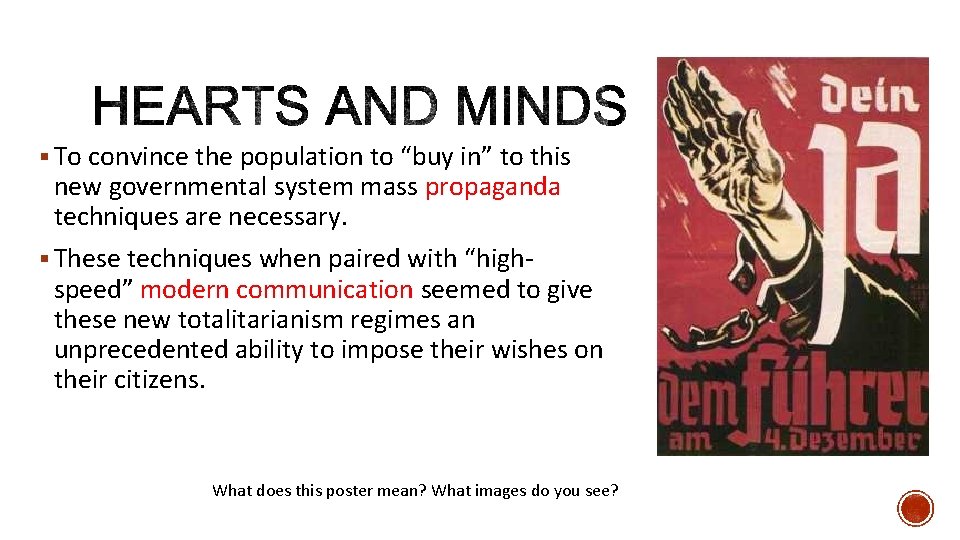
§ To convince the population to “buy in” to this new governmental system mass propaganda techniques are necessary. § These techniques when paired with “high- speed” modern communication seemed to give these new totalitarianism regimes an unprecedented ability to impose their wishes on their citizens. What does this poster mean? What images do you see?
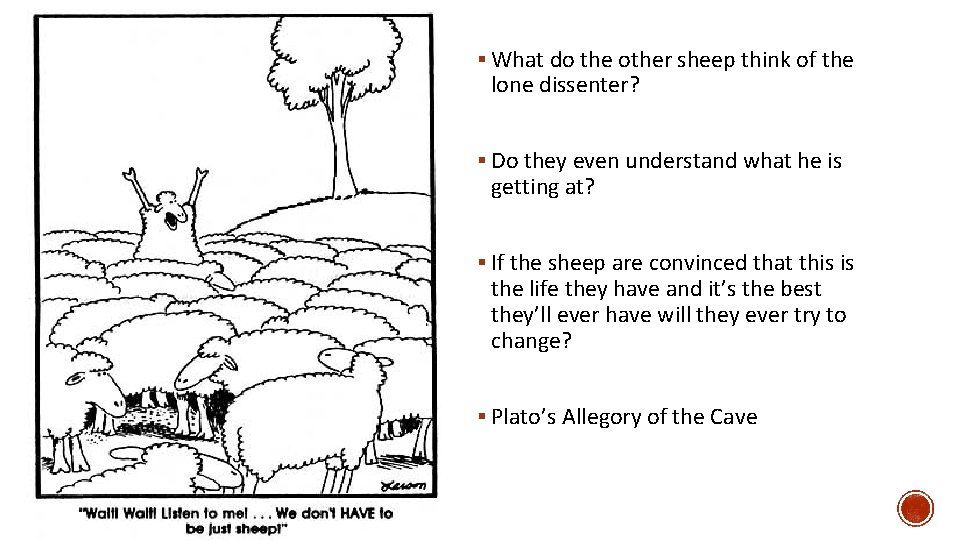
§ What do the other sheep think of the lone dissenter? § Do they even understand what he is getting at? § If the sheep are convinced that this is the life they have and it’s the best they’ll ever have will they ever try to change? § Plato’s Allegory of the Cave
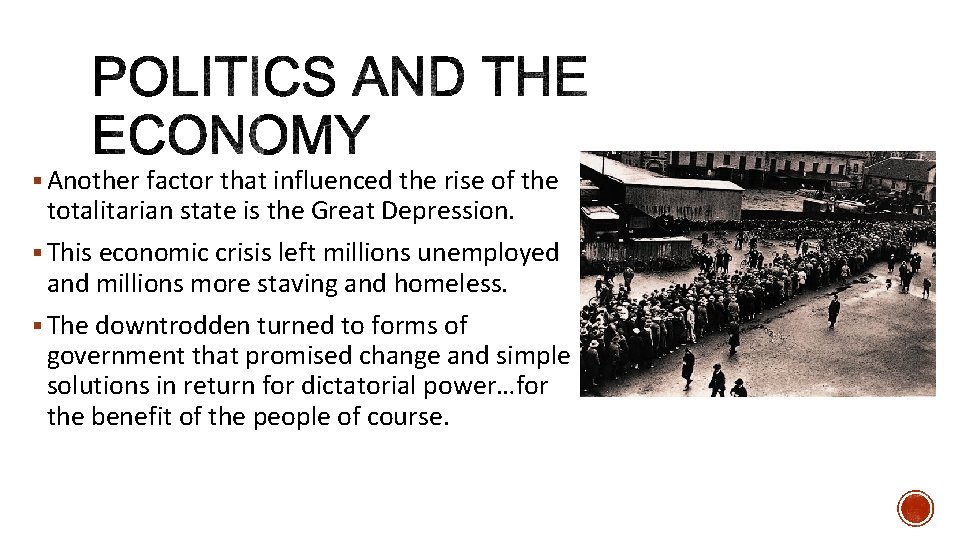
§ Another factor that influenced the rise of the totalitarian state is the Great Depression. § This economic crisis left millions unemployed and millions more staving and homeless. § The downtrodden turned to forms of government that promised change and simple solutions in return for dictatorial power…for the benefit of the people of course.
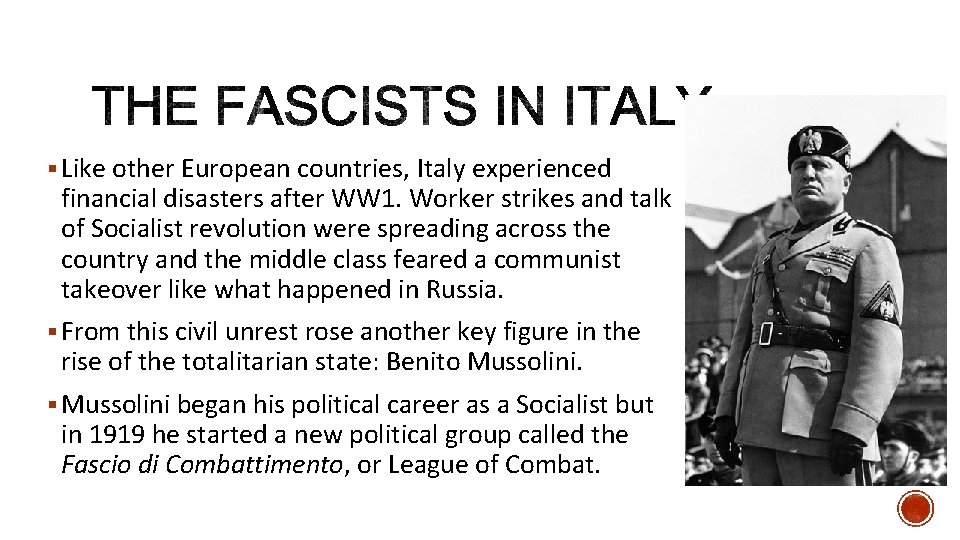
§ Like other European countries, Italy experienced financial disasters after WW 1. Worker strikes and talk of Socialist revolution were spreading across the country and the middle class feared a communist takeover like what happened in Russia. § From this civil unrest rose another key figure in the rise of the totalitarian state: Benito Mussolini. § Mussolini began his political career as a Socialist but in 1919 he started a new political group called the Fascio di Combattimento, or League of Combat.
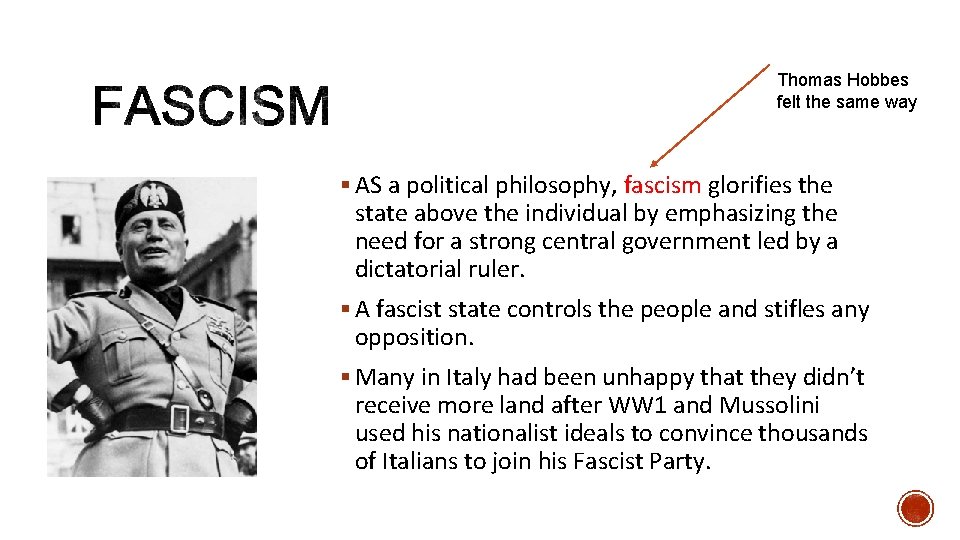
Thomas Hobbes felt the same way § AS a political philosophy, fascism glorifies the state above the individual by emphasizing the need for a strong central government led by a dictatorial ruler. § A fascist state controls the people and stifles any opposition. § Many in Italy had been unhappy that they didn’t receive more land after WW 1 and Mussolini used his nationalist ideals to convince thousands of Italians to join his Fascist Party.
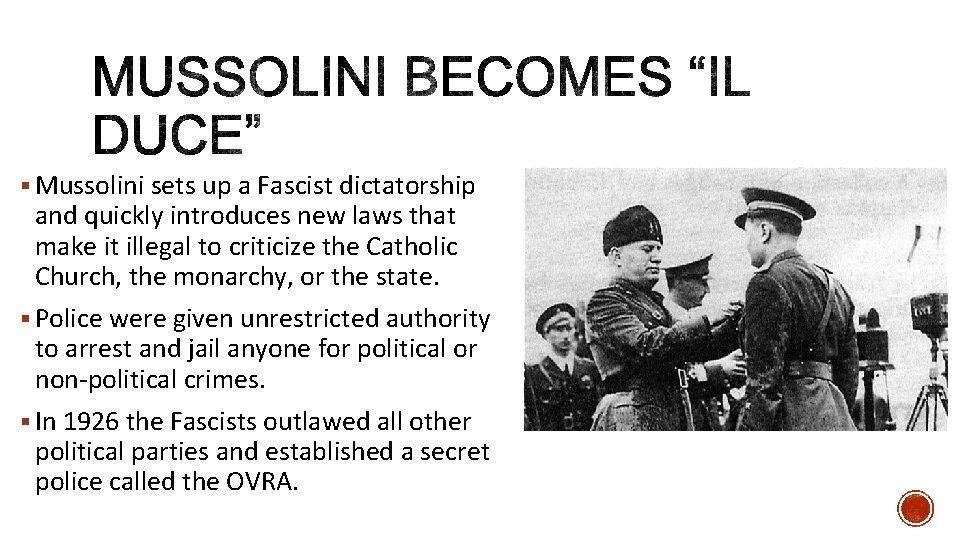
§ Mussolini sets up a Fascist dictatorship and quickly introduces new laws that make it illegal to criticize the Catholic Church, the monarchy, or the state. § Police were given unrestricted authority to arrest and jail anyone for political or non-political crimes. § In 1926 the Fascists outlawed all other political parties and established a secret police called the OVRA.
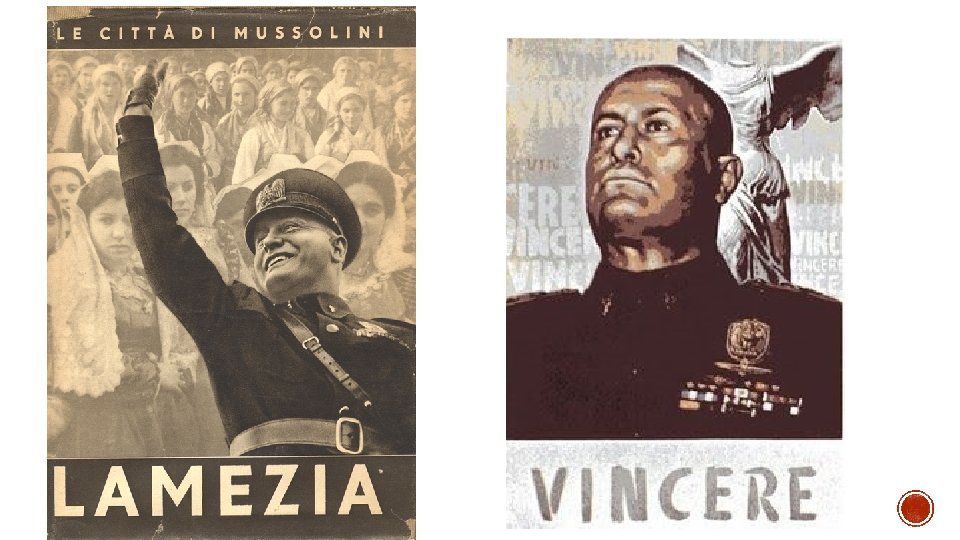
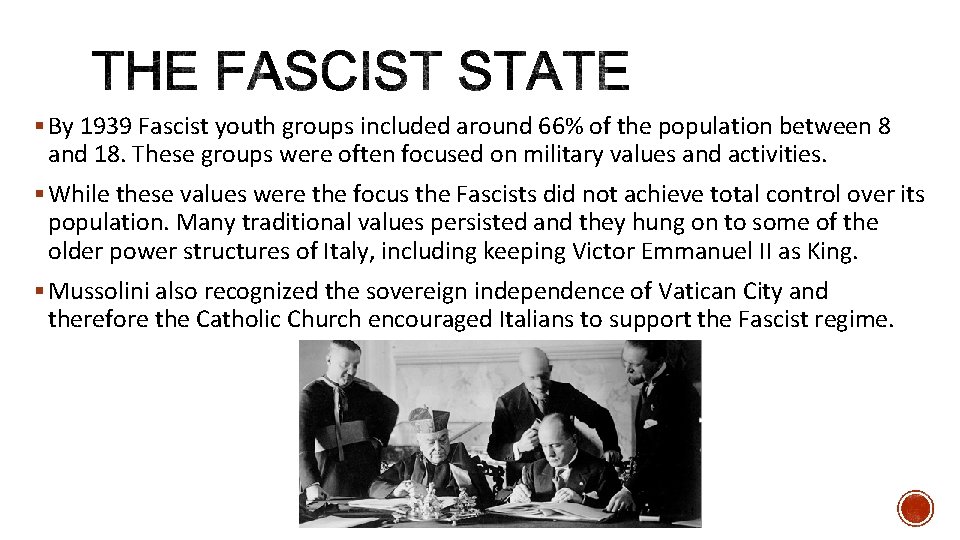
§ By 1939 Fascist youth groups included around 66% of the population between 8 and 18. These groups were often focused on military values and activities. § While these values were the focus the Fascists did not achieve total control over its population. Many traditional values persisted and they hung on to some of the older power structures of Italy, including keeping Victor Emmanuel II as King. § Mussolini also recognized the sovereign independence of Vatican City and therefore the Catholic Church encouraged Italians to support the Fascist regime.
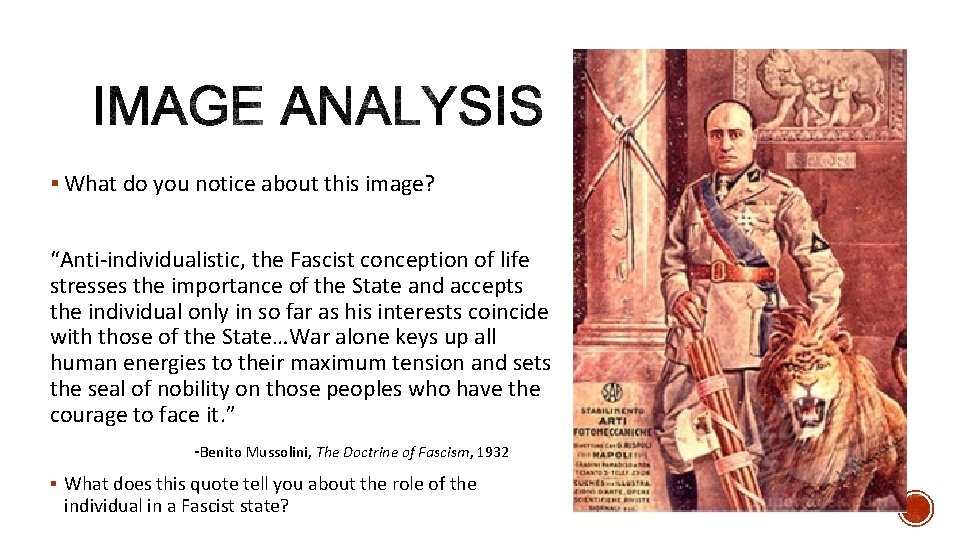
§ What do you notice about this image? “Anti-individualistic, the Fascist conception of life stresses the importance of the State and accepts the individual only in so far as his interests coincide with those of the State…War alone keys up all human energies to their maximum tension and sets the seal of nobility on those peoples who have the courage to face it. ” -Benito Mussolini, The Doctrine of Fascism, 1932 § What does this quote tell you about the role of the individual in a Fascist state?
Lenin’s New Economic Policy, Murder Industrialization, Murder, Stalin, Murder, Five. Years Plan, Murder, Collectivization, …. Rise of Joseph Stalin video
§ It seemed that after WW 1 many European nations would adopt democratic governments. Austria, Poland, Czechoslovakia, Yugoslavia, Romania, Bulgaria, and Hungary all adopted parliamentary systems but soon most of these systems were replaced by authoritarian regimes. § These states had little tradition of political democracy and that made adopting a new system challenging. § In addition to unfamiliarity with democratic systems many of these states were rural and agrarian. Most of the peasants were illiterate and often had conflicts with the wealthy because of ethnic divides.
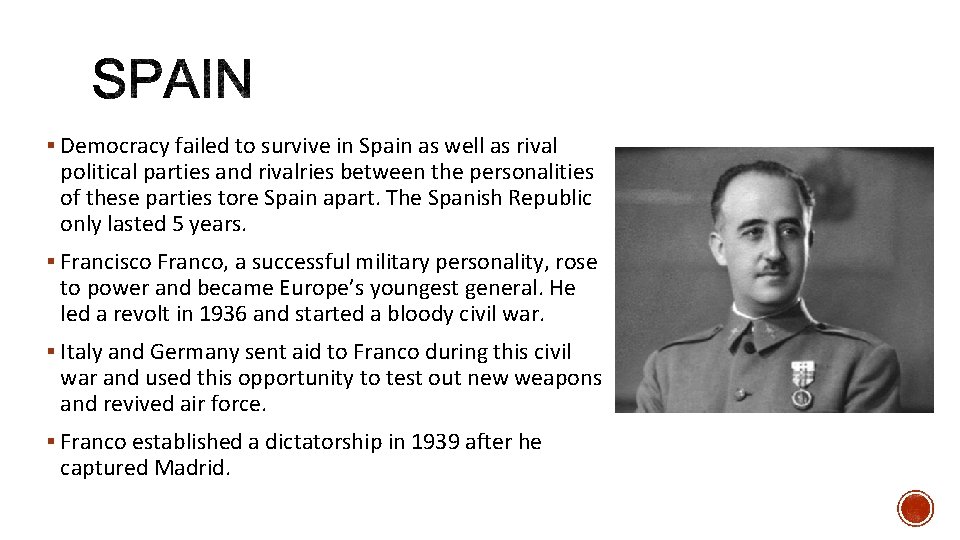
§ Democracy failed to survive in Spain as well as rival political parties and rivalries between the personalities of these parties tore Spain apart. The Spanish Republic only lasted 5 years. § Francisco Franco, a successful military personality, rose to power and became Europe’s youngest general. He led a revolt in 1936 and started a bloody civil war. § Italy and Germany sent aid to Franco during this civil war and used this opportunity to test out new weapons and revived air force. § Franco established a dictatorship in 1939 after he captured Madrid.
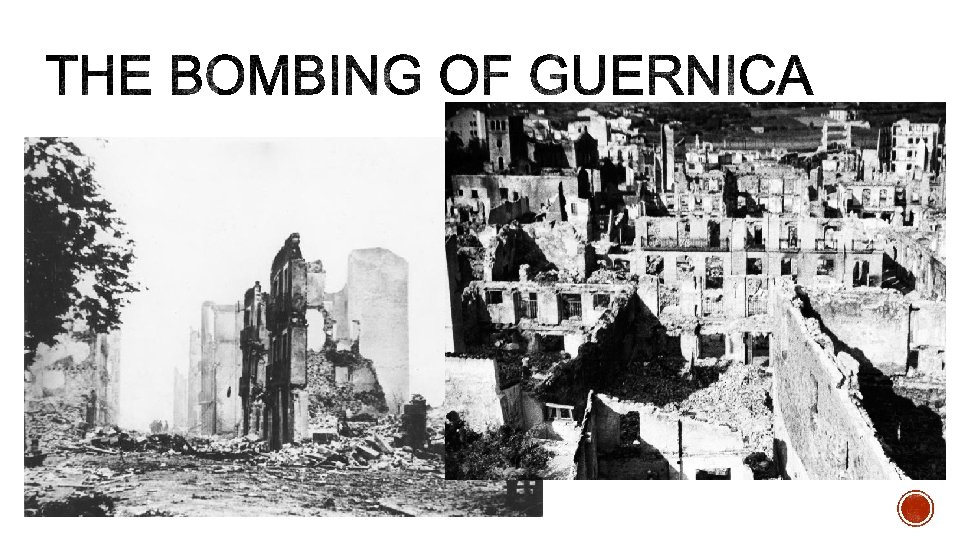
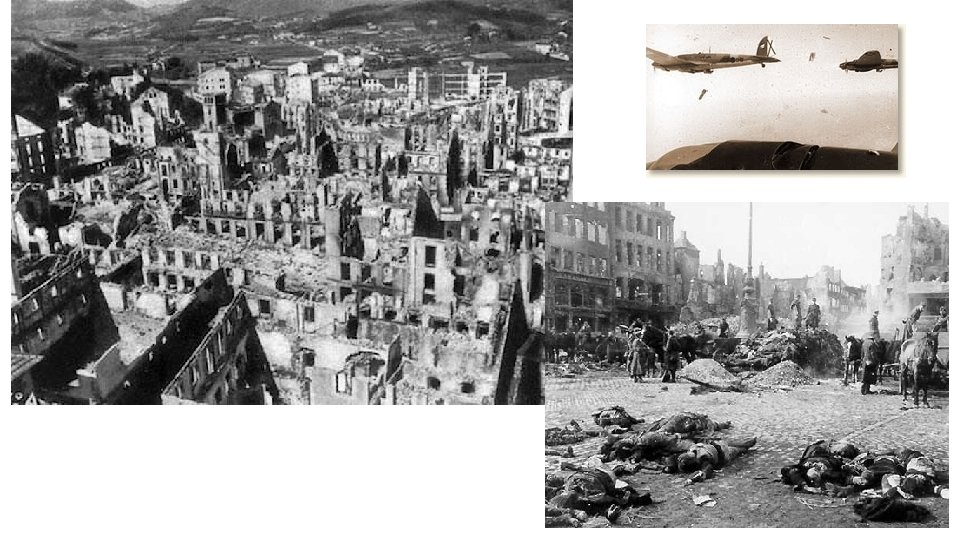
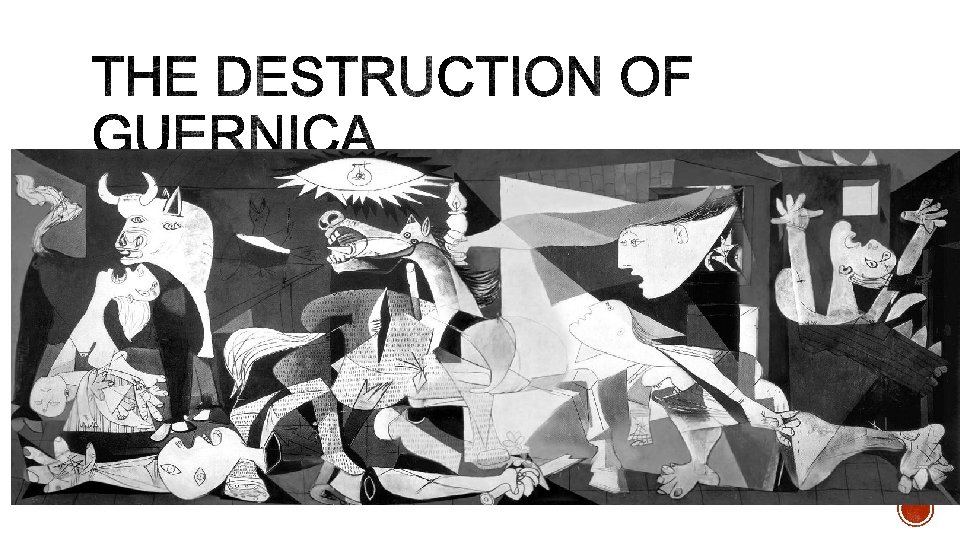
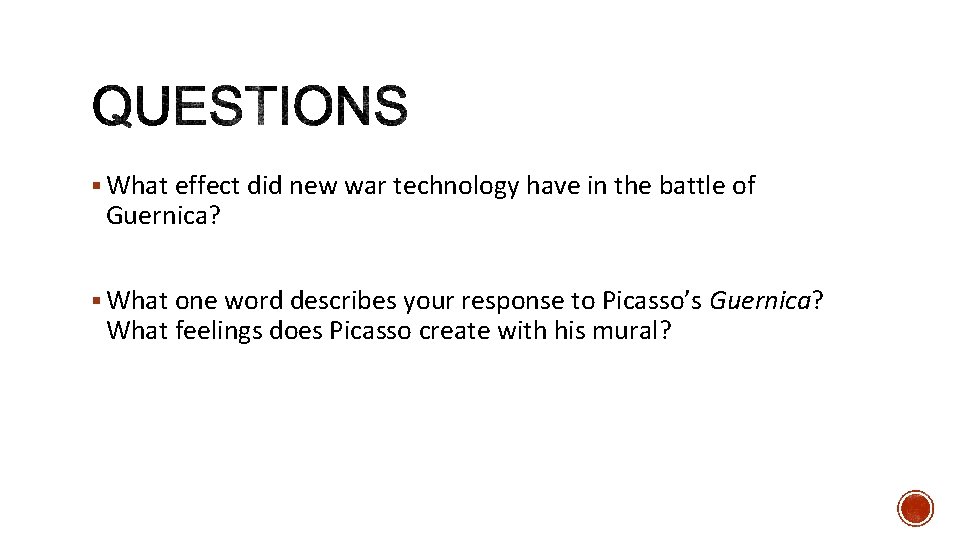
§ What effect did new war technology have in the battle of Guernica? § What one word describes your response to Picasso’s Guernica? What feelings does Picasso create with his mural?
- Slides: 24