
THE AGE of INDUSTRY Americas Industrial Revolution 1870


- Slides: 25
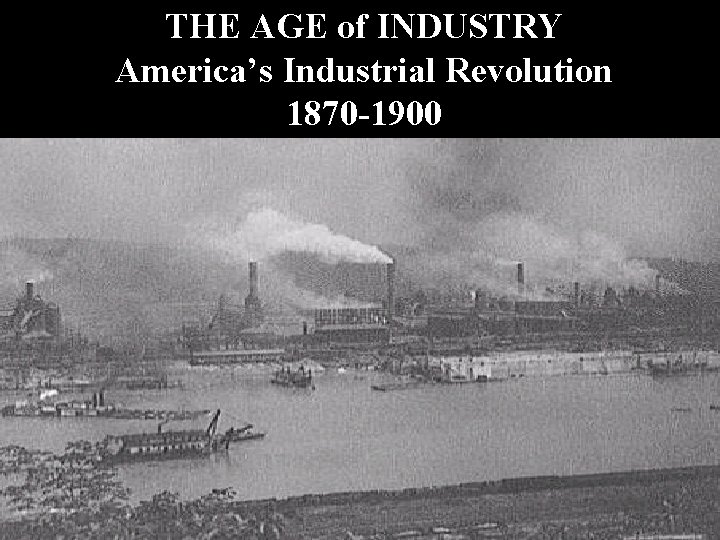
THE AGE of INDUSTRY America’s Industrial Revolution 1870 -1900
The Four necessities for an Industrial Revolution 1. Natural Resources 2. Large Labor Pool 3. Transportation & Communication Systems 4. Markets
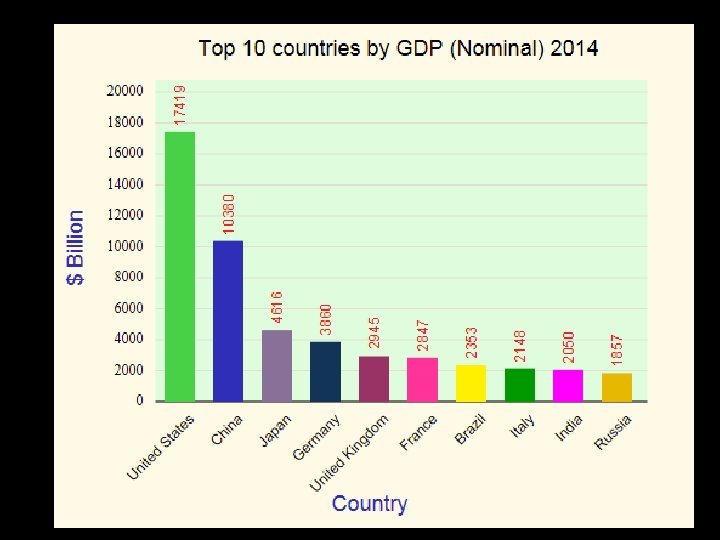
The Free Enterprise System- An economic system characterized by private ownership of the means of production and a lack of government regulation of the economy. AKA -Market Economy or Laissez Faire Economics. A countries economic strength is measured by its GDP or Gross Domestic Product which is the total value all goods and services produced in a country in one year.
Corporation- A business owned by the public through the sale of stock. Stock- Certificates of partial ownership in a corporation. Dividends- Payments to stockholders based on the # of shares they own. Capital- Money used to expand businesses. Stocks produce large amounts of capital. Investing in corporations is made less risky by limited liability which protects stockholders from being responsible for a corporation’s debt.
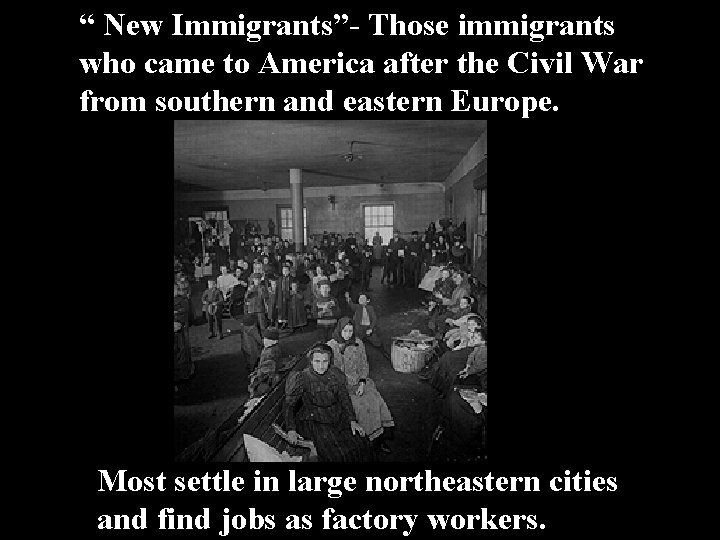
“ New Immigrants”- Those immigrants who came to America after the Civil War from southern and eastern Europe. Most settle in large northeastern cities and find jobs as factory workers.
Monopoly – The complete control of an entire industry by a corporation. Rich industrialists were nicknamed Tycoons Or not so affectionately, “Robber Barons. ”
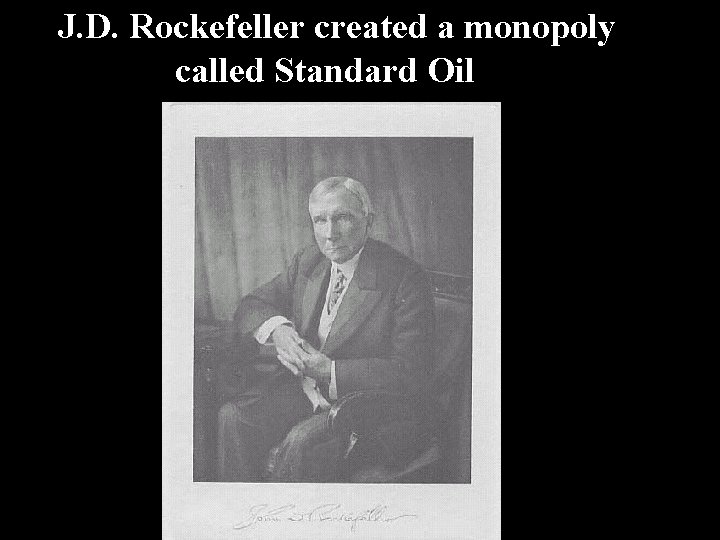
J. D. Rockefeller created a monopoly called Standard Oil
He supported a theory called Social Darwinism or “survival of the fittest. ” Horizontal Integration- Controlling one essential step in the production of a product in order to create a monopoly.
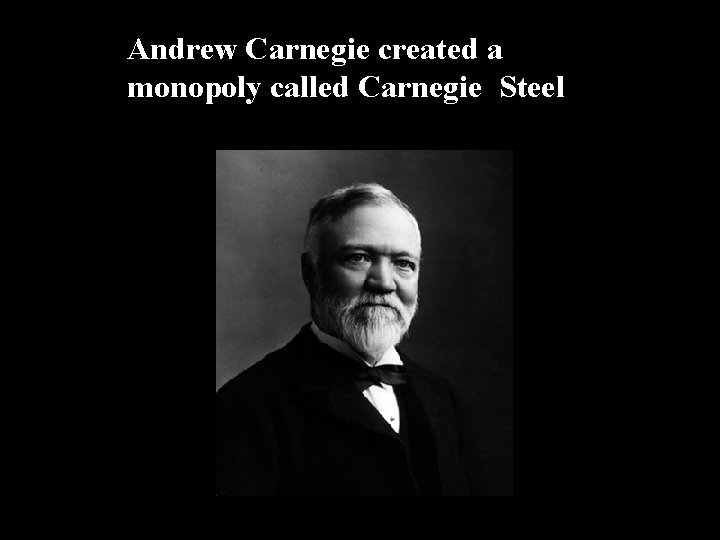
Andrew Carnegie created a monopoly called Carnegie Steel
Vertical Integration- Controlling all the steps in the production of a productfrom raw materials to finished products.
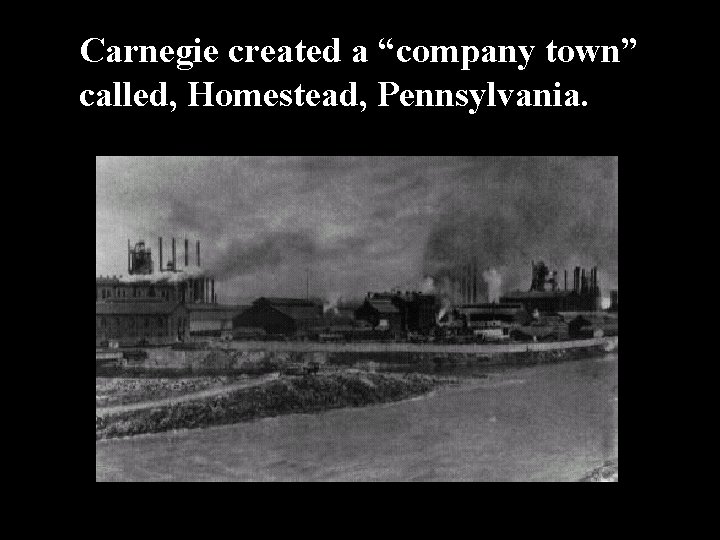
Carnegie created a “company town” called, Homestead, Pennsylvania.
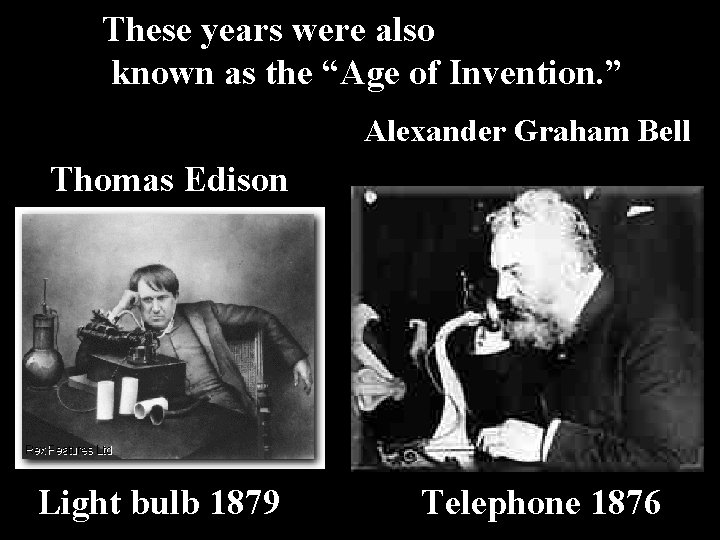
These years were also known as the “Age of Invention. ” Alexander Graham Bell Thomas Edison Light bulb 1879 Telephone 1876
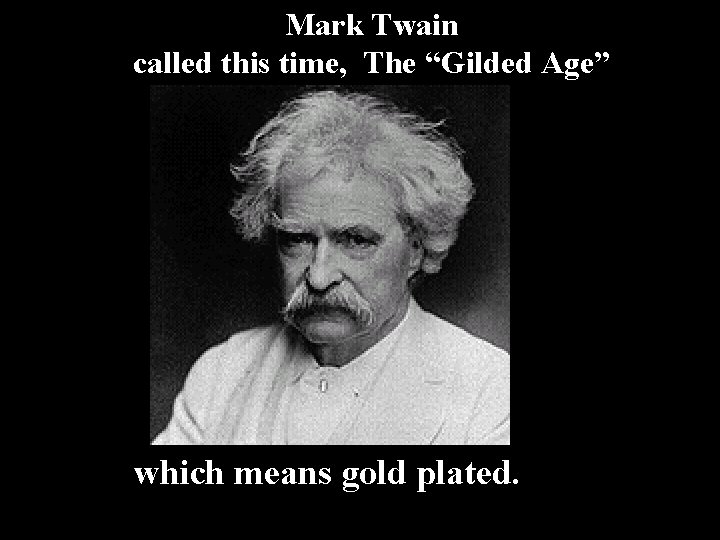
Mark Twain called this time, The “Gilded Age” which means gold plated.
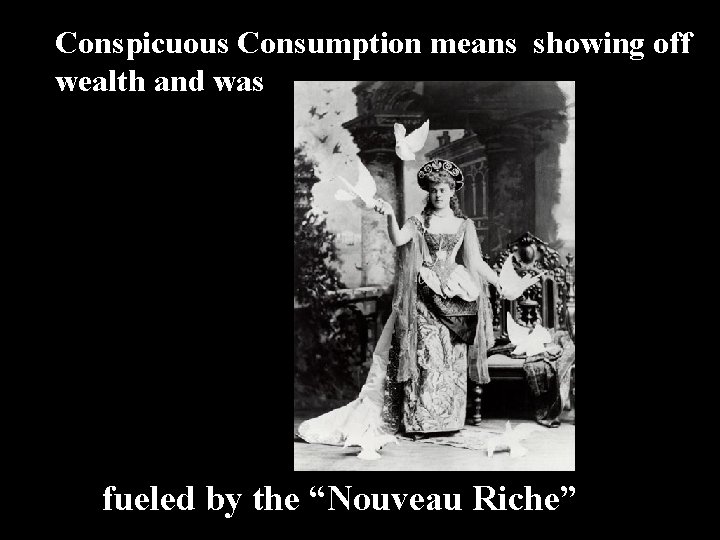
Conspicuous Consumption means showing off wealth and was fueled by the “Nouveau Riche”
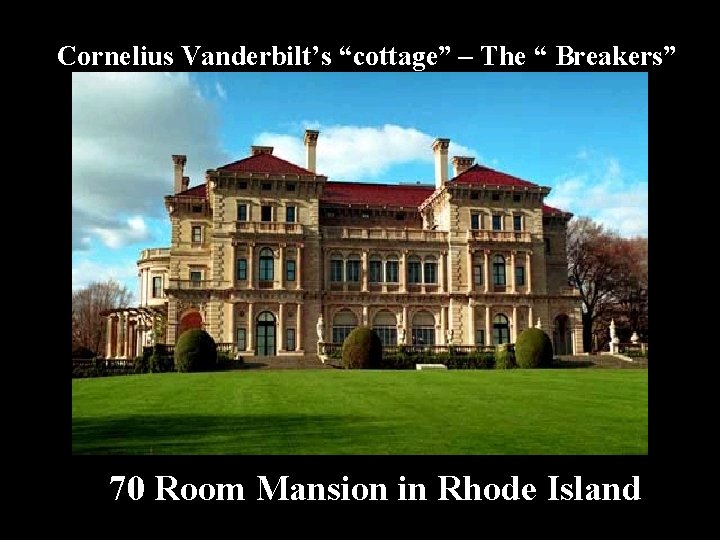
Cornelius Vanderbilt’s “cottage” – The “ Breakers” 70 Room Mansion in Rhode Island
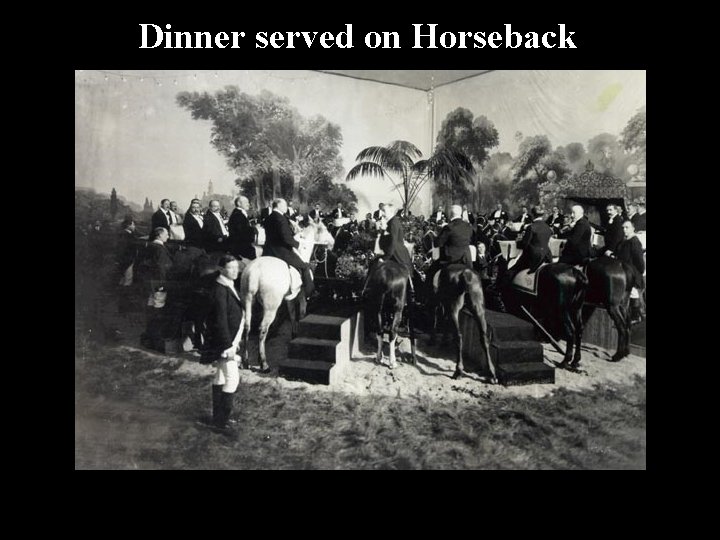
Dinner served on Horseback
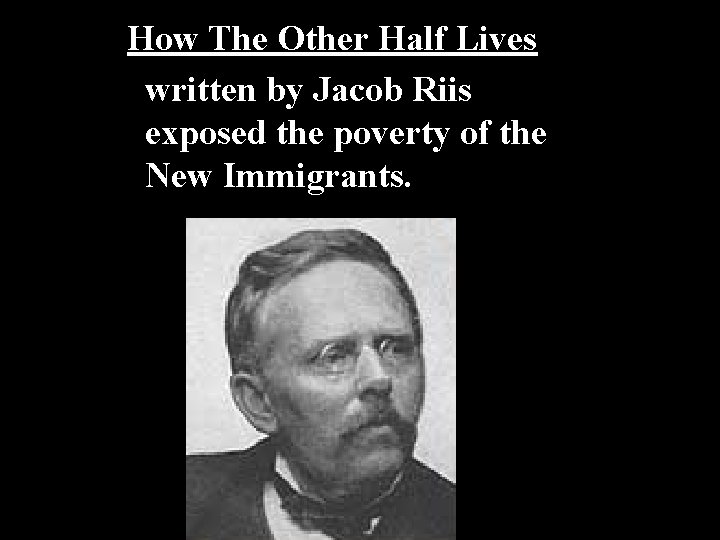
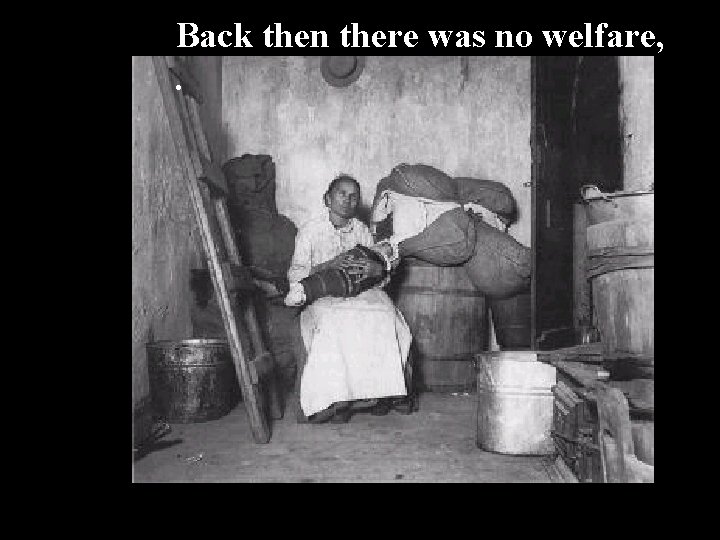
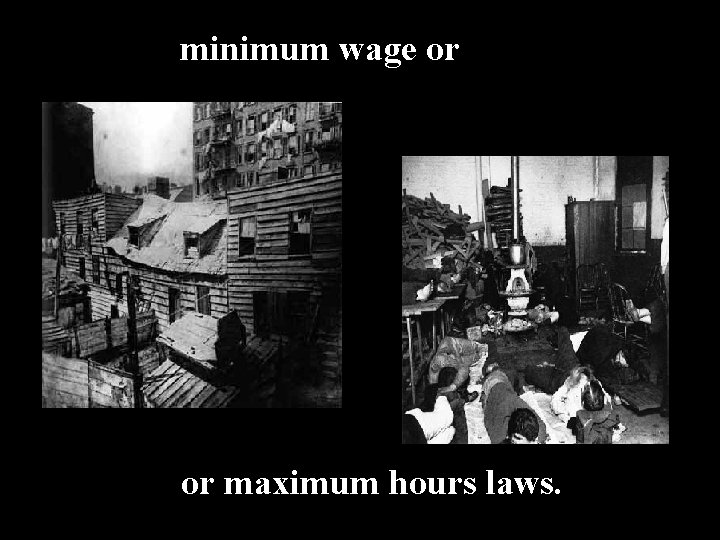
How The Other Half Lives written by Jacob Riis exposed the poverty of the New Immigrants.
Back then there was no welfare, .
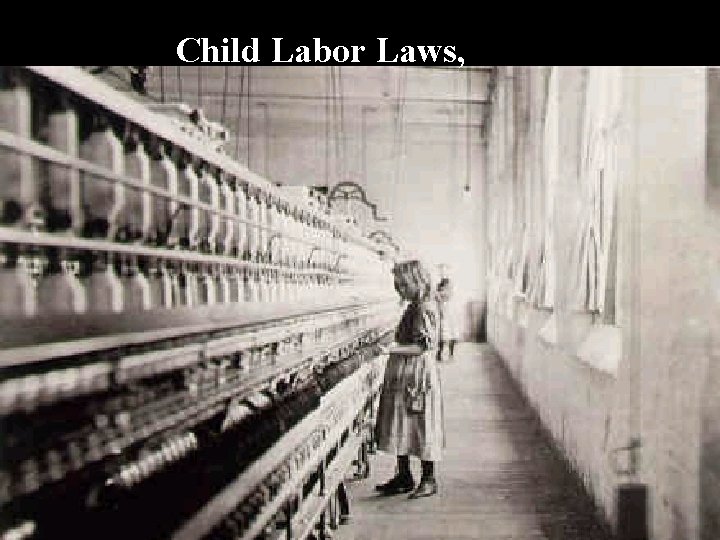
Child Labor Laws,
minimum wage or or maximum hours laws.
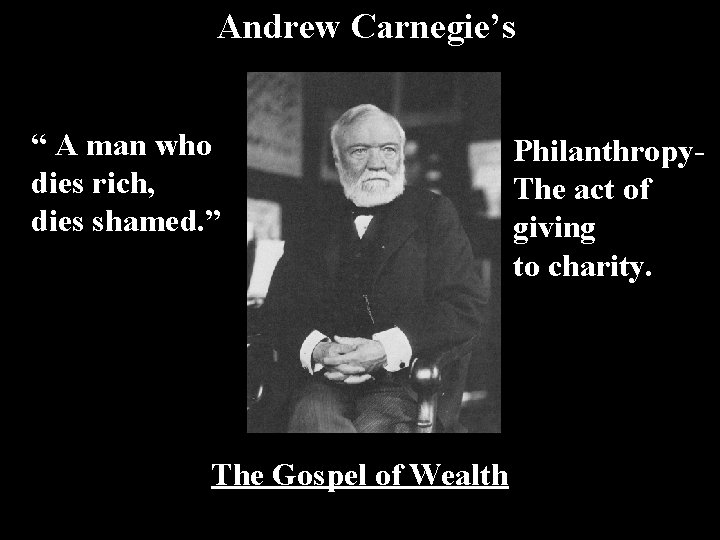
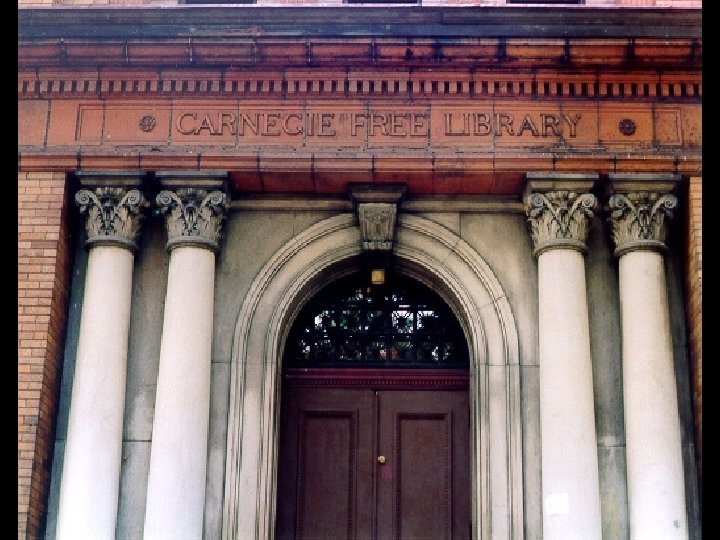
Andrew Carnegie’s “ A man who dies rich, dies shamed. ” The Gospel of Wealth Philanthropy. The act of giving to charity.
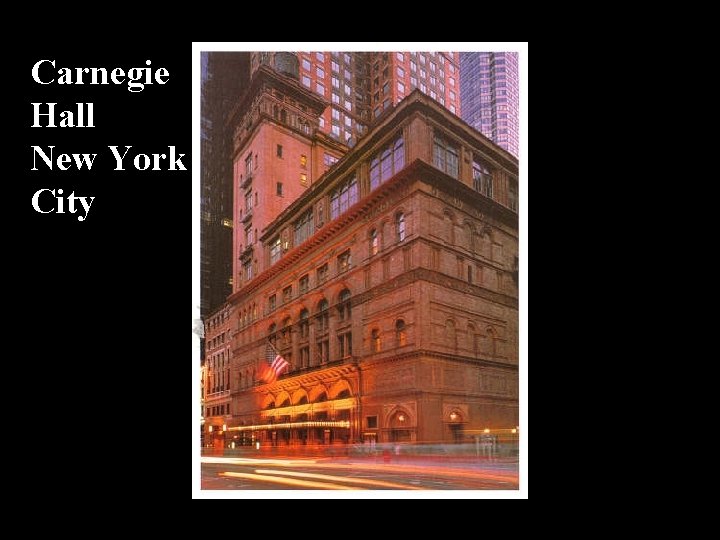
Carnegie Hall New York City