
The Age of Imperialism Levels of Imperial Control
- Slides: 11
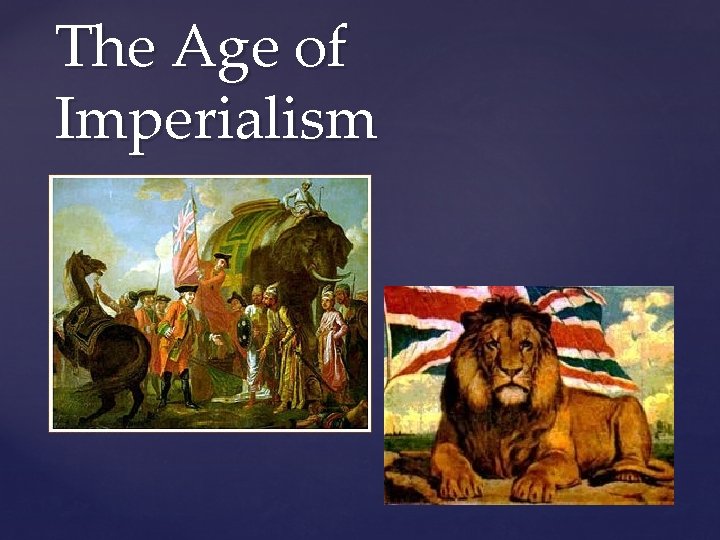
The Age of Imperialism {
Levels of Imperial Control Imperialism – one nation directly or indirectly controls the government and/or economy of another country. Direct Rule – direct control by the home/imperial country colonies Indirect Rule - home country controls with indirect means Protectorate – people have their own government, but home country has final word in all important matters. Sphere of Influence – Imperial nation has sole right to trade/invest
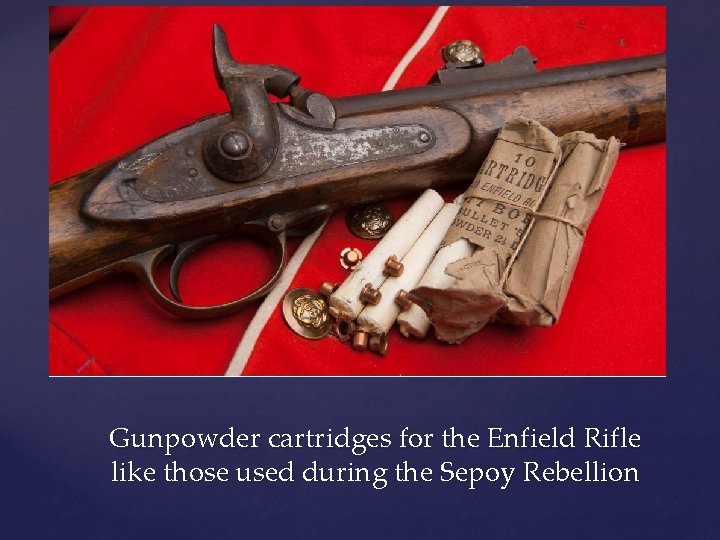
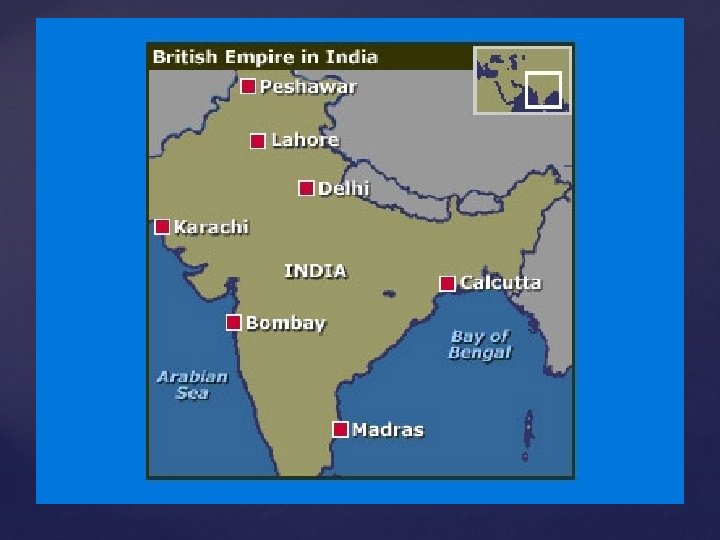
British Rule in India I. The British East India Company A. Set up trading posts along India’s coast B. Organized an army to protect interests C. Robert Clive: BEIC official, defeated French in 1757 and all but kicked them out of India D. Over next 100 years BEIC took over much of India and became wealthy E. Indians felt that British was trying to change their culture 1. Sepoy rebellion – Indian troops in army (Hindus/Muslims) believed gunpowder cartridges had been greased with a mixture of pig and cow fat. a. Rebelled against officers b. Britain send extra troops to put down rebellion 1. Leads to bitterness between Indians and Brits.
Gunpowder cartridges for the Enfield Rifle like those used during the Sepoy Rebellion
British Rule in India II. Positive and negative effects of British rule A. Positive: 1. restored order to India after fighting between Mogul Muslims and native Hindus 2. Government was run well 3. Schools founded 4. railroads built 5. telegraphs and postal service B. Negative 1. import of cheap British textiles killed textile industry in India 2. British forced famers to grow cotton instead of food starting a famine among the Indian people
U. S. Expansion Monroe Doctrine 1823 A. President James Monroe tells Europe to stay out of Latin American affairs. II. American Industrialism fuels Expansion A. America needs new markets to sell goods due to Ind. Rev. B. Nationalism spreads throughout America. People want to spread ideas and culture to other parts of world. III. 1867 – Alaska A. U. S. Sec. of State William Henry Seward buys Alaska from Russia B. “Seward’s icebox” – later discovered gold and oil I. IV. 1898 – President William Mc. Kinley annexed Hawaii A. Fueling station for navy
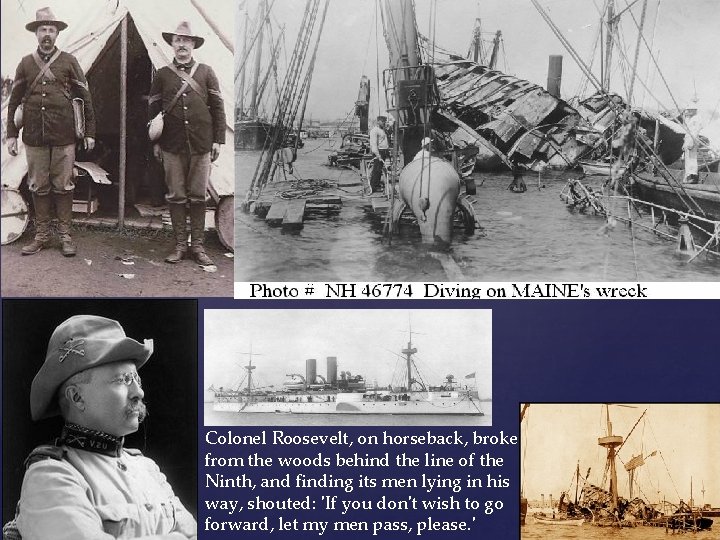
Colonel Roosevelt, on horseback, broke from the woods behind the line of the Ninth, and finding its men lying in his way, shouted: 'If you don't wish to go forward, let my men pass, please. '
U. S. Expansion V. War of 1898 A. Spain still ruled Cuba and Puerto Rico B. Cubans rebelled against Spain C. President Mc. Kinley orders battleship USS Maine to protect Americans in Cuba. 1. USS Maine explodes in harbor at Havana D. Congress declares war on Spain at Mc. Kinley’s request. 1. War lasts four months 2. Spain gives U. S. possessions in Caribbean and Pacific. (Philippines, Guam, Puerto Rico) http: //www. eyewitnesstohistory. com/roughriders. htm
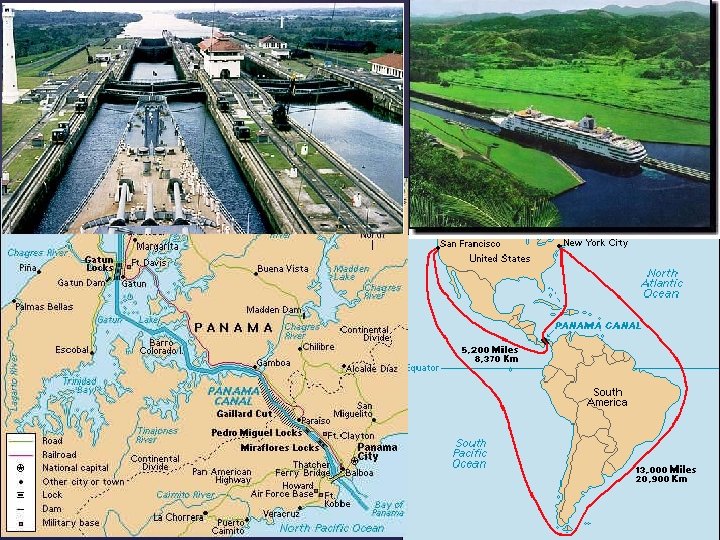
U. S. Expansion VI. Panama Canal A. War of 1898 shows U. S. how important it is to move navy from east to west quickly. B. Had to go around S. America C. President Roosevelt decides to build a canal across the isthmus of Panama. D. Problem! Panama belongs to Columbia. 1. 1903 - U. S. helps Panamanian rebels win independence from Columbia. . 2. In return Panama signs treaty allowing U. S. to build and control the canal. E. In 1979 Jimmy Carter signed treaty that slowly handed control back to Panama. Transfer was complete in 1999.